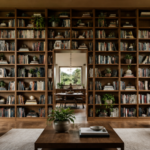
Apartment Rooms: How to Maximize Space and Functionality
Learn about apartment rooms, their history, layouts, and functionality. Discover how to maximize space and find your ideal rental unit for long-term living
Does an efficient apartment room transform a crowded summer rental into a livable sanctuary? When finding a rental unit, people often worry about space, layout, or utilities. Many overlook how an apartment room defines daily comfort or security year-round. Whether you manage a summer lease or winter budget, the right living space matters. Understanding your apartment room clarifies layout, utility, and value for any tenant looking at a new dwelling area. This guide explains the basics so you can find a home that works.
Quick Questions and Answers
Question: What questions should I ask before renting an apartment?
Answer: Ask about rent, security deposit, fees, utilities, lease length, pet rules, parking, renters insurance, and move-out notice requirements. Apartment-listing guides and rental checklists consistently emphasize these as the core questions because they determine your total monthly cost and whether the lease fits your needs. Knowing these details prevents surprises later on.
Question: How much are typical apartment move-in costs and fees?
Answer: Move-in costs often include the first month’s rent, a security deposit, application fees, and sometimes administrative or amenity fees. Rental guides recommend asking for every required upfront charge in writing so you can compare the true cost of different apartments. Many renters forget hidden fees that add up quickly before moving day.
Question: Are utilities usually included in apartment rent?
Answer: Sometimes, but not always. Many apartments include one or more utilities such as water, trash, or sewage, while electricity, gas, internet, and cable are often separate, so you should ask exactly what is covered before signing. You must budget accurately for these individual expenses.
Key Takeaways
The cost includes first month rent, deposit, and fees.
Ask about utilities to understand total budget needs.
Lease length affects flexibility for relocation plans.
Apartment Rooms: Definition, History, and Architectural Evolution
The concept of an apartment room has shifted over centuries as cities grew denser. Ancient structures housed individuals, yet modern definitions focus on self-contained units within large buildings. The architectural evolution reflects societal needs for privacy and shared infrastructure. This history shapes how we view current living standards.
Defining the Apartment Concept
An apartment serves as a set of rooms rented for independent living. Britannica defines it as a building containing more than one dwelling unit, mostly for domestic use [3]. The term emerged in the United States by 1863, replacing earlier descriptions of single-room dwellings. It originally meant separate rooms within a house from the Italian “appartimento” or separated place [5]. Today, it denotes a fully equipped unit with utilities.
This distinction matters for legal leases and safety standards. A room or suite functions as a home if it contains essential living facilities like a kitchen and bathroom [1]. You need clear definitions when reviewing contracts to avoid misunderstandings about shared versus private areas. The structure of the apartment determines noise levels and privacy.
Rooms must offer independent living access.
Essential utilities must be present and functional.
Legal leases define the exact boundaries of your unit [8].
Unit Type
Size Range
Ideal For
Note
Studio
300-500 sq ft
Single Occupants
No separate bedroom
One-Bedroom
500-800 sq ft
Couples or Students
Separate master room
Two-Bedroom
800-1200 sq ft
Families or Roommates
Multiple sleeping areas
Historical Evolution of Apartment Housing
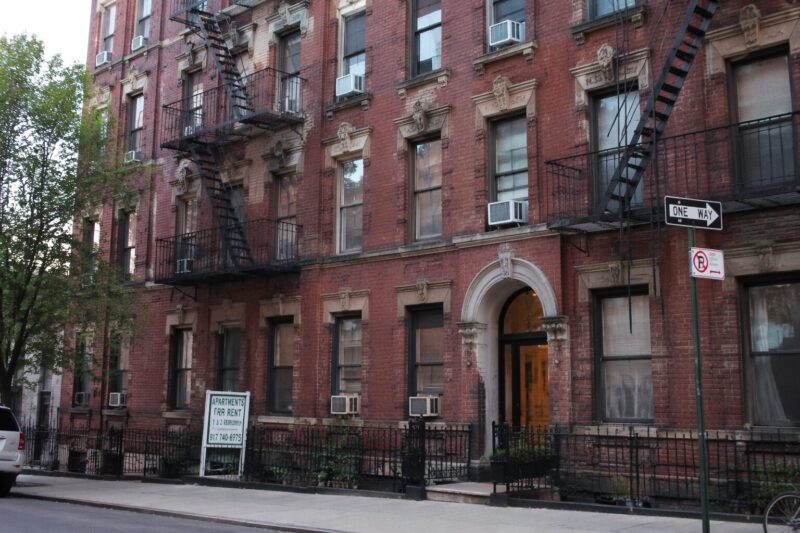
Apartment housing faced resistance during late nineteenth-century Britain when middle classes preferred single-family homes. Residents in flats were often assumed to be lower class or itinerant, renting a flat above a shop [7]. The stigma faded in the US as urban populations swelled in the 1920s. Architects designed units for various family sizes and budgets to accommodate the city dwellers.
Encyclopedia.com notes that these early 1920s designs included one-room efficiency units and apartment hotels [6]. The popularity of elevator buildings grew, changing accessibility for multi-story structures. This era marked a shift where living in a high-density building became a standard urban lifestyle choice.
Key Architectural Categories and Features
Modern layouts prioritize efficiency alongside aesthetic appeal. Loft apartments originated after the late 1960s economic downturn, converting warehouses and factories into living spaces [4]. Artists occupied these open areas, creating a style where workshop and bedroom coexisted. Contemporary lofts sometimes feature actual divisions between sleeping and living areas, but the open floor plan remains iconic.
Belgrade salon apartments introduced distinct dining rooms and salon areas, influencing urban planning in Yugoslavia. Architects later spread this concept to other large centers. Understanding these styles helps you visualize how the space functions for your daily routine. Some buildings include private art spaces or large windows for natural light.
Open floor plans maximize perceived square footage.
Dedicated dining areas improve mealtime social dynamics.
You often find these spaces repurposed for modern living needs. Decorative elements like pumpkins or rhinestones can further customize these large blank walls (13 Popular Pumpkin Drawing Ideas for Every Home). The structural integrity remains, but the interior design shifts to match the era’s requirements.
Infrastructure and Specialized Apartment Models
Specialized models like apartment hotels adapted London’s catering flats for US tenants. They offered long-term residency with meal services, removing the burden of daily cooking [6]. Some buildings now incorporate non-residential features like retail shops on the ground floor. Elevator technology also transformed multi-story accessibility, allowing families to move floors easily.
Technology has changed how units are built, with modern HVAC systems improving air quality. Early elevators required operators, but automatic systems increased efficiency. These infrastructure elements support the density required for affordable urban living.
My Experience With Apartment Rooms: How to Maximize Space and Functionality
I once rented a unit where the layout confused me. The entrance led directly to a hallway that felt endless. I realized early on that I needed to organize storage under stairs to keep it feeling open. Space management is about psychological perception as much as physical size. I found that using vertical storage eliminated clutter on the floor. You don’t need huge closets if you use walls effectively.
One day, a delivery guy got stuck in the narrow corridor. I then measured the hallways before moving furniture. Small tweaks like mirrors on walls trick the eye into seeing more space. It is often the small things, like door placement, that impact flow. I have learned that the first step is measuring your actual belongings. Do you plan to stay a year or more?
What is the biggest challenge you face with your current layout?
FAQ
Q: Do apartment complexes usually charge extra parking fees?
Answer: Yes, many do. You should ask whether parking is included, assigned, or available for an additional monthly charge, because parking policies and costs can vary widely by building. This cost can significantly impact your monthly budget, so you must clarify it before signing the lease agreement.
Q: Can I bring pets to an apartment?
Answer: That depends on the property’s pet policy. Some apartments allow pets with breed, size, or number limits, while others charge pet rent or pet deposits, so you need the policy in writing before you apply. Failure to disclose your pet can lead to eviction.
Q: How long is a typical apartment lease?
Answer: Most apartment leases are for 12 months, but shorter or longer terms are possible. Apartment rental guides recommend confirming the lease length and renewal terms early, since they affect flexibility and future rent increases. Short-term leases often come with higher monthly costs.
Q: Does renters insurance usually have to be required?
Answer: Many apartments require renters insurance, and some make it a condition of the lease. Guides on apartment hunting recommend asking whether it is mandatory and what minimum coverage the landlord requires. Insurance protects your personal belongings against theft or damage not covered by the landlord’s policy.
Q: What should I check when touring an apartment room?
Answer: Check the exact unit, not just a model, and inspect appliances, storage, windows, outlets, and signs of pests or damage. Rental advice also recommends documenting the apartment’s condition during the tour so you have a record before move-in. Taking photos provides proof if issues arise later.
Q: Why do apartment rooms seem smaller than the listing says?
Answer: Listings may describe the total square footage of the apartment, but the usable space can feel smaller because hallways, closets, and awkward layouts take up room. One apartment-renting guide notes that comparing bedroom square footage and examining the layout can help you judge whether the space will actually fit your needs. Visualizing the furniture arrangement beforehand is key.
Q: Which apartment questions matter most for first-time renters?
Answer: The most important questions are usually rent, move-in costs, utilities, lease length, parking, pet rules, renters insurance, and move-out notice. These show up repeatedly in apartment-renting guides because they affect both affordability and daily living. Asking these questions upfront prevents financial stress later.
Conclusion
Your apartment room choice impacts your daily life significantly. The right unit aligns with your budget and lifestyle needs. Understanding the history and layout options helps you make an informed decision. Focus on what matters most to you during the search. This knowledge protects you from common rental pitfalls.
References
Doorloop. (n.d.). What Is An Apartment | Definition & Examples. Doorloop. https://www.doorloop.com/definitions/apartment
A Teacher with 5 years of experience. Our Expertise, is reliable to meet your full Academic development needs . Worked on many crafts and construction projects offering services from design to development to deployment over the years. You will find many of my works in my business portfolio on request.