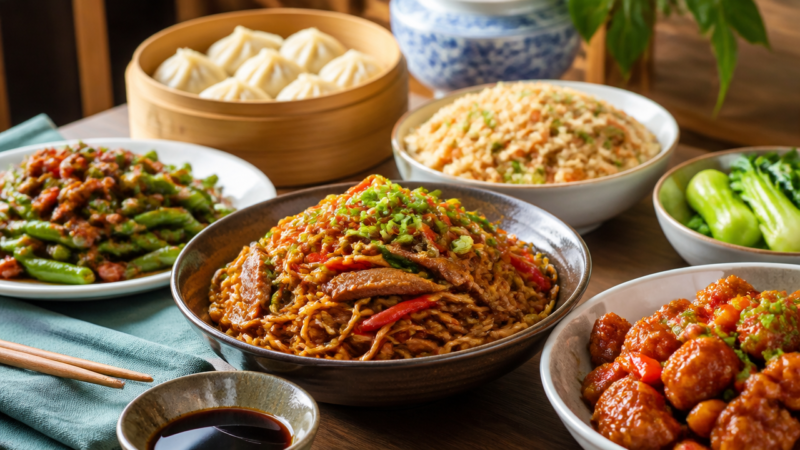

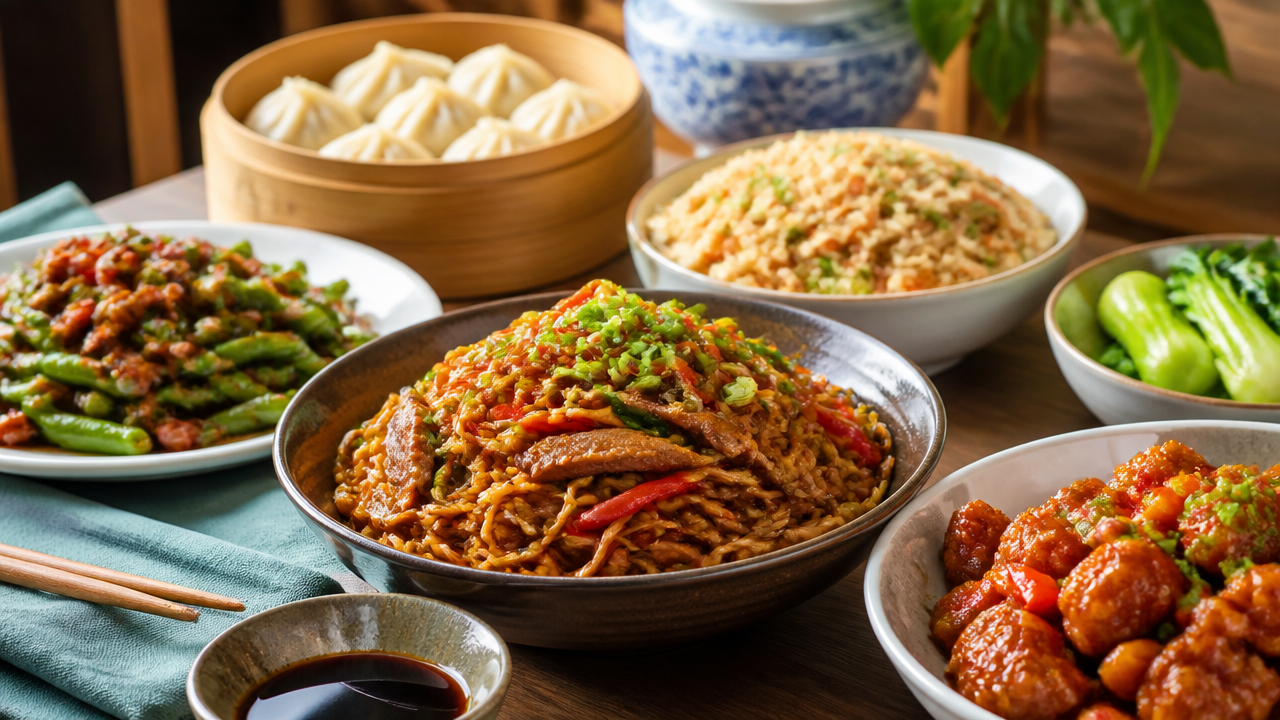
What makes a truly great homemade Chinese recipe stand out from every other takeout meal you have tried? Simplicity drives these dishes, as quality ingredients and traditional techniques create layers of flavor that often get lost in mass-produced commercial cooking. Whether you are prepping for a busy weeknight dinner or an elaborate family gathering, these 12 recipes provide a reliable foundation for your kitchen. Harnessing classic methods like steaming, stir-frying, and simmering ensures each homemade Chinese dish delivers authentic results. Cooking these meals is an accessible way to enjoy your favorite flavors while maintaining complete control over your ingredients.
Quick Questions and Answers
Question: Why are homemade Chinese recipes so popular at home? Answer: Homemade Chinese recipes are popular because they are usually fast, flexible, and use everyday ingredients like soy sauce, garlic, ginger, and vegetables. Many dishes can be adapted to what you already have in the kitchen, which makes them practical for weeknight cooking. They also let you control salt, spice, oil, and portion size.
Question: Can I make Chinese food without a wok? Answer: Yes. A wok is helpful, but it is not required for most home Chinese recipes. A large skillet or frying pan can work well if it is heated properly and used in batches so ingredients sear instead of steam.
Question: Do homemade Chinese recipes need special ingredients? Answer: Some dishes use specialty items such as rice wine, oyster sauce, sesame oil, or Shaoxing wine, but many recipes can be made with pantry staples. Common basics include soy sauce, ginger, garlic, scallions, cornstarch, and rice or noodles. Recipes are often forgiving and can be adjusted with substitutes.
Key Takeaways
- Preparation of fresh ingredients before starting the heat is the most important step for successful stir-frying.
- Modern home kitchens have enough power to replicate traditional restaurant results by using high heat carefully.
- Authentic flavor hinges on balancing salty, sweet, and umami elements like fermented pastes or aged vinegars.
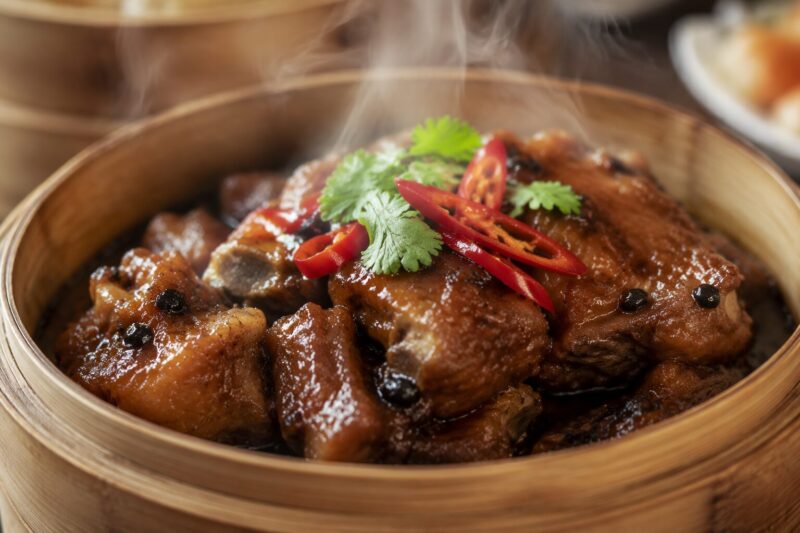
1. Chinese Steamed Spare Ribs with Black Bean Sauce

This dish relies on gentle steam to keep the meat tender while the fermented black bean sauce infuses it with deep, savory notes. It is a perfect choice for those who want a protein-heavy main without turning on the oven or heavy stovetop burners.
Ingredients
- 1 lb pork spare ribs, cut into 1-inch pieces
- 2 tbsp fermented black bean sauce
- 1 tbsp soy sauce
- 1 tsp sugar
- 1 tsp Shaoxing rice wine
- 1 tbsp cornstarch
- 1 tbsp minced garlic
- 1 inch fresh ginger, finely grated
Instructions
- Rinse the rib pieces and pat them thoroughly dry to ensure the sauce adheres well.
- Combine the pork, black bean sauce, soy sauce, sugar, rice wine, and cornstarch in a bowl, mixing until every piece is coated.
- Stir in the garlic and ginger to distribute the aromatics.
- Spread the ribs in a single layer on a heat-proof plate.
- Set up a steamer basket in a wok or pot with boiling water and place the plate inside.
- Steam for 15 minutes, ensuring the water does not run dry, then garnish with scallions before serving.
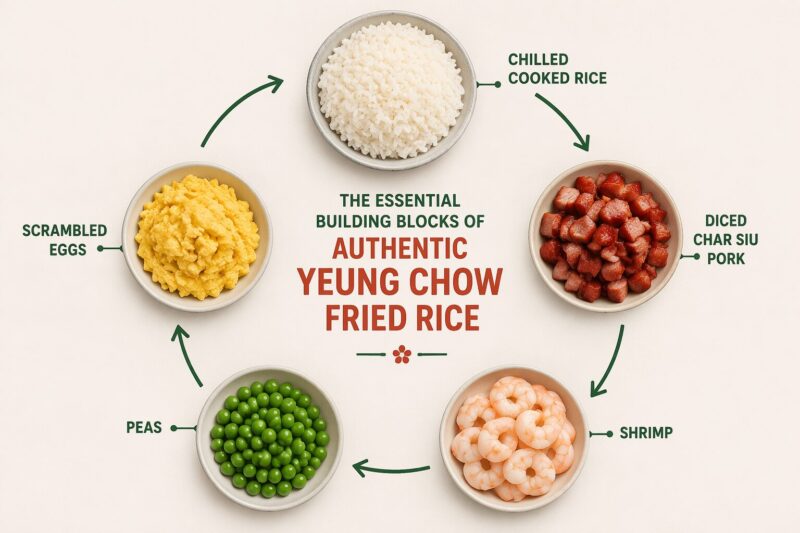
2. Classic Yeung Chow Fried Rice
This dish is a staple for cleaning out the refrigerator, making it an efficient way to use up leftover proteins and vegetables. Using cold, day-old rice is the secret here; the grains stay separate and absorb the seasonings better than freshly cooked, moist rice.
Ingredients
- 3 cups cooked chilled white rice
- 1/2 cup diced char siu (BBQ pork)
- 1/2 cup small shrimp, peeled and deveined
- 1/2 cup frozen peas, thawed
- 2 large eggs, lightly beaten
- 2 stalks green onions, chopped
- 2 tbsp vegetable oil
- 1 tbsp soy sauce
- Salt and white pepper to taste
Instructions
- Heat a tablespoon of oil in a wok or skillet over high heat and scramble the eggs quickly until just set, then remove them.
- Add a bit more oil and stir-fry the shrimp and BBQ pork until the shrimp turns pink.
- Toss in the cold rice, breaking up any clumps with your spatula.
- Stir-fry for 3-4 minutes until the rice is heated through.
- Add the peas, cooked eggs, and soy sauce, tossing to combine everything evenly.
- Season with salt and white pepper, then stir in the green onions for a fresh finish. Always check that your ingredients are safe and fresh, remembering that if you have doubts, Recent Egg Recall Brands and Safety Procedures Explained can guide you through proper pantry management.
3. Fiery Kung Pao Chicken
Kung Pao chicken balances fiery dried chilies with the nutty crunch of roasted peanuts for a complex texture contrast. It suits a weeknight meal because it relies on quick, high-heat cooking to lock in flavor.
Ingredients
- 1 lb chicken breast, cut into small cubes
- 1/2 cup roasted peanuts
- 3 dried red chilies, chopped
- 2 garlic cloves, sliced
- 1 tbsp soy sauce
- 1 tbsp rice vinegar
- 1 tsp sugar
- 1 tsp cornstarch
- Oil for frying
Instructions
- Mix the chicken with a pinch of cornstarch and a splash of soy sauce to coat.
- Whisk together the remaining soy sauce, vinegar, sugar, and cornstarch to create your sauce.
- Heat a wok with oil until shimmering and sear the chicken until golden brown.
- Add the garlic and dried chilies, stir-frying for 30 seconds to release their fragrance.
- Pour the sauce into the pan and toss immediately, allowing it to thicken into a glaze.
- Fold in the peanuts at the very last second and serve over jasmine rice.
4. Authentic Mapo Tofu
Mapo Tofu is a classic dish that shows how tofu can act as a sponge for bold, spicy, and numbing flavors. It is an excellent choice for a chilly evening when you want something hearty and warming.
Ingredients
- 1 block silken tofu, cut into cubes
- 1/4 lb ground pork or finely chopped shiitake mushrooms
- 1 tbsp doubanjiang (fermented broad bean paste)
- 1 tsp Sichuan peppercorns, toasted and ground
- 1 tbsp minced garlic and ginger
- 1/2 cup chicken stock
- 1 tsp cornstarch mixed with 1 tbsp water
Instructions
- Gently parboil the tofu cubes in salted water for 2 minutes to warm them through, then drain carefully.
- Brown the meat or mushrooms in a hot pan until crispy.
- Stir in the garlic, ginger, and doubanjiang until the oil turns bright red.
- Pour in the chicken stock and bring to a simmer.
- Gently place the tofu cubes into the liquid and simmer for 3 minutes to absorb the sauce.
- Add the cornstarch slurry to thicken, then serve immediately topped with the ground Sichuan peppercorns.
5. Traditional Steamed Whole Fish
Steaming is the most respected method for preparing fresh seafood in Chinese traditions because it preserves the delicate, flaky texture of the flesh. As noted by Food Network, freshness of the fish is the single most important factor for success.
Ingredients
- 1 whole fresh fish (approx 1 lb), cleaned
- 2 inches ginger, cut into thin matchsticks
- 3 stalks scallions, sliced into long strips
- 2 tbsp light soy sauce
- 1 tbsp vegetable oil, heated until smoking
Instructions
- Score the fish deeply on both sides to help it cook evenly.
- Place the fish on a heat-proof dish and top with half of the ginger and scallions.
- Steam the fish for 8 to 10 minutes, depending on the thickness of the fish.
- Discard the steaming liquid once the fish is done to avoid a fishy taste.
- Top the fish with fresh ginger and scallions.
- Pour the soy sauce over and drizzle the smoking hot oil over everything for an aromatic finish.
6. Comforting Egg Drop Soup
This soup is a gentle, soothing side that comes together in mere minutes using basic pantry staples. I find it provides a perfect palate cleanser before diving into spicier main dishes.
Ingredients
- 4 cups chicken stock
- 2 large eggs, beaten
- 1 tbsp cornstarch mixed with 2 tbsp water
- 1 tsp ginger, minced
- 1/2 tsp sesame oil
- Salt and white pepper to taste
Instructions
- Bring the stock and ginger to a gentle boil in a medium pot.
- Stir in the cornstarch slurry and let the soup thicken for 1 minute.
- Reduce the heat to a low simmer.
- Hold the bowl of beaten eggs high and pour them in a thin, circular stream while stirring the soup slowly in one direction to create delicate ribbons.
- Turn off the heat immediately to keep the eggs soft.
- Season with sesame oil, salt, and white pepper, stirring once more before serving.
7. Crispy Crab Rangoon
These fried wontons are a favorite for parties or as a fun, crunchy snack at home. They are best when served hot from the fryer to ensure the cream cheese filling remains molten.
Ingredients
- 8 oz cream cheese, softened
- 1/2 cup imitation crab, chopped
- 1 green onion, finely chopped
- 12 wonton wrappers
- Oil for deep frying
Instructions
- Combine the cream cheese, crab, and green onion in a small bowl until smooth.
- Place a small spoonful of the filling in the center of a wrapper.
- Dab the edges with a bit of water and pull the corners together to seal firmly.
- Heat your oil to 350°F in a deep pot.
- Carefully drop the wontons in, frying in small batches for 2 minutes total.
- Remove when golden brown and drain on a wire rack to keep them crispy.
8. Mushroom Pepper Steak
Slicing the beef thinly against the grain makes this dish incredibly tender, matching the quality of higher-end restaurants. The umami-rich oyster sauce ties the earthy mushrooms and bright peppers together nicely.
Ingredients
- 1/2 lb flank steak, sliced thinly across the grain
- 1 cup white button mushrooms, sliced
- 1 green bell pepper, cut into strips
- 2 tbsp soy sauce
- 1 tbsp oyster sauce
- 1 tbsp cornstarch
- 1 clove garlic, minced
Instructions
- Marinate the beef with the soy sauce and cornstarch for 10 minutes.
- Sear the beef in a very hot skillet until it is browned, then remove from the pan.
- Add the mushrooms and peppers to the pan and stir-fry until tender-crisp.
- Return the beef to the pan and toss in the oyster sauce and garlic.
- Stir-fry until the sauce coats everything into a shiny, dark mahogany glaze.
- Serve hot over steamed noodles or rice.
9. Homemade Chow Mein
Getting the noodles right is the secret to great stir-fried dishes; they must be slightly undercooked after boiling so they do not turn mushy in the wok. This recipe offers a flexible base for whatever vegetables you have on hand.
Ingredients
- 8 oz fresh egg noodles
- 1 cup shredded cabbage
- 1 carrot, julienned
- 4 oz protein of choice (shrimp, pork, or tofu)
- 2 tbsp soy sauce
- 1 tbsp dark soy sauce
- 1 tsp sugar
Instructions
- Boil the noodles until they are just tender, drain, and rinse with cold water to prevent sticking.
- Heat a wok on high and stir-fry your protein until fully cooked, then remove.
- Add the cabbage and carrots, tossing until slightly wilted.
- Return the protein and add the drained noodles to the mixture.
- Pour in both types of soy sauce and the sugar, stirring vigorously to coat every strand.
- Fry for 2 minutes to build a subtle char and serve immediately.
10. Classic Spring Rolls
When frying spring rolls at home, rolling them tightly and sealing them properly is the difference between a crispy snack and an oil-soaked disaster. A good seal keeps the flavor contained and prevents the wrappers from becoming greasy.
Ingredients
- 10 spring roll wrappers
- 1 cup shredded cabbage
- 1/2 cup shredded carrots
- 1/2 cup wood ear mushrooms, sliced
- 1/2 lb ground pork
- 1 egg, beaten for sealing
Instructions
- Sauté the pork, mushrooms, cabbage, and carrots until soft, then season with soy sauce.
- Place a small amount of the filling in the center of each wrapper.
- Fold the bottom corner over the filling, tuck in the sides, and roll tightly.
- Brush the outer tip with beaten egg to seal the spring roll.
- Deep fry in moderate heat until golden and crispy.
- Drain well before serving, preferably with a sweet chili sauce.
11. Hot and Sour Soup
This classic soup requires an exacting balance between the sharp vinegar and the back-of-the-throat warmth from white pepper. Adjusting the levels of sourness to your personal preference is a hallmark of good home cooking.
Ingredients
- 4 cups chicken or vegetable stock
- 1/4 cup bamboo shoots, sliced
- 1/4 cup wood ear mushrooms, sliced
- 1/2 block firm tofu, cut into strips
- 2 tbsp rice vinegar
- 1 tsp white pepper
- 1 tbsp cornstarch slurry
Instructions
- Simmer the stock, bamboo, mushrooms, and tofu together for 5 minutes.
- Stir in the white pepper and soy sauce for base seasoning.
- Pour in the rice vinegar; start with 1 tablespoon and taste, adding more based on your preference.
- Whisk in the cornstarch slurry to give it a silky thickness.
- Turn off the heat and whisk in a beaten egg if desired for texture.
- Serve hot with a drop of sesame oil.
12. Cashew Chicken
I find that cashews add a unique texture that works best when added right before serving, ensuring they stay crunchy against the tender chicken. This is a lighter alternative to heavier, deep-fried chicken dishes.
Ingredients
- 1 lb chicken breast, diced
- 1/2 cup raw, unsalted cashews
- 1 bell pepper, diced
- 1/2 cup snap peas
- 2 tbsp soy sauce
- 1 tbsp rice wine
- 1 tsp cornstarch
- 1 tsp sugar
Instructions
- Toast the cashews in a dry pan until golden, then set aside.
- Marinate the chicken in soy sauce, rice wine, and cornstarch for 10 minutes.
- Sear the chicken cubes in a hot wok until cooked through.
- Toss in the peppers and snap peas, stir-frying for 2 minutes.
- Add the sauce base and stir until it coats the chicken and vegetables.
- Fold in the toasted cashews at the very end and serve immediately.
Essential Tips for Success in the Chinese Kitchen
Success in the Chinese kitchen comes down to preparation and speed. Because stir-fry dishes cook in mere minutes, you must complete your prep work (mise en place) before turning on the heat. Chopping vegetables, marinating meats, and mixing sauces ahead of time ensures you don’t burn anything while fumbling for ingredients. Regarding equipment, a seasoned wok is the gold standard for achieving the traditional smoky flavor known as “wok hei,” yet you should not worry if you don’t own one. A simple flat-bottomed non-stick skillet works perfectly when you cook in smaller batches. Just be careful with dairy products if you decide to experiment, as many traditional dishes don’t use them; remember that Semi-Skimmed Milk Recalls: Health Risks and How to Spot Them is always a useful bookmark for general kitchen safety. Keep your heat source consistent, and don’t overcrowd the pan, as this causes the ingredients to steam instead of sear.
FAQs
Q: Are homemade Chinese recipes hard to cook for beginners?
Many are beginner-friendly because they rely on simple techniques like stir-frying, steaming, simmering, and marinating. The main challenge is usually preparation: ingredients are often chopped ahead of time and cooked quickly once the pan is hot. Once you learn a few sauces and methods, the recipes become easier.
Q: How do I make Chinese stir-fry taste authentic?
The key is high heat, quick cooking, and a balanced sauce. Many home recipes use aromatics like ginger, garlic, and scallions, plus soy sauce and a little sugar or cornstarch for body. Cooking ingredients in the right order keeps vegetables crisp and meat tender.
Q: Does marinating meat improve homemade Chinese recipes?
Yes. Marinating helps add flavor and can improve texture, especially in stir-fries and braised dishes. A common Chinese-style marinade uses soy sauce, cornstarch, and a cooking wine or substitute, then rests for about 10 to 15 minutes before cooking.
Q: Will homemade Chinese food be healthier than takeout?
It often can be healthier because you can reduce oil, sugar, and sodium and add more vegetables. You also control portion size and cooking methods. The final nutrition depends on the recipe and how much sauce or frying is used.
Q: When should I add sauce in Chinese cooking?
In stir-fries, sauce is usually added near the end so it coats the ingredients without overcooking them. The pan should already be hot, and the sauce often thickens quickly with cornstarch. In braised dishes, sauce may be added earlier so the flavors can simmer together.
Q: What are the easiest Chinese recipes to make at home?
Simple stir-fries, fried rice, egg drop soup, and steamed dumplings are among the easiest home Chinese recipes. They use short ingredient lists and basic techniques, and many can be made in under 30 minutes. Dishes with one pan or one pot are especially beginner-friendly.
Q: Which homemade Chinese dishes are best for weeknight dinners?
Weeknight favorites usually include chicken and broccoli, beef and vegetable stir-fry, fried rice, mapo tofu, and simple noodle dishes. These meals cook quickly and use affordable ingredients. Many can be scaled up for leftovers and reheated well the next day.
My Experience With 12 Easy Homemade Chinese Recipes Better Than Takeout
After testing these recipes, I realized the biggest hurdle was my own impatience. I used to dump everything into the pan at once, which just created a soggy, uniform mess. Once I committed to the “mise en place” rule, everything changed. I now chop, measure, and assemble my sauces before even reaching for the stove. It turns the cooking process into a rhythmic dance rather than a panicked scramble. The real magic happens when you respect the heat; those few seconds of searing the beef or crisping the chicken really do make or break the final result. One time, I grabbed the wrong vinegar for my hot and sour soup and ended up with a slightly sweeter profile than I intended—it was still tasty, but I definitely learned to label my bottles! Authentic Chinese cooking isn’t about perfectly replicating a restaurant; it is about balancing those core aromatics—garlic, ginger, and scallions—to create something fresh for your own table. It is incredibly rewarding to plate a meal you know by heart. Do you have a favorite takeout dish that you have always wanted to master at home?
Conclusion
Homemade Chinese cooking is far more accessible than people assume. By focusing on fundamental techniques like stir-frying and steaming, you can recreate the fresh, vibrant flavors of local takeout in your own kitchen without the excess sodium or mystery oils. The beauty of these 12 recipes is their flexibility; they allow you to adjust flavors to your personal taste while keeping dinner fast and cost-effective. Start with a simple stir-fry or an egg drop soup to build your confidence, then move on to more involved preparations like steamed fish or mapo tofu. Once you establish your pantry staples, you will find yourself reaching for these reliable, family-approved, and delicious recipes every single week.
References
- Food Network. (n.d.). 114 Best Chinese Recipes & Ideas. Food Network. https://www.foodnetwork.com/recipes/photos/best-chinese-recipes
- Insanely Good Recipes. (n.d.). 32 Chinese Recipes for Homemade Takeout. Insanely Good. https://insanelygoodrecipes.com/chinese-recipes/
- Omnivore’s Cookbook. (n.d.). Authentic Chinese Recipes. Omnivore’s Cookbook. https://omnivorescookbook.com/category/recipe/
- Pups with Chopsticks. (n.d.). 19 Easy Authentic Chinese Recipes You Can Easily Make at Home. Pups with Chopsticks. https://pupswithchopsticks.com/discover-hidden-gem-chinese-dishes-you-never-knew-existed/
- Simply Family Recipes. (n.d.). 22 Delicious Authentic Chinese Recipes Everyone Loves. Simply Family Recipes. https://simplyfamilyrecipes.com/authentic-chinese-recipes/
- Taste of Home. (n.d.). 64 Best Chinese Food Recipes We’ve Ever Made. Taste of Home. https://www.tasteofhome.com/collection/chinese-food-recipes/

A Teacher with 5 years of experience. Our Expertise, is reliable to meet your full Academic development needs . Worked on many crafts and construction projects offering services from design to development to deployment over the years. You will find many of my works in my business portfolio on request.