
What makes a pastry feel like home across an entire region, passed down through generations and served at tables from Lebanon to Egypt? Fatayer—hand-folded, oven-baked savory pies—carry far more than just filling. The word itself, derived from the Arabic term meaning “pastries” or “little pies,” tells the story of a culinary tradition woven into the fabric of Levantine culture. Whether you encounter fatayer at a neighborhood bakery, during Ramadan observances, or as part of a mezze spread, understanding what fatayer means opens a door to appreciating a beloved food that bridges continents and centuries.
Quick Questions and Answers
Question: What does the word fatayer mean in Arabic? The word fatayer comes from the Arabic term فطائر, which means ‘pastries’ or ‘little pies.’ It refers to savory hand pies that are a staple in Middle Eastern cuisine. The name directly describes these small, baked pastry pockets filled with ingredients like spinach, cheese, or meat.
Question: Are fatayer sweet or savory pastries? Fatayer are savory pastries, not sweet desserts. They are typically stuffed with seasoned meat, fresh spinach, or various cheeses like feta, akkawi, or halloumi. The fillings often include aromatic spices such as sumac, black pepper, and allspice for a tangy, flavorful taste.
Question: What are the most common fatayer fillings? The most common fatayer fillings include spinach, cheese, and meat. Spinach fatayer are known for their tangy lemon and caramelized onion flavor, while cheese versions often use feta or akkawi. Meat fillings resemble those used in lahmbi ajeen but are shaped into small hand pies.
Key Takeaways
- Fatayer derives from Arabic, literally translating to pastries or little pies
- These are savory, hand-folded pastries central to Levantine culinary tradition
- Common fillings include spinach, cheese, meat, lentils, and potatoes with regional spice variations
- The dough uses just three ingredients: flour, water, and yeast
- Fatayer holds cultural significance across the Middle East and has spread to other regions like Argentina
Fatayer Meaning: Definition and Etymology
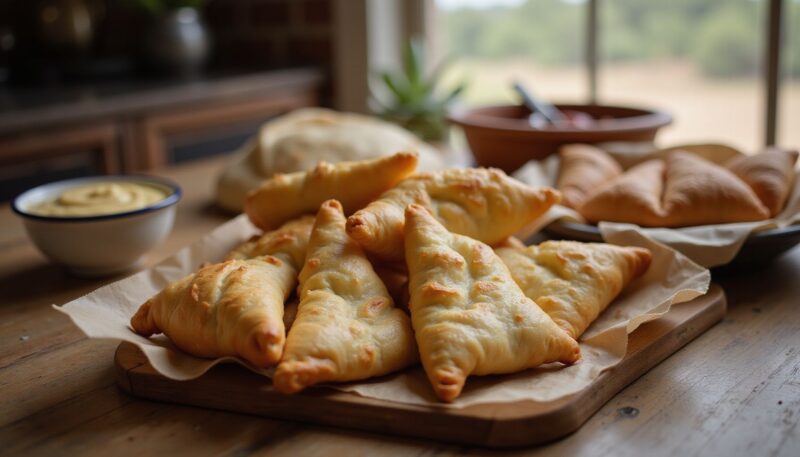
The term “fatayer” comes directly from the Arabic word faṭīra, a straightforward translation that means “pastry” or “little pie.” This isn’t borrowed from another language or a regional slang term—it’s the actual name these pies carry across the Arab world. When someone in Beirut, Damascus, or Cairo refers to fatayer, they’re using a word with centuries of culinary weight behind it.
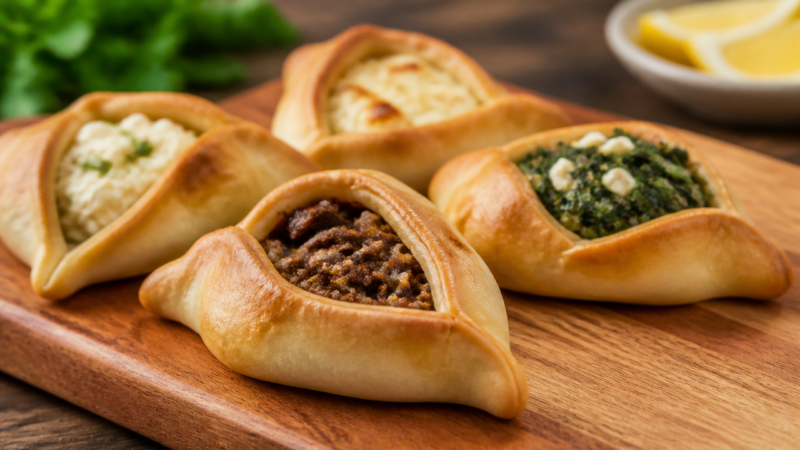
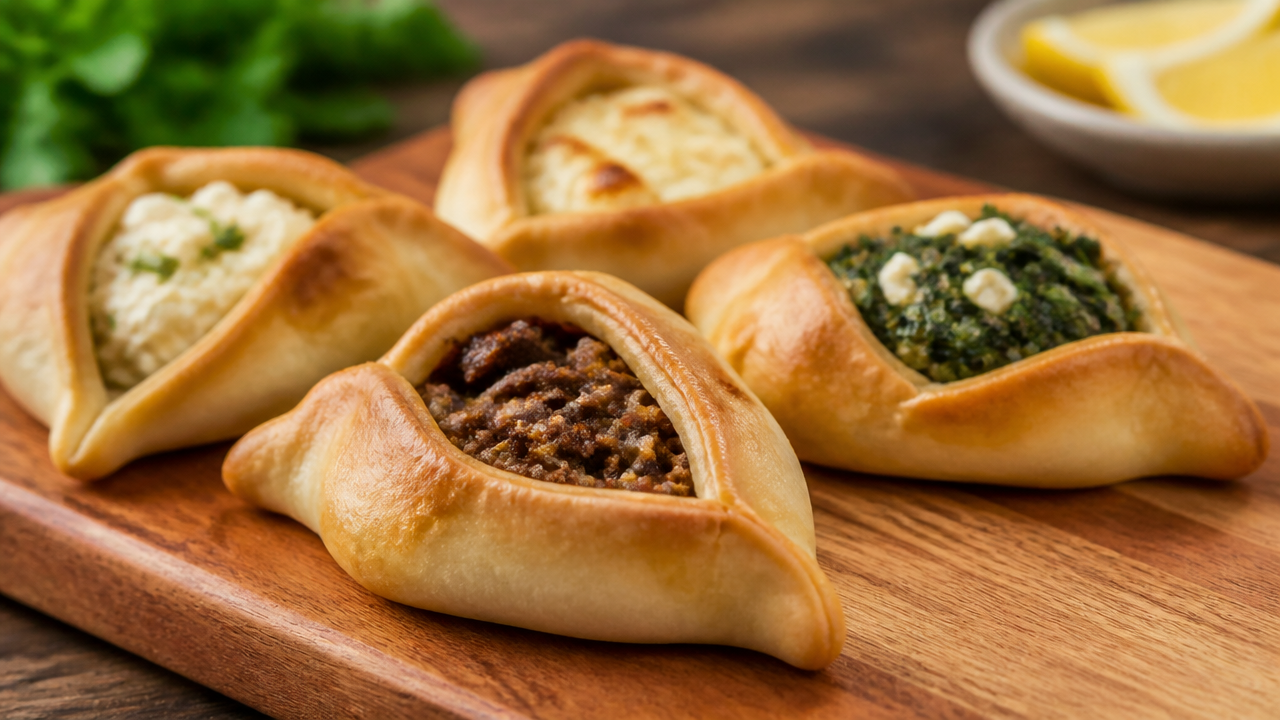
Fatayer are classified as savory, hand-held, oven-baked pastries integral to Middle Eastern, specifically Levantine, gastronomy. They sit at the intersection of bread and pie—more structured than a flatbread, less enclosed than a traditional pie. The defining characteristic is how they’re assembled: dough is shaped, filled, then folded by hand (typically into a triangle, boat, or half-moon shape) before baking. This handmade quality gives each fatayer personality; no two look identical, and that imperfection is part of their charm.
What separates fatayer from other stuffed pastries like empanadas or calzones is their specific cultural context and the particular way Levantine bakers have refined them over generations. While empanadas and calzones are closed completely, fatayer often have a slightly open seam or edge, allowing flavors to peek through and the filling to stay prominent. It’s a subtle difference, but it matters to those who grew up eating them.
Core Characteristics of Traditional Dough
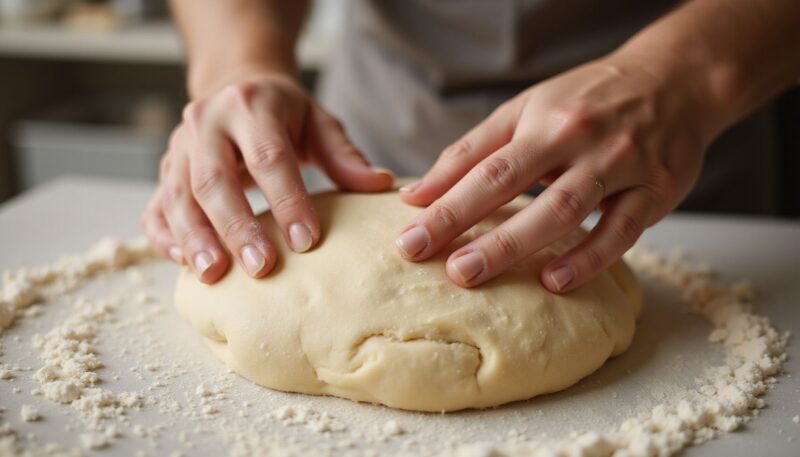
The dough for fatayer follows a fundamental, yeast-leavened preparation requiring only three ingredients: flour, water, and yeast. This simplicity is deceptive—it’s not that the recipe is easy, but rather that it trusts the core ingredients to do the work without excess fat, eggs, or elaborate techniques muddying the result.
Kneading the dough until soft and elastic is the critical step. The dough needs to be workable but not tough, tender enough to fold without cracking but strong enough to hold fillings without tearing. Think of it like pizza or bread dough—you want the gluten developed enough to trap air and create a light crumb, but not so overworked that it becomes dense.
Texture can vary from soft snack-sized bread to thin, flaky crusts depending on regional or household recipe preferences. Some families stretch their dough thin before filling, creating pastries closer to the texture of spinach pies or phyllo-based dishes. Others keep the dough thicker, resulting in a bread-like crust that feels more substantial. Both approaches are legitimate; the variation reflects how fatayer adapt to different regions and family traditions across Lebanon, Syria, Palestine, Jordan, and beyond.
The yeast does the heavy lifting, creating rise and an open crumb structure. After filling, the fatayer typically proof for 30 minutes to an hour before baking. This second rise ensures they puff in the oven, creating that characteristic pillowy texture. According to Wikipedia’s entry on Fatayer, the dough’s simple composition has remained consistent across generations, allowing the filling flavors to shine without competition from a buttery or heavily enriched crust.
Common Filling Categories and Regional Variations
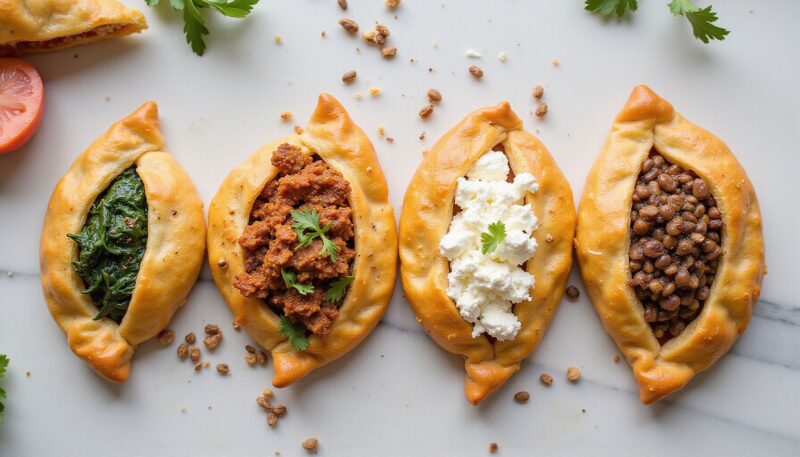
Fatayer fillings fall into three main categories, each with devoted regional fans and family traditions that span generations.
Meat-based fillings typically include spiced ground meat, often beef or lamb, mixed with onions, tomatoes, and aromatic spices. The filling resembles those used in lahmacun (Turkish flatbread) or kibbeh, with warming spices like cinnamon, allspice, and black pepper creating depth. Some recipes include pine nuts for texture and richness. These meat versions are especially popular during family gatherings and special occasions, and remain a centerpiece of Ramadan preparations when families gather for iftar meals.
Dairy varieties commonly utilize Levantine cheeses such as feta or akkawi, sometimes combined with ricotta or a white cheese blend. The cheese filling is often paired with a touch of nigella seeds (black cumin) sprinkled on top before baking, adding an earthy, slightly bitter note. This filling is milder than the meat version but no less satisfying—it’s the choice for those who prefer something less intense, or for vegetarian meals where cheese provides the protein.
Vegetarian options include fatayer sabanekh (spinach pastry), lentils, potatoes, and vegetable mixtures often seasoned with the tangy spice sumac. Spinach fatayer are particularly beloved; they combine wilted spinach with sautéed onions, garlic, lemon juice, and sumac, creating a filling that’s both herbaceous and bright. The lemon and sumac combination is signature—they’re not subtle, and that’s the point. Lentil-filled versions offer a heartier, almost stew-like interior, while potato fatayer (sometimes mixed with cheese) appeal to those seeking comfort-food warmth.
Some regions experiment with mixed fillings, combining spinach with cheese, or meat with vegetables. There’s no strict rule; fatayer are democratic in that way. As long as the filling is flavorful and cooked through before baking (so the pastry doesn’t weep), the possibility exists.
| Filling Type | Main Ingredients | Flavor Profile | Best Served | Storage Notes |
|---|---|---|---|---|
| Spinach (Sabanekh) | Spinach, onions, lemon, sumac | Tangy, herbaceous, bright | Breakfast or snack | Refrigerate up to 5 days |
| Cheese | Feta, akkawi, or white cheese blend | Mild, salty, creamy | Any time of day | Keeps 4-5 days refrigerated |
| Meat | Ground beef or lamb, spices, onions | Savory, warming, aromatic | Dinner or special occasions | Best eaten fresh; freeze unbaked |
| Lentils | Cooked lentils, onions, spices | Earthy, hearty, filling | Lunch or dinner | Freezes well up to 1 month |
Cultural Significance and Regional Reach
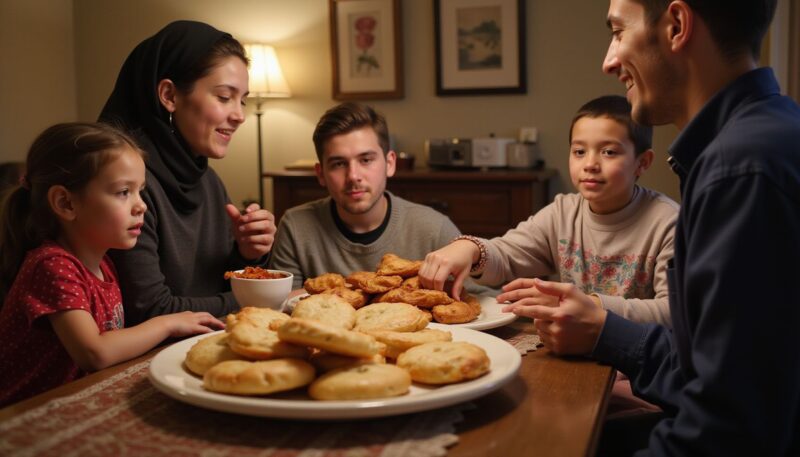
Fatayer serves as a cross-generational staple across Lebanon, Syria, Jordan, Palestine, Iraq, and Egypt. Walk into a bakery in Beirut in the morning, and you’ll find trays of fatayer cooling on racks, the aroma filling the street. This isn’t a novelty; it’s an expected part of the bakery’s offering, as fundamental as bread itself. Families serve fatayer for breakfast with fresh vegetables and tea, for lunch as a light meal, or as an evening snack. During communal meals, fatayer appear on mezze spreads alongside hummus, tabbouleh, and other shared dishes, inviting people to pick and eat with their hands.
The dish has transcended Middle Eastern borders, becoming a popular snack food in Argentina, where they’re known as empanadas árabes (Arab empanadas). This spread speaks to the migration patterns of Lebanese and Syrian communities to South America over the past century and a half. The Argentine versions maintain the Levantine soul—savory fillings, hand-folded pastry—but have absorbed local influences and preferences over time.
These pies are frequently served during religious and community observances, notably as a traditional preparation for Ramadan. During this holy month, when the faithful fast from dawn to sunset, fatayer takes on extra significance. They’re made ahead and stored, then quickly reheated to provide a quick, satisfying meal when breaking the fast at iftar. The portability and heartiness make them ideal for this purpose. Taza’s guide to Lebanese stuffed pastries notes that fatayer have been a cornerstone of Levantine bakery culture for centuries, and their prominence during Ramadan reflects this long-standing tradition.
Beyond Ramadan, fatayer appear at weddings, family gatherings, and holidays. They’re served to guests as a sign of hospitality; making fatayer requires time and skill, so offering them says something about how much the host values the visitor. In some regions, specific varieties become associated with certain celebrations or seasons, though modern bakeries and home cooks tend to offer them year-round now.
How Fatayer Differ from Other Middle Eastern Pies
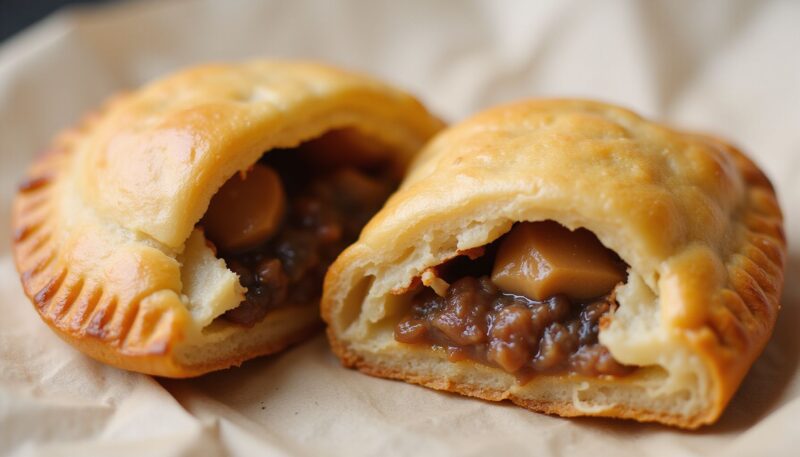
Understanding what fatayer means also requires knowing how they sit within the broader landscape of Middle Eastern pastries and hand pies. While they share DNA with empanadas, calzones, and even certain types of samosas, fatayer have their own identity.
Compared to empanadas, fatayer are typically smaller and more delicate. Empanadas can be palm-sized or larger; fatayer stay within the realm of snack or appetizer portions. The dough differs too—fatayer use a simple yeast dough, while empanada dough often includes butter or lard, making it richer and more pie-crust-like. The cultural origin matters here: empanadas are Spanish and Latin American; fatayer are unambiguously Middle Eastern.
Calzones, their Italian cousins, are usually larger and completely sealed, creating an enclosed pocket. Fatayer often leave a small opening or seam visible, allowing steam to escape and keeping the pastry from becoming soggy. This open edge is actually practical—it lets you see and smell the filling, building anticipation before you bite in.
Lahmacun, the Turkish flatbread “pizza,” is thinner and more bread-like, topped with filling rather than enclosed. Fatayer flip this approach: the dough fully encloses the filling, creating distinct pockets rather than a sheet. The texture and eating experience are quite different as a result.
Kibbeh, another Levantine staple, is bulgur-based and often fried, while fatayer use wheat flour and are baked. Both are beloved, but fatayer feel lighter and less heavy on the stomach—they’re a different kind of comfort.
Pronunciation and Usage in Conversation
The term is pronounced “fat-tah-y-er,” with the emphasis on the first syllable. If you’re ordering at a Lebanese bakery and want to sound confident, lead with that first syllable. The plural form in English is typically just “fatayer” (the word functions as both singular and plural in English usage, though Arabic has its own plural construction).
When Middle Eastern cooks or food writers discuss fatayer, they often specify the filling: fatayer sabanekh for spinach, fatayer jibneh for cheese, fatayer lahmeh for meat. This precision reflects the importance of knowing what you’re getting—each variant has a distinct identity and appeals to different occasions and preferences.
In casual conversation, you might hear them called “Lebanese spinach pies” if referring specifically to the spinach version, though this flattens the term a bit. “Savory hand pies” works in English as a descriptor, but it’s imprecise because it could describe dozens of other dishes. If you’re talking to someone familiar with Middle Eastern food, just say “fatayer”—the word carries the full cultural weight and specificity that English descriptors can’t quite capture.
My Experience With Fatayer Meaning
I first encountered fatayer at a Lebanese bakery where the owner was pulling trays from the oven every 15 minutes. The smell—lemony, herbaceous spinach fatayer mixing with the warming spice of meat versions—was impossible to ignore. I grabbed a spinach one, bit into it, and immediately understood why this dish has survived centuries without needing reinvention. The filling was bold enough to hold your attention, the dough soft but structured, the whole thing balanced in a way that made you want another.
What struck me most was how unpretentious they are. Fatayer aren’t plated or fussed over. They’re hand food, street food, family-table food. Yet there’s real skill in making them—getting the dough texture right, balancing the filling seasoning, shaping them consistently. The simplicity is deceptive. Many home cooks I’ve talked to admit their first attempts at fatayer were either too dry or fell apart during baking, because that three-ingredient dough demands respect and proper technique.
The deeper insight I’d offer: fatayer mean something different to everyone who eats them, depending on their connection to the culture. For someone from the Levant, they’re comfort and heritage. For a Lebanese diaspora community, they’re a thread connecting back home. For someone discovering them for the first time, they’re an introduction to how Middle Eastern food achieves flavor and satisfaction without excess. The word “fatayer” doesn’t just describe a pastry—it carries cultural identity, family memory, and generations of refinement.
Have you tried making fatayer at home, or do you prefer buying them from a bakery? The experience of tasting someone else’s version versus making your own tells you something different about the dish.
FAQ
Q: How are fatayer traditionally shaped?
Fatayer are traditionally shaped into triangles, boats, or half-moons. The triangular shape is formed by bringing three points of the dough toward the middle to create a peak, while the boat shape is made by folding the dough over the filling like a vessel. Some bakers create free-form shapes depending on preference or regional style, but these three forms are the most recognizable and structurally sound for even baking.
Q: When is fatayer usually served in Middle Eastern culture?
Fatayer is often served for breakfast alongside fresh vegetables and tea, or as a snack with tea at any time of the day. They are also popular as a light dinner or as part of a mezze appetizer spread similar to tapas. During Ramadan, they become especially prominent as a component of iftar meals, when families break their daily fast and need quick, satisfying food.
Q: Can you freeze fatayer for later use?
Yes, fatayer can be frozen for up to a month. After baking and cooling them, place them in a freezer bag. To enjoy, remove them from the freezer to the fridge and heat them before eating. You can also freeze unbaked fatayer after shaping, then bake directly from frozen (add a few extra minutes to the baking time). This flexibility makes fatayer practical for meal planning and batch cooking.
Q: Where did fatayer originate geographically?
Fatayer originated in the Middle East and are a key part of Levantine cuisine. They are eaten in countries including Iraq, Syria, Egypt, Lebanon, Jordan, and Palestine, where they remain a staple dish. The Levant—the region encompassing these countries—is where fatayer developed and where they remain most deeply rooted in food culture and daily eating habits.
Q: Why is fatayer popular during Ramadan?
Fatayer is particularly popular during Ramadan because it is a savory, easy-to-eat hand pie that provides a quick and nutritious meal. It is often made as a special recipe for this holy month, serving as a delightful snack or light meal when breaking the fast. The portability and ability to prepare them ahead make them ideal for iftar gatherings where multiple dishes are served.
Q: What type of dough is used for fatayer?
Fatayer is made with a simple yeast-based dough similar to pizza or bread dough. The dough typically consists of flour, olive oil, water, and a touch of yeast, kneaded until soft and elastic to hold the fillings securely. Some regional variations may adjust the ratio slightly, but the core remains unchanged—a forgiving, workable dough that rises in the oven.
Q: Do fatayer taste like empanadas or calzones?
Fatayer are often compared to empanadas for those familiar with Spanish and Latin American cuisine, and to calzones for those who know Italian food. They share similar characteristics as small, baked pockets of dough filled with flavorful ingredients like meat, cheese, or spinach. The key difference lies in the dough composition and cultural context—fatayer are distinctly Middle Eastern in origin and preparation, with a lighter, yeast-driven texture compared to the richer, butter-based doughs of empanadas and calzones.
Latest Updates
As of 2025-2026, fatayer have seen renewed interest among food writers and home cooks exploring global cuisines. Social media platforms have featured fatayer-making videos and recipes, introducing younger generations—both within and outside the Middle Eastern diaspora—to this traditional dish. Specialty bakeries in North America and Europe now regularly stock fatayer or offer them on custom order, reflecting broader appetite for authentic Middle Eastern food.
The appreciation for fatayer also ties into larger conversations about sustainable, plant-based eating. The spinach and lentil varieties offer protein-rich, vegetarian options that appeal to environmentally conscious eaters. Food historians continue to document variations and regional recipes, ensuring that even as commercial production increases, the traditional methods and family recipes are preserved in writing and video.
Conclusion
Fatayer meaning extends far beyond a simple translation. It encompasses a centuries-old Levantine tradition of hand-folded, oven-baked savory pies that nourish bodies and connect communities across borders. Whether filled with earthy spinach and bright sumac, creamy cheese, or warming spiced meat, fatayer represent a culinary philosophy: keep it simple, make it by hand, and let quality ingredients speak for themselves.
Understanding what fatayer means—the word, the food, the cultural weight—opens a door to appreciating not just a delicious pastry, but a living tradition that adapts, travels, and endures. The next time you encounter fatayer at a bakery, a restaurant, or a friend’s table, you’ll know the story behind those careful folds and that familiar aroma.
References
- Wikipedia Contributors. (n.d.). Fatayer. Wikipedia. https://en.wikipedia.org/wiki/Fatayer
- Taza. (n.d.). What is fatayer? Guide to Lebanese stuffed pastries | Taza. Taza. https://www.tazava.com/what-is-fatayer
- Curious Cuisinier. (n.d.). Spinach fatayer (Lebanese spinach pastry). Curious Cuisinier. https://www.curiouscuisiniere.com/spinach-fatayer
- Tayybeh. (n.d.). A brief history of Syrian cuisine: Fatayer. Tayybeh. https://tayybeh.com/blogs/news/history-of-fatayer
- King Arthur Baking. (2021, April 9). Fatayer: The pie of the Middle East. King Arthur Baking. https://www.kingarthurbaking.com/blog/2021/04/09/fatayer-pie-middle-east-ramadan

A Teacher with 5 years of experience. Our Expertise, is reliable to meet your full Academic development needs . Worked on many crafts and construction projects offering services from design to development to deployment over the years. You will find many of my works in my business portfolio on request.