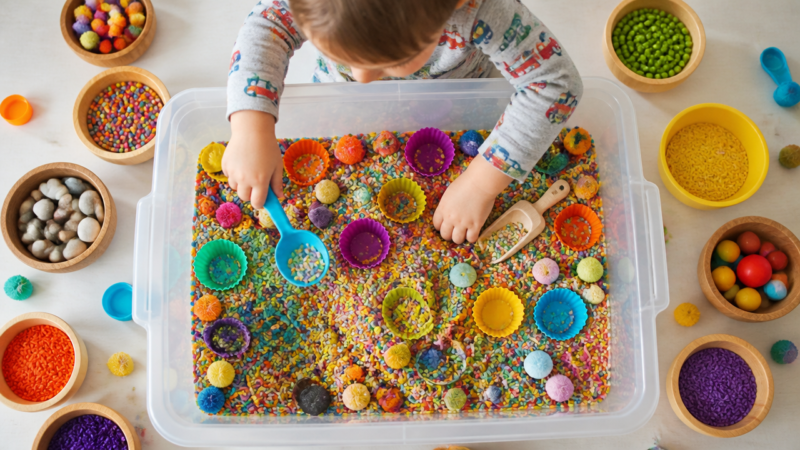

A sensory bin is a tub filled with something fun to touch, scoop, and pour. Kids love them. Parents love that one tub can keep small hands busy for a good while. The trick is choosing a filler that fits your child’s age. This list gives you 13 easy sensory bin ideas that use pantry staples and toys you already own. Each idea has a quick setup and a tip. Read the safety section too. It covers water beads, raw beans, and flour, which some popular guides still suggest.
Quick Answer
The easiest sensory bin ideas start with dry rice, dry beans, cooked pasta, or water in a shallow tub, plus scoops and cups. Start after 18 months with an adult right beside the bin, and skip water beads, raw kidney beans, and flour.
| Sensory Bin Basics | Answer |
| Starting age | 18 months and up |
| Adult supervision | Always |
| Bin type | Shallow tub or table |
| Cleanup helper | Towel or sheet |
| Water beads | Skip for young kids |
1. Dry Rice Scoop Bin
Dry rice is one of the most common sensory bin fillers, and it costs next to nothing. Pour it into a shallow tub and add big spoons, cups, and a funnel. The rice hisses and shifts as small hands dig in.
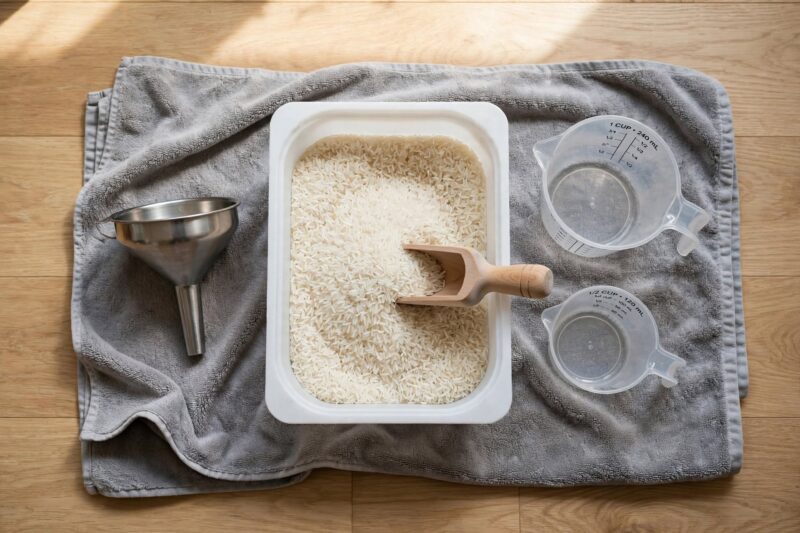
Put a sheet or towel under the bin, because rice travels. Keep a hand broom close. If your child still tastes everything, sit right beside the bin the whole time.
2. Bean Beach Bin
Fill a big bin with navy beans and add beach toys such as shovels, pails, sand molds, nets, and rakes. According to Happy Toddler Playtime, one large bag of beans covers the bottom of a big bin with plenty left for digging.
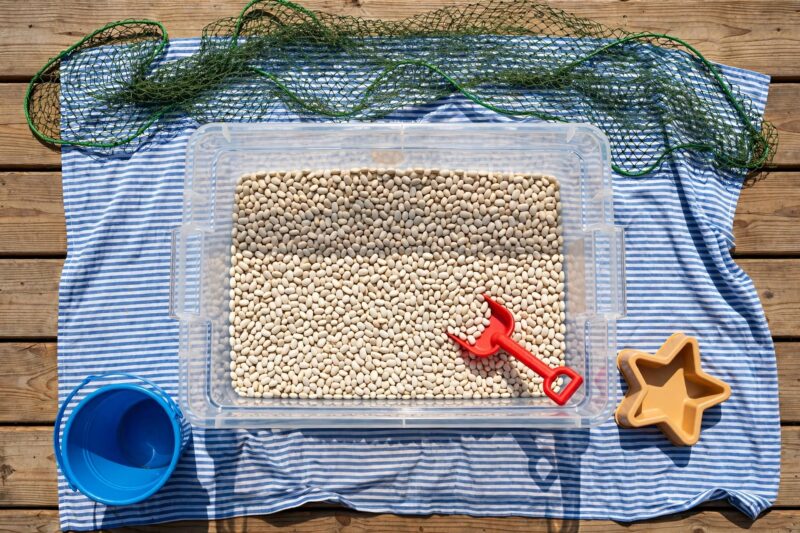
Spread a sheet, tablecloth, or shower curtain on the floor first. This bin is a good rainy day plan. It feels like sand without the grit.
3. Dirt and Bugs Dig Bin
Dry black beans look like garden soil. Add plastic insects and a small scoop, and you have a bug hunt. Messy Little Monster uses a storage bin with a lid, so cleanup and storage take a minute.
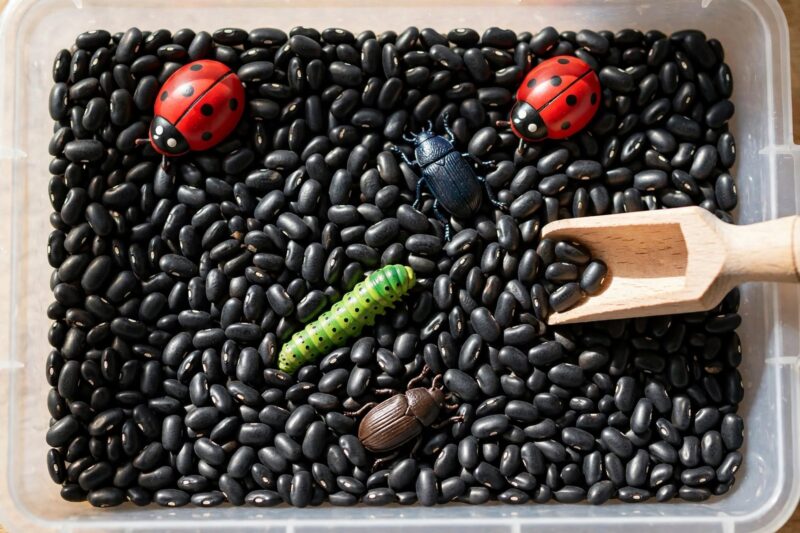
Hands On As We Grow also uses black beans as dirt for a spring planting bin. Test small toys in a tube first, as WebMD advises, if your child still mouths things.
4. Cotton Ball Snow Bin
Cotton balls make a soft winter bin, and Hands On As We Grow says they work great for a snow theme. Add toy penguins, white pom poms, and kitchen tongs. Kids squeeze, pinch, and pile the fluff.
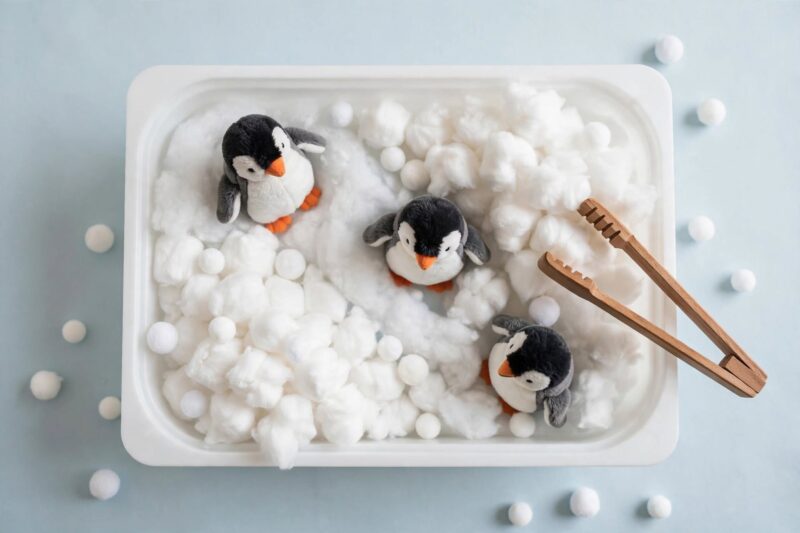
This is one of the tidiest bins on the list, so it suits a small home. Pull a few cotton balls apart so the texture changes as they play.
5. Cooked Pasta Bin
Cook pasta, let it cool, and tip it into a bin. WebMD suggests pairing it with a strainer and measuring cups. The noodles feel cold and slippery, which can surprise little hands.
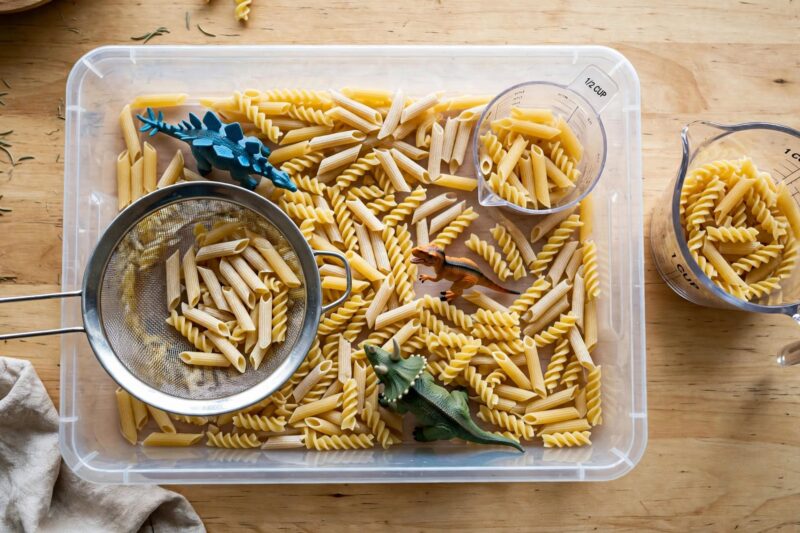
Hide toy dinosaurs in the noodles for a dig. Toss the pasta after play, since cooked food does not keep well in a tub.
6. Colored Water Bin
Water is the classic. Add one drop of taste-safe food coloring or washable paint, and kids get a color mixing lesson too, says Happy Toddler Playtime. Add funnels, bath toys, or pieces of fruit.
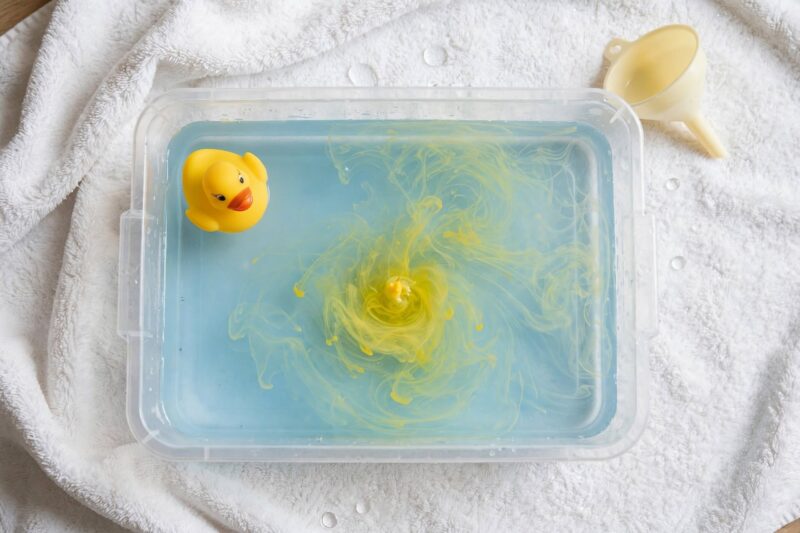
Pouring and splashing build coordination and focus. Take it outside or set it on a thick towel. Never leave a child alone with a tub of water, even a shallow one.
7. Ice Rescue Bin
Freeze a small toy in an ice tray, then drop it in a water bin on a hot day. WebMD shares this idea. Happy Toddler Playtime goes further and freezes almost anything waterproof overnight, then pops it into a bin when needed.
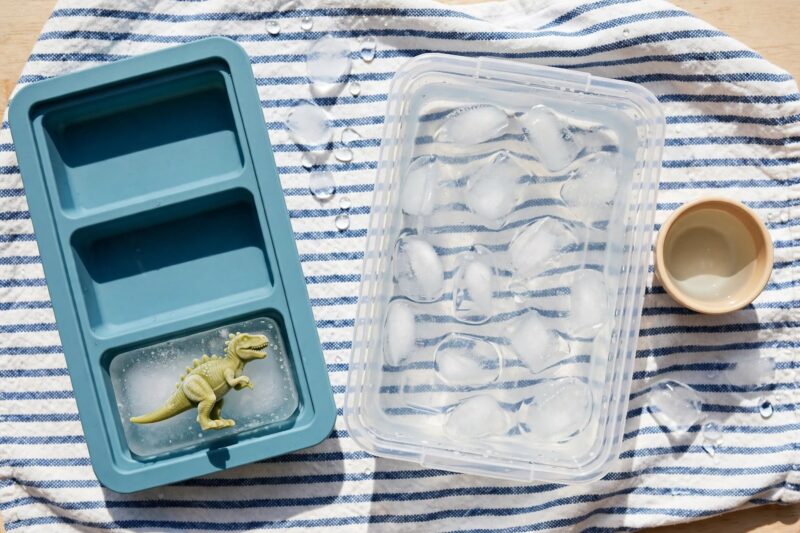
Hand your child a small cup of lukewarm water and a spoon to free the toy. Watching ice melt teaches cause and effect.
8. Oat and Cereal Bin
Kid Activities lists oats, round cereal, and crisped rice cereal as usable fillers. Hands On As We Grow notes that some bins use dry cereal kids can taste. Put oats in the bin with cups, then add a crunchy layer of cereal.
This bin fits the tasting stage. Set one rule anyway: anything that lands on the floor stays out of mouths.
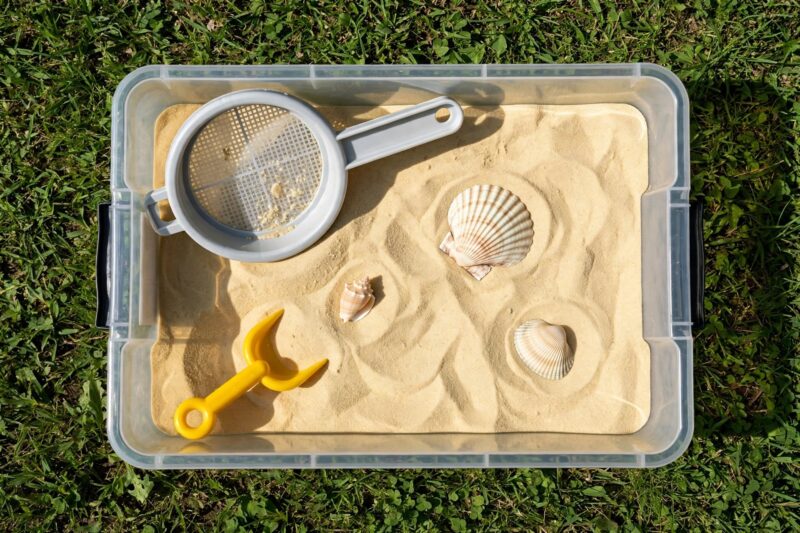
9. Play Sand Dig Bin
Sand is a top filler, but WebMD says to use only sterilized sand, such as the play sand sold for kids. Bury shells or toy dinosaurs, and hand over a sifter and a small shovel.
Damp sand molds and dry sand pours, so keep a cup of water nearby. Use this bin outdoors when you can, because sand finds every corner of the house.
10. Baking Soda Fizz Bin
Fizzy play feels like magic. Happy Toddler Playtime says it was a favorite with all of her kids, and it blends sensory play with a little science. Put baking soda in the bin, bury a few toys, and give kids a squeeze bottle of vinegar.
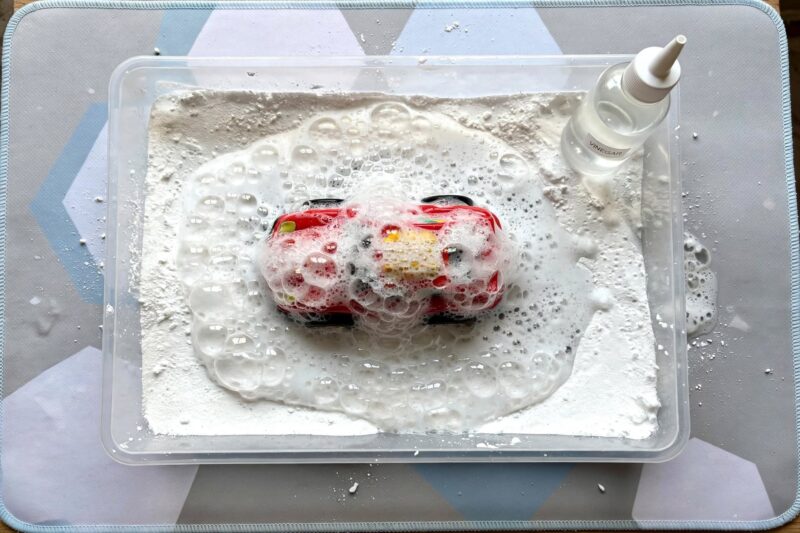
Start with small squirts. Keep vinegar away from faces and eyes, and rinse the bin with water when the fizzing stops.
11. Shredded Newspaper Letter Hunt
Shred newspaper into a bin and hide plastic letters inside. WebMD lists this idea for kids who are learning their letters. They dig around, pull out a letter, and match it to a name or word.
The crinkly sound is half the fun. Newsprint ink can smudge on hands, so dress kids in play clothes.
12. Feather and Pom Pom Bin
WebMD says a feather bin fits a lesson about birds, and pom poms make a fluffy bin. Mix feathers and large pom poms, then add tongs for pinching.
Choose pom poms too big to fit inside a tube, so they pass the choking test. Feathers drift, so use a bin with a lid and work at a table.
13. Lentil and Chickpea Sorting Bin
Kid Activities lists lentils and chickpeas among common fillers. Fill a bin with both, then give kids a muffin tin to sort them by type. Sorting keeps small hands busy.
Lentils are tiny, so save this one for older preschoolers. Keep raw kidney beans out of any bin, since WebMD warns they can make kids sick.
How Do These Sensory Bin Ideas Compare?
Cotton balls and feathers make the tidiest bins, while sand, pasta, and rice make the biggest messes. Use the table to pick a bin that matches the space you have and the mess you can handle.
| Idea | Main Filler | Mess | Extra Care |
| Dry Rice Scoop Bin | Dry rice | High | Towel under bin |
| Bean Beach Bin | Navy beans | Medium | Sheet on floor |
| Dirt and Bugs Dig Bin | Dry black beans | Medium | Tube-test small toys |
| Cotton Ball Snow Bin | Cotton balls | Low | Watch for mouthing |
| Cooked Pasta Bin | Cooled cooked pasta | High | Toss after play |
| Colored Water Bin | Tinted water | High | Never leave child alone |
| Ice Rescue Bin | Ice and water | Medium | Lukewarm water only |
| Oat and Cereal Bin | Oats and dry cereal | Medium | Floor rule for snacking |
| Play Sand Dig Bin | Sterilized play sand | High | Play sand only |
| Baking Soda Fizz Bin | Baking soda and vinegar | High | Keep vinegar from eyes |
| Shredded Newspaper Letter Hunt | Shredded newspaper | Medium | Ink can smudge |
| Feather and Pom Pom Bin | Feathers and pom poms | Low | Large pom poms only |
| Lentil and Chickpea Sorting Bin | Lentils and chickpeas | Medium | Older preschoolers |
Mess rating by idea (our own guide, 1 is tidy and 5 is messy)
What Are the Safety Rules for Sensory Bins?
Stay within arm’s reach, choose nontoxic fillers, and match the filler to your child’s age. WebMD says sensory bins are not a good fit before 18 months, because the hazards outweigh the benefits. Toddlers and preschoolers need supervision so they do not eat the materials.
WebMD also names things to avoid. Skip raw kidney beans, since swallowing four or five can cause severe nausea, vomiting, and diarrhea. Skip flour, which can be breathed in and affect breathing. Use only sterilized play sand, and leave out foam packing peanuts. Test small round objects in a tube. If one fits inside, it is a choking risk.
Water beads need their own warning. The US Consumer Product Safety Commission says they are a danger to young children and can be deadly if swallowed. Checkbook reports that about 7,800 children went to emergency rooms after swallowing them between 2016 and 2022. The beads can swell to the size of a golf ball inside the body and block the intestine. The agency also warned that some large water beads had acrylamide levels that break federal law. Acrylamide is a known carcinogen. Some sensory guides still list water beads. Keep them out of any bin a young child can reach.
Set one house rule: the filler stays in the bin. Show your child how to scoop it back if it escapes, as Kid Activities suggests.
How Do You Set Up a Sensory Bin Step by Step?
Pick a shallow bin, add a filler, toys, and tools, then show your child how to play. The Bump breaks the setup into the same few parts,.
- Pick a shallow bin. Choose a shallow tub for floor play, or a sensory table for a child who likes to stand.
- Choose a filler. Pick a filler that fits your child’s age, such as dry rice, dry beans, or water.
- Add a theme. Add toys, plastic letters, or shapes that match a theme, like a beach or a bug hunt.
- Add tools. Add big spoons, funnels, and measuring cups so your child can scoop and pour.
- Cover the floor. Lay a towel, sheet, or shower curtain under the bin, or take play outside.
- Show how to play. Sit down, scoop the filler, and show your child that the filler stays in the bin.
Change the theme often. The Bump points out that kids’ interests come and go fast, and a new filler makes the same tub feel new.
Frequently Asked Questions
What age can kids start using sensory bins?
WebMD says to wait until about 18 months. Before that age, the hazards outweigh the benefits.
Are water beads safe in a sensory bin?
No, not for young children. The CPSC warns that water beads can be deadly if swallowed because they keep growing inside the body.
What can I use instead of rice in a sensory bin?
Dry beans, cooled pasta, oats, or sterilized play sand all work well. Pick the one that fits your child’s age and mouthing habits.
What tools should I add to a sensory bin?
Big spoons, funnels, and measuring cups are the top picks. The Bump says they let kids scoop and move the filler around.
How do I keep sensory bin mess under control?
Put a towel or sheet under the bin, or play outside. Teach one rule early: the filler stays in the bin.
References
- WebMD, “Sensory Bins for Children” (accessed 2026)
- The Bump, “Sensory Bins” (accessed 2026)
- Kid Activities, “26 Themed-Based Sensory Bin Ideas for Toddlers” (accessed 2026)
- Happy Toddler Playtime, “21+ Sensory Bins For Toddlers” (accessed 2026)
- Happy Toddler Playtime, “Bean Beach Sensory Bin” (accessed 2026)
- Messy Little Monster, “Bug Sensory Bin” (2020)
- Hands On As We Grow, “Sensory Bin Ideas for Kids” (accessed 2026)
- Checkbook, “Water Beads Pose Deadly Danger to Children” (2023)
- US Consumer Product Safety Commission, “Water Beads Information Center” (accessed 2026)
- NBC News, “New health warning issued about the dangers of water bead toys” (2024

A Teacher with 5 years of experience. Our Expertise, is reliable to meet your full Academic development needs . Worked on many crafts and construction projects offering services from design to development to deployment over the years. You will find many of my works in my business portfolio on request.