
Looking for easy ways to keep kids busy indoors? Try fun, low-stress activities like indoor scavenger hunts, blanket forts, arts and crafts, baking, dance parties, science experiments, reading challenges, and pretend play. These indoor activities for kids at home help burn energy, grow creativity, and make time inside feel exciting instead of boring.
Key Takeaways
- Indoor activities can help kids stay active, creative, and happy at home.
- Many fun ideas use things you already have around the house.
- A mix of movement, learning, and quiet play works best.
- Simple activities often keep kids interested longer than complicated ones.
- The best indoor activities for kids at home are easy to start and easy to clean up.
Introduction
When kids are stuck inside, the day can feel very long. Bad weather, school breaks, sick days, or just a quiet weekend at home can leave parents searching for ideas. The good news is that you do not need expensive toys or a perfect playroom to make indoor time fun.
There are many indoor activities for kids at home that are simple, affordable, and full of benefits. Some help kids move their bodies. Some help them use their imagination. Others build skills like problem-solving, reading, and teamwork. The key is to choose activities that match your child’s age, interests, and energy level.
In this list, you will find 14 fun ideas that are easy to try. Some work well for one child, while others are great for siblings or the whole family. Whether your child loves building, dancing, crafting, or pretending, there is something here to make staying indoors much more enjoyable.
1. Indoor Scavenger Hunt
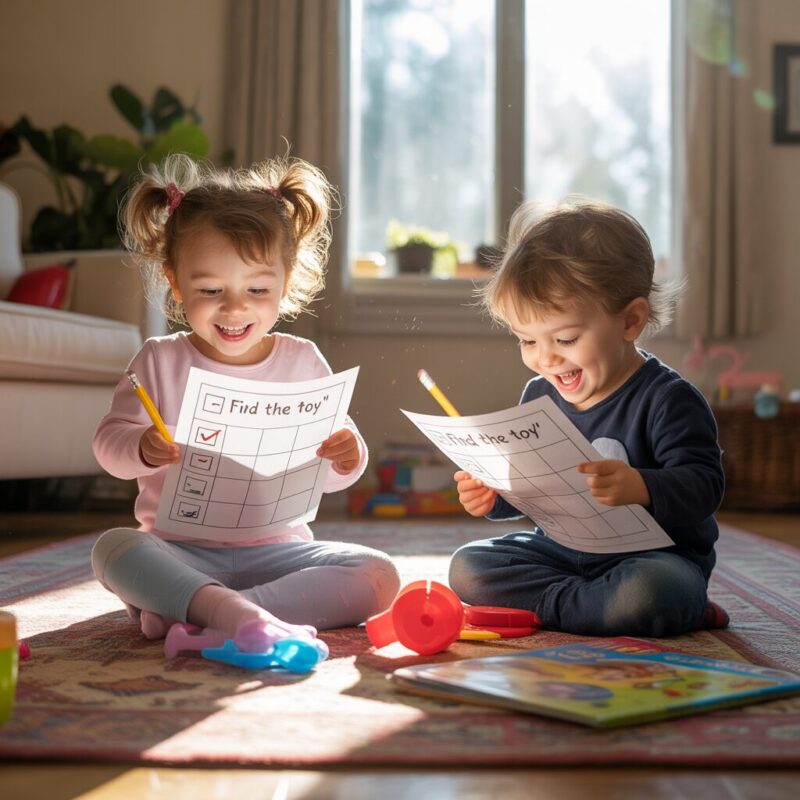
An indoor scavenger hunt is one of the easiest ways to turn an ordinary day into an adventure. Make a simple list of items for kids to find around the house. You can use things like a red sock, a spoon, a book with animals, or something soft.
For younger kids, use pictures instead of words. For older kids, add clues or riddles to make it more exciting. You can even choose a theme, like colors, shapes, or favorite story characters.
Why kids love it:
- It feels like a game
- It gets them moving
- It builds observation skills
Tip: Set a timer to make it feel like a challenge.
2. Build a Blanket Fort
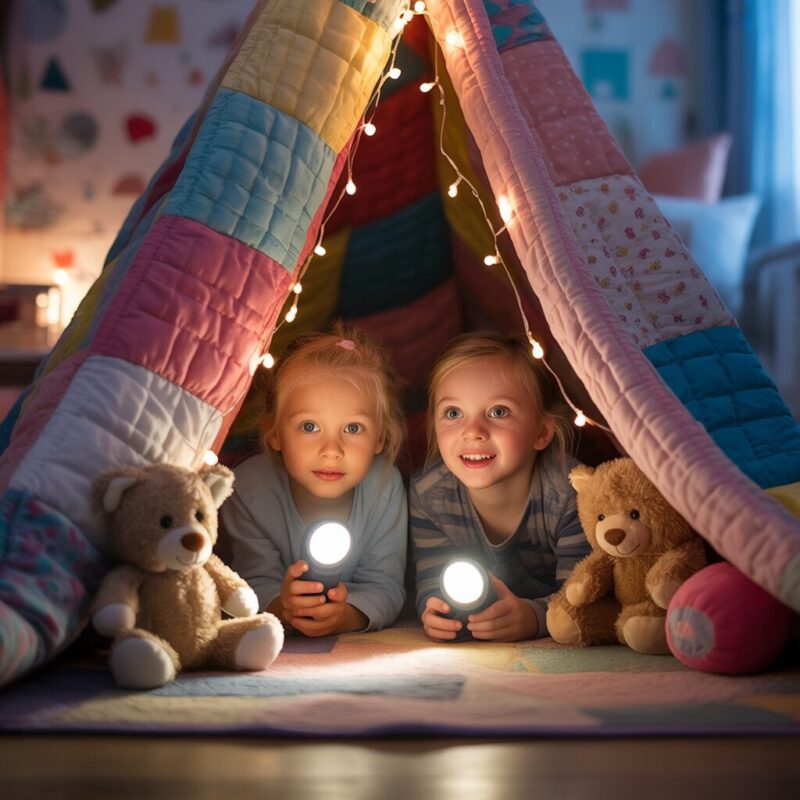
Few things feel as magical as a blanket fort. Use chairs, couch cushions, blankets, and pillows to create a cozy hideout. Once the fort is built, kids can read, play pretend, snack, or even have a mini movie time inside.
This activity is great because it combines building and imaginative play. Kids enjoy making their own little world, and they often stay busy much longer than you expect.
Ideas for fort fun:
- Add flashlights for a campout feel
- Bring in stuffed animals
- Read books inside
- Have an indoor picnic
Tip: Use clothespins or clips to help keep blankets in place.
3. Arts and Crafts Time
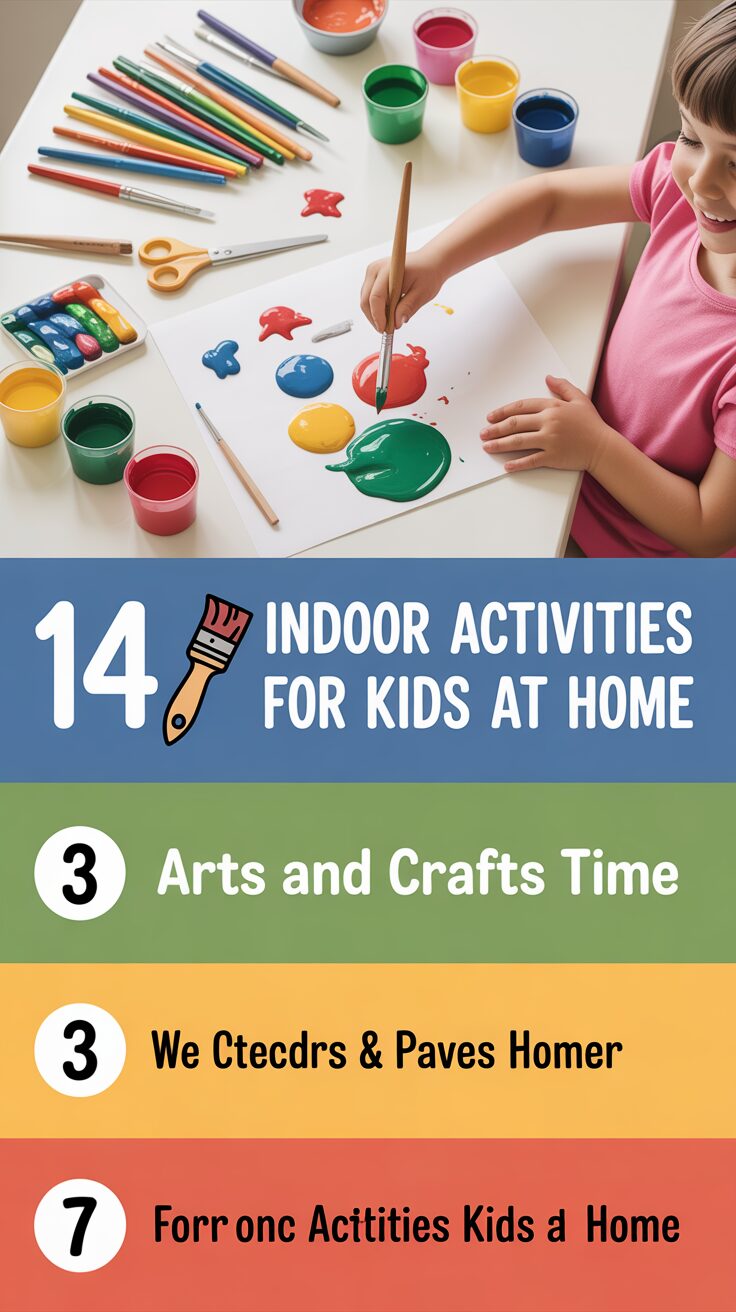
Arts and crafts are classic indoor activities for kids at home for a reason. They are creative, flexible, and easy to adjust for different ages. You can keep it simple with crayons and paper or try projects with glue, scissors, stickers, cardboard, and paint.
Craft ideas include:
- Paper plate animals
- Handprint art
- Homemade greeting cards
- Collages from old magazines
- Painted rocks
Crafting helps kids practice fine motor skills and express themselves. It also gives them something they can feel proud of when they finish.
Tip: Put down newspaper or a plastic tablecloth first to make cleanup easier.
4. Kitchen Fun With Simple Baking
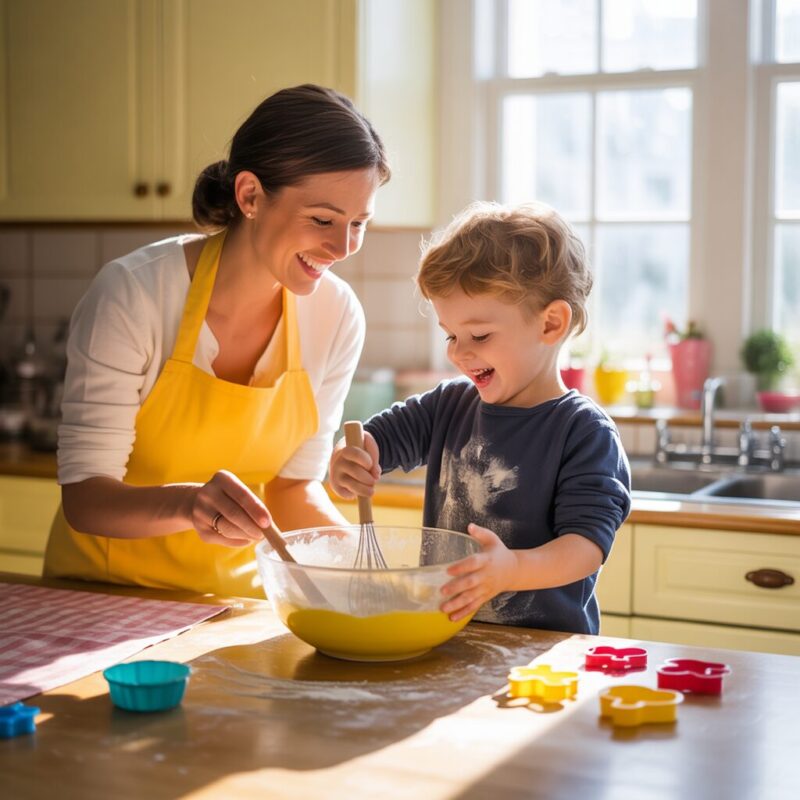
Kids love helping in the kitchen. Baking is a fun way to spend time together while teaching basic math, reading, and patience. Even young children can pour, stir, and decorate with help.
Try easy recipes like:
- Cookies
- Muffins
- No-bake treats
- Mini pizzas
- Fruit parfaits
The best part is that kids get to enjoy the results. Measuring ingredients also gives them a hands-on learning experience without feeling like schoolwork.
Tip: Choose short, simple recipes with only a few steps for younger kids.
5. Dance Party and Freeze Dance

If your kids have extra energy, a dance party is a great solution. Put on upbeat music and let them move however they want. For more structure, play freeze dance. When the music stops, everyone must freeze.
This activity helps kids:
- Burn energy
- Improve coordination
- Lift their mood
- Take a break from screens
You can also add themes, like silly dancing, animal dancing, or copy-the-leader moves.
Tip: Make a short playlist ahead of time so you can start quickly.
6. Try Easy Science Experiments

Simple science experiments can make indoor time feel exciting and educational at the same time. Kids enjoy seeing things bubble, fizz, sink, float, and change color.
Easy science ideas:
- Baking soda and vinegar volcano
- Sink or float test
- Rainbow in a jar
- Growing crystals
- Making slime
These activities spark curiosity and encourage kids to ask questions. They also help children learn that science is about testing ideas and noticing what happens.
Tip: Pick one experiment at a time so it stays fun and not overwhelming.
7. Create an Obstacle Course
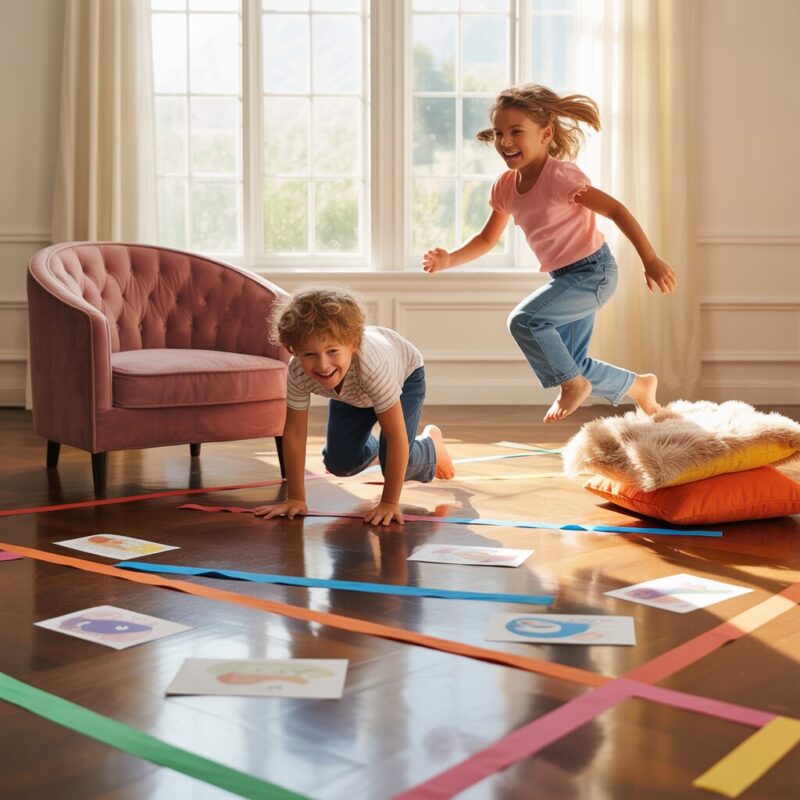
An indoor obstacle course is perfect for active kids. Use pillows, tape lines, chairs, tunnels, or baskets to set up different stations. Kids can crawl under tables, jump over lines, balance along tape, or toss soft balls into a bucket.
This activity helps with:
- Balance
- Strength
- Coordination
- Listening skills
You can make the course easy or challenging depending on your child’s age. Add a timer if they enjoy racing.
Tip: Keep safety first by moving breakable items out of the way.
8. Reading Challenge or Story Time

Reading does not have to feel boring or forced. Turn it into an activity by making a reading challenge. Kids can read a certain number of books, read with a flashlight in a fort, or take turns acting out story parts.
Fun reading ideas:
- Create a sticker chart
- Dress up like a book character
- Make a cozy reading corner
- Let kids “read” to stuffed animals
- Ask them to draw their favorite scene
This is a wonderful quiet-time option, especially after active play.
Tip: Let kids choose books that match their interests, even if they want the same one again and again.
9. Pretend Play Adventures

Pretend play is one of the best indoor activities for kids at home because it uses imagination and keeps children busy for a long time. Kids can turn the living room into a restaurant, doctor’s office, grocery store, spaceship, or jungle.
You do not need fancy props. Everyday items work well:
- Towels as capes
- Empty boxes as cars or houses
- Toy dishes for a restaurant
- Stuffed animals as patients or customers
Pretend play helps kids build language, social skills, and creativity.
Tip: Join in for a few minutes to get the game started, then let your child take over.
10. Puzzle and Board Game Hour
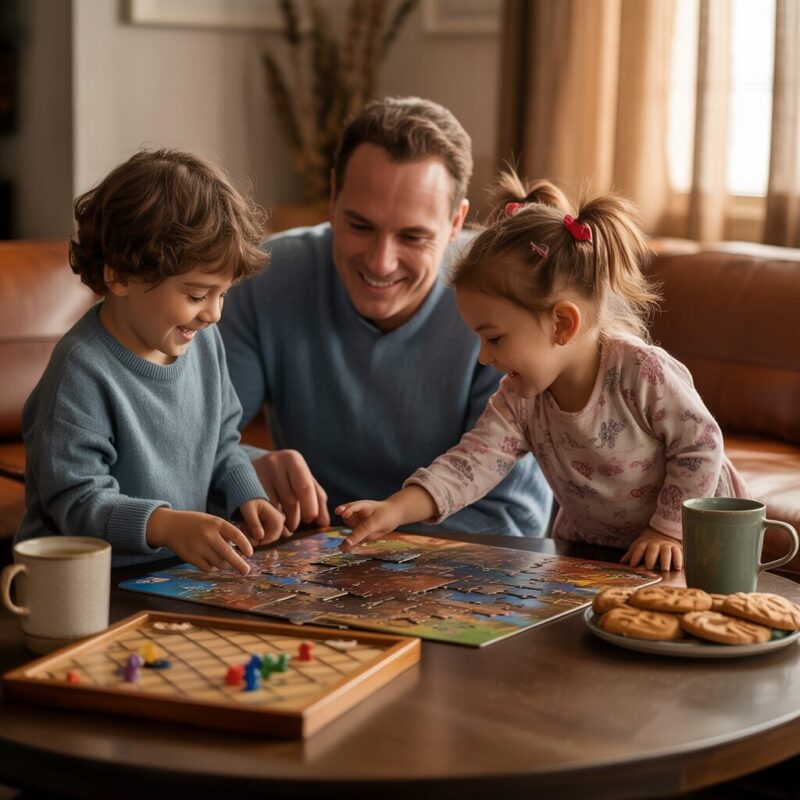
Puzzles and board games are great for slower indoor moments. They help children practice focus, patience, turn-taking, and problem-solving. You can choose simple matching games for young kids or strategy games for older ones.
Good options include:
- Floor puzzles
- Card games
- Memory games
- Dominoes
- Family board games
This type of activity also works well for siblings, and it can bring the whole family together.
Tip: Rotate games instead of keeping everything out at once. That makes old games feel new again.
11. DIY Home Movie Theater
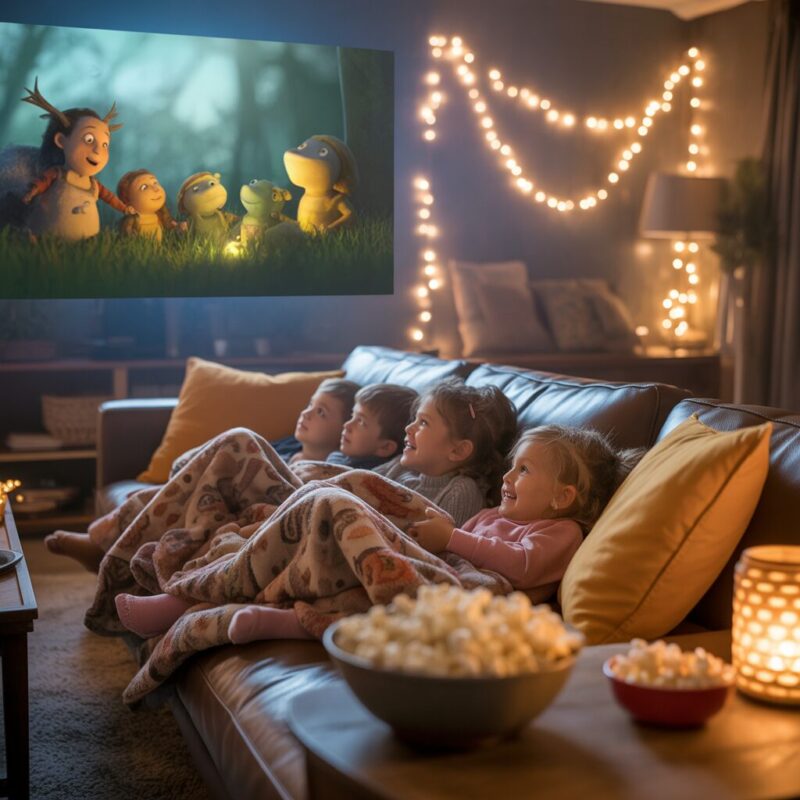
A home movie theater can turn an ordinary afternoon into a special event. Pick a family-friendly movie, dim the lights, bring out blankets, and serve popcorn or snacks. Kids love when simple things feel a little extra special.
Ways to make it fun:
- Print or draw movie tickets
- Let kids choose seats
- Wear pajamas
- Pause for a snack break
- Watch inside a blanket fort
This is a nice option for rainy days or quiet evenings when everyone needs to slow down.
Tip: Save movie time for after active play so kids are more ready to sit still.
12. Indoor Treasure Dig or Sensory Bin

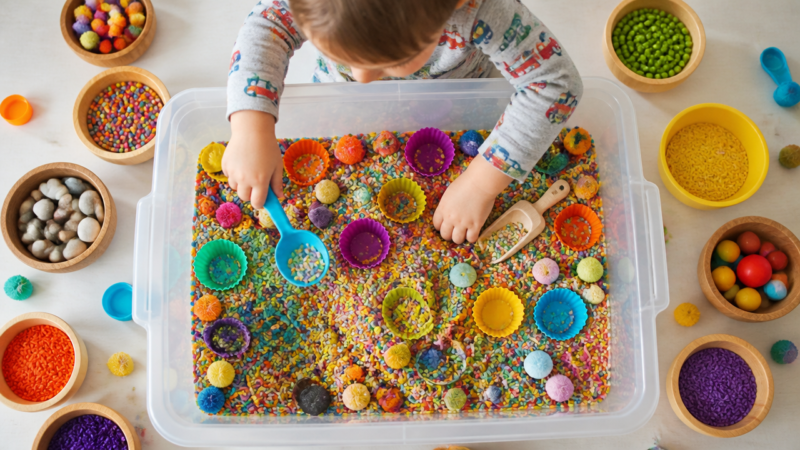
Sensory play is a big hit with younger children. Fill a bin with rice, dry pasta, beans, kinetic sand, or pom-poms, then hide small toys or objects inside for kids to find. Give them scoops, cups, and spoons to explore.
This activity supports:
- Fine motor skills
- Sensory learning
- Independent play
- Focus
A themed bin can make it even better. Try dinosaurs, ocean animals, letters, or colors.
Tip: Place the bin on a sheet or towel to catch spills.
13. Music Time With Homemade Instruments
Kids do not need a full music room to enjoy making sound. You can create homemade instruments using simple items from around the house. For example, fill containers with rice for shakers or use pots and wooden spoons as drums.
Music activities to try:
- March in a parade around the house
- Make loud and quiet sounds
- Copy simple rhythms
- Sing favorite songs
- Put on a mini concert
Music play helps children listen closely, follow patterns, and express feelings.
Tip: Set clear rules about where and when loud instruments can be used.
14. LEGO, Blocks, and Building Challenges
Building activities are excellent for kids who like to create and solve problems. Give them LEGO bricks, wooden blocks, magnetic tiles, or even cardboard boxes. Then challenge them to build something specific, like a tower, bridge, zoo, or spaceship.
You can make it more fun with prompts such as:
- Build the tallest tower
- Make a house for a stuffed animal
- Create a city
- Design a car that can roll
- Build using only one color
These challenges support planning, creativity, and patience.
Tip: Take pictures of finished creations before cleanup so kids can remember what they made.
Common Mistakes
Even fun indoor activities can fall flat if a few common mistakes get in the way. Here are some things to avoid.
Making activities too complicated If setup takes too long or needs too many supplies, kids may lose interest before you even start.
Expecting too much attention span Most children do better with short, simple activities. It is okay if they move on quickly.
Skipping movement breaks If kids only do quiet activities, they may get restless. Balance calm play with active play.
Not planning for cleanup Messy fun is great, but it helps to think about cleanup first. Towels, trays, and bins save time later.
Choosing activities that are too hard Kids enjoy activities more when they can succeed. Keep directions clear and match the activity to their age.
Using screens as the only backup plan Movies and tablets can be useful, but it helps to have hands-on ideas too.
FAQ
What are the best indoor activities for kids at home?
The best indoor activities are usually simple, fun, and easy to adjust for different ages. Scavenger hunts, blanket forts, crafts, dance parties, baking, and pretend play are all popular choices.
How do I keep kids busy indoors without screens?
Offer a mix of active and quiet options. Try obstacle courses, puzzles, reading, sensory bins, building challenges, and simple science experiments. Rotating activities helps keep things fresh.
What indoor activities help kids learn?
Baking teaches measuring, reading helps language skills, puzzles build problem-solving, and science experiments encourage curiosity. Many fun indoor activities also support learning in natural ways.
How can I make indoor play more exciting?
Use themes, timers, music, and small challenges. For example, turn cleanup into a race, make reading time feel like camping, or create clues for a scavenger hunt.
What if my child gets bored quickly?
Keep activities short and easy to start. Have a few choices ready instead of one long plan. Sometimes a small change, like adding music or using a theme, makes a big difference.
Are these activities good for multiple kids?
Yes. Many ideas on this list work well for siblings or friends. Scavenger hunts, forts, board games, dance parties, and pretend play are especially good for groups.
Conclusion
Finding fun indoor activities for kids at home does not have to be stressful. In fact, some of the best ideas are also the simplest. A few blankets can become a fort. A short list can become a scavenger hunt. A bowl, spoon, and some music can become a full afternoon of fun.
The goal is not to fill every minute with perfect plans. It is to create moments that help kids move, imagine, learn, and enjoy being at home. Start with one or two ideas from this list and see what your child responds to best. You may be surprised by how much fun they can have without ever leaving the house.

A Teacher with 5 years of experience. Our Expertise, is reliable to meet your full Academic development needs . Worked on many crafts and construction projects offering services from design to development to deployment over the years. You will find many of my works in my business portfolio on request.