Looking for flower crafts that actually work with materials you have at home? Kids love making flowers from paper, paint, and recycled scraps—and the best part is that most projects take under an hour. Whether you’re keeping toddlers busy on a rainy spring afternoon or working with school-aged kids, flower crafts combine creativity with fine motor practice. These 12 projects range from simple clipping and gluing to more involved pressing and painting, so there’s something for every skill level and occasion.
Quick Questions and Answers
Question: What are the easiest flower crafts for kids?
Answer: The easiest options are usually paper, plate, and recycled-material crafts that need little cutting or shaping. Examples include clothespin flower plates, tube tulips, yarn-wrapped flowers, and paper circle flowers, all of which use common supplies and simple assembly.
Question: What age are flower crafts best for?
Answer: The best age depends on the craft’s complexity, but flower craft roundups explicitly say their ideas are suitable for toddlers, preschoolers, and older kids. Younger children usually do best with gluing, stamping, clipping, or coloring, while older children can handle folding, tracing, and more detailed cutting.
Question: Can kids make flower crafts with recycled materials?
Answer: Yes. Several craft guides highlight recycled or repurposed materials, including toilet paper rolls, cardboard tubes, plastic bottles, jam jars, and cardboard scraps. These are good choices if you want low-cost crafts with less waste and easy cleanup.
1. Clothespin Plate Flowers
This is hands down the best project for toddlers because it skips the scissors entirely. Your child clips wooden clothespins around the rim of a paper plate to create petals, then paints or decorates the center however they like. The clothespin petals stand straight out, giving the flower a fun 3D shape that toddlers find satisfying.
Start by having your child paint the paper plate base any color—yellow for a daisy center, orange for a poppy, or even a wild color they choose. While the paint dries, let them paint the clothespins in a contrasting shade or leave them natural wood. Once everything is dry, clip the clothespins around the edge of the plate so the prongs face outward like flower petals. Add a button or drawn details in the center, and you’re done.
The beauty here is that clipping is a fine motor skill that feels safe and controlled for young kids. There’s no frustration from trying to cut straight lines, and the result looks intentional and complete. This craft works for Mother’s Day, spring celebrations, or just because.
2. Yarn-Wrapped Flowers
If you want a craft that looks polished and feels more sophisticated, yarn-wrapped flowers deliver. You start with a cardboard circle as the bloom base, wrap colorful yarn around it in layers, and finish with a wrapped craft stick stem. Kids get to practice wrapping and concentrating, and the result is something they’re genuinely proud to display.
Cut a cardboard circle about 2 inches across. Have your child wrap yarn tightly around and around the circle, using one color or switching colors with each pass for a striped effect. Once the entire circle is covered, secure the yarn with a dab of glue underneath. Glue a button or foam dot in the center for the flower’s heart, then wrap yarn around a craft stick to create the stem. Glue everything together and let it set.
These flowers are tactile in a way that paper crafts aren’t. Kids enjoy the repetitive wrapping motion, and the finished flower has real texture. They work beautifully in a vase as a small arrangement or glued to a card as a gift. According to ABCmouse’s flower craft guide, yarn-wrapped flowers are excellent for building fine motor control and concentration in older preschoolers and early elementary kids.
3. Cardboard Tube Tulips
Empty paper towel and toilet paper rolls become elegant standing tulips with just a little paint and one strategic cut. These flowers are perfect for kids who want a craft they can actually stand up and display, not just flatten on a wall.
Paint the cardboard tube in any tulip color—red, pink, purple, yellow. Once dry, use scissors to cut from the top of the tube down about halfway, creating four or five strips that you can gently peel outward. The opened strips create the petal effect. Make a green paper stem and glue it to the back, and add a small leaf if you like. Place it on a table or shelf, and it stands like a real flower.
The clever part is that opening the tube base slightly gives these flowers stability so they don’t tip over. Woodland Trust notes that this simple modification makes cardboard tube tulips ideal for display crafts rather than flat pictures. Kids can make a whole row of them in different colors, and they make genuinely nice decorations for a bedroom shelf or classroom.
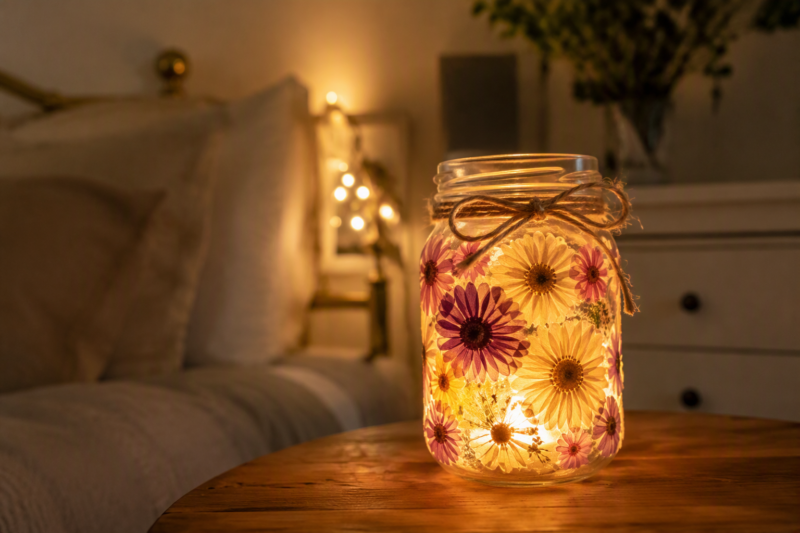
4. Pressed Flower Lanterns
This project combines nature collection with crafting and creates something beautiful enough to gift. You’ll need real flowers or petals collected during a nature walk, clean jam jars, glue, and battery tea lights for safe, glowing results.
Have kids collect fallen petals or small flowers during a walk outdoors. Back at home, brush or glue the petals to the inside of a clean jam jar, arranging them however they like. You can do random placement for an organic look or create patterns. Once the glue dries, pop a battery tea light inside. The light glows through the petals and creates a lovely lantern effect that works as a nightlight or a gift for a grandparent.
Woodland Trust advises that pressed flowers usually take a few weeks to dry fully, though children can sometimes begin crafting with them after a few days if they’re eager to start. The initial assembly phase is quick—the magic happens when you turn on the light and see the petals glow. This is a project that feels genuinely special to kids because it uses real nature they collected themselves.
5. Confetti Flower Poppers
Want a craft that doubles as a party activity? Make flower confetti poppers by attaching a balloon to the open end of a toilet paper tube and filling the tube with dried flower petals. Pull the balloon back and release it to pop out a shower of petals.
Cut a toilet paper roll to about 3 inches tall. Stretch a balloon over the open end of the tube (you may need to cut the balloon in half to make it fit). Fill the tube with dried flowers, flower petals, or even flower-shaped paper scraps. When your child pulls back the balloon and lets it snap forward, the confetti shoots out. It’s part craft, part toy, and totally recyclable.
This project works especially well for spring celebrations, outdoor parties, or as a fun sensory experience. Our Days Outside includes this idea in their roundup of 15 gorgeous flower crafts, noting that it’s ideal for kids who like playful, interactive making. The recycled materials keep costs down, and the dried petals make it eco-friendly too.
6. Cotton Pad Tulips
Raid the bathroom cabinet, and you’ll find supplies for surprisingly soft flower petals. Cotton pads (the kind used for makeup removal) paint beautifully with watercolors or acrylics and create tulips with unique, fluffy texture that paper crafts can’t match.
Paint a cotton pad with watercolors in any tulip shade, or let kids paint it freehand with acrylics. While the paint is still slightly wet, gently shape the pad into a cup-like petal form. Layer three or four painted pads together, gluing them at the base to create a tulip bloom. Attach a green pipe cleaner or stick as the stem.
Cotton pads are absorbent and flexible, so they hold paint really well and take on a natural, organic look. This project is highly cost-effective—most families have these supplies already. Baker Ross specifically lists cotton pad tulips among their flower craft templates, highlighting them as a unique material choice that stands apart from the usual construction paper projects.
7. Egg Carton Blooms
Recycled egg cartons are a goldmine for flower crafts. Cut individual cups from the carton and paint them in bright colors. Each cup becomes a 3D petal or the base of a bloom that you can mount on a pipe cleaner or stick.
Cut or tear out individual cups from a cardboard egg carton. Paint them in any flower colors you like—mix and match for variety. Once dry, poke a hole in the bottom of the cup and thread it onto a pipe cleaner, or glue it to the top of a wrapped stick. You can create a single large bloom by stacking painted cups on top of each other, or make a multi-flower arrangement by threading several cups onto one pipe cleaner.
Egg carton flowers are sturdy and three-dimensional in a way that flat paper crafts aren’t. Kids enjoy painting the individual cups, and the assembly feels like building something real. According to DIY Craftsy’s roundup of 25 easy flower crafts, egg carton projects are particularly popular in classroom settings because the results are impressive but the prep is minimal.
8. Cake Case Daffodils
Paper baking cups (also called cake cases) have a built-in trumpet shape that’s perfect for daffodils. This is one of the quickest flower crafts you can make—perfect for kids with limited attention spans or when you need results fast.
Use yellow paper baking cups for the petal layer and an orange or red cup for the trumpet center. Glue the orange cup inside the yellow one, already-formed daffodil. Glue this to a green paper stem and add leaves if you like. These are lightweight and easy to glue, making them perfect for younger preschoolers who struggle with scissors or complex assembly.
The beauty of this craft is that the flower’s basic shape is already there. You’re just stacking and gluing, which means even kids as young as 3 can participate with minimal help. Woodland Trust includes this idea in their spring flower crafts roundup, recommending it specifically for creating quick, impressive results.
9. Pressed Flower Clay Circles
Air-dry clay becomes a canvas for pressed flowers, and the finished product looks like a professional craft—even though it’s completely simple. Roll out clay and press dried flowers into the surface, and you’ve got a keepsake decoration.
Roll out a ball of air-dry clay and flatten it into a circle about a quarter-inch thick. Press dried flowers, leaves, or petals into the surface in any design you like. Let the clay air-dry according to package directions. Once fully dry, you can paint the clay base if you like, seal it, or leave it natural.
While final drying can take a few weeks, Woodland Trust notes that children can begin the assembly phase after just a few days of air exposure. This makes it a good project for kids who want an immediate sense of accomplishment but also appreciate having a long-term keepsake to work on. The pressed flowers create a beautiful, nature-inspired design that feels quite sophisticated.
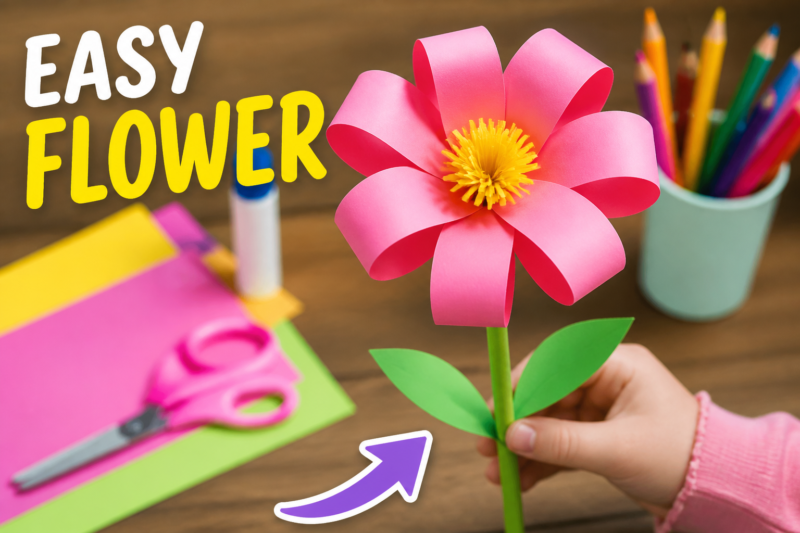
10. Construction Paper Sunflowers
A structured project that combines math with art, paper sunflowers teach kids about counting, symmetry, and layering. Cut exactly 9 petals from yellow paper, layer them onto a brown center, and you’ve got a sunflower that teaches while it creates.
Cut a large brown circle for the center. Cut 9 identical petal shapes from yellow or orange paper—making them match helps reinforce the idea of pattern and symmetry. Layer the petals behind the brown circle so they radiate outward, gluing each one securely. Add details to the brown center with markers or glued seeds. Display it on a wall or fold a strip of green paper as a stem to make it stand.
ABCmouse’s flower craft article specifically describes this project using exactly 9 petals, which makes it excellent for reinforcing basic math skills. Layering also teaches spatial awareness and helps kids understand how real flowers are constructed. This is a craft that looks impressive on display but requires nothing fancier than paper, scissors, and glue.
Craft
Best For
Mess Level
Drying Time
Clothespin Plate Flowers
Toddlers, no scissors
Low-Medium
30 mins
Yarn-Wrapped Flowers
Fine motor practice
Low
1 hour
Cardboard Tube Tulips
Display-worthy results
Low
30 mins
Pressed Flower Lanterns
Nature lovers, gifts
Low
Weeks (petals)
Confetti Poppers
Party activities
Medium
15 mins
Cotton Pad Tulips
Texture lovers
Medium
1 hour
Egg Carton Blooms
Recycling focus
Low
1 hour
Cake Case Daffodils
Speed projects
Low
15 mins
Pressed Flower Clay
Keepsakes
Low
3+ weeks
Construction Paper Sunflowers
Math + art
Low
30 mins
Bubble Painting Hydrangeas
Sensory play
High
2 hours
Paper Straw Tulips
Bouquet displays
Low-Medium
1 hour
11. Bubble Painting Hydrangeas
This messy, joyful project creates organic, textured clusters that actually look like real hydrangea blooms. Mix soap into paint, blow bubbles, and press paper onto them to capture the texture.
Mix paint with a small amount of dish soap and water to create a bubbly mixture. Pour it into a shallow pan. Use a straw to blow air through the mixture until bubbles pile up above the rim. Press paper gently onto the bubble clusters to transfer the paint pattern. The result is a bumpy, clustered texture that perfectly mimics hydrangeas.
Prudent Penny Pincher lists bubble painting hydrangeas among their 25 easy flower crafts, specifically because the technique naturally mimics the clustered appearance of real hydrangea blooms. It’s messier than some other crafts, so have paper towels ready, but kids absolutely love it. The sensory element of blowing bubbles combined with the artistic result makes this feel special and fun.
12. Paper Straw Tulips
Colorful paper straws provide rigid stems that make tulips stand upright without drooping. Cut flower heads from construction paper, glue them to straws, and you can create a whole bouquet that actually looks arranged, not floppy.
Cut two tulip-shaped petals from colored paper. Glue them together with a straw sandwiched between them at the base so the straw becomes the stem. Add a green paper leaf wrapped around the straw if you like. Group several tulips together in a vase or cup, and you’ve got an instant bouquet arrangement.
Paper straw tulips are perfect for grouping together in a vase or bouquet display, and the rigidity of the straws means they don’t droop or collapse. Kids can create multiple flowers and arrange them however they like, which adds an element of design to the craft. This is especially useful if you’re making flowers as gifts or want a craft that teaches basic floral arranging.
Common Mistakes
The biggest mistake is trying to use materials that are too stiff or too flimsy. Tissue paper is gorgeous but tears easily in toddler hands, while thick poster board can be frustrating to cut without adult help. The crafts listed here use materials that are forgiving—they’re sturdy enough to handle but flexible enough for kids to manipulate.
Another common issue is skipping the drying time. Glued flowers fall apart if you try to handle them before the glue sets. Read the glue instructions and give projects at least 15 to 30 minutes to dry before expecting kids to move them around or take them home. Pressed flower projects take even longer—plan for weeks if you want truly dried results.
Finally, don’t over-complicate setup. Kids get frustrated when there are too many small pieces to organize or too many steps to follow. The simplest projects use the fewest materials and the fewest steps. Save intricate multi-step crafts for older kids or when you have time to work slowly.
FAQ
Q: How long do pressed flower crafts take to dry?
Pressed flowers usually take a few weeks to dry fully, though you can sometimes start crafting with them after just a few days if you’re eager to begin. The exact timeline depends on humidity and flower thickness. If you’re using fresh flowers in a lantern, they may never fully dry but will preserve their shape and color for weeks with a light source.
Q: Which flower crafts are best for preschoolers?
Preschoolers usually do best with crafts that rely on large shapes and simple assembly rather than fine motor precision. Clothespin flower plates, cake case daffodils, and construction paper sunflowers are good fits because they use basic steps and familiar materials. Any craft that involves gluing or painting rather than detailed cutting works well for this age.
Q: Are flower crafts messy for kids?
Some are low-mess, while others involve paint, glue, or pressed natural materials. Paper folding and cardboard tube crafts tend to be cleaner, while bubble painting and finger-painting flower projects are messier but more decorative. Read the project description before starting—if mess concerns you, stick with construction paper and glue crafts rather than painting or pressing activities.
Q: What supplies do flower crafts usually need?
Common supplies include construction paper, glue, scissors, paint, cardboard tubes, paper plates, clothespins, buttons, and craft sticks. Many of the projects here are designed around materials most families already have at home or can buy cheaply. Specialty supplies like air-dry clay or battery tea lights are optional—you can swap them for alternatives.
Q: Which flower crafts make the best gifts?
Crafts with display value make the best gifts, especially lanterns, framed pressed flowers, standing tube flowers, and decorative bouquets. These projects look more finished than simple coloring pages and are easier to present for Mother’s Day, spring events, or classroom gifts. Kids feel proud handing over something they built themselves.
Q: How do you choose a flower craft for kids?
Choose based on age, available materials, mess tolerance, and whether you want a display piece or a quick activity. If you want the safest and fastest choice, start with paper or recycled-material crafts; if you want a keepsake, choose pressed flowers, lanterns, or bouquet-style projects. Read through the skill requirements and don’t feel pressured to do complex projects if simpler ones will make everyone happier.
Q: Why are flower crafts good for children?
Flower crafts help kids build creativity and artistic skills while exploring nature themes. They also work well for spring celebrations, hands-on practice with cutting, gluing, coloring, and arranging shapes, and are budget-friendly activities. Many kids also find the repetitive, focused work calming and meditative—it’s not always about creating a product, sometimes it’s about the process itself.
My Experience With 12 Easy Flower Crafts Kids Will Love
I’ve tested most of these projects with kids ranging from 18 months to 8 years old, and the clothespin plate flowers consistently win for sheer repeatability. Toddlers genuinely can’t mess it up, which means less frustration and more success—that combination is gold. The yarn-wrapped flowers taught me that older kids actually want something that takes focus and patience, not just quick assembly. They’ll sit for 15 minutes wrapping yarn when they’d skip a five-minute glue project.
The one thing nobody warns you about is how much of your workspace bubble painting hydrangeas destroys. It’s worth it for the sensory joy on their faces, but have backup shirts ready. The pressed flower lantern surprised me by becoming something kids actually wanted to keep using—they’d turn it on at night and forget they made it themselves because it looked so intentional and real.
My sharpest takeaway: kids don’t care if the flower is technically accurate. They care whether the process felt safe and the result looks like something they could show someone. When you nail that balance—easy enough to feel capable, impressive enough to feel proud—they come back asking to make more.
Have you tried any flower crafts with kids? Which ones stuck around and actually got kept, and which ones became kindling?
Conclusion
Flower crafts are one of those perfect activities that work for almost any situation. They’re cheap, they use materials you probably have lying around, and they keep kids engaged without requiring constant supervision. Whether you’re looking for a rainy afternoon project, a gift-giving opportunity, or a spring-themed classroom activity, there’s a craft on this list that fits.
The 12 projects here range from super simple (clothespin flowers, cake case daffodils) to more involved (pressed flowers, bubble painting), so you can match the craft to the kid’s age and your patience level. Start with what feels doable, and don’t stress about perfection. The point is the process—watching kids create something colorful and keeping their hands busy on a quiet afternoon.
If you’re making these for display, pressed flower lanterns and standing tube tulips genuinely look beautiful. If you’re looking to build fine motor skills, yarn-wrapped flowers and construction paper sunflowers teach focus and precision. And if you just need them to stop asking “what can I do?” for an hour, almost any of these will do the trick. Pick one, grab your supplies, and go make something with flowers and glue. Kids remember it longer than you’d expect.
References
How We Learn. Flower art projects for kids. https://www.howweelearn.com/flower-art-projects-for-kids/
Our Days Outside. (2026). 15 gorgeous flower crafts for kids. https://ourdaysoutside.com/15-gorgeous-flower-crafts-for-kids/
A Teacher with 5 years of experience. Our Expertise, is reliable to meet your full Academic development needs . Worked on many crafts and construction projects offering services from design to development to deployment over the years. You will find many of my works in my business portfolio on request.