14 Fun Ocean Animal Crafts Your Little Explorers Will Love
Which creative ocean animal crafts for kids naturally build essential skills while keeping your little explorers engaged during a rainy afternoon or a sunn
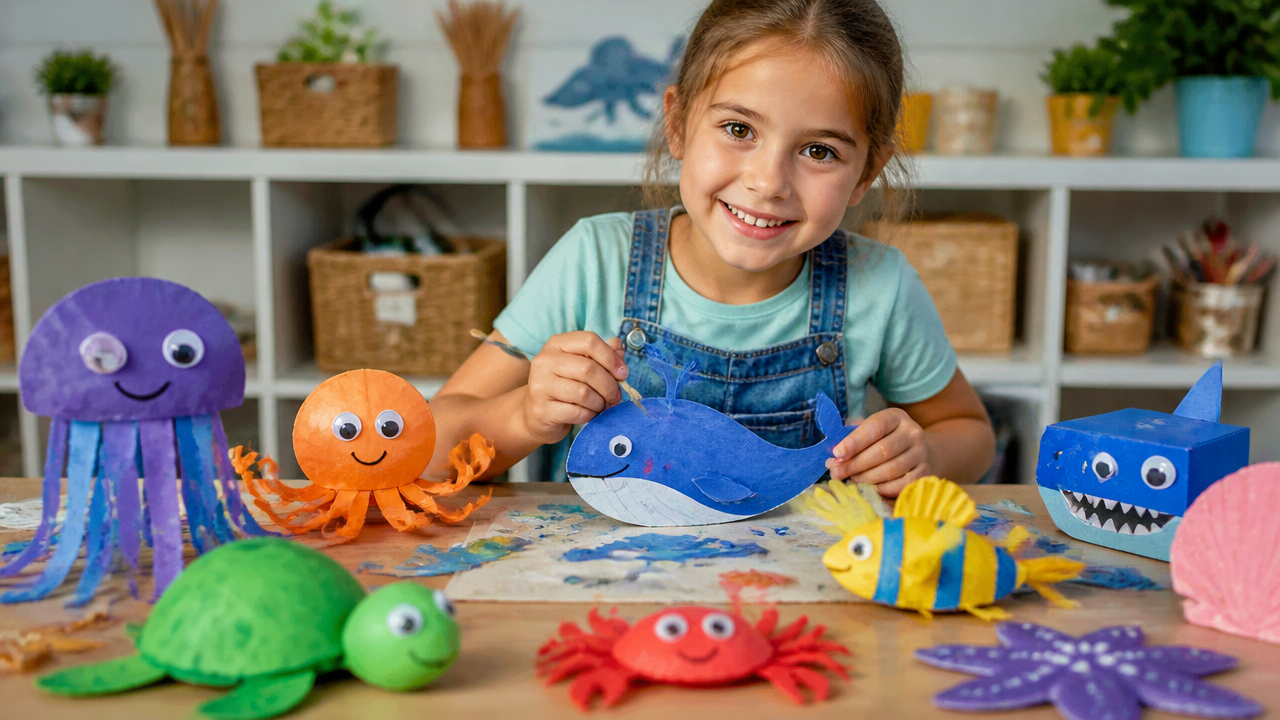
Which creative ocean animal crafts for kids naturally build essential skills while keeping your little explorers engaged during a rainy afternoon or a sunny beach retreat? Choosing the right ocean creature project requires balancing simple material needs with developmental goals that support fine motor growth. Whether you prefer basic paper plate ocean animals or more technical printable sea creatures, these ideas encourage hands-on discovery. Integrating ocean theme crafts helps young minds visualize marine life while they develop precision, patience, and artistic confidence. Providing the right tools ensures that your next home art session is both productive and genuinely fun.
Quick Questions and Answers
Question: why are ocean animal crafts good for little kids?
Answer: Ocean animal crafts help little kids develop fine motor skills, creativity, and an early understanding of marine life. They also provide a fun way to learn about different sea creatures and their environments while encouraging sensory exploration. These activities allow children to practice cutting, gluing, and painting in a playful, low-pressure setting.
Question: can preschoolers make simple ocean crafts at home?
Answer: Yes, preschoolers can easily make simple ocean crafts at home using materials like paper plates, construction paper, glue, and paint. Activities like making paper plate octopuses or footprint fish are age-appropriate and encourage imaginative play. Many projects found on sites like 12 Easy Crafts to Do at Home with Simple Supplies reflect these basic requirements.
Question: do ocean crafts require special art supplies for kids?
Answer: Not necessarily, most ocean crafts for kids use common household items like paper, crayons, glue, and scissors. Some projects may include googly eyes or yarn, but these are inexpensive and easy to find at craft stores or supermarkets. You likely have most of the necessary ingredients in your desk or junk drawer right now.
Key Takeaways
Paper plates offer a durable, low-cost canvas for toddlers and preschoolers.
Printable templates with brads create moving parts that fascinate elementary-aged children.
Sensory materials like air-dry clay and sand deepen the tactile experience of marine-themed art.
Recycling common household waste like paper rolls and grocery bags provides a sustainable path to endless creature designs.
1. Paper Plate Orca
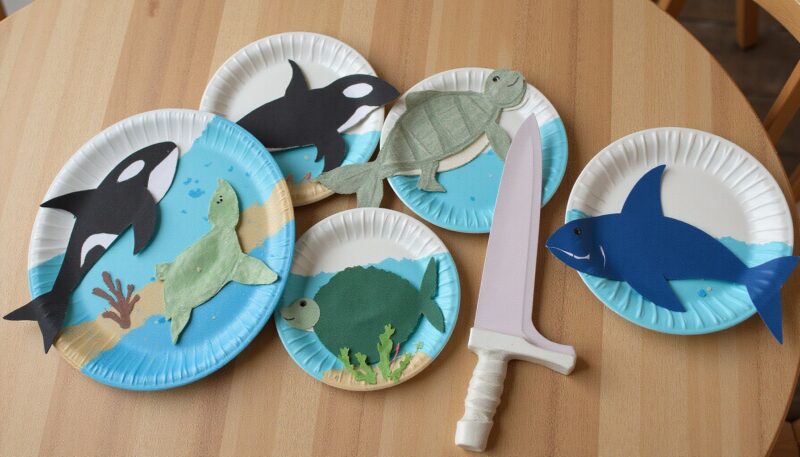
Paper plate orcas serve as a durable, budget-friendly option for toddlers just learning to handle craft glue. The sturdy nature of the plate holds up well against enthusiastic coloring and painting sessions. Using a basic black and white color palette, children can transform a standard plate into a recognizable killer whale. According to the team at Crafts on Sea, utilizing these simple materials helps build confidence in young creators.
2. Ocean Animal Collection
This collection spans a variety of species including whales, swordfish, and turtles. Using standard paper plates as the base allows kids to explore different shapes by cutting notches or adding fins. As The Craft Train notes, the adaptability of the paper plate makes it a primary choice for themed unit studies. You can easily scale the design complexity based on the child’s age or interest.
3. Printable Moving Creatures
For children aged 4 to 7, adding mechanics to craft projects can spark immense curiosity. By using printable templates and basic brass split pins or brads, kids create creatures that actually move their fins or tentacles. This is a step up from static art, introducing basic concepts of movement. Little Bins for Little Hands explains that these interactive pieces bridge the gap between simple paper folding and functional design.
4. Paper Roll Puppets
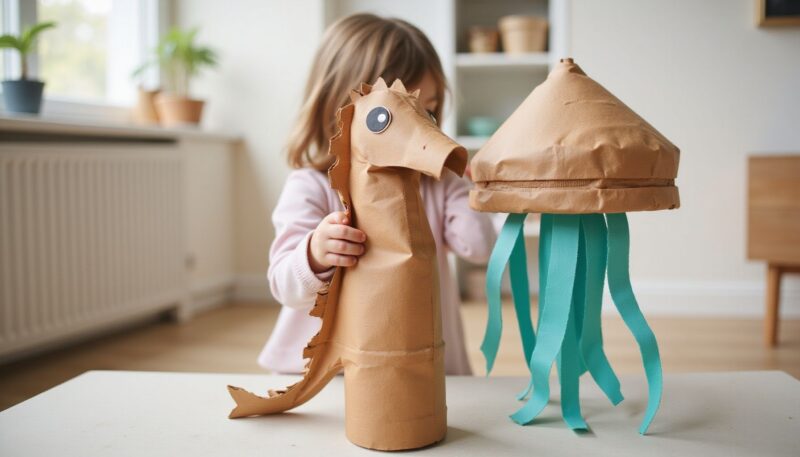
Empty toilet paper or kitchen rolls are perfect for creating long-bodied sea life. You can transform them into seahorses, jellyfish, or octopuses with a bit of paint and creativity. Because rolls are cylindrical, they sit upright, making them perfect for imaginative puppet shows. This is where 14 Easy Art Projects for Teens That Are Super Fun might offer older siblings a way to help out. It is a fantastic way to recycle everyday waste into playable toys.
5. Paper Bag Jellyfish
The paper bag jellyfish is often praised for being a multidisciplinary preschool project. It integrates cutting skills, texture application, and sensory play into one design. By cutting the bottom of a brown paper bag into strips and adding paint or glitter, children build a long, flowing sea creature that captures their imagination. It is a classic for a reason, as No Time For Flash Cards highlights its effectiveness in teaching multiple developmental skills at once.
6. Toothpick Sea Urchins
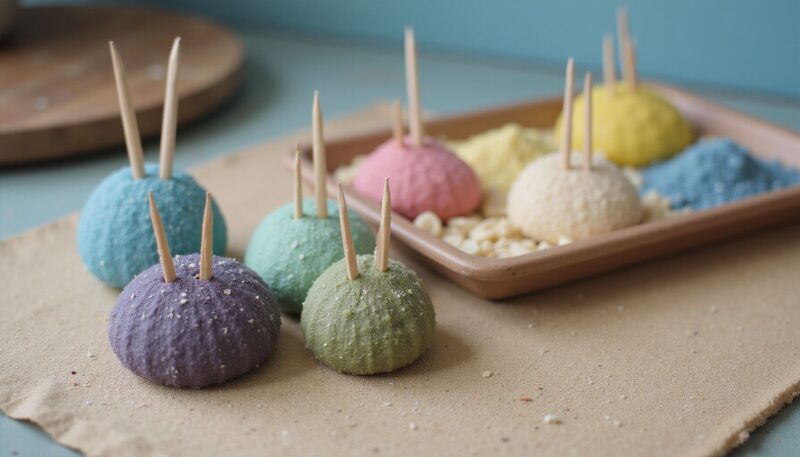
If you want to focus on texture and sensory input, try using air-dry clay and toothpicks. Preschoolers find it fascinating to push the “spines” into the soft clay to bring the sea urchin to life. This project is a great lesson in patterns and fine motor precision. According to guidance from Taming Little Monsters, this hands-on approach is ideal for developing hand strength in young learners.
7. Rainbow Sand Whales
Integrating colored sand into your whale designs adds a unique aesthetic to the standard paper cutout. Kids love the process of applying glue and sprinkling vibrant sand to create a textured, colorful finish. This project is as much about the process as it is about the end product. It offers a structured way to practice fine motor control while creating something that looks quite impressive when displayed on a wall.
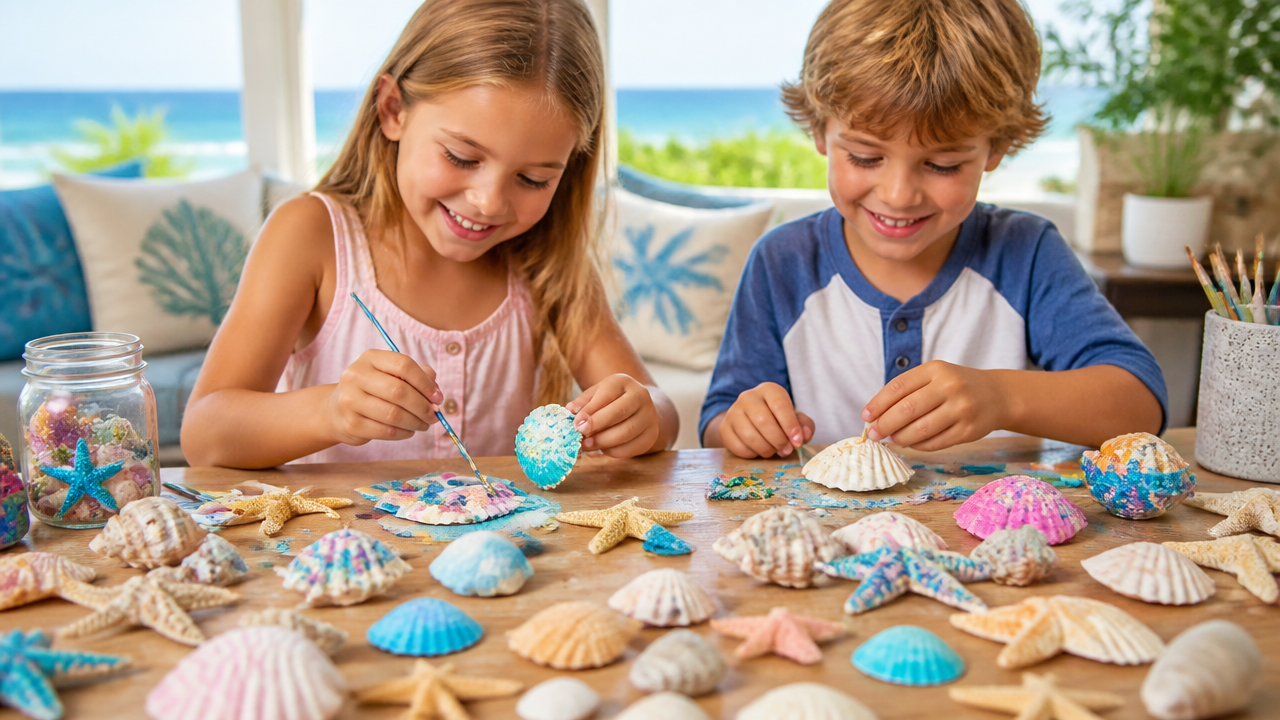
8. Glittery Shells
For a touch of elegance in your ocean unit, decorate real or cardboard shells with glitter. This activity explores light reflection and fine decoration techniques. It is a popular project because the results are visually striking and encourage children to handle small objects with care. As mentioned by No Time For Flash Cards, choosing earth-friendly glitter options can make this sparkly project better for the actual environment.
Selection Criteria for Ocean Crafts
Fine Motor Development: Select projects that require precise movements like painting stick fish or manipulating clay to boost coordination.
Material Accessibility: Always prioritize items found in common households, such as rolls, bags, and recycled newspapers to avoid unnecessary costs.
Age-Appropriate Complexity: Match the technical demands of the craft to the child, favoring simple builds for toddlers and interactive, moving models for children aged 4 to 7.
Learning Integration: Connect all crafts to broader ocean education, such as learning about specific marine predators like sharks, to deepen the impact of the activity.
Top Tier Paper Plate Creations
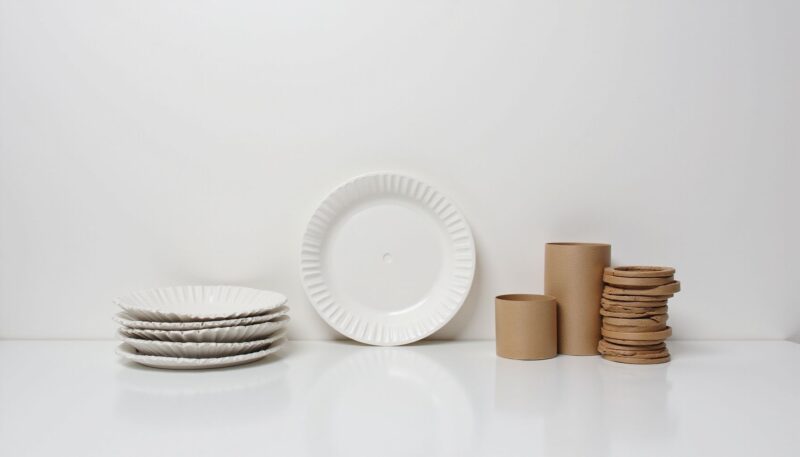
Paper plates act as the workhorse of home crafting for a reason. They represent a durable, low-cost solution for mass-producing animals during a long, rainy home study week. Whether you are crafting a school of fish or a single, large orca, the surface allows for paint, crayons, and markers to adhere easily without wrinkling. If you are looking for even more ways to expand your portfolio, consider exploring 11 Aesthetic Sketchbook Ideas to Refresh Your Daily Art Practice to supplement your ocean unit with drawing practice.
Tactile and Sensory Ocean Crafts
Sensory play is a core component of early childhood development, which is why air-dry clay and sand crafts work so well. By changing the texture of the craft from flat paper to three-dimensional clay, children engage different senses during the process. This keeps them focused for longer periods and allows for discussions about how different sea creatures feel in their natural environment. Using basic items like toothpicks to represent ocean spikes teaches kids that simple objects often have multiple practical uses in art.
Movable and Puppet-Based Projects
Puppet play extends the life of a craft far beyond the moment the glue dries. When you turn a paper roll into a seahorse or a jelly fish, you are gifting your child a character for an undersea story. Printable templates with brads introduce a primitive form of engineering and mechanics, allowing kids to see how items with hinges or joints interact. These pieces become more than just art; they transform into tools for narrative play that parents can join in on.
Comparison of Craft Materials
Craft Type
Best For
Main Benefit
Materials Needed
Paper Plates
Toddlers
Durability
Plates, Paints
Paper Rolls
Creative Play
Recyclable
Rolls, Glue, Googly Eyes
Printable Templates
Ages 4-7
Mechanical Function
Brads, Split Pins
Clay/Sand
Sensory Learners
Tactile Growth
Clay, Toothpicks, Sand
Best Uses for Each Age Group
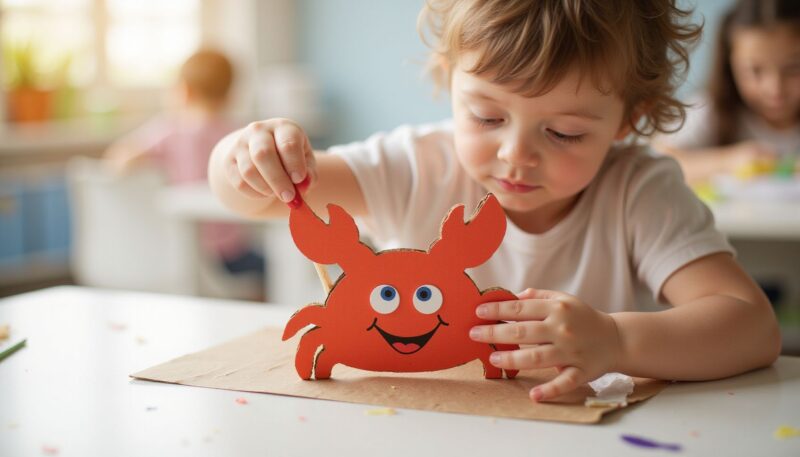
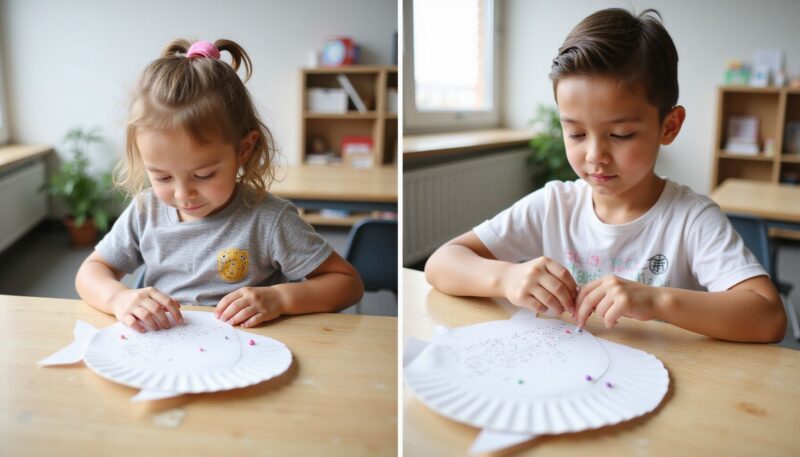
Focus on paper plate crafts for toddlers, as the simplicity allows them to experiment with paint and collage without needing complex fine motor skills. Preschool and pre-k students benefit from fine-motor-focused tasks like sewing through hole-punched cards, creating crab crafts, or painting sticks to build fish. As children reach the age of 4 to 7, they are better equipped to handle printable templates that require alignment, punching holes, and securing brads for moving parts. Aligning the project with their current development stage determines whether they feel successful or frustrated.
Essential Crafting Advice for Parents
Recycling should be your best friend. Old newspapers are excellent for molding into shark sculptures, which helps teach children about marine predators in an engaging way. If you are planning an ocean unit, always connect the activity to a real-world concept like Shark Week. This makes the craft feel purposeful rather than just an empty time-filler. According to Little Bins for Little Hands, linking hands-on builds to specific ecological concepts significantly increases the educational value for the child.
FAQ
Q: are paper plate crafts easy for toddlers to try?
Yes, paper plate crafts are very easy for toddlers because they are simple to cut, paint, and decorate. Projects like paper plate jellyfish or turtle shells are toddler-friendly and help build confidence in creating ocean-themed art. They are remarkably forgiving, meaning a small mistake with paint or placement does not ruin the entire project.
Q: how do i make an octopus craft with kids?
To make an octopus craft with kids, trace a circle on purple paper for the body, cut eight strips for legs, and glue them to the bottom. Add white circles with black dots for eyes. This simple project is great for developing cutting and gluing skills. You can also try this with toilet paper rolls for a 3D effect.
Q: does footprint fish craft work for all ages?
The footprint fish craft works for all ages, from toddlers to older kids, as it only requires paint and paper. It’s a fun way to create unique ocean art and encourages creativity, making it perfect for family crafting sessions or classroom activities. It is also a lovely keepsake that captures how small their feet once were.
Q: will ocean crafts help my child learn about sea animals?
Yes, ocean crafts help children learn about sea animals by letting them explore shapes, colors, and features of different creatures. Through hands-on activities like making turtle shells or shark masks, kids gain a deeper understanding of marine life in a creative way. They often ask questions about the animal’s habitat while building the physical model.
Q: when is the best time to do ocean crafts with kids?
The best time to do ocean crafts with kids is during summer break, beach trips, or after watching underwater documentaries. It also works well as part of a themed lesson plan in school or at home, especially when learning about oceans and marine ecosystems. Any time you discuss the beach is an ideal moment to pull out the glue.
Q: is hand stamp octopus craft safe for toddlers?
Yes, the hand stamp octopus craft is safe for toddlers as it uses non-toxic paint and paper. It’s a fun, sensory activity that helps develop creativity and motor skills, making it ideal for young children with parental guidance. It is messy, but the sensory reward of the paint on their hands is part of the fun.
Q: what materials are needed for paper plate jellyfish?
For paper plate jellyfish, you need a paper plate, paint, yarn or ribbon for tentacles, and googly eyes. Paint the plate, cut tentacles from the bottom, attach yarn, and add eyes. This simple project is perfect for young kids and uses basic craft supplies. It looks fantastic when hanging in a classroom window.
My Experience With 14 Fun Ocean Animal Crafts for Little Explorers
I have spent many afternoons covered in glitter and glue, and I’ve learned that the secret to a successful craft is embracing the mess. When I worked on the paper roll jellyfish with my little ones, I realized that getting the googly eyes to stick was a surprisingly effective way to teach patience. The kids were so focused on the eye placement that they didn’t even realize they were refining their pincer grasp.
One expert tip I always share is to prep your workspace before you mention the word “craft.” If I don’t have the newspaper laid down under our paper plates, the paint invariably finds the carpet. Recently, we tried the printable templates with the split pins; it was a revelation. Seeing them understand that the shark could actually “bite” because of the pin mechanism showed me how even a simple piece of metal can spark a genuine scientific interest in how things move. It turns out, you don’t need expensive kits to foster curiosity about the ocean—just some humble cardboard and your enthusiasm. What is the one ocean animal your little explorer is most excited to build today?
Latest Updates
As we head into 2026, the trend in home-based ocean crafting has shifted toward sustainability. More families are moving away from new plastic accessories and toward upcycled cardboard and compostable materials like paper-based glitter. Educators are also increasingly focusing on “process art,” where the goal is the sensory experience of creating the creature rather than having a perfect-looking replica at the end. This movement encourages kids to follow their own vision for their sea creature, leading to more unique and imaginative outcomes.
A Teacher with 5 years of experience. Our Expertise, is reliable to meet your full Academic development needs . Worked on many crafts and construction projects offering services from design to development to deployment over the years. You will find many of my works in my business portfolio on request.