
What makes a truly great aesthetic sketchbook idea stand out from every other creative challenge you have tried? When you approach your blank pages with a clear vision, art becomes a relaxing ritual rather than a chore. Maintaining an aesthetic sketchbook is not about being a perfect illustrator but about finding rhythm in your daily creative flow. Whether you are finding time for a quick doodle before the winter holidays or spending an entire weekend sketching, the right approach makes every creative session rewarding. Let us walk through these ideas to help you fill those pages with confidence and style.
Quick Questions and Answers
Question: Why do aesthetic sketchbook ideas help beginners start drawing? Answer: Aesthetic sketchbook ideas lower the pressure of perfection by offering simple, themed concepts like floating objects or repeating patterns. They encourage creativity through visual pleasure rather than technical skill, making it easier for beginners to build confidence and enjoy the process of drawing without fear of failure.
Question: Can you create aesthetic sketchbook pages with just one color? Answer: Yes, using a single color with varying shades, tones, and textures can create beautiful aesthetic pages. Techniques like layering washes, drawing with different line weights, or using contrast between light and dark areas allow you to build depth and visual interest without needing multiple colors.
Question: Do aesthetic sketchbook ideas require special art supplies or mediums? Answer: Most aesthetic sketchbook ideas work with basic supplies like pencils, erasers, and standard paper. While some concepts like collage or watercolor washes benefit from additional materials, you can create stunning aesthetic pages using simple tools by focusing on composition, line quality, and creative arrangement of elements.
Key Takeaways
- Focus on low-pressure prompts to maintain a consistent habit.
- Integrate mixed media to keep pages visually dynamic and fresh.
- Use recurring motifs like frames or hand-lettering to create a cohesive style.
1. Anthropomorphized Fruit Characters
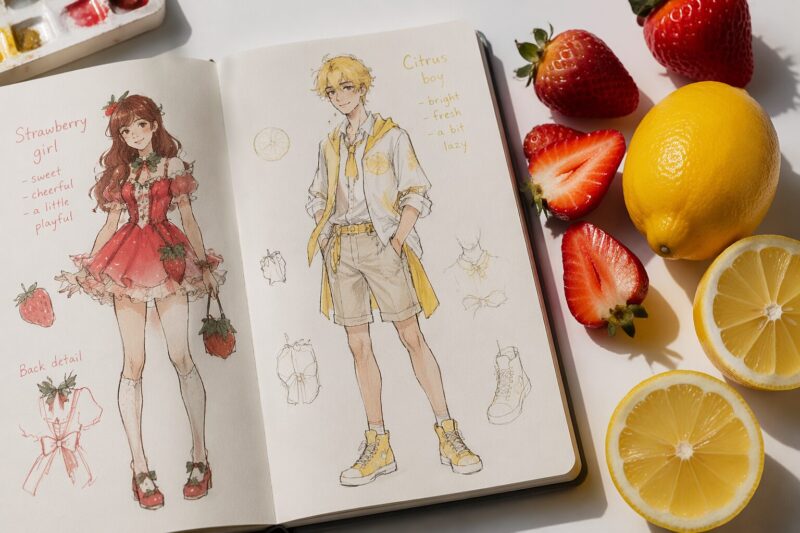
Turning a fruit into a human figure is a popular way to practice character design. Start by observing the natural shape and color profile of items like strawberries, citrus, or bananas. You can use these shapes to inform the hairstyle or clothing silhouette of your character. Focusing on simplifying shapes is vital here; keeping the linework clean helps maintain a cute and cohesive aesthetic theme across the entire page. It is a lighthearted way to practice proportions and personality without needing to draw realistic human anatomy.
2. The ‘View Through a Window’ Technique
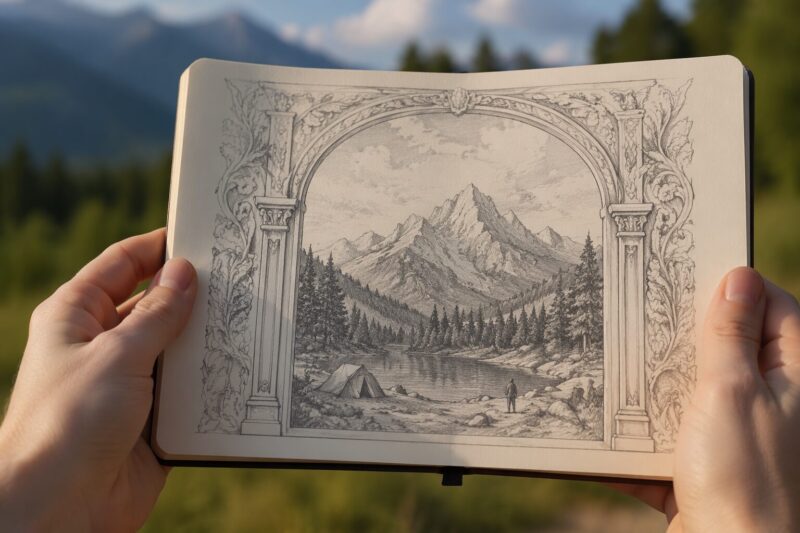
Taking a real-life landscape or reference photo and adding a decorative window frame border creates an immediate sense of depth. Instead of just drawing a scene, you frame it, which gives your viewer an inward-looking perspective. Feel free to rearrange or remove elements from your reference photo to better fit the composition of your sketchbook page. This technique, highlighted in studies from Emma Webb Studio, encourages thumbnails to plan your layout before committing to permanent ink.
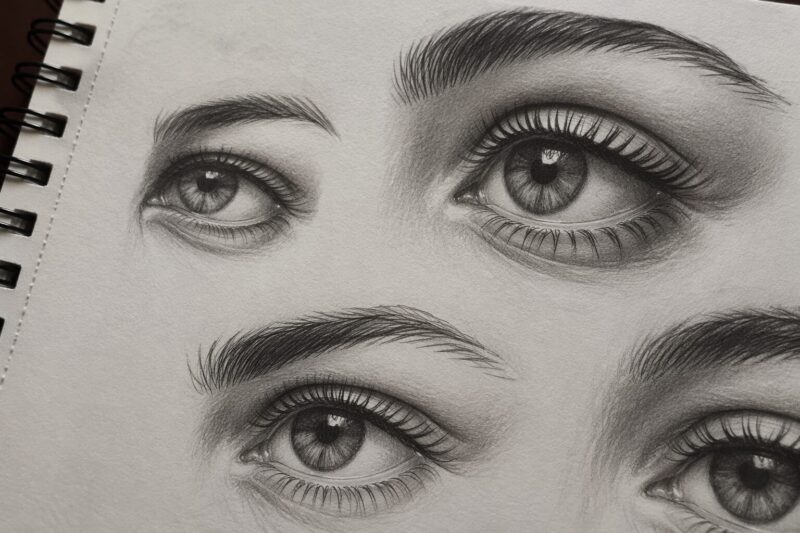
3. Realistic Eye Studies
Practicing human anatomy by isolating the eye is a high-impact feature for conveying specific character emotion. Because it is a manageable size, it serves as a perfect subject for an aesthetic study. You should focus on capturing light reflection and pupil texture to elevate the quality of your drawing. If you want a more guided approach to these shapes, you can follow this guide on how to draw eyes for beginners step by step easy. A small, detailed study often looks more intentional and polished than a hurried full-face portrait.
4. Dream Destination Bucket Lists
Sketch travel icons—such as architecture, food, or landmarks—from places you aspire to visit, like Japan, to turn your book into a goals journal. Combining these sketches with hand-lettered labels or dates creates a personal history of your interests. When drawing complex structures like monuments, try this method to master the art of drawing the Eiffel Tower step by step. It turns a simple sketchbook page into a vision board.
5. Still Life Compositions
Stacking objects such as old books, vintage wine bottles, or retro hardware is a classic way to practice light and shadow. Select subjects with personality, such as an old camera or weathered shoes, to create an authentic, lived-in aesthetic. The Virtual Instructor notes that these inanimate subjects provide excellent challenges for ellipses and texture while allowing you to control the composition completely. Pay attention to how light hits the curved surfaces of a bottle compared to the sharp edges of a book spine.
6. Capturing Crowd Dynamics

Sketching people in public spaces helps you learn to capture movement rather than focusing on hyper-realism. When you are sitting in a crowd, choose subjects that appear momentarily stationary, like someone reading on a bench. If you want to experiment with more creative prompts, try drawing someone falling. You must consider the extreme body position and the specific, often exaggerated, facial expression of the subject. It is an exercise in speed and observation.
7. Floral Arrangements with Decor
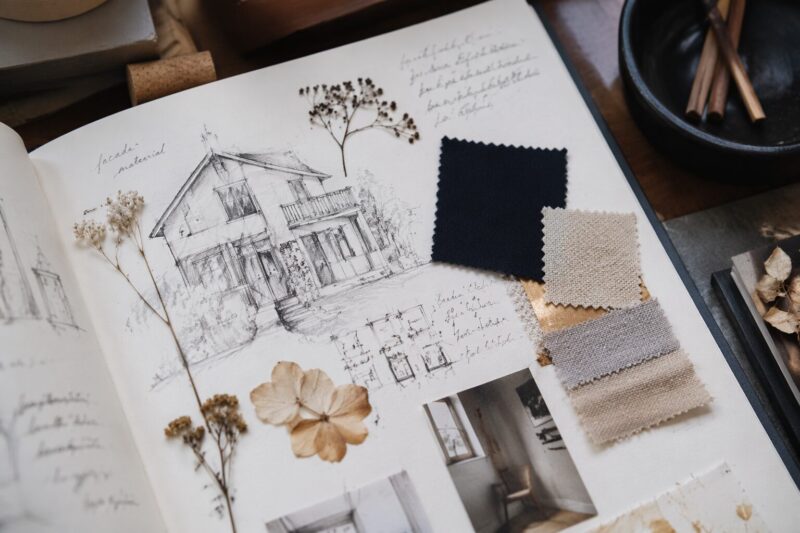
Draw bouquets like sunflowers in vases, using external elements like ribbons tied around the glass for visual detail. Applying the concept of adding decorative borders helps isolate the floral arrangement on the page, keeping the composition contained. You might look to Pinterest for inspiration on how floral motifs can be integrated with hand-lettered quotes to create a balanced, aesthetic spread. Focus on varying the thickness of your stems and the orientation of the petals to create organic movement.
8. Mixed Media Texture Experiments
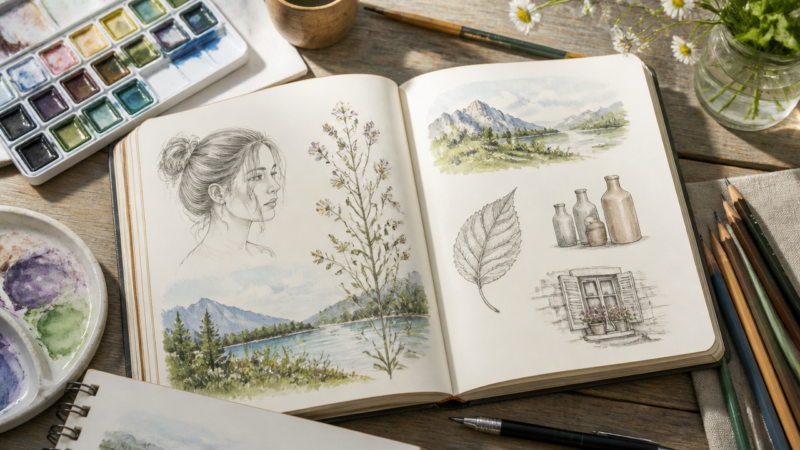
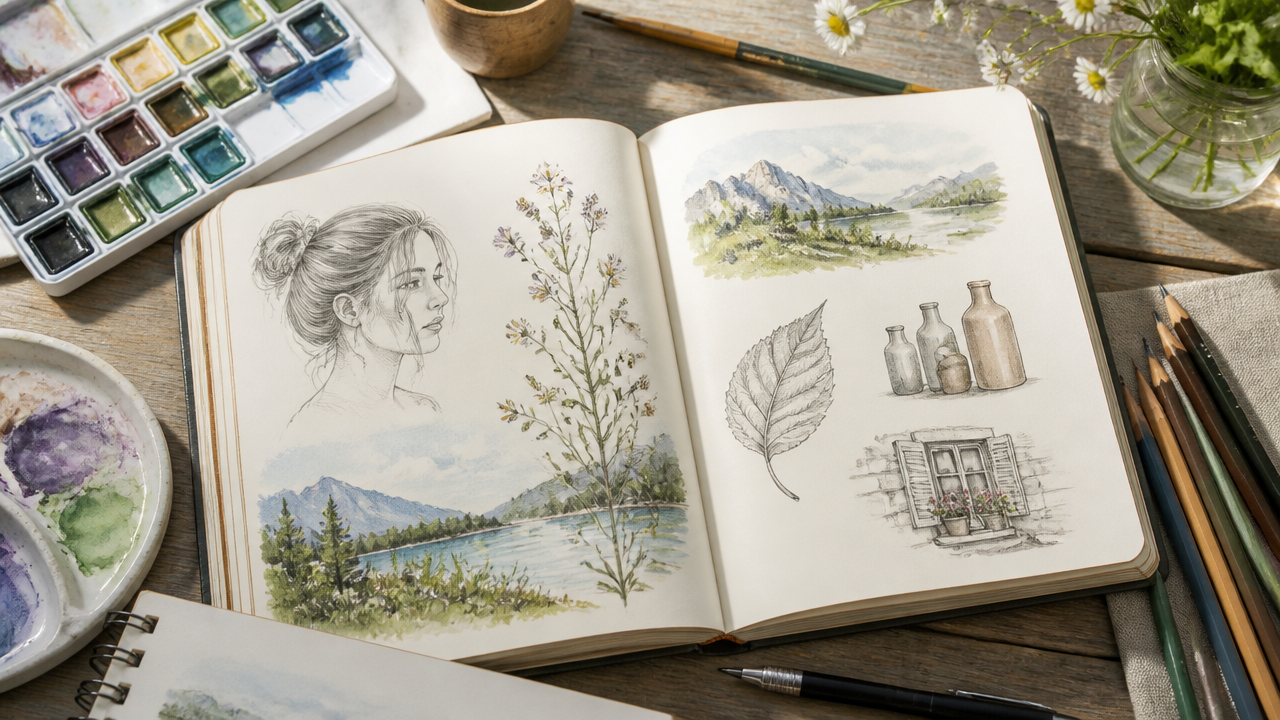
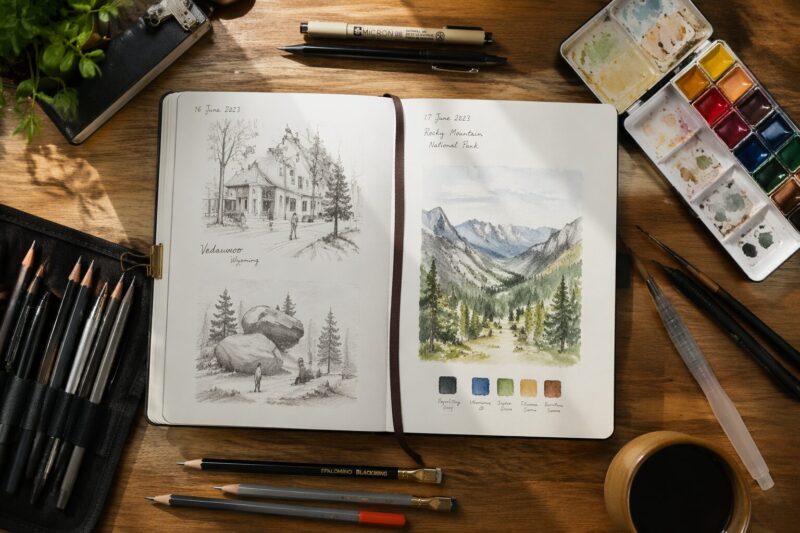
Utilizing colored pencils or markers to emphasize the texture of natural elements like lawn grass adds vibrancy to your pages. Mixing dry media, such as graphite, with wet media, such as watercolors, creates layers of depth that single-medium sketches lack. ZenART explains that a mixed media sketchbook is the ultimate playground for artists who want to experiment with how different supplies interact. Do not fear the mess; often, the interplay between water and ink provides the most interesting results.
9. Whimsical Daily Life Scenes
Document everyday moments with a cinematic twist, such as a coffee shop interior captured through a rainy window or a cozy corner of your bedroom. These snippets of life build a narrative-style sketchbook that feels like a personal diary. Whether you draw a cat peering into a mug or a stack of plates after dinner, these scenes ground your art in reality. Focus on capturing the ‘mood’ rather than every tiny detail.
10. Nature Close-Ups
Dedicating a page to macro-sketches, such as individual blades of grass, leaf veins, or flower stamen, helps you balance out more complex character sketches. Using fine-liners allows you to emphasize the repetitive, intricate patterns found in nature. This focused, meditative drawing style is often recommended by Adobe as a way to break through artistic blocks by concentrating on simplicity and repetition. It serves as a visual palette cleanser between larger, more daunting projects.
11. Cute Human-Animal Interactions
Drawing whimsical scenarios like a cat sitting near or playing on a laptop is a staple for a cute sketchbook aesthetic. Focus on soft, rounded proportions to ensure the interaction feels cozy and lighthearted. If you want to apply similar proportional rules to other figures, explore these tips on how to draw anime characters: a simple step-by-step guide for beginners. These scenes are inherently appealing because they tell a small, relatable story with every stroke of the pencil.
| Approach | Primary Media | Best For | Technical Goal |
|---|---|---|---|
| Technical Growth | Graphite, Charcoal | Eyes, Still Life | Shadow & Anatomy |
| Whimsical | Colored Pencils, Pens | Fruit-Humans, Cats | Expression & Style |
| Mixed Media | Ink, Watercolor, Markers | Scenery, Florals | Depth & Texture |
Selection Criteria for Your Aesthetic Sketchbook
When picking your next subject, focus on areas where you feel you need growth. If anatomy feels stiff, prioritize eye studies or crowd dynamics. If your pages feel empty, prioritize mixed media experiments that use color and texture to fill space. Always choose subjects that allow for personal expression. Your sketchbook is a private space; sketching bucket list items or pets makes the process feel more like a hobby and less like a job.
Common Mistakes
One major mistake is forcing yourself to copy a reference image perfectly. The goal of an aesthetic sketchbook is to develop a style, not to be a photocopier. Another error is neglecting paper quality. If you decide to use watercolor but your paper is thin, you will end up with warped, frustrating pages. Always check your sketchbook rating before starting a wet media project. Finally, do not wait for the “perfect” idea. Most artists find their best style through the messy, “bad” pages they produced while just trying to fill an empty afternoon.
FAQ
Q: Are aesthetic sketchbook themes good for improving artistic consistency?
Yes, sticking to aesthetic themes like mood boards, repeating patterns, or floating objects helps artists develop consistency in style, spacing, and color usage. These focused projects encourage repeated practice of specific techniques, leading to a more cohesive and polished artistic approach over time.
Q: How do floating objects with drop shadows create aesthetic sketchbook appeal?
Floating objects with soft drop shadows create a dreamy, three-dimensional look that draws the viewer in. By isolating simple doodles on a blank page and adding gentle shadows underneath, artists achieve a sense of weight and depth that makes the composition feel both minimal and visually engaging.
Q: What are the best aesthetic sketchbook ideas for beginners who lack confidence?
Beginners benefit from low-pressure ideas like grid mini boxes, mood boards, or simple pattern repetition. These concepts emphasize structure and repetition rather than complex drawing skills, allowing artists to create satisfying pages without worrying about perfection while building confidence through visible progress.
Q: Will aesthetic sketchbook ideas help artists overcome creative burnout?
Aesthetic sketchbook ideas provide fresh, themed inspiration that can reignite passion when motivation fades. Concepts like collage, mixed media, or nature journals offer variety and playfulness, encouraging artists to experiment without rigid goals, which helps break through creative stagnation and restore enthusiasm for drawing.
Q: When should artists mix structured pages with messy ones in sketchbooks?
Mixing structured pages like grids or patterns with messy, freeform doodles creates dynamic contrast and keeps sketchbooks engaging. This balance works best when artists want to explore discipline and spontaneity together, preventing the page from feeling too rigid or too chaotic while maintaining visual energy throughout the book.
Q: Is aesthetic sketchbook art suitable for showcasing in portfolios or galleries?
Aesthetic sketchbook art can be portfolio-worthy if it demonstrates strong composition, technique, and creative vision. Themes like collage, mood boards, or repeating patterns show conceptual thinking and stylistic consistency, making them excellent for showcasing artistic range, though they may need refinement or presentation adjustments for formal gallery display.
Q: Which aesthetic sketchbook ideas work best for creating visual storytelling pages?
Ideas like mood boards, layered washes with line art, and collage with mixed media work best for visual storytelling. These concepts allow artists to layer textures, colors, and symbols to convey emotions or narratives, creating rich, immersive pages that guide the viewer through a visual journey without relying on traditional text.
My Experience With 11 Aesthetic Sketchbook Art Ideas for Your Next Creative Session
I used to treat my sketchbooks like sacred relics. I would wait for the perfect inspiration to strike, which meant my pages stayed frustratingly empty for months. When I finally started using these aesthetic prompts, everything shifted. I discovered that sketching a “cat on a laptop” when I’m bored is far more productive than waiting for a grand vision of a masterpiece.
My best advice? Invest in a decent mixed-media sketchbook. If the paper tears or bleeds the moment you touch it with a marker, you will stop drawing. That is just physics, not lack of talent. I’ve had my share of ink spills and lopsided eyes, but those “failures” often ended up being my favorite pages because they look human, not clinical. The technical expert insight here is to stop treating every page like a final draft; treat it like a test site for your lines and colors. The more space you give yourself to fail, the faster your “aesthetic” will actually emerge. It is not about chasing trends; it is about finding what looks right to your eyes. What themes are you planning to test out this weekend?
Latest Updates
In 2026, the trend toward “visual journaling” continues to grow. Many artists are moving away from hyper-focused technical accuracy toward emotional, sensory-based sketching. This shift prioritizes the feeling of a place or an object, utilizing light, color, and loose linework to document life as it happens.
References
- Adobe Express. (n.d.). 112 sketchbook ideas for anyone wanting something to draw. Adobe. https://www.adobe.com/express/discover/ideas/sketchbook
- Emma Webb. (n.d.). Ideas for filling a sketchbook. Emma Webb Studio. https://www.emmawebbstudio.com/blog/ideas-for-filling-a-sketchbook
- Shihori Obata. (n.d.). 40 cool things to draw in your sketchbook. Shihori Obata. https://www.shihoriobata.com/blog/cool-things-to-draw-sketchbook
- The Virtual Instructor. (n.d.). 101 drawing ideas for your sketchbook. The Virtual Instructor. https://thevirtualinstructor.com/blog/101-sketchbook-ideas
- ZenART Supplies. (n.d.). Aesthetic sketchbook ideas and inspiration. ZenART Supplies. https://shop.zenartsupplies.co/blogs/inspiration/aesthetic-sketchbook-ideas-and-inspiration

A Teacher with 5 years of experience. Our Expertise, is reliable to meet your full Academic development needs . Worked on many crafts and construction projects offering services from design to development to deployment over the years. You will find many of my works in my business portfolio on request.