

Picking the perfect project can turn a dull assignment into a genuine learning experience. Whether you are a student striving for a top grade or a teacher planning a unit, the right approach makes all the difference. Great projects bridge the gap between abstract textbook facts and the messy, exciting reality of the world. They force you to solve actual problems rather than just filling out a worksheet. Whether it is a chilly autumn afternoon or a busy spring week, finding an activity that sticks will keep everyone involved.
Quick Questions and Answers
Question: Why should students consider a community garden for a school service learning project? Answer: Community gardens serve as high-impact service-learning projects that effectively connect classroom biology and botany lessons to real-world community needs. Students learn agricultural skills while producing fresh food for local pantries, making it a sustainable project that supports food security and demonstrates the practical application of ecological studies.
Question: Can you explain how to create a simple cloud in a jar experiment? Answer: To create a cloud in a jar, fill a glass jar with a small amount of warm water and swirl it to coat the inside. Place a lid upside down on top filled with ice cubes, then quickly spray a small amount of hairspray inside the jar before replacing the lid. The hairspray provides condensation nuclei, allowing the water vapor to turn into a visible cloud.
Question: Do board games actually work as effective learning tools for student review sessions? Answer: Yes, board games are highly effective review tools because they gamify the learning process. By building gameplay mechanics directly around subject-specific questions, students remain engaged while reinforcing retention. This approach allows students to test their knowledge in a competitive, collaborative format that is more interactive than traditional flashcards or worksheets.
1. NASA-Inspired Defy Gravity Experiment
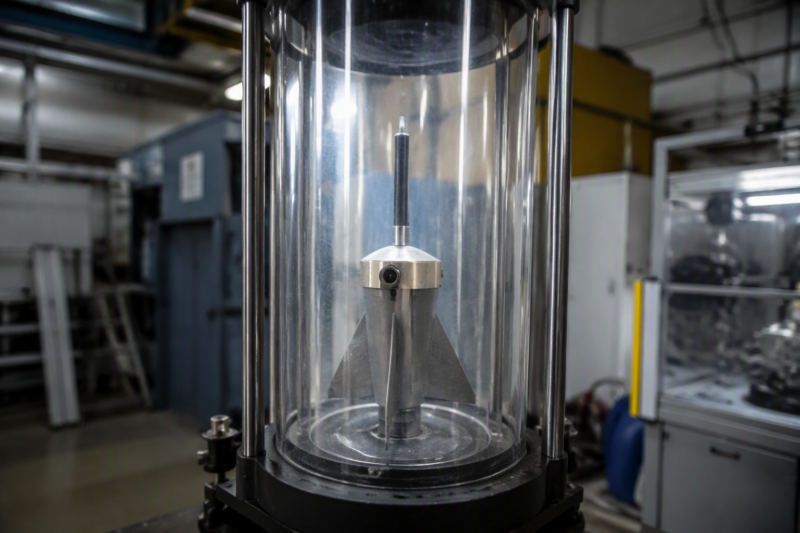
Students can design microgravity experiments that might even be tested in NASA’s 2.2-second drop tower in Brookpark, Ohio. This project is ideal for high school physics students because it demands strict adherence to scientific constraints and professional experimental design. It forces you to move beyond basic textbook learning by introducing real-world research parameters used by actual aerospace professionals. If you want to dive deeper into the basics, 12 Practical Space Activities for Kids for Beginners offers a great starting point for younger curious minds.
2. Subject-Review Board Game Design
Students create custom board games where advancing on the board requires answering subject-specific review questions. This is a brilliant tool for history, vocabulary, or test prep. It forces you to synthesize course content to create challenging queries. It provides a highly interactive alternative to traditional study guides and helps peers learn through collaborative play. By turning a review session into a competition, the stakes change from memorization to mastery.
3. Paper Airplane Aerodynamics Challenge
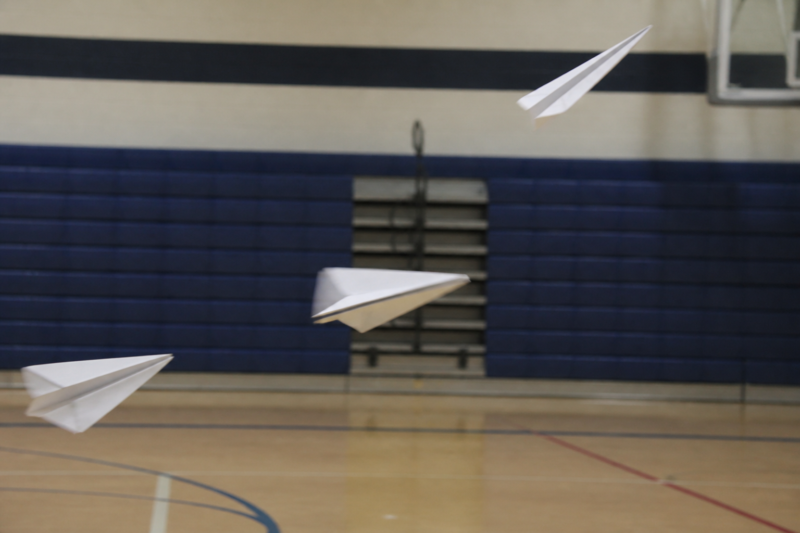
Participants build three specific paper airplane variations—a dart, a glider, and a stunt plane—to test which design performs best. This low-cost project uses common household items like paper and tape. It is perfect for demonstrating physics concepts like lift, drag, and thrust in a hands-on way. Students record flight distance or hang-time, which allows for clear, data-driven analysis of aerodynamic efficiency. You can easily spot how slight changes in wing fold angle alter the flight path.
4. DIY Precipitation Rain Gauge
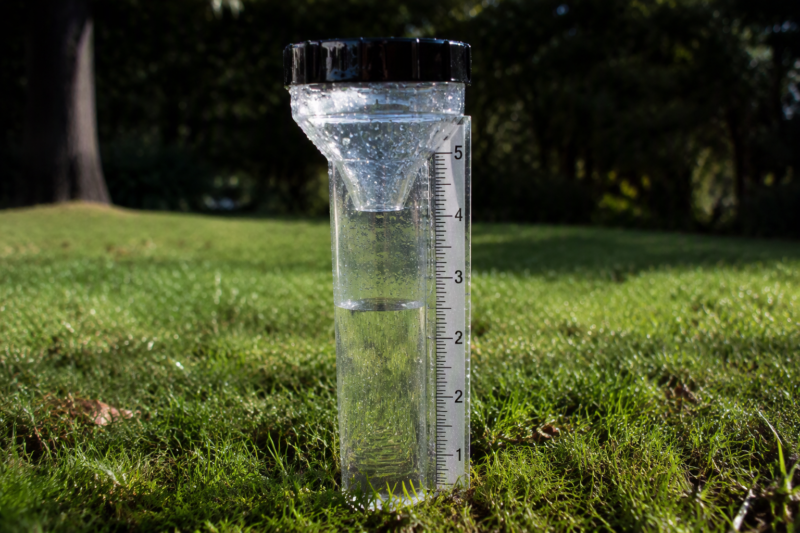
Students construct a functional weather-monitoring tool using a standard plastic bottle and an adhesive ruler. This project tracks daily rainfall over a full month. It teaches you how to collect, organize, and interpret longitudinal environmental data. It is a highly accessible science project that costs almost nothing to implement but provides a full month of active scientific observation. Tracking real weather patterns beats looking at a chart in a textbook any day.
5. Cloud-in-a-Jar Demonstration
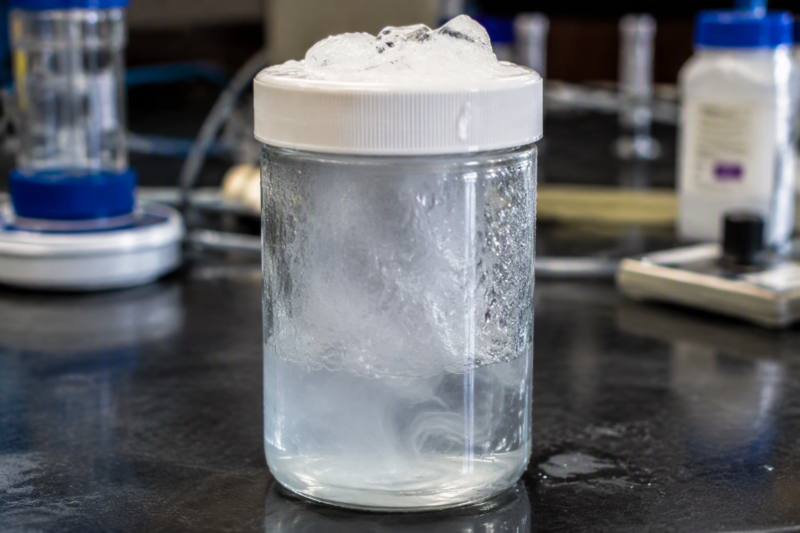
This experiment models the water cycle by combining warm water, a chilled surface of ice, and aerosol particles like hairspray inside a glass jar. It provides an instant, visual representation of condensation and cloud formation that you can observe in real-time. The project is excellent for early middle school science units focusing on meteorology and atmospheric processes. Seeing the vapor thicken into a mist inside the jar makes the invisible processes of our atmosphere suddenly clear and tangible.
6. Personal Reflection Time Capsule
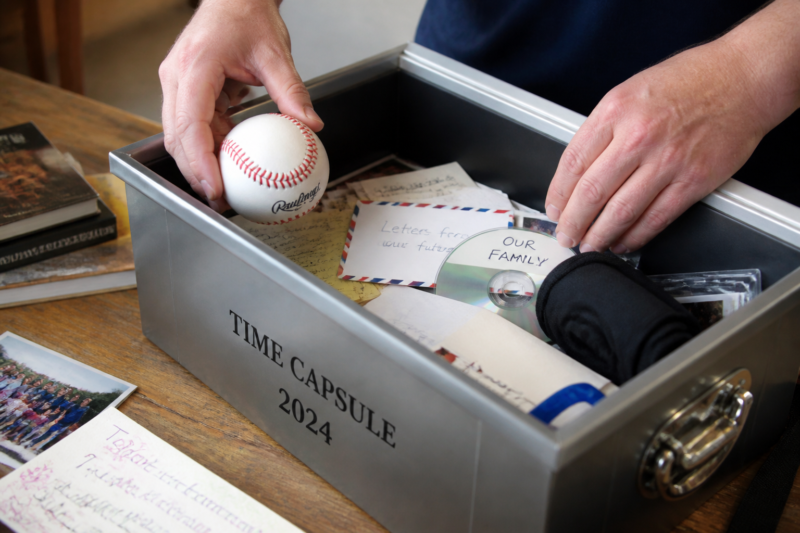
Students curate a collection of current artifacts, photos, and a letter to their future selves to be stored and opened a decade later. This activity is perfect for fostering social-emotional learning and personal introspection in social studies or creative writing classes. It offers a unique way for students to document their personal growth and the social context of their lives. Placing these items in a box creates a powerful link between who you are now and who you will eventually become.
7. Community Support Garden
This service-learning project involves planning and planting a vegetable or pollinator garden to benefit a local food pantry. It connects botanical and biological studies with real-world community impact and student leadership. The project teaches students about sustainability, project management, and the importance of addressing local food insecurity. As Edutopia notes, projects that connect to the wider world encourage students to see their efforts as meaningful contributions rather than just grades.
8. Science Buddies Experimental Framework
Use this specialized hub to identify testable questions and define independent, dependent, and controlled variables for any science fair project. It is the gold standard for students needing to move from a vague idea to a structured, scientific method-based experiment. The site provides rubrics and difficulty filters to ensure the project is age-appropriate and meets standard scientific requirements. Science Buddies has helped countless students organize their thoughts before they even pick up a tool.
9. Digital Virtual Museum
Instead of a traditional tri-fold poster, students curate an online gallery or virtual museum to showcase a specific topic or research theme. This final product demonstrates digital literacy and creative curation skills. It allows for multimedia content like videos, audio guides, and virtual artifacts. It is highly effective for history or art history projects where you need to present large volumes of visual evidence in a cohesive narrative. It feels far more modern than a messy glue-stick poster.
| Project Method | Complexity | Best For | Primary Tool |
|---|---|---|---|
| Board Games | Moderate | Test Prep | Question Cards |
| Rain Gauge | Low | Meteorology | Plastic Bottle |
| Virtual Museum | High | History/Art | Digital Gallery |
Common Mistakes
One of the biggest mistakes is picking a topic that is too broad to test. If you cannot define your variables, you will struggle to find a clear result. Another error is ignoring the final product quality. Even a great experiment fails to impress if the presentation is sloppy. Remember that your project is your voice; take the time to organize the final output, whether it is a board game or a digital tour. While presentation matters, do not let it overshadow the actual content or the scientific rigor of your work.
FAQ
Q: Are there simple ways to measure local rainfall for a science project?
A: A DIY rain gauge is a straightforward, low-cost project you can construct using just a plastic bottle and a ruler. By cutting the top off the bottle and securing the ruler to the side with tape, students can accurately monitor and record daily or weekly precipitation levels over a month-long observation period.
Q: How does the paper airplane challenge help students understand basic aerodynamic physics?
A: The paper airplane challenge requires students to build three distinct flight models: a dart, a glider, and a stunt plane. By comparing how these different shapes interact with air resistance and lift, students gain a practical understanding of aerodynamics, center of gravity, and wing design in a hands-on environment.
Q: Does a time capsule project provide value for social emotional student learning?
A: Time capsules are excellent for social-emotional learning as they encourage students to reflect on their current identity and experiences. By selecting specific artifacts and writing letters to their future selves, students practice self-awareness and goal setting while creating a tangible link between their past, present, and future personal development.
Q: Will a project involving the NASA drop tower provide a competitive advantage?
A: The ‘Defy Gravity’ project, which encourages students to design experiments for NASA’s 2.2-second drop tower in Brookpark, Ohio, offers a high-level research opportunity. Engaging with professional-grade facilities allows students to work with real scientific variables and test hypotheses in a low-gravity environment, significantly deepening their understanding of physics and engineering principles.
Q: When is the best time of year to start a community action project?
A: While community action projects can happen anytime, many educators suggest launching these initiatives toward the end of the school year. This timing allows students to apply the knowledge and skills they have acquired throughout the term toward real-world community impact, fostering a sense of closure and service-oriented leadership.
Q: Is it possible to find testable science questions that match specific grade levels?
A: Yes, resources like Science Buddies provide an organized database of testable questions, variables, and project types tailored to different grade levels. Using these structured frameworks ensures that students choose a project that is age-appropriate, scientifically valid, and properly scaled for a successful science fair presentation.
Q: What are some creative alternatives to the standard science fair poster board?
A: There are over 100 ways to present project findings beyond the traditional poster board. Creative alternatives include creating a virtual museum, producing a documentary or commercial, building a moving model or diorama, or even designing an interactive Google Maps tour. These formats allow students to leverage digital tools and creative arts to communicate their learning effectively. If you want more inspiration for organizing your space, 12 Creative Bulletin Board Ideas Everyone Should Know might spark some unique display methods.
My Experience With 12 Creative School Project Ideas for Every Subject
I have spent years watching students panic over standard poster boards, only to see them thrive when they actually get to build something tangible. I remember one student who struggled for weeks with an abstract history essay, but the moment he started building a board game about the French Revolution, his entire demeanor changed. He suddenly cared about the dates because he needed to create “trap” questions for his opponents. It is funny how a little competition makes the dullest facts stick in your brain.
My best expert advice is to focus on the “ask” rather than the “answer.” A good project is not about showing off what you already know, but about finding a way to test something you are genuinely curious about. Keep it simple. You do not need to build a rocket or a massive garden to be successful. Often, the most memorable projects are the ones that use the materials already sitting in your recycling bin. The biggest hurdle is usually just starting. Have you ever had a project idea that worked perfectly, or did you learn more from a total disaster?
Conclusion
The best school projects are those that move beyond the basic requirements. Whether you choose to investigate atmospheric science, build a community garden, or design a complex game, the key is to engage with a problem that matters to you. Take these ideas and adapt them. Make them yours. When you care about the outcome, the work stops feeling like an assignment and starts feeling like a real achievement.
References
- Boss, S. (2012, June 21). Twenty Ideas for Engaging Projects. Edutopia. https://www.edutopia.org/blog/20-ideas-for-engaging-projects-suzie-boss
- EReadingWorksheets. (n.d.). 62 School Project Ideas. EReadingWorksheets. https://www.ereadingworksheets.com/e-reading-worksheets/school-project-ideas/
- Science Buddies. (n.d.). Science Projects. Science Buddies. https://www.sciencebuddies.org/science-fair-projects/science-projects
- I’m the Chef Too. (n.d.). Creative and Engaging School Project Ideas for Kids. I’m the Chef Too. https://www.imthecheftoo.com/blogs/stem-for-kids/creative-and-engaging-school-project-ideas-for-kids
- Experiential Learning Depot. (n.d.). 12 Community Action Project Ideas to Wrap Up the School Year. Experiential Learning Depot. https://www.experientiallearningdepot.com/experiential-learning-blog/10-community-action-project-ideas-to-wrap-up-the-school-year
- Experiential Learning Depot. (n.d.). 100 End Product Ideas for Project-Based Learning. Experiential Learning Depot. https://www.experientiallearningdepot.com/experiential-learning-blog/100-final-product-ideas-for-project-based-learning
- Your Teen Mag. (n.d.). 150 Passion Project Ideas for High School Students. Your Teen Mag. https://yourteenmag.com/teenager-school/teens-high-school/passion-project-ideas-for-high-school-students
- YouTube. (n.d.). Best 4 school project ideas | 1st prize. YouTube. https://www.youtube.com/watch?v=JG-mBwhkbpg

A Teacher with 5 years of experience. Our Expertise, is reliable to meet your full Academic development needs . Worked on many crafts and construction projects offering services from design to development to deployment over the years. You will find many of my works in my business portfolio on request.