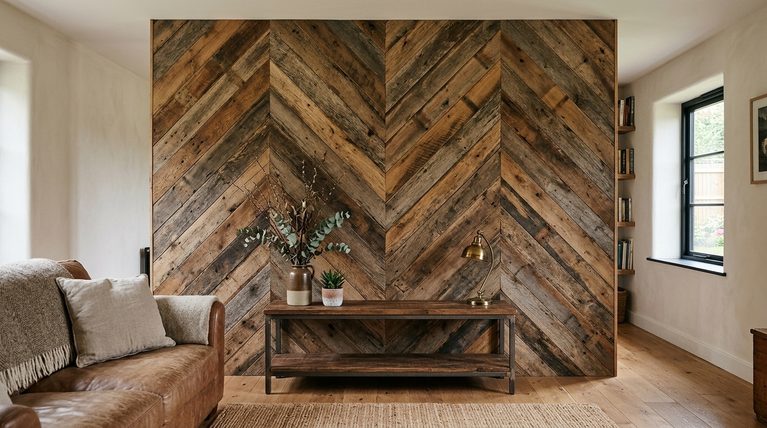
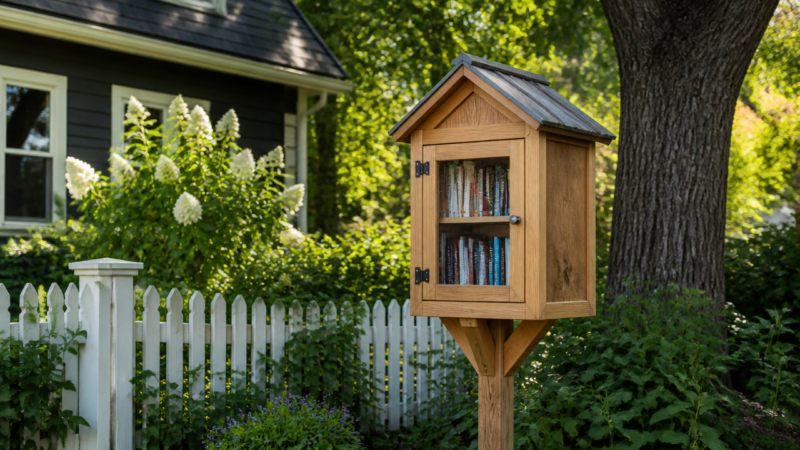

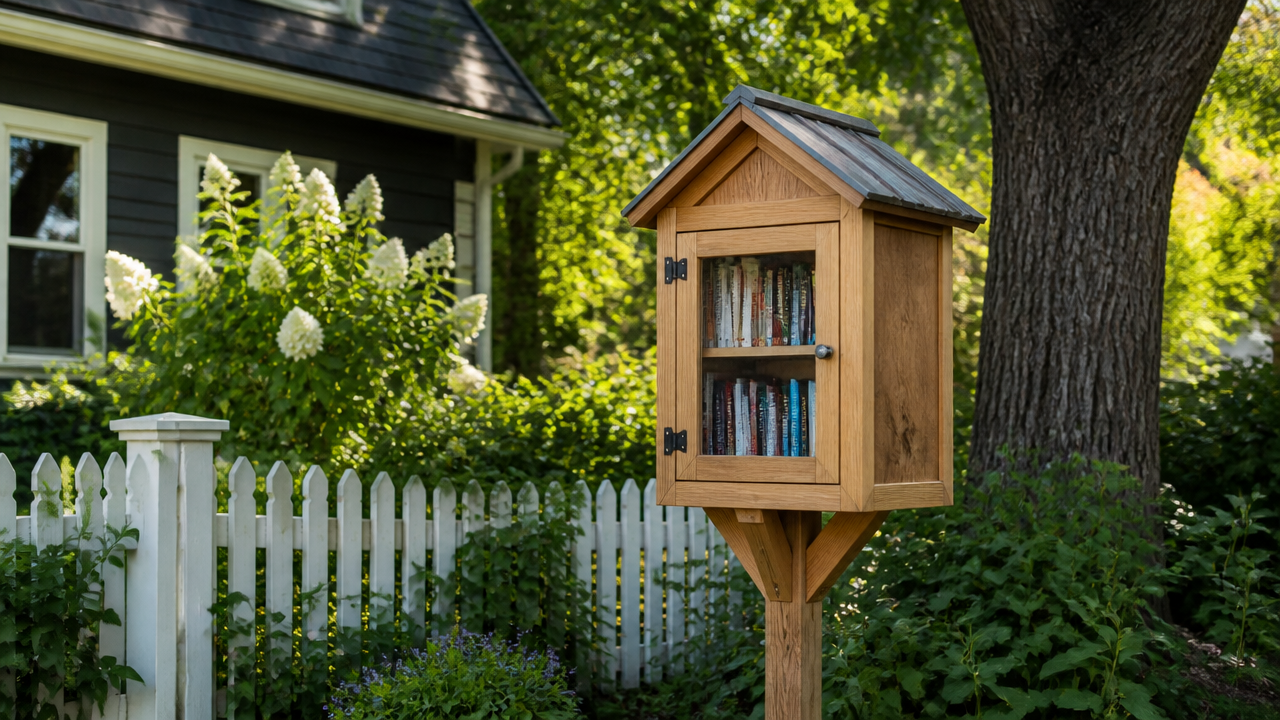
Finding enough room for your growing book collection often feels like a puzzle when your square footage is limited. Whether you are prepping for a cozy winter reading season or just want to organize your shelves, the right setup makes all the difference. Designing a personal reading area requires a shift in perspective—moving away from floor-based furniture toward vertical, hidden, or repurposed spots. When you look closely at your home, you will find hidden capacity in corners, hallways, and alcoves that can house your favorite titles without crowding your living space.
Quick Questions and Answers
Question: What is the best little library plan for a small space? Answer: The best plan is usually the one that uses the space you already have most efficiently, such as a closet, under-stair area, or a wall around a window. The strongest sources recommend starting with exact measurements, then choosing vertical shelving, compact seating, and good task lighting so the library does not crowd the room.[5][4]
Question: Can I build a Little Free Library in a tiny yard? Answer: Yes, because Little Free Library provides downloadable plans and blueprints that are meant to be used for small community book-sharing structures. The key constraint is not the yard size alone but placement, stability, and enough clearance for opening the door and accessing the books safely.[1][2]
Question: How do you design a home library in a small apartment? Answer: Use narrow or wall-mounted shelving, keep the color palette light, and add one compact chair or bench rather than oversized furniture. Several sources also recommend multifunctional pieces such as storage ottomans, window seats, or a fold-down desk so the library can share space with other uses.[9][4]
Key Takeaways
- Vertical storage preserves floor area.
- Repurposing dead zones like closets adds hidden utility.
- Layered lighting changes the mood of a small nook.
- Precision measurement is the most important first step.
1. Easy Official Little Free Library Blueprints
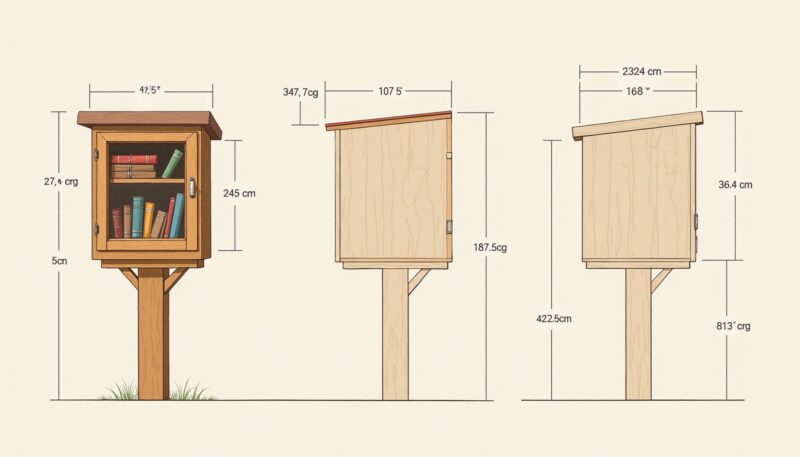
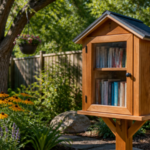
If you want to move your books outdoors, look at the official downloadable plans offered by the Little Free Library organization. These blueprints offer tested structural integrity for outdoor settings. They ensure your neighborhood book-sharing kiosk stays dry and sturdy even when the weather turns. Building to a verified spec saves you from trial-and-error mistakes that often lead to rot or instability in outdoor builds.
2. Smart Under-Stair Custom Shelving
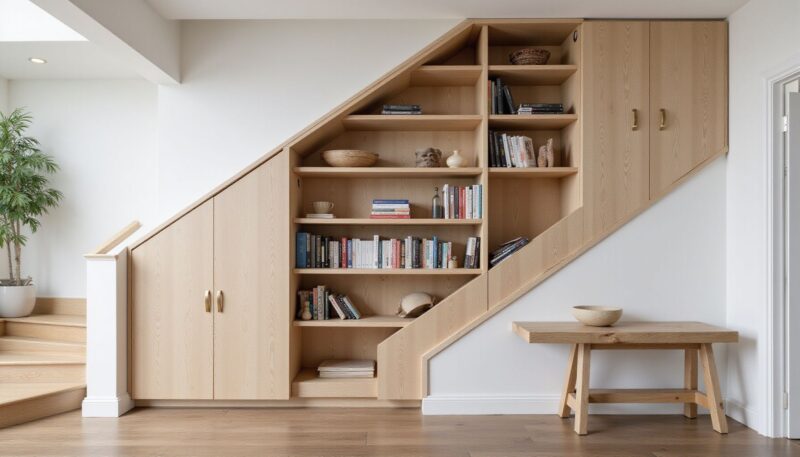
Staircases often leave a triangular, dead zone that sits empty for years. You can repurpose this area by installing custom, fitted bookshelves and a small bench. Experts advise measuring the specific slope of your stairwell before you pick up a saw to ensure you maximize every inch of vertical clearance. It turns a transit zone into a quiet, tucked-away retreat.
3. Beautiful Closet-to-Library Conversion
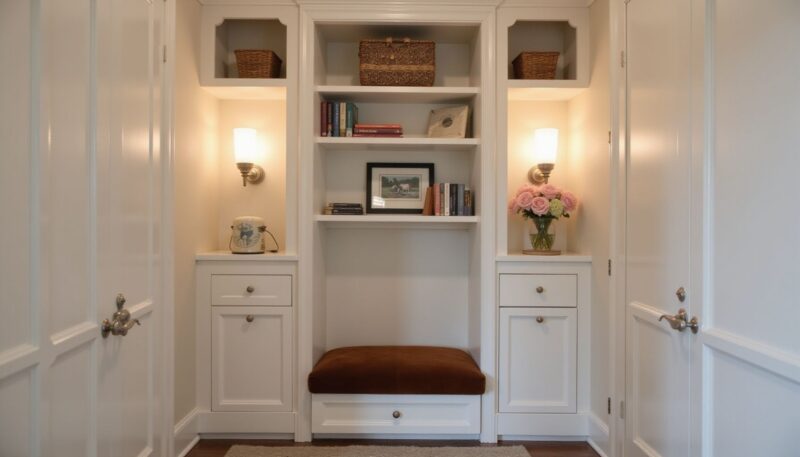
Transforming an unused coat or linen closet into a private, mini-library is a classic move for tight apartments. These spaces completely disappear when the doors are closed, keeping your living room clutter-free. You should install wall-mounted sconces and deep shelving to create a functional, cozy reading spot with zero impact on your floor footprint. It is the ultimate way to store a large collection in a tiny home.
4. Brilliant Wall-Around-Window Design
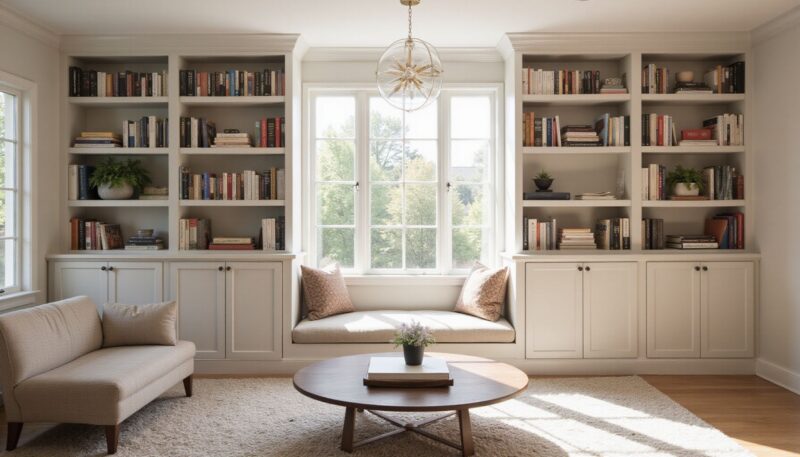
Create a natural focal point by building floor-to-ceiling shelving that frames an existing window in your house. Combining this with a custom window seat allows you to merge storage and reading space in one highly efficient footprint. This is a smart way to use wall mass that would otherwise remain bare, especially since 12 Creative Little Library Ideas You Will Wish You Knew suggests such layouts work best for natural lighting.
5. Amazing Slim Floor-to-Ceiling Bookshelves
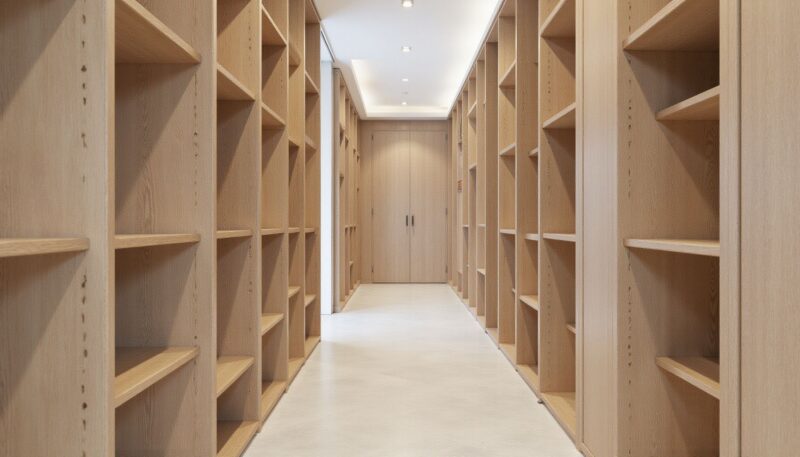
Slim, vertical storage emphasizes height rather than width to conserve your floor plans. Extending these units all the way to the ceiling draws the eye upward, which tricks the brain into thinking the room feels taller and more expansive. You avoid the heavy look of wide, chunky bookcases that tend to shrink a room’s visual volume.
6. Cozy Narrow Hallway Bookcase
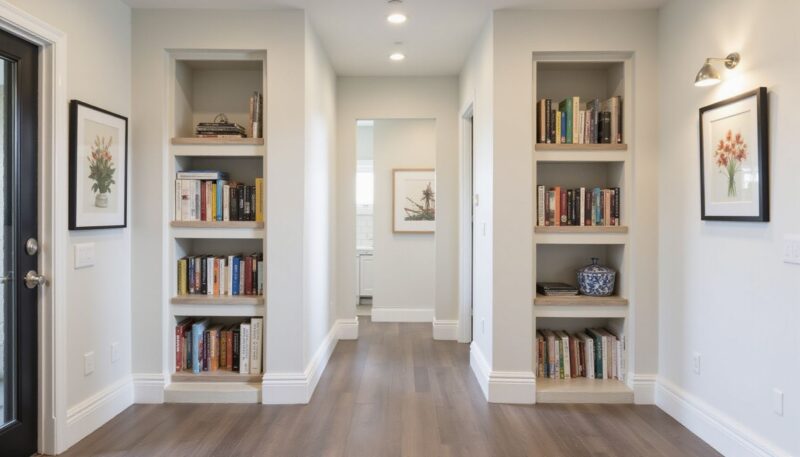
Transition zones like hallways are often neglected, yet they are perfect for shallow bookshelves. Lining one wall with slim, floor-to-ceiling storage keeps circulation paths clear while adding massive capacity. I suggest using the opposite wall for art or photos to ensure the space remains an open, airy gallery rather than feeling like a cramped storage corridor.
7. Stunning Layered Lighting Strategy
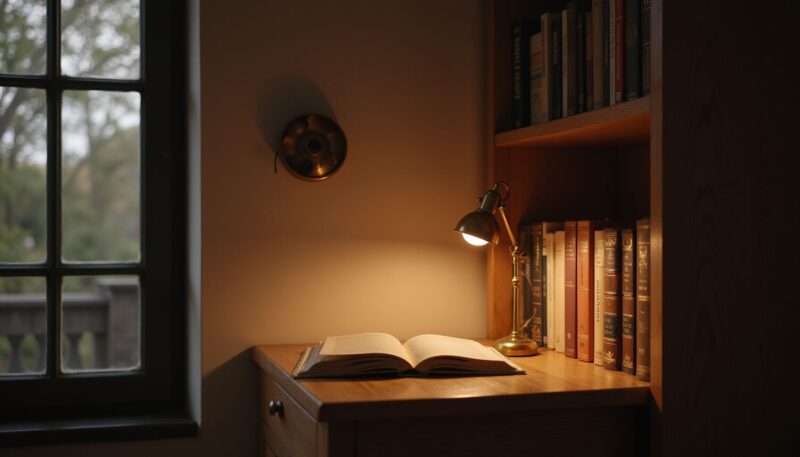
Reading sessions require more than just ambient light. You need to combine multiple sources, such as wall-mounted sconces and dedicated task lamps, to make small nooks usable for long periods. Incorporating dimmable fixtures allows the space to shift from a high-focus reading zone to a relaxed, soft-lit environment. Good lighting is the invisible element that keeps a small space from feeling like a dark closet.
8. Simple Fold-Down Desk Integration
Wall-mounted, fold-down desks are perfect when you need to add functionality without permanently occupying floor area. This design allows for quick transitions between a quiet reading library and a productive home office workspace. Check out 12 Genius Hacks Every Home Needs to see how such space-saving furniture can keep your home feeling open.
9. Modern Light Palette and Mirror Tactics
Light, monochromatic color schemes prevent compact library spaces from feeling heavy or cramped. Painting your shelves the same color as the walls creates a seamless look that hides the visual noise of book spines. Strategically placed mirrors can also reflect light, which helps reduce the dense, crowded feeling often associated with large collections in tiny rooms.
10. Useful Pre-Design Space Inventory
Conduct a thorough measurement of corners, alcoves, and hallways before you finalize your design to ensure a perfect fit. Identifying the exact dimensions of your home’s hidden or underutilized zones prevents wasted materials. You want to make sure your shelf depth matches your actual book sizes rather than assuming a standard depth, which often wastes valuable room.
| Feature | Slim Shelving | Window Seat | Closet Nook | Under-Stair |
|---|---|---|---|---|
| Best For | Narrow Walls | Natural Light | Total Privacy | Dead Zones |
| Space Usage | High | Medium | Hidden | Creative |
| DIY Ease | Simple | Complex | Medium | Advanced |
Common Mistakes
Most people fail to measure their books before buying shelving, leading to shelves that are either too deep and waste space or too shallow to hold standard hardcovers. Another common error is failing to account for proper task lighting; relying only on overhead room lights makes reading difficult and uncomfortable. Finally, ignoring the structural limits of a small room by choosing bulky, oversized chairs that block traffic flow is a quick way to turn a cozy nook into a crowded, unusable area. Focus on verticality and light to avoid these pitfalls.
FAQ
Q: What spaces work best for a mini library at home?
The most commonly recommended spaces are closets, hallways, corners, under-stair areas, and spaces around windows. These locations are repeatedly highlighted because they let you add storage without blocking the main living area. By looking at transition zones or unused alcoves, you can reclaim space that most people simply walk past every day.
Q: Do small home libraries need special lighting?
Yes, because reading areas need task lighting even when they have daylight. The sources recommend natural light combined with floor lamps, wall sconces, or other mounted fixtures. Experts note that dimmable lighting can make a compact library more flexible, helping you adjust the mood from a bright study zone to a dark, relaxing retreat at night.
Q: Which bookshelf style saves the most space?
Slim wall-mounted shelves, floating ledges, and floor-to-ceiling vertical shelving are the most space-efficient options mentioned across the sources. These designs reduce the footprint on the floor while still storing a meaningful number of books. By drawing the eye upward, these styles keep the walking paths clear and the room feeling open.
Q: How much does a small Little Free Library cost?
The provided sources do not give a single universal price, because costs vary by materials, tools, finish, and whether you use official plans or a DIY build. The available guidance focuses more on planning and design than on a fixed cost. You should treat any estimate as project-specific rather than standard, keeping your budget flexible based on your material choices.
Q: What is the easiest small-space library idea to start with?
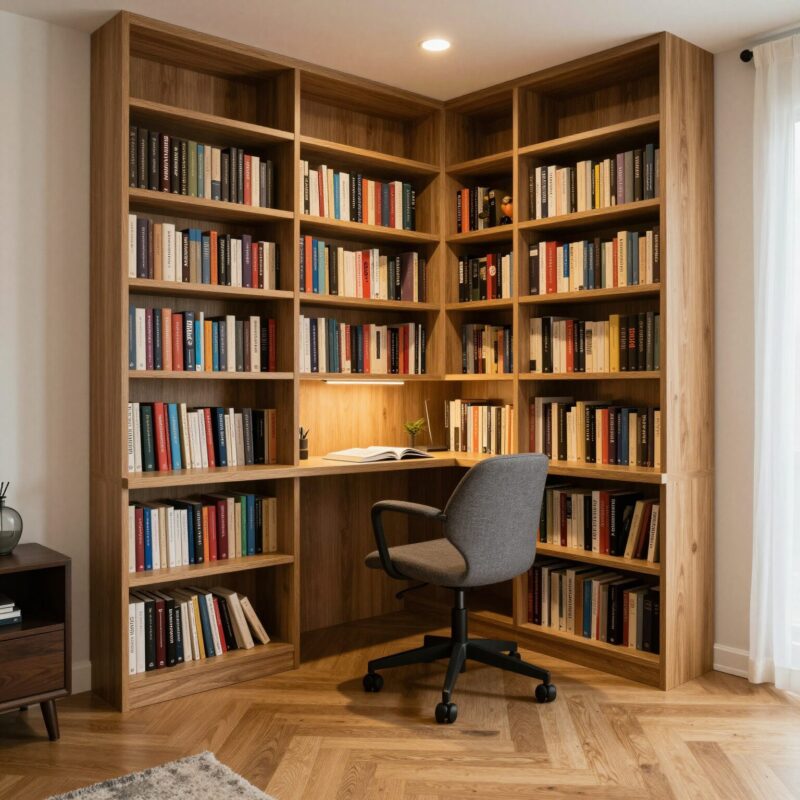
A corner nook or a bookshelf around an existing window is often the easiest starting point because it uses an already-defined area and needs fewer structural changes. Sources also suggest that using a small chair, a shelf or two, and a lamp is enough to create a functional mini-library without a full remodel.
Q: Are closet libraries practical for reading every day?
Yes, if the closet has enough depth for shelving, seated space, and lighting. Sources describe closet conversions as tiny home libraries with wall lights, built-in shelves, and a bench or stool, which makes them practical for regular reading when properly planned. The key is ensuring you have comfortable, long-term ventilation and power for a task light.
Q: How do I make a small library feel less cramped?
Use a light color palette, keep shelves organized, and avoid oversized furniture that overwhelms the room. The sources also suggest mirrors, vertical storage, and layered lighting to make the area feel larger and more open. Maintaining a sense of order on your shelves is just as important as the design of the furniture itself.
My Experience With 10 Clever Little Library Designs for Tiny Spaces
I have spent years trying to cram bookshelves into places they probably shouldn’t be. My first attempt involved a wobbly floating shelf above a doorway; it looked great for an hour until a heavy book hit the floor. I learned the hard way that structural integrity is not optional, even in a small nook. My best success came from turning a coat closet into a reading spot. I stripped out the rods, added built-in shelves, and installed a dimmable LED strip. The “hidden library” effect is genuinely satisfying because it makes the room feel larger when the doors are shut. The biggest expert insight I can offer is that the depth of your shelf matters more than the style. Most books don’t need 12 inches of depth; cutting that down to 8 or 9 inches saved me a critical three inches of walking space. It sounds like nothing, but in a narrow hallway, it changes everything. What about you? Have you ever managed to squeeze a reading area into a spot that felt truly impossible?
Conclusion
Creating a small library does not require a massive renovation or an extra room. By choosing vertical solutions and repurposing the corners you already have, you can build a space that feels personal and efficient. Focus on your lighting, keep your color palette light, and prioritize storage that works with your specific wall dimensions. With these 10 designs, you can finally give your collection the home it deserves without sacrificing your floor space.
References
- Little Free Library. (n.d.). Build a Little Free Library. Little Free Library. https://littlefreelibrary.org/start/build-a-little-free-library/
- The Spruce Crafts. (2024, May 14). How to Build Your Own Little Free Library. The Spruce Crafts. https://www.thesprucecrafts.com/little-free-library-plans-1357149
- Homes & Gardens. (2024, January 10). Small home library ideas: 10 creative, compact solutions. Homes & Gardens. https://www.homesandgardens.com/interior-design/small-home-library-ideas
- The Spruce. (2024, March 12). 42 Best Home Library Ideas For Cozy Rainy Day Reading Sessions. The Spruce. https://www.thespruce.com/home-library-design-ideas-4129190
- Interior Company. (2024, February 20). Cosy Corners: Small Home Library Ideas for Reading Retreats. Interior Company. https://www.interiorcompany.com/in/trends/home-library-designs
- Hello Lidy. (2024, April 5). 34 Small Space Library Ideas. Hello Lidy. https://www.hellolidy.com/small-space-library-ideas/
- Decoist. (2024, January 30). Small Home Library Design Ideas: Colorful and Creative. Decoist. https://www.decoist.com/small-contemporary-home-library-ideas/
- The Olive Branch Nest. (2024, March 22). 25 Creative Small Home Library Ideas You Will Adore. The Olive Branch Nest. https://theolivebranchnest.com/small-home-library-ideas/

A Teacher with 5 years of experience. Our Expertise, is reliable to meet your full Academic development needs . Worked on many crafts and construction projects offering services from design to development to deployment over the years. You will find many of my works in my business portfolio on request.