
Want a home library that feels welcoming, looks great, and works for real life? Use smart layout choices, comfortable seating, good lighting, and flexible storage. This list includes 14 practical, stylish design ideas you can mix and match—whether you have a whole room or just a small corner.
Key Takeaways
- Start with your layout: plan paths, sightlines, and reading zones.
- Choose lighting that protects eyes: layers of ambient, task, and accent light.
- Pick furniture for comfort and daily use, not just looks.
- Use storage creatively to keep books (and clutter) under control.
- Add personal touches to make the library feel like yours.
Introduction
A home library is more than a place to store books. It’s a space for quiet time, family learning, and personal interests. Whether you’re building a library from scratch or upgrading an existing room, the best designs balance comfort, style, and function.
In this guide, you’ll find 14 home library design ideas that are easy to understand and even easier to apply. Some ideas focus on big changes (like creating a reading nook or adding built-in shelves). Others focus on details (like lighting, color, and organization) that can make the whole room feel better.
1. Choose a Dedicated Library Zone (Even in Small Spaces)
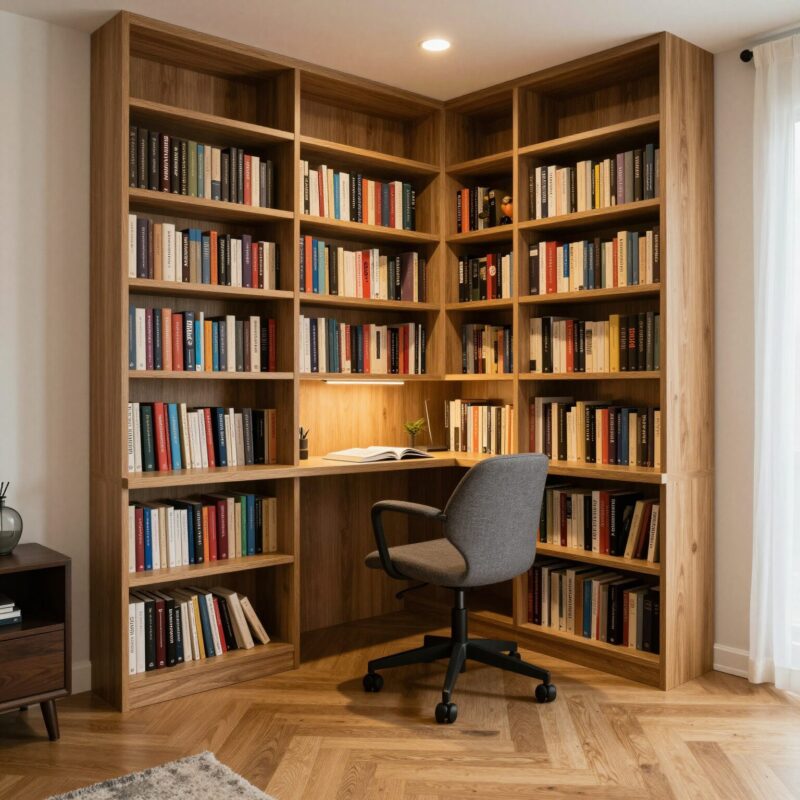
If you have a full room, great—create a clear “library zone” with shelves and a reading area. If you don’t, you can still create a dedicated space inside another room.
Try these options:
- Use one wall for shelving and add a chair opposite it.
- Create a nook near a window with a small bookcase and a comfy seat.
- Convert an unused corner into a mini library with a slim ladder shelf or book cabinet.
A dedicated zone helps your brain treat the space as “reading time,” which makes the room more inviting.
2. Plan Your Layout for Easy Movement
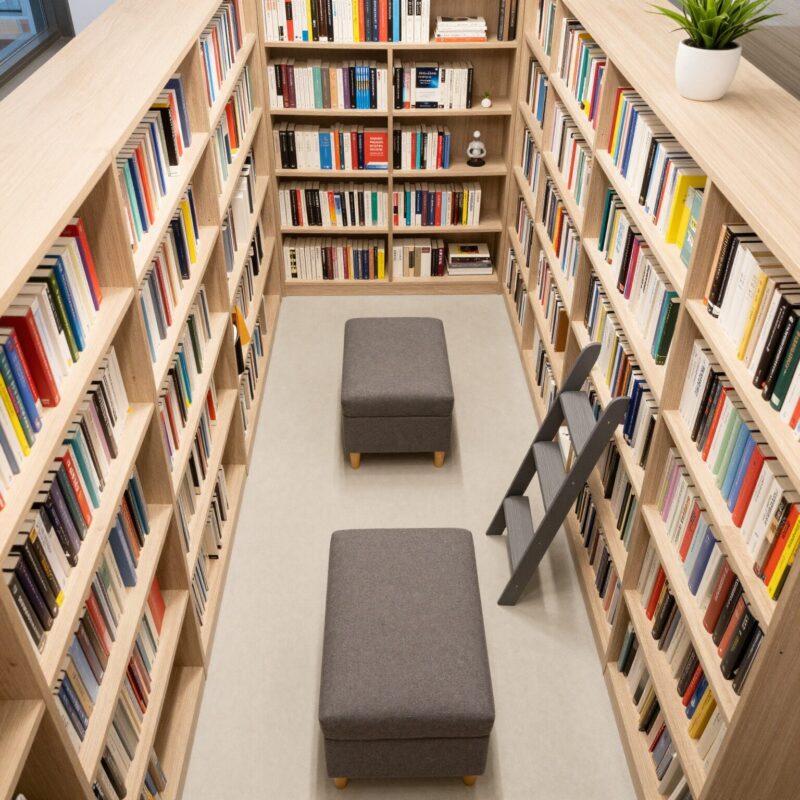
Good layout design is one of the biggest factors in how your library feels. Make sure you can walk comfortably and reach shelves without bumping into furniture.
Simple layout tips:
- Keep a clear walkway of at least about 30–36 inches if possible.
- Place the reading chair where you can reach your most-used books quickly.
- Avoid blocking doors, vents, and windows with bulky furniture.
When people feel comfortable moving around, they actually use the library more.
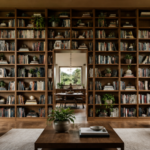
3. Use Built-In Shelving for a Custom, Timeless Look
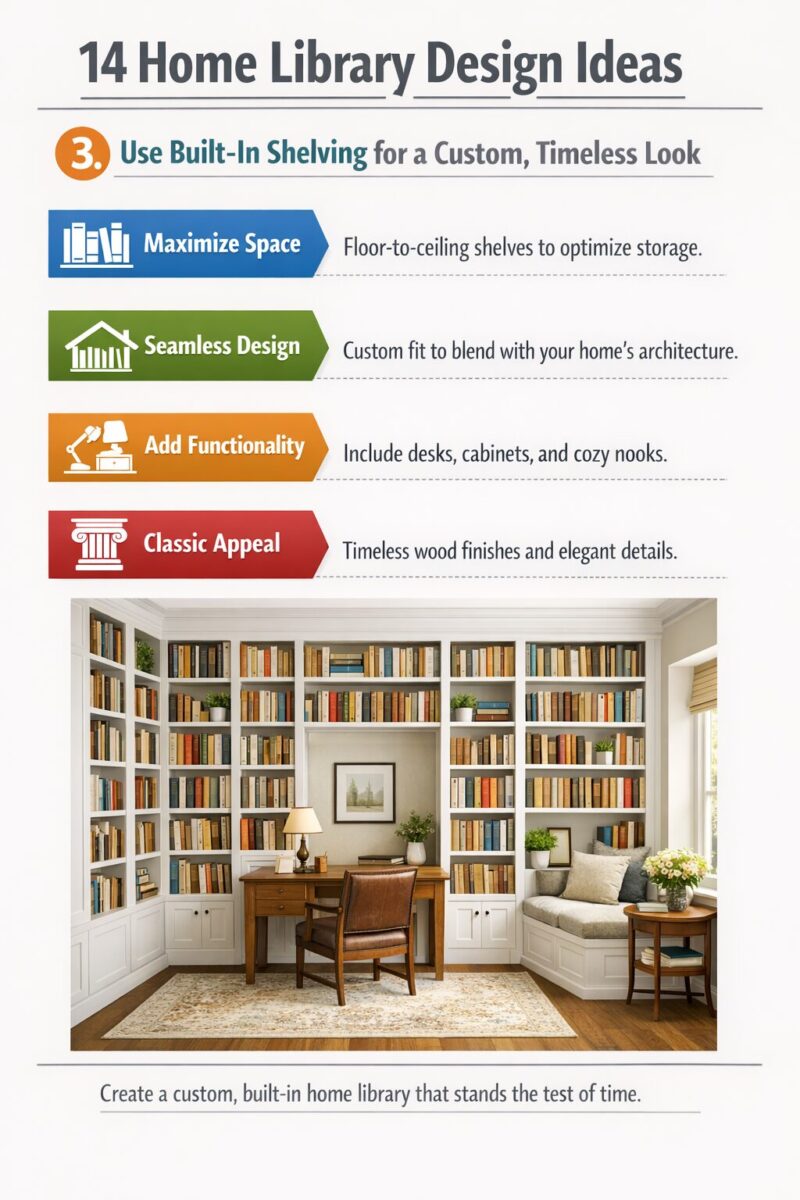
Built-in shelves look polished and can fit your space perfectly. They also help your books stay organized and visible. You can design built-ins with a mix of open shelves and closed cabinets for a clean look.
Consider:
- Open shelves for frequently read books.
- Glass-front doors for keepsakes or decorative books.
- Closed cabinets for games, old magazines, or extra supplies.
Built-ins also help define the library as its own “room within a room,” even in open-plan homes.
4. Mix Open Shelves and Closed Storage
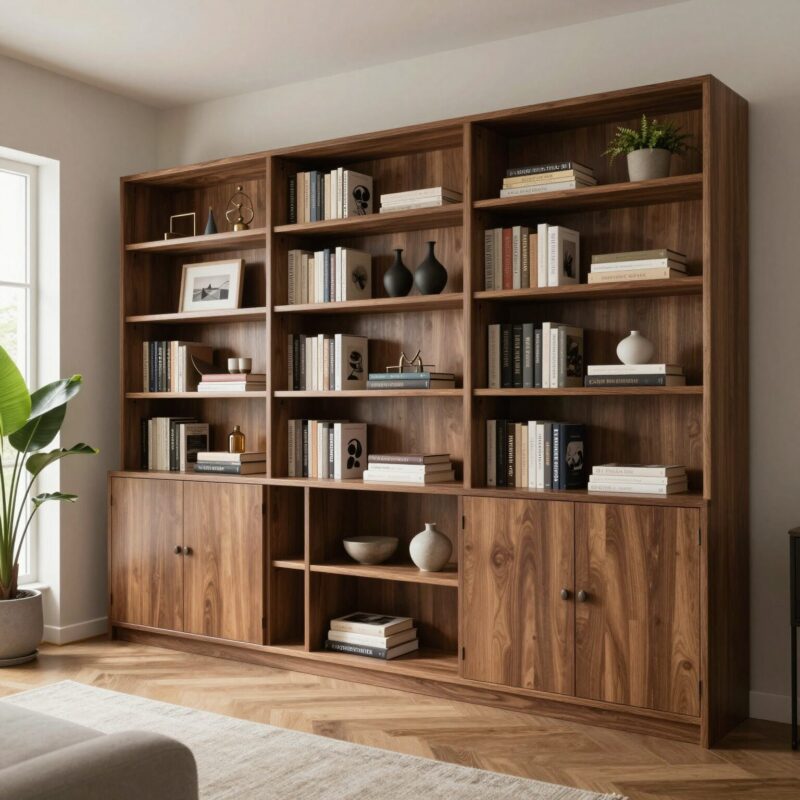
A stylish library should look lived-in, not messy. Mixing open and closed storage lets you show off your favorite books while hiding clutter.
A good rule:
- Display books you love (or want to rotate seasonally) on open shelves.
- Store less-used items in cabinets, drawers, or baskets.
If you prefer a calm, minimal look, keep most shelving surfaces neat and use closed storage for everything else.
5. Add a Comfortable Reading Nook with the Right Seating
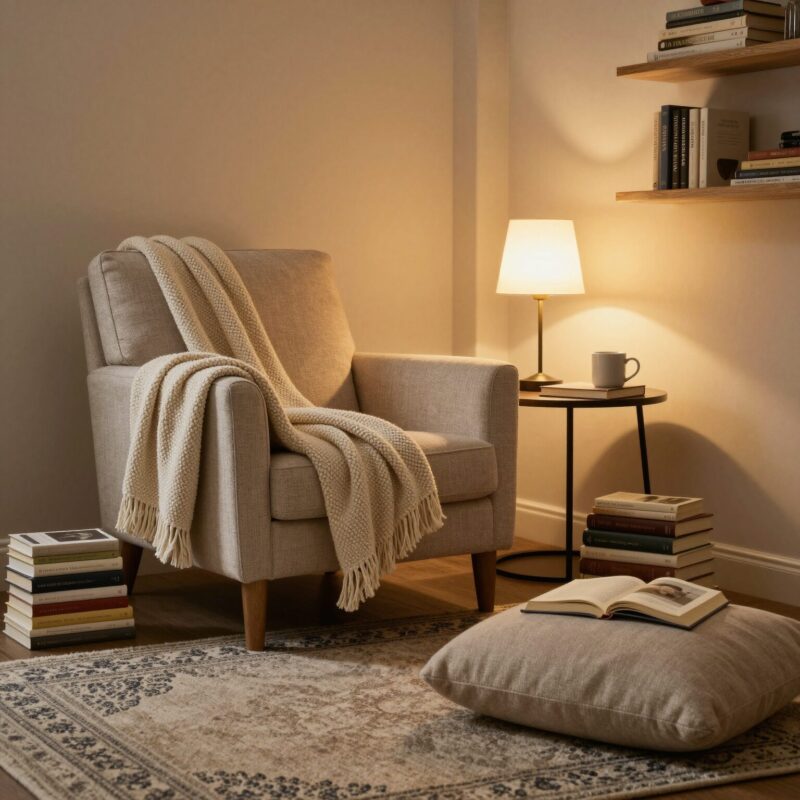
Your library won’t get used if seating isn’t comfortable. Choose a chair or bench that supports good posture and feels good for long reading sessions.
Look for features like:
- A supportive chair with cushions
- A side table for water, a lamp, and reading materials
- A soft throw or blanket for cozy comfort
If space allows, consider adding a window seat with built-in storage underneath. It’s both practical and relaxing.
6. Use Layered Lighting for Better Reading and Mood
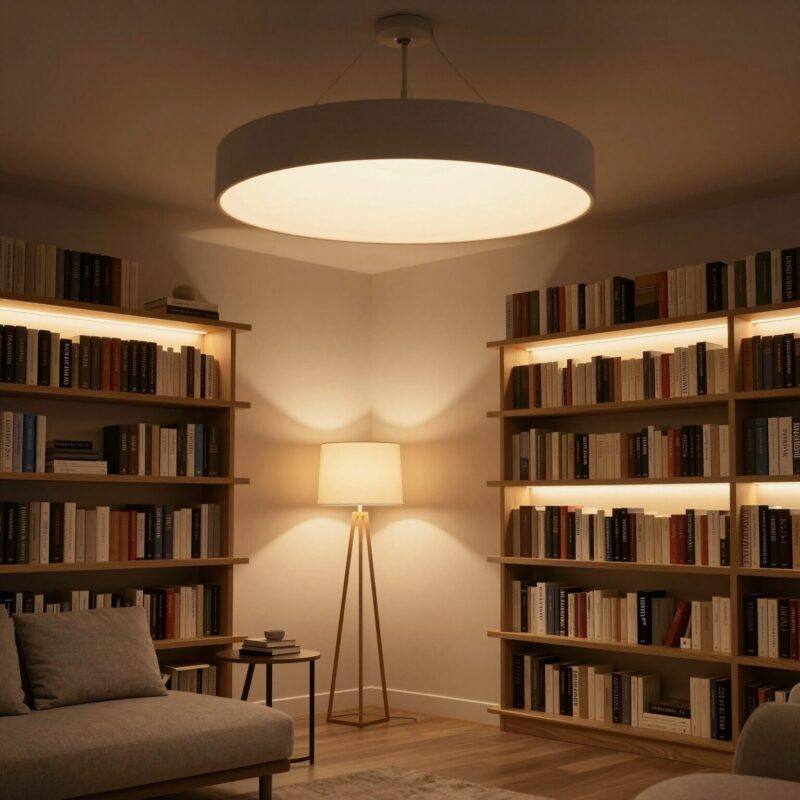
Lighting is one of the most important design choices for any reading space. Instead of relying on one bright overhead light, use layers.
Try layered lighting like this:
- Ambient lighting: a ceiling light or soft overhead lamp for overall brightness.
- Task lighting: a reading lamp or adjustable sconce near your chair.
- Accent lighting: LED strips inside shelves or spotlights to highlight bookcases.
Warm lighting (around 2700K to 3000K) often feels cozy. Also avoid glare—especially if you have glossy book covers or reflective surfaces.
7. Pick a Color Palette That Feels Calm and Inviting
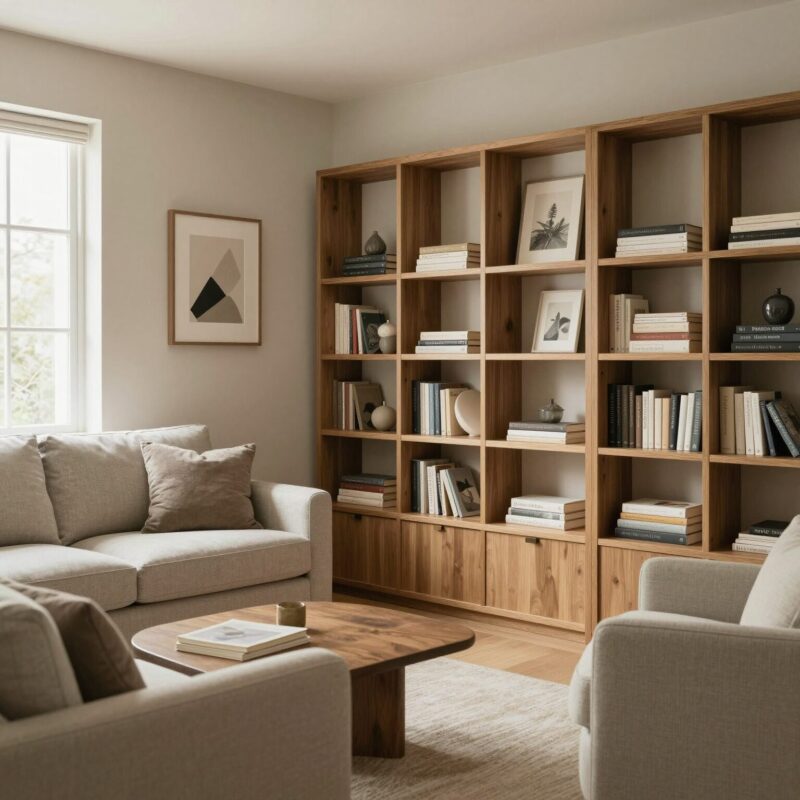
Library rooms often feel best in calming colors that reduce visual stress. You can choose bold or neutral tones, but aim for balance.
Color ideas:
- Warm neutrals (cream, beige, light tan) for a cozy classic look.
- Deep tones (navy, forest green, charcoal) for a dramatic feel.
- Soft earthy colors (sage, muted brown, clay) for a natural vibe.
If you want your books to be the main feature, lighter walls can make colors pop without feeling heavy.
8. Add Texture with Rugs, Curtains, and Wall Treatments
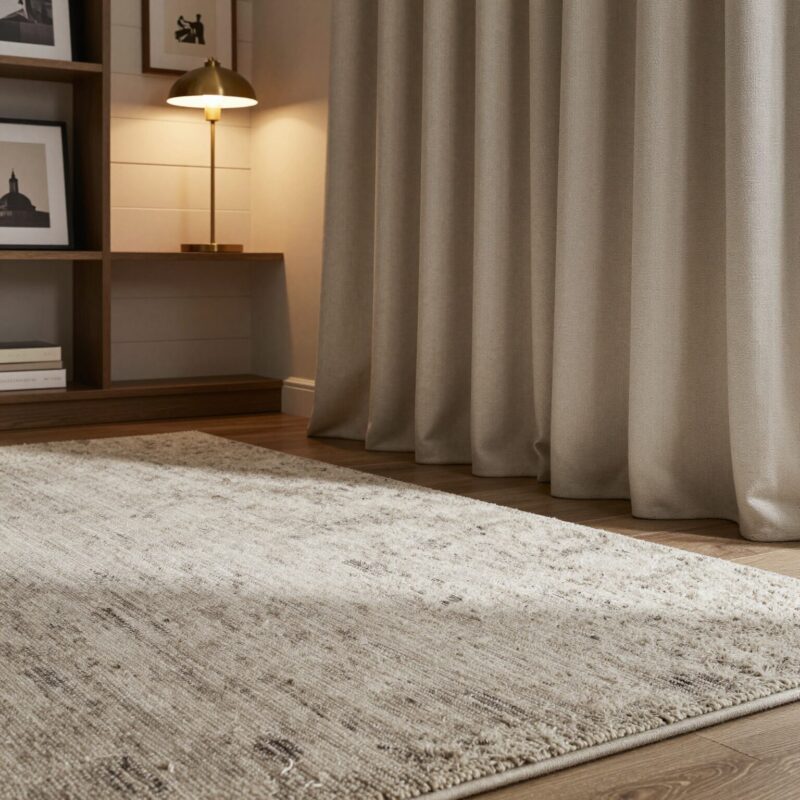
Texture makes your library feel more “finished” and comfortable. Without texture, a room can feel flat, even if it looks stylish.
Great texture additions:
- A soft rug to reduce noise and add warmth underfoot.
- Heavy curtains to control light and create privacy.
- Wood paneling, wainscoting, or fabric wall panels for visual interest.
Even a simple area rug can make the space feel more welcoming.
9. Create a “Display Shelf” for Favorites and Personal Style
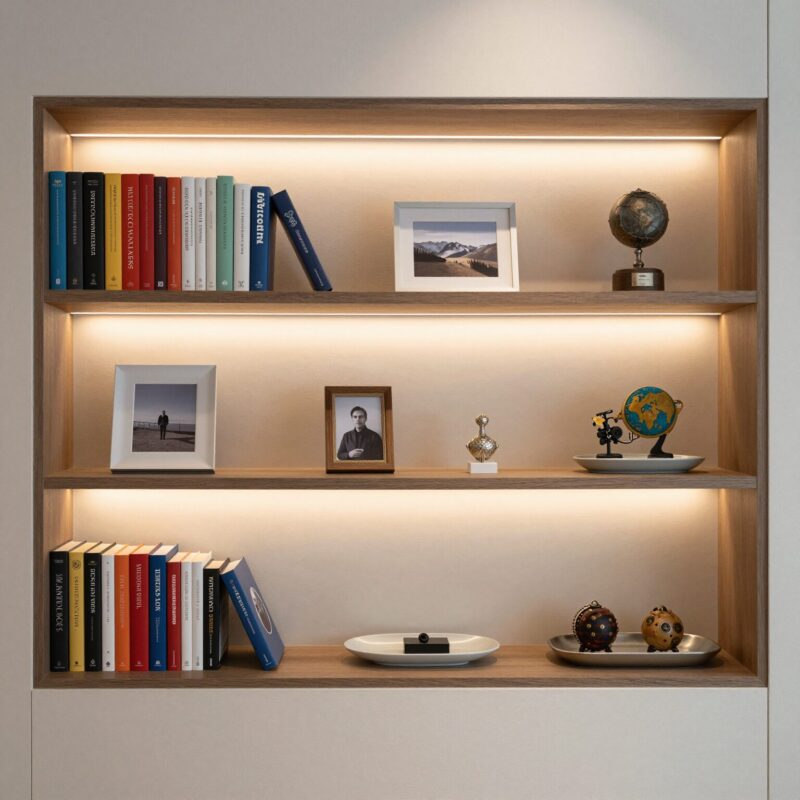
Not all books need to look identical. A display shelf lets you show off special editions, travel books, art books, or family favorites.
You can use:
- A small top shelf for decorative items like framed photos or small sculptures.
- A rotating “staff picks” style shelf for your current interests.
- A section for books with matching colors for a clean, curated look.
This idea helps your library feel personal, not like a storage room.
10. Organize Books by Style (Not Just Alphabetically)
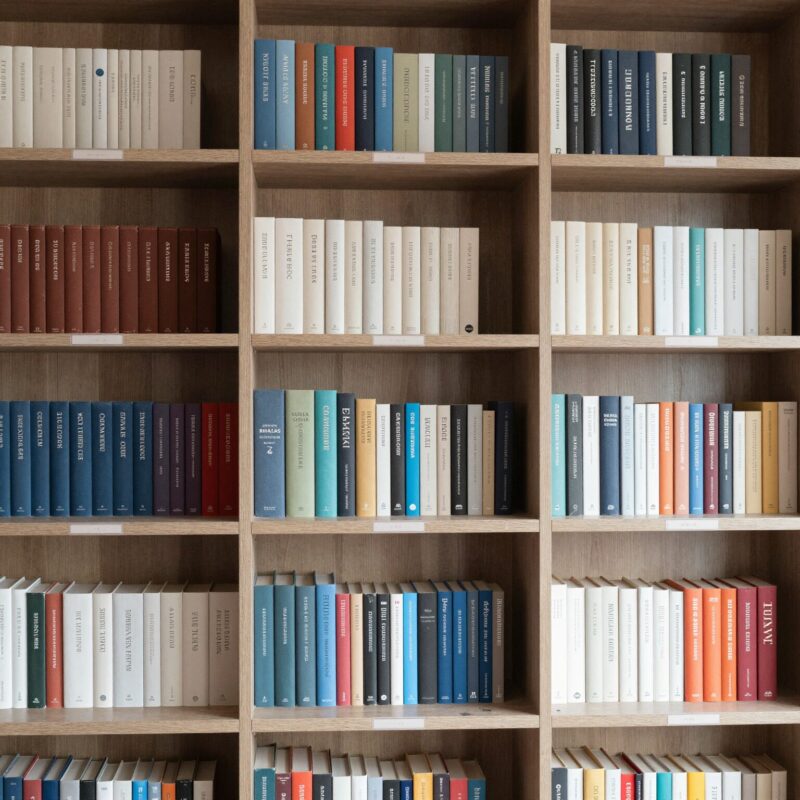
Organization is useful, but it doesn’t have to be boring. You can organize by categories, reading order, or even by color for a visually pleasing layout.
Try different methods:
- By genre: fiction, nonfiction, children’s books, and favorites.
- By author or series: great for series readers.
- By color: can look like a living art gallery (best when shelves are visible).
No matter what you choose, use consistent spacing so shelves look neat.
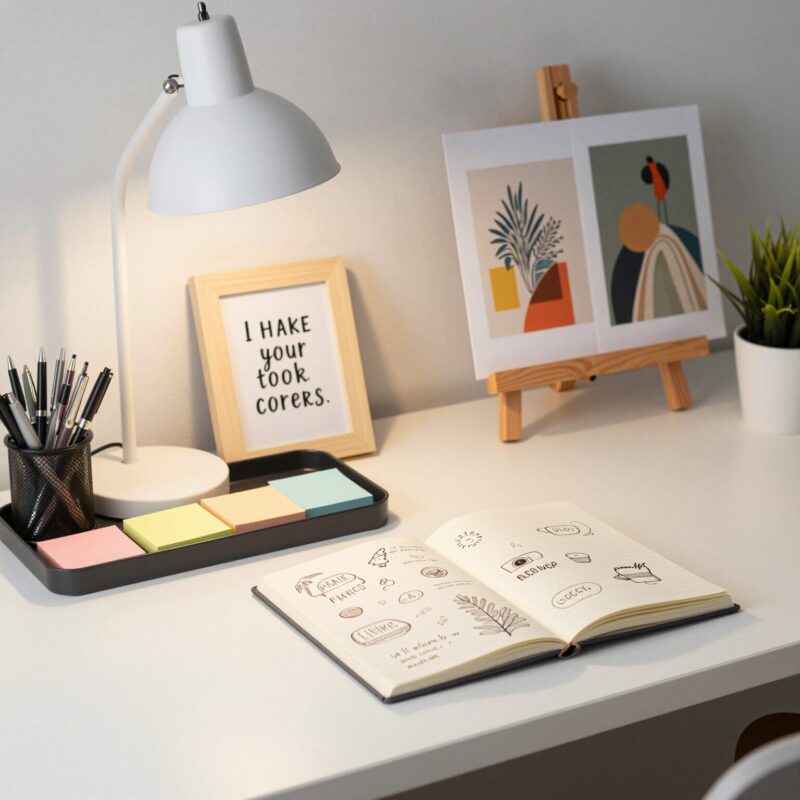
11. Include a Small Work or Writing Area
Many people read and also write, study, or work. Adding a desk or writing table turns your library into a multi-use space.
Good options:
- A slim desk under a window
- A writing table with drawers
- A wall-mounted drop-leaf desk for small spaces
Make sure the area has good lighting and an outlet for a laptop or lamp. This way, the library supports more than just reading.
12. Add a Statement Element: Ladder Shelf, Fireplace, or Accent Wall
A statement feature gives your library a “wow” moment. It can be functional, too.
Statement ideas include:
- A ladder shelf for a stylish way to access higher books
- A fireplace (if you have one) for warmth and comfort
- A feature wall behind the main shelves with patterned wallpaper or wood slats
- A grand arch doorway to make the space feel special
Pick one statement element so the room stays balanced.
13. Use Smart Storage for Extras and Keep Shelves Looking Clean
A library gets messy quickly when supplies don’t have a home. Use storage solutions that hide clutter and make books easy to access.
Consider:
- Drawer units for bookmarks, pens, batteries, and reading tools
- Baskets for magazines or children’s books
- Storage boxes inside cabinets for board games or puzzles
- A charging station near the desk for devices
When everything has a place, shelves stay neat and the room feels calm.
14. Make It Personal with Art, Photos, and Lighting Details
A library should reflect your life and tastes. Adding personal details makes it feel like a true favorite spot in your home.
Ideas that work well:
- Framed book-themed art or simple prints
- Family photos on shelves or in frames (for a warm touch)
- A decorative lamp with a shade that softens light
- A reading bench cushion in a color you love
Keep these items intentional—choose a few that match your style instead of adding too many.
Common Mistakes
- Using only overhead lighting: Many people feel tired when the reading lamp isn’t strong enough.
- Overcrowding shelves: Too many books or items can look chaotic. Leave some space.
- Ignoring comfort: A beautiful chair that isn’t comfortable will stop you from using the library.
- Poor shelf planning: Don’t build shelves without thinking about book sizes, spacing, and storage for other items.
- Picking colors without testing: Dark paint can look amazing, but it can also feel heavy if the room lacks natural light.
- Forgetting cable and outlet access: If you add a desk lamp or charge devices, plan outlets early.
FAQ
What if I have a small space for a home library?
You can still design a great library. Use one wall or corner for shelves, choose slim furniture, and pick a chair that fits the space. A ladder shelf or narrow bookcase can help you store more while using less floor area.
How do I light my library without harsh glare?
Use layered lighting. Keep a lamp near your reading spot with a shade that directs light downward. Choose warm bulbs and avoid placing bright lights directly behind you or in a way that reflects off glossy surfaces.
Should I organize books by color?
Color organization is optional. It looks beautiful, especially with open shelving, but it can be harder to maintain if you add new books often. If you like color, try it on a section first, then use categories for the rest.
What’s the best furniture for a home library?
Comfort is key. Look for supportive seating, a place for a drink or book, and enough space to move your arms while reading. If you also study or work, choose a desk height that feels natural for writing or typing.
How can I keep books looking neat and not messy?
Mix open shelves with closed storage, use baskets or small boxes for extras, and rotate books based on what you read. A quick shelf refresh every few months helps a lot.
Conclusion
Designing a home library is about creating a space that supports reading and feels good every time you enter it. Start with a comfortable layout and lighting, then build your storage and style around how you actually use the room.
With these 14 home library design ideas—whether you’re working with a full room or a small corner—you can create a library that looks great, stays organized, and becomes a favorite part of your home.

A Teacher with 5 years of experience. Our Expertise, is reliable to meet your full Academic development needs . Worked on many crafts and construction projects offering services from design to development to deployment over the years. You will find many of my works in my business portfolio on request.