
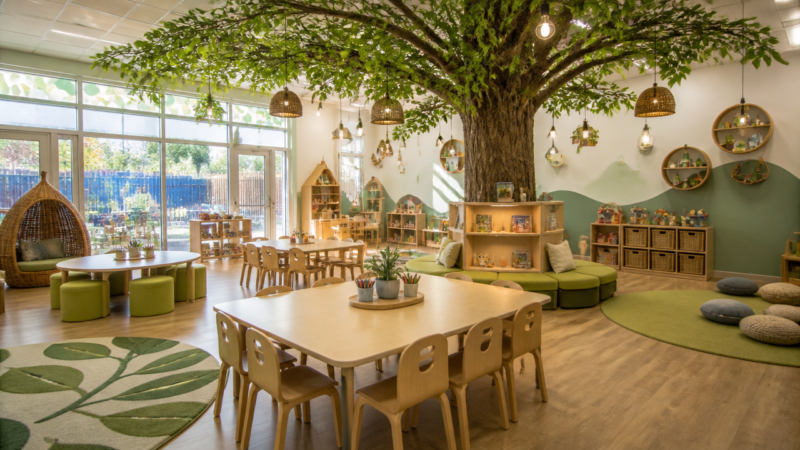

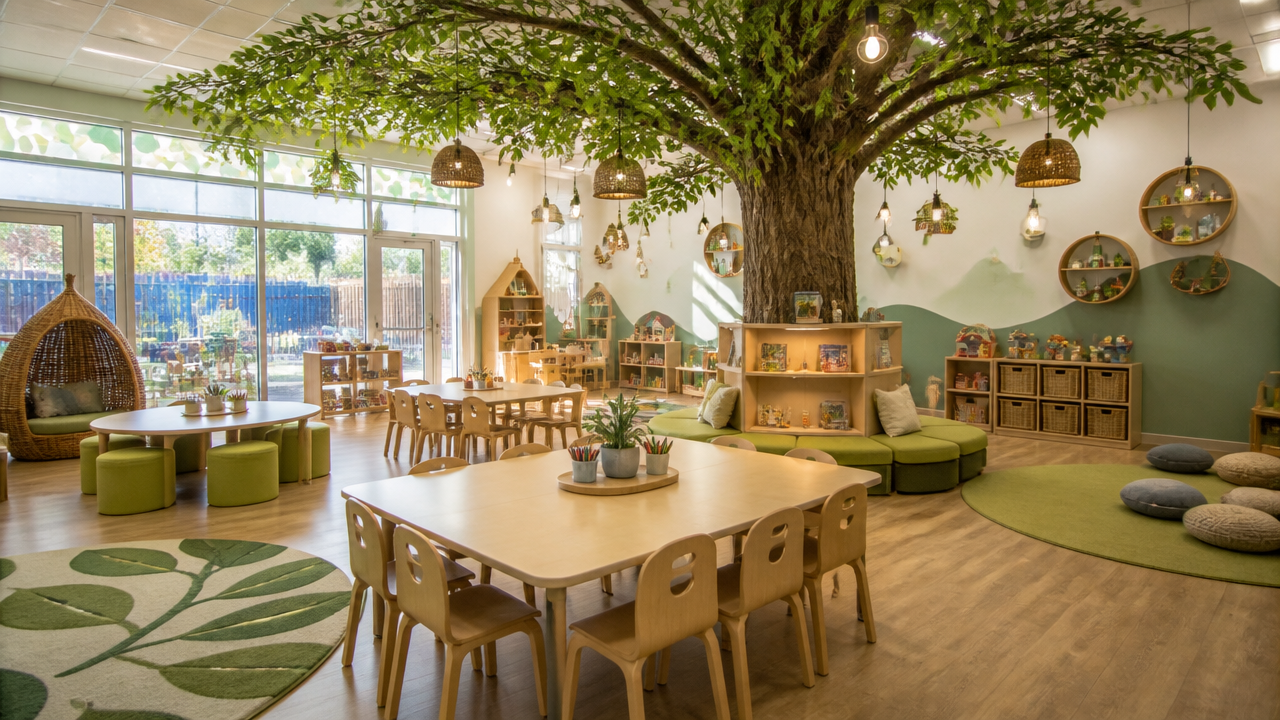
What makes a whimsical classroom design truly different from standard classroom decor? The answer comes down to intention. Whimsical classroom design uses playful, imaginative touches to create surprise and emotional warmth. Whether refreshing a room for spring semester or planning a fall setup, the goal stays the same: build a space where students feel safe taking creative risks. This article explains what whimsy means in education, why it matters, and how to bring it into your classroom without losing focus.
Quick Questions and Answers
Question: What is whimsical classroom design exactly? Answer: Whimsical classroom design is an intentionally playful and imaginative approach to shaping a room so it feels surprising, charming, and centered on children rather than formal instruction. Dictionary definitions describe whimsical as unusual, playful, fanciful, and imaginative. Classroom guides connect it to visual delight, themed details, and emotional warmth. In practice, this often includes color, themed decor, and small unexpected touches that invite curiosity.
Question: Why do teachers use whimsical classroom decor? Answer: Teachers use whimsical decor to make classrooms feel welcoming, creative, and memorable. The Art of Education notes that playful moments help students reconnect with joy, reduce inhibition, and become more willing to take risks. Wacky World Studios adds that whimsy helps set emotional tone and build trust. The goal goes beyond decoration — it is about creating an atmosphere that supports genuine engagement.
Question: Can whimsical classroom design improve student engagement? Answer: Classroom articles say yes, especially when whimsy pairs with active learning. The Positive Teacher Company explicitly states that adding magical elements to lessons helps children engage more deeply. The Art of Education links playful moments to creativity and experimentation. These sources support the idea that engagement rises when the environment feels novel, safe, and interactive.
Key Takeaways
- Whimsy is an intentional design tool, not random clutter. It works best when it reduces student inhibition and promotes active engagement.
- Small interventions — like googly eyes on a power outlet or playful names for tools — can shift the classroom atmosphere without a full redesign.
- Successful implementations always prioritize safety codes, especially for lighting, and aim to balance magical aesthetics with clear, functional space.
The Conceptual Foundation of Whimsy in Education

Whimsy lives in the space between imagination and nonsense. That is how Wacky World Studios describes it, and the definition fits well with what major dictionaries say about the term. Cambridge Dictionary defines whimsical as unusual and strange in a way that might be funny or annoying, and also as unusual and using imagination. Collins English Dictionary adds that a whimsical person or idea is playful and unpredictable rather than serious and practical. Wordsmyth calls it slightly odd or amusing in a uniquely imaginative way.
These definitions map directly onto classroom design. A whimsical classroom chooses to be non-serious and unpredictable on purpose. It breaks the professional routine of four white walls and fluorescent lights. The goal is not chaos — it is joy.
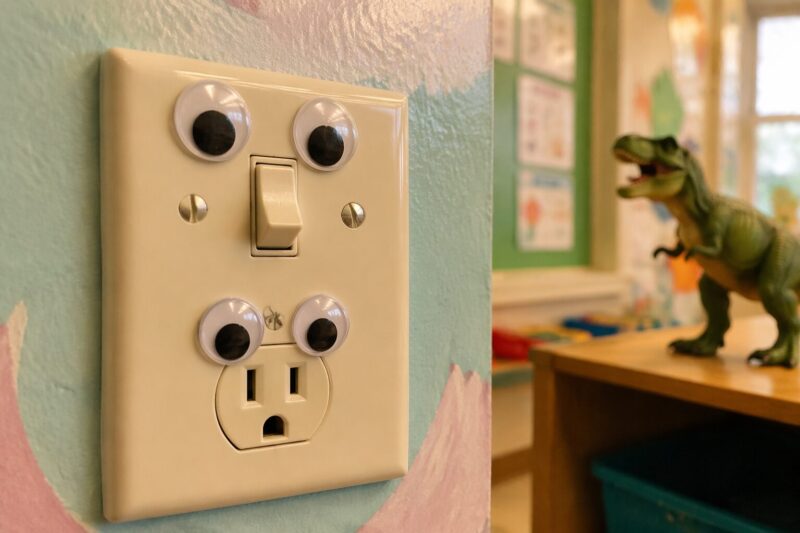
The Art of Education frames whimsy as the playful side of creativity. It calls the approach unexpected, delightful, and a little surprising. In an art-room example, the site suggests adding googly eyes to an electrical outlet, using playful names for tools, or having a teacher enter wearing a beret or Dali mustache. These small acts break routine and signal to students that this room is different. It is a space where creative risk-taking is welcome.
Unlike minimalist or purely functional designs, whimsical environments prioritize an unexpected aesthetic. They do not aim for efficiency first. They aim for delight. That choice has specific psychological effects, which brings us to the benefits.
Core Benefits and Psychological Impact
Whimsical classroom design is not just about looking pretty. Research from Harvard Project Zero and the LEGO Foundation, cited by The Art of Education, frames playful experiences as meaningful, actively engaging, iterative, and socially interactive. Those four traits line up closely with what good teaching already aims to do.
The main benefit is emotional safety. The Art of Education explains that playful moments help students reconnect with childlike joy, reduce inhibition, and become more willing to take risks. When a room feels playful rather than rigid, students lower their guard. They try things they might otherwise avoid.
Wacky World Studios makes a similar point about high-anxiety environments. The site notes that whimsical design is used in pediatric clinics and first-time church visits specifically to help children feel safer. The same logic applies to classrooms. A child walking into a room with fairy lights, plants, and hidden surprises feels different from one walking into a room with bare walls and rows of desks.
The emotional shift matters because learning requires vulnerability. Students need to be willing to guess, fail, and try again. A whimsical environment lowers the cost of those risks.
Design Categories and Practical Implementation
Whimsical classroom design breaks down into several repeatable categories. Here is how they work in practice.
The comparison table below shows four common approaches and what they prioritize.
| Approach | Main Tool | Cost Level | Best For |
|---|---|---|---|
| Lighting shift | Fairy lights, LED candles, table lamps | Low to medium | Setting mood quickly |
| Natural elements | Faux greenery, terrariums, moss, branches | Low to medium | Creating an enchanted feel |
| Micro-surprises | Hidden objects, googly eyes, easter eggs | Very low | Adding discovery moments |
| Thematic immersion | Themed props, tapestries, rugs, old books | Medium to high | Full transformation |
Lighting
Lighting is the fastest way to change a room. The Positive Teacher Company recommends fairy lights, lamps, and fairy glass jars as low-cost options that alter classroom mood immediately. Hopefully Home suggests battery-operated LED candles and string lights to move away from harsh overhead fluorescent lighting. The key constraint is school fire codes. Many districts do not allow plug-in string lights. Battery-operated alternatives solve that problem.
Natural Elements
Plants do a lot of heavy lifting in whimsical design. Hopefully Home recommends faux greenery, live potted plants, terrariums, moss, small rocks, and miniature figurines. These elements create focal points that feel organic rather than plastic. An enchanted forest vibe works well for fantasy-themed rooms. Clean branches in a jar, a small terrarium on a shelf, or vines draped along a cabinet all add texture without overwhelming the space.
Micro-Surprises
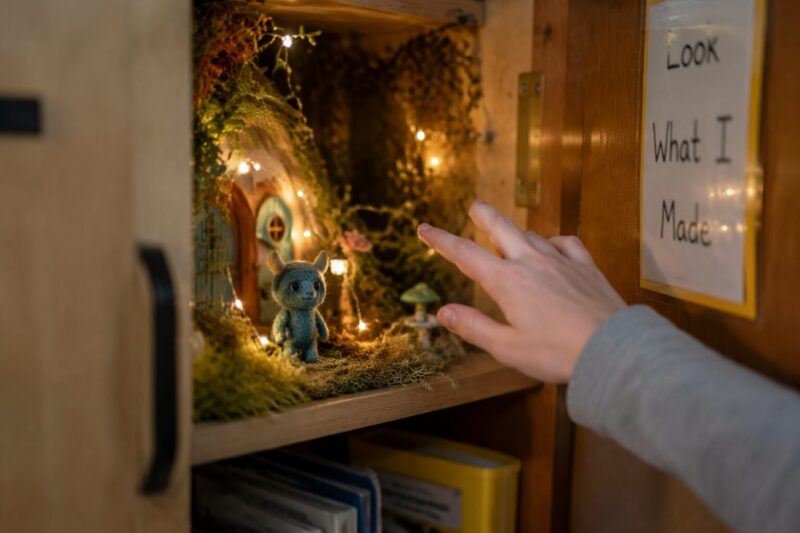
Wacky World Studios emphasizes that whimsy can be hidden. Elements can go inside cabinets or drawers, under tables, on ceilings, on bathroom mirrors, or as easter eggs in wall murals. The surprise is the point. A student who opens a cabinet and finds a tiny dragon statue or a hidden message experiences delight. That moment of discovery builds a relationship between the student and the space.
Low-Cost Interventions
The googly-eye approach from The Art of Education is the best example here. Adding a pair of googly eyes to a power outlet costs pennies. Renaming a pencil sharpener the Whirly-Writer or calling the supply bin the Treasure Chest costs nothing. Wearing a costume piece like a beret for a single lesson creates a memorable moment. These small moves prove that whimsy does not require a big budget.
If you are looking for more ideas about designing spaces for young learners, I have written about this topic in more detail in my guide on 12 Expert Preschool Classroom Ideas That Save Time. The same principles of intentional playfulness apply across age groups.
Challenges and Safety Considerations
Whimsical design comes with real constraints. The main ones are fire safety, visual overload, and the balance between style and function.
Fire Safety
Hopefully Home is explicit about this. All classroom decor, especially string lights and fabric tapestries, must comply with local school fire safety codes. Battery-operated lights are frequently required over plug-in models. Before buying any lighting, check with your school administration. The rule is simple: safety first, whimsy second.
Visual Overload
The Positive Teacher Company warns that themed elements need balance. A room covered in decorations from floor to ceiling stops being whimsical and starts being distracting. The goal is coherence, not chaos. Designers suggest picking one theme and repeating a few elements rather than covering every surface. A fantasy room with fairy lights, a few plants, and themed paper on the writing table works better than a room with twenty different decorations competing for attention.
Balancing Style and Utility
Artsy places whimsical design in a broader design tradition. The site points to Jean Royère’s curving furniture, Studio Job’s anthropomorphic lamp, and the Memphis Group’s humorous, colorful approach. These examples show that whimsy can be elegant and functional at the same time. A classroom still needs desks, chairs, and storage. Whimsy should enhance those elements, not replace them.
Integrating Whimsy into Instructional Framing
Whimsical design works best when it connects to what students actually do in the room. The Positive Teacher Company recommends extending the theme into lessons. For example, students can write formal spell instructions in a fantasy-themed room. They can measure potion ingredients in science class. They can write letters to a magical character during literacy time.
This approach bridges the gap between decor and instruction. The room does not just look whimsical — it functions whimsically. Students interact with the theme through their work.
The same source suggests using specialized materials like gold glitter, curated themed papers, and antique books. These items make the physical environment feel immersive rather than fragmented. When the writing paper matches the wall theme, the experience feels intentional.
For teachers who work with library spaces or reading corners, I have also shared practical ideas in my article on 12 Creative Little Library Ideas You Will Wish You Knew. The whimsical approach translates well to reading nooks and literacy stations.
Key Takeaways for Educators
Whimsy is not decoration. It is a design tool with specific psychological effects. Used well, it reduces inhibition, promotes engagement, and makes students feel safer. Used poorly, it becomes clutter.
Small interventions can be as effective as full room overhauls. A pair of googly eyes, a string of fairy lights, or a renamed supply bin costs almost nothing and changes how students experience the room.
Safety rules are non-negotiable. Check fire codes before buying lights or hanging fabric. Battery-operated options solve most compliance problems.
Thematically consistent details matter more than quantity. One well-chosen theme with a few repeated elements beats a room full of unrelated decorations.
FAQ
Q: Does whimsical design have to be expensive?
No. Many sources emphasize small, low-cost changes such as fairy lights, themed labels, playful names for tools, branches, jars, plants, and small hidden details. The Art of Education and The Positive Teacher Company both show that whimsy comes from simple additions rather than a full room renovation. The main cost driver is usually scale, not the concept itself. A single themed corner can shift the mood of an entire room.
Q: Which classroom elements make a space feel whimsical?
Common elements include fairy lights, themed color palettes, plants, faux greenery, playful signage, fantasy props, and hidden surprises. Wacky World Studios highlights unexpected placements like ceilings, cabinets, and wall murals. Hopefully Home emphasizes greenery, terrariums, books, and cozy textiles. Together, these sources show that whimsy comes from layering visual texture, story, and surprise rather than relying on one single element.
Q: How is whimsical different from messy classroom design?
Whimsical design is intentional. Messy design is accidental or disorganized. The sources repeatedly stress careful planning, visual anchors, and themed groupings instead of covering every surface. Whimsy should feel coherent and playful, not cluttered or distracting. If every inch of wall space is covered, the effect becomes noise rather than delight.
Q: Are fairy lights safe in classrooms?
They can be, but they must follow school and fire-code rules. Hopefully Home advises checking whether plug-in string lights are allowed and suggests battery-operated lights if plug-in versions are not permitted. Safety rules and building policies matter more than the decorative idea itself. Always confirm with your administration before installing any lighting.
Q: What are the benefits of whimsy for children?
The sources say whimsy can lower anxiety, encourage exploration, and help children feel safer in a space. Wacky World Studios notes that whimsical environments shift the emotional temperature and build trust. The Art of Education adds that playful experiences help students take risks and reconnect with creativity. These benefits are especially relevant in younger grades and child-focused spaces where emotional safety is a foundation for learning.
Q: What are the drawbacks of whimsical classroom themes?
The main drawbacks are overclutter, distraction, and practical constraints such as lighting and fire-code limitations. The design articles imply that whimsy works best in intentional groupings, not by filling every wall and surface. If the room becomes too busy, the playful effect turns into visual noise. Teachers also need to consider whether the theme will feel dated after a year or two.
Q: How can a teacher start a whimsical classroom on a budget?
A teacher can start with one theme, then add a few repeatable elements such as fairy lights, plants, playful labels, and a small number of themed props. The Positive Teacher Company and Hopefully Home both suggest inexpensive moves like synthetic greenery, jars, branches, and printed materials. The key is consistency. A few well-chosen details often do more than a complete overhaul. Build slowly and add only what fits the theme.
My Experience With Whimsical Classroom Design: How to Create a Magical Space
I tried the googly-eye approach in my own classroom a few years ago. I stuck two eyes on the pencil sharpener and one on the thermostat. The kids noticed immediately. They laughed. Then they started asking if they could add eyes to other things. By the end of the week, the stapler had eyes, the clock had eyes, and a small plastic dinosaur had taken up residence on top of the bookshelf.
The thing I learned is that whimsy spreads. It creates permission. Students who feel allowed to laugh also feel allowed to guess, to raise their hand with a half-formed idea, and to keep going when an answer is wrong. That is the real value of a room that does not take itself too seriously.
The expert insight I keep coming back to is from Wacky World Studios: whimsy lives in the space between imagination and nonsense. Push too far toward nonsense and the room loses structure. Stay too safe and the room loses its magic. The sweet spot is somewhere in the middle — intentional, surprising, and grounded enough that students still know where the pencils go.
Have you tried adding a playful touch to your classroom that changed how students acted? I would love to hear what worked and what fell flat.
References
- The Art of Education. (2026, April). Why Every Art Room Needs More Whimsy and Playful Moments to Boost Creativity. The Art of Education. https://theartofeducation.edu/2026/04/why-every-art-room-needs-more-whimsy-and-playful-moments-to-boost-creativity/
- Cambridge University Press. (n.d.). WHIMSICAL | definition in the Cambridge English Dictionary. Cambridge Dictionary. https://dictionary.cambridge.org/us/dictionary/english/whimsical
- Collins Dictionary. (n.d.). WHIMSICAL definition and meaning. Collins English Dictionary. https://www.collinsdictionary.com/dictionary/english/whimsical
- Wordsmyth. (n.d.). whimsical | definition for kids. Wordsmyth Children’s Dictionary. https://kids.wordsmyth.net/we/?rid=46874&level=3
- Wacky World Studios. (2023). ABC’s of Theming: W is for Whimsical Wonders. Wacky World Studios. https://www.wackyworldstudios.com/articles/w-is-for-whimsical-wonders-wacky-world-studios
- The Positive Teacher Company. (2024). 5 Ways to Create a Whimsical and Magical Classroom. The Positive Teacher Company. https://thepositiveteachercompany.co.uk/blogs/words-from-a-positive-teacher-1/5-ways-to-create-a-whimsical-and-magical-classroom
- Hopefully Home. (2024). Creating a Magical and Whimsical Fantasy-Themed Classroom. Hopefully Home. https://hopefullyhome.com/creating-a-magical-and-whimsical-fantasy-themed-classroom/
- Artsy. (n.d.). Whimsical Design. Artsy. https://www.artsy.net/gene/whimsical-design

A Teacher with 5 years of experience. Our Expertise, is reliable to meet your full Academic development needs . Worked on many crafts and construction projects offering services from design to development to deployment over the years. You will find many of my works in my business portfolio on request.