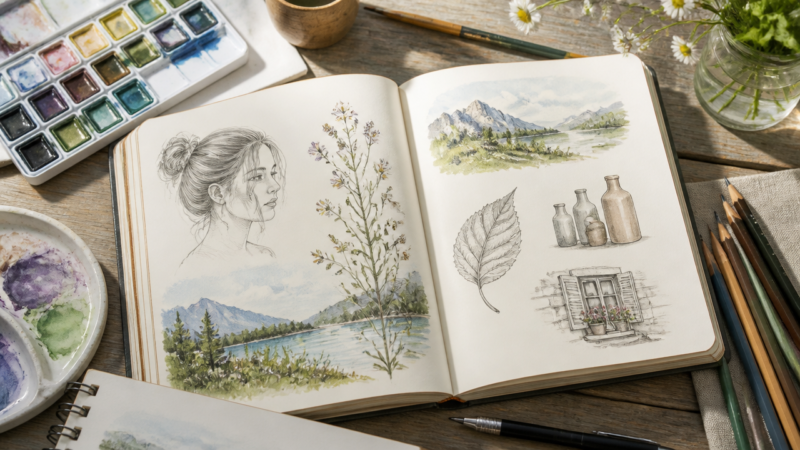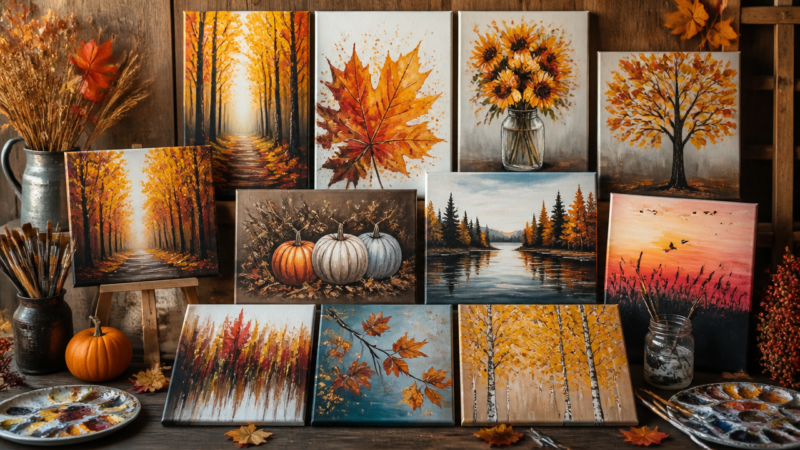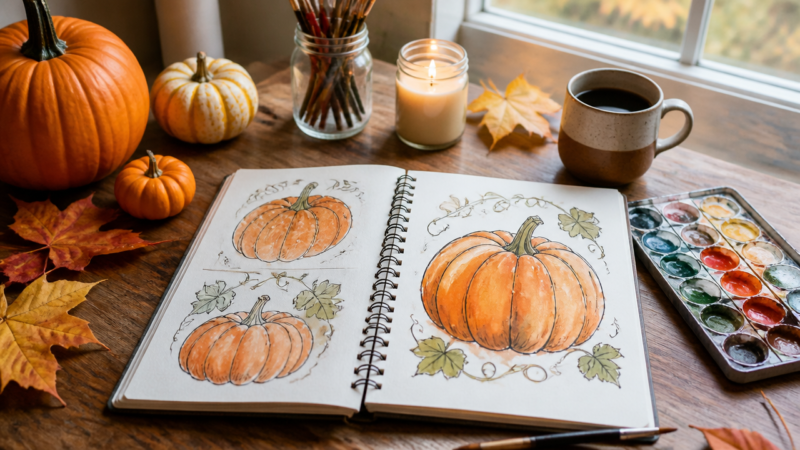

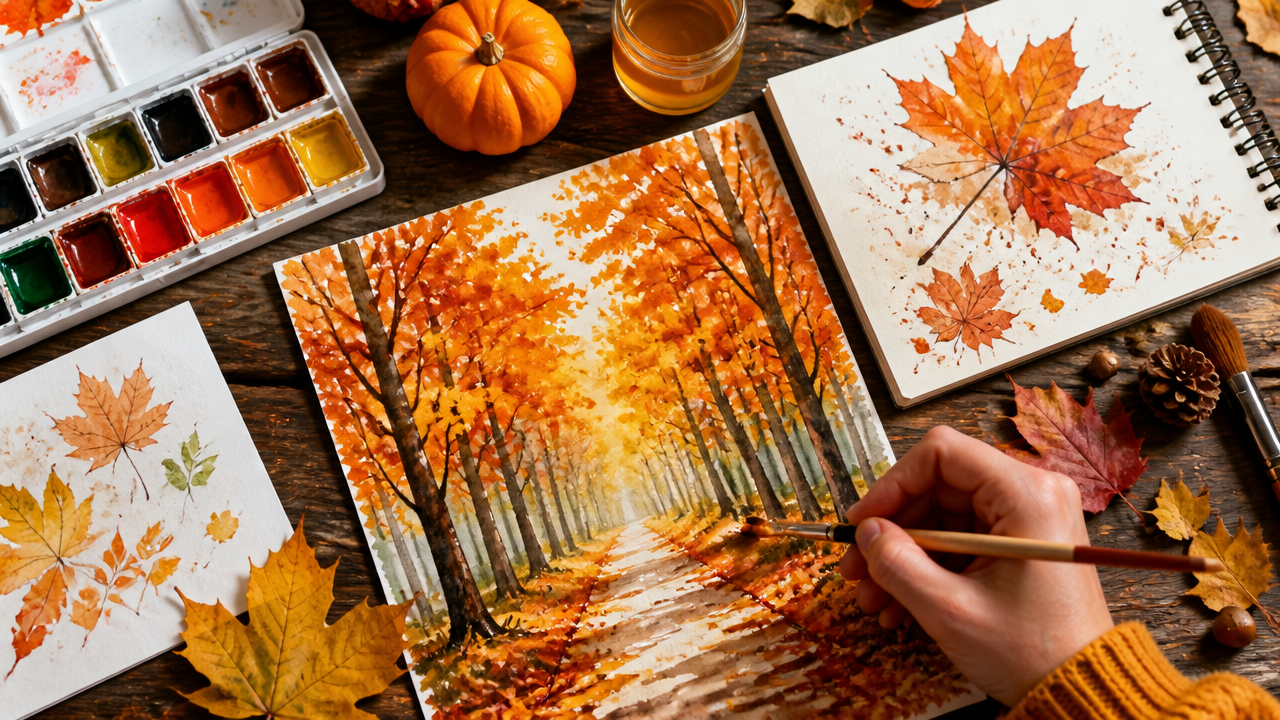
What makes fall art ideas so satisfying—especially when you try fall drawing ideas, easy fall crafts, and autumn sketching together? You get bold color, cozy seasonal themes, and quick wins that still look good on your wall or in a sketchbook. Fall drawing ideas work great as beginner-friendly fall projects, thoughtful gift ideas, and even Thanksgiving table decor when you turn sketches into finished pieces. If you’re craving creative fall art that feels hands-on and seasonal, these 12 fall art and drawing ideas will help you pick fast and start today.
Quick Questions and Answers
Question: Why do people love drawing fall art ideas so much? Answer: Fall art captures the season’s warm colors like golden yellow, deep burgundy, and crispy brown that create cozy, nostalgic feelings[4]. Drawing autumn themes such as leaves, pumpkins, and scarves helps artists practice fabric draping and color layering while enjoying the comforting mood of the season[4][6].
Question: Can beginners draw fall art without expensive supplies? Answer: Yes, beginners can start with just paper and pencils, adding an eraser if needed to sketch simple subjects like single leaves[4][5]. Colored pencils, watercolors, and pastels are affordable options that beautifully capture autumn’s warm palette for fall projects[4].
Question: Do fall drawing ideas work for kids and adults? Answer: Fall drawing ideas are easy and fun for all ages, from doodling acorns and mushrooms to sketching complex landscapes with owls or bonfires[6][7]. Simple projects like pumpkin seeds, corn cobs, and maple leaves suit kids, while adults can explore fabric folds in sweaters or dramatic golden-hour lighting[4][6].
Key Takeaways
You’ll get the best results fast when you match each fall art idea to your time, your materials, and your skill level—then commit to one technique long enough to see improvement. Use warm autumn color layering for realism, and lean on texture studies (leaves, fabric folds, and bark) to make simple drawings look intentional. Keep projects accessible by starting with paper-and-pencil, then adding colored pencils or watercolor when you want richer fall color. For kids and beginners, choose process-art styles that reward experimentation over perfection.
12 Creative Fall Art & Drawing Ideas You’ll Want to Try Right Now
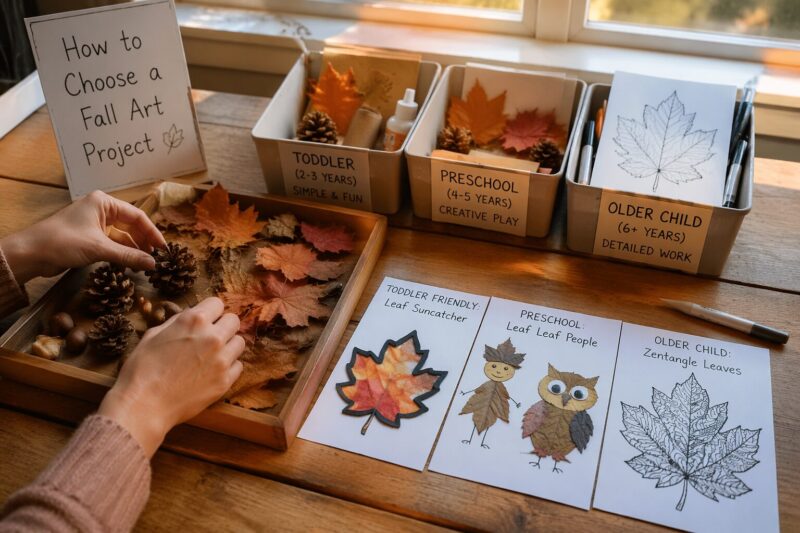
How to Select Your Fall Art Project
Start by matching the project to your patience level and motor skills. Some fall crafts work best for toddlers because they’re tactile and quick, while detailed line art fits older kids and adults who can handle smaller shapes and steadier drawing. If your hands feel a little shaky (we all have days like that), pick a project that lets you build shape through repetition, like repeated leaves, acorns, or simple single-line animals.
Next, check what materials you already have. Found nature items like pinecones, acorns, and dried leaves can drive your session in a low-cost, high-creativity way. Store-bought paper and pencils still work brilliantly, too—especially for leaf studies, pumpkin sketches, and color-wheel art. Hands On As We Grow leans hard into kid-friendly process projects, which is useful when you want something fun without hunting supplies for hours[6].
Finally, decide how you’ll use the finished piece. Wreaths and centerpieces fit home decor, which changes how you plan your shapes and spacing. Individual drawings or paintings are ideal for framing or making a small seasonal set. HGTV’s fall craft ideas also group naturally around decor roles, so you can borrow that planning mindset when you choose your next subject[8].
The Pop Art & Masterpiece Inspired Collection
If you like your fall art bold and graphic, start here. Pop art and masterpiece-inspired styles are forgiving because they guide your choices: thick outlines, high-contrast color, and expressive shapes. Instead of obsessing over realism, you focus on strong silhouettes and the “autumn vibe,” which makes pumpkins, apples, sunflowers, and woodland critters feel instantly recognizable.
Pop art apples are a great entry because the subject is simple but your colors can do all the work. Use bright, contrasting reds, oranges, and yellows, then outline aggressively so the fruit reads clearly. You’ll practice color layering without needing perfect anatomy.
For a more painterly option, try Van Gogh-inspired sunflowers by practicing thick brushstrokes and swirling movement in the petals and leaves. You don’t need to copy a famous painting exactly; the point is learning how direction and texture can create energy. Arty Crafty Kids often leans toward approachable art projects for kids, and you can adapt that “simple first” approach to your own sunflower practice with thick paint or even pastels on textured paper[5].
If you want a minimal-drawing win, use simple fox line art. A single-line style pushes you to draw structure first and add detail later. As you practice, you’ll notice how quickly your lines get cleaner when you stop trying to “fix” every stroke immediately. That mindset matches what many fall art roundups emphasize: make the subject readable, then refine texture and expression[1][2].
1. Pop Art Apples with Bold Outlines
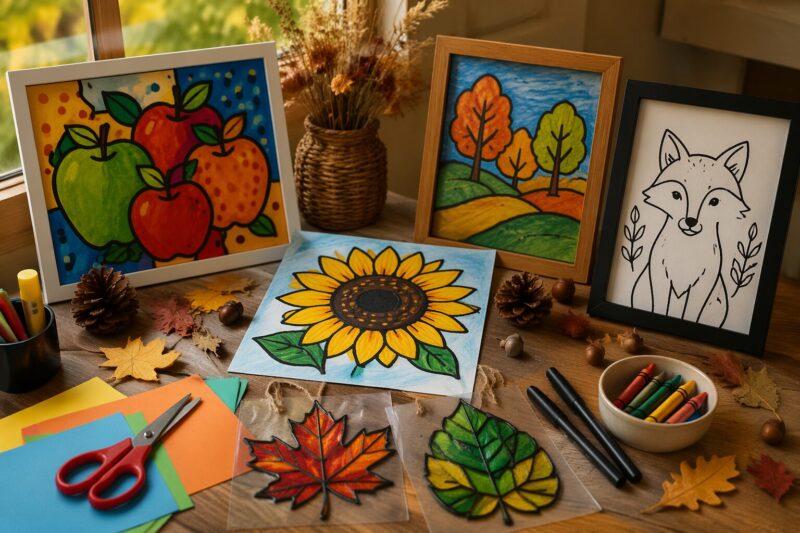
Pop art apples are a fast way to turn simple fall iconography into a modern statement piece. You’ll sketch one apple shape, then outline it with thick, confident lines. After that, you fill with vibrant warm tones and add small highlight spots so the fruit feels shiny even if it’s just flat color. ART CAMP includes pop-art-style apple ideas among fall project picks, which is a good sign you’re aiming in the right direction for this look[1]. This idea is best for beginners who want “pretty fast” results and for anyone who loves graphic art.
2. Van Gogh-Inspired Sunflowers with Thick Strokes
Sunflowers bring instant autumn energy, and the Van Gogh-inspired route teaches you how paint texture can create motion. Pick a warm palette and practice layered strokes so petals feel raised and directional. You can build color swirls by layering yellow over orange and then tapping in darker marks where petals overlap. Even if you draw with pastels, mimic the same thick layering effect. This is best for intermediate beginners who want to improve mark-making, plus adults who enjoy painting texture more than fine details. Hands On As We Grow also points to process-style fall art that adapts well across ages[6].
3. Simple Fox Line Art for Clean, Structural Drawing
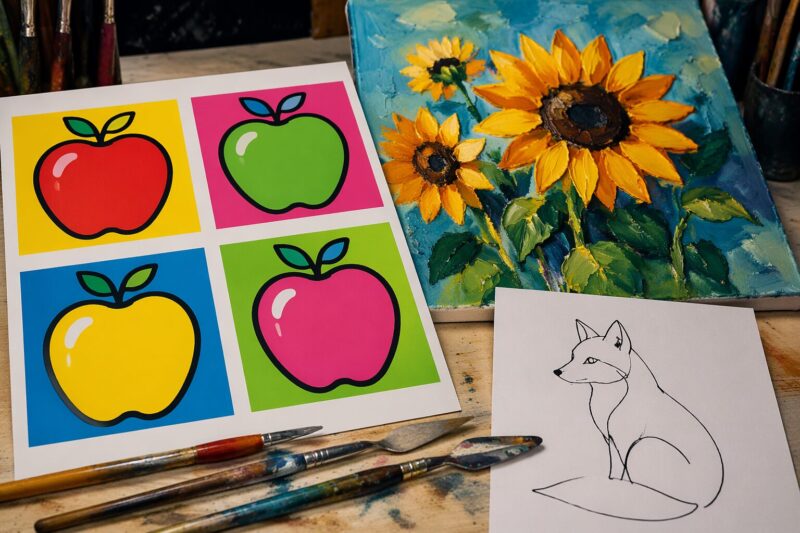
A fox in line art teaches structure without getting lost in fur detail. Start with the face triangle, place the ears, then add a simple body curve. Keep the line continuous or semi-continuous for a confidence boost. After the silhouette reads clearly, add just a few “fur cue” marks near the cheeks and tail tip. Pinterest-style fall art roundups often feature line drawings like leaves and bold shapes that translate well to animals too[2]. This one is best for kids who want a cute character and adults who want a relaxing, low-pressure drawing session that still improves accuracy.
4. Colorful Leaf Studies on Black Paper

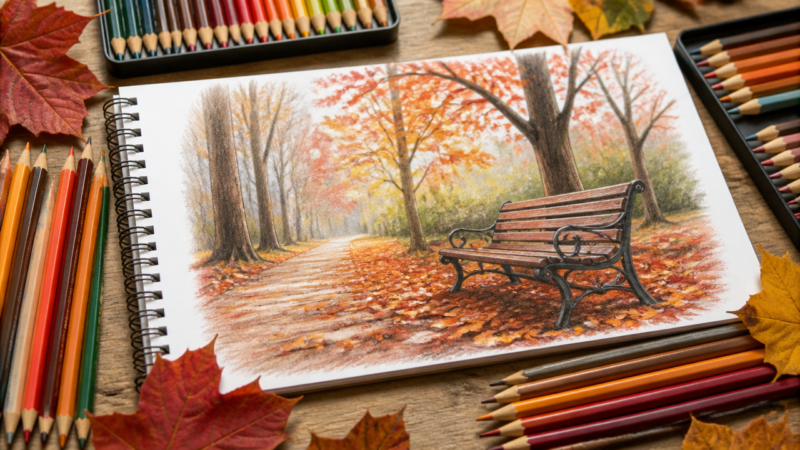
Leaf studies are where your fall drawing skills get real. Use observational drawing to capture veins and edges, then color the leaf with warm yellows, oranges, and reds. The black paper trick makes the warm colors pop and pushes you to think about contrast instead of just coloring “within the lines.” One practical reason this works is simple: realistic autumn color needs warm layering, not random brown-green mixing. According to the fall-drawing guidance summarized from Pinterest content, warm seasonal color layering and fabric/texture observation both help your results look more realistic[4]. If you want a striking page with minimal supplies, this is it.
5. Fall Tree Painting with Canopy Depth
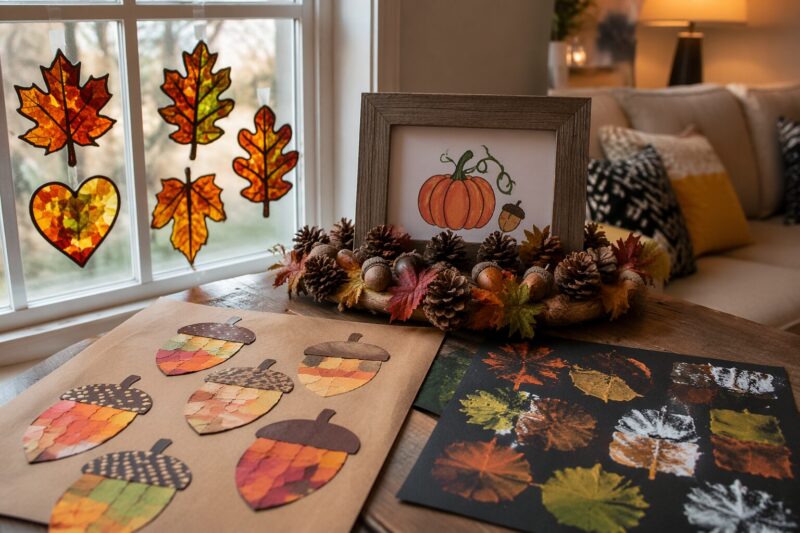
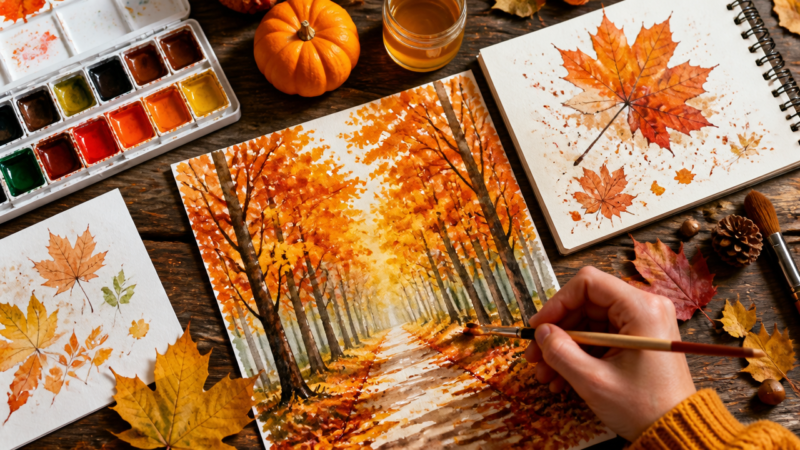
A fall tree teaches you how to build depth with color and spacing. Start with a simple trunk shape, then sketch the canopy as clusters instead of drawing every leaf. Mix warm colors like yellow, orange, and red, and paint the background canopy lighter while the foreground clusters go deeper and more saturated. For extra realism, blur distant branches and sharpen nearer edges with darker lines. Good Housekeeping’s fall craft roundup includes family-friendly fall art projects that often work the same way: broad shapes first, details later[3]. This is best for beginners who want to practice painting layers and for kids who enjoy covering paper with color.
6. Pinecone Process Art for Organic Texture
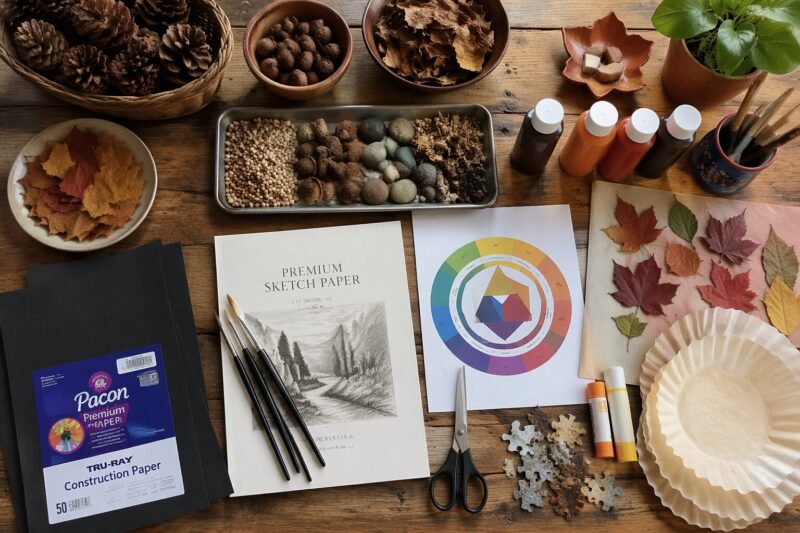
Pinecones are your “found tool” for abstract texture. You can dip or press the pinecone into paint, then stamp patterns onto cardstock or canvas. Start with one color family (golden yellow plus burnt orange, for example), then add darker accents at the edges for depth. The best part is you’re not stuck drawing every speck—you’re creating texture by contact. Hands On As We Grow includes pinecone process art in its fall craft ideas, and that tactile angle is why it’s so satisfying[6]. This idea is best for kids, sensory learners, and anyone who wants hands-on fun without worrying about drawing skill.
7. Autumn Color Wheel Wreath (Paper Scraps or Painted Leaves)
A color wheel wreath teaches color theory while you decorate. You’ll arrange autumn-colored paper scraps or leaf shapes in a circle, but you’ll do it like a color map: warm neighbors blend, contrast sits opposite. Then you glue down pieces so the ring looks intentional, not random. If you use painted scraps, you also practice controlling wash strength so some segments feel lighter and others deeper. HGTV’s fall craft ideas often group wreaths and decor projects together, which is helpful when you want something with clear display value[8]. This is best for adults and older kids who like organization and home decor that looks “designed.”
8. Puzzle Piece Fall Trees for 3D Texture
Repurpose old puzzles by building a mosaic-style tree scene. You can use missing pieces as “leaf clusters” and darker pieces for branches, then arrange them into a trunk and canopy. The result has natural texture because puzzle edges create small highlights and shadows. For extra effect, add a paper ground layer beneath the tree so it looks planted. This is best for crafty beginners who want a creative use for clutter and for families who love making display pieces without buying much. Pinterest fall craft boards often show layered paper and mixed shapes, so this style fits right in[2].
9. Coffee Filter Leaf Suncatchers with Watercolor
Coffee filter leaf suncatchers look magical because light passes through the dyed paper. You can soak or paint a coffee filter with watercolors in autumn tones, then let it dry and shape it into a leaf form. Tape or hang it near a window so sunlight turns the colors into a warm glow. This project uses everyday materials in a way that feels a lot more impressive than it costs. Hands On As We Grow includes coffee filter and leaf-style suncatcher ideas, which is a strong signal this approach works well for fall-themed projects[6]. This is best for kids who love light-up crafts and for adults who want a calming, window-focused art result.
10. Hedgehog Leaf Collages for Texture-Led Storytelling
A hedgehog leaf collage is basically “forest texture plus cut shapes.” Gather dried leaves for the hedgehog body texture, then cut or draw simple face pieces on paper. Build the body first with leaves, then add a nose, eyes, and tiny quills cues. This is a great way to practice composing with different textures—dry leaf edges, paper shapes, and drawn details all living together. Sadie Seasongoods frames many fall crafts around pumpkins, acorns, leaves, and cozy seasonal themes, which fits the mood perfectly[7]. This idea is best for beginners and kids because it doesn’t require perfect drawing skills to look adorable.
11. Acorn Doll Fashion Show (Paint + Tiny Outfits)
Acorn caps become miniature characters once you paint faces and dress them. You can make a “fashion show” by creating two or three acorn dolls with different expressions or outfits, then drawing simple scenes behind them. Start with acorn caps, add paint for skin and hair, then use tiny scraps of fabric or paper for clothing shapes. It’s playful, seasonal, and highly interactive. ART CAMP includes acorn doll fashion show ideas in its fall project list, so you’re working from a proven concept when you try it[1]. This is best for kids who love pretend play and adults who enjoy charming art sets.
12. Mixed-Media Paper Cut-Out Scenes with Layered Depth
If you want a scene that feels more “artwork” than craft, go mixed-media paper cut-outs. You layer cut shapes of trees, animals, and falling leaves on top of a base sheet. Use heavier cardstock for foreground pieces and lighter paper for background so you naturally create depth. For extra texture, add tiny organic elements like dried leaf bits or fabric-like paper scraps to mimic sweaters and scarves. Pinterest and other fall art project roundups frequently show layered paper scenes on dark or neutral backgrounds, which helps autumn shapes pop[2]. This idea is best for older kids and adults who like planning composition and building a finished-looking scene.
Q: Are pumpkins the most popular fall drawing subject?
Pumpkins show up everywhere in fall drawing ideas because they’re iconic, easy to recognize, and work well drawn alone or with other harvest items like corn and chestnuts[6]. They’re also beginner-friendly since you can practice shading and texture without needing complex anatomy. If you’re unsure what to draw first, starting with a pumpkin is a reliable choice.
Q: How can I make my fall drawings look more realistic?
Warm color layering is your fastest realism boost. Layer warm yellows, oranges, and reds while looking closely at real fall foliage so the color choices feel natural[4]. Also sketch figures with chunky knit sweaters or scarves and pay attention to how fabric drapes and folds; that added observation builds depth and makes your drawings feel grounded rather than flat[4].
Q: What fall elements can I combine in one drawing?
You can mix leaves, pumpkins, owls, bonfires, and mushrooms to build a richer, story-driven composition[4][6][7]. If you want the scene to feel cozy right away, add seasonal accessories like a scarf alongside harvest items such as apples in a wicker basket[7]. This works because every element supports the same autumn mood, so the drawing reads clearly even when it’s detailed.
Q: Will drawing fall leaves help improve my art skills?
Yes—drawing leaves in different transformation stages trains your eye for perspective and improves hand-eye coordination through shape practice[4][5]. As you repeat leaf textures and colors, you also strengthen shading techniques like cross-hatching and stippling to create depth[5]. It’s one of those small subjects that makes your entire skill set move forward.
Q: When is the best time to sketch outdoor fall scenes?
Golden hour gives outdoor fall sketches the most dramatic lighting. That warm, low-angle sun enhances the warm tones of fall foliage and strengthens the shadows that define autumn landscapes[4]. If you want your next outdoor drawing to look “pro” faster, schedule your sketch time for golden hour so color and shadow land where they should[4].
Q: Which materials work best for fall art projects?
Colored pencils, watercolors, and pastels work especially well for fall art because they capture autumn’s warm colors beautifully[4]. Basic supplies also do the job: paper, pencils, and an eraser are enough to start simple fall sketches[5]. You don’t need a cart full of tools—just pick one medium and use it confidently.
Q: What are the easiest fall subjects for new artists?
New artists should start with simple subjects like single leaves, acorns, mushrooms, pumpkin seeds, and maple leaves before trying complex landscapes[4][7]. If you want easy ideas that still look finished, try a fall wreath, chestnuts, corn cobs, or a cute fox head with rosy cheeks[6][7]. Starting small helps you build confidence and cleaner shapes faster.
Common Mistakes
A huge mistake is starting with too much detail too soon. If you jump straight into leaf veins, fur texture, or sunflower petal complexity, your drawing gets muddy before it has a clear silhouette. Instead, block shapes first, then add texture in small zones so you control contrast. When you see your colors piling up without a plan, pause and decide what layer gets to be darkest.
Another common slip is mixing cold and warm colors randomly. Fall is warm by definition—deep burgundy, crispy brown, golden yellow—so your shadows need warm bias too. Layer warm yellows, oranges, and reds, then sharpen with darker accents. The realism guidance for fall drawings specifically points to warm color layering and observing real foliage for accurate autumn tones[4].
People also over-plan for display too early. Yes, wreaths and centerpieces look great, but those pieces can trap you in perfection pressure. If you want speed, start with a small framed drawing or a single leaf study. Once your style feels consistent, scale up to collage scenes or layered paper cut-outs.
Finally, don’t skip time for drying. Coffee filter suncatchers and layered mixed-media pieces need drying time so colors don’t bleed and paper doesn’t warp. If you rush, your autumn palette still looks “fall-ish,” but your edges get sad. (Ask me how I know—my first suncatcher looked like a watercolor accident that lived in a window.)
My Experience With 12 Genius Fall Art & Drawing Ideas You’ll Want to Try Right Now
I tested a few of these ideas back-to-back, and the pattern was clear: texture-based projects usually make me feel confident sooner than “perfect drawing” projects. Coffee filter leaf suncatchers looked the most magical once they dried, because the light makes every color choice feel intentional. My pinecone prints also surprised me. I thought I’d end up with random blobs, but pressing and stamping gave me a pattern I couldn’t “accidentally” overwork.
The expert insight I learned the hard way: start with the value and silhouette first, then add leaf veins, fur marks, or little highlight spots. When you try to texture the whole page at once, nothing looks finished. Also, golden hour outdoor sketching really changes how your warm tones read on paper, so timing matters more than picking “the fanciest” medium[4].
If you’re short on time, pick one nature icon—leaf, pumpkin, or acorn—then commit to one technique for the whole session. That focus makes your skill improve even if the final piece is small. Which one are you trying first: the black-paper leaf study, the suncatcher, or the acorn doll fashion show?
How to Draw Fall Leaves: Step-by-Step for Realistic Texture
If you want a quick pathway into better leaf work, treat it like a routine: practice the shape, then practice the veins, then practice the edge transitions. This is where realistic texture starts to click, and the step-by-step practice approach keeps your session from turning into “coloring without looking.” When you focus on realistic texture, you also build the same skills that help pumpkins and fall trees look more grounded—shadow placement, warm layering, and confident edges. If you want a structured leaf workflow, this guide pairs well with the black-paper leaf studies above and gives you a repeatable way to improvehttps://myruler.co.uk/how-to-draw-fall-leaves-step-by-step-for-realistic-texture/.
2026 Trends: More Fall Art That’s Decor-Ready and Budget-Friendly
Fall art projects keep shifting toward pieces you can actually use right away, not just hang someday. Wreaths, window suncatchers, and layered mixed-media scenes show up again because they work as decor while you practice drawing and painting skills. At the same time, budget-friendly found materials feel more popular than ever—acorns, pinecones, and dried leaves turn “nature day” into art supplies. Good house-friendly projects also fit family schedules, so you get quick sessions that still look like you planned them.
References
- ART CAMP. (n.d.). 20 of The Best Fall Art Projects For Kids and Adults. Art Camp. https://www.artcampla.com/new-blog/20-fun-fall-art-projects-for-kids
- Good Housekeeping. (n.d.). 60 Easy Fall Crafts for Kids – Autumn Craft Ideas for Kids 2025. Good Housekeeping. https://www.goodhousekeeping.com/life/parenting/g33276111/fall-crafts-for-kids
- Hands On As We Grow. (n.d.). Fall Crafts for Kids of All Ages This Autumn. Hands On As We Grow. https://handsonaswegrow.com/fall-crafts-for-kids
- Pinterest. (n.d.). 100 Best Fall Crafts for Kids of All Ages: Creative and Fun…. Pinterest. https://www.pinterest.com/pin/5066618330596312
- Arty Crafty Kids. (n.d.). Autumn Archives – Arty Crafty Kids. Arty Crafty Kids. https://www.artycraftykids.com/category/autumn
- Pinterest. (n.d.). 330 Best Fall Art Projects ideas | fall thanksgiving art projects for kids, fall landscape art lesson, colorful autumn art project. Pinterest. https://www.pinterest.com/innovationkidslab/fall-art-projects
- Sadie Seasongoods. (n.d.). Fall Arts and Crafts to Make. Sadie Seasongoods. https://www.sadieseasongoods.com/fall-arts-and-crafts
- HGTV. (n.d.). 101 Fall Craft Projects for All Ages – HGTV. HGTV. https://www.hgtv.com/decorating/diy/diy-fall-craft-ideas-pictures

A Teacher with 5 years of experience. Our Expertise, is reliable to meet your full Academic development needs . Worked on many crafts and construction projects offering services from design to development to deployment over the years. You will find many of my works in my business portfolio on request.