When I first discovered origami, I thought it was just about making paper cranes. Boy, was I wrong! This ancient Japanese art of paper folding has completely transformed my approach to creativity, and I’m excited to share that journey with you today. Over the years, I’ve folded hundreds of pieces, from simple butterflies to complex dragons, and what I’ve learned is that origami isn’t just about creating beautiful objects – it’s about finding peace in the process, developing patience, and discovering that something as simple as a piece of paper can become absolutely magical.
What draws me most to origami is its accessibility. You don’t need expensive supplies, special tools, or years of training to get started. All you need is paper, your hands, and a willingness to embrace the meditative rhythm of folding. I’ve found that origami sessions have become my go-to stress relief, whether I’m folding during my lunch break or creating an entire menagerie on a quiet Sunday afternoon. The best part? Every fold teaches you something new about precision, spatial reasoning, and the surprising strength that comes from simple geometric principles.
In this article, I’ll walk you through 14 of my favorite easy origami projects that are perfect for beginners but satisfying enough to keep you coming back for more. These aren’t just random crafts – they’re carefully chosen pieces that will build your skills progressively while creating beautiful decorations, gifts, and keepsakes along the way.
Table of Contents
Classic Paper Crane
Simple Butterfly
Jumping Frog
Fortune Teller (Cootie Catcher)
Paper Boat
Origami Flower
Bookmark Corner
Paper Box (Masu)
Flapping Bird
Origami Heart
Paper Star
Simple Rose
Origami Fish
Paper Cup
14 Easy Origami Paper Crafts Ideas
1. Classic Paper Crane
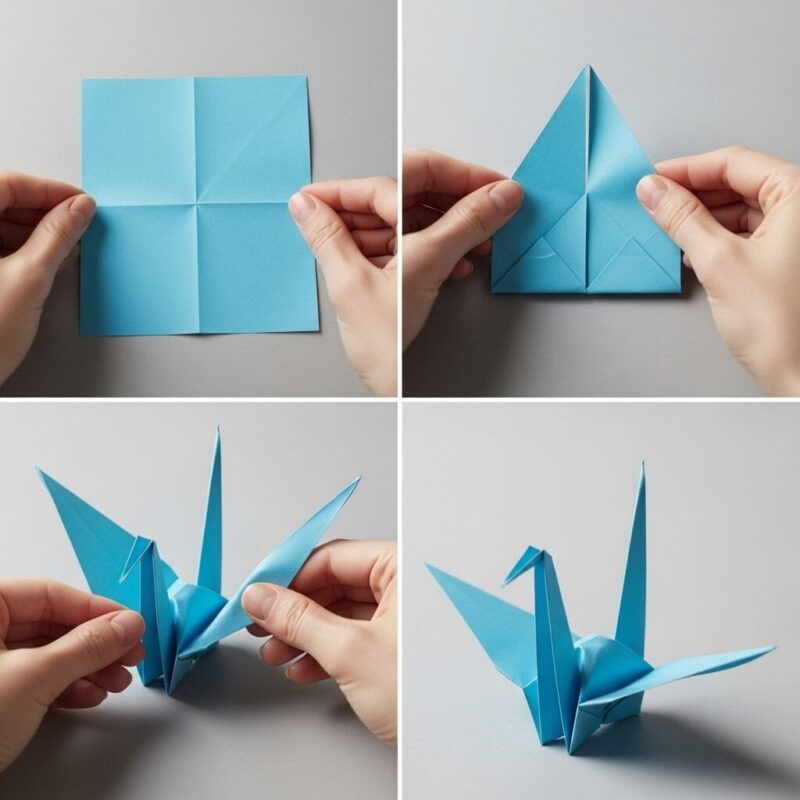
Let me start with the most iconic origami piece – the paper crane. I’ll never forget the sense of accomplishment I felt when I completed my first crane after several attempts. This project teaches you fundamental techniques like reverse folds and petal folds that you’ll use in countless other designs. The crane symbolizes peace and good fortune in Japanese culture, making it not just a craft but a meaningful creation. Start with a 6-inch square of origami paper, and don’t get discouraged if your first few attempts look more like abstract sculptures than graceful birds!
2. Simple Butterfly
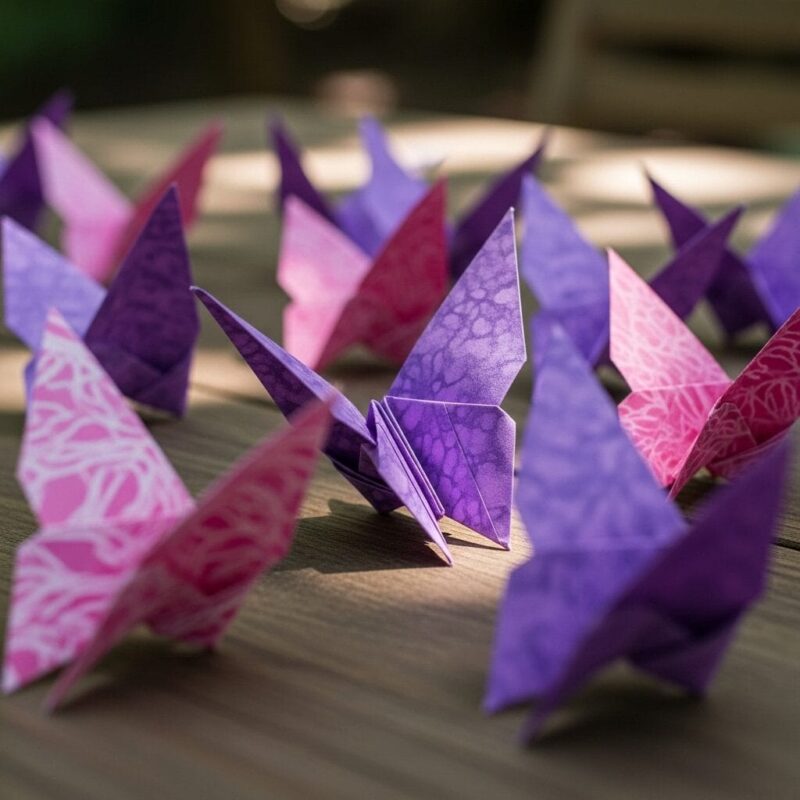
The butterfly was actually the second origami piece I ever mastered, and it remains one of my favorites for quick decoration projects. What I love about this design is how it comes together with just a few key folds, yet the result is surprisingly elegant. I often make these in batches using colorful paper to create mobile decorations or to attach to gift packages. The symmetrical folding pattern makes it forgiving for beginners, and you can experiment with different paper patterns to create unique wing designs.
3. Jumping Frog
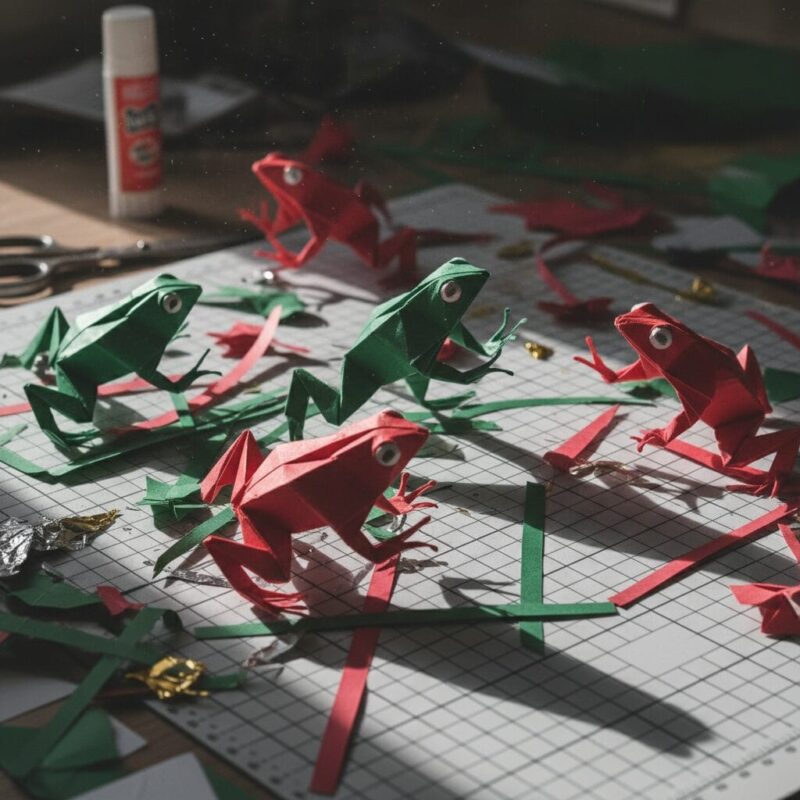
Here’s where origami gets playful! The jumping frog was a game-changer for me because it introduced the concept of functional origami – pieces that don’t just look good but actually do something. When you press down on the back of this little guy, he genuinely jumps forward. I’ve spent countless hours with kids (and let’s be honest, by myself) having jumping competitions. It’s incredible how a few strategic folds can create such an entertaining toy from a single sheet of paper.
4. Fortune Teller (Cootie Catcher)
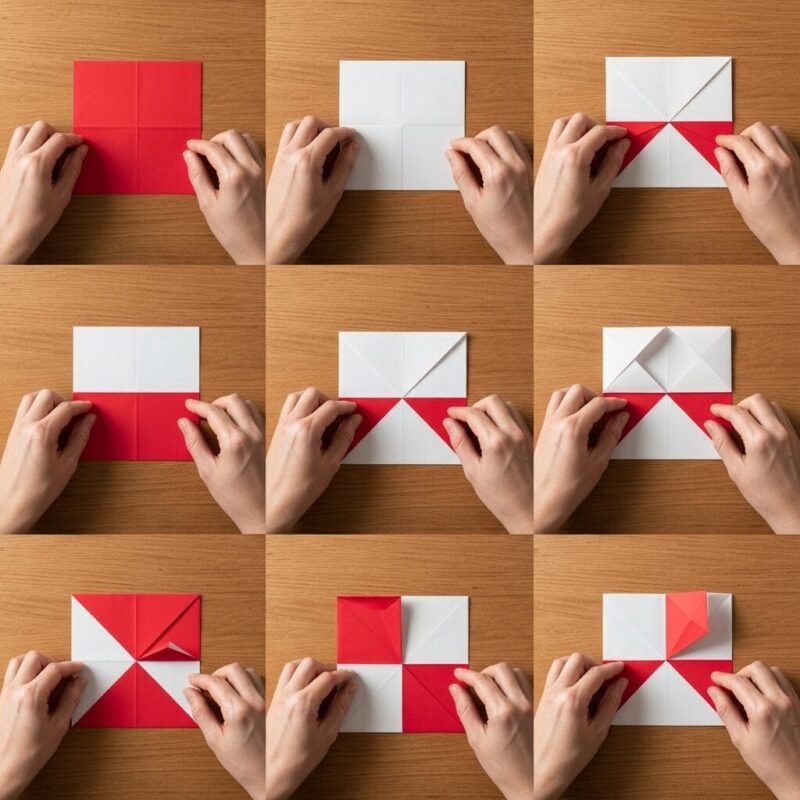
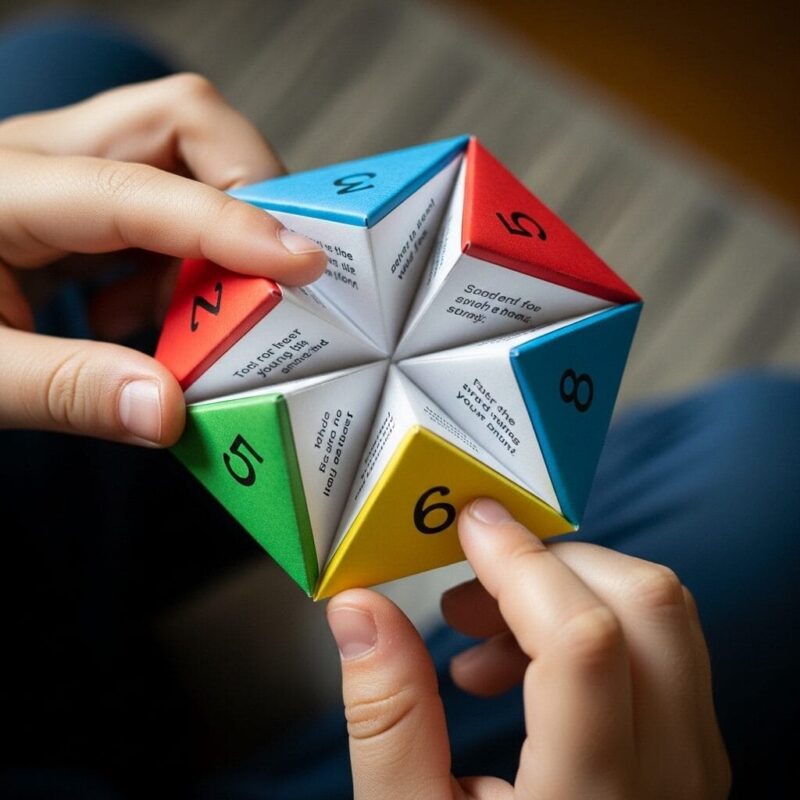
This nostalgic favorite takes me back to elementary school, but I’ve discovered it’s just as much fun as an adult. The fortune teller is perfect for parties, ice breakers, or just silly fun with friends. What makes this project special is its interactive nature – once folded, it becomes a game piece. I like to write fortunes, jokes, or even conversation starters inside. The folding technique is straightforward, involving basic valley and mountain folds that reinforce fundamental origami skills.
5. Paper Boat
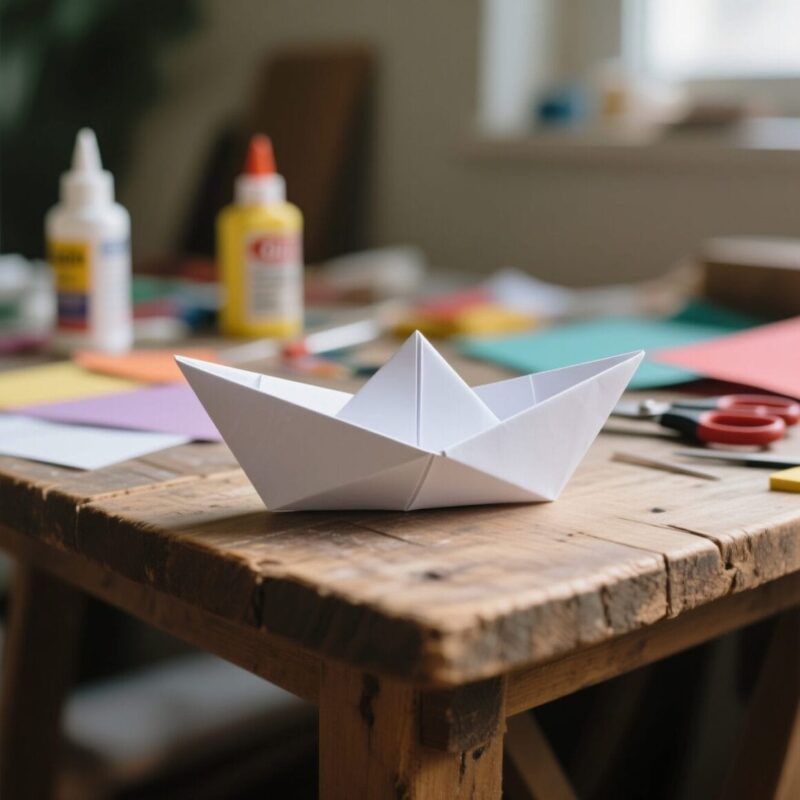
There’s something deeply satisfying about folding a paper boat that actually floats! I remember the first time I successfully sailed one of my origami boats in a puddle – it felt like magic. This classic design teaches important concepts about creating three-dimensional forms from flat paper. While the boat itself is simple, the technique of opening and shaping the final form is a skill you’ll use in many other projects. Pro tip: use waterproof paper if you actually want to sail your creation!
6. Origami Flower
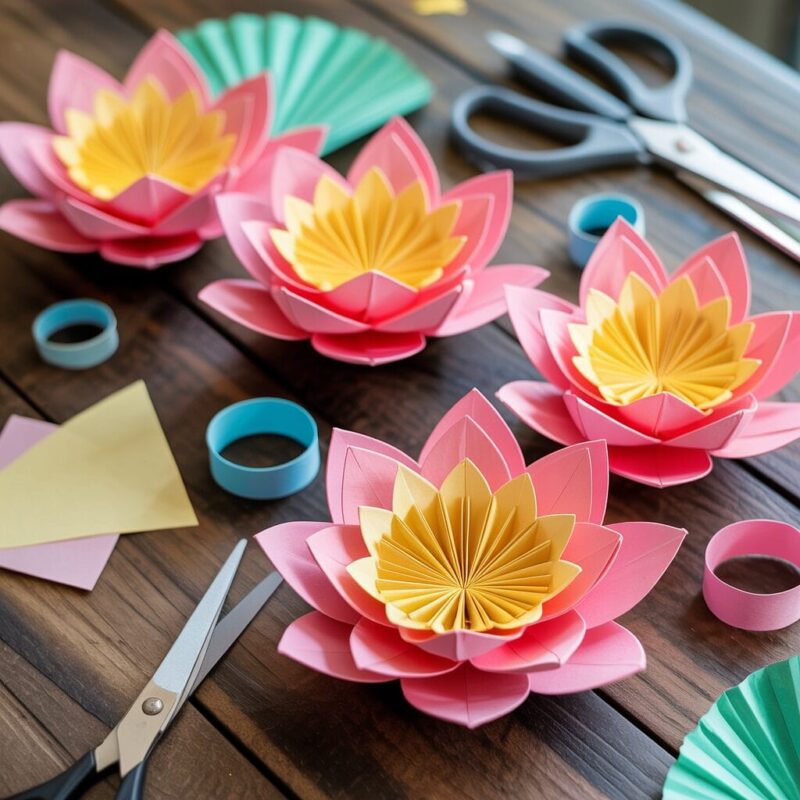
Flowers hold a special place in my origami heart because they’re both beautiful and practical. I’ve used origami flowers for everything from table decorations to heartfelt gifts. The basic flower design I’m sharing teaches petal folding techniques that you can apply to create entire bouquets. What’s wonderful about paper flowers is that they never wilt, and you can make them in any color combination imaginable. I particularly enjoy making seasonal arrangements using appropriate colored papers.
7. Bookmark Corner
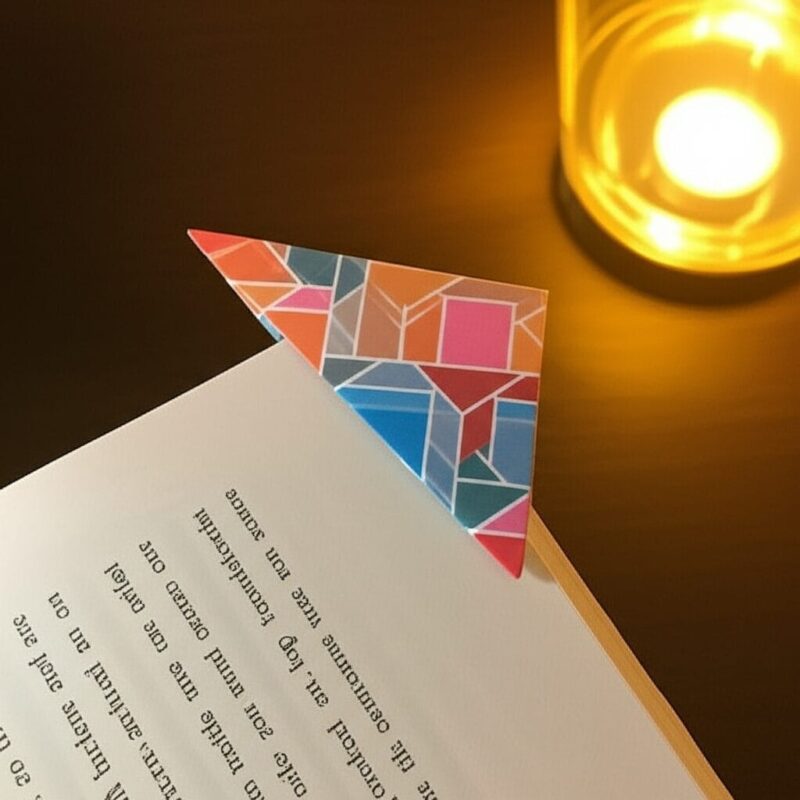
This might be my most practical origami creation! Corner bookmarks are genius in their simplicity – they slip right over the corner of your page and stay put perfectly. I’ve made dozens of these for myself and as gifts for fellow book lovers. The folding pattern introduces triangle-based techniques and is incredibly quick to complete. You can decorate them with drawings, stamps, or even fold them using patterned paper to match your reading mood.
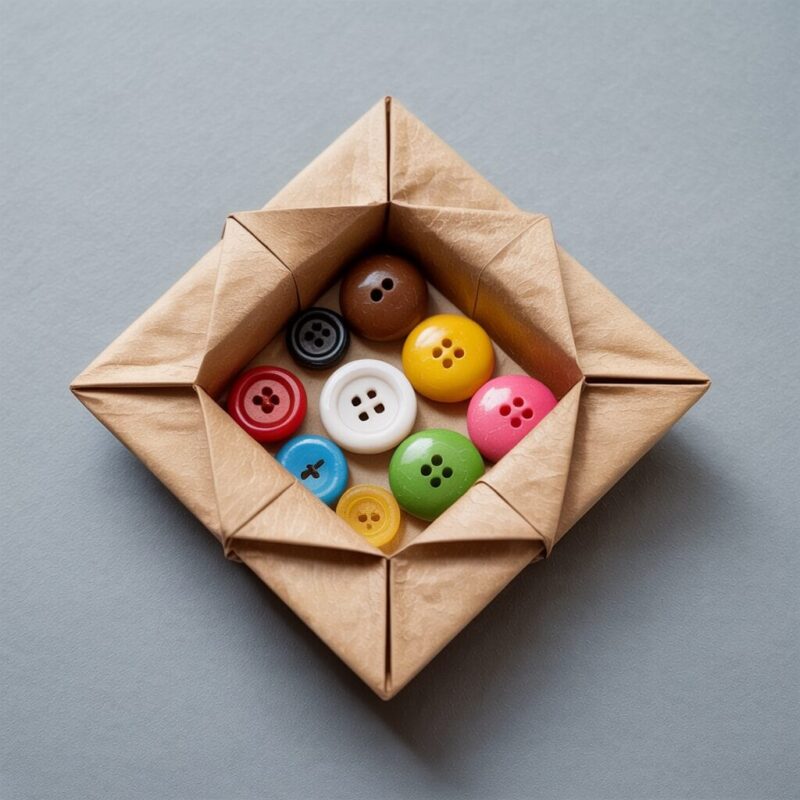
8. Paper Box (Masu)
The masu box was my introduction to modular origami, and it opened up a whole new world of possibilities. This traditional Japanese design creates a perfect square container that’s surprisingly sturdy. I use these boxes for organizing small items, presenting gifts, or even serving snacks at parties. The folding technique teaches precision and symmetry, and once you master the basic box, you can experiment with different proportions and decorative variations.
9. Flapping Bird
Building on the crane’s foundation, the flapping bird adds an element of movement that never fails to delight me. When you pull the tail, the wings actually flap! This project taught me about mechanical origami and how strategic folding can create moving parts. It’s slightly more complex than the basic crane, but the payoff is worth the extra effort. Children especially love this one, and it makes for great entertainment during long car rides or waiting rooms.
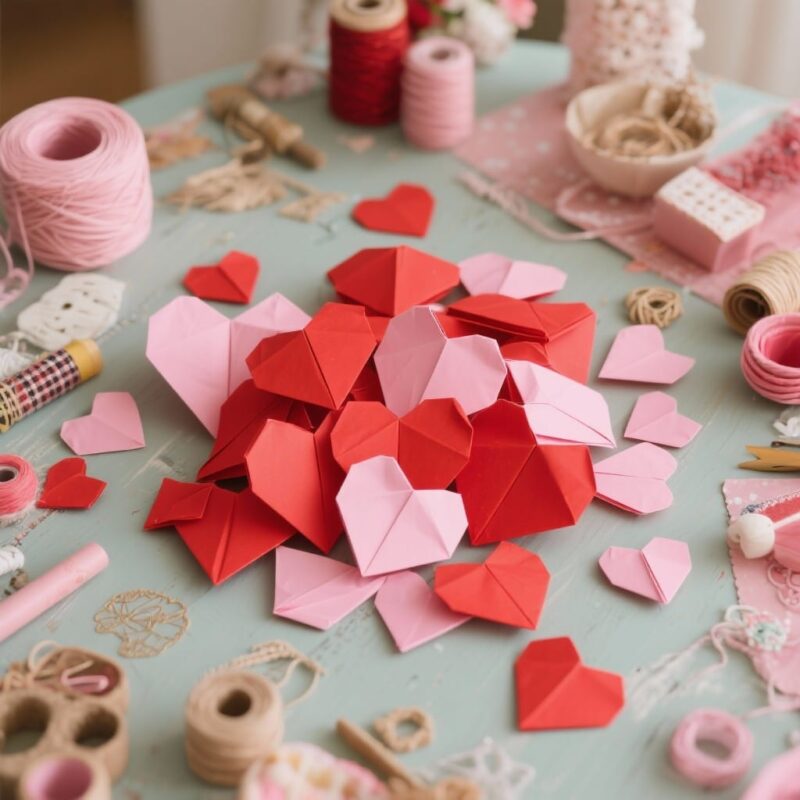
10. Origami Heart
Simple yet meaningful, the origami heart has become my go-to for Valentine’s Day, anniversaries, or any time I want to share a small token of affection. The folding pattern is forgiving and quick, making it perfect for mass production when you need multiple pieces. I’ve used these hearts as place cards, gift decorations, and even scattered them around the house as surprise love notes for my family. The symmetrical design reinforces basic folding skills while creating something genuinely heartwarming.
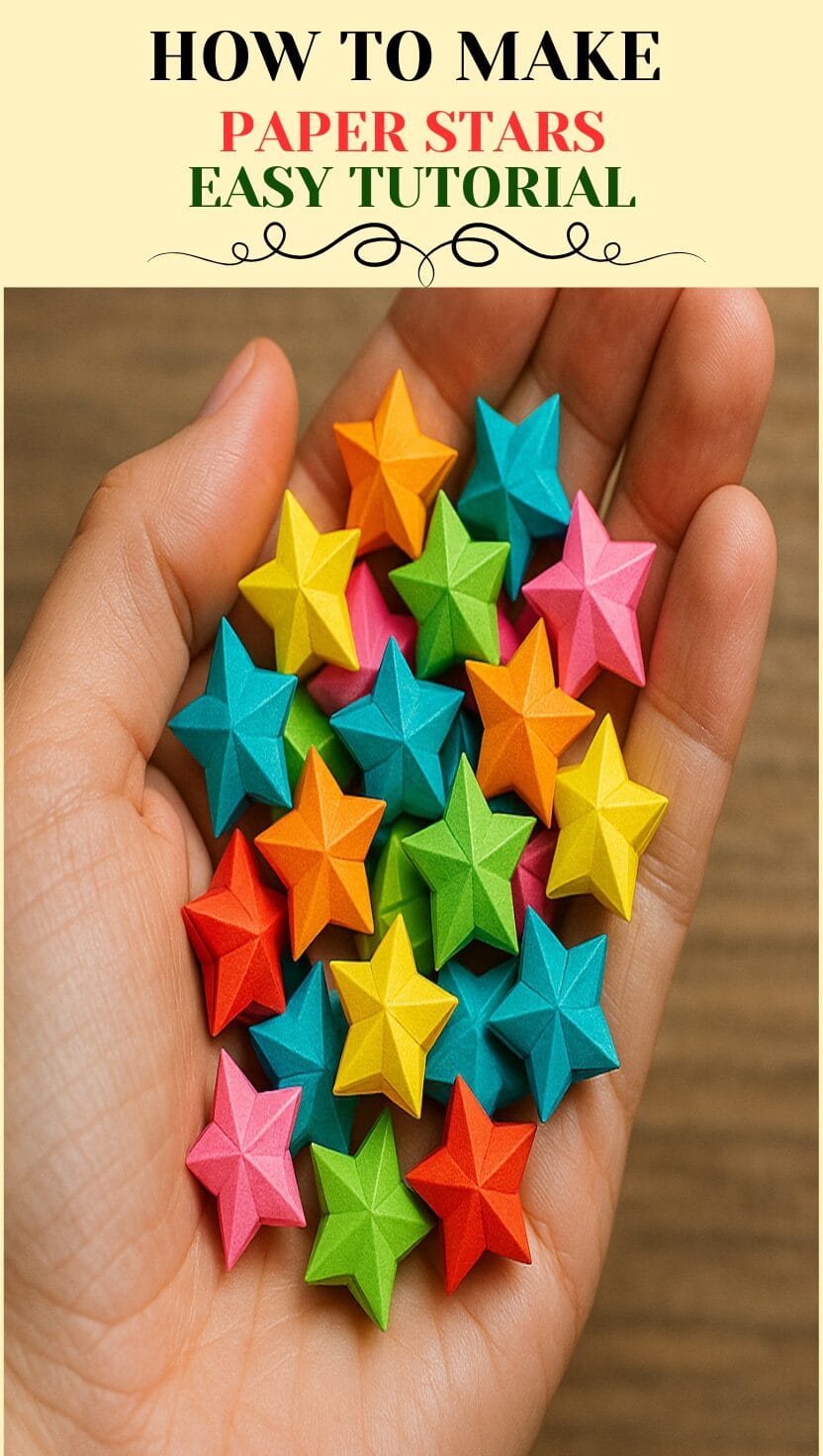
11. Paper Star
Stars have a magical quality that makes any space feel more special. I’ve strung origami stars into garlands, used them as gift toppers, and even created entire constellation maps on my ceiling. The five-pointed star I’m sharing uses a pentagonal folding pattern that’s both challenging and rewarding. What I love about star folding is how it teaches you about geometry and symmetry while creating something that sparkles with possibility.
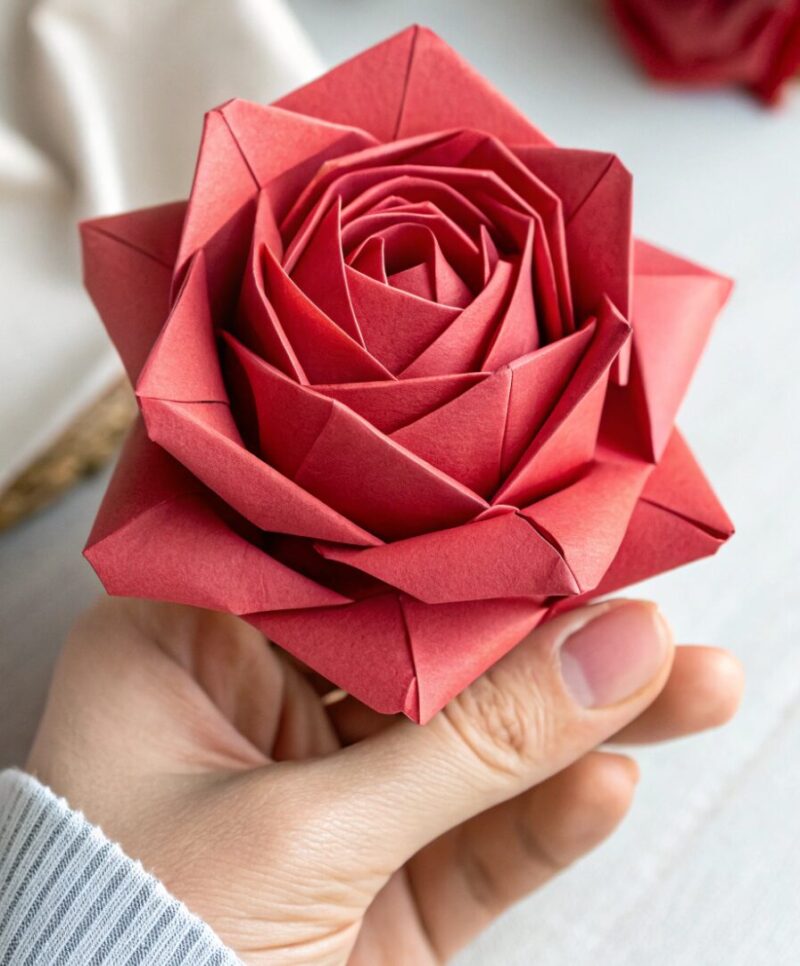
12. Simple Rose
Roses might seem intimidating, but this simplified version broke down my fear of complex flower folding. While not as intricate as advanced rose designs, this version captures the essential spiral beauty of the flower. I’ve made bouquets of these in different sizes and colors, and they make stunning centerpieces or romantic gestures. The spiral folding technique is unique and will expand your origami vocabulary significantly.
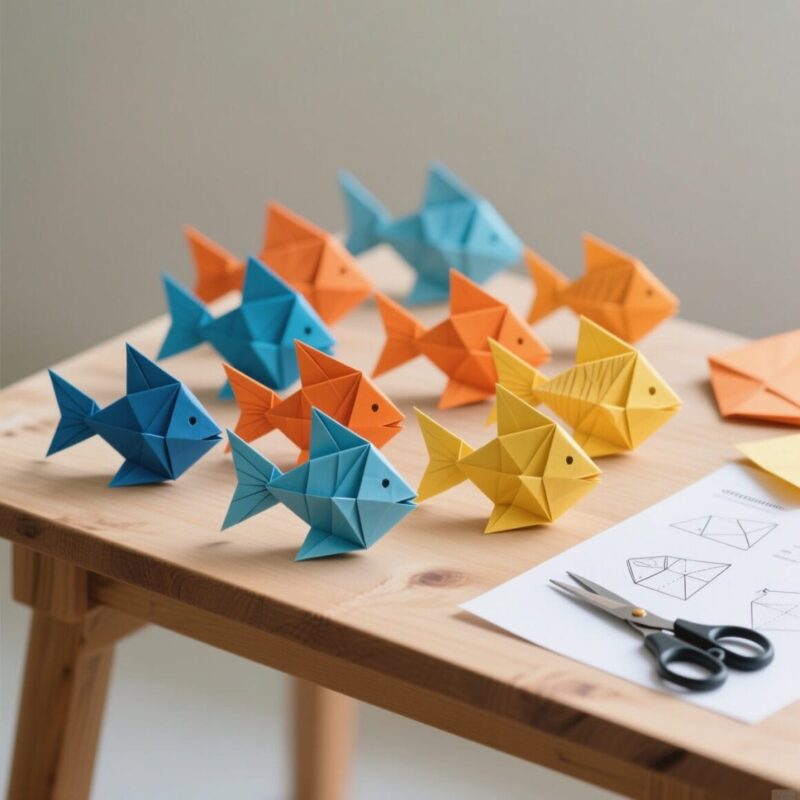
13. Origami Fish
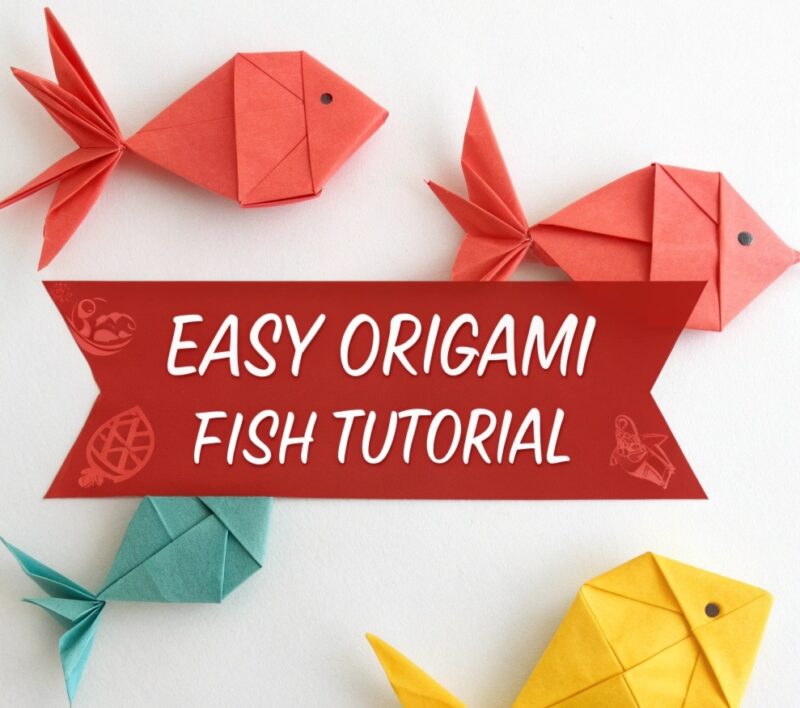
The fish design flows beautifully and teaches curved folding techniques that are essential for more advanced projects. I particularly enjoy the final shaping step where you breathe life into the flat folded form by creating dimension and curves. These fish look wonderful in schools, and I’ve created entire underwater scenes using different sizes and colors. The project reinforces basic folds while introducing more organic shaping concepts.
14. Paper Cup
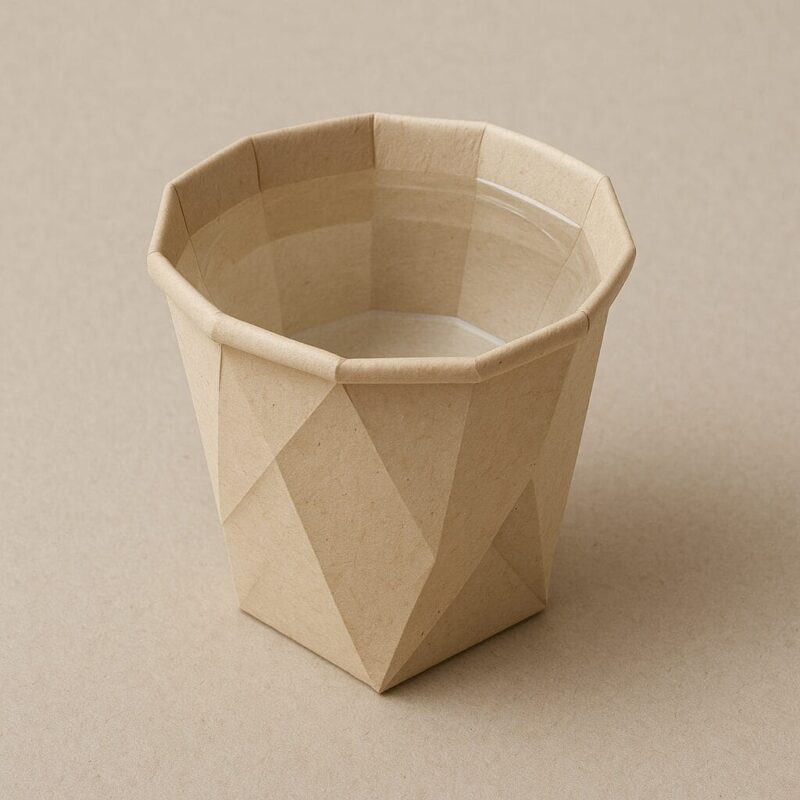
Last but certainly not least, the paper cup proves that origami can be both beautiful and functional. This design actually holds water (temporarily) and demonstrates the structural strength that proper folding can create. I’ve used these cups at outdoor parties, camping trips, and as unique serving vessels for special occasions. The folding pattern teaches you about creating sturdy bases and reinforced edges – skills that apply to many other functional origami pieces.
Conclusion
These 14 origami projects have been my companions on a journey of discovery, creativity, and mindfulness. Each fold has taught me something new, not just about paper crafting, but about patience, precision, and the joy of creating something beautiful with my own hands. What started as a simple curiosity has become a lifelong passion that brings calm to stressful days and wonder to ordinary moments.
I encourage you to start with whichever project speaks to you most strongly. Don’t worry about perfection – my first attempts were far from Instagram-worthy, but each imperfect fold was a step toward mastery. Remember that origami is as much about the process as the final product. Embrace the meditative quality of repetitive folding, celebrate small victories, and don’t be afraid to experiment with different papers and decorative touches.
The beautiful thing about origami is that it’s always there when you need it. A piece of paper and a few minutes can transform a mundane moment into something creative and fulfilling. Whether you’re folding alone as a form of meditation or sharing the experience with friends and family, these crafts will bring joy, beauty, and a sense of accomplishment to your lif
A Teacher with 5 years of experience. Our Expertise, is reliable to meet your full Academic development needs . Worked on many crafts and construction projects offering services from design to development to deployment over the years. You will find many of my works in my business portfolio on request.