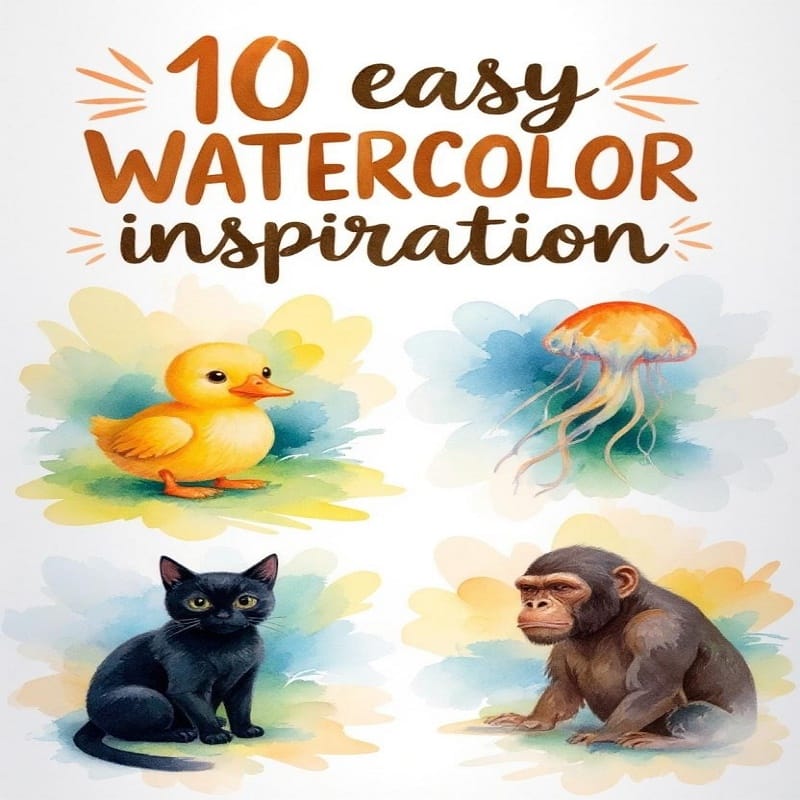

10 Easy Watercolor Paintings for Beginners to start today.
When I first picked up a watercolor brush, I felt overwhelmed by the endless possibilities and techniques that seemed so complex. However, I quickly discovered that watercolor painting doesn’t have to be intimidating. In fact, some of the most beautiful and rewarding paintings are also the simplest to create. Through my journey as a beginner watercolorist, I’ve compiled ten inspiring subjects that have helped me build confidence and develop my skills. These subjects are perfect for anyone just starting their watercolor adventure.
Table of Contents
- Adorable Baby Duck
- Graceful Jellyfish
- Expressive Chimpanzee
- Simple Flowers
- Peaceful Landscape
- Elegant Swan
- Cuddly Brown Baby Bear
- Delicate Butterfly
- Dreamy Sunset
- Flowing Tree
1. Adorable Baby Duck
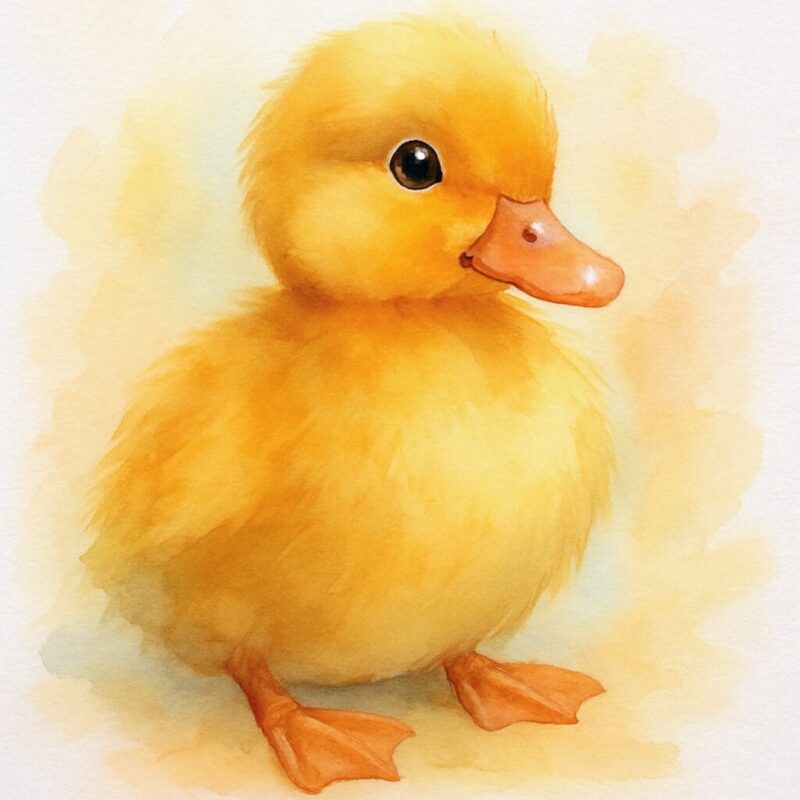
My first successful watercolor was a baby duck, and I still remember the joy I felt when those fluffy yellow feathers came to life on paper. Baby ducks are perfect for beginners because their round, simple shapes are forgiving, and the soft wet-on-wet technique works beautifully for their downy feathers.
I start with a light pencil sketch of the basic oval shape, then use diluted yellow ochre and cadmium yellow for the body. The key is to work while the paint is still damp, allowing colors to blend naturally. For the beak, I use a tiny touch of orange, and for the eyes, just a small dot of burnt umber. The beauty of painting a duckling lies in keeping it loose and soft – imperfections actually add to the charm and fluffy texture.
2. Graceful Jellyfish
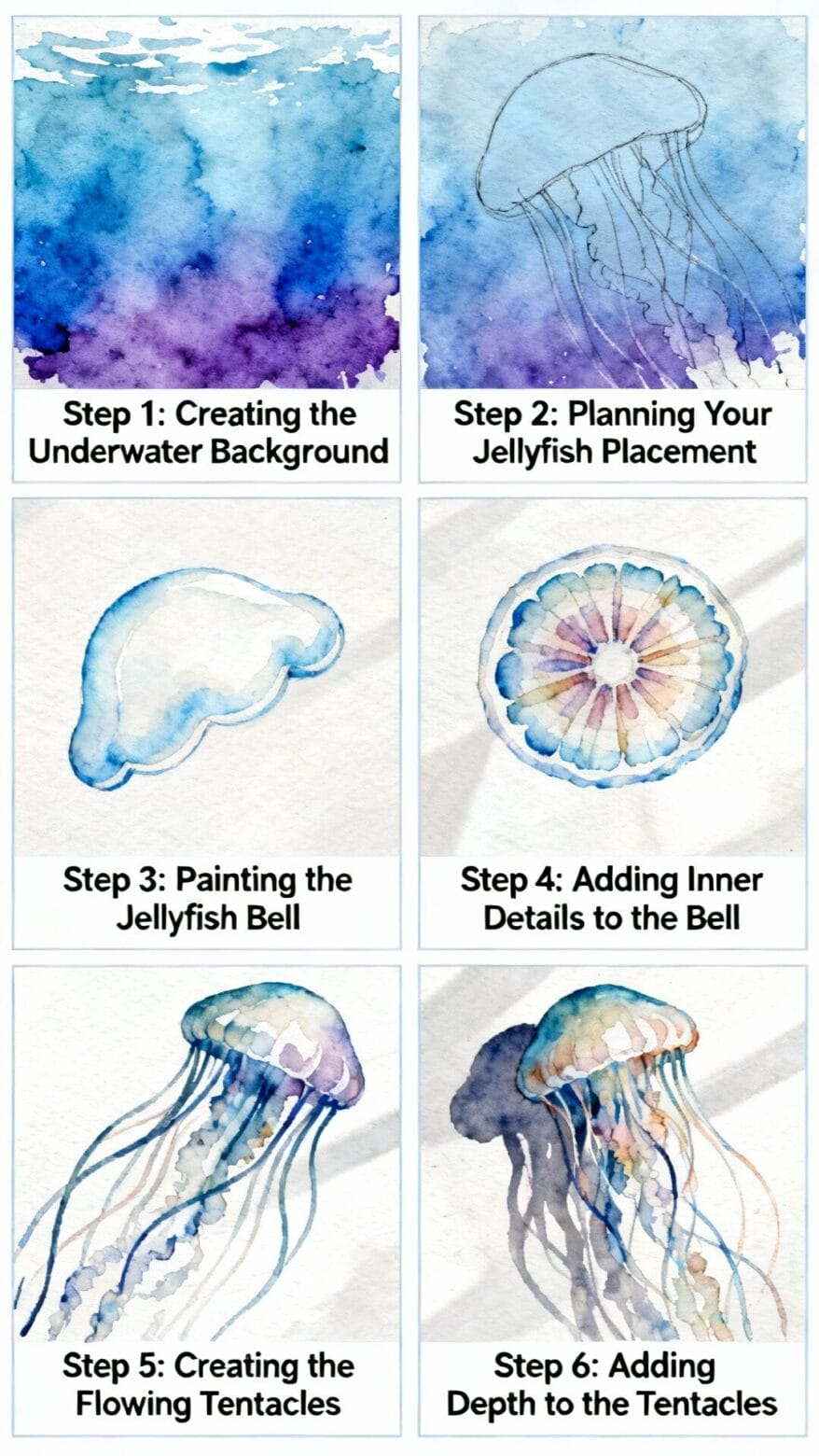
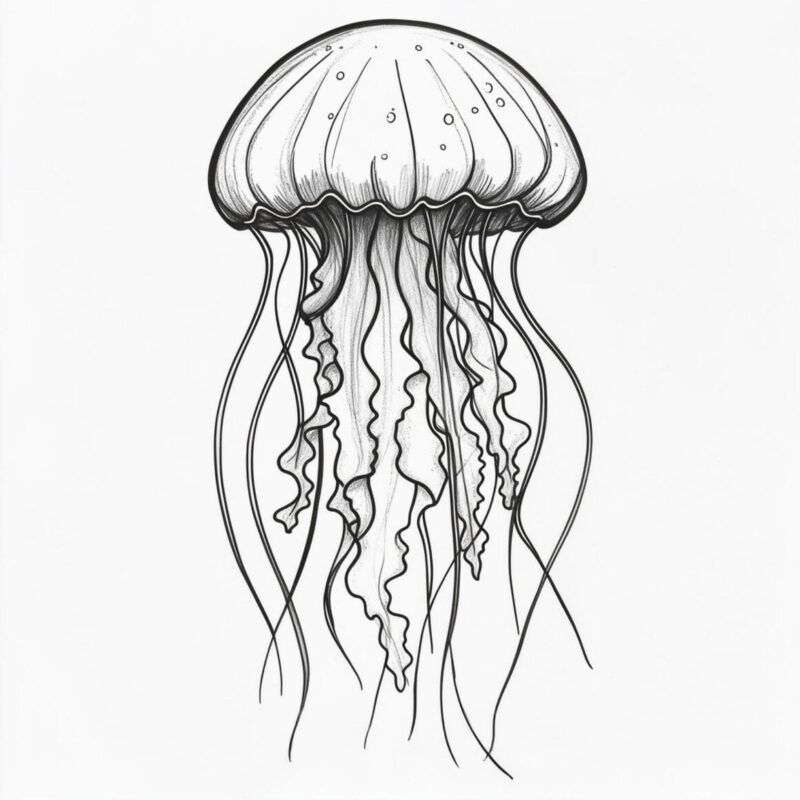
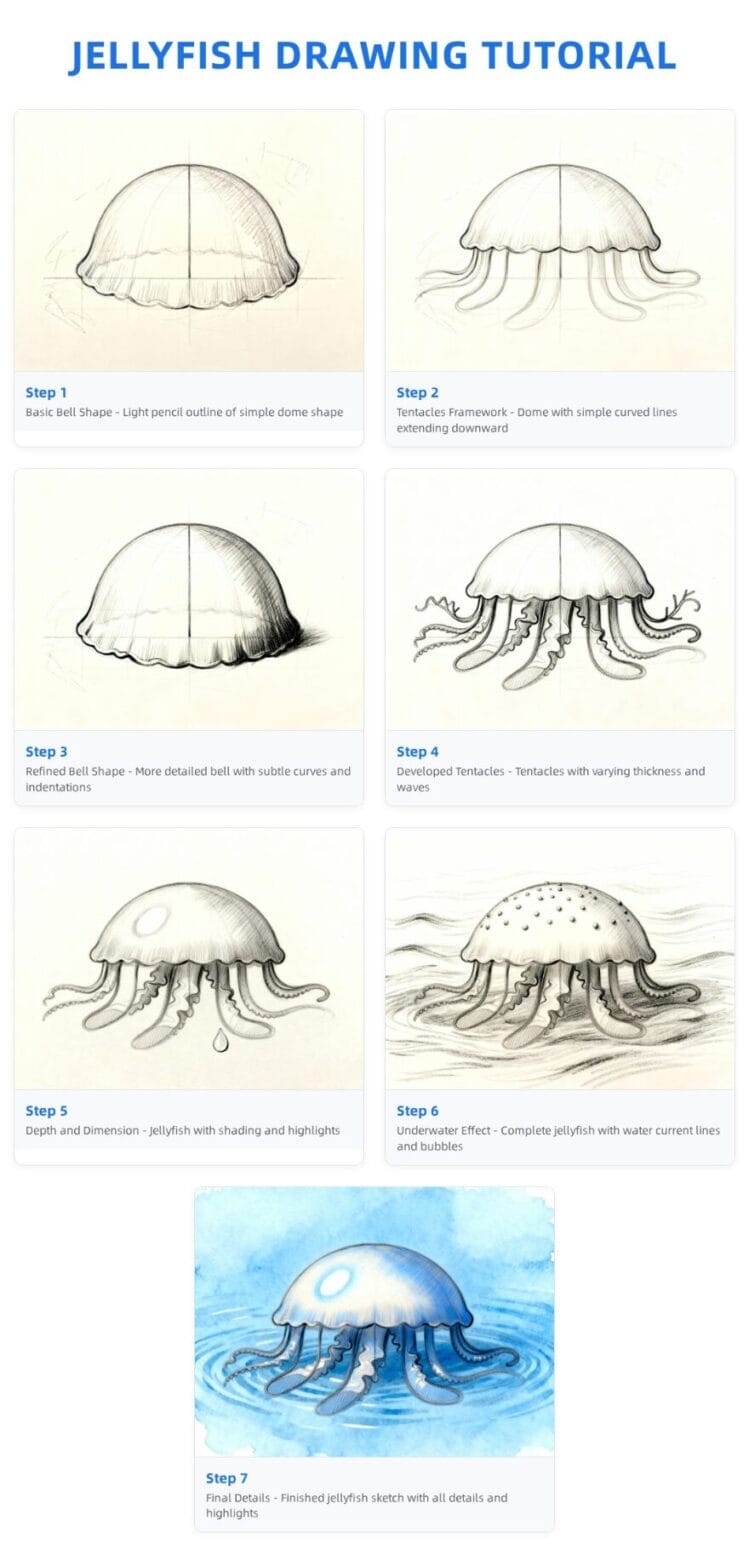
Jellyfish paintings taught me the magic of watercolor’s flowing nature. These ethereal creatures are ideal for practicing wet-on-wet techniques and understanding how watercolors naturally bloom and spread.
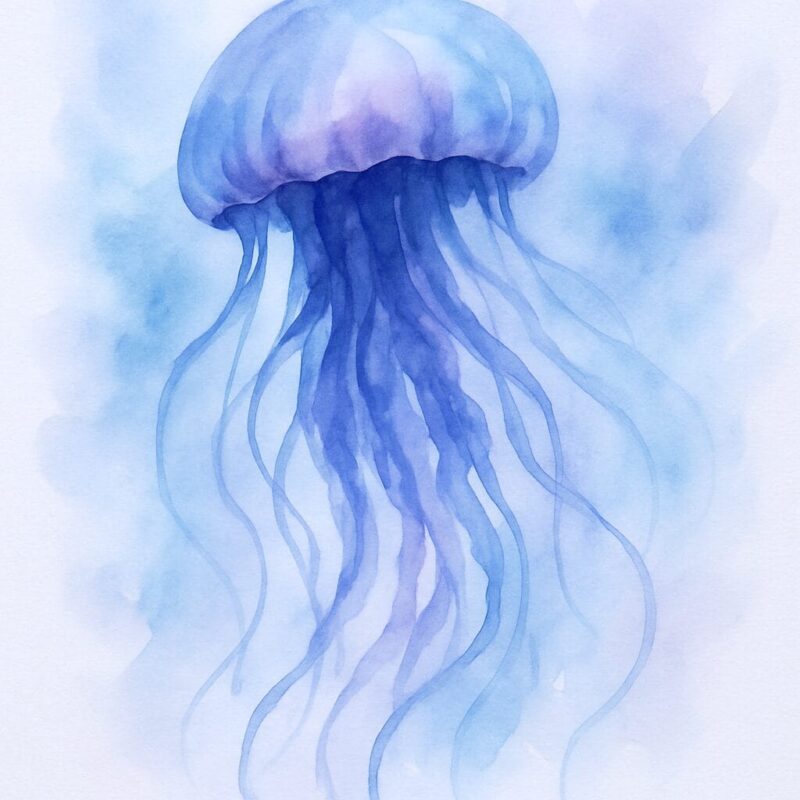
I begin by wetting the paper where the jellyfish bell will be, then drop in diluted blues and purples, watching them dance and merge. The tentacles are painted with quick, confident downward strokes using a liner brush. I’ve learned that the less I try to control the paint, the more natural and jellyfish-like the result appears. Adding a touch of white gouache for highlights creates that translucent, otherworldly effect that makes these paintings so captivating.
3. Expressive Chimpanzee
Painting a chimpanzee face was initially daunting, but I discovered it’s actually quite beginner-friendly. The key is focusing on the eyes and basic facial structure rather than getting caught up in complex details.
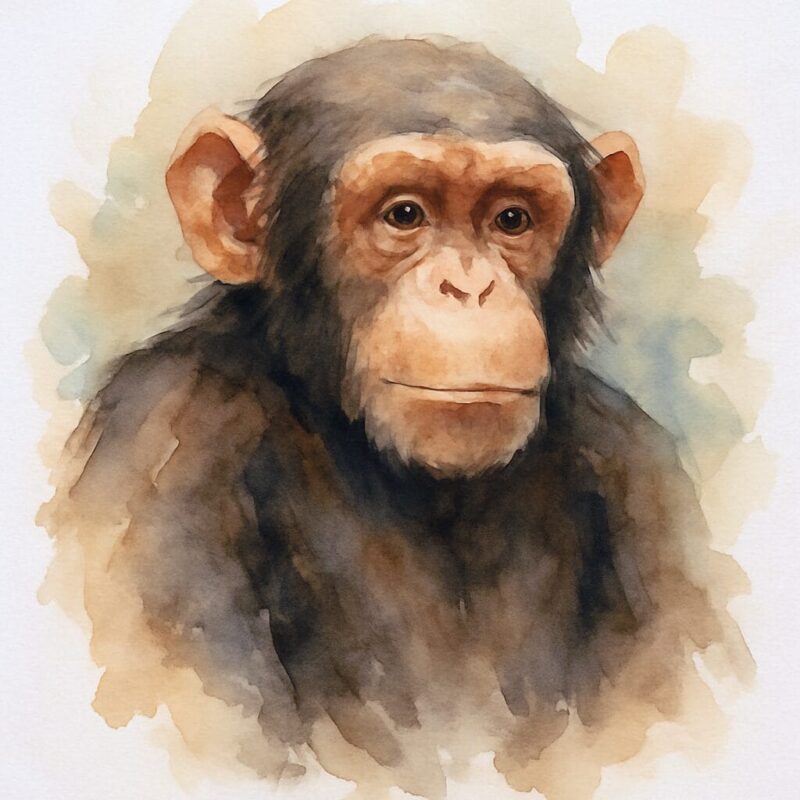
I use raw umber and burnt sienna as my base colors, building up the form with simple washes. The eyes are crucial – I paint them with care, leaving small white highlights to bring life to the face. What I love about chimpanzee portraits is how expressive they can be with just a few well-placed brushstrokes. The loose, sketchy quality that comes naturally to beginners actually works perfectly for depicting their wild, natural character.
4. Simple Flowers
Flowers were my gateway into understanding color mixing and brush control. I started with simple five-petaled flowers, which taught me fundamental watercolor techniques without overwhelming complexity.
My approach is to paint each petal with a single brushstroke when possible, varying the pressure to create natural petal shapes. I mix colors directly on the paper, allowing petals to have subtle color variations. For centers, I use small dabs of yellow or orange. Leaves are painted with simple brushstrokes in various greens. The beauty of watercolor flowers lies in their loose, impressionistic quality – they don’t need to be botanically perfect to be beautiful.
5. Peaceful Landscape
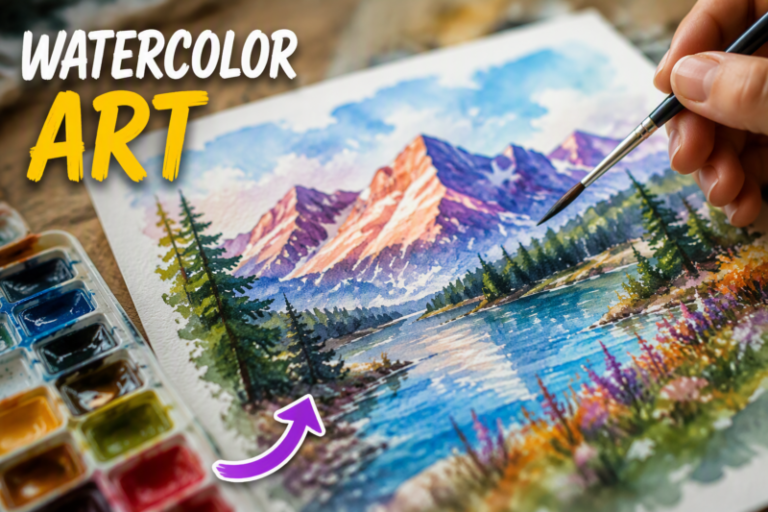
Landscape painting opened my eyes to the power of layering and atmospheric perspective in watercolors. I begin with simple mountain silhouettes, which are perfect for practicing gradual color transitions.
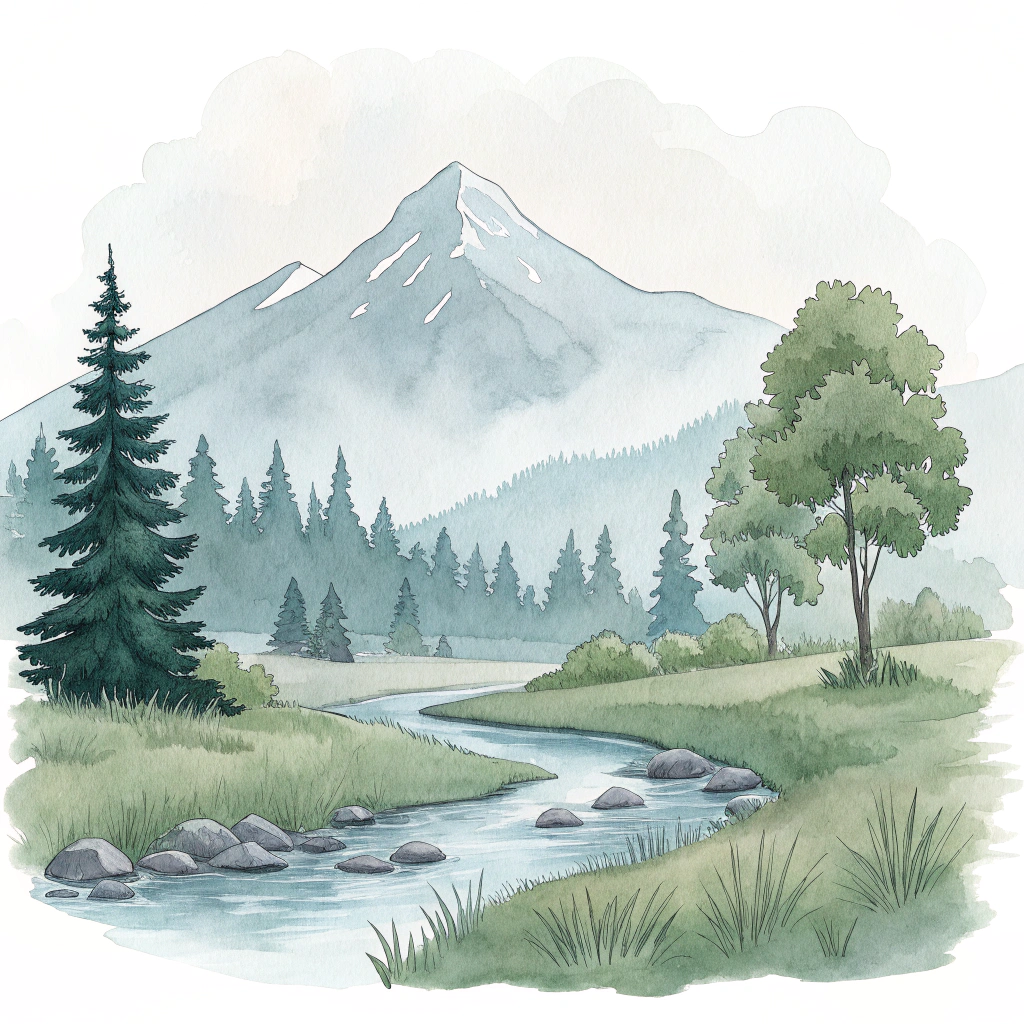
My typical approach starts with a light wash for the sky, often using diluted blues or warm sunset colors. While this is still damp, I paint distant mountains with cooler, lighter colors, then add progressively darker and warmer colors for closer elements. Trees are simplified into basic shapes rather than detailed foliage. The magic happens in the layering – each subsequent layer adds depth and dimension to the painting.
6. Elegant Swan
Swans taught me how to paint white subjects using watercolors – a technique that initially seemed impossible. The secret is painting everything around the swan rather than the swan itself.
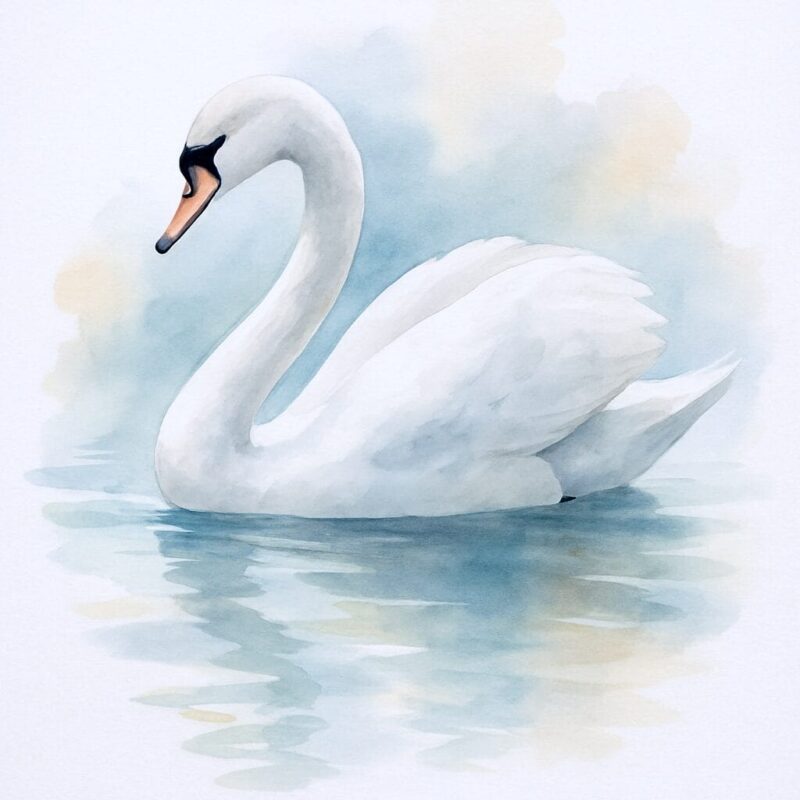
I start by carefully painting around the swan’s silhouette with blues and greens for the water, leaving the bird mostly white paper. Then I add subtle shadows using very diluted cool grays and blues on the swan’s body to give it form and dimension. The neck’s graceful curve is emphasized through careful negative space painting. This subject taught me the importance of patience and planning in watercolor painting.
7. Cuddly Brown Baby Bear
Baby bears combine the charm of young animals with the earthy, warm colors that are so satisfying to work with in watercolors. Their round, fuzzy forms are forgiving and fun to paint.
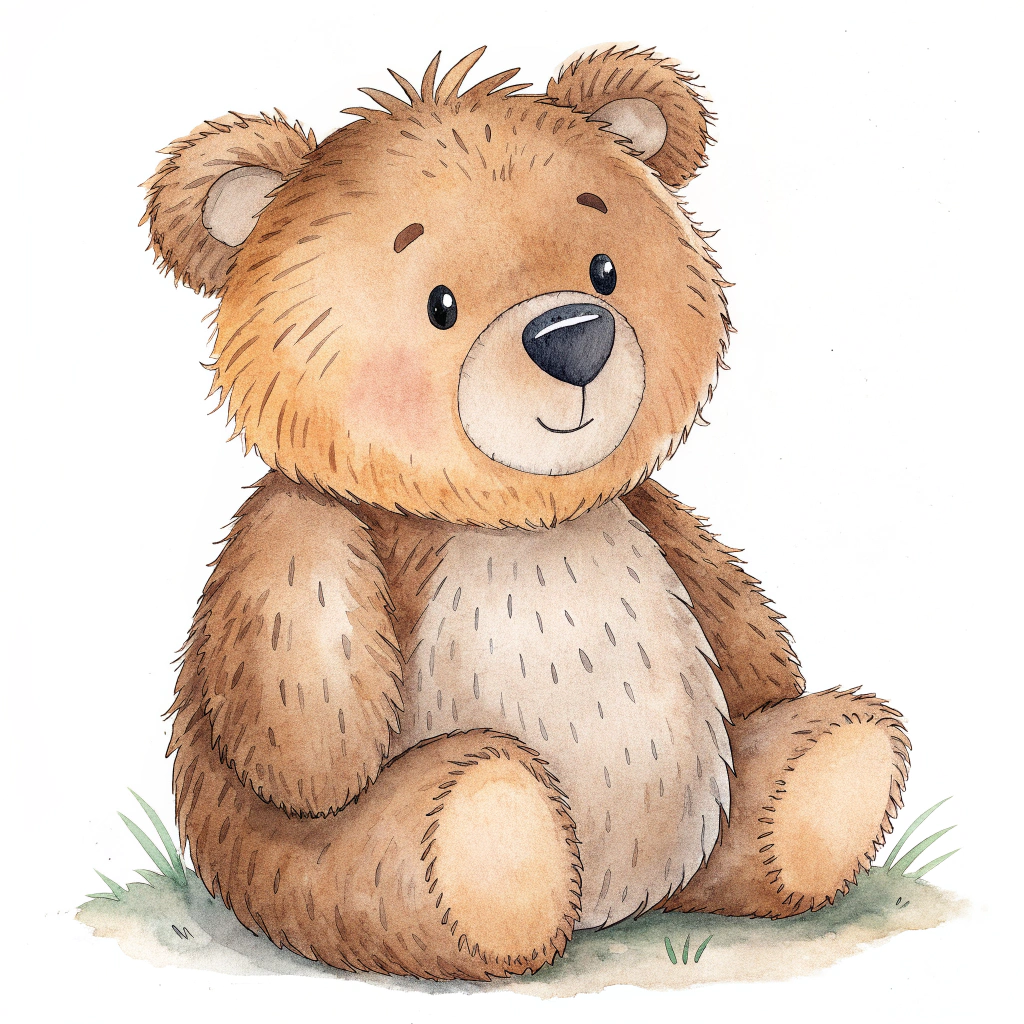
I use raw umber, burnt sienna, and yellow ochre to create various brown tones. The key is building up the form gradually with loose, scratchy brushstrokes that suggest fur texture. I pay special attention to the ears and snout, which give the bear its characteristic baby-like appearance. Adding a few highlights with slightly diluted white gouache helps create that soft, cuddly fur texture that makes these paintings so endearing.
8. Delicate Butterfly
Butterflies introduced me to the joy of painting intricate patterns while maintaining watercolor’s spontaneous quality. I focus on capturing the essence rather than exact wing patterns.
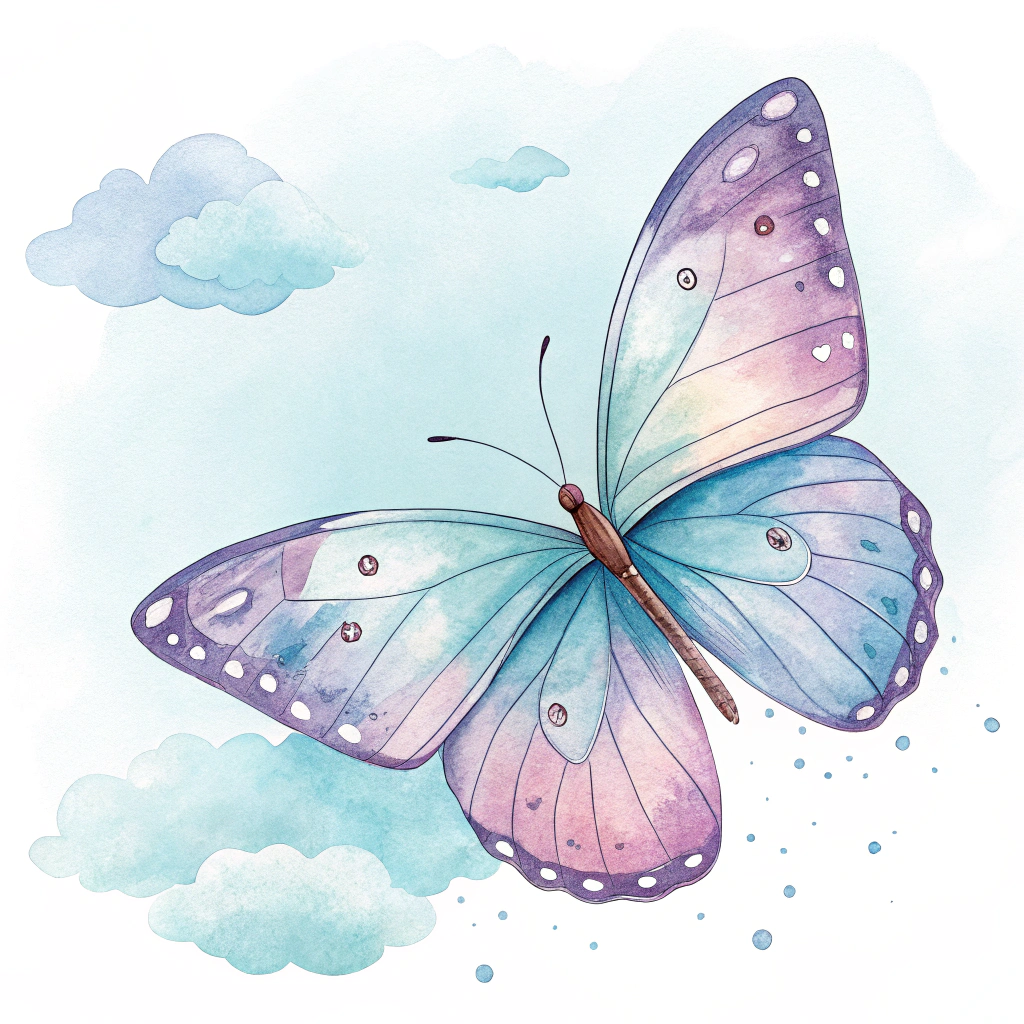
I start with the basic wing shapes, then add colors wet-on-wet, allowing them to blend naturally. While the paint is still damp, I add darker spots and patterns with the tip of my brush. The body is painted with a simple dark line. What I’ve learned is that symmetry isn’t crucial – slight irregularities make the butterfly appear more natural and lively. The transparency of watercolors perfectly captures the delicate nature of butterfly wings.
9. Dreamy Sunset
Sunset paintings taught me color theory and the beauty of gradual transitions. They’re perfect for practicing smooth color blends and understanding warm color relationships.
I wet the entire sky area, then apply warm colors from light to dark – starting with yellow at the horizon, blending into orange, then red, and finally purple at the top. The key is working quickly while the paper is damp and allowing colors to flow into each other naturally. Silhouettes of trees or mountains added while the sky is still slightly damp create beautiful soft edges that enhance the dreamy quality.
10. Flowing Tree
My final recommendation is a simple tree study, which brings together many fundamental watercolor techniques. Trees are endlessly varied and forgiving subjects that allow for creative interpretation.
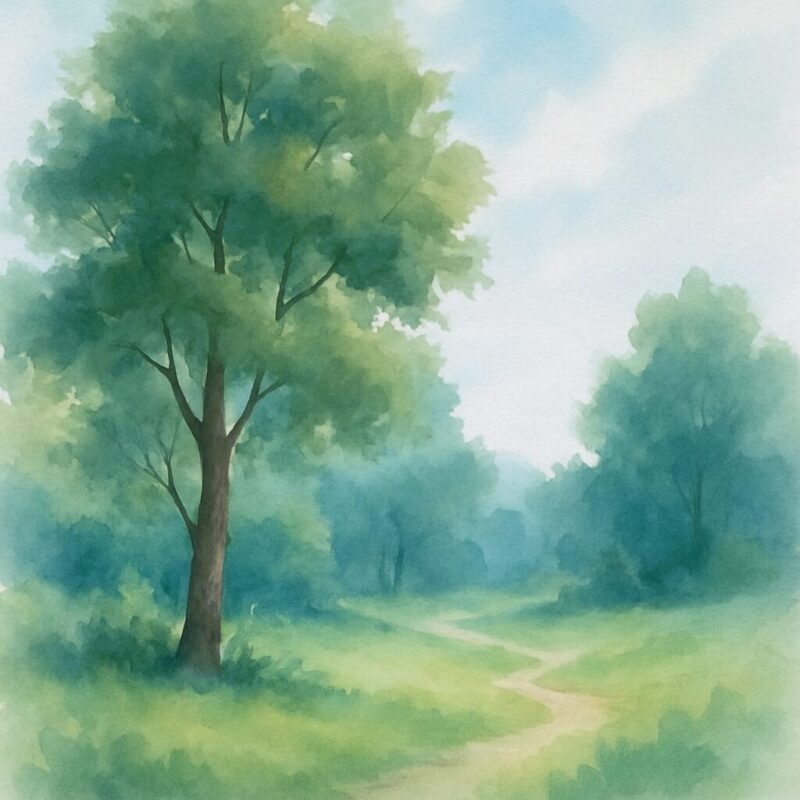
I start with the trunk using vertical brushstrokes in various browns, then add branches with confident, gestural strokes. For foliage, I use a combination of wet-on-wet and wet-on-dry techniques, dropping in greens and allowing them to blend naturally. The key is to think of the tree as masses of color and light rather than individual leaves. This approach creates paintings with energy and life.
Conclusion
These ten subjects have been my companions throughout my watercolor journey, each teaching me different aspects of this beautiful medium. What I’ve discovered is that watercolor painting isn’t about perfection – it’s about embracing the medium’s natural qualities and finding joy in the process.
Each of these subjects offers unique learning opportunities while remaining accessible to beginners. The baby duck teaches soft textures, the jellyfish demonstrates flowing techniques, flowers introduce color mixing, and landscapes explore atmospheric effects. Together, they provide a comprehensive foundation for any beginning watercolorist.
Remember, the most important advice I can give is to embrace happy accidents. Watercolors have a mind of their own, and some of my most treasured paintings came from unexpected color bleeds or surprising brush effects. Start with these simple subjects, be patient with yourself, and most importantly, enjoy the meditative and rewarding process of bringing these beautiful subjects to life with water and pigment.
The journey of a thousand paintings begins with a single brushstroke. Pick up your brush, choose one of these inspiring subjects, and let your watercolor adventure begin.

A Teacher with 5 years of experience. Our Expertise, is reliable to meet your full Academic development needs . Worked on many crafts and construction projects offering services from design to development to deployment over the years. You will find many of my works in my business portfolio on request.