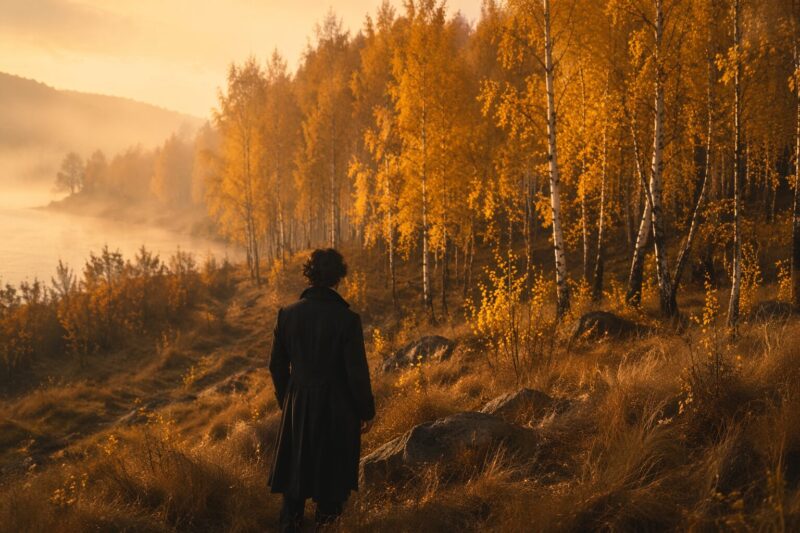
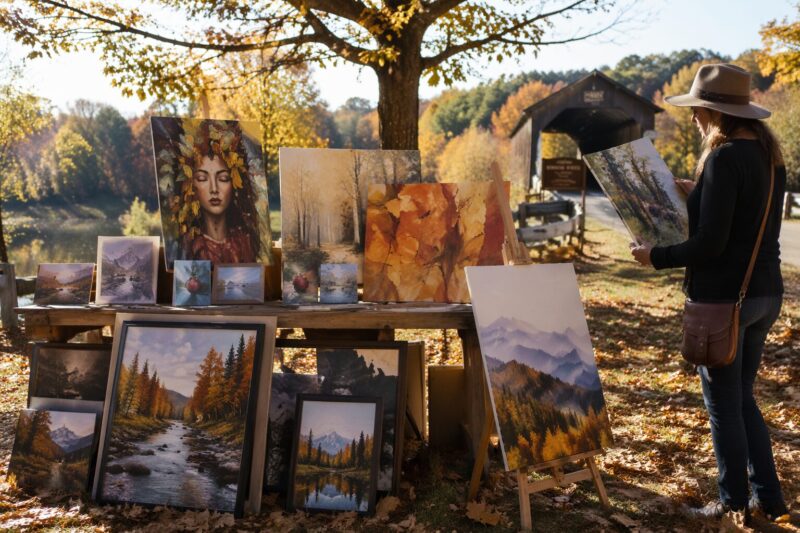
What makes a truly memorable fall art piece stand out from seasonal decoration? Fall art is the conscious creation of beautiful or meaningful work that captures the unique atmosphere of autumn. It uses skill and imagination to translate the season’s dramatic transformation into visual form. The fleeting light, the shift in color from green to gold, and the rituals of harvest all fuel this creative drive.
Whether you are planning a gallery visit or starting your own sketchbook project, understanding fall art’s deeper roots makes the work more rewarding. This piece covers the definition, historical background, recurring themes, and practical examples that define this seasonal genre.
Quick Questions and Answers
Question: Why is fall art so popular with artists and viewers?
Answer: Fall art is popular because the season offers vibrant colors and dramatic rituals as nature prepares for winter. Artists use these elements to reflect on the passage of time and celebrate daily bounties like pumpkins and gourds. This vivid natural show inspires creative work that captures the unique beauty of autumn landscapes.
Question: Can beginners create fall art projects at home?
Answer: Yes, beginners can create many simple fall art projects using everyday materials. Popular options include leaf rubbings with crayons, pressed flower mandalas, and painting autumn still lifes with pumpkins. These activities require minimal time, often just 15 to 20 minutes for basic projects.
Question: Do famous artists historically paint fall scenes?
Answer: Yes, many famous artists across history have created works celebrating the fall season. Examples include Claude Monet’s seasonal “Haystacks” and Giuseppe Arcimboldi’s “Autumn” portrait from his flora-based series. These artworks explore the spirit of autumn and the changing colors of nature.
Key Takeaways
Fall art is defined by intentional creation using skill and imagination, not by accident or simple decoration.
The season’s aesthetic diversity — what poet Stanley Horowitz called a “mosaic” — gives artists an unusually rich palette.
Art history has studied seasonal landscapes for centuries, with autumn serving as a bridge between traditional techniques and modern color theory.
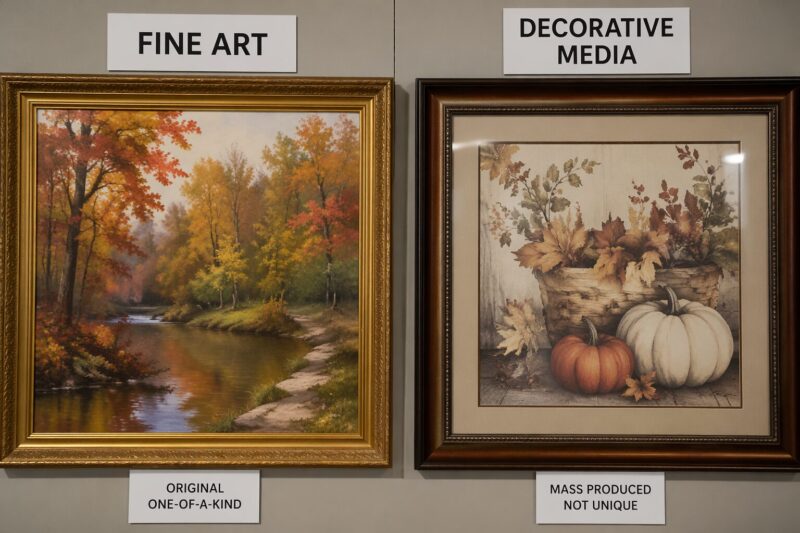
Understanding the difference between fine art and decorative media helps clarify why some fall-themed works are considered art while others are crafts.
Modern trends include digital art exploring fall aesthetics and mixed-media approaches that blend painting, photography, and collage.
The Core Philosophy Behind Fall Art
Art, at its most basic level, is the conscious use of skill and imagination to create something meaningful or beautiful. This definition comes from ThoughtCo, which explains that there is no single universal definition, but a general consensus exists around intentional expression. Fall art fits this definition perfectly. The artist makes deliberate choices about color, composition, and subject matter.
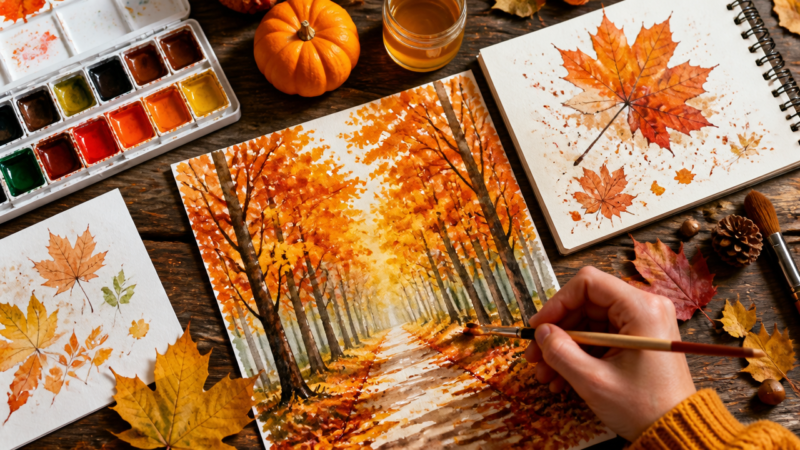
Fall-inspired art thrives on seasonal transitions. The shift from summer’s lush greens to autumn’s oranges, reds, and golds provides a natural drama. Artists do not just copy what they see. They interpret the change. A single maple leaf can become a study in light, texture, and impermanence.
Stanley Horowitz captured this well with his poetic observation that “winter is an etching, spring a watercolor, summer an oil painting, and autumn a mosaic of them all.” He identified autumn’s unique quality. It combines elements of all other seasons. The crisp lines of winter etching, the fluid washes of spring watercolor, and the rich density of summer oil painting all coexist in autumn. This mosaic quality gives fall art a complexity that other seasonal art often lacks.
Historical Significance of Seasonal Landscapes
Art history, as we know it today, began formalizing in the nineteenth century. According to Britannica, it involves identifying, classifying, describing, and evaluating visual arts to understand their cultural and historical significance. Seasonal landscapes have always been part of this study. Fall, in particular, appears again and again across different periods and movements.
The nineteenth century also saw the rise of Romanticism. This movement shifted art away from classical structures and toward the sublime, the emotional, and the physically beautiful. Saatchi Art notes that one of the first works considered true fine art was James Abbott McNeil Whistler’s “Nocturne in Black and Gold: The Falling Rocket.” Whistler used color and mood to convey abstraction rather than literal representation. The painting’s atmosphere matters more than its subject. This approach opened the door for fall art to be about feeling, not just accurate leaf shapes.
Fall became a recurring subject that let artists bridge historical techniques with modern ideas. Traditional oil painting methods could capture the texture of dry leaves and the glow of low autumn light. At the same time, color theory offered new ways to think about complementary colors — the orange of a pumpkin against the purple-gray of a stormy autumn sky.
Notable Examples and Artistic Interpretations
Historical Works
Claude Monet’s “Haystacks” series includes multiple paintings of the same subject at different times of day and seasons. His autumn versions show the haystacks bathed in warm golden light, with shadows shifting to violet and blue. Monet was not just painting a haystack. He was painting light itself.
Giuseppe Arcimboldi, a sixteenth-century Italian painter, created a famous “Autumn” portrait using fruits, vegetables, and plants. The face in the portrait is built from a pear, a mushroom, and a pumpkin. This work combines portraiture with still life and seasonal symbolism. It reminds viewers that autumn is a time of harvest and abundance.
Contemporary Approaches
Modern artist communities often use the fall season as a primary study for nature-inspired wellness and environmental awareness. The Healing Power of ART & ARTISTS features numerous contemporary artists who create fall-themed work to explore themes of change, mortality, and renewal. The season’s visible decay — falling leaves, dying plants — becomes a metaphor for human experience.
Photographers also flock to autumn. The quality of light changes dramatically. The sun sits lower in the sky, casting long shadows and warm tones. Landscape photography during this season requires different settings than summer or winter photography. White balance shifts, and contrast increases. Many photographers consider autumn the most technically challenging and rewarding season.
Fine Art vs. Decorative Media
A key distinction in understanding fall art is the difference between fine art and decorative or applied arts. Wikipedia explains that after the seventeenth century, fine arts were separated from acquired skills in general. Fine art prioritizes aesthetic considerations. Decorative art has a practical function.
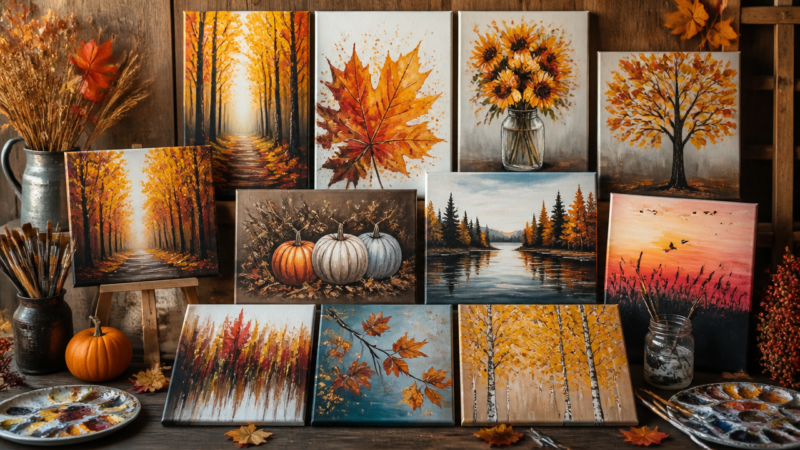
This distinction matters for fall art. A carved pumpkin on a porch is decorative. It serves a function — lighting, celebration, tradition. A painted still life of pumpkins in a gallery is fine art. Its purpose is purely aesthetic. The same subject matter can cross categories. The difference lies in intent.
Understanding why an artist falls into historical or contemporary categories also depends on their thematic focus. For Art History provides a glossary of terms that help classify artists. Abstract fall art, for example, communicates meaning through lines, shapes, colors, and forms rather than imitating material objects. This abstract approach often places an artist in a contemporary framework.
A quick comparison of the categories:
Category
Purpose
Example
Primary Focus
Fine Art
Aesthetic appreciation
Painted autumn landscape
Color, composition, emotion
Decorative Art
Utility + beauty
Hand-painted fall plate
Function with seasonal motif
Craft
Skill demonstration
Pressed leaf bookmark
Technique and material
Digital Art
Aesthetic + distribution
Autumn-themed digital illustration
Color palette and mood
Latest Trends in Seasonal Artistic Expression
Current trends in fall art show a move toward digital experimentation. Artists use software to create mood-based color palettes inspired by autumnal shedding and leaf decay. The textures of dried leaves, the rough surface of a pumpkin, and the soft decay of fallen fruit all translate well into digital brushwork.
Mixed-media approaches are also popular. Artists combine traditional painting with photography and collage. A painter might start with a photograph of a forest in October, print it on canvas, and then paint over sections with oils. This technique echoes Horowitz’s mosaic concept. Different media layers create a complex final image.
Social media has shaped how fall art is shared and consumed. Platforms like Instagram and Pinterest favor high-contrast, warm-toned images. Autumn’s natural palette fits these algorithms perfectly. Many artists now create specifically for these platforms, using the season’s aesthetics to grow their audience.
In Practice: Creating and Appreciating Fall Art
For Artists
If you want to create fall art, start with observation. Walk through a park or woodland. Notice how light filters through leaves. Pay attention to the specific shades — not just “orange” but the difference between burnt sienna, cadmium orange, and raw umber.
Build a reference collection. Take photographs. Collect leaves, acorns, and bark. Arrange still lifes on a table with natural light. The physical objects give you texture to study. The photographs give you color reference.
Consider working in series. A single subject — a specific tree, a pumpkin patch, a view from a window — painted or drawn repeatedly shows how autumn changes. This approach also builds skill more quickly than jumping between subjects.
For Viewers
When looking at fall art, ask yourself what the artist emphasized. Is the work about color? Light? Texture? Emotion? A painting that focuses on the deep orange of a maple leaf might be celebrating pure visual pleasure. A darker work with browns and grays might be commenting on mortality or the end of a cycle.
Check the date. Many historical fall paintings were created during the Romantic period in the nineteenth century. Those works often carried symbolic meaning about human emotion and the sublime power of nature. Contemporary works might be more direct, focusing on the physical experience of the season.
My Experience With Fall Art
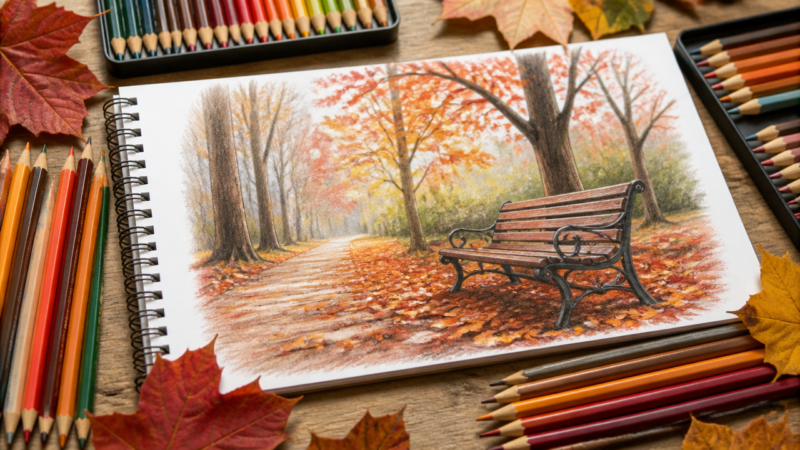
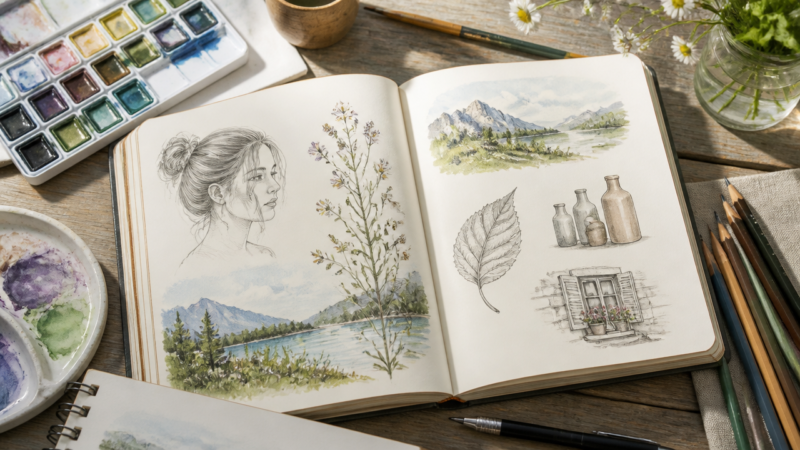
I have spent many afternoons outdoors with a sketchbook, trying to capture autumn light before it vanishes. It is humbling. The colors shift minute by minute. What looks like warm gold at 3 pm turns to deep amber by 4 pm. By 4:30, the light is gone entirely. You learn to work fast.
The best insight I have picked up is this: autumn is not about the leaves. It is about the space between leaves. The negative space holds the composition together. Look at the sky showing through bare branches. That contrast — bright sky against dark bark — is what gives fall art its structure.
I still make mistakes. I overmix colors. I lose the freshness of a first wash. But every sketch teaches something new about how light behaves at this time of year. If you have tried fall art before, what surprised you most about working with autumn light?
FAQ
Q: Are there specific colors used in fall art?
Fall art typically features vibrant, warm colors like reds, oranges, yellows, and deep browns that mimic dropping leaves. Artists capture these seasonal hues to depict the final show of color before winter darkness. Pumpkins, gourds, and apples also provide rich, textured subjects for these color palettes.
Q: How do I make people fall in love with my art?
To make people fall in love with your art, focus on giving your work context and a compelling story rather than just perfect technique. Provide a narrative that connects your paintings to your journey, helping viewers understand your experience and feel compelled to be part of your story.
Q: What are some easy fall art ideas for kids?
Easy fall art ideas for kids include leaf rubbings, creating community-wide leaf murals, and making pressed flower mandalas. These projects use simple materials like crayons, paper, and glue while teaching observation and creativity. Leaf rubbings take only 15–20 minutes, making them perfect for young children.
Q: Will fall art help me sell my artwork?
Creating collections or series of fall-themed art can help you sell your work by developing a recognizable voice and audience trust. Making a lot of art with similar themes, such as autumn landscapes or still lifes, increases discoverability on social media. Listening to audience feedback on what they purchase also guides your sales strategy.
Q: When should I start planning my fall art exhibition?
You should start planning fall art exhibitions well before the season begins to ensure your autumn-themed work is ready for display. Artists often prepare series of 3–5 related paintings or individual pieces that tell a cohesive story about the season. Planning early allows time to gather materials like dried leaves and pumpkins for still life setups.
Q: Which fall art projects are best for outdoor activities?
Fall landscape photography and community-wide leaf murals are excellent outdoor art projects. Photography lets you capture natural beauty while learning composition and lighting, while leaf murals bring communities together using large paper and fall-colored cutouts. Both activities celebrate the season’s lively beauty in natural settings.
Q: Is fall art only about painting leaves?
No, fall art includes diverse subjects beyond just painting leaves, such as autumn still lifes, mandalas, and photography. Artists also explore themes like the passage of time, harvest bounties, and seasonal rituals using pumpkins, gourds, and apples. These projects help improve observational skills and capture the full scope of autumn.
Conclusion
Fall art is more than foliage. It is a historical study of how seasons influence human perception of beauty. The distinction between fine art and general creative works often lies in the shift from functional necessity to pure aesthetic intentionality. Whether you are looking at a Monet haystack or your own leaf rubbing, the same principles apply: observe carefully, work deliberately, and let the season guide your choices.
The temporary nature of autumn — its colors fading, its leaves falling — gives fall art an urgency that other seasonal art lacks. That urgency pushes artists to work with focus and intention. It is why fall art remains one of the most compelling genres in visual culture.
2026 Trends
Digital tools are making fall art more accessible. New apps allow artists to create layered autumn landscapes using pre-made brushes that mimic leaf textures and watercolor washes. Expect more artists to combine traditional plein air painting with digital editing. The mosaic quality that Horowitz described is becoming literal, as artists stitch together photographs, paintings, and digital elements into single compositions.
References
The Healing Power of ART & ARTISTS. (n.d.). Autumn art by artist members and artists from art history. https://www.healing-power-of-art.org/autumn-art-by-artist-members
DPU Honors. (2024, September 24). Autumn’s artistic renewal: Capturing the beauty of fall in art history. https://dpuhonors.com/2024/09/24/autumns-artistic-renewal-capturing-the-beauty-of-fall-in-art-history
Britannica. (2024). Art history. https://www.britannica.com/art/art-history
Saatchi Art. (n.d.). What is fine art? https://canvas.saatchiart.com/art/art-history-101/what-is-fine-art
For Art History. (n.d.). Keywords. https://forarthistory.org.uk/keywords
ThoughtCo. (2024). What is the definition of art? https://www.thoughtco.com/what-is-the-definition-of-art-182707
My Ruler. (n.d.). 14 manga art ideas you’ll want to draw right now. https://myruler.co.uk/14-manga-art-ideas-you-ll-want-to-draw-right-now/
My Ruler. (n.d.). 12 anime sketch ideas that level up your art without getting stuck. https://myruler.co.uk/12-anime-sketch-ideas-that-level-up-your-art-without-getting-stuck/
A Teacher with 5 years of experience. Our Expertise, is reliable to meet your full Academic development needs . Worked on many crafts and construction projects offering services from design to development to deployment over the years. You will find many of my works in my business portfolio on request.