
Ready to build your dream chicken coop but not sure where to start? You’re in luck! We’ve compiled twelve tried-and-tested chicken coop plans that real homesteaders have built successfully. These aren’t just theoretical designs—they’re actual coops that have housed happy, healthy chickens while withstanding weather, predators, and the test of time. Whether you’re housing three chickens or thirty, have a tiny urban lot or sprawling acreage, there’s a plan here that’s perfect for your situation.
DIY chicken coops bring fresh eggs and backyard charm without breaking the bank. These 12 projects use affordable materials like pallets, PVC, and scrap wood, suiting beginners in small yards or large gardens. Each design prioritizes predator-proofing, ventilation, and hen comfort for sustainable fun.
Pallet Fortress Coop
Stack wooden pallets into a 6×4-foot fortress with wire mesh walls. A slanted pallet roof covered in tarp keeps rain out, housing 6-8 hens on deep straw bedding. This rugged build withstands weather while costing next to nothing.
Start by leveling four pallets for the base—two side-by-side for floor strength. Bolt upright pallets for walls, leaving front gaps for a hinged human door and pop door. Staple hardware cloth over openings, burying edges 12 inches deep against diggers. Hinge the roof pallet at 15 degrees, sealing joints with caulk. Add internal roosts from 2×4 scraps and three nesting boxes from crates.
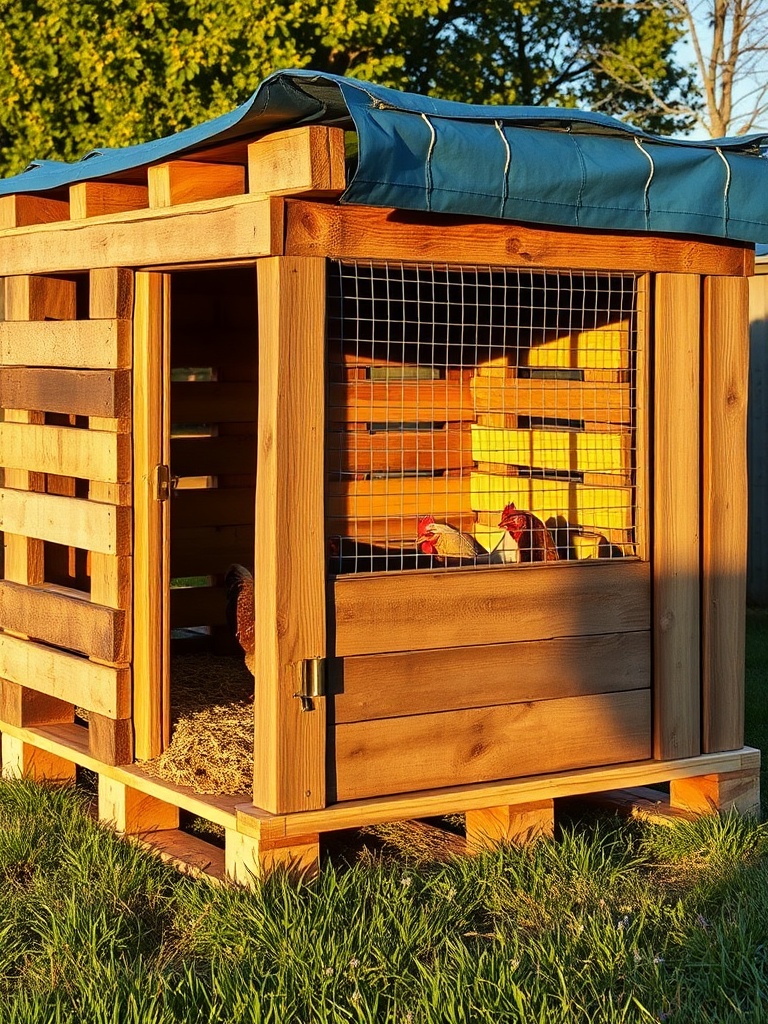
Hens scratch happily inside, dust-bathing in corners. Customize with exterior paint for style. Weekly rake bedding into compost; check bolts seasonally. Build time: 6 hours. Cost: $40. Perfect for rural edges or urban lots craving rustic appeal.
Dresser Nest Haven
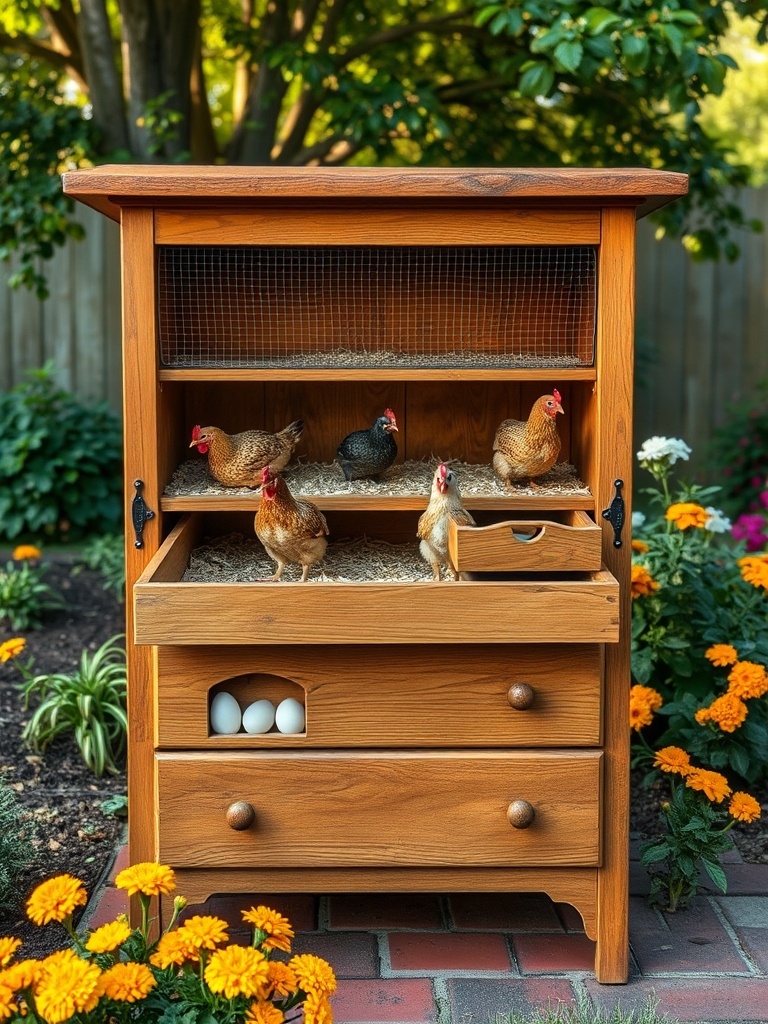
Repurpose a thrift-store dresser into a multi-level nest for 5 hens. Remove drawers, screen slots with mesh, and hinge the lid as a roof. Elevate on bricks for easy cleaning and egg grabs.
Select a solid oak dresser around 3 feet wide. Pry out drawers, cut plywood floors to fit each bay. Install sliding mesh doors per level with barrel bolts. Line with pine shavings; add perches on side rails. Surround base with marigolds to fend off bugs naturally.
Birds roost on upper shelves, laying plump eggs below. Its antique look blends into flowerbeds. Hose clean monthly; refresh shavings bi-weekly. Portability shines for shade chasing. Build time: 3 hours. Cost: $25. Upcycle magic for creative keepers.
(Word count: 112)
A-Frame Wanderer
Plywood and 2x4s form this peaked A-frame on wheels, doubling as a tractor for fresh grass. Corrugated metal caps the roof; mesh run hangs below for 7 hens.
Cut 4×8 plywood into isosceles triangles for ends. Ridge-connect with 2×4 beam. Attach axles and bike wheels to base. Enclose lower triangle in wire, adding flap doors. Hang roosts from peak; tuck nests in base.
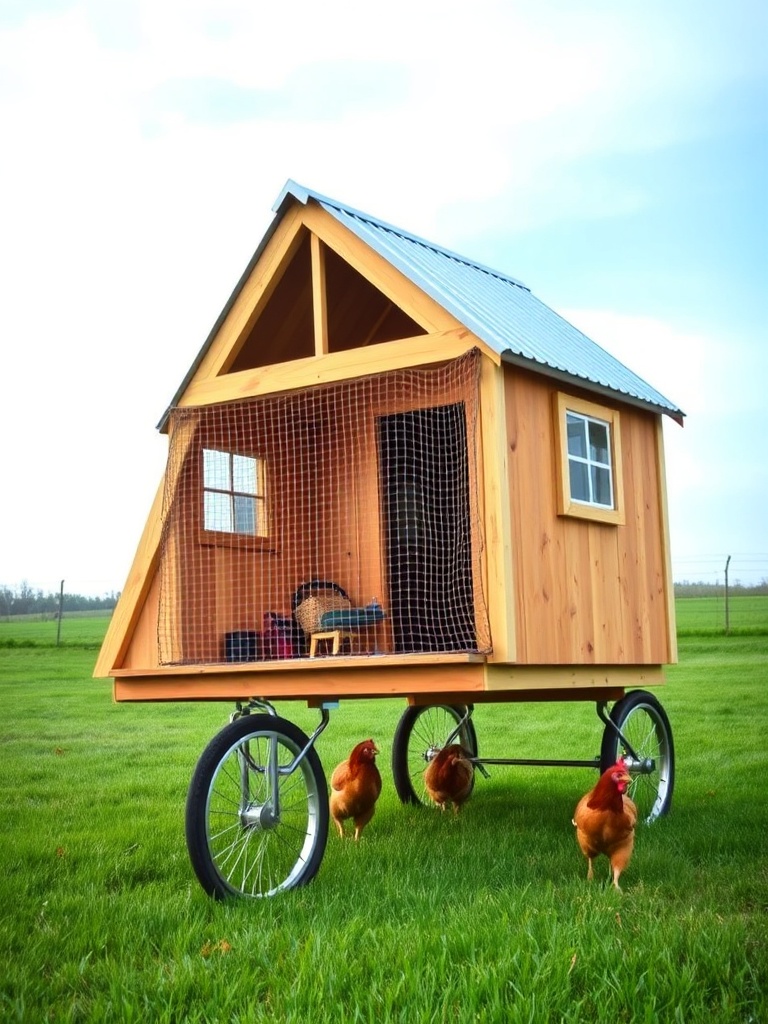
Drag daily to new lawn spots—hens fertilize as they forage. Lightweight at 60 pounds. Winter windbreaks via tarps. Build time: 5 hours. Cost: $65. Mobile joy for pasture rotation.
Barrel Dome Shelter
Halve a 55-gallon plastic barrel for a curved, leg-mounted dome holding 4 bantams. Hinged lid and mesh ends ensure airflow and access.
Jigsaw barrel lengthwise after cleaning. Mount halves on 2×4 legs 2 feet high. Staple aviary netting securely; add latched doors. Straw floor absorbs droppings; perch pipe runs center.
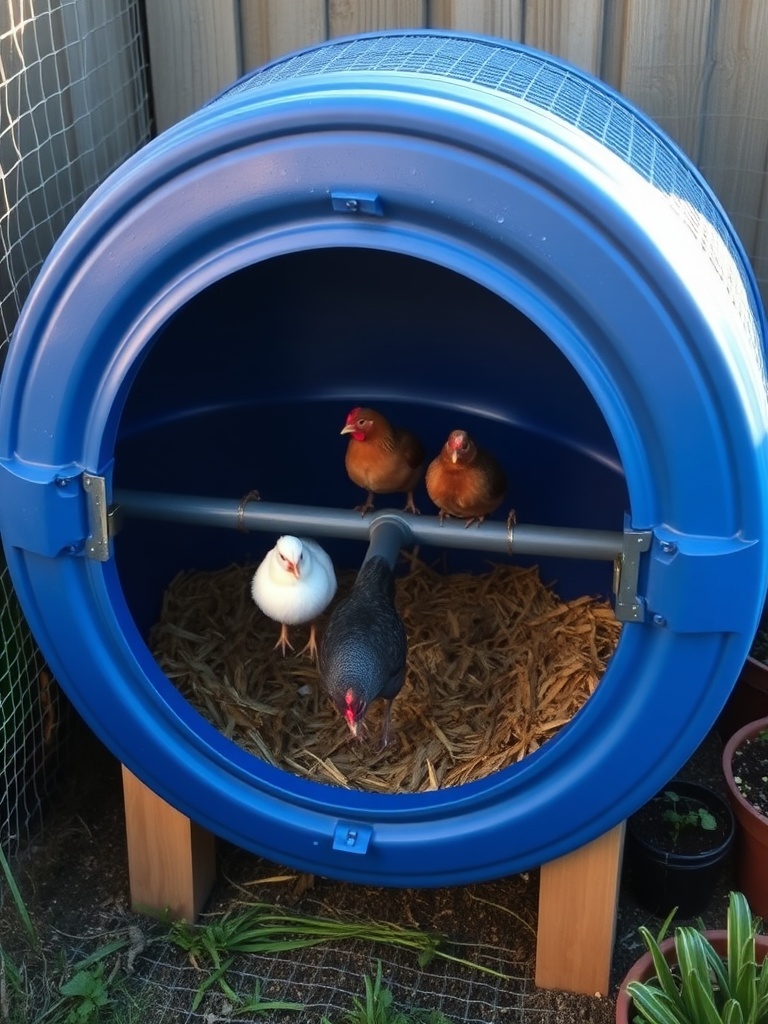
Rain beads off smooth plastic; dawn light warms interiors. Handles aid moves. Spot-clean daily. Build time: 2 hours. Cost: $20. Compact quirky pick for patios.
(Word count: 98)
Mini Shed Station
Reclaimed planks build this gabled shed with run extension for 8 hens. Shingle roof and wire windows create a cozy homestead hub.
Frame 2×4 skeleton: 6×5 footprint. Nail shiplap siding; cut door and vent holes. Ramp to pop door; deep litter inside. Gravel pad base prevents muck.
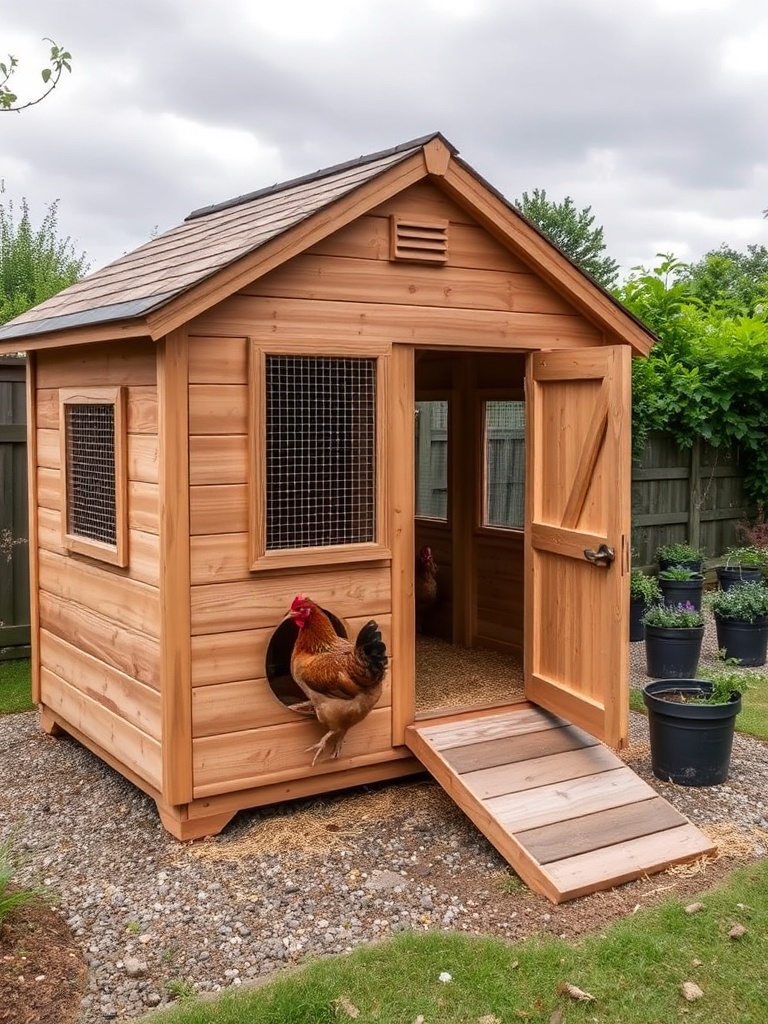
Egg hunts thrill in shadowed nests. Herbs nearby deter mites. Treat wood yearly. Build time: 10 hours. Cost: $110. Family-proof classic.
PVC Tractor Glide
Flexible PVC pipes hoop over a wheeled plywood base, netting-draped for 6 hens. Canvas flaps provide shade; daily drags graze yards clean.
Bend 1-inch PVC into five arches over 4×8 plywood floored with mesh. Zip-tie hoops; stretch poultry netting. Dolly wheels front/back. Internal feeders hang stable.
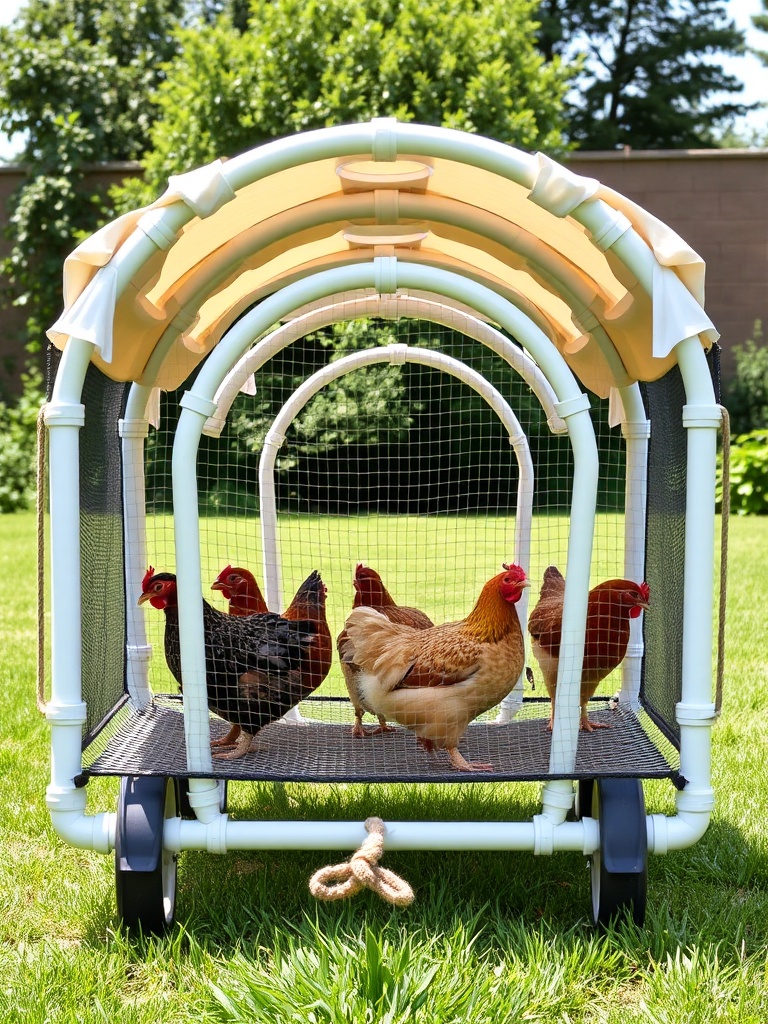
Hens peck slugs underfoot; no-soil parasites. Summer vents open wide. Build time: 4 hours. Cost: $45. Eco-grazer essential.
Cube Elevated Pod
Stack plywood into a 4-foot ventilated cube on cinder blocks. Sloped tin roof and drop ramp suit 5 hens in sleek style.
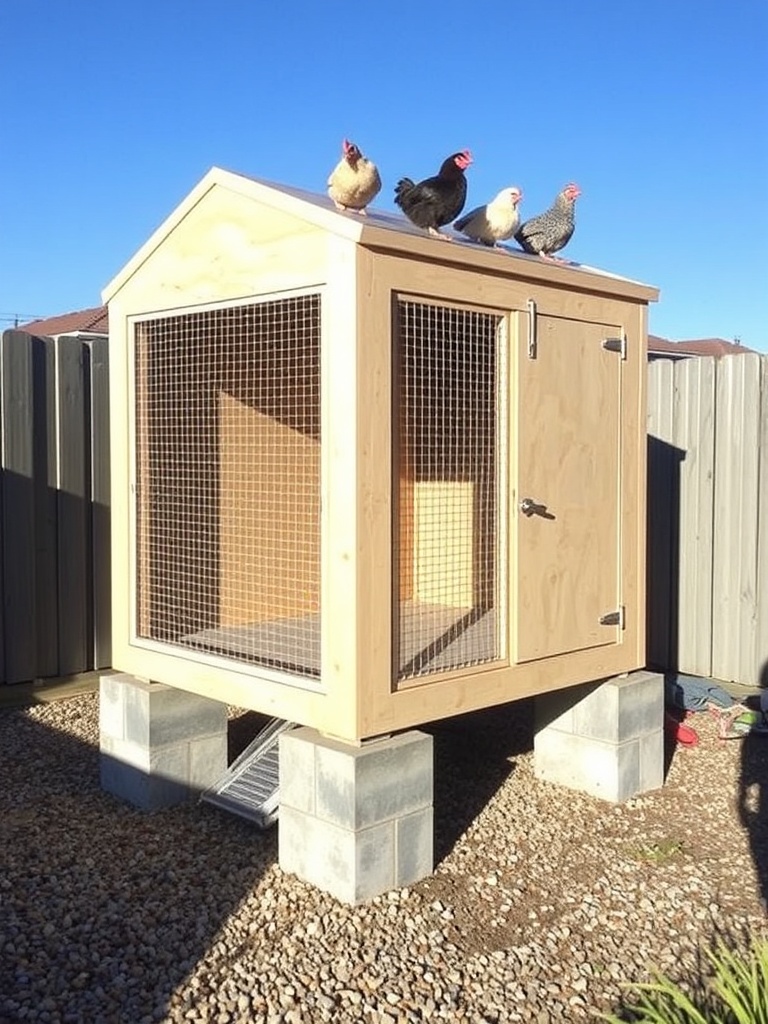
Assemble butt-jointed panels; mesh three sides fully. Ladder roosts climb to flat top perch. Wire floor drops waste to tray. Gravel surrounds drain.
Clean trays slide out easy; modern lines pop. Add run wings later. Build time: 5 hours. Cost: $75. Urban minimalist must.
Fence Lean-To Nook
Scrap lumber leans against fences, forming sloped enclosure for 7 hens. Wire skirt and deep litter maximize tight spaces.
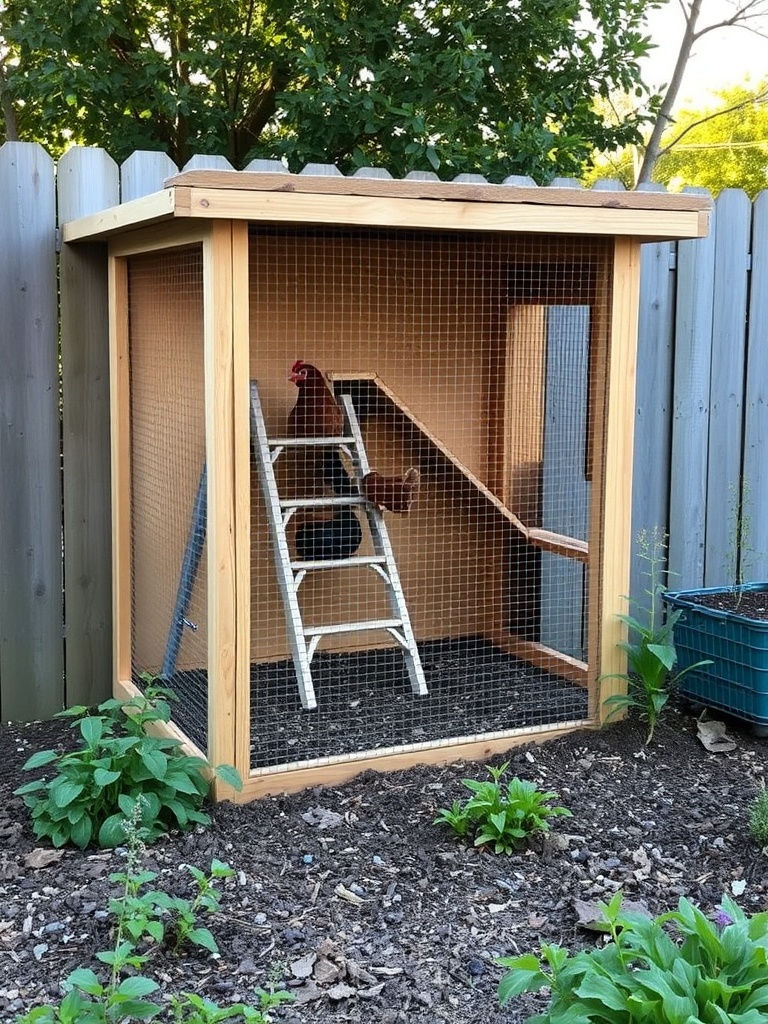
Lag-screw 2×4 frame to fence at 30-degree pitch. Plywood back wall; mesh front/under. Hen ladder from ground; nest shelves inside.
Integrated gardens thrive; eggs peek through. Low wind profile. Build time: 3 hours. Cost: $35. Yard-space wizard.
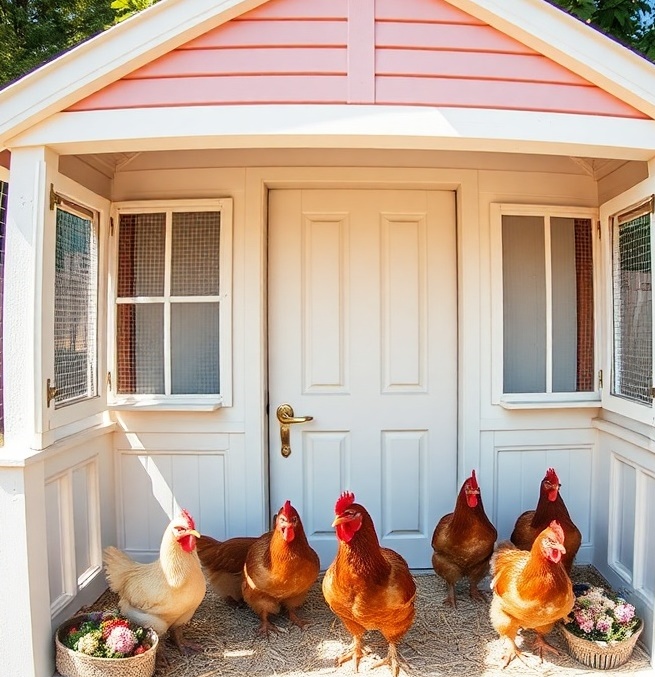
Playhouse Whimsy Castle
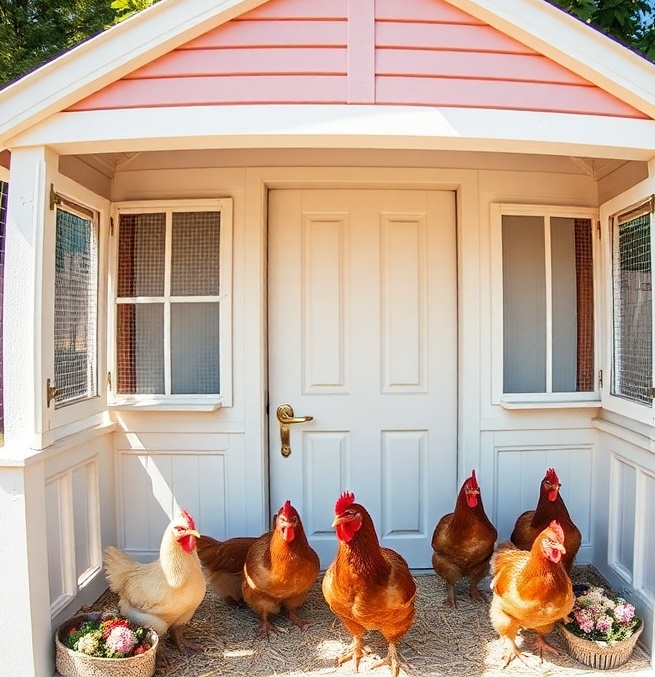
Revamp a kids’ playhouse with screened windows and porch run. Pastel paint houses 6 hens in fairy-tale fun.
Cut vent holes in gables; hinge doors mesh. Ladder roosts to loft nests. Porch gets wire apron. Straw floors everywhere.
Hens parade porch; flowers frame scenes. Kid-approved charm. Build time: 4 hours. Cost: $55. Playful paradise.
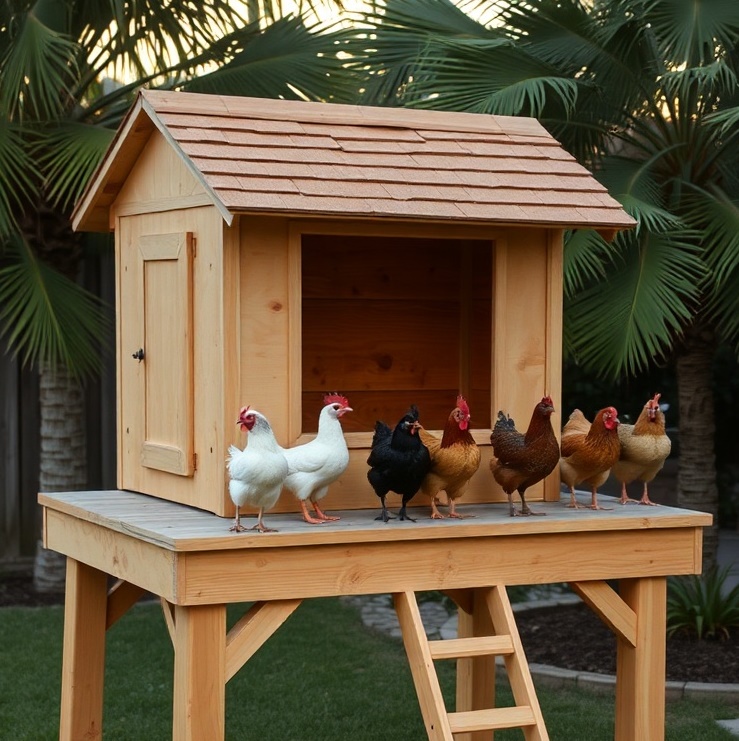
Stilted Platform Palace
4-foot 2×6 legs hoist a box coop high; ramp accesses roosts for 8 hens. Wire floor trays simplify hygiene.
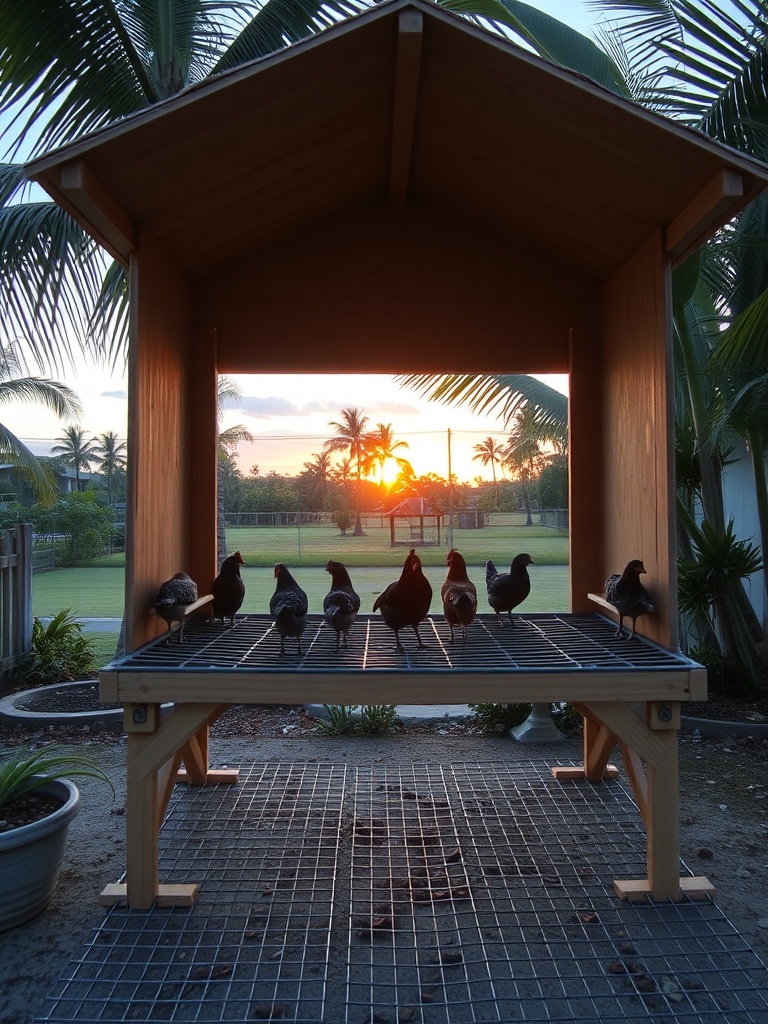
Bolt legs to plywood frame; wall up enclosure. Shingles top sloped roof. Nest row lines one wall; perches opposite.
Panoramic yard views; droppings compost below. Tropical legs block floods. Build time: 7 hours. Cost: $90. Elevated elite.
Tote Trough Haven
Stack overturned plastic totes into walls, lid roof for 4 hens. Mesh doors and legs make it burrow-proof.
Drill vent holes in totes; zip mesh panels. Stack three high on blocks; hinge lid secure. Shavings fill; perches from dowels.
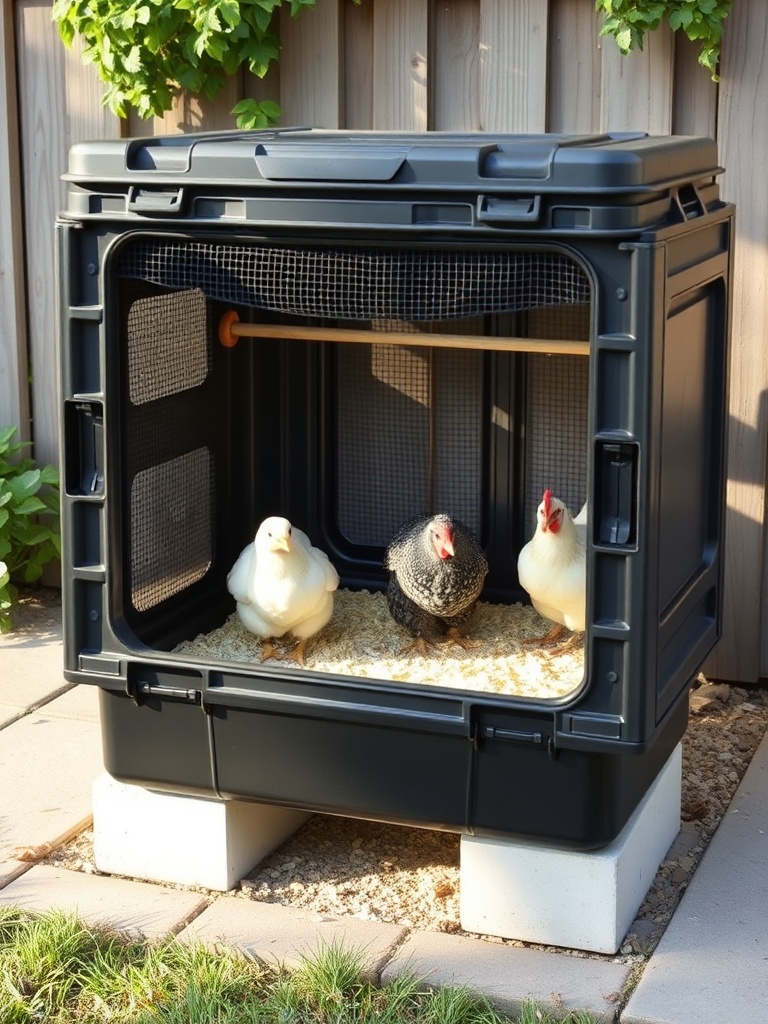
Lightweight hauls easy; hose rinses fast. Budget barrel alternative. Build time: 2 hours. Cost: $15. Tote-tastic starter.
Wagon Wheel Roamer
Old wheelbarrow base gets wood box topper with mesh sides. Handles move 5 hens across gardens effortlessly.
Reinforce barrow tub; frame 2×4 coop atop. Corrugated roof; fold-down run. Straw nests; roost bar spans.
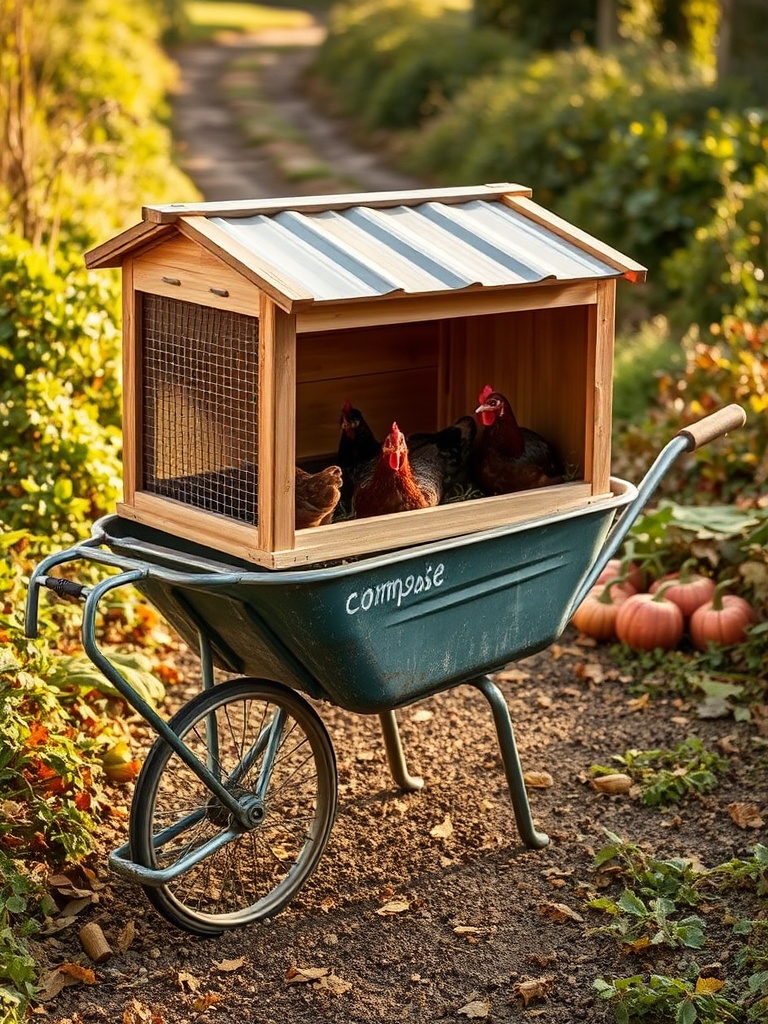
Harvest trails behind; compost drops direct. Vintage vibe delights. Build time: 3 hours. Cost: $30. Wanderlust winner.
Choosing the Right Plan
Consider these factors when selecting your plan:
Flock size: Rule of thumb is 3-4 square feet per chicken inside the coop, 8-10 square feet per chicken in the run. Always build bigger than you think you need—chicken math means you’ll probably get more!
Climate: Cold climates need smaller, well-insulated coops with minimal ventilation (but NO drafts on roosts). Hot climates need maximum ventilation, shade, and possibly fans.
Predators: Research what predators live in your area. Urban areas might only worry about neighborhood dogs and rats. Rural areas may face foxes, coyotes, hawks, owls, raccoons, weasels, and more.
Budget: Be realistic about costs. A $200 coop using recycled materials is fine. A $1,000 luxury coop with automation is also fine. Choose what fits your budget and needs.
Skill level: Don’t attempt an advanced plan if you’ve never built anything. Start simple and add features later as you gain confidence.
Maintenance: Think about your lifestyle. If you travel frequently or work long hours, invest in automation and low-maintenance features upfront.
Material Selection Tips
Lumber: Pressure-treated for ground contact, standard pine or fir for above-ground framing. Avoid treated lumber inside where chickens might peck it.
Wire: Hardware cloth (welded wire with ¼ or ½ inch openings) for security. Never use chicken wire as your only barrier—predators tear through it easily.
Roofing: Metal is long-lasting and sheds snow well. Asphalt shingles work but require solid sheathing underneath. Avoid clear plastic—coops get too hot.
Flooring: Plywood for elevated coops, vinyl for easy cleaning, or packed earth/sand for ground-level coops with deep litter.
Paint/Stain: Use exterior-grade products. Light colors reflect heat in summer. Avoid toxic products—chickens peck everything.
Must-Have Features in Every Design
Regardless of which plan you choose, include these essential elements:
- Proper ventilation near the roofline (not creating drafts on roosts)
- Secure latches that predators can’t open (raccoons are clever!)
- Accessible nesting boxes (one per 3-4 hens)
- Adequate roosting space (8-12 inches per bird)
- Easy cleaning access (your back will thank you)
- Predator-proof construction (hardware cloth, buried wire, secure doors)
- Weather protection (roof over at least part of the run)
Common Build Mistakes to Avoid
Building too small: The most common regret. Build for the maximum number of chickens you might have, not your current count.
Skimping on security: Predators are persistent. Invest in proper materials and hardware from the start.
Poor ventilation: Causes respiratory issues, frostbite (in winter), and heat stress (in summer).
Making maintenance hard: If cleaning is difficult, you won’t do it regularly. Design for easy access.
Not planning for water/electricity: Running these later is much harder than planning for them initially.
Getting Started
Choose the plan that best fits your situation, gather materials, and set aside a weekend (or two) for building. Most of these designs can be completed by one person with basic tools, though having a helper makes some steps easier and safer.
Remember, your chickens don’t judge your carpentry skills—they only care about safety, shelter, food, and water. Even an imperfect coop built with care will provide years of service and countless fresh eggs.
Happy building, and enjoy the fresh eggs that await!

A Teacher with 5 years of experience. Our Expertise, is reliable to meet your full Academic development needs . Worked on many crafts and construction projects offering services from design to development to deployment over the years. You will find many of my works in my business portfolio on request.