
Flowers in your vegetable garden aren’t just decoration—they’re helpers. When I started adding the right blooms, I noticed my veggies felt healthier almost right away. Flowers can support pollination, and they can also bring in beneficial insects that help keep pests in check. That means more harvest potential and less stress for me. Plus, it’s a fun way to make my garden look alive from spring through fall. If you want a simple, effective flower plan that works with your veggies, keep reading.
Quick Answer
My go-to “best flowers for vegetable gardens” are marigolds, zinnias, nasturtiums, dill, fennel, alyssum, yarrow, Queen Anne’s lace, borage, cosmos, Culver’s root, and coneflower—because they attract pollinators and beneficial predatory insects and can help reduce common pest pressure.
Key Takeaways
- I choose flowers that help veggies most: pollination support and beneficial-insect attraction (not just pretty color).
- Umbrella-shaped and daisy-like flower forms make it easier for insects to reach nectar and pollen.
- Marigolds and nasturtiums are great “also-help” companions for pest pressure.
- I spread flowers throughout the garden bed so insects can move easily between flowers and crops.
- I stagger bloom times so beneficial insects have food all season long.
1. Marigolds
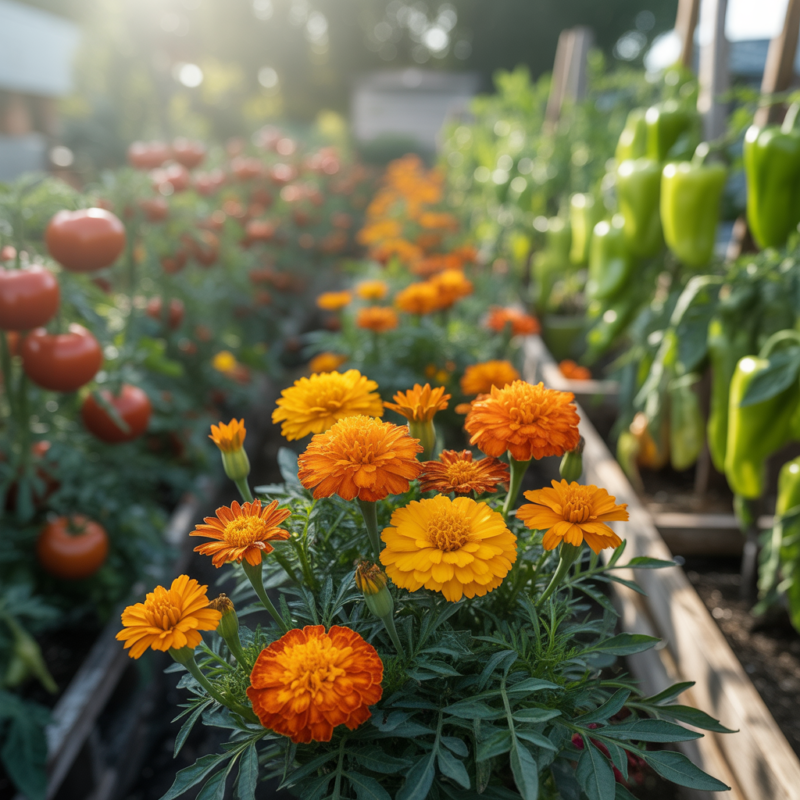
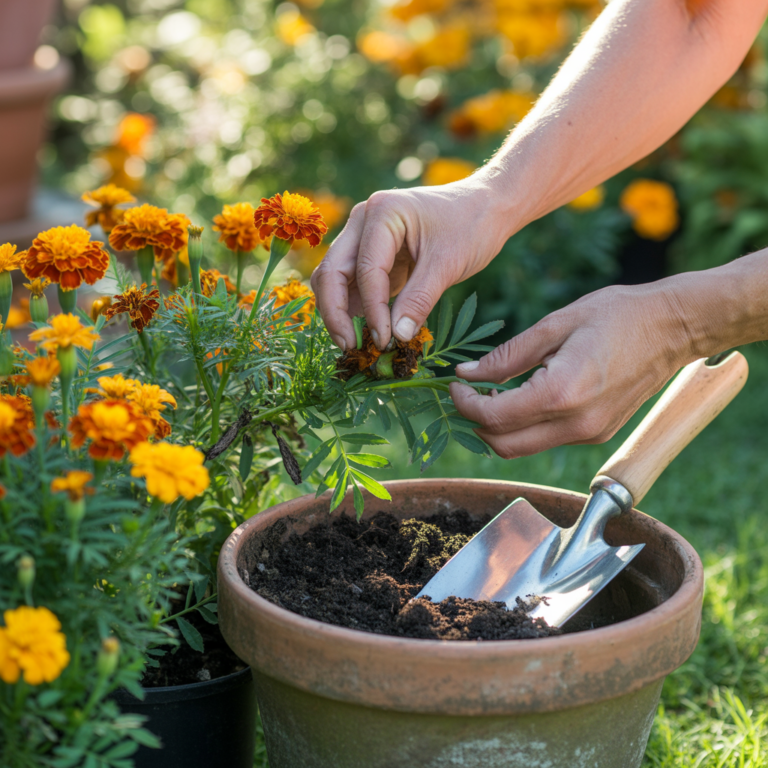
Marigolds are one of the most popular companion flowers for a reason: they’re commonly used to help deter pests in vegetable gardens. I like them because they’re hardy, easy to grow, and they give my beds an obvious “protective edge.” Primary benefit: pest-deterrent companion support When/where it fits: plant around bed edges and near crops that tend to get hit hard
2. Zinnias

Zinnias bring in bees and butterflies, which matters because many vegetable plants need steady pollination to form well. In my garden, I treat zinnias like a “nectar station” that also keeps the flower activity going as other crops start to set fruit. Primary benefit: pollinator attraction (bees and butterflies) When/where it fits: sunny spots near flowering vegetable crops or in small drifts between rows
3. Nasturtiums
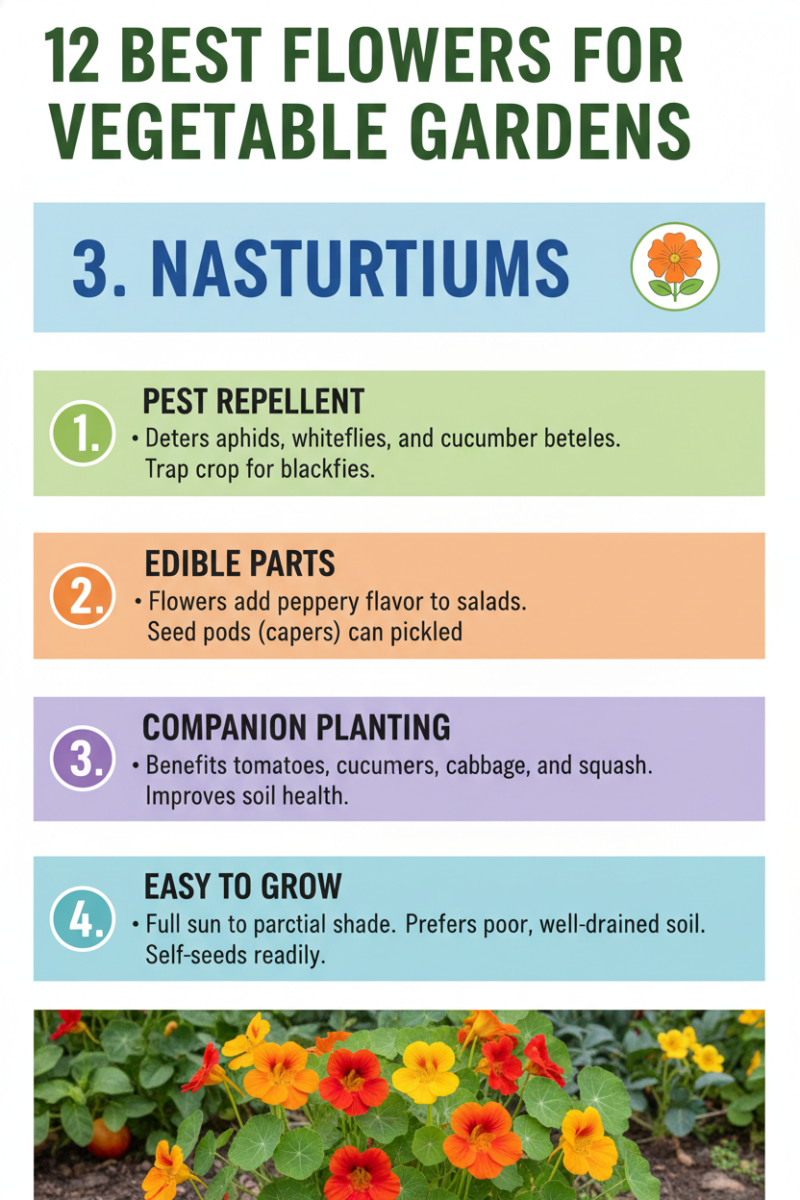
Nasturtiums are a smart trade-off plant: I get a lot of blooms, and I also encourage beneficial insects that can help manage pests like aphids and whiteflies. They’re also great because they can fill in gaps where I might otherwise be wasting space. Primary benefit: attracts beneficial insects that feed on aphids/whiteflies and other pests When/where it fits: border plantings and “gap fillers” where you want flowers but also want garden help
4. Dill
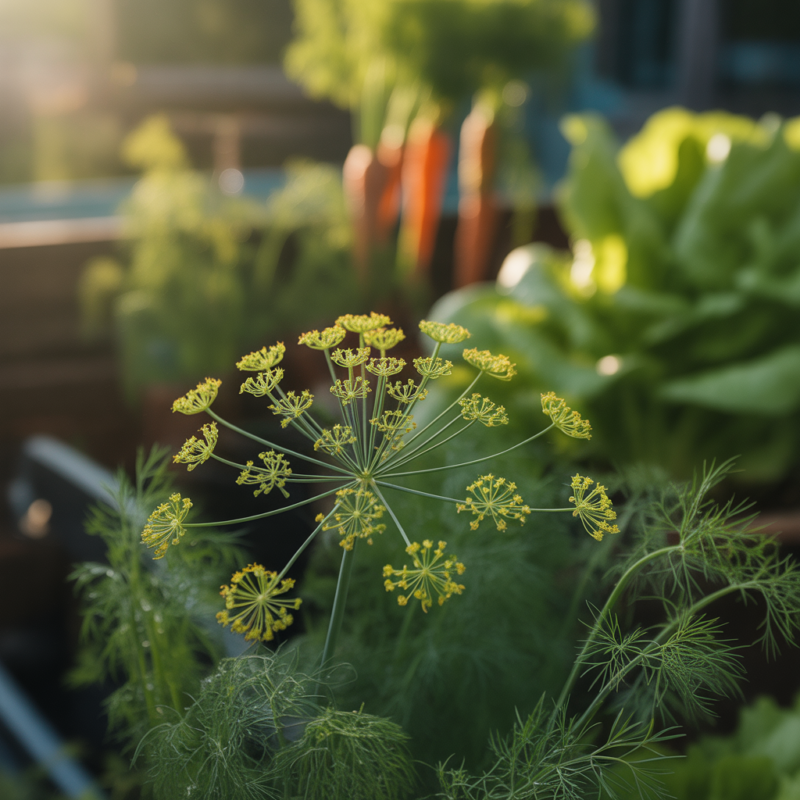
Dill isn’t only for the herb bucket—it’s also a powerful beneficial-insect supporter. I think of dill as an umbrella-shaped nectar/pollen source that helps predatory insects find their way into the garden. Once beneficial insects hang around, they’re more likely to stay and hunt pests. Primary benefit: nectar/pollen source for beneficial insects (umbrella-shaped forage target) When/where it fits: close to vegetable rows so foraging insects can move between flowers and crops
5. Fennel
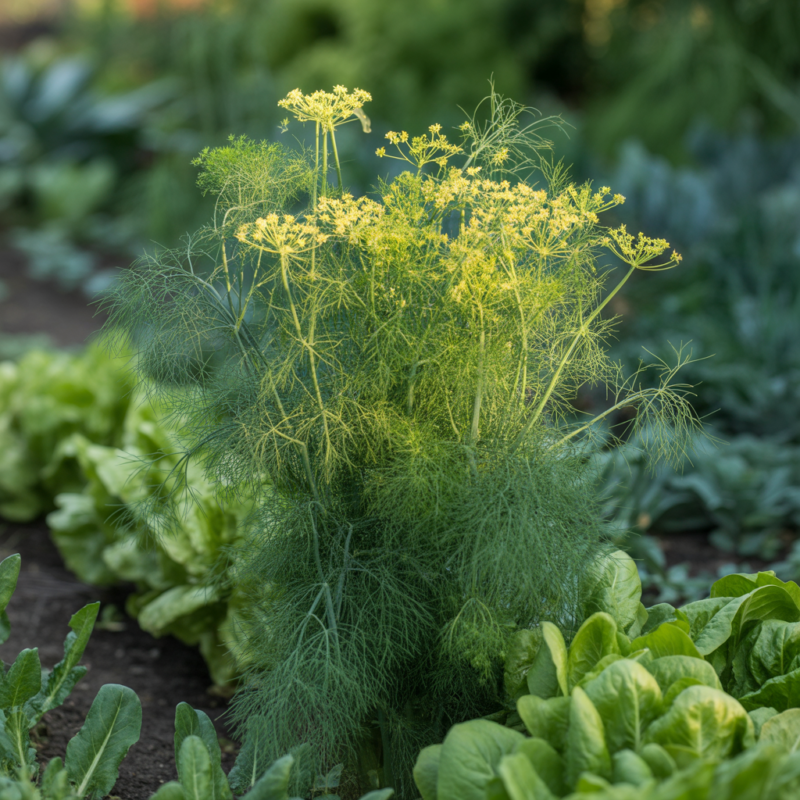
Fennel works similarly to dill in the “easy to forage” category, with umbrella-shaped blooms that can attract a steady stream of beneficial insects. I like using fennel to concentrate insect activity toward one side of a bed (or in corners) where I can watch what’s happening. Primary benefit: umbrella-shaped nectar/pollen source to attract beneficial insects When/where it fits: toward bed middles or corners to focus insect activity
6. Alyssum
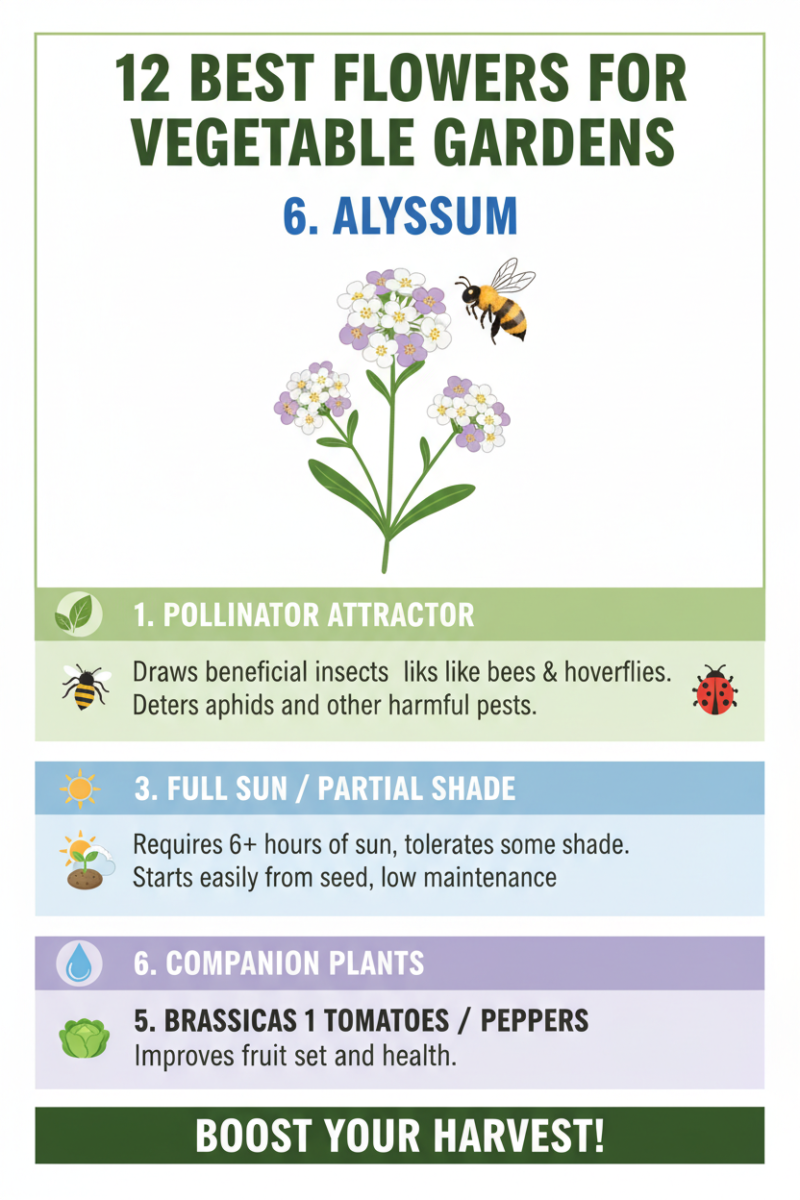
Alyssum is small, delicate, and extremely useful. The flowers are packed in a way that makes it easy for beneficial insects to land and feed. When I add alyssum along the front edge or between rows, I can often see more insect traffic without sacrificing much vegetable space. Primary benefit: small, nectar-rich blooms that support beneficial insects When/where it fits: low edging or between bed rows for easy access
7. Yarrow

Yarrow is one of those “plant once, benefit often” options. Its daisy-like flowers act as a consistent landing target, which helps beneficial insects locate food more easily. I like planting yarrow in patches because it keeps the bloom presence steady instead of scattered and hard to find. Primary benefit: daisy-like nectar/pollen access for beneficial insects When/where it fits: in patches or clusters so insects have a reliable target
8. Queen Anne’s Lace
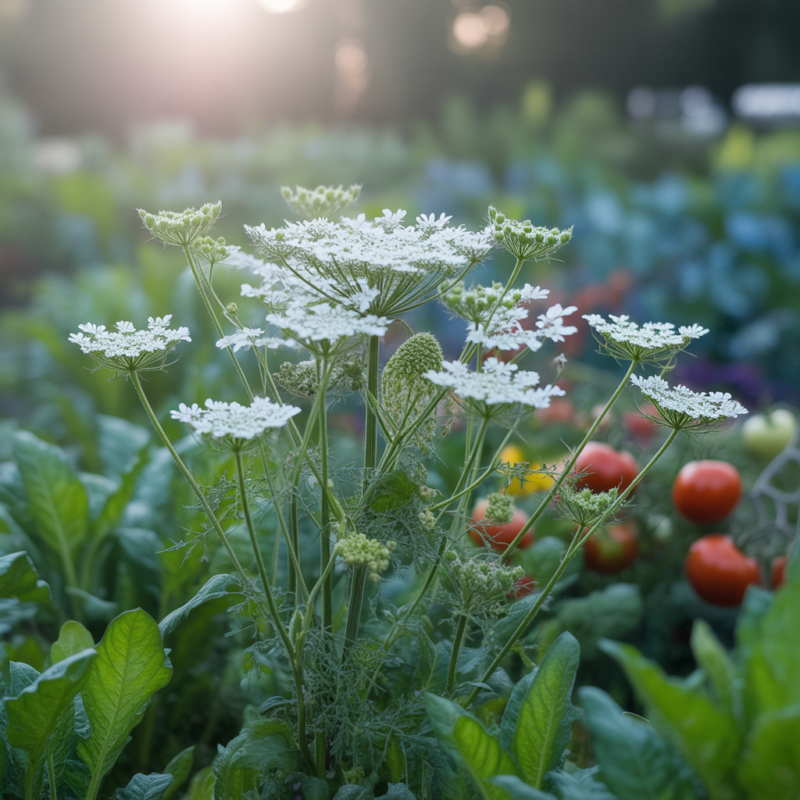
This one always feels a little fancy, but it’s practical too. Queen Anne’s lace produces umbrella-shaped flowers that can draw beneficial insects because the bloom structure offers easy nectar/pollen access. When I plant it in clusters, it’s like I’m setting up a highly visible “foraging hub” for insects. Primary benefit: nectar-rich umbrella-shaped flowers that attract beneficial insects When/where it fits: in clusters so foraging is efficient
9. Borage
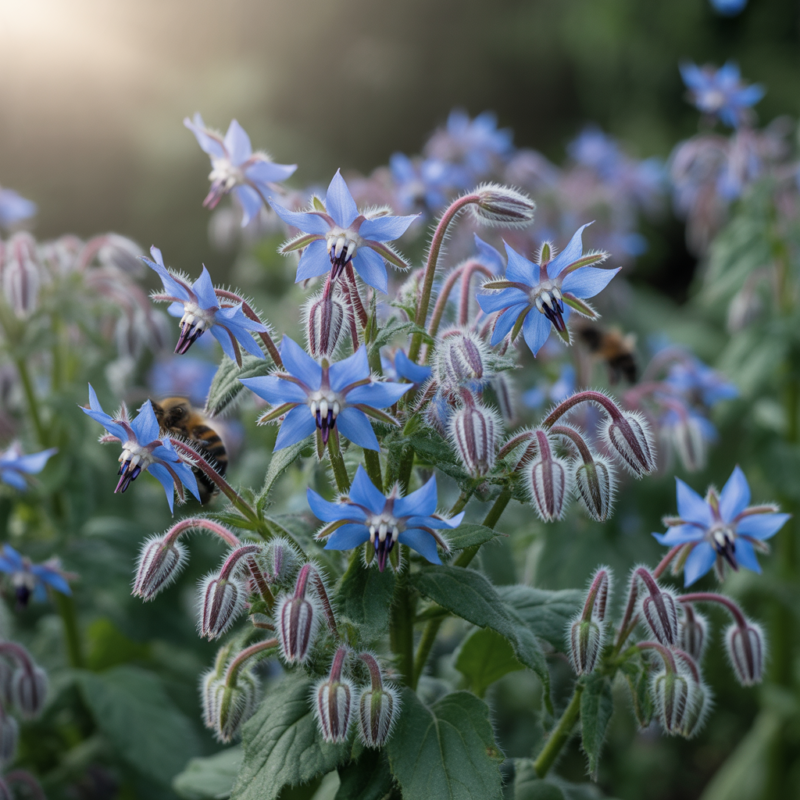
Borage is quick-growing, and its vivid blue star-shaped flowers are basically a magnet for pollinators and beneficial insects. When I need a fast win—something that looks great and brings life to the garden early—borage is usually the first plant I reach for. It also helps keep pollinator traffic moving through the season. Primary benefit: attracts pollinators and beneficial insects with vivid star-shaped blooms When/where it fits: sunny areas with room for quick growth
10. Cosmos
Cosmos adds a long-lasting pop of color and tends to be very pollinator-friendly. I plant cosmos in drifts because it creates a “lane” of blooms that helps keep insects active as different vegetables come and go. If you want beauty plus function, cosmos is a strong pick. Primary benefit: pollinator-friendly blooms that sustain activity across the season When/where it fits: in drifts or clusters, ideally where insects can easily travel
11. Culver’s Root (Veronicastrum virginicum)
Culver’s root brings vertical drama with elegant white flowers, and it has a useful late-summer window. I especially like it because many gardens slow down when summer heat peaks—then Culver’s root keeps flowering and gives native bees and butterflies something worth visiting. Primary benefit: late-summer bloom (late July–August) that attracts native bees and butterflies When/where it fits: taller backdrop accent within or behind vegetable beds
12. Coneflower (Echinacea)
Coneflower is a classic for a reason: it’s dependable, it flowers well, and it attracts beneficial insects. In a vegetable garden, I think of coneflower as a “steady bloom anchor” that keeps pollinator activity present even when the main crops are shifting stages. Primary benefit: pollinator and beneficial-insect attraction for vegetable gardens When/where it fits: sunny sections where it can form a steady bloom presence
Common Mistakes
- Planting flowers only in one corner. If all your blooms are isolated, insects have to travel farther to find food, and your vegetables miss the most “in-between” benefits. I spread flowers throughout beds instead.
- Choosing flowers without considering bloom shape. Nectar and pollen access matters. I look for small, nectar-rich blooms and shapes like daisy-like or umbrella-shaped so insects can feed more easily.
- Overusing broad-spectrum pesticides. If I spray to “fix everything fast,” I might also wipe out beneficial predators. I try to avoid chemicals that harm helpful insects, and I focus on prevention and targeted actions only when needed.
- Skipping staggered bloom times. If everything blooms at once, beneficial insects may leave right before your most vulnerable vegetable stage. I plan for early, mid, and late blooms.
- Underplanting (too few flowers). Beneficial insects need enough food sources to keep showing up. I aim for clusters, drifts, or patches rather than a single plant here and there.
- Ignoring sunlight needs. Even great companion plants fail if they don’t match the garden’s light. I always check sun requirements before planting.
FAQ
What are the best flowers for vegetable gardens to attract pollinators?
In my experience, the best pollinator flowers for vegetable gardens include zinnias, borage, cosmos, coneflower, and alyssum. They tend to provide nectar that pollinators can find and feed from easily.
Do companion flowers really help with pests, or is it just for looks?
They can help a lot. Flowers can support beneficial insects that prey on pests, and some companions (like marigolds and nasturtiums) are often used to reduce pest pressure. The biggest value I get is not “instant magic,” but a healthier balance that makes pest outbreaks less likely.
Which flower types are easiest for beneficial insects to use?
I aim for small, nectar-rich flowers and bloom shapes that make access simple—especially daisy-like and umbrella-shaped (umbels) blooms. Many commonly recommended examples include dill, fennel, alyssum, yarrow, and Queen Anne’s lace.
How many flowers should I add to my vegetable garden?
You don’t need to turn your garden into a flower farm. I usually start with 1–3 flower types to see what grows well in my space and what insects respond to. Then I expand based on results.
Where should I plant flowers among vegetables?
I plant them in layers: low flowers near bed edges, mid-height clusters to concentrate pollinator traffic, and taller accents behind the main crops. This layout helps insects move naturally between blooms and vegetables.
When is the best time to plant these flowers?
It depends on the flower type and your climate, but in general I plan so at least some flowers are blooming early, with more added for mid and late season. If you’re starting from seed, I stagger planting dates to extend flowering time.
Conclusion
The best flowers for vegetable gardens do two big jobs at once: they help with pollination and they support beneficial insects that can reduce pest pressure. When I mix the right flowers (like marigolds, nasturtiums, dill/fennel, and pollinator favorites such as zinnias and coneflower) into my beds, my garden feels more balanced and less fragile. Start small—pick a few dependable options, plant them in clusters around your veggies, and watch what shows up. Once you see your results, it’s easy to add more for a garden ecosystem that keeps working for you all season long.

A Teacher with 5 years of experience. Our Expertise, is reliable to meet your full Academic development needs . Worked on many crafts and construction projects offering services from design to development to deployment over the years. You will find many of my works in my business portfolio on request.