A “bloom all year” garden can feel like a dream—until you realize it’s mostly about picking the right plants for the right seasons.
I love the idea of stepping outside and seeing color even when the air is cold or the heat is intense.
With a smart mix of winter bloomers, early-spring “bridge” flowers, spring favorites, and summer workhorses, you can keep flowers showing up across the calendar.
It’s especially helpful if you don’t want to redo your whole bed every few weeks.
In this guide, I’ll share a practical 10-flower lineup plus easy care tips so your garden stays lively through winter, spring, and summer.
Quick Answer
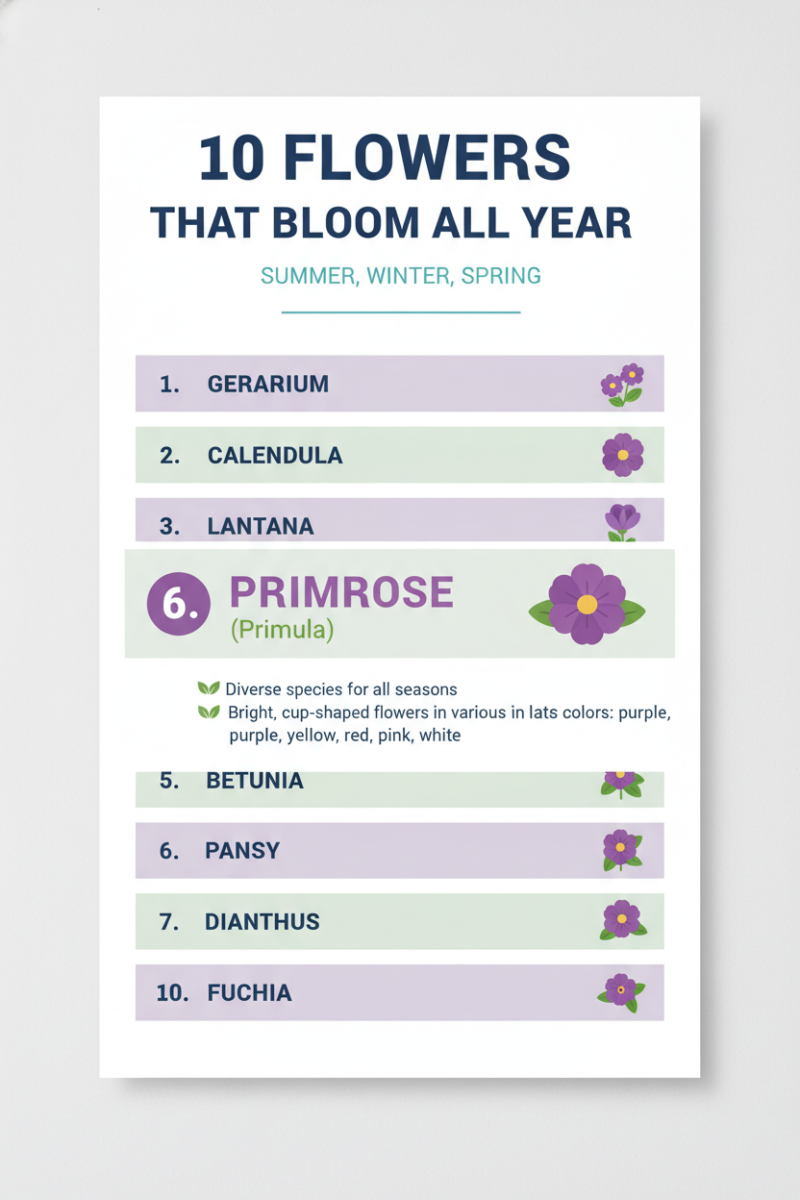
Here are 10 reliable flowers to help you achieve year-round color: winter jasmine, hellebore, pansy, snowdrop, snapdragon, primrose, daisy (shasta or similar), Cape marigold (gazania), geranium, and chrysanthemums.
Key Takeaways
“All-year” color means overlapping bloom windows, not expecting one plant to bloom nonstop.
Your local climate (plant hardiness zone, winter temps, summer heat) changes what “year-round” looks like.
A good plan includes: winter bloomers, early-spring bridges, spring bloomers, and heat-tolerant/reblooming summer flowers.
Fall sowing and early starting often help spring flowers arrive sooner.
Clean bed habits (like removing winter-unsafe annuals) can protect your plants for the next cycle.
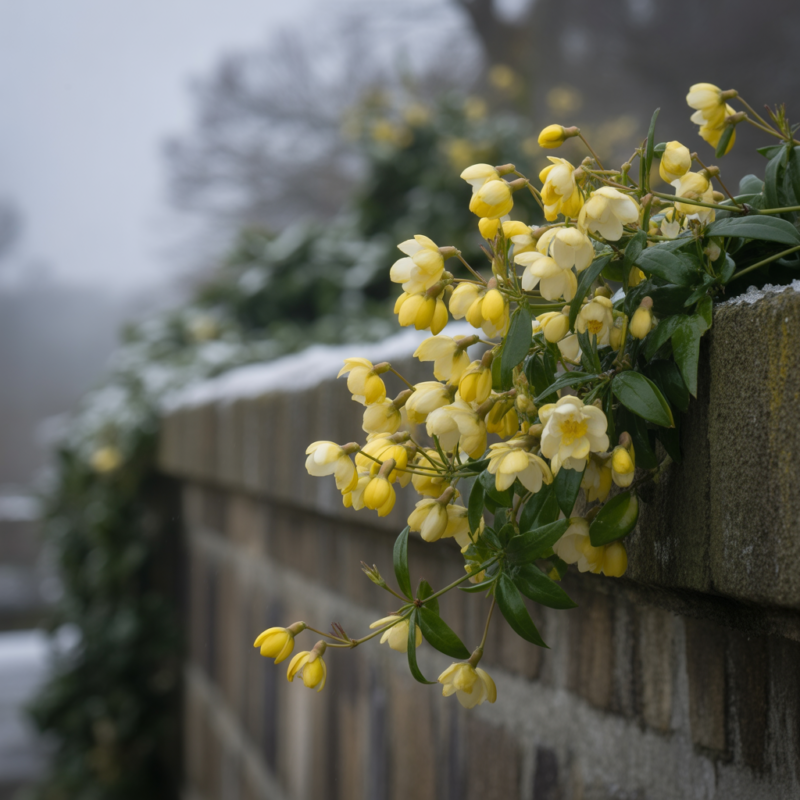
1. Winter Jasmine (Jasminum nudiflorum)
Expected bloom season(s): Winter (often late fall through winter; sometimes into early spring)
Why it fits the “all-year” goal: Winter jasmine keeps color when most shrubs are quiet. It’s known for brave, bright blooms during colder months, so it gives your garden that “something is happening” feeling even in the off-season.
Simple care/planting note: Plant in a spot with good light (full sun to part sun). It’s generally more forgiving than many flowering plants, but it still benefits from well-drained soil.
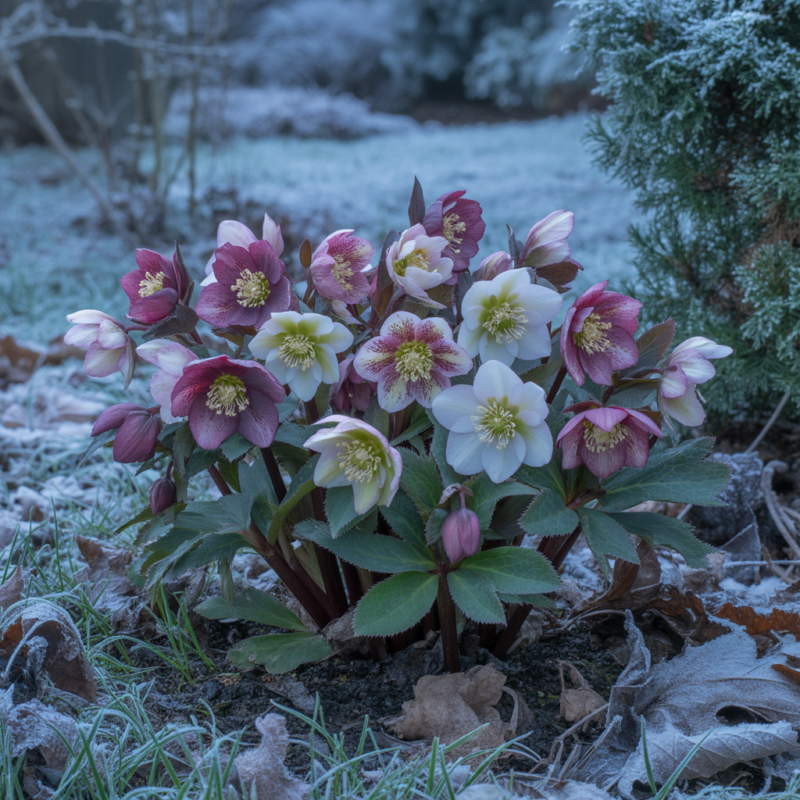
2. Hellebore (Helleborus)
Expected bloom season(s): Late winter into spring (and sometimes stretches longer depending on your area)
Why it fits the “all-year” goal: Hellebores are famous for blooming in cold weather. They’re also great because they don’t just “survive winter”—they actively decorate it.
Simple care/planting note: Choose a shady-to-part-shady location with rich, well-drained soil. Once established, they usually come back year after year.
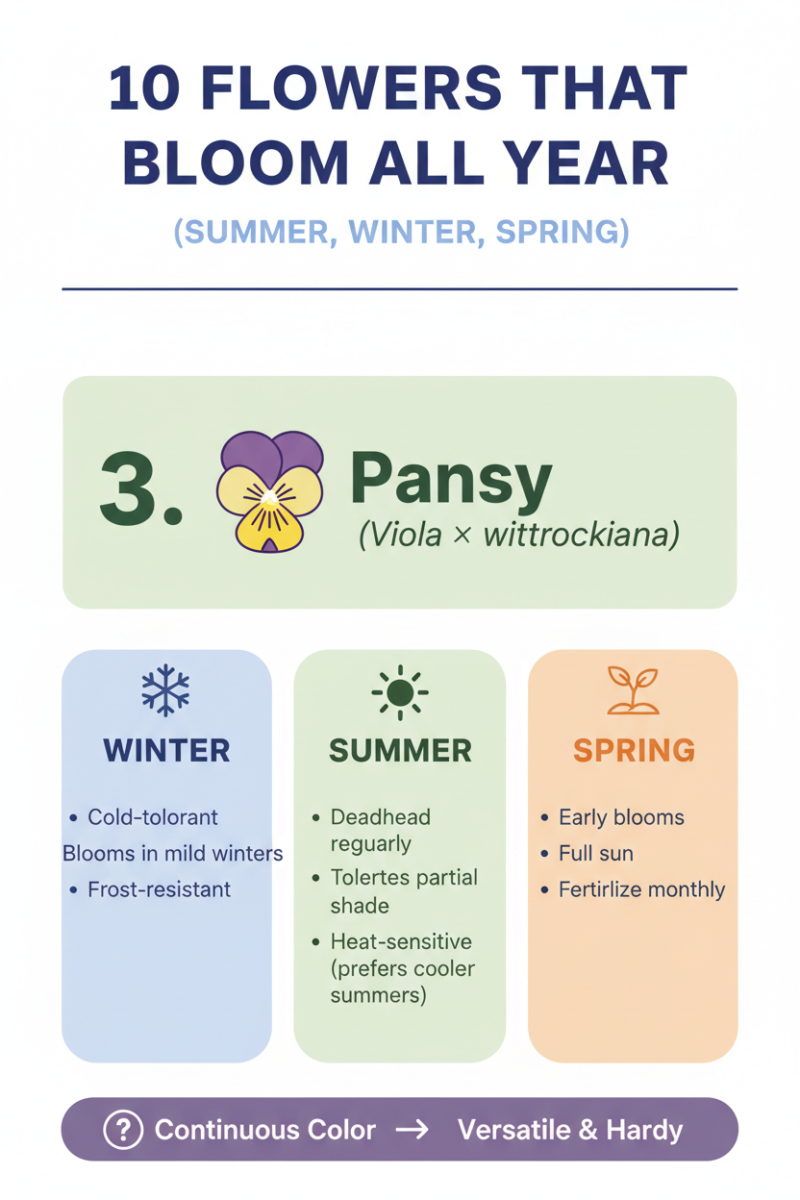
3. Pansy (Viola × wittrockiana)
Expected bloom season(s): Winter and spring (often into early summer in mild climates)
Why it fits the “all-year” goal: Pansies are a classic “winter color” flower. They handle cool weather well, and their bright faces make beds look fresh even when everything else looks dull.
Simple care/planting note: Use them in beds, borders, or containers. If your winters are harsh, protect young plants with light mulch.
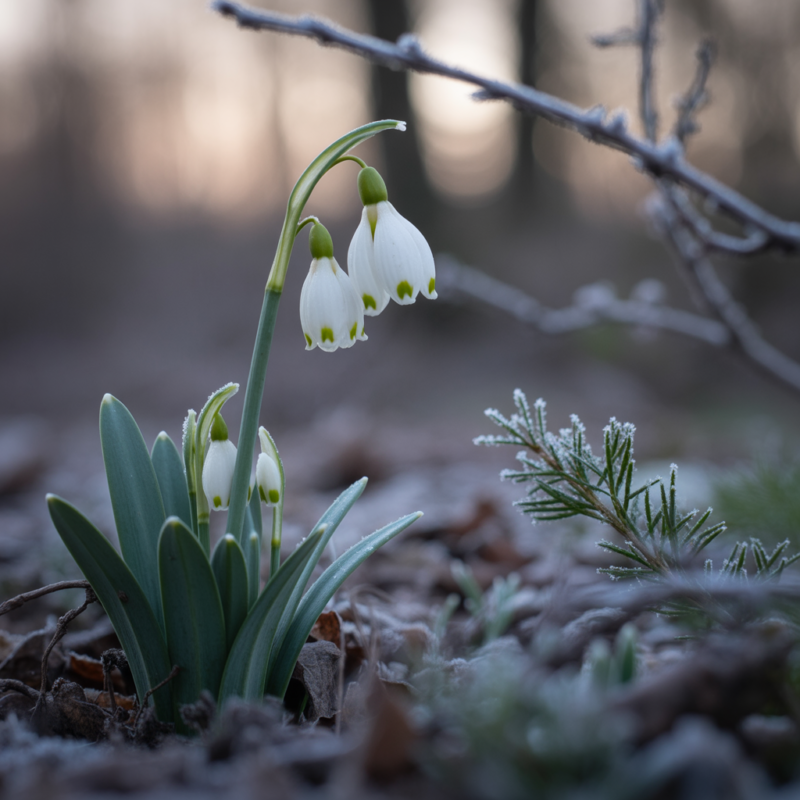
4. Snowdrop (Galanthus)
Expected bloom season(s): Late winter (and early spring, depending on the year)
Why it fits the “all-year” goal: Snowdrops are small but mighty. They’re a true late-winter sign that spring is on the way, and they help bridge the gap between winter bloomers and spring flowers.
Simple care/planting note: Plant bulbs in fall. They like sites that mimic “natural” conditions—cool, steady, and not too disturbed.
5. Snapdragon (Antirrhinum)
Expected bloom season(s): Spring (and can overwinter in colder zones in some cases)
Why it fits the “all-year” goal: Snapdragons are often treated as hardy annuals, and many gardeners start them so they bloom in early spring. In some climates, they can even survive winter, giving you a head start.
Simple care/planting note: In colder areas, start them early or sow in fall for stronger early-season performance. They generally prefer sun and decent drainage.
6. Primrose (Primula)
Expected bloom season(s): Spring (sometimes early spring through much of the season)
Why it fits the “all-year” goal: Primroses bring soft, cheerful color right when the garden starts waking up. They also help you avoid the “blank space” that can happen after winter flowers fade.
Simple care/planting note: Plant in part shade if possible, with moisture-retentive but well-drained soil. Consistent watering helps them put on a show.
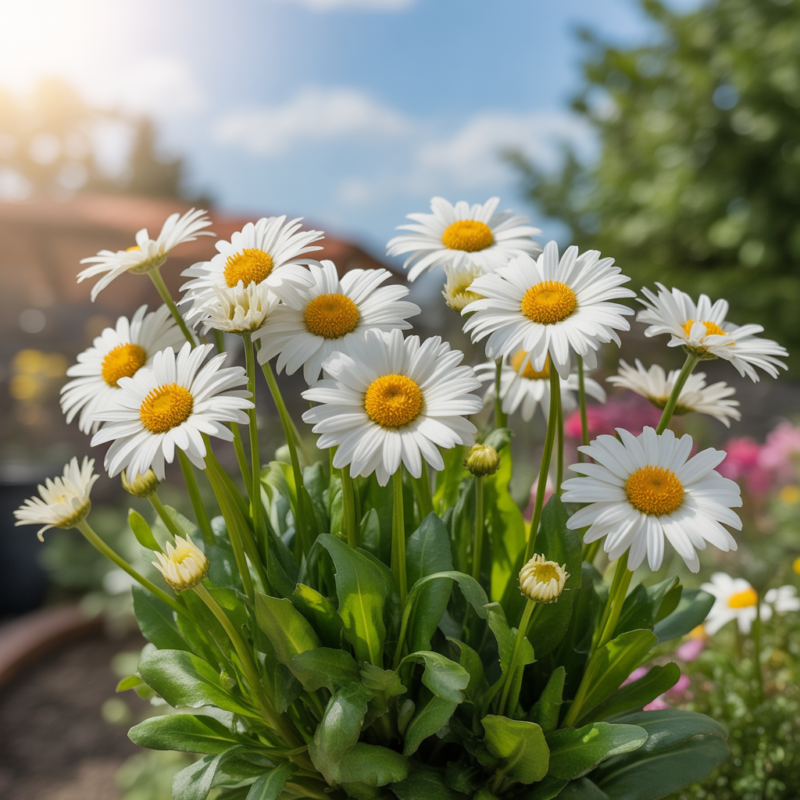
7. Shasta Daisy (Leucanthemum) or Similar Daisy-Type
Expected bloom season(s): Spring into summer (depending on variety; often reblooming with good care)
Why it fits the “all-year” goal: Daisies are a great “middle layer” plant. They help connect spring color to summer color, and they often keep flowering for weeks when conditions are right.
Simple care/planting note: Deadhead spent blooms to encourage more flowers. Full sun usually helps them perform best.
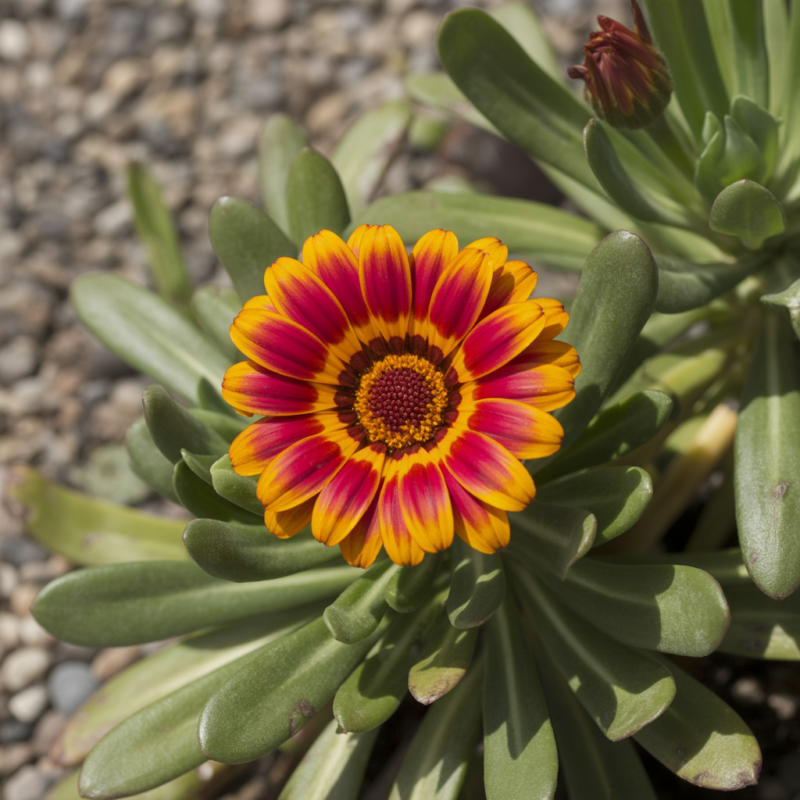
8. Cape Marigold / Gazania (Gazania rigens)
Expected bloom season(s): Summer (and can bloom more seasonally in some climates, especially when conditions are favorable)
Why it fits the “all-year” goal: Cape marigold is known for bright, warm-toned blooms and a tendency to keep going when the weather is hot and dry—exactly what many gardens need in peak summer.
Simple care/planting note: Plant in full sun and well-drained soil. It typically doesn’t like soggy roots, so avoid heavy, water-retentive spots.
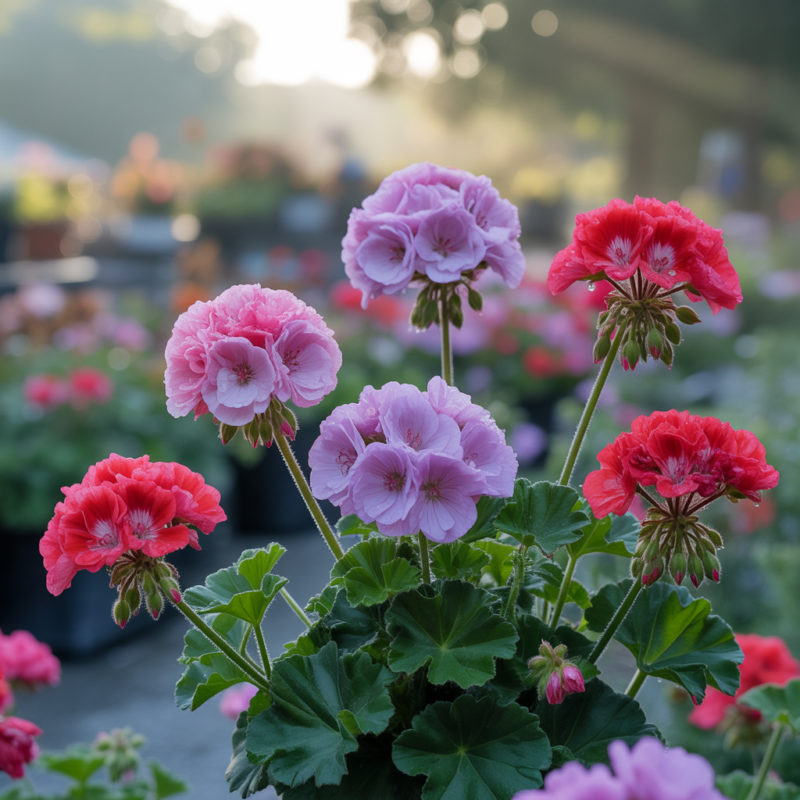
9. Geranium (Pelargonium) or Hardy Geranium (depending on your climate)
Expected bloom season(s): Spring into summer (and sometimes into fall)
Why it fits the “all-year” goal: Geraniums are popular for a reason: they’re dependable and can keep blooming through warm weather. In a mixed bed, they’re great for maintaining steady visual impact when spring flowers slow down.
Simple care/planting note: Give them sun and regular watering (but don’t drown them). Deadheading and light feeding during active growth can encourage more blooms.
10. Chrysanthemum (Mums) (Chrysanthemum)
Expected bloom season(s): Late summer into fall (and in mild areas, sometimes pushes into winter)
Why it fits the “all-year” goal: Mums are a “late season continuity” powerhouse. If you want your garden to keep color through September and October, this is one of the most practical choices.
Simple care/planting note: Choose healthy plants, water consistently while they establish, and consider a sunny spot for the strongest fall display.
Common Mistakes
Mistake 1: Expecting one flower to bloom year-round. Most plants have natural bloom cycles. My best “all-year” results come from overlapping multiple types across seasons.
Mistake 2: Picking only summer flowers and hoping winter is covered. Summer plants usually pause or struggle in cold weather. Winter bloomers (like winter jasmine, hellebore, and pansies) do the heavy lifting.
Mistake 3: Not planning fall planting. Many spring and early-season flowers do better when started or planted in fall. If I wait until spring, the timing window is often too tight.
Mistake 4: Ignoring your zone and microclimate. A plant “works on the internet” but might fail in your yard. Light (full sun vs. part shade) and winter lows matter.
Mistake 5: Poor bed hygiene. Leaving winter-unsafe annuals in place can invite pests and diseases. I like to refresh beds so the next planting cycle has a clean start.
Mistake 6: Skipping deadheading/rebloom care. Some flowers bloom longer when you remove spent blooms. It’s a small task that helps stretch the color.
FAQ
1) What does “bloom all year” really mean?
For me, it means your garden has continuous or overlapping bloom periods across winter, spring, and summer. You’ll usually see different flowers at different times, but the overall effect stays colorful.
2) Can I do this in a cold climate?
Yes. That’s exactly where winter-hardy choices shine. Use winter bloomers (like winter jasmine and hellebore), cool-season flowers (like pansies), and early-spring starters (like snapdragons that can overwinter in some areas).
3) Can I do this in a hot climate?
Absolutely—you’ll just shift the emphasis. Choose heat-tolerant and reblooming summer plants (like gazania and geranium) and make sure your plants get enough sun and the right watering pattern for hot weather.
4) Will these flowers bloom nonstop?
Most won’t. But many can rebloom or keep flowering longer with good care. The “all-year” goal is mostly about overlap, not nonstop blooms from one plant.
5) When should I plant for spring color?
If you want spring flowers earlier, I recommend fall sowing or early starting, especially for hardy annuals and bridge flowers. That way, they’re ready when the weather warms up.
Conclusion
To me, the secret to flowers that bloom all year is simple: I stop thinking in single-season snapshots and start building overlap.
I mix winter bloomers (like winter jasmine, hellebore, pansy), early spring bridges (like snapdragon and snowdrop-type timing), and spring-to-summer performers (like primrose, daisies, geranium), then finish with late-season continuity (like chrysanthemums).
If you match this lineup to your sunlight and hardiness zone—and you do a little fall planning—you can keep your garden looking alive from cold months through peak summer.
Pick your top 10 from this list, adjust for your climate, and enjoy the best part: stepping outside to color when you’d normally expect nothing.
A Teacher with 5 years of experience. Our Expertise, is reliable to meet your full Academic development needs . Worked on many crafts and construction projects offering services from design to development to deployment over the years. You will find many of my works in my business portfolio on request.