Dreaming of fresh eggs every morning and the gentle clucking of chickens in your backyard? Building a chicken coop doesn’t have to be an expensive, complicated project that requires expert carpentry skills. Whether you’re a complete beginner or an experienced DIYer, there’s a chicken coop design that’s perfect for your space, budget, and skill level. Let’s explore ten practical, easy-to-implement chicken coop ideas that will have your feathered friends living in comfort without breaking the bank.
Chicken coops turn backyards into productive havens for fresh eggs and happy birds. These 10 straightforward designs use everyday materials like pallets and scrap wood, keeping costs low while ensuring safety and comfort. Perfect for beginners, each idea suits small spaces and delivers joy from sustainable living.
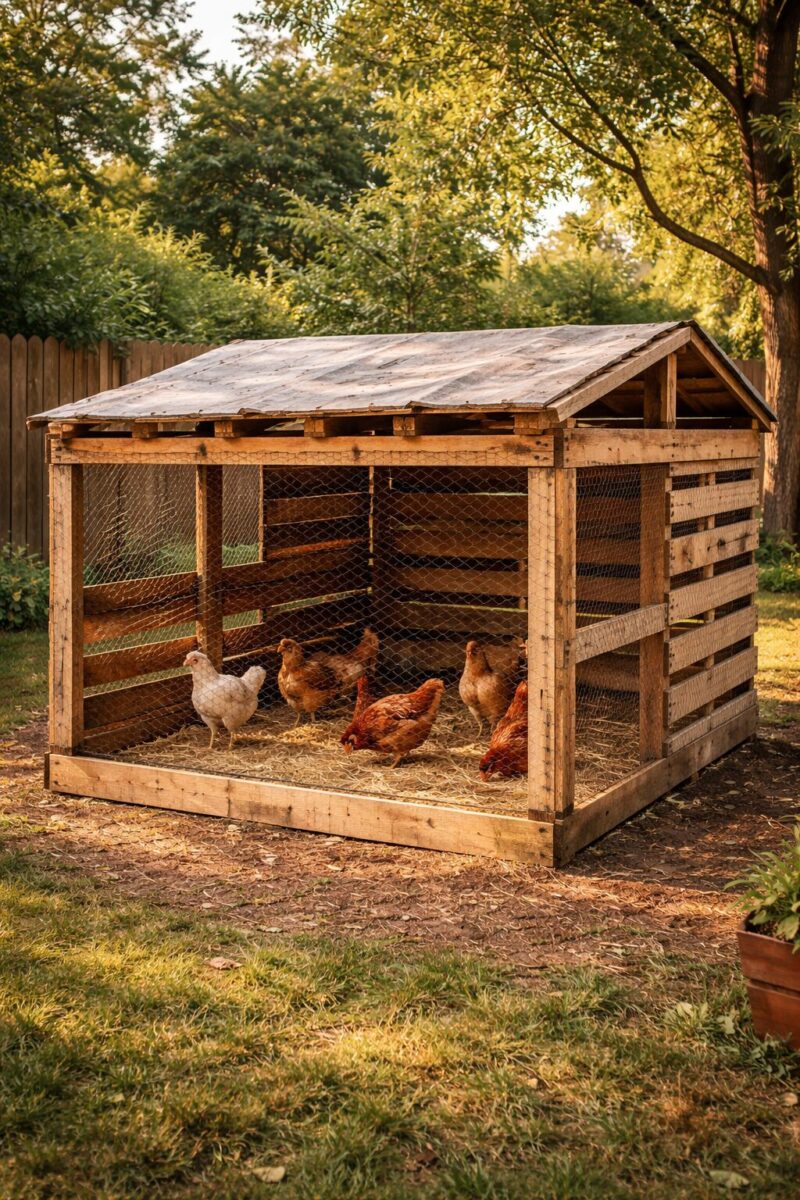
Pallet Chicken Coop
Wooden pallets form the backbone of this budget-friendly coop, stacked into walls for a sturdy 4×6-foot enclosure. Chicken wire secures the sides, allowing airflow while predators stay out, and a slanted pallet roof sheds rain effectively. Add straw bedding inside for 4-6 hens to scratch and nest comfortably.
Assembly starts with four pallets as the base frame—two for the floor, two upright for ends. Secure them with screws or bolts for stability. Cut mesh panels to fit openings, stapling firmly around frames. For the roof, hinge a full pallet at a 20-degree angle using heavy-duty hardware, then cover with tarp or corrugated tin for waterproofing. Ventilation comes from gaps at the top, but add a small pop door at ground level for hen access.
This design shines in small yards since pallets are often free from stores or online marketplaces. Customize by painting exteriors in fun colors or adding nesting boxes from crate halves. Hens thrive here, laying eggs daily in cozy corners. Maintenance involves weekly bedding changes and occasional wire checks. Total build time: 4-6 hours. Cost: under $50. Ideal for urban homesteaders seeking quick results without fancy tools.youtube
Repurposed Dresser Coop
Transform an old dresser into a charming coop by removing drawers and fitting wire mesh screens. The top lid hinges open as a roof, while lower sections become nesting boxes for 5 hens. Place it on bricks in a sunny garden spot for easy egg collection.
Begin with a sturdy wooden dresser scavenged from thrift stores or curbsides. Unscrew drawers, then cut plywood bottoms to fit each slot as floors. Attach mesh doors with hinges and latches for secure entry. Line interiors with pine shavings to absorb moisture and control odor. Elevate on cinder blocks to deter rodents and allow droppings to fall away.
Hens love the multi-level setup, roosting on former shelf edges. Surround with herbs like lavender to naturally repel pests. This coop blends into landscapes, looking like garden art. Clean by hosing weekly; refresh bedding monthly. Its portability lets you chase shade. Build time: 2-3 hours. Cost: $20-30. A creative win for upcyclers turning trash into feathered treasure.
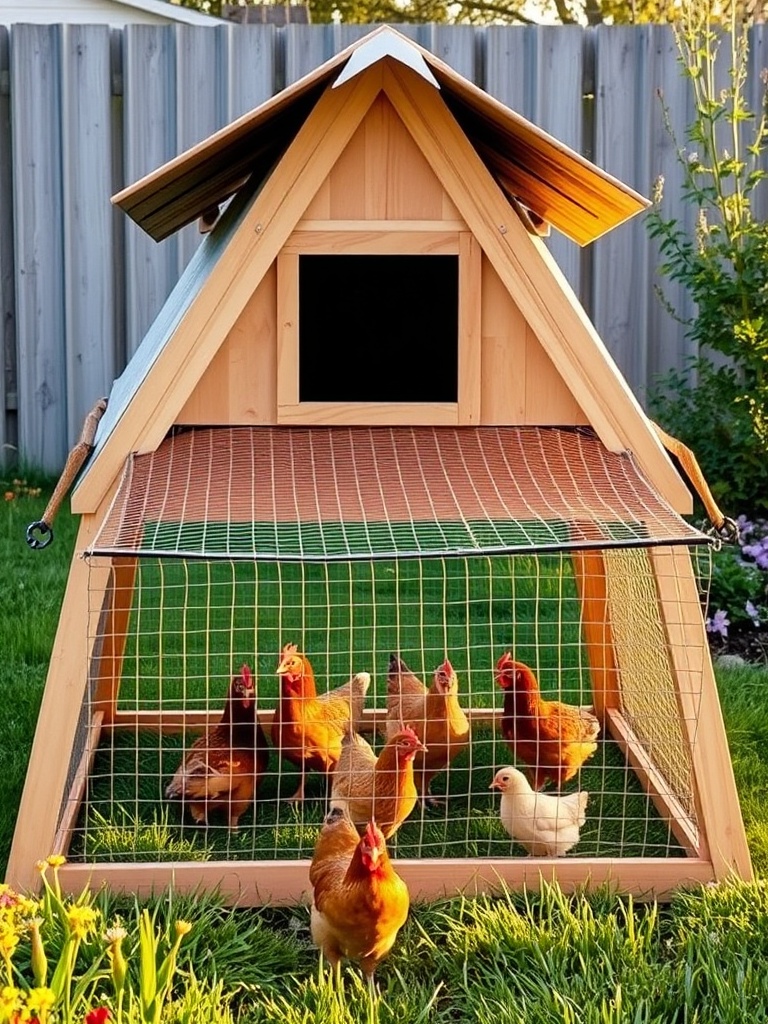
A-Frame Coop
This peaked A-frame stands tall yet folds flat for easy moving. Plywood panels and 2x4s create the triangle shape, with wire mesh enclosing a run below. House 6 hens under a metal roof that handles heavy rains.
Cut two trapezoid sides from plywood, connect with ridge beam. Angle legs for stability, then wrap the lower half in hardware cloth buried 12 inches underground against diggers. Hinge the front for access; add wheels if desired for tractor-style grazing.
Lightweight at 50 pounds, drag it across lawns to fertilize naturally. Internal roosts hang from the peak, nesting boxes tuck into corners. Golden-hour light filters through mesh, keeping birds active. Seasonal tweaks include winter tarps. Build: 5 hours. Cost: $60. Backyard favorite for fresh grass access and predator-proofing.
Barrel Coop
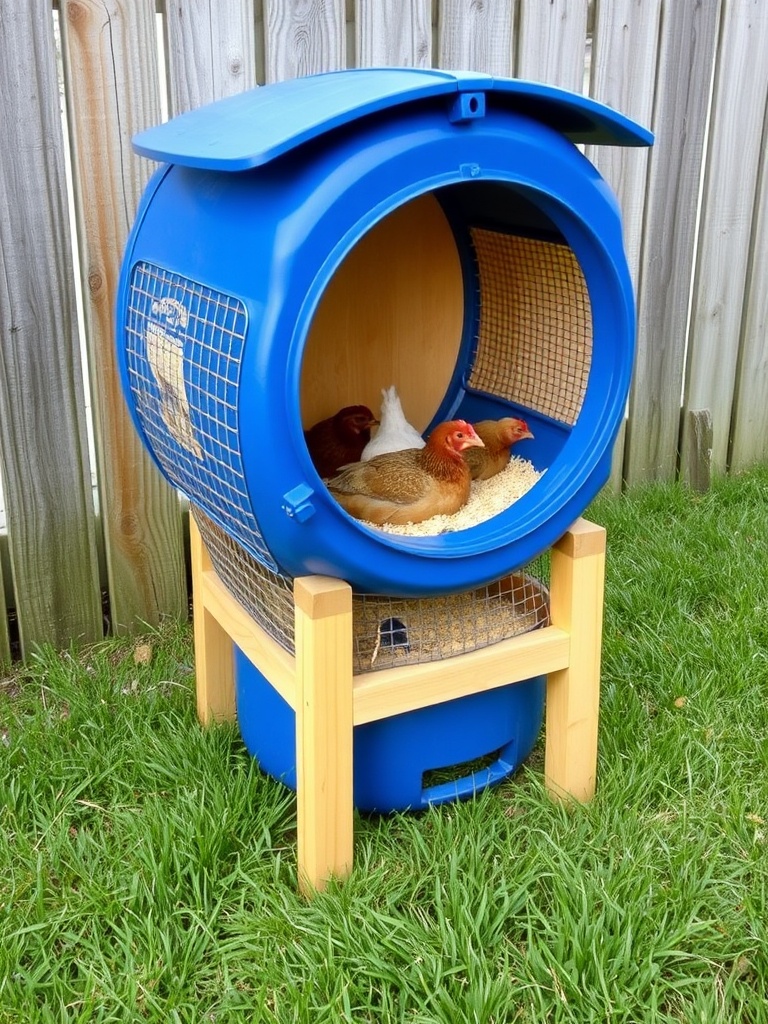
Slice a large plastic barrel lengthwise for an instant curved coop on legs. Mesh ends and a hinged lid provide entry and shade for 4 small hens. Weatherproof and compact, it fits tight corners.
Acquire a 55-gallon food-grade barrel cheaply. Halve it with a jigsaw, mount on 2×4 legs 18 inches high. Staple wire firmly, add rubber flap doors. Fill with shavings; position near fences for wind protection.
Hens nest in the dome’s natural curve, staying dry in storms. Dew sparkles on blue plastic at dawn. Easy hosing cleans it spotless. Mobile via handles. Build: 2 hours. Cost: $25. Quirky solution for minimalists.
Shed-Style Coop
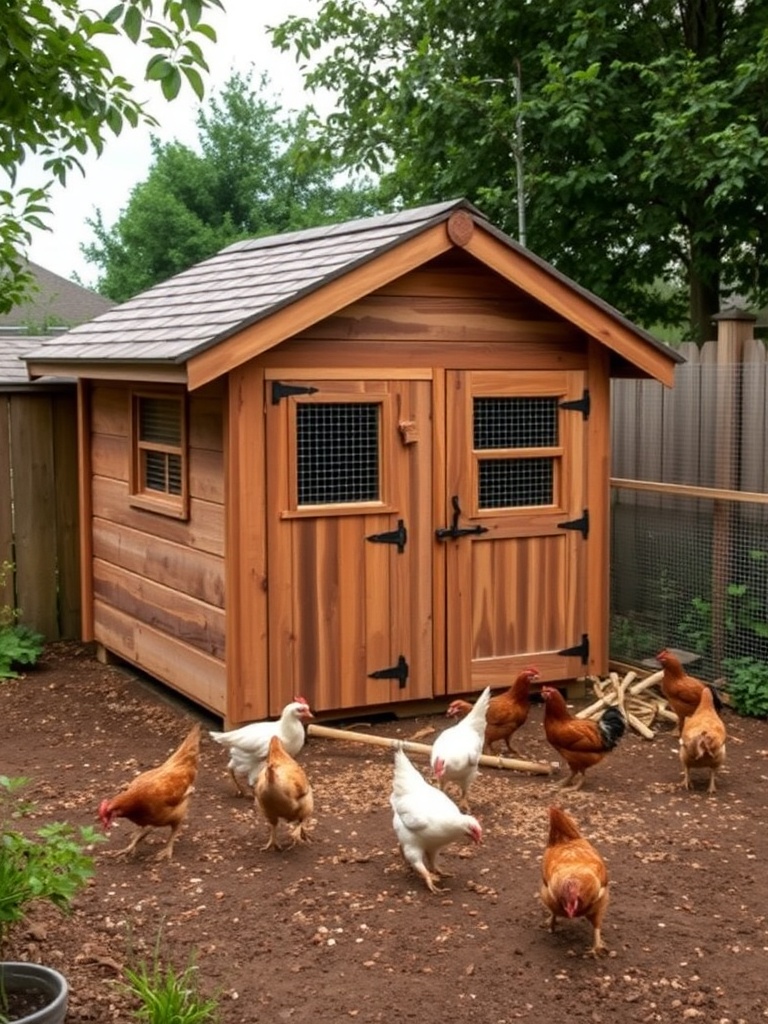
Mimic a mini shed with plank walls, shingle roof, and wire windows. An attached run gives 8 hens space to roam safely. Corner placement maximizes yard use.
Frame with 2x4s, sheath in reclaimed boards. Install large human door, small hen ramp. Deep litter system—straw over droppings—composts naturally. Gravel base prevents mud.
Eggs gleam in nest boxes; birds dust-bathe outside. Diffused light suits overcast days. Annual wood treatments extend life. Build: 8 hours. Cost: $100. Reliable staple for families.youtube
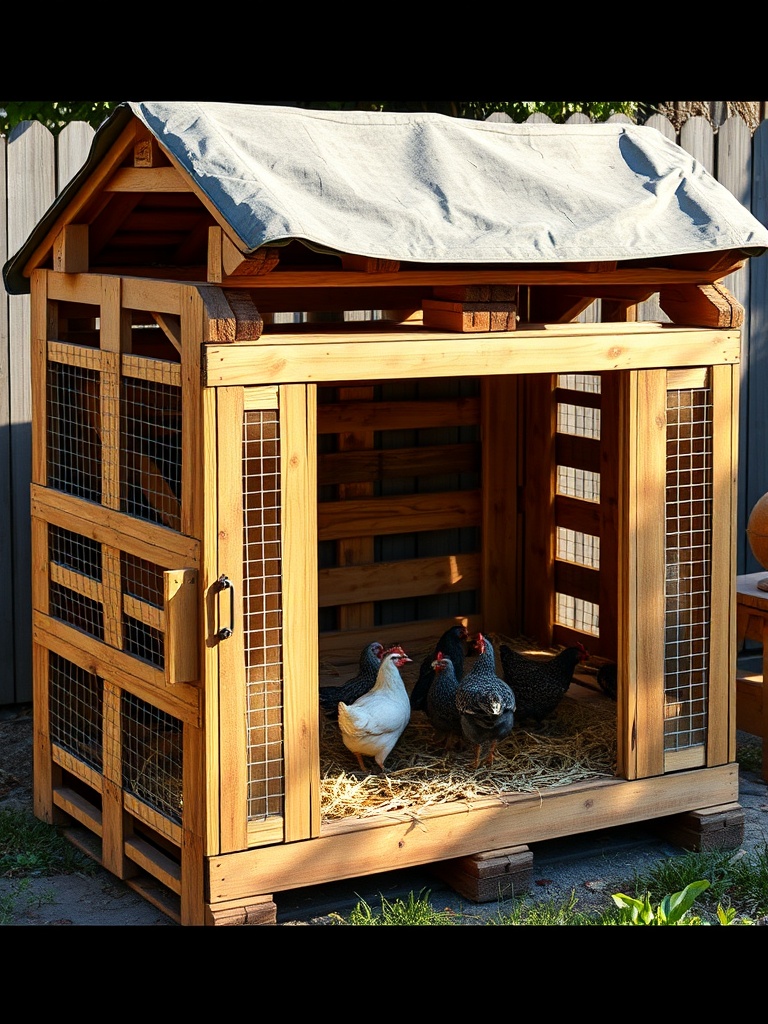
Tractor Coop
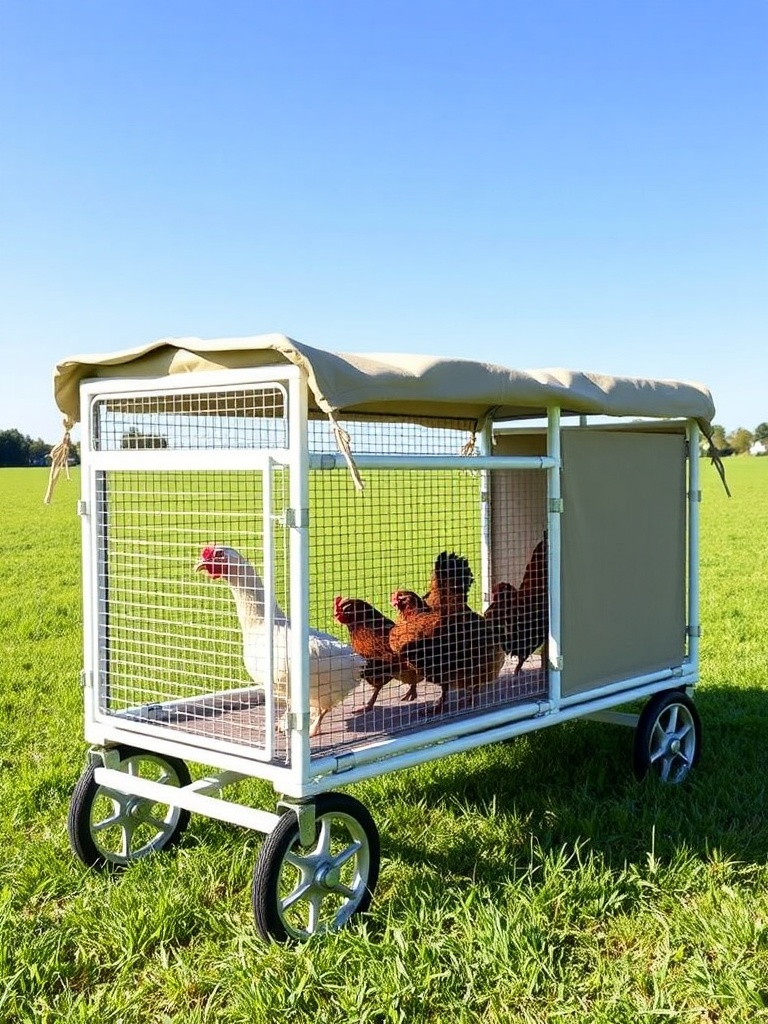
Wheels make this low rectangular frame portable, grazing lawns like a plow. Canvas flaps shade wire sides for 6 hens. PVC pipes keep it light.
Bend PVC into hoops over a wheeled base. Drape mesh, secure flaps. Daily moves ensure parasite-free foraging.
Green pastures thrive underfoot. Rope pulls effortlessly. Shade cloth for heat. Build: 3 hours. Cost: $40. Eco-mover for rotational pasturing.
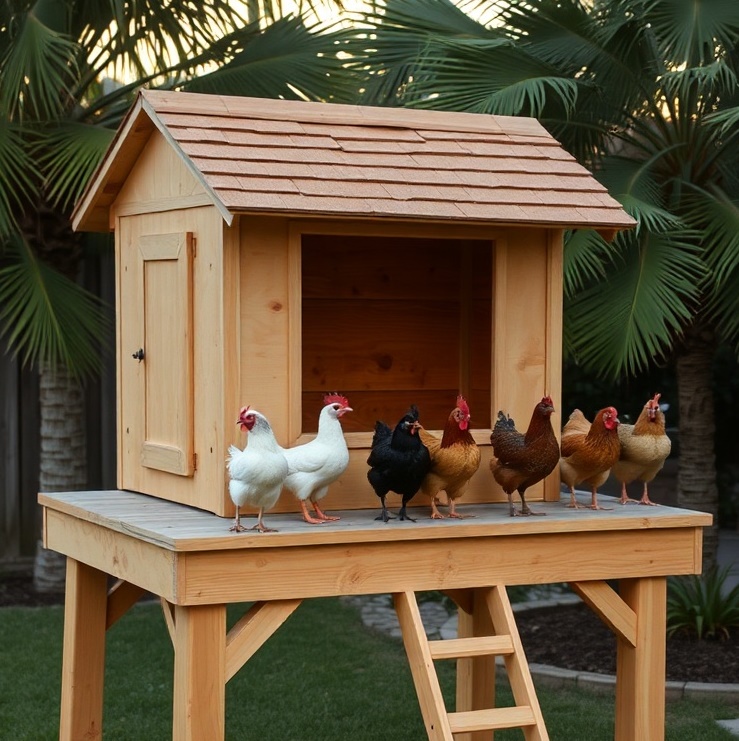
Cube Coop
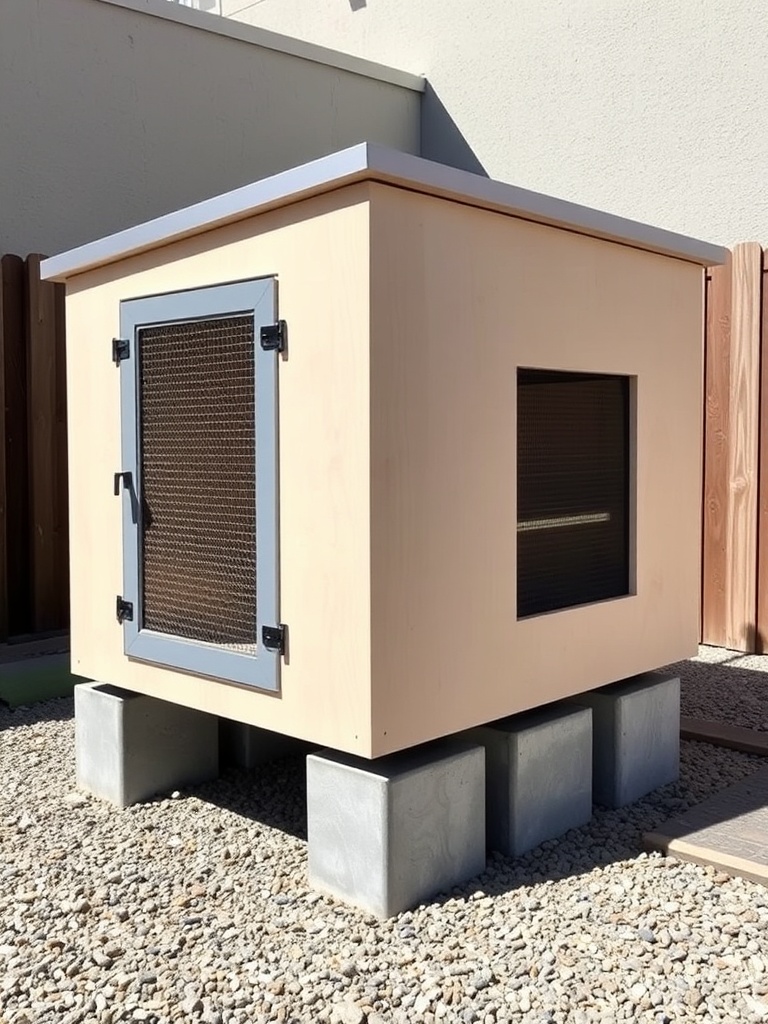
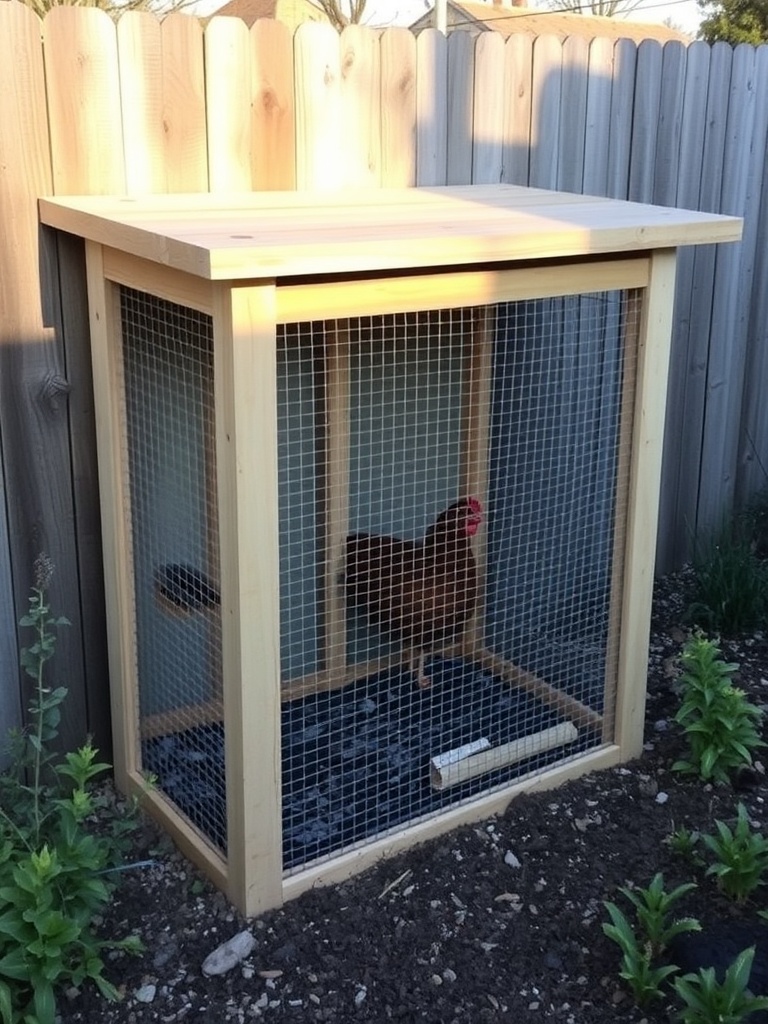
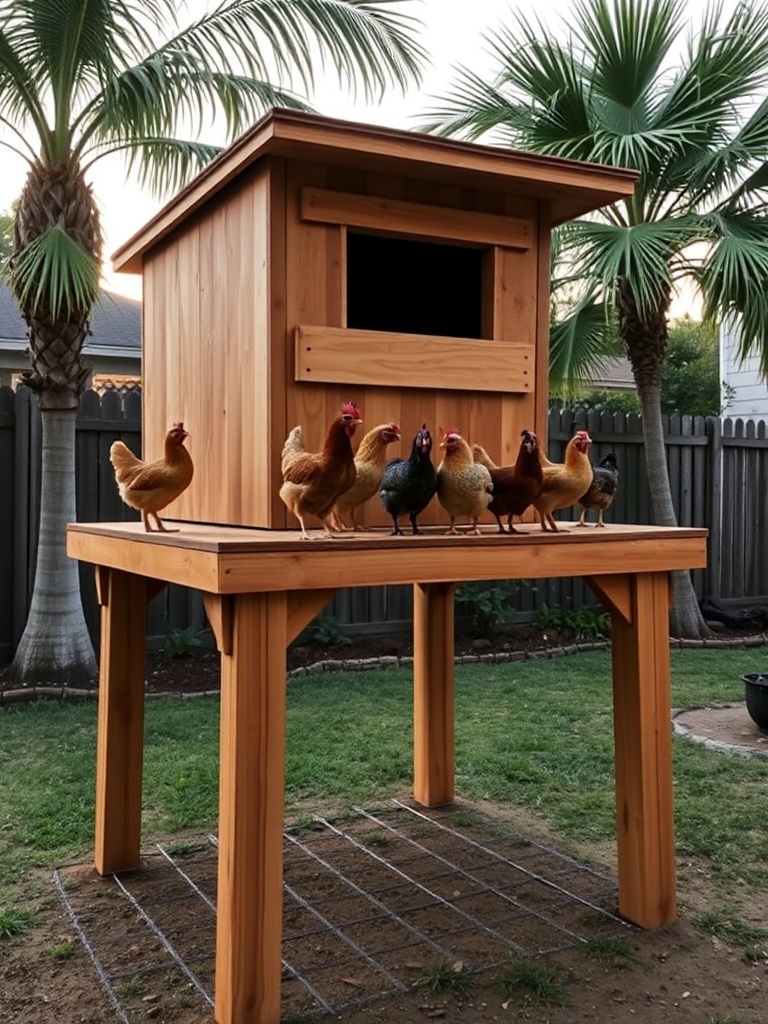
Elevated plywood cube offers modern minimalism. Mesh doors and sloped roof suit 5 hens on gravel.
Assemble panels into 4-foot cube on blocks. Internal ladders lead to roosts. Clean lines cast sharp shadows.
Regardless of which design you choose, make sure your coop includes these critical elements:
Ventilation: Chickens produce significant moisture through breathing and droppings. Without proper airflow, ammonia builds up and causes respiratory issues. Install vents near the roofline where warm, moist air escapes naturally, but not where cold drafts blow directly on roosting chickens.
Roosting Bars: Chickens naturally want to roost off the ground at night. Provide 8-12 inches of roosting space per bird on bars that are 2-4 inches wide. Avoid round dowels—chickens’ feet aren’t designed to grip them.
Nesting Boxes: Plan for one nesting box per 3-4 hens. Boxes should be about 12x12x12 inches, filled with soft bedding like straw or wood shavings, and placed lower than roosting bars (chickens instinctively roost in the highest spot available).
Easy Access: Design your coop so you can reach every area for cleaning without climbing inside. Large cleanout doors, removable roosting bars, and external nesting box access make maintenance much easier.
Security: Use sturdy materials, secure latches, and buried or bent-out wire barriers. Predators are persistent, smart, and strong—don’t underestimate them.
Sizing Your Coop Correctly
A common beginner mistake is building too small. Follow these guidelines:
Coop interior: 3-4 square feet per chicken (more if they’re large breeds)
Outdoor run: 8-10 square feet per chicken minimum (more is always better)
Build bigger than you think you need: Chicken math is real—most people end up with more chickens than planned!
Budget-Friendly Building Tips
Source free materials: Check Craigslist, Facebook Marketplace, and Nextdoor for free lumber, wire, roofing, and windows. People often give away materials from demolished sheds or decks.
Use what you have: Old cabinets make great nesting boxes, ladders work as roosts, and scrap lumber works for most framing.
Shop Habitat for Humanity ReStores: These nonprofit stores sell donated building materials at huge discounts.
Build in stages: Start with a basic functional coop, then add nice-to-have features like painted trim, decorative shutters, or a cupola later.
Common Mistakes to Avoid
Skimping on hardware cloth: Chicken wire keeps chickens in but doesn’t keep predators out. Invest in hardware cloth for security.
Poor ventilation: A tight, unventilated coop leads to sick chickens. Don’t confuse ventilation with drafts—you want air exchange near the ceiling, not cold wind on roosting birds.
Building too small: You’ll almost certainly get more chickens. Build with expansion in mind.
Forgetting about yourself: Make doors big enough that you can enter comfortably. Your back will thank you after hundreds of trips inside for maintenance.
Not considering water drainage: Position your coop on slightly elevated ground so rain doesn’t create a muddy mess.
Getting Started Today
Building a chicken coop is one of the most rewarding DIY projects you can tackle. Start by measuring your available space, determining how many chickens you want (check local regulations first!), and choosing a design that matches your skill level and budget. Sketch your plan, make a materials list, and begin gathering supplies.
Remember, chickens aren’t picky—they don’t care if your coop looks Pinterest-perfect. They care about safety, shelter, roosting space, and nesting areas. Focus on functionality first, aesthetics second. Even a simple, basic coop built well will provide years of service and countless dozens of fresh eggs.
Your backyard chicken journey starts with a good coop. Pick a design, gather your materials, and start building. Those fresh eggs and happy chicken sounds are just a weekend project away!
A Teacher with 5 years of experience. Our Expertise, is reliable to meet your full Academic development needs . Worked on many crafts and construction projects offering services from design to development to deployment over the years. You will find many of my works in my business portfolio on request.