11 Fun Shoot Poses for Kids That Everyone Will Love
Discover 11 fun shoot poses for kids that capture authentic joy. Learn expert tips for natural portraits, movement-based photography, and stress-free sessi
What makes a truly great kids portrait stand out from every other casual snapshot you have tried? Great photography hinges on natural energy, relaxed subjects, and the right approach to timing. Whether you are planning a backyard birthday party or a festive family gathering, the right pose makes all the difference. Capturing kid portraits requires a mix of patience and clever planning to keep children engaged. You want photos that feel real, not stiff or forced. Here is how you can master these 11 fun shoot poses for kids while keeping the session light and enjoyable.
Quick Questions and Answers
Question: What are the easiest shoot poses for kids?
Answer: The easiest poses are usually simple, natural setups such as standing slightly turned toward the camera, sitting on the floor, lying on the tummy, or cuddling a favorite toy. Several guides recommend choosing poses that let the child move or play rather than holding a rigid position for long.
Question: Why should kids not be forced to pose?
Answer: Forcing poses often makes children look stiff, uncomfortable, or distracted. Guides for children’s photography recommend letting kids play, explore, and behave naturally so the photographer can capture genuine expressions and better cooperation.
Question: How do you pose toddlers for photos?
Answer: For toddlers, movement-based poses work especially well because they have short attention spans and lots of energy. A family-photo guide specifically recommends movement poses for ages 1 to 3, while other sources suggest toys, snacks, and play to keep them engaged.
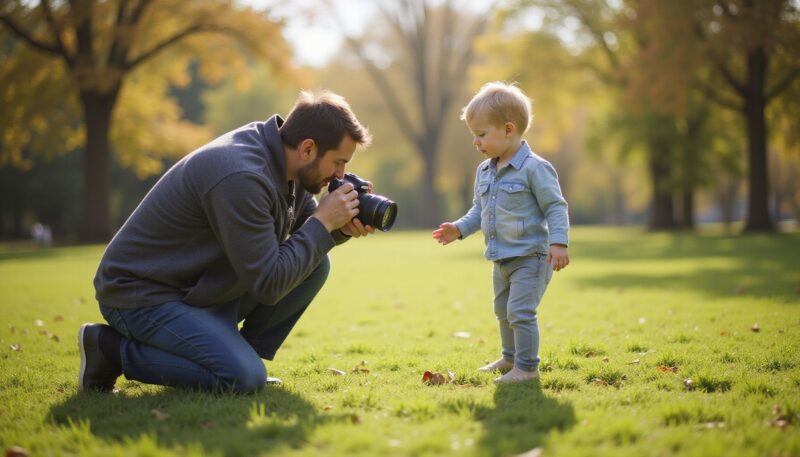
1. Best Eye-Level Perspective
Professional photographers often suggest lowering yourself to the child’s height by sitting on the floor or kneeling to establish a direct connection. This simple shift in angle changes everything about the portrait’s emotional weight. Avoiding a “looking down” angle prevents the child from appearing small and makes the portrait feel more intimate. As dzoom explains, you should get on their level to bridge the distance between you and your subject.
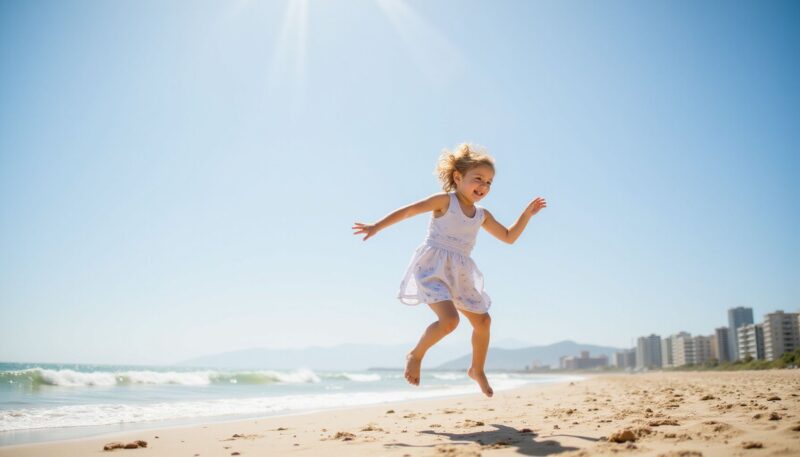
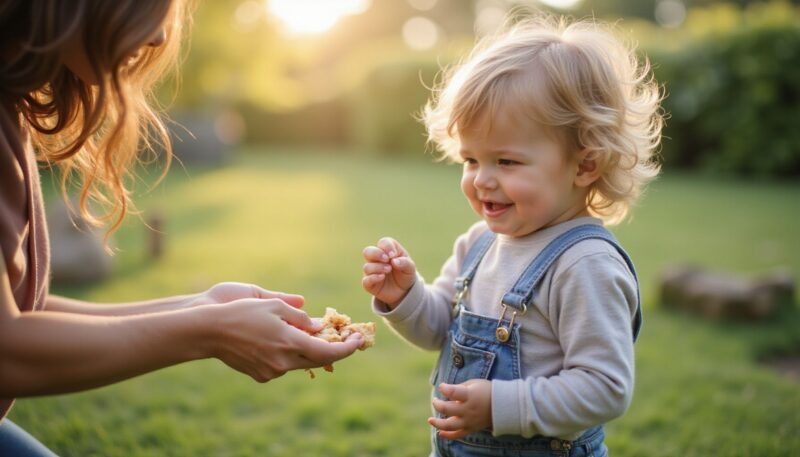
2. Easy Action-Based Play
Instead of static setups, encourage kids to run, jump, or play to capture natural, candid expressions. This method prevents stiff poses and keeps energy levels high, which is essential for lively, authentic photography. Juan Madel Valle notes that asking kids to jump or run with their favorite toys produces the best results. It turns the photoshoot into a game rather than a chore.
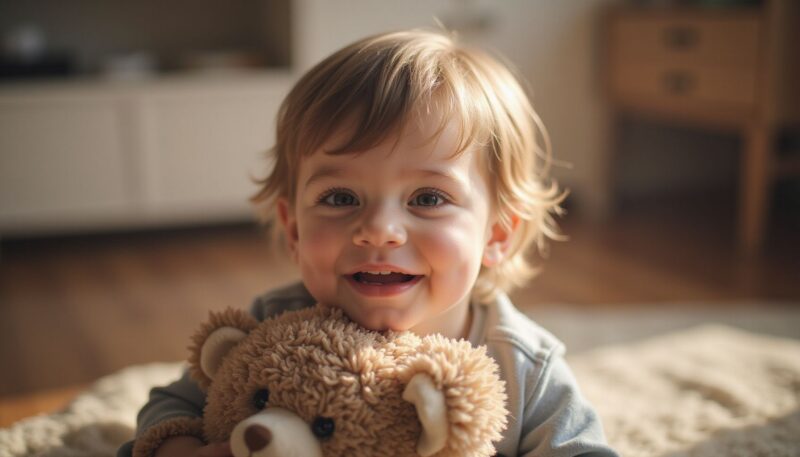
3. Stunning Teddy Bear Cuddles
Utilizing a favorite soft toy as a prop provides security and a natural point of focus for the child. The “Teddy Hug” creates a comforting, emotional composition that works particularly well for shy toddlers. According to Digital Photography School, using a prop helps children feel relaxed and gives their hands a task. You might find that adding a small toy is even more effective than 12 Creative Little Library Ideas You Will Wish You Knew when it comes to keeping a child grounded.
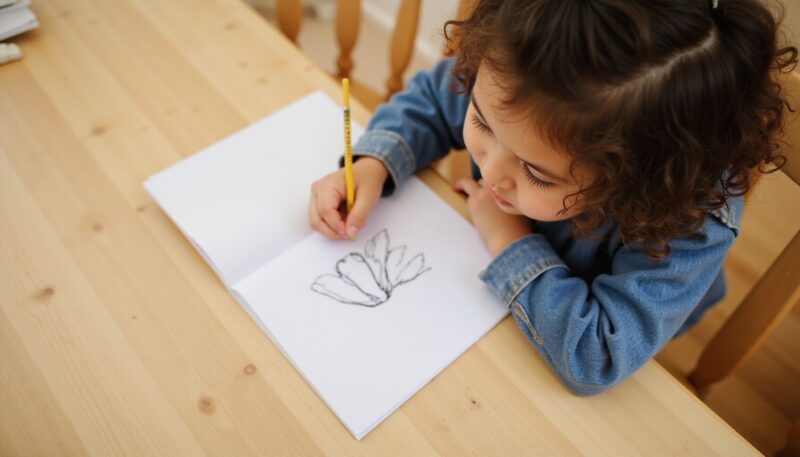
4. Brilliant Tabletop Engagement
Occupying children with specific activities like drawing, painting, or reading at a table keeps their hands busy. This technique minimizes fidgeting and creates a calm, focused aesthetic for the final image. A report from Scribd notes that purposeful play improves cooperation significantly. If you have a desk setup, you might even consider some 12 Creative Bulletin Board Ideas Everyone Should Know to create a visually interesting backdrop for these seated shots.
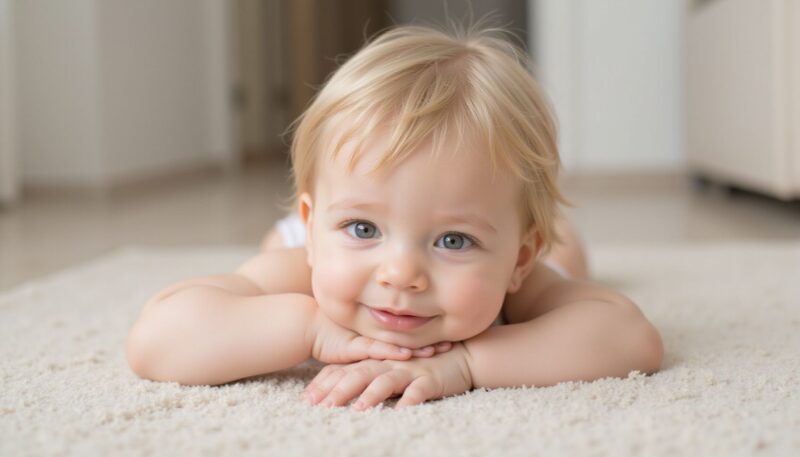
5. Aesthetic Tummy-Down Lying
Children lie on their stomachs with their chins resting on their hands or arms to create a relaxed, professional studio look. This pose is highly effective for both toddlers and school-age children when shot from a low, ground-level angle. It creates a soft, approachable frame that highlights the child’s eyes perfectly.
6. Smart Movement-Oriented Sessions
Tailored to toddlers ages 1 to 3, these sessions rely on constant movement rather than fixed positions to suit the child’s natural energy. Bringing snacks to these shoots is a highly recommended strategy to keep the child happy and compliant. Patpat highlights that movement is key for the youngest subjects who cannot stay still.
7. Simple Shallow Depth Portraits
Utilizing a shallow depth of field helps blur the background, ensuring all visual attention remains on the child’s face. Choosing simple, uncluttered backgrounds is a core rule of thumb to make the subject pop without distractions. Digital Photography School provides excellent technical guidance on using this technique to create professional separation between the subject and the environment.
8. Amazing Co-Directed Teen Sessions
For adolescents aged 13 to 18, the most successful approach involves letting the child provide input on the creative direction of the shoot. Including teens in the decision-making process increases their cooperation and leads to poses that feel personal rather than forced. It gives them a sense of ownership over the final image.
9. Proven Fast Shutter Timing
Because children move rapidly, a minimum shutter speed of 1/100s is essential to capture crisp, motion-free images. Setting your camera to a higher speed allows you to catch the fleeting, genuine smiles that occur between poses. Never assume your camera settings from a static shoot will work here.
10. Natural Standing Profiles
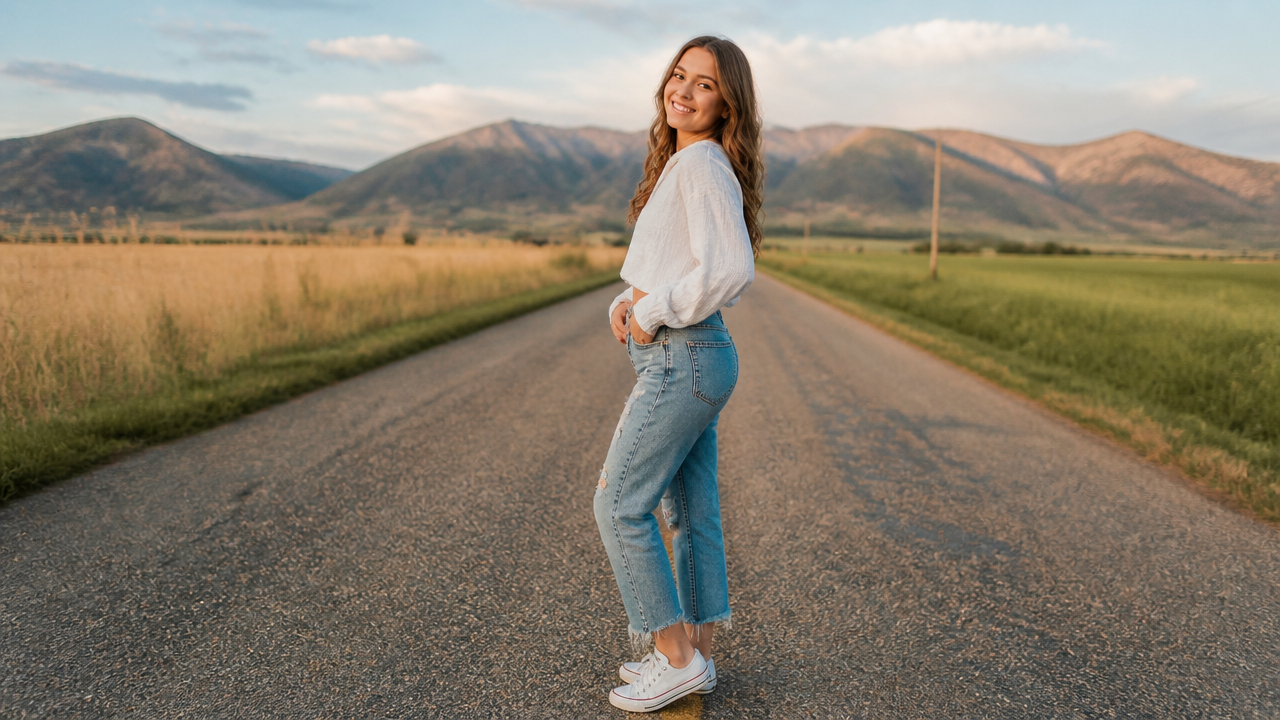
Have the child stand facing the camera, then instruct them to turn slightly so one shoulder points toward you. This creates a more dynamic, flattering look than standing perfectly square to the lens. It adds dimension to the portrait.
11. Joyful Mid-Air Jumps
If the child is full of energy, ask them to jump as high as they can. Shooting at the peak of their jump captures a sense of pure, unbridled joy. It is a classic move for high-energy sessions that always results in a genuine smile.
Pose Style
Best For
Energy Level
Key Benefit
Tummy-Down
Toddlers
Low
Studio aesthetic
Action-Play
Energetic Kids
High
Authentic joy
Tabletop
Shy/Focused
Low
Reduces fidgeting
Common Mistakes
Trying to force a specific, complicated pose usually leads to frustration for everyone. If a child does not want to sit, do not fight it; move to an action-based pose instead. Avoid cluttered backgrounds that pull the eye away from the child’s face. Neglecting the shutter speed is another frequent error, as motion blur can ruin an otherwise perfect shot. Finally, forgetting to keep the session short causes kids to lose interest quickly.
FAQ
Q: Can you photograph kids at eye level?
Yes, and multiple sources say eye-level shooting is one of the best approaches for children. Shooting at their height helps the image feel more personal and keeps the child from looking too small or distant in the frame.
Q: Which poses work best for shy children?
Shy children often do better with quiet, low-pressure poses such as holding a stuffed animal, reading a book, sitting comfortably, or looking slightly away from the camera. Guides also recommend letting older children help choose the pose or location so they feel more in control.
Q: Do kids need props for photo poses?
Props are not required, but they can help children relax and give their hands something to do. Common prop ideas in the sources include teddy bears, favorite toys, books, bubbles, and blankets.
Q: How long should a kids photo session be?
The sources do not give a single fixed session length, but they consistently suggest keeping things quick and flexible because children do not hold still for long. One technical tip is to use a fast shutter speed of at least 1/100s, which reflects how quickly kids tend to move.
Q: Should children look at the camera in every pose?
No. Some poses work well with direct eye contact, but several guides recommend also capturing children while they are looking at a toy, reading, playing, or lying down naturally. This usually creates a more candid and expressive image.
Q: What background is best for kids portraits?
Simple, neutral backgrounds are usually best because they keep attention on the child. One guide explicitly recommends plain backgrounds and shallow depth of field, while another suggests avoiding clutter so the child remains the clear subject.
Q: How do you get natural smiles from kids?
Natural smiles usually come from play, conversation, and keeping the session fun rather than demanding a smile on command. Sources recommend activities like running, jumping, drawing, reading, or using a favorite toy to trigger real expressions.
My Experience With 11 Fun Shoot Poses for Kids That Everyone Will Love
I remember my first attempt at photographing a three-year-old. I had a vision of a perfectly posed, smiling child in a garden, but I ended up with twenty photos of a blurry toddler running away from the camera. It was a humbling lesson. Since then, I’ve stopped fighting the chaos and started working with it. I found that the “Tummy-Down” pose is my secret weapon for those moments when the kids are finally starting to tire out. It’s calming, and the angle allows me to get right on the floor with them, which always makes them laugh when I inevitably get grass on my pants. My expert tip? Focus on the eyes. If the eyes are sharp and filled with that genuine spark, the rest of the composition matters much less. Don’t be afraid to let them hold a slightly messy snack or a beat-up toy; that stuff is part of their story. It’s not about perfection; it’s about the blink-and-you-miss-it personality that makes these years special. What has been your biggest struggle when trying to capture a perfect shot of your kids?
Conclusion
The secret to success is letting go of control. By using these poses as loose starting points rather than rigid rules, you leave room for the child to show you who they really are. Focus on the eye-level connection, keep the shutter speed high, and prioritize fun above all else. Your best photos will be the ones where the kids forgot you were even there.
References
GuiaInfantil. (n.d.). 12 trucos de experta para hacer fotos a los niños en casa. GuiaInfantil. https://www.guiainfantil.com/articulos/ocio/familia/trucos-para-hacer-fotos-a-los-ninos/
Digital Photography School. (2020). How to Pose Children (21 Posing Ideas + Tips). Digital Photography School. https://digital-photography-school.com/posing-guide-21-sample-poses-to-get-you-started-with-photographing-children/
Juan Madel Valle. (n.d.). Las mejores poses para fotografías de peques y niños. Juanmadelvalle. https://www.juanmadelvalle.es/blog/las-mejores-poses-para-fotografias-de-peques-y-ninos
Patpat. (n.d.). 30 Poses Únicas para Fotos Familiares que Aún No Has Probado. Patpat. https://www.patpat.com/es/blogs/knowledge-guide/30-unique-family-photo-poses-you-havent-tried-yet
Dzoom. (n.d.). Guía Definitiva para Hacer Fotos a Niños Pequeños. Dzoom. https://www.dzoom.org.es/la-guia-completa-para-fotografiar-ninos-pequenos/
Expert Photography. (n.d.). How to Shoot Portraits of Children. Expert Photography. https://expertphotography.com/children-portraits/
Scribd. (2019). Poses Creativas para Fotos de Niños. Scribd. https://es.scribd.com/document/408758111/Poses-Fotografica-para-Ninos
A Teacher with 5 years of experience. Our Expertise, is reliable to meet your full Academic development needs . Worked on many crafts and construction projects offering services from design to development to deployment over the years. You will find many of my works in my business portfolio on request.