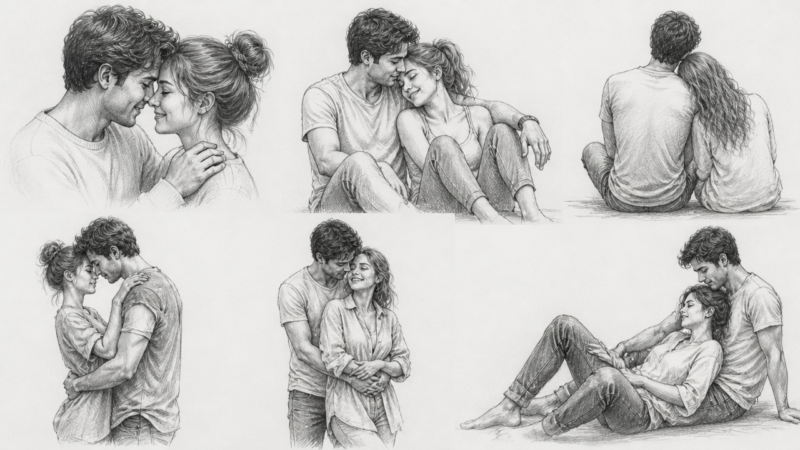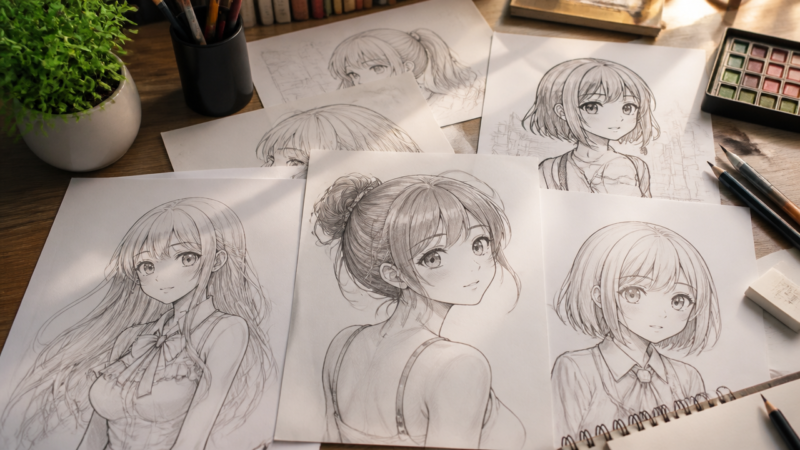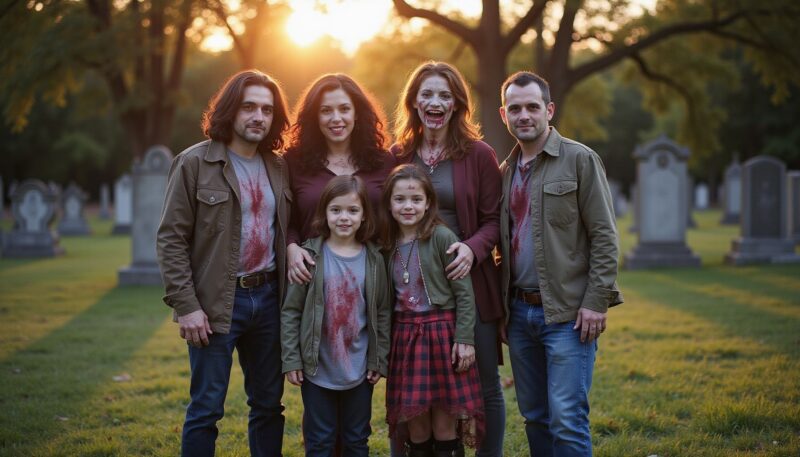


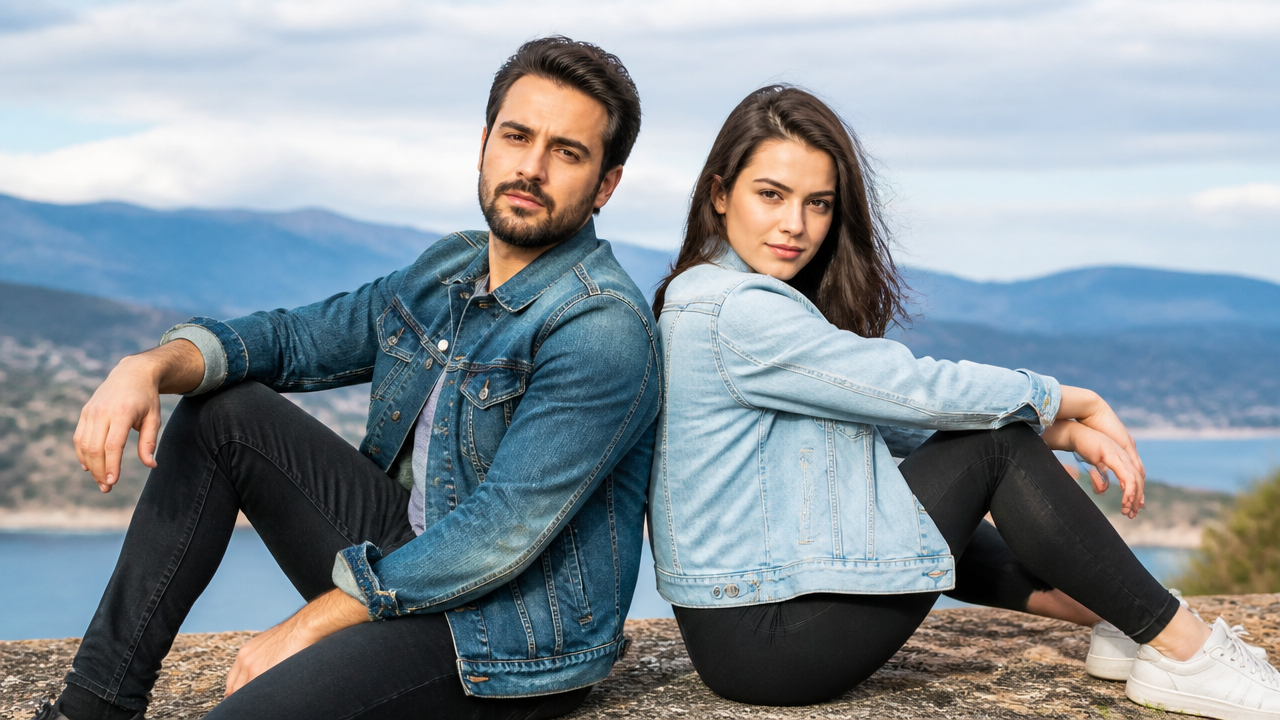
Have you ever wondered how a great two people pose reference stands out from every other duo pose reference you’ve seen in galleries? Finding the right pose references makes all the difference when you are working on character art. Whether you are planning a summer outdoor shoot or a holiday greeting card, the right duo poses create connection and depth. I have gathered these simple two person reference ideas to help you build better scenes. You will find easy ways to start drawing couples or friends today. Let us look at the top sources and methods for your art.
Quick Questions and Answers
Question: What is a two people pose reference used for? Answer: A two people pose reference helps artists, photographers, and creators capture accurate body positioning for duo subjects. It provides visual guidelines for spacing, angles, and interaction between two individuals in photos or artwork. These references are commonly used in digital art, photography shoots, and animation to ensure realistic and dynamic compositions.
Question: Why do artists need duo pose references? Answer: Artists need duo pose references to understand how two people interact physically and visually in a scene. Without references, proportions, perspectives, and natural body alignment can become unrealistic. Pose references help avoid common mistakes like awkward spacing or incorrect limb placement, especially when drawing or photographing couples or friends.
Question: Can I find free two person pose references online? Answer: Yes, many websites offer free two person pose references for artists and photographers. Platforms like PoseMy.Art and WikiHow provide curated collections of duo poses with adjustable angles and lighting. These resources are accessible without cost and often include tips on how to customize poses for specific creative needs.
7 Essential Sources for Duo Pose References
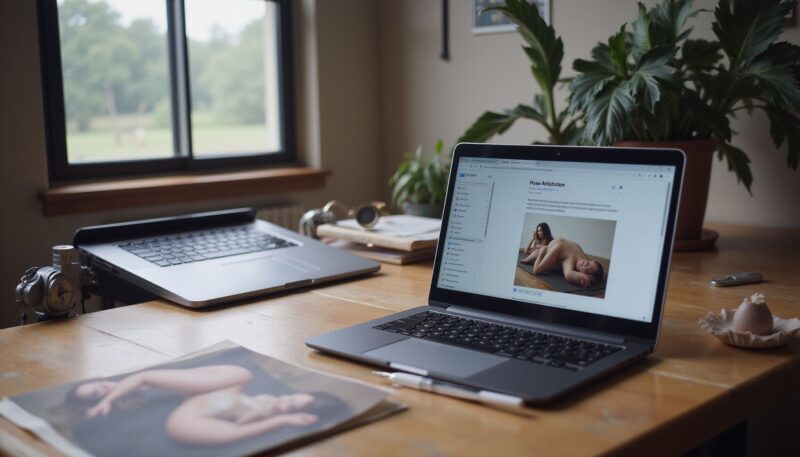
Finding quality sources is the first step in creating believable artwork. Several websites specialize in high-quality photography that captures the nuances of body language between two subjects.
Adorkastock provides a variety of pose references featuring two models, including romantic, friendly, and enemy poses. This site allows you to sort by category, which saves time when you need a specific emotional context. Their library is free to use, though checking licensing is smart if you plan commercial work.
PoseMy.Art offers a 3D interactive tool that lets you adjust camera angles and lighting digitally. You can rotate models to see how weight shifts between feet and hips. This is useful for solving complex foreshortening issues before you start drawing. Their curated collections include gymnastic and meditative interactions, which are harder to find elsewhere.
Pinterest remains a massive hub for visual discovery. Users search for terms like ‘melon soup’ to find aesthetic duo pose reference sets. The platform hosts over 800 categorized figure drawing ideas that evolve daily as artists upload their work. It is great for quick inspiration but not always structured.
Reddit users often share ‘photo dumps’ that include lighting-specific reference requests. Subreddits for artists are goldmines for raw, unfiltered images of friends or actors. You can find candid moments that feel more natural than staged shoots. Just remember to respect the photographers’ rights when you save images.
TikTok is becoming more popular for specific anatomy studies like detailed hand-holding pairings. Short-form videos let you pause the motion to see the exact grip or pressure points. Creators often tag their content so you can find trends easily using hashtags.
WikiHow offers written guides alongside images that explain basic duo pose construction. You get context on how to hold your pose physically if you want to use a human model. This combination of text and image helps beginners understand the mechanics of space usage.
How to Select the Right Two-Person Pose for Your Project
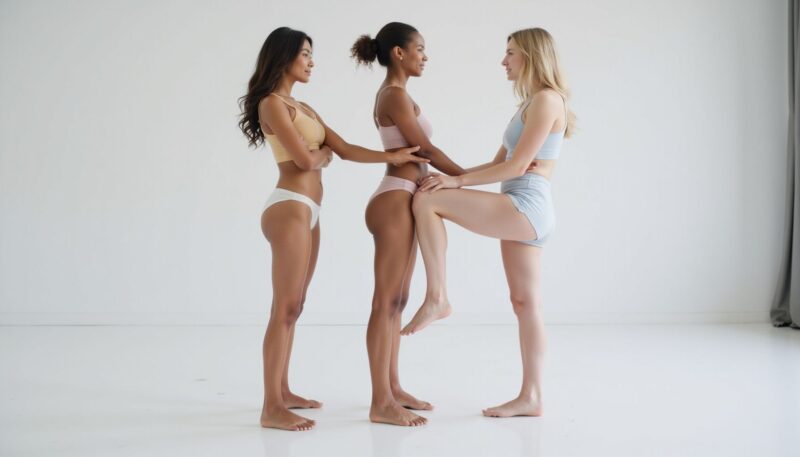
Prioritize anatomical accuracy to ensure natural weight distribution between figures. The Treasures of Stratford notes that using pose references significantly enhances emotional depth and storytelling while ensuring better anatomical accuracy. You should evaluate if the pose matches the narrative tone, choosing between categories like romantic, friendly, enemy, or conflict-driven interactions. Skyrye Design advises verifying the availability of multiple camera angles and lighting setups, especially for suggestive or intense emotional scenes.
Check the background space to make sure it suits the subject’s movement. If the characters are sitting, ensure the chairs look sturdy enough to support their weight. Look at the shadow direction to see how light hits the skin. Consistency in lighting helps the figures feel like they belong together in the same room.
Top Platforms for Finding Dynamic Duo Poses

Adorkastock offers high-quality, free model photography categorized by specific human interactions. Their sorting system helps you find the exact mood you need without scrolling. You can look for ‘enemy’ poses for a dramatic effect or ‘friendly’ for a warm scene. Check the license before using any image publicly.
PoseMy.Art offers 3D interactive tools for dynamic, gymnastic, and meditative character placements. The digital nature means you can change the camera height instantly. This flexibility makes it perfect for learning how perspective affects the perceived size of the duo.
Pinterest is the go-to for crowdsourced inspiration, including popular niche trends like ‘melon soup’ posing sets. The search function allows you to filter by color and style easily. It works best for mood boards rather than specific anatomical study.
Reddit is useful for community-curated photo dumps and lighting-specific reference requests. You can post a specific request and get a flood of user-submitted answers. This creates a network effect where more diverse poses become available.
TikTok is optimized for short-form, specific anatomy studies like detailed hand-holding pairings. The vertical format is ideal for viewing from head to toe in one scroll. Creators often demonstrate movement to help you understand the flow.
Comparison: Choosing Between 3D Models and Photo References
| Option | Feature | Best For | Notes |
|---|---|---|---|
| 3D Models (PoseMy.Art) | Custom angles | Perspective mastery | Allows full control over composition |
| Photo References (Adorkastock) | Real texture | Character acting | Captures authentic weight transfer |
| Pinterest Boards | Inspiration | Mood setting | Good for trends, less anatomical |
| Reddit Communities | Raw images | Lighting study | Unfiltered and community driven |
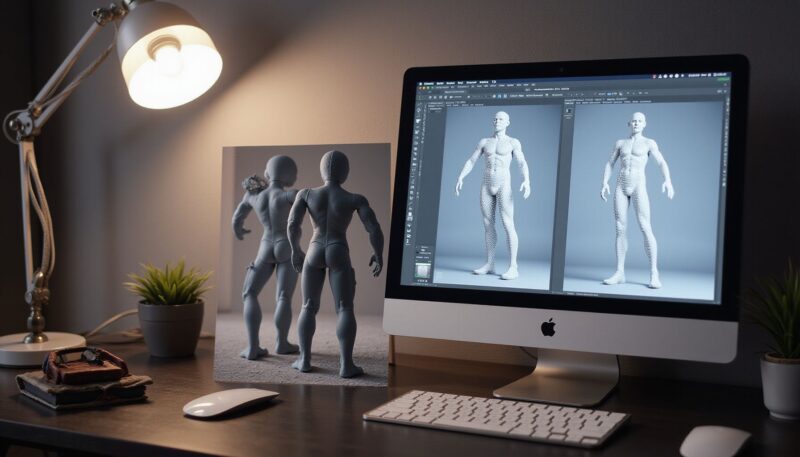
Three-Dimensional models give you full control over camera angles and individual limb manipulation. Photo references excel at capturing human texture and realistic fabric folds. You often need both to get the best result for your final piece.
Who Needs Which Reference Type?
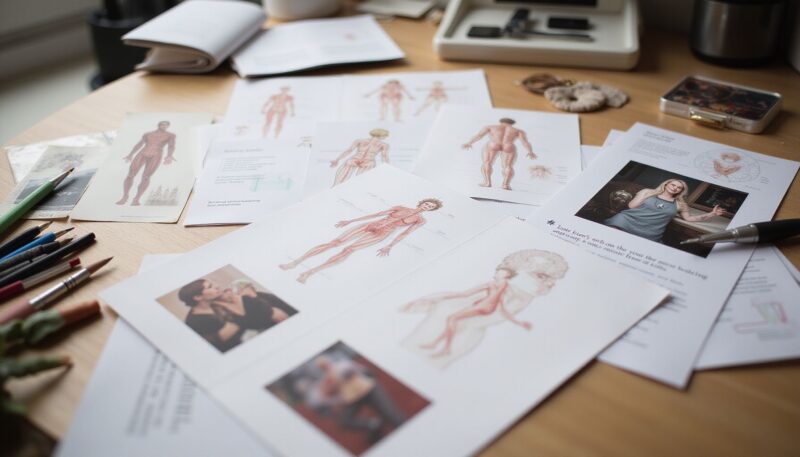
Use 3D tools if your primary goal is perspective mastery or solving complex foreshortening problems. These tools let you see exactly where a hand should be in 3D space. It removes the guesswork from foreshortening.
Use professional photo references if your priority is character acting, emotional expression, or complex body language that requires nuance. Skin texture and subtle muscle tension look most realistic in photos. They reveal the small details that a basic model might miss.
The National Gallery of Art explains that observing real bodies improves your understanding of form. National Gallery of Art – Observing Form I have seen artists improve their drawing speed just by switching to photo studies.
Best Practices for Integrating References into Your Workflow
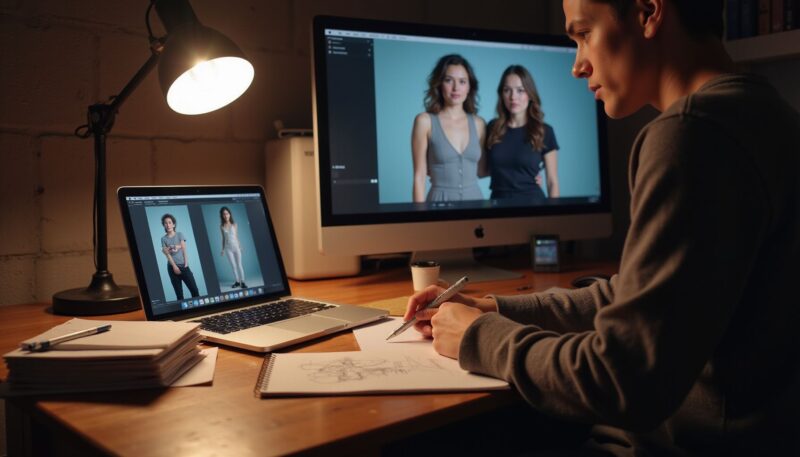
Step 1: Browse by category to avoid ‘creative block’ during character sketching. PoseMy.Art suggests organizing your folders by emotion to speed up the process. Step 2: Set up consistent lighting references early to maintain shadow depth between the two characters. Step 3: Layer multiple references if a single image does not capture both the desired angle and the intended interaction.
I have found that sketching over a photo reference can teach you how to exaggerate the pose. You learn the rules of anatomy well enough to break them creatively later.
The Art Institute of Chicago offers resources on studying figure drawing that emphasize observation. The Art Institute of Chicago – Figure Drawing This type of study builds a strong habit of looking before drawing.
2026 Trends
Artists are moving toward more interactive references where camera angles are user-controlled. VR tools are becoming more common for studying spatial relationships between figures. Social media channels are prioritizing diverse body types in their duos. You will see more inclusive representations in the upcoming year.
Frequently Asked Questions
Q: Are there beginner-friendly duo poses for photoshoots?
Yes, beginner-friendly duo poses include simple stances like standing side by side, leaning on each other, or sitting back-to-back. Examples like the Adoring Gaze, Head Leaning, and Partner Breathing are easy to execute and create natural-looking results. These poses work well for casual photoshoots involving friends or couples.
Q: How do I create your own two person pose reference?
To create your own two person pose reference, set up two people with clear lighting and a neutral background. Use a camera to capture multiple angles, then adjust body positions, camera height, and distance to vary the composition. Apps like PoseMy.Art also let you digitally adjust poses, camera angles, and lighting for custom reference creation.
Q: Does a two person pose reference help with animation?
Yes, a two person pose reference helps animators depict realistic interactions between characters. It clarifies how weight, balance, and movement shift when two figures engage physically. Animators use these references to maintain consistency in character positioning and to avoid unnatural poses in scenes involving dialogue or combat.
Q: What are cool duo poses for couples’ photos?
Cool duo poses for couples include Legs Elevated, Dive Together, and Heart Formation, which create dynamic and romantic visuals. The Temple Pose and Backbend and Forward Fold offer more artistic and intimate options. These poses emphasize connection, movement, and emotional expression.
Q: Which duo poses work best for friends?
Friend-friendly duo poses include K-Pop Stance, Asymmetrical Sitting, and Wall Legs, which feel playful and relaxed. The Heart Formation and Meditative Pose also convey friendship through closeness and shared energy. These poses avoid overly romantic vibes and instead highlight camaraderie and fun.
Q: Will duo pose references improve my photography skills?
Duo pose references improve photography skills by teaching composition, body language, and interaction dynamics between two subjects. They help photographers plan shots more effectively and reduce errors during live sessions. Using references builds confidence in directing subjects and enhances the ability to capture natural images.
Q: Where can I download duo pose templates for art?
You can download duo pose templates for art from websites like PoseMy.Art and WikiHow, which offer curated collections of 30+ cool duo poses. These platforms allow users to adjust poses, camera angles, and lighting to match your project needs. Many templates are free and available for immediate use in digital art projects.
My Experience With 12 Simple Two People Pose Reference for Beginners
I once tried drawing a couple sitting on a bench without a reference and ended up with legs that looked like spaghetti. It was a humbling lesson in anatomy. I switched to using photo references, and my confidence skyrocketed immediately. I found that paying attention to the tension in the shoulder muscles changes the whole story. You cannot fake weight distribution; the body knows how to rest. I have drawn dozens of scenes using these techniques to feel the flow. You need to look closely at the elbows and wrists; they show the most stress. I recommend starting with the Adoring Gaze before moving to more complex standing poses. Have you ever struggled with a duo drawing before?
Conclusion
Mastering the two people pose reference requires practice and the right resources. You have the tools and platforms to start creating now. Keep practicing to refine your observation skills.
References
- Adorkastock. (n.d.). Double Model Pose References | Free Poses for Artists. Adorkastock. https://www.adorkastock.com/pose-category/count/double/
- Skyrye Design. (2023). Mastering the Art of Suggestive Pose for Two People: Tips & Resources. Skyrye Design. https://skyryedesign.com/tutorials/suggestive-pose-ref-two-people/
- PoseMy.Art. (n.d.). Duo Poses. PoseMy.Art. https://posemy.art/duo-poses/
- Pinterest. (n.d.). Two Person Pose Reference. Pinterest. https://www.pinterest.com/ideas/two-person-pose-reference/930152248798/
- Treasures of Stratford. (n.d.). Two People Pose Reference. Treasure of Stratford. https://www.treasuresofstratford.ca/xkldimedn11/two-people-pose-reference

A Teacher with 5 years of experience. Our Expertise, is reliable to meet your full Academic development needs . Worked on many crafts and construction projects offering services from design to development to deployment over the years. You will find many of my works in my business portfolio on request.