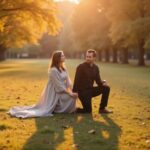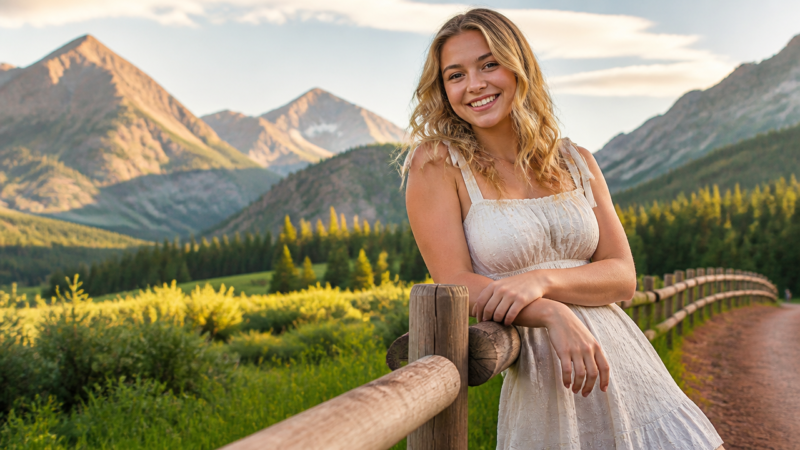
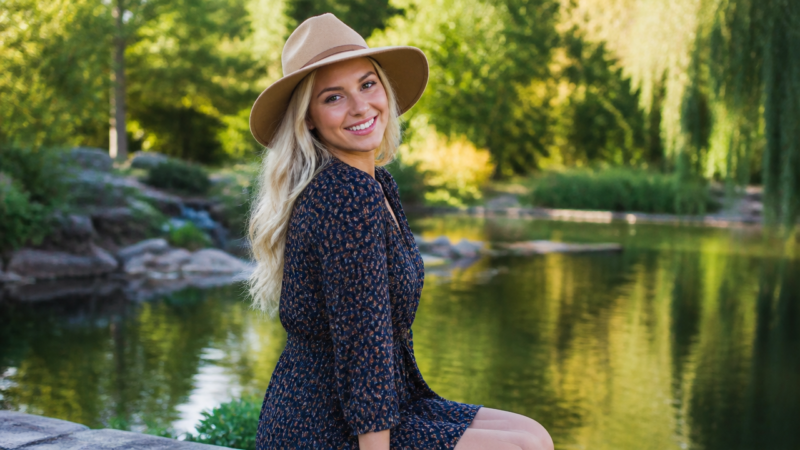

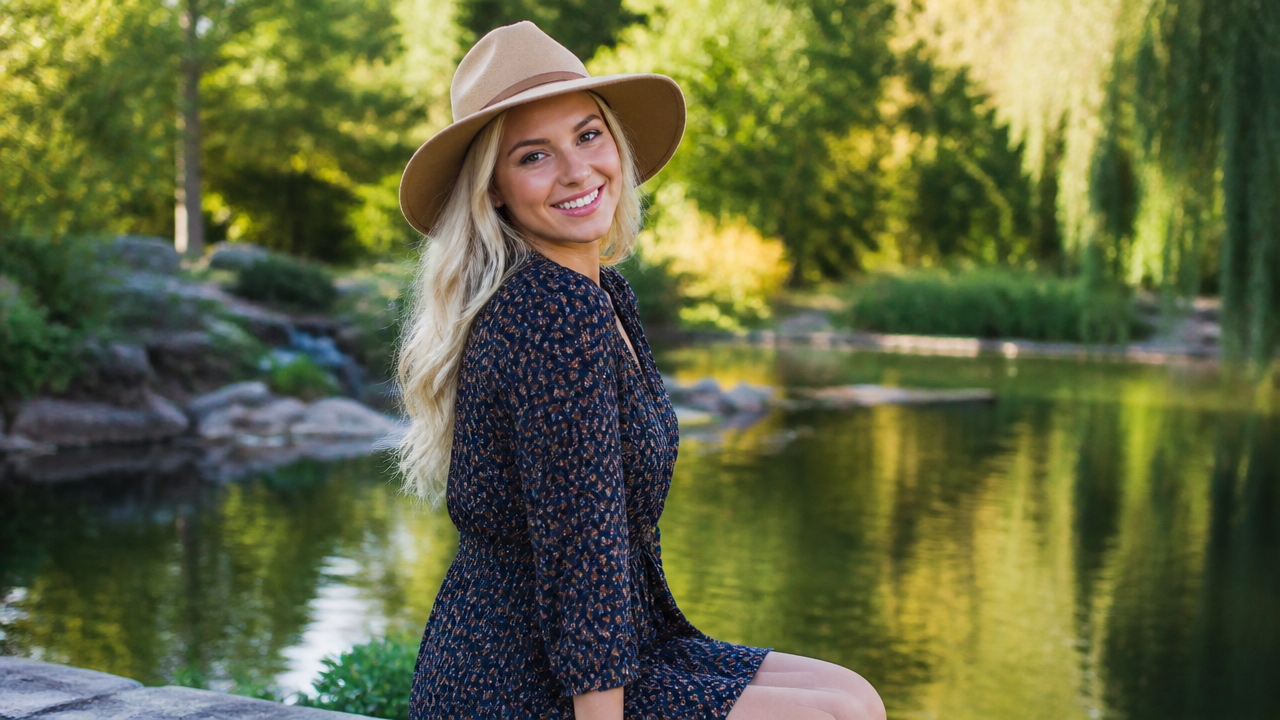
What makes a truly great senior outdoor photo shoot pose stand out from every casual snapshot you scroll past? Capturing authentic senior pictures requires clear direction, reliable timing, and a relaxed vibe that matches the season. Whether you are chasing golden hour light before summer fades or planning a crisp fall session, good posing turns ordinary backdrops into keepsakes. Smart senior outdoor photo shoot poses give you clean lines, natural energy, and zero stiffness. Let’s walk through the exact workflow you need to nail it every time.
Quick Questions and Answers
Question: What are the best outdoor poses for senior photos? Answer: The strongest outdoor senior poses are usually a mix of standing, sitting, walking, over-the-shoulder looks, and small movement poses. Sources on senior portrait posing repeatedly recommend shifting weight, using hands, and repeating a pose with different expressions so the gallery feels natural and varied.
Question: How do you pose seniors naturally outside? Answer: To pose seniors naturally outside, give them something to do instead of telling them to freeze. Recommended actions include walking, turning back, looking away, touching hair, holding clothing or a prop, and relaxing the shoulders while shifting weight to one side.
Question: What tools do you need for senior outdoor portraits? Answer: The practical tools mentioned in the sources are mostly photographic and comfort-related: a 70-200 lens, a 50mm f/1.8 lens, a playlist, and enough time for breaks and preview checks. The posing advice also implies that the photographer should be ready to move around, shoot from eye level or above, and direct hand placement clearly.
Key Takeaways
- Move the subject frequently instead of forcing static stands.
- Assign hands a specific job to eliminate awkward hanging arms.
- Shoot from eye level or higher to protect the chin line.
What You Need
| Item | Purpose | Notes |
|---|---|---|
| 70-200mm lens | Compresses background and flattens facial features nicely | Ideal for field settings and distant backdrops |
| 50mm f/1.8 lens | Creates soft focus and creamy bokeh effect | Perfect for close-ups and shallow depth |
| Portable speaker | Sets the mood and reduces session anxiety | Play familiar tracks that match the senior’s taste |
| Mirror app on phone | Lets the senior check angles before shooting | Saves time correcting posture mid-session |
| Light jacket or scarf | Adds texture and gives hands something to hold | Works well when the wind picks up unexpectedly |
Step 1: Pre-Shoot Prep and Building Rapport

Start by setting a calm tone before the camera ever comes out. Build rapport by chatting about hobbies, favorite spots, and upcoming plans. Stacy Kennedy notes that you should act as a mirror during the session, but practicing beforehand saves precious daylight. Have the senior try a few poses in a full-length mirror at home. They will quickly learn which angles flatter their face and posture. Remind them that we treat the shoot like a marathon, not a sprint. Schedule built-in breaks every twenty minutes. Hydration and fresh air keep tension off the shoulders. I always play music the senior actually likes. Sudden silence makes everyone stiff. Settle the nerves early, and the frames will follow.
Step 2: Mastering Standing and Movement-Based Poses
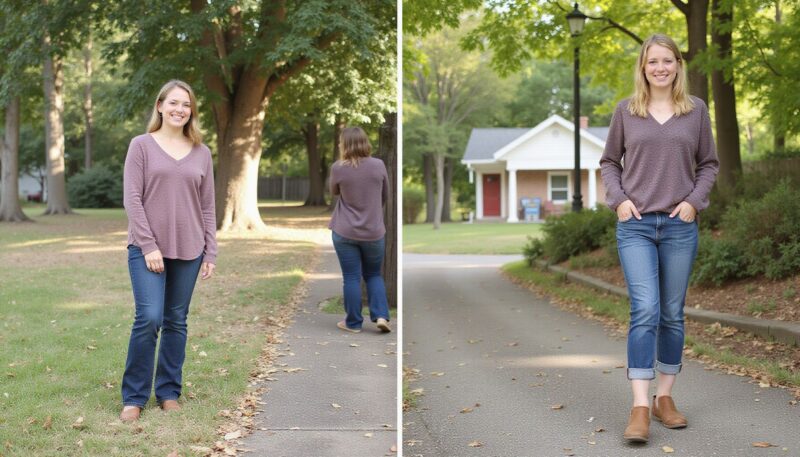
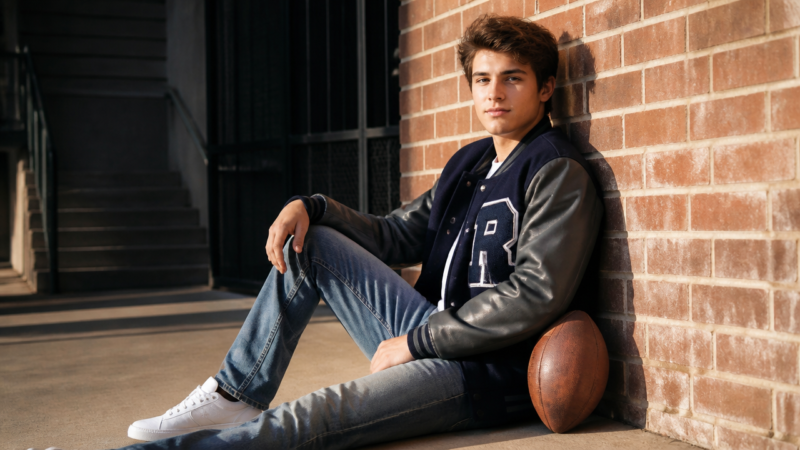
Movement is magic for senior portraits. Kelly McPhail emphasizes that motion instantly kills stiffness. Direct the senior to walk toward you at a normal pace. Ask them to smile, glance down, look left, or brush a strand of hair back on each pass. Repeat the walk three or four times. Change the instruction each round. Capture the result. Add wider motion like a slow twirl in a sundress or stepping through tall grass. Keep the shutter running lightly. These frames read as candid but are fully directed. Shift weight onto the back leg when standing still. Bend the front knee slightly. Cross the ankles behind the standing leg. This subtle angle lengthens the torso and prevents a flat stance. Try a few standing setups alongside our guide on 10 Best Standing Senior Portrait Poses That Look Natural for extra inspiration.
Step 3: Giving Hands a Purpose
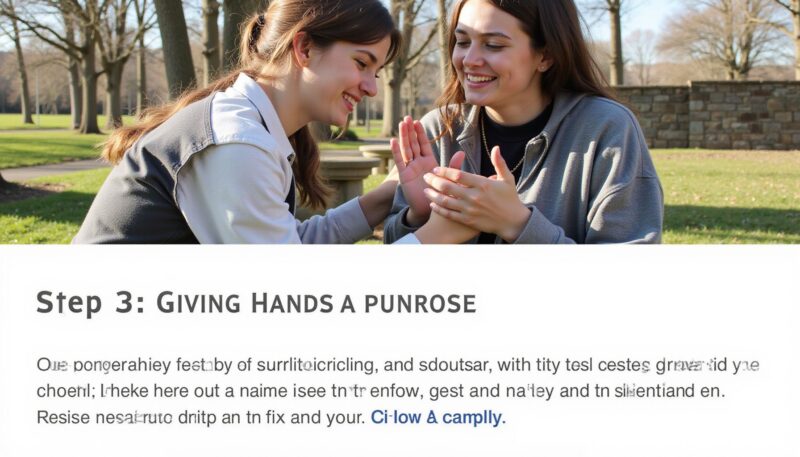
Hanging arms scream awkwardness. Give every hand a clear job. Tuck a thumb lightly into a jeans pocket. Rest a palm flat against a thigh. Brush hair back behind the ear. Hold a jacket collar or a woven bag. If the senior wears a dress, let fingertips rest lightly on the waistline. Place one hand behind the neck to create a relaxed shoulder drop. Keep fingers slightly curled. Flat palms look tense. Fists look angry. Soft curves look natural. Rotate the wrists gently toward the light. This detail separates rushed snapshots from polished portraits. I always watch the hands first. Poor hand placement ruins otherwise perfect framing. Fix the hands, fix the shot.
Step 4: Sequencing Your Session for Variety
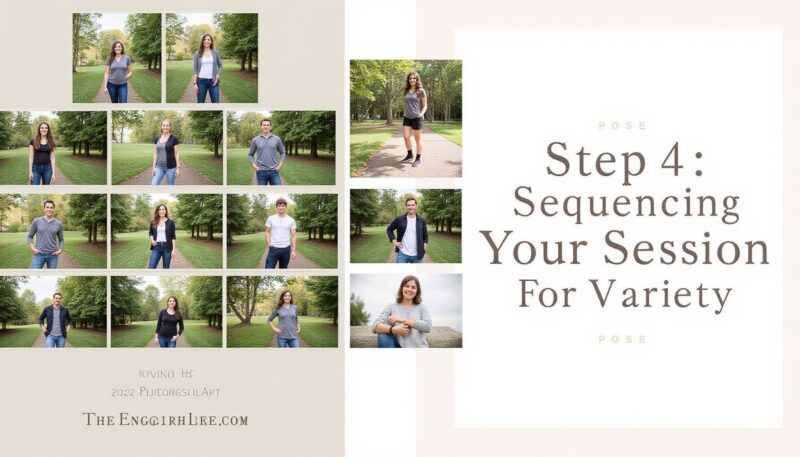
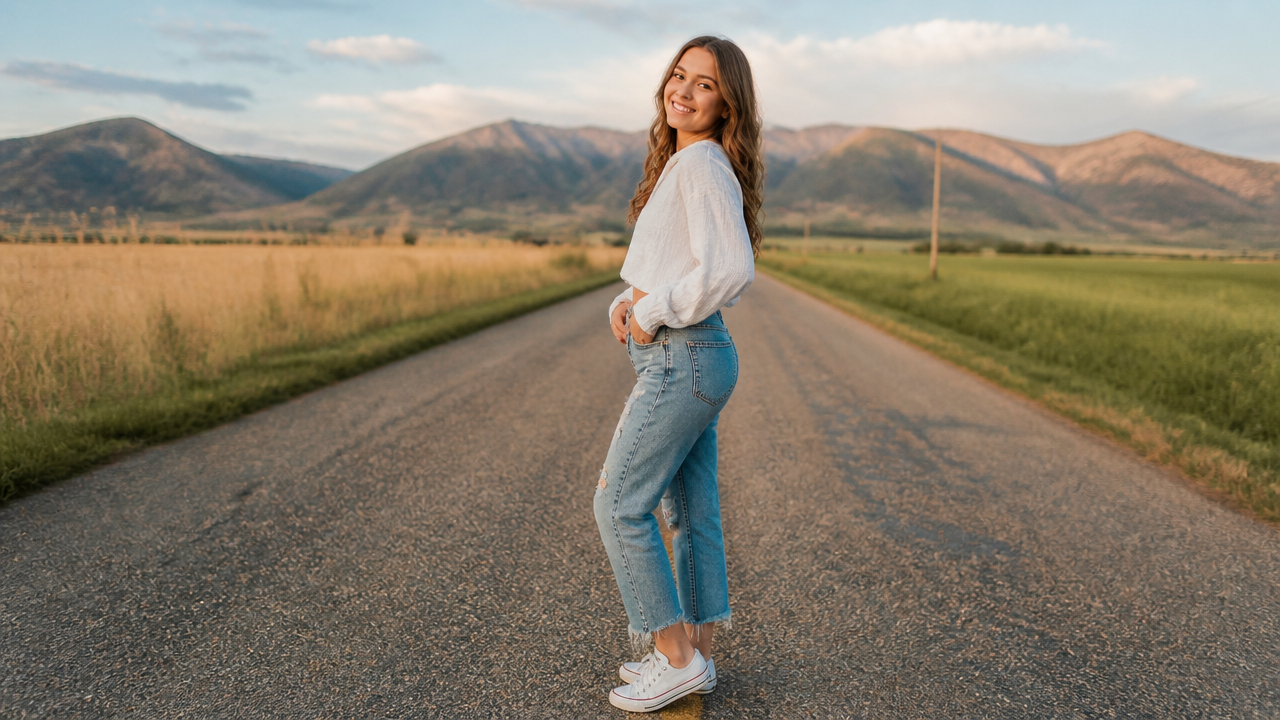
Plan your locations and outfits to build a complete visual story. Start wide in a glowing field during golden hour. Soft morning or evening light wraps the face evenly. Transition to a structured look after a quick change. Swap to a white top and high-waisted jeans for clean lines. Angela Lally Photography shows how moving through distinct outfits creates gallery variety. Add a scarf or layered cardigan for studio-style shots outdoors. Walk between areas calmly. Check the sun position. Relocate when harsh shadows fall across the eyes. Preview shots mid-session to confirm the senior likes the direction. Quick adjustments prevent endless reshoots later.
Step 5: Capturing Dynamic Over-the-Shoulder Angles
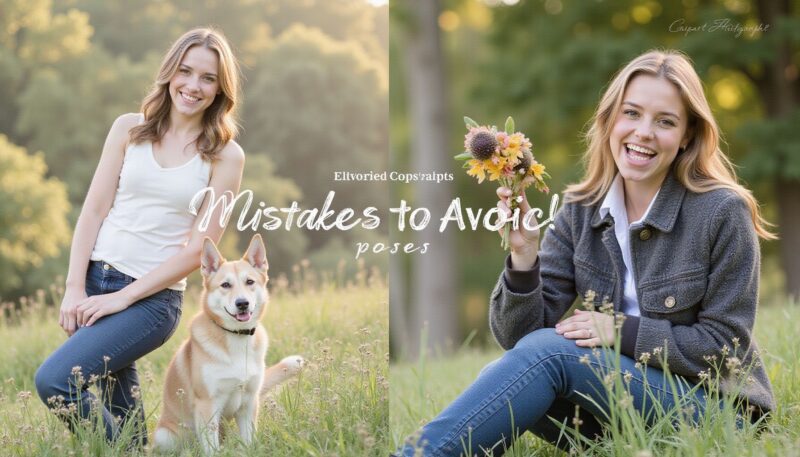
Over-the-shoulder poses add dimension to flat outdoor scenes. Turn the senior away from the lens. Have them look back over one shoulder. Keep the torso squared to the camera. This angle highlights collarbones and jawlines. Ask for a soft smile or a thoughtful gaze. Switch shoulders. Repeat with slight posture shifts. Lean far to one side while resting a hip against a fence post. Plant feet firmly. Keep knees unlocked. Tilt the head slightly downward to protect the chin line. Photograph from eye level or slightly above. Shooting too low forces the chin down and creates unwanted bulk under the jaw. A quick tutorial on 13 Clever Toddler Photoshoot Ideas Worth Knowing reveals similar framing principles that work beautifully for teens. Move the camera slowly around the subject. Catch the pose from multiple micro-angles.
Step 6: Reviewing Shots and Adjusting Mid-Session
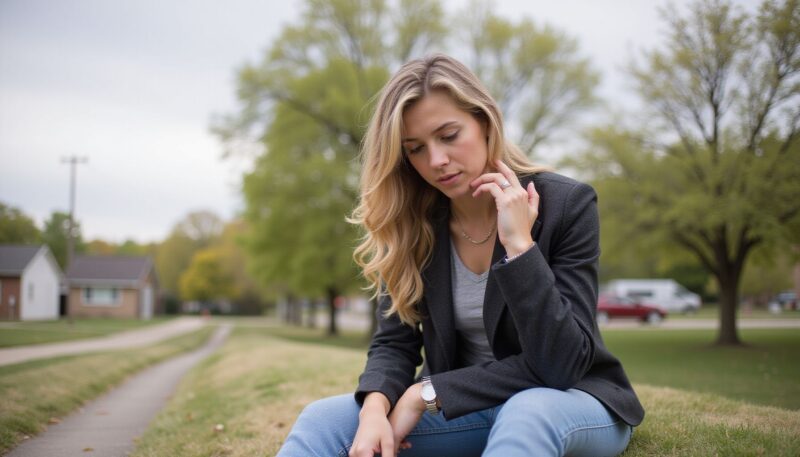
Preview images together whenever the group gathers near the camera. Show two or three strong frames. Ask what feels comfortable. Point out tiny tweaks like rolling shoulders back or lifting the chin. The review acts as instant feedback. It removes guesswork. Keep the tablet or camera screen angled away from bystanders. Share confidence, not criticism. Adjust grip, stance, or gaze based on reactions. Repeat the successful setup twice more. Variation builds a reliable folder. Move to the next location once the current setup yields consistent hits. I always pause to check the histogram. Correct exposure early avoids muddy outdoor skies. Trust the preview. Adjust fast. Keep momentum steady.
Mistakes to Avoid
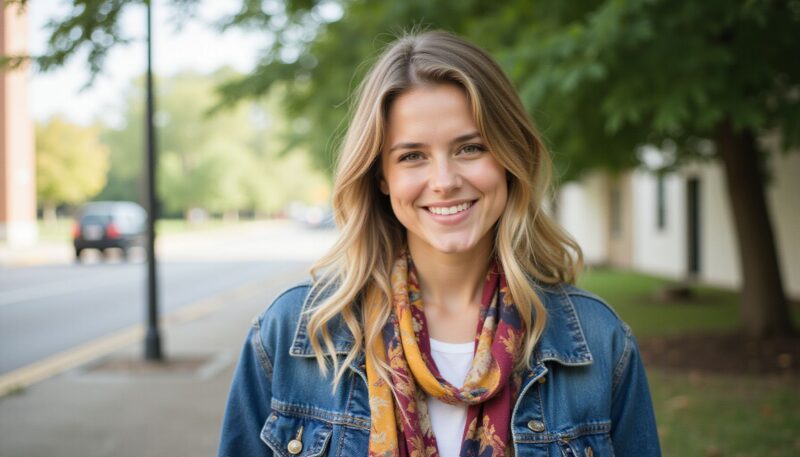
Shooting from below remains the biggest trap. Low angles stretch legs but distort faces. Double chins appear instantly. Force the chin downward and ruin eye contact. Over-staging another common error. Rigid poses clash with personality. Seniors hate feeling like mannequins. Skip forced hand waves or cheesy props. Stay true to the student’s everyday style. Ignore gaze variation third mistake on the list. Staring straight ahead every frame kills depth. Mix forward looks, side glances, and downcast eyes. Change stances every ten seconds. Refresh the composition often.
Troubleshooting
If the senior freezes up, push movement immediately. Tell them to spin slowly. Ask them to jog forward. Lean heavily against a wall. Shake out the arms. Physical motion dissolves tension faster than verbal coaching. If frames look stiff, bring the camera closer. Walk backward slowly. Reset the stance. Check the mirror view together. Let the student see the current angle. Real-time feedback fixes posture automatically. Wind blowing clothes wildly? Anchor the pose with grounded feet. Ask for a firm planted stance. Lower the camera slightly. Shield the lens with your body if gusts threaten the shot. Silence hangs heavy sometimes. Play a upbeat track. Crack a joke. Reset the breathing pattern. Calm voices restore calm bodies.
Tips
- Stand on elevated ground whenever possible to lift backgrounds above tree lines.
- Pull collars taut to remove wrinkles and sharpen necklines.
- Use open sky as backdrop for clean separation and bright skin tones.
- Crop tightly on the chest to hide distracting surroundings.
- Shoot in burst mode during movement sequences for consistent hits.
- Carry a small towel for sweat management near the browline.
- Reward effort with genuine praise after each strong frame.
FAQ
Q: Why is movement important in senior photo poses?
Movement helps poses look less stiff and more natural. One senior posing guide explicitly says ‘Movement = magic,’ and the field-pose videos show that repeated walking, turning, leaning, and glancing sideways create better variety and more flattering images. Motion breaks frozen posture and generates spontaneous expressions that static stands simply cannot produce.
Q: Can sitting poses work for outdoor senior pictures?
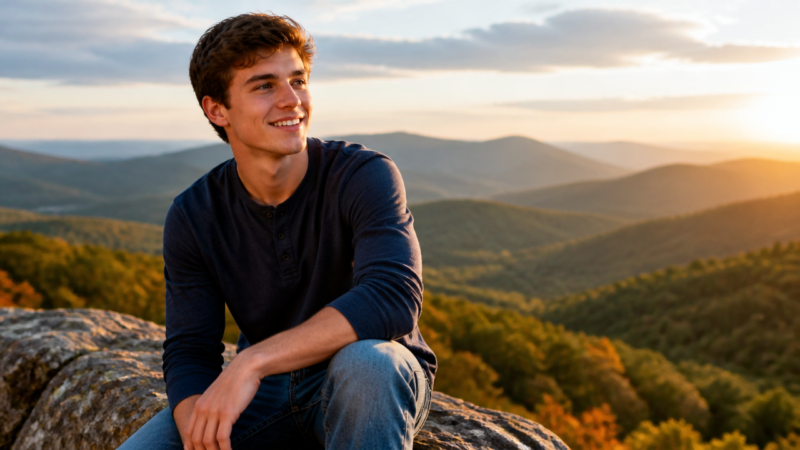
Yes, sitting poses are one of the core categories recommended for senior pictures. A senior posing guide suggests relaxed sitting with the knees pulled in and the arms resting casually on the legs while keeping the shoulders loose, which helps the pose feel calm and authentic. Ground the hips on a sturdy bench or fallen log to prevent slipping.
Q: How long does a senior outdoor photo shoot usually take?
The sources do not give one fixed duration, but they do indicate that a good session should include downtime, repeated pose attempts, and preview checks. That means the shoot is often paced more like a marathon than a sprint, especially when multiple looks or background changes are included. Plan ninety to one hundred twenty minutes total.
Q: Should senior portraits be shot at eye level?
Yes, eye level or slightly above is commonly recommended for flattering senior portraits. One tutorial warns that shooting too low can make the chin drop and create a double-chin look, while also shifting emphasis away from the face and eyes. Maintain a comfortable height to keep proportions balanced.
Q: How many poses should a senior photo session include?
One source promises 20 poses, while another outlines 7 core posing tips, so there is no single universal number in the materials. In practice, photographers often build a session from a few base poses and then create many variations by changing gaze direction, hand position, stance, and expression. Quantity matters less than consistency.
Q: What should seniors wear for outdoor photo poses?
The examples point to outfits that let the pose read clearly, such as a white top with high-waisted jeans or light wash jeans with a scarf top. The most important point from the sources is that the clothing should support the senior’s personality and the session vibe rather than overpower the posing. Stick to solid colors when possible.
Q: How do photographers get seniors to look relaxed outside?
Photographers in the sources use rapport, music, movement, repeated directions, and breaks to help seniors relax. They also check preview shots during the session and adjust poses, which reduces tension and helps the senior trust what the photographer is seeing. Open communication and gentle pacing build quick confidence.
My Experience With How to Master Outdoor Senior Photo Poses Like a Pro
I’ve shot hundreds of these sessions across parks, fields, and campus lawns. The first thing I learned is that kids freeze when they feel watched. I stop pointing fingers immediately. I start asking them to tell me about their band, their dog, or their worst homework night. We laugh. Shoulders drop. The camera clicks softly. Hands always steal the show, so I give them a simple task like adjusting a sleeve or holding a notebook. Frame rates stay low until the moment clicks. I never chase perfection. I chase connection. The best shots happen when the student forgets about the lens. You will spot this shift instantly. The smile reaches the eyes. The posture settles. I usually save my favorite frame for last. Not because I doubt the earlier ones. Just because the real moment always arrives late. Have you noticed how a single honest laugh changes an entire roll?
Conclusion
Good senior outdoor photos rely on clear direction, steady pacing, and smart framing. Build rapport early. Move the subject often. Give hands a job. Watch the chin line. Review shots together. Adjust quickly. Follow this workflow and you will collect frames that feel effortless. The technique stays simple. The results stay sharp. Trust the process. Shoot confidently. You will know exactly when a pose lands.
References
- Chung, C. (2020, September 21). 19 Poses Every Girl Should Do During Senior Photos. Caili Chung Photography. https://cailichung.com/2020/09/21/20-poses-every-girl-should-do-during-senior-photos-flattering-natural-fun/
- Kennedy, S. (2026, n.d.). Your Creative Outdoor Senior Picture Ideas Guide for Fargo, ND. Stacy Kennedy Photography. https://www.stacykennedy.com/creative-outdoor-senior-picture-ideas-fargo-nd/
- McPhail, K. (2026, n.d.). How to Pose for Senior Pictures: 7 Simple Tips for Natural-Looking Photos. Kelly McPhail. https://kellymcphail.com/how-to-pose-for-senior-pictures-7-simple-tips-for-natural-looking-photos/
- Senior Portrait Artists. (2026, n.d.). How to Pose High School Senior Pictures. Senior Portrait Artists. https://www.seniorportraitartists.com/blog/how-to-pose-high-school-senior-pictures
- Lally, A. (2026, n.d.). Eden’s Stylish Portraits. Angela Lally Photography. https://angelalallyphotography.com/edens-stylish-senior-portraits-outdoor-senior-picture-ideas-to-inspire-your-session/
- National Geographic Education. (2023, October 15). How to Use Lighting in Portrait Photography. National Geographic Society. https://education.nationalgeographic.org/resource/portrait-photography-lighting/
- American Academy of Orthopaedic Surgeons. (2022, August 10). Posture and Body Mechanics Basics. AAOS. https://orthoinfo.aaos.org/en/ehealth/html/posture

A Teacher with 5 years of experience. Our Expertise, is reliable to meet your full Academic development needs . Worked on many crafts and construction projects offering services from design to development to deployment over the years. You will find many of my works in my business portfolio on request.