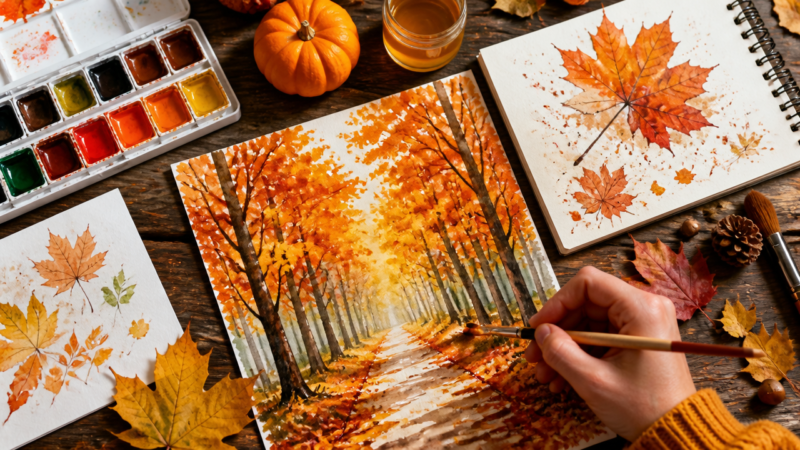

Watercolor is the fastest way to make “wow” art with very little mess and almost no stress. It’s watery, colorful, and forgiving—perfect for kids who want to create something cool right away. I love how watercolor helps children feel free to experiment, because mistakes often turn into new effects instead of ruining the whole piece. It also builds patience and fine-motor control as kids learn simple steps like loading a brush, making gradients, and painting within shapes. Whether you’re doing a rainy-day activity at home or a classroom art moment, these projects use common supplies and short instructions. You’ll find clear ideas you can start today, plus easy variations so every kid can make it their own.
Quick Answer
Here are 10 easy watercolor projects for kids, from fun shapes and nature prints to simple animals and holiday-inspired cards—each one includes a quick setup and kid-friendly twist.
Key Takeaways
- Watercolor is forgiving, so it’s great for beginners and impatient painters.
- Most projects can be done with just watercolor paints, paper, brushes, water, and something to protect the table.
- I recommend starting with bold colors and using water to control the look—more water = lighter, less water = deeper.
- Simple “process” tips (like blotting, salt dots, and layered washes) make projects look impressive fast.
- Every idea below has variations so kids can personalize their art.
1. Color Wash Rainbow
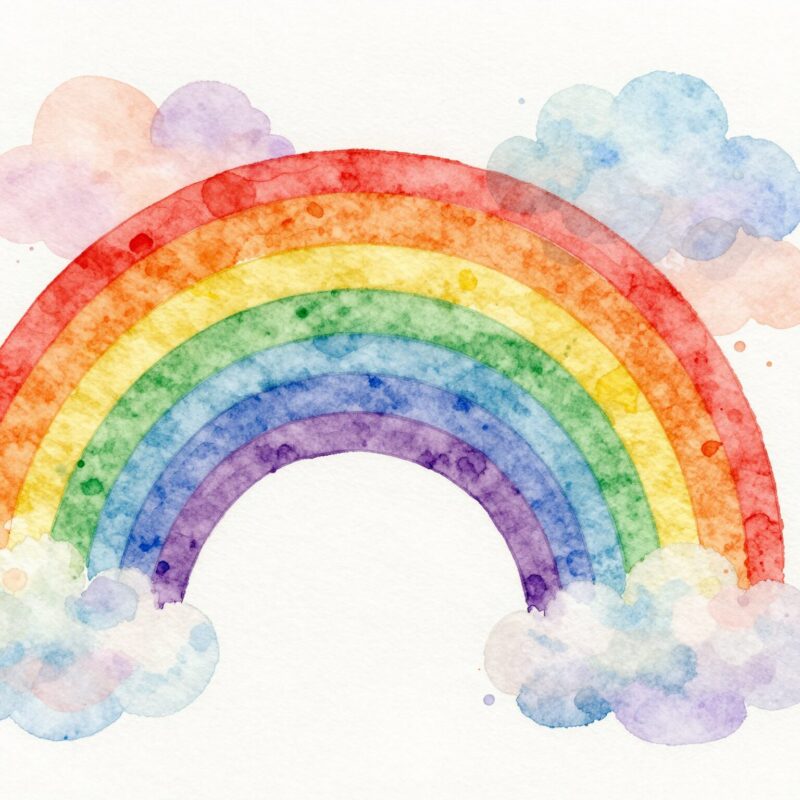
Start by letting kids paint wide stripes across watercolor paper, then gently blend the colors where they meet. I like to show them: pick a color, paint a band, then add water to soften the edge so it spreads like a sunset.
How to do it (easy steps):
- Wet your brush and choose red.
- Paint a horizontal stripe.
- Rinse brush, then paint orange next to it while the first stripe is still a little damp.
- Keep going—yellow, green, blue, and purple.
Variations kids will love:
- Make it vertical (like a rainbow flag).
- Add a cloud shape by dabbing white space and painting around it.
- Finish with a border using darker paint for a “finished” look.
2. Bubble Wrap Splash Art
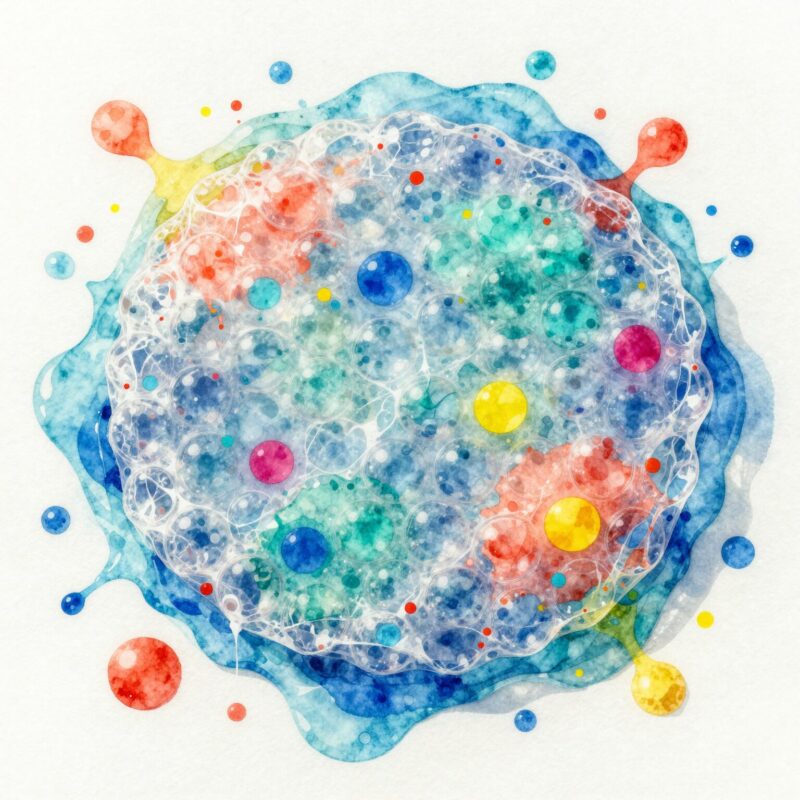
This project looks like it took hours, but it’s actually quick and fun. Kids press bubble wrap (or a stamp sponge) into paint, then stamp it onto paper to create cool texture.
How to do it:
- Cover a tray or plate with a thin layer of watercolor paint mixed with a bit of water.
- Press bubble wrap into the paint.
- Stamp onto paper several times.
- Let it dry.
Kid-friendly twist:
- Paint over the stamped areas with a brush to make “coral,” “galaxy bubbles,” or “space rocks.”
- Use different colors for each stamp round.
3. Leaf Prints and Watercolor “Veins”
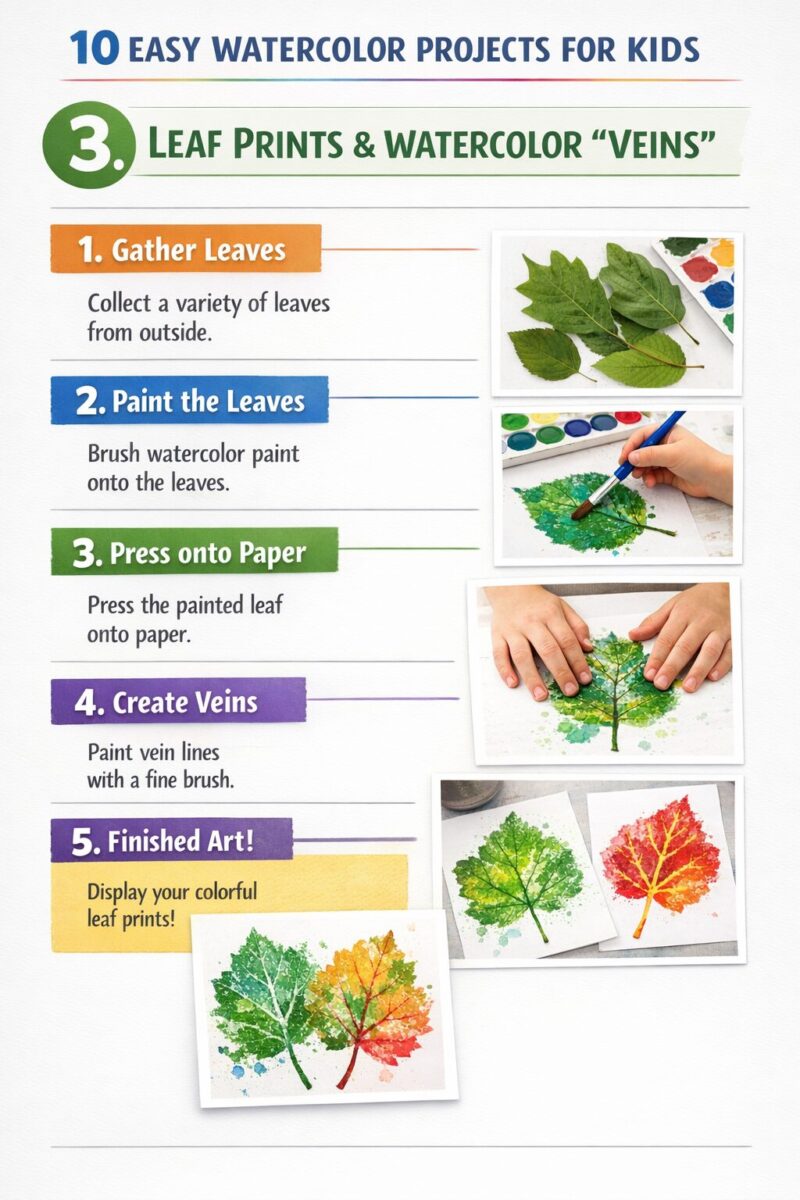
Leaf art is one of my favorite ways to sneak in science and observation. Kids learn that leaves have patterns, and they can capture them with simple shapes and gentle washes.
How to do it:
- Collect a few leaves (different shapes are even better).
- Brush paint onto the leaf veins—thin paint works best.
- Place the leaf on paper and gently press.
- Carefully lift off the leaf to reveal the print.
- Add a second wash background around it.
Variations:
- After the print dries, kids can add veins with a thin brush (or dot markers).
- Use fallen leaves outdoors and compare older vs. newer leaves.
4. Simple Watercolor Fish (With Dot Eyes)
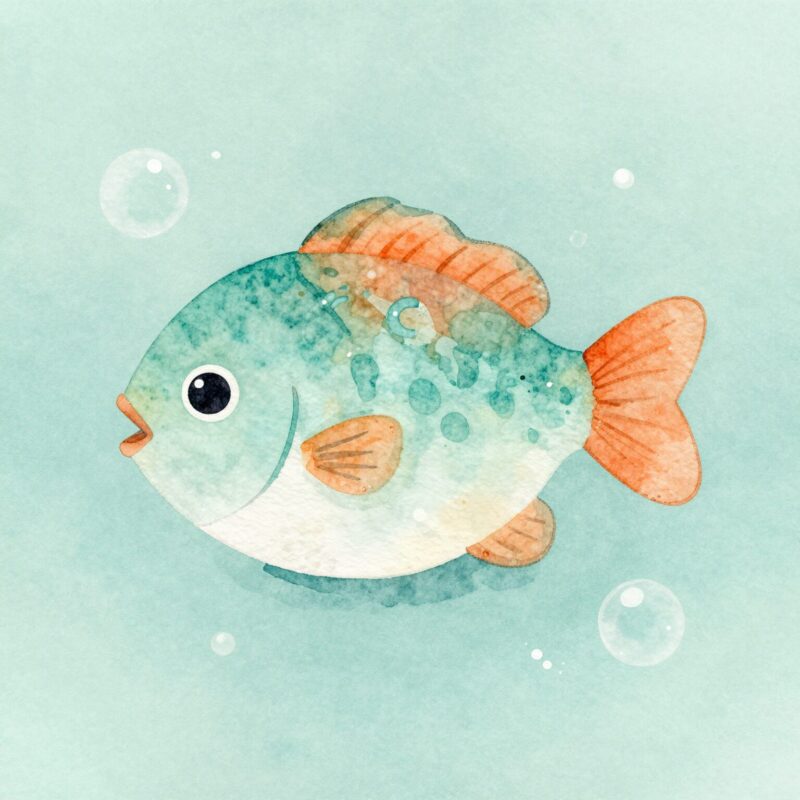
This is a classic for a reason: it’s easy, it’s adorable, and it looks great even if the lines aren’t perfect. Kids paint a fish shape using washes, then add details with a few dots.
How to do it:
- Paint a big oval or teardrop for the body.
- Add darker color at one edge, then rinse brush and soften it.
- Add a triangle for the fin with a quick brush stroke.
- Dot on an eye and a few tiny bubbles.
Easy variations:
- Make the fish “swim” by painting wavy water lines under it.
- Use rainbow colors or stick to one color family (like blues and teals).
- Add seaweed by painting quick zigzags.
5. Magic Salt Snowflakes
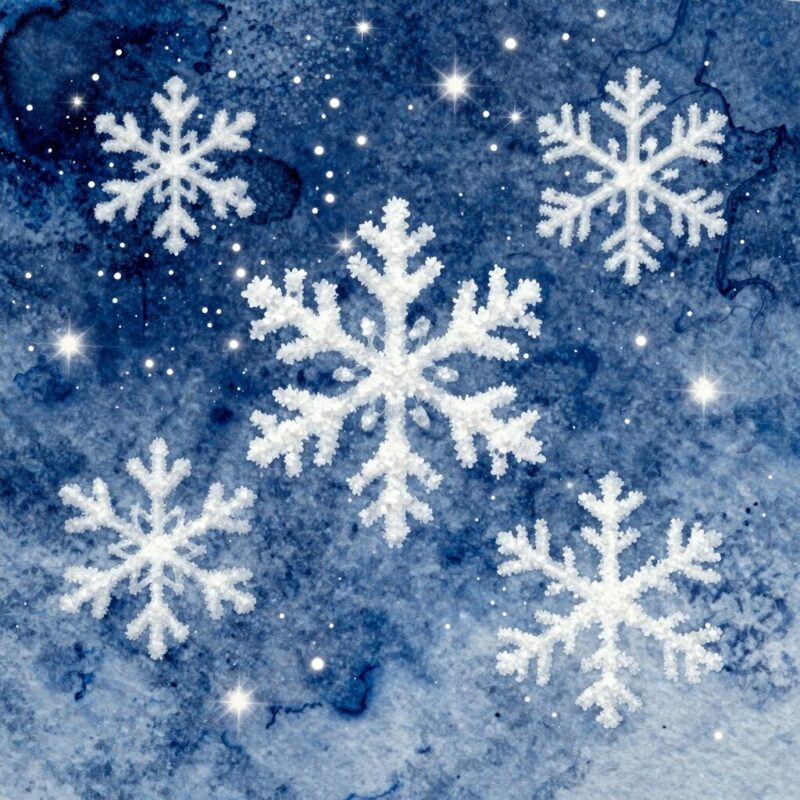
Salt creates sparkly, icy textures that kids can’t stop staring at. I think this is one of the most “instant wow” projects you can do.
How to do it:
- Paint a light background wash (blue, purple, or gray).
- While it’s still damp, sprinkle salt on top.
- Let it dry fully (don’t touch it while wet).
- Brush off the salt carefully to reveal texture.
Variations:
- Make a “snowflake shape” by sprinkling salt only in one area.
- Use table salt for smaller specks and coarse salt for bigger crystals.
6. Sky and Clouds Gradient
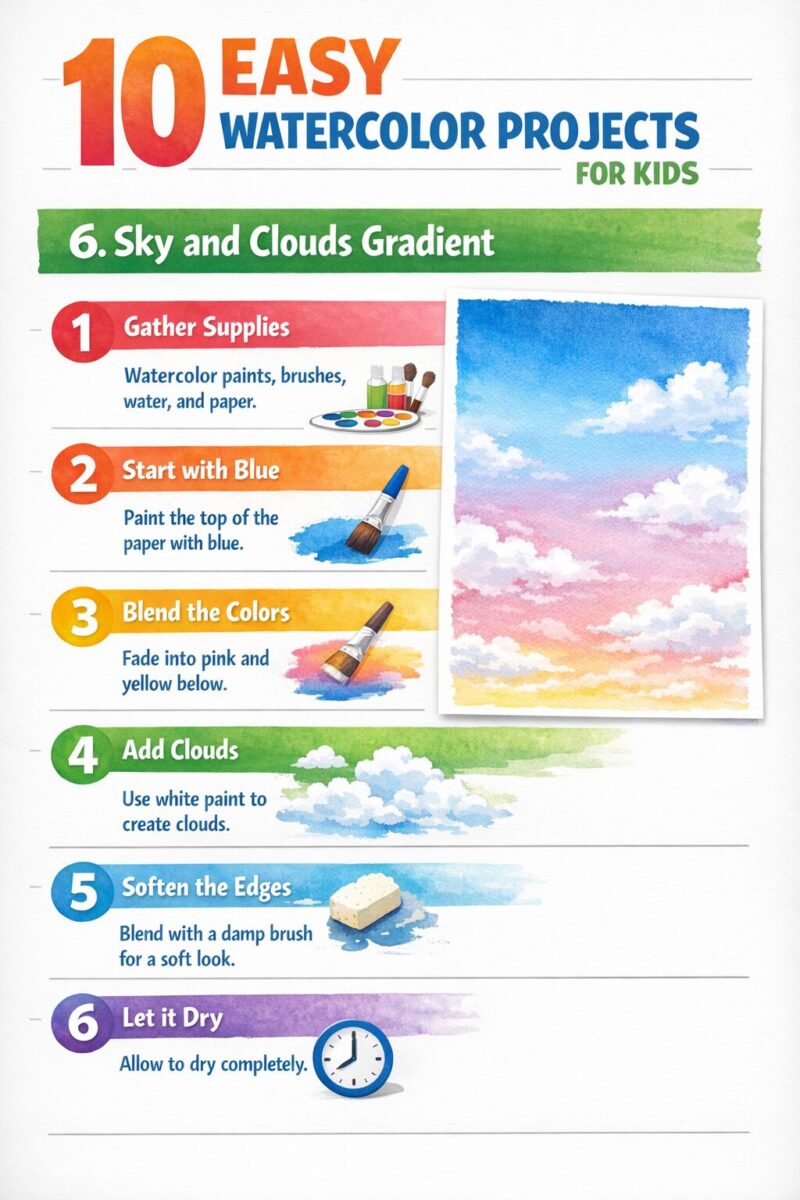
This project teaches kids how water changes color—without a long lesson. It also gives them a calm, relaxing way to paint something pretty.
How to do it:
- Wet the top half of the paper lightly.
- Paint darker blue at the very top.
- Add water and move the color downward to create a smooth gradient.
- For clouds, dab or paint cloud shapes with lighter paint and blend edges gently.
Kid-friendly ideas:
- Do “sunrise” with pink and orange near the horizon.
- Add birds by painting simple V shapes in darker paint.
- Add a ground line silhouette (like a hill or tree).
7. Dinosaur Footprints and Tracks
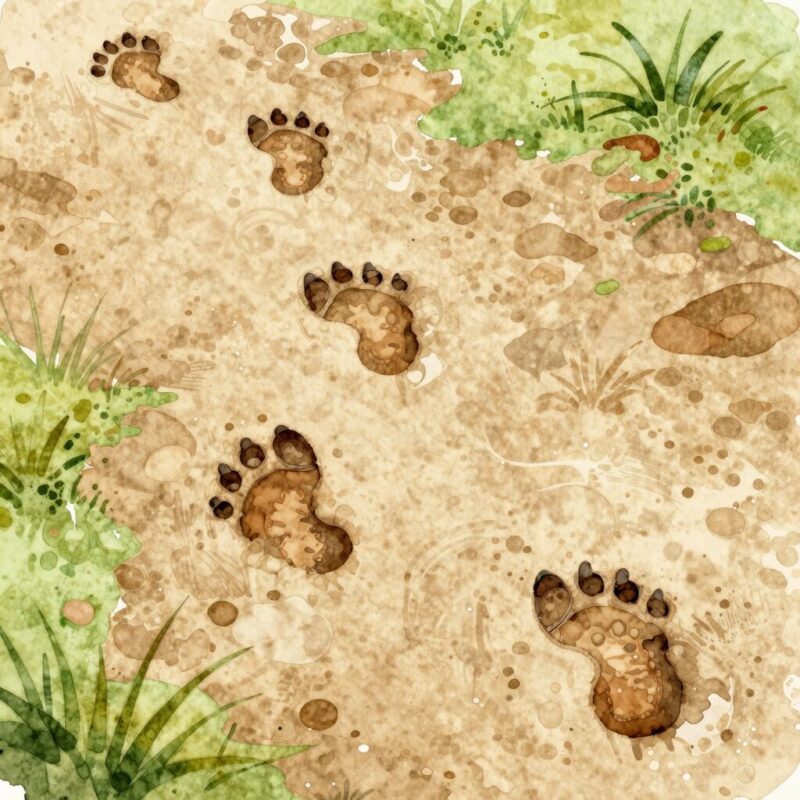
This one feels like a game, not an art class. Kids paint “mud” with watercolor, then stamp or hand-paint tracks like a dino trail.
How to do it:
- Paint a patchy muddy background wash (brown, gray, or green-gray).
- Use the bottom of a toy dino, a cardboard cutout, or a cookie cutter to make prints.
- Add a trail line with a brush.
- Optional: draw a dinosaur outline around the tracks.
Variations:
- Do multiple dinosaurs with different track sizes.
- Add “time” elements like footprints fading by using lighter colors farther away.
8. Colorful Butterfly Wings
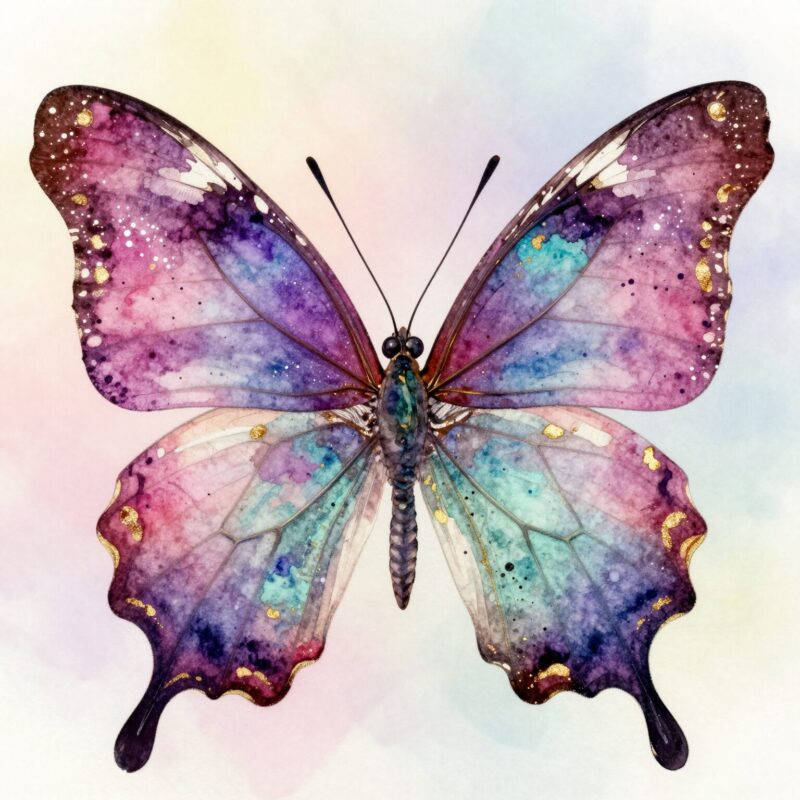
Butterflies look complicated, but the method is super simple. Kids paint one wing shape, then fold or mirror it for instant symmetry.
How to do it (folding method):
- Fold paper in half like a card (or just sketch lightly with pencil first).
- Paint one half of a butterfly wing with bright watercolor.
- Fold gently so the paint transfers to the other side.
- Open and let it dry.
- Add antenna lines and body detail with a darker color.
Variations:
- Try “stained glass” effect by tracing areas with a thick marker and filling with watercolor.
- Use different color themes: galaxy butterfly (blues/purples) or garden butterfly (greens/pinks).
9. Hot Air Balloon Watercolor Scenes

This project is great for kids who like stories. They can create a balloon, then add simple scenery like clouds, birds, and clouds that look like cotton.
How to do it:
- Paint balloon shape with a light wash (like a big rounded circle).
- Add darker color near edges, then blend for a soft look.
- Paint a basket with a couple of short strokes.
- Add clouds by dabbing paint, or draw cloud shapes lightly and fill.
Variations:
- Use stripes in the balloon (paint bands, then swirl/blend).
- Add a rainbow beneath the balloon.
- Make it nighttime with dark blues and a few stars.
10. Weather Report Posters (Rain, Sun, Wind)
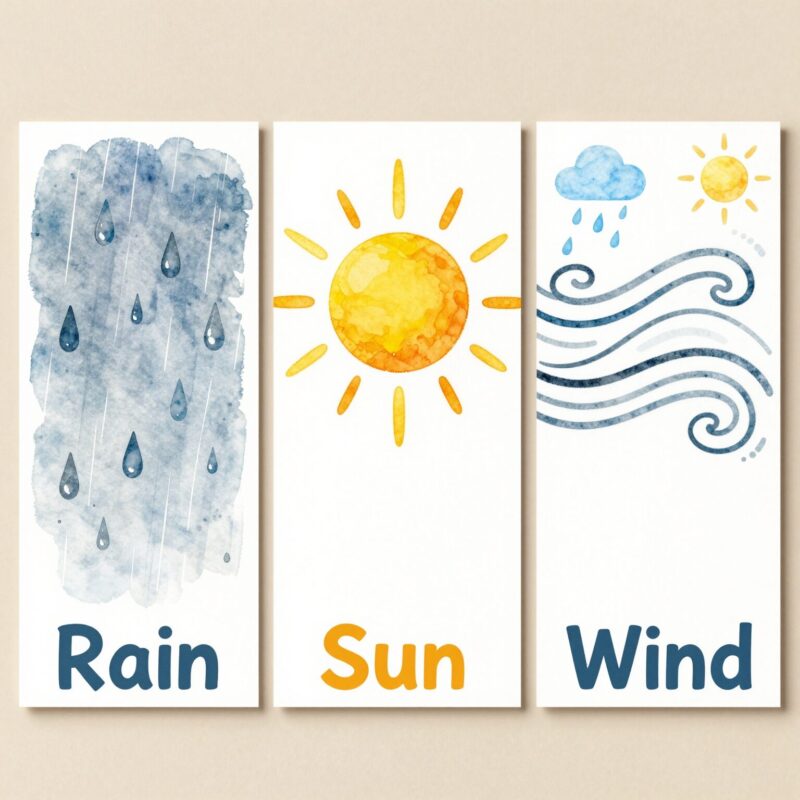
This turns art into something practical and fun. Kids paint mini watercolor icons and combine them into a “weather report” page.
How to do it:
- Draw simple weather symbols lightly (sun, cloud, raindrops, wind lines).
- Paint each symbol with watercolor.
- Add a title like “Today’s Weather” using markers or watercolor once the paint is dry.
Variation ideas:
- Make a “forecast” set of 5 tiny cards.
- Add a date and have kids tell you the “weather story” each time they create one.
Common Mistakes
- Using too much paint at once: If the brush is dripping, colors can bleed too much. I tell kids to use a damp brush, not a puddle.
- Painting on completely dry paper only: Watercolor looks smoother when the paper is slightly damp for washes. If it’s totally dry, it can look blotchy.
- Overworking the same area: Kids often keep repainting. I encourage them to stop while it still looks fresh—watercolor has a “best moment.”
- Not protecting the table: Watercolor spills happen. A plastic tablecloth or tray makes cleanup way easier.
- Mixing muddy colors: Mixing too many colors together can turn everything gray-brown. I suggest using fewer colors and blending with water instead of random paint.
FAQ
What supplies do I need for these watercolor projects?
I usually keep it simple: watercolor paints, watercolor paper (or any thicker paper if you don’t have it), 2–3 brushes, a cup of water, paper towels, and something to protect the table. Optional extras that make things more fun: salt, bubble wrap, cotton swabs, and leaf cutouts.
Do kids need watercolor paper, or can they use regular paper?
Regular paper can work, but watercolor paper gives better results—less buckling and more vibrant color. If you only have regular printer paper, use lighter washes and let layers dry before repainting.
How do I prevent mess with younger kids?
I set up everything in a tray or on a protected surface and give each kid a “station” with one water cup. I also recommend washable aprons, paper towels within reach, and short time limits for painting so water doesn’t splash everywhere.
What’s the easiest project if a child is very new to watercolor?
I’d start with the Color Wash Rainbow or Sky and Clouds Gradient. They teach the basic idea—water controls softness and shade—and kids get pleasing results quickly.
How long do these projects take?
Most of them take 15–45 minutes to paint, then some need extra drying time. Salt and layered effects usually need longer drying, but the painting part is still quick.
Can I make these projects work for a classroom or group activity?
Yes. I scale by assigning stations: one table for painting washes, one for stamping/leaf prints, and one for finishing details. I also pre-collect supplies (like leaves or bubble wrap) so kids spend more time creating.
Conclusion
Watercolor is the kind of art that makes kids feel proud fast—and it keeps the fun going because the process is forgiving. From rainy-day rainbows to salt-sparkle snowflakes and simple fish, these 10 projects are easy to start and satisfying to finish. I recommend trying one project this week, then swapping colors or adding a personal detail to make it feel new. Grab your paints, protect your table, and let your kids create something beautiful—one watery brushstroke at a time.

A Teacher with 5 years of experience. Our Expertise, is reliable to meet your full Academic development needs . Worked on many crafts and construction projects offering services from design to development to deployment over the years. You will find many of my works in my business portfolio on request.