
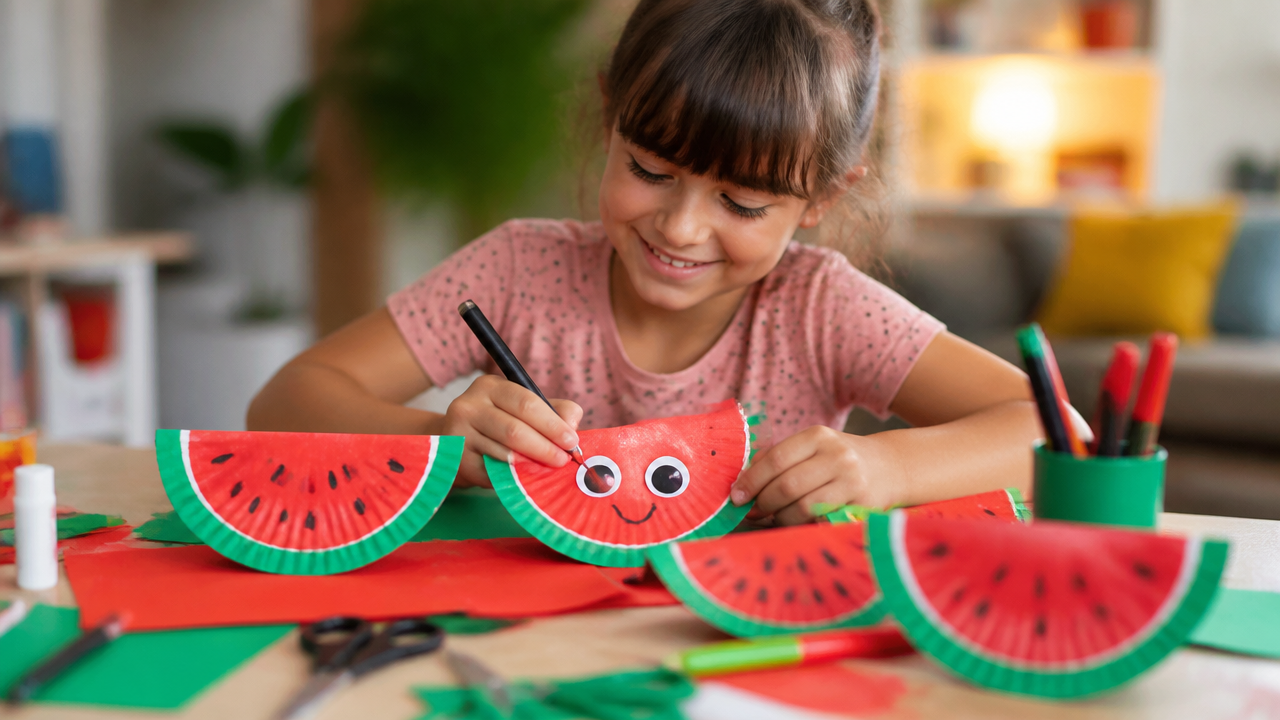
What makes a truly great watermelon craft stand out from every other summer activity you have tried? Whether planning a sun-soaked afternoon in the backyard or organizing a creative session for active toddlers, the right approach makes all the difference. Simple watermelon crafts offer a perfect starting point for developing dexterity while keeping children engaged with bright colors and textures. These projects provide fun, homemade results that celebrate the season. You can easily create a beautiful watermelon craft that turns simple materials into a centerpiece for your fridge or a thoughtful gift for a loved one.
Quick Questions and Answers
Question: Why do watermelon crafts help kids learn better skills? Answer: Watermelon crafts boost fine motor skills, scissor use, and hand strength through cutting, tracing, and gluing. They also teach color recognition and texture awareness while encouraging creativity. These activities make learning playful, helping kids absorb concepts faster without feeling pressured.
Question: Can young kids safely make watermelon crafts at home? Answer: Yes, young kids can safely make watermelon crafts using non-toxic materials like paper, glue, and markers. Adults should supervise cutting steps and handle hot glue or paint tools. With simple templates and safe supplies, these crafts are perfect for preschoolers and early learners.
Question: What materials do I need for easy watermelon crafts? Answer: You need basic supplies like green, red, and black paper, scissors, glue, markers, and printable templates. Optional items include tissue paper, pipe cleaners, googly eyes, and Mod Podge for sparkle. Most items are affordable and found in any craft store or classroom.
What You Need: Tools and Materials
| Item | Purpose | Notes |
|---|---|---|
| Uncoated Paper Plates | Structural base for slices | Stick to 9-inch size; avoid glossy coats |
| Colored Cardstock | Layers for rind and flesh | 12×12 sheets work best for larger templates |
| Washable Paint | Adding color to base layers | Crayola sets are reliable for easy cleanup |
| Jumbo Paintbrushes | Applying paint to wide surfaces | Easier for small hands to control |
| White School Glue | Securing paper and decorations | Use sparingly to avoid soggy paper |
| Blunt-Tip Scissors | Safely cutting shapes | Ensure they are ergonomic for your child |
Step 1: Prep Work and Setup
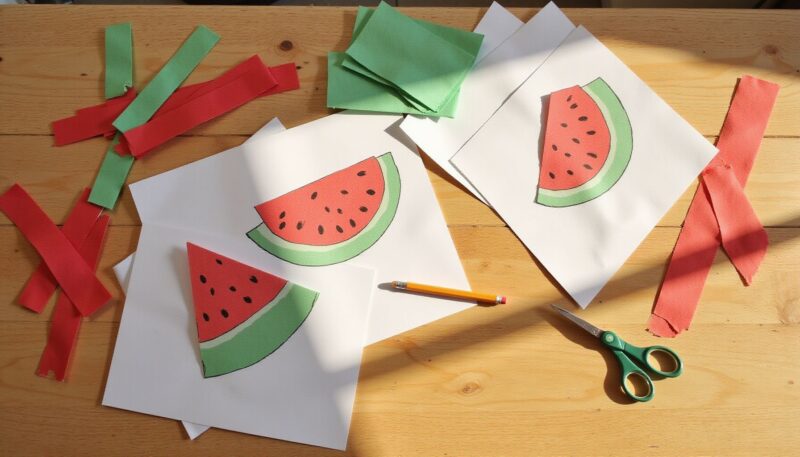
Before you start messy art projects, clear a dedicated workspace where glue drips and paint splatters won’t matter. If you are working with younger children, pre-cutting your construction paper into 1-inch strips is a huge time-saver. This allows tiny fingers to focus on tearing the paper into smaller pieces rather than struggling with scissors.
Download and print your chosen templates from a reliable craft site, or grab a pencil and sketch your own semi-circle watermelon slice directly onto the cardstock. If you have been looking for more ways to keep kids busy, browsing 12 Easy Crafts to Do at Home with Simple Supplies can offer inspiration for your next session. Aim for a 12×12 inch workspace if you plan to use large templates, as this keeps everything within reach and prevents materials from sliding off the table.
Step 2: The Paper Plate Method
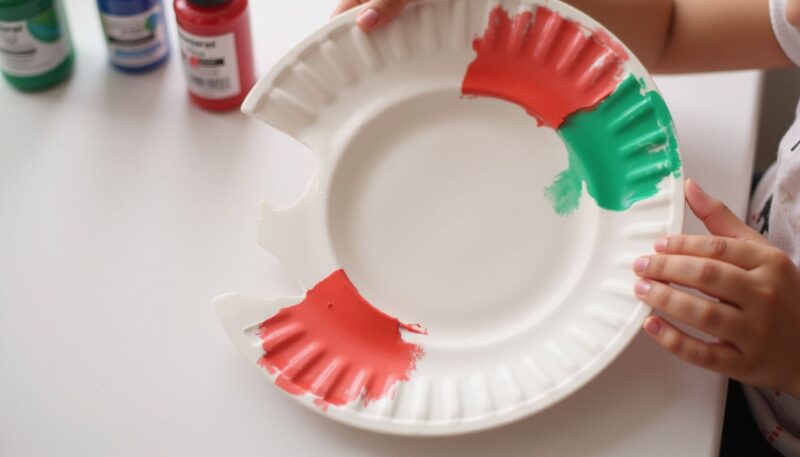
Transforming a simple paper plate into fruit teaches fundamental geometry concepts. According to No Time For Flash Cards, cutting a plate in half provides an immediate visual of how two separate pieces, when combined, represent a whole, which is a great entry point for early numeracy. Paint the outer edge of your semi-circle with vibrant green to simulate the rind.
Once that dries, fill the middle area with a juicy red to represent the flesh. As noted by the American Academy of Pediatrics, play-based learning is critical for healthy brain development in young children. Adding seeds is the final touch. You can cut small black circles from paper or simply dot the red paint with a cotton swab dipped in black paint.
Step 3: The Torn Paper Technique
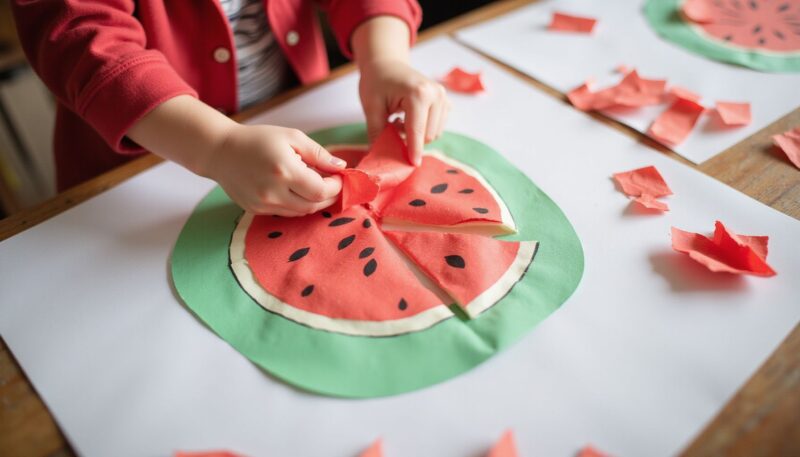
Tearing paper instead of cutting it with scissors forces children to use their pincer grasp, building crucial fine motor strength. Start by having your child tear sheets of red construction paper into small, irregular squares. Gently glue these pieces onto a pre-drawn watermelon outline on cardstock until the shape is entirely filled, creating a textured mosaic.
For the rind, cut a thicker strip of green paper and paste it along the curved edge. When you need a break from traditional drawing, exploring 14 Easy Art Projects for Teens That Are Super Fun can help you keep the creative momentum going during school breaks. This tactile process is less about perfection and more about the sensory input of ripping and placing the paper.
Mistakes to Avoid
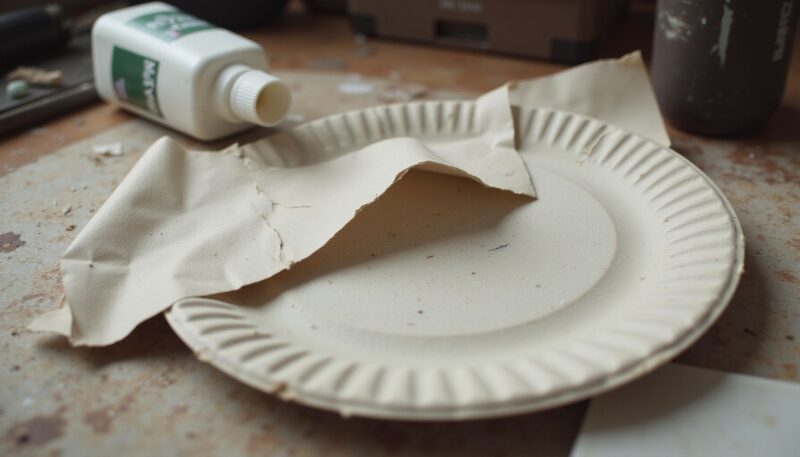
Gliding over the prep work is the most common reason these crafts go sideways. Never use shiny, coated paper plates, as the paint will simply bead up and fail to adhere to the surface. It is also important to resist the urge to provide full-sized construction paper sheets for toddlers. Large sheets are overwhelming; smaller, pre-cut strips are much more manageable for their skill level. Finally, if you paint your base, wait until it is fully dry before attempting to add seeds. Trying to glue anything onto wet paint creates a messy, smudged result that can frustrate a young artist.
Troubleshooting Common Issues
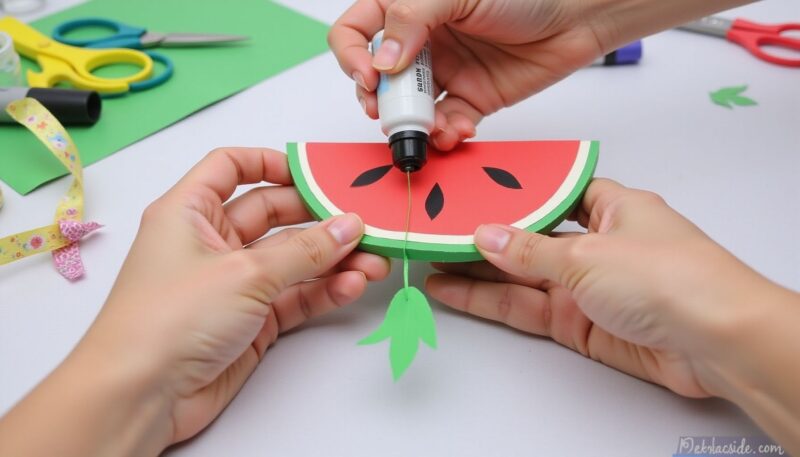
Paint often looks thin or streaky on a paper plate during the first coat. Instead of globbing on more paint, let the first layer dry completely and then apply a second thin coat for a bold, uniform look. If you notice your heavy paper curling, it is usually because the ratio of glue to paper is off. Try using a glue stick instead of liquid school glue for paper mosaics to keep the surface flat. If seeds are falling off after the glue dries, ensure you are using a decent quality craft adhesive. Sometimes a thin layer of decoupage glue, like Mod Podge, over the top can lock everything in place.
FAQ
Q: Which age groups are these for?
Paper plate and torn paper crafts are perfectly suited for toddlers and preschoolers who are developing their grasping skills. Early elementary students also enjoy these projects, especially when they add more detail like googly eyes or glitter. The complexity scales easily depending on how much detail you ask the child to add.
Q: Can these be used for home decor?
Absolutely. Watermelon crafts are festive and bright, making them perfect for summer decorating. Try hanging them on your refrigerator, arranging them on a bulletin board, or lining them up near a window to catch the summer light. They add a cheerful, personalized touch to any room.
Q: How do I make it more advanced?
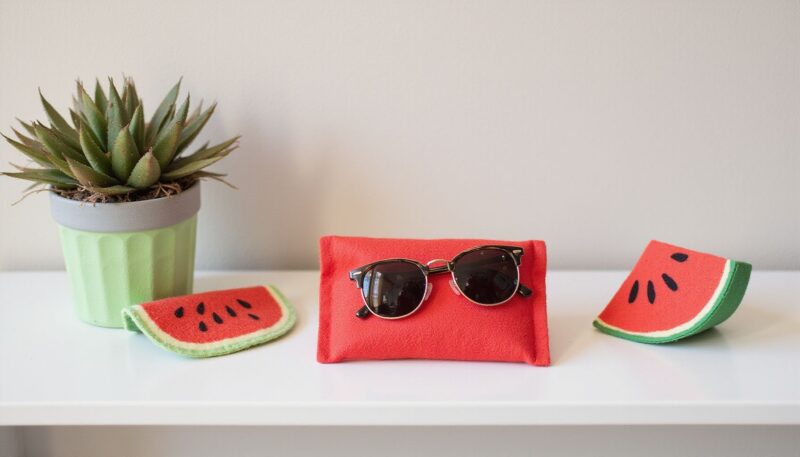
For older children or teens, move beyond paper by introducing felt sewing to make sunglass cases or painting wooden coasters. Those looking for more sophisticated artistic outlets might find 11 Aesthetic Sketchbook Ideas to Refresh Your Daily Art Practice helpful for developing their unique style. Felt provides a durable, tactile surface that requires more focus and patience.
Next Steps
Experimenting with your watermelon theme is the best way to keep the fun alive. Try creating sensory bottles—fill a plastic bottle with red and green pom-poms, beads, and a bit of sparkly water to create a calming, visual experience for younger kids. As for older students, consider incorporating a biology lesson by creating a “Watermelon Life Cycle” chart, where the craft visually maps out the growth from seed to fruit. Once your kids master these paper shapes, you can easily graduate to creating functional items like felt pouches or hand-painted wooden coasters that make excellent handmade gifts for grandparents or friends.
My Experience With How to Create Adorable Watermelon Crafts for Kids
I remember the first time I set up the “torn paper” method for my niece. I expected a clean, mosaic-style fruit, but it ended up looking more like a watermelon explosion! Honestly, that was the best part. I’ve learned that the secret to a successful craft day isn’t the final photo on Instagram—it’s the twenty minutes of focus you get when they’re busy tearing construction paper. My biggest expert insight? Don’t skimp on the cardstock. If you try to do a glue-heavy project on thin printer paper, you will end up with a soggy, drooping green blob, no matter how much effort you put into the rind. It’s hard to stay calm when glue is getting under fingernails, but I’ve found that having a wet washcloth nearby essentially solves 90 percent of the “craft stress” factor. These projects are genuinely wonderful because they reward messy, impulsive creativity rather than strict adherence to lines or rules. It’s supposed to look like a kid made it! Have you tried these with your little ones yet, or do you have a favorite summer fruit to craft instead?
References
- No Time For Flash Cards. (2020, July). Paper Plate Watermelon Craft For Preschoolers. https://www.notimeforflashcards.com/2020/07/paper-plate-watermelon-craft-for-preschoolers.html
- American Academy of Pediatrics. (n.d.). Playing and Learning. https://www.aap.org/en/patient-care/early-childhood/early-childhood-health-and-development/playting-and-learning/
- A Little Pinch of Perfect. (n.d.). Watermelon Popsicle Stick Craft for Kids (with Free Template & Video). https://alittlepinchofperfect.com/watermelon-popsicle-stick-craft-for-kids
- The Best Ideas for Kids. (n.d.). Watermelon Craft. https://www.thebestideasforkids.com/watermelon-craft
- Fantastic Fun and Learning. (n.d.). Torn Paper Watermelon Craft. https://www.fantasticfunandlearning.com/torn-paper-watermelon-craft.html

A Teacher with 5 years of experience. Our Expertise, is reliable to meet your full Academic development needs . Worked on many crafts and construction projects offering services from design to development to deployment over the years. You will find many of my works in my business portfolio on request.