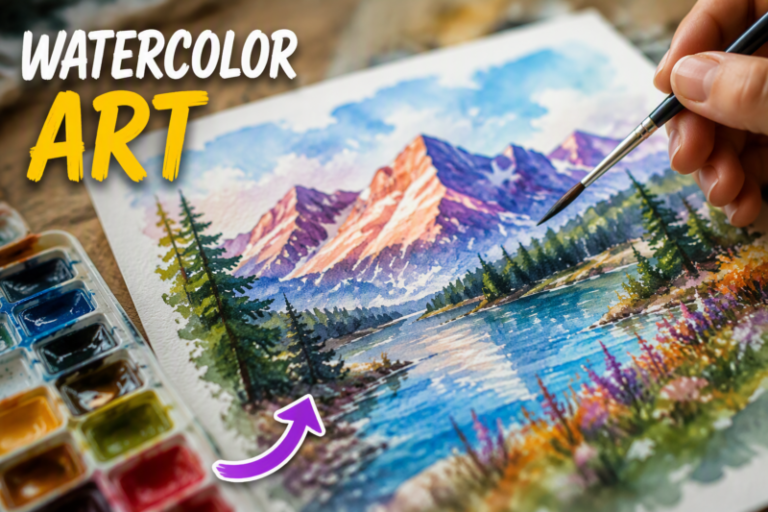
Watercolor painting, or aquarelle, offers artists a unique medium to capture the ever-changing beauty of nature throughout the year. Each season brings its own palette, mood, and subject matter that can inspire stunning compositions. Whether you’re a beginner or an experienced artist, these seasonal painting ideas will help you explore the delicate interplay of water and pigment while celebrating the natural world’s transformation.
Spring: Awakening and Renewal
Spring emerges as nature’s grand reopening, bursting with fresh colors and new life. The soft, translucent quality of watercolors perfectly captures the delicate essence of this season of rebirth.
Cherry Blossoms
Few subjects embody spring’s fleeting beauty like cherry blossoms. These delicate pink and white flowers create clouds of color against bare branches, offering an excellent opportunity to practice wet-on-wet techniques. The key is to work quickly, allowing colors to blend naturally while the paper is still damp. Use diluted permanent rose, opera pink, or quinacridone magenta, letting the pigments flow and merge. Add darker branches while the blossoms are still wet to create soft, atmospheric shadows. The Japanese tradition of hanami, or flower viewing, has made cherry blossoms iconic in art, and watercolor’s fluid nature captures their ephemeral quality beautifully.
Spring Tulips
Tulips stand as spring’s bold ambassadors, offering vibrant reds, yellows, purples, and pinks that demand attention. These flowers provide excellent practice for controlling wet-on-dry techniques and creating crisp edges. Start with light washes to establish form, then build up intensity with subsequent layers. Pay attention to the way light filters through tulip petals, creating luminous areas and deeper shadows. Consider painting them in various stages—tight buds, partially open blooms, and fully opened flowers—to create visual interest and tell the story of spring’s progression.
Rain Showers and Puddles
Spring rains transform landscapes into reflective wonderlands. Painting rain offers a chance to experiment with various watercolor techniques: splatter for raindrops, lifting for light areas, and wet-on-wet for atmospheric effects. Create puddles that mirror the sky and surrounding environment, playing with reflections and distortions. The challenge lies in suggesting movement and atmosphere without overworking the piece. Use a limited palette of grays, blues, and earth tones, allowing the white of the paper to represent highlights on water droplets and wet surfaces.
Baby Birds and Nests
Spring nests filled with speckled eggs or chirping hatchlings make charming subjects that combine technical skill with emotional warmth. Focus on the intricate textures of woven twigs and grass, using fine brushwork and varied line weights. For eggs, practice smooth gradations and subtle color shifts. Baby birds offer opportunities to render soft, downy feathers using dry brush techniques and gentle color washes. This subject matter works beautifully in both realistic and whimsical styles, making it accessible to painters of all skill levels.
Summer: Vibrant Abundance
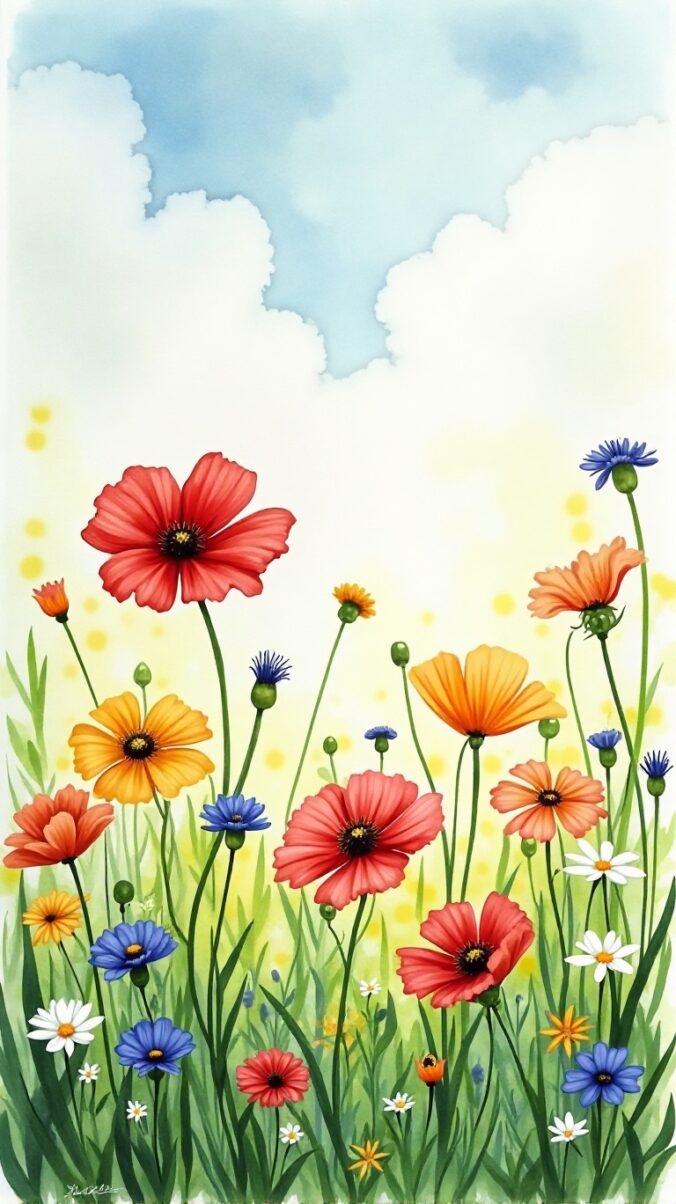
Summer arrives with intensity—brilliant sunshine, lush greenery, and vivid blooms. Watercolors can capture both the blazing heat and the cool relief of shade during these longest days.
Sunflowers
These golden giants epitomize summer’s exuberance. Sunflowers challenge artists to work with intense yellows and create depth within a monochromatic range. Layer cadmium yellow, lemon yellow, and yellow ochre to build dimensional petals. The dark center provides dramatic contrast—use burnt umber, sepia, or Payne’s gray to create the intricate seed pattern. Don’t forget the large, textured leaves and sturdy stalks that ground these towering blooms. Sunflowers can be painted individually for botanical studies or massed together for impressionistic field scenes.
Beach Scenes and Seashells
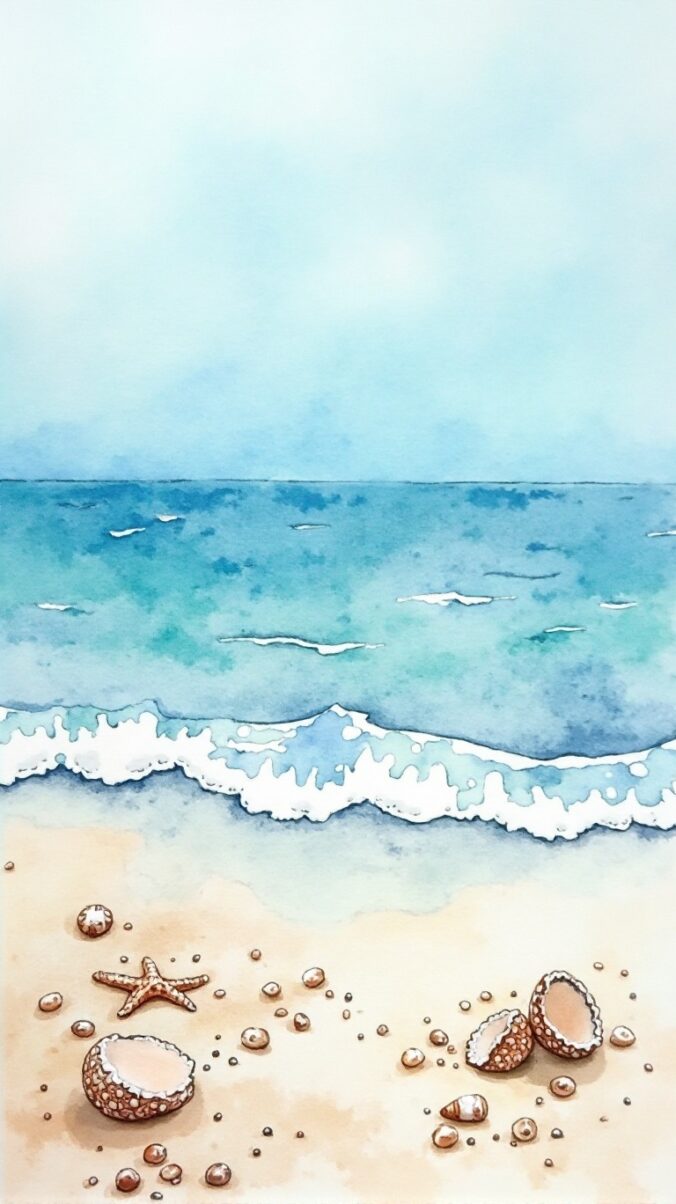
Summer beaches offer endless inspiration, from expansive seascapes to intimate shell studies. Capture the transparency of shallow water with layered washes of turquoise and cerulean blue. Create texture in sand using salt techniques or stippling with a dry brush. Seashells provide fascinating studies in form, pattern, and subtle color—what appears white actually contains hints of pink, yellow, blue, and gray. Practice rendering the shell’s smooth, reflective surface against the matte texture of sand. Add small details like beach grass, driftwood, or foam for compositional interest.
Lavender Fields
Few subjects capture summer’s essence like endless rows of purple lavender stretching toward the horizon. This subject teaches artists about creating depth through perspective and atmospheric effects. Use various purple mixtures—combining ultramarine blue with permanent rose or quinacridone violet—to create variation within the fields. Suggest individual flower spikes in the foreground while simplifying distant rows into bands of color. The surrounding landscape of golden wheat fields or blue skies creates complementary color harmony. This subject works beautifully for practicing loose, impressionistic techniques.
Butterflies and Garden Flowers
Summer gardens buzz with life, and butterflies dancing among blooms create dynamic, joyful compositions. Monarch butterflies, swallowtails, and painted ladies offer striking patterns and colors. Practice crisp edges on wings while keeping flower backgrounds softer and more atmospheric. Combine different summer flowers—roses, daisies, zinnias, and cosmos—to create abundant, cottage-garden scenes. This subject allows for creative color choices and teaches valuable lessons about creating focal points within busy compositions.
Autumn: Transformation and Harvest
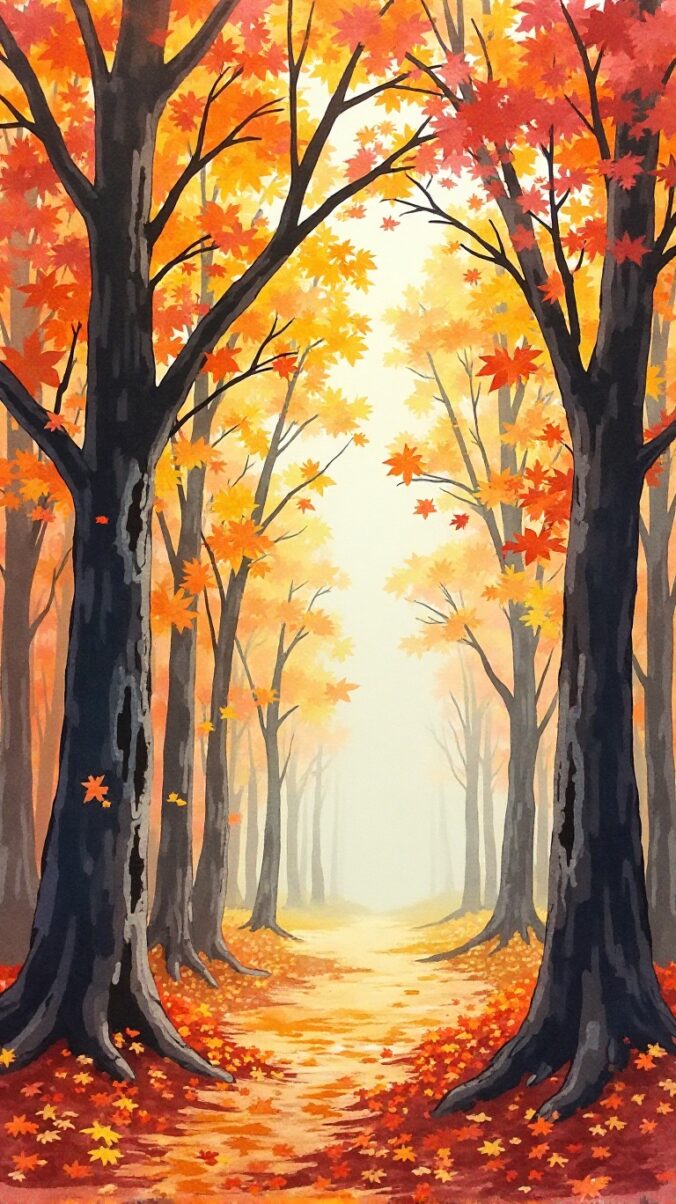
Autumn delivers nature’s most spectacular color show. The warm, earthy palette of fall is perfectly suited to watercolor’s glowing transparency.
Maple Leaves
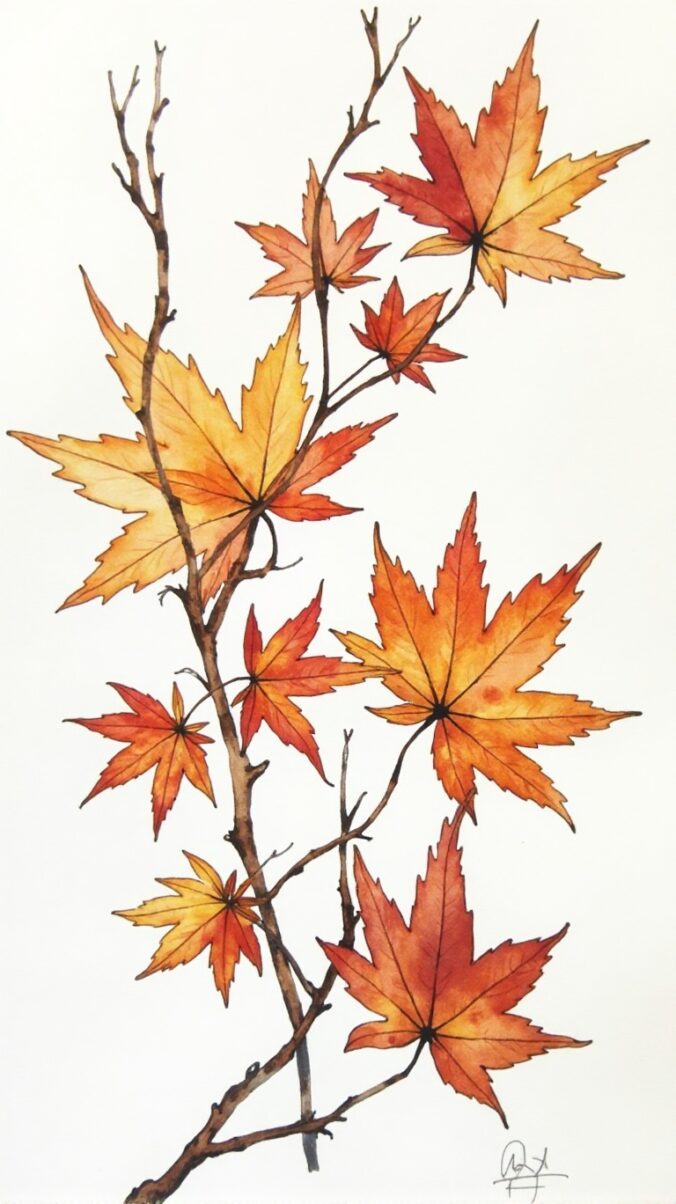
Maple leaves transition through a spectacular range of colors, from green through yellow, orange, and red to deep burgundy. Paint individual leaves as botanical studies, focusing on veins, color gradations, and the way light illuminates thin leaf tissue. Create abstract patterns with overlapping fallen leaves, or show branches still holding their colorful foliage against clear blue skies. Practice wet-in-wet techniques to blend colors naturally within each leaf, and use masking fluid to preserve light veins and edges.
Pumpkin Patches
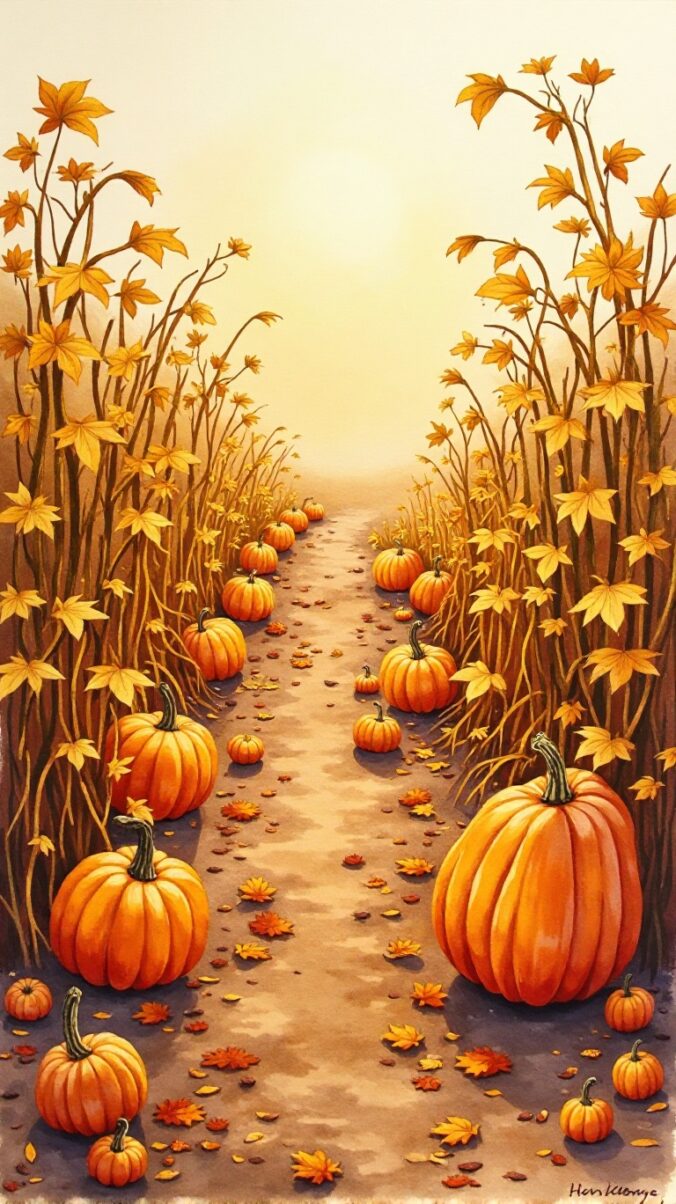
Pumpkins provide wonderful exercises in painting round forms and warm orange hues. Work with burnt sienna, cadmium orange, and yellow ochre to create depth and dimension. Add curling vines and tendrils using fine brushwork. Consider including various pumpkin sizes and colors—white, green-striped, and deeply ribbed varieties add interest. Place them in context: on weathered wooden porches, among dried cornstalks, or scattered across fields with distant barns. This quintessentially autumnal subject evokes harvest celebrations and seasonal transitions.
Misty Morning Landscapes
Autumn mornings often bring fog that softens the landscape and creates mysterious, atmospheric scenes. Practice creating graduated washes that fade into white paper, suggesting fog’s obscuring quality. Use limited color palettes—perhaps just burnt sienna, ultramarine blue, and yellow ochre—to create harmonious, muted compositions. Show trees and buildings emerging from mist, with detail and contrast increasing as elements come closer to the foreground. This subject teaches restraint and the power of suggestion over explicit detail.
Oak Trees and Acorns
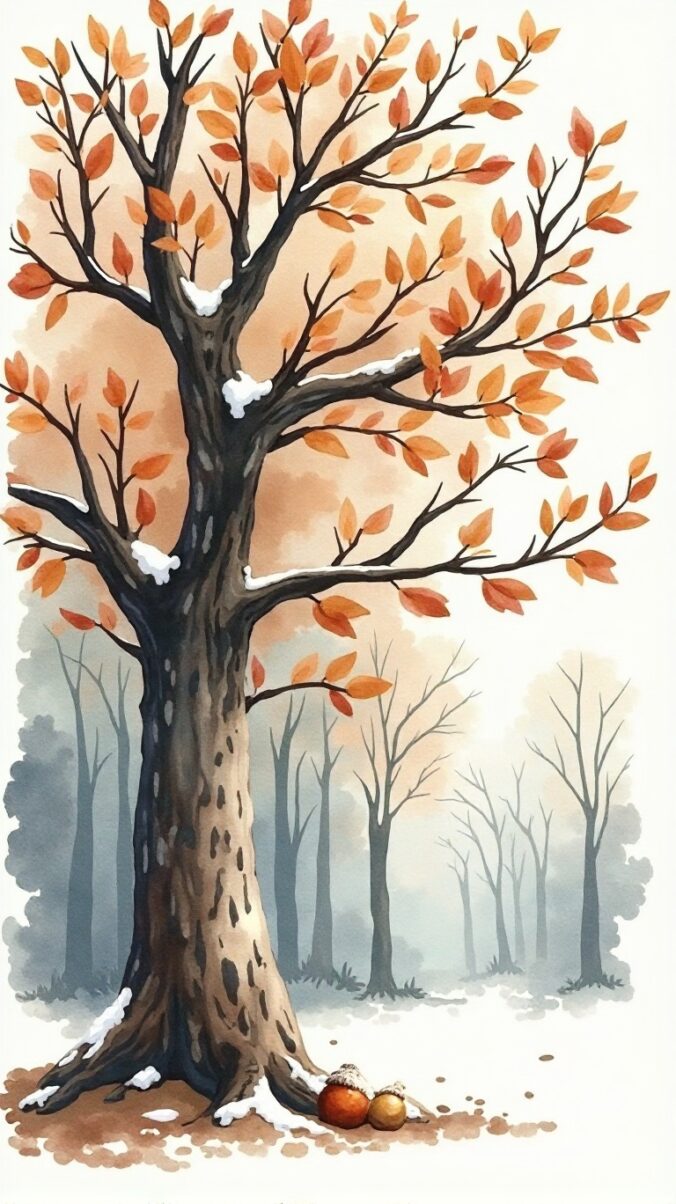
Oak trees represent autumn’s strength and endurance. Their distinctive lobed leaves turn rich browns, russets, and golds. Paint gnarled branches and textured bark using drybrush techniques and varied line weights. Acorns with their charming caps make delightful close-up studies, perfect for practicing small-scale detail work. Consider showing an oak’s full form in a landscape setting, demonstrating how to paint foliage masses while suggesting individual leaves. The oak’s robust character provides excellent practice for rendering sturdy, sculptural forms.
Winter: Stillness and Serenity
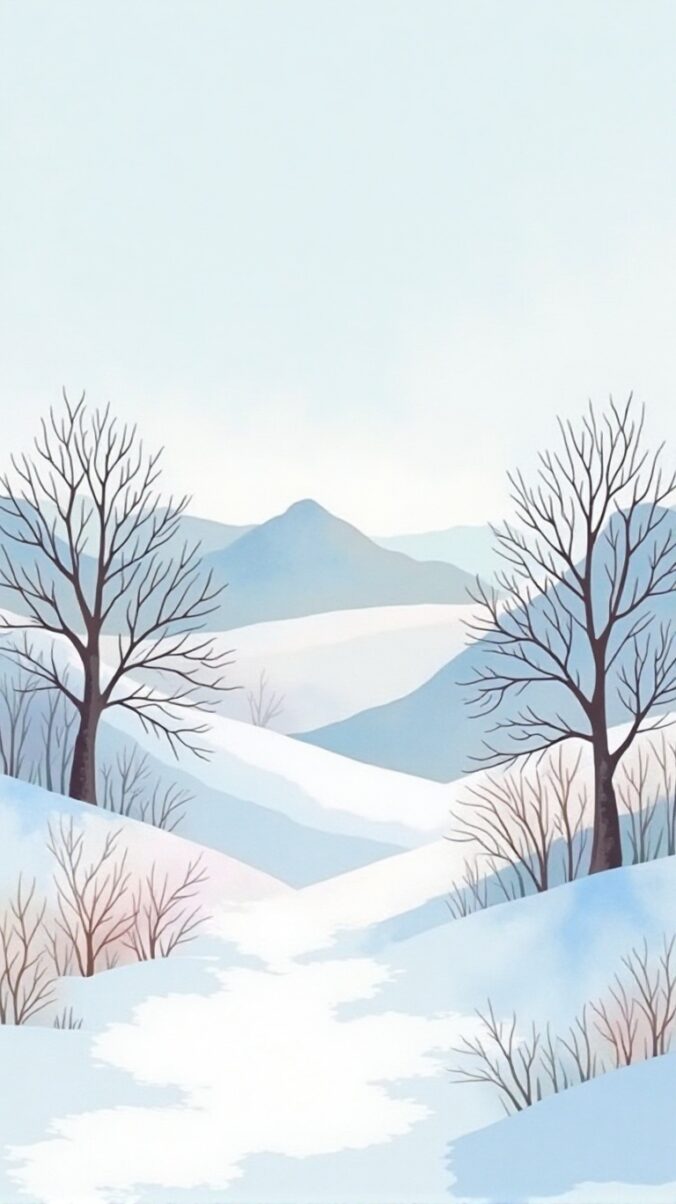
Winter strips away excess, revealing essential forms and creating opportunities for dramatic compositions with limited palettes.
Snow-Covered Pine Trees
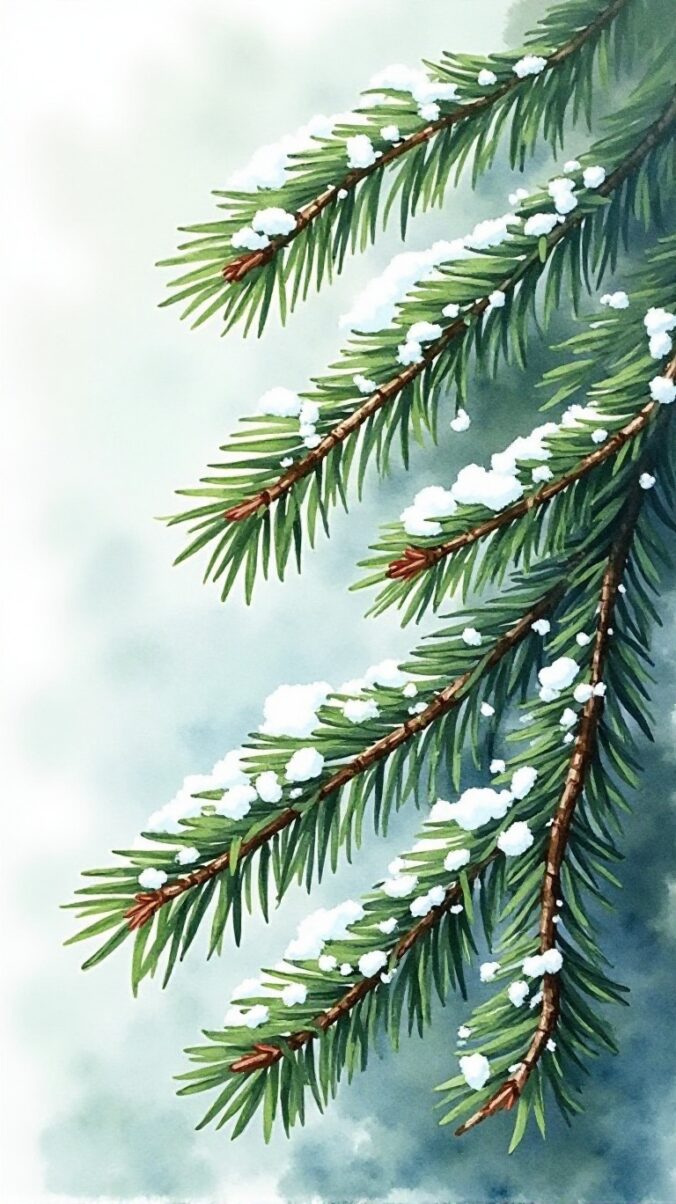
Evergreen trees heavy with snow create striking compositions with strong value contrast. The challenge lies in painting white snow on white paper—the secret is using shadows. Mix subtle cool grays and blues for snow shadows, allowing the paper’s white to represent sunlit areas. Pine branches create rhythmic patterns, and their dark green provides essential contrast. Show individual trees or forest scenes, playing with negative space where snow-covered areas push against darker elements.
Winter Berries and Holly
Bright red berries against snow or dark evergreen leaves provide cheerful winter color. Holly berries, winterberry, and rose hips offer jewel-like subjects. Practice painting glossy surfaces with careful attention to highlights and reflected light. The spiky holly leaves with their distinctive shape and dark green color create beautiful compositions. This subject works for both realistic botanical studies and decorative, stylized designs suitable for seasonal cards or gifts.
Icicles and Frozen Windows
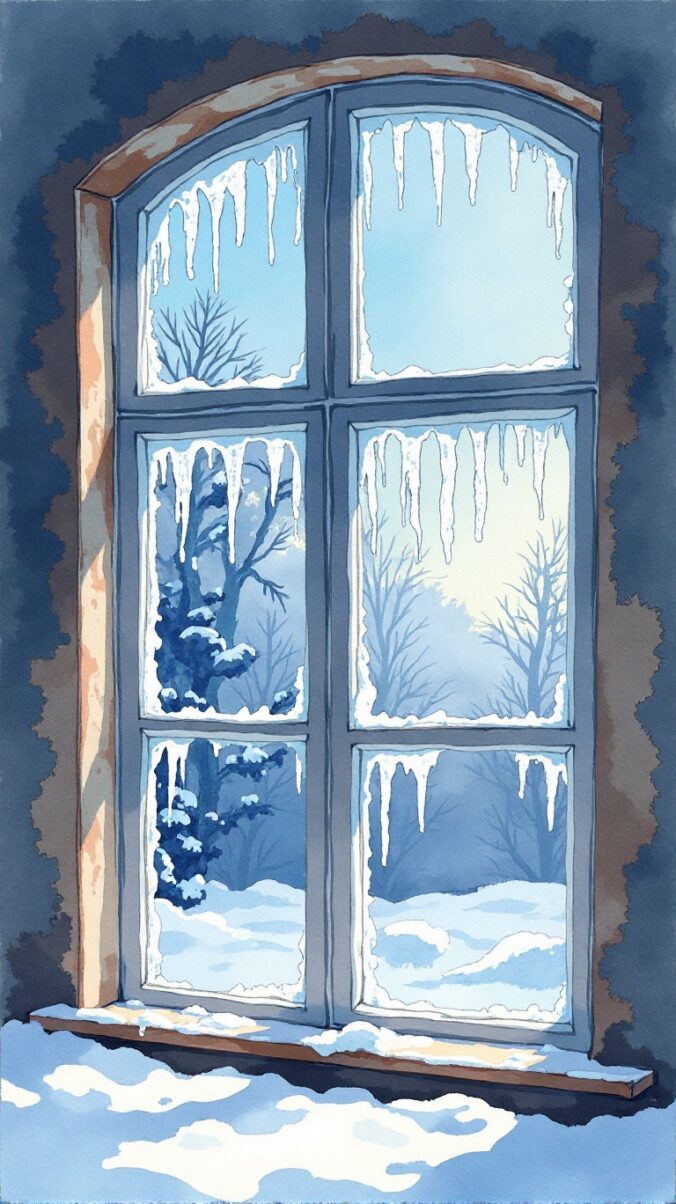
Ice formations showcase watercolor’s ability to render transparent, crystalline surfaces. Paint icicles catching light, using strategic white paper for highlights and pale blues and grays for shadows and depth. Frost patterns on windows offer opportunities for intricate detail work and abstract designs. Practice controlling water and pigment to create delicate, lacy patterns. Add warmth by suggesting golden lamplight glowing through frosted panes, creating temperature and mood contrast.
Cardinals in Snow
The brilliant red cardinal against white snow creates one of nature’s most striking color combinations. These birds remain visible throughout winter, bringing life and color to stark landscapes. Carefully render the cardinal’s distinctive crest and black mask using fine brushwork. Practice creating soft, rounded forms for the bird’s body while keeping branch details sharper. The complementary contrast between red bird and blue-gray winter shadows creates visual impact. This subject combines wildlife painting techniques with winter landscape skills.
Conclusion
Watercolor painting offers a perfect medium for capturing seasonal beauty. Each season presents unique opportunities to develop different skills—spring’s delicate washes, summer’s bold colors, autumn’s rich layering, and winter’s subtle tones. By working through these seasonal subjects, you’ll not only create a portfolio that celebrates the year’s cycle but also develop a comprehensive range of watercolor techniques. Let the seasons guide your artistic journey, and discover how aquarelle painting connects you more deeply to nature’s endless transformations.
A Teacher with 5 years of experience. Our Expertise, is reliable to meet your full Academic development needs . Worked on many crafts and construction projects offering services from design to development to deployment over the years. You will find many of my works in my business portfolio on request.