Starting your acrylic painting journey doesn’t have to be intimidating. Whether you’re picking up a brush for the first time or looking to build your confidence, these ten beginner-friendly projects will help you develop essential skills while creating beautiful artwork. Based on popular tutorials from YouTube artists and recommendations from the Reddit acrylic painting community, here are the perfect projects to launch your artistic adventure.
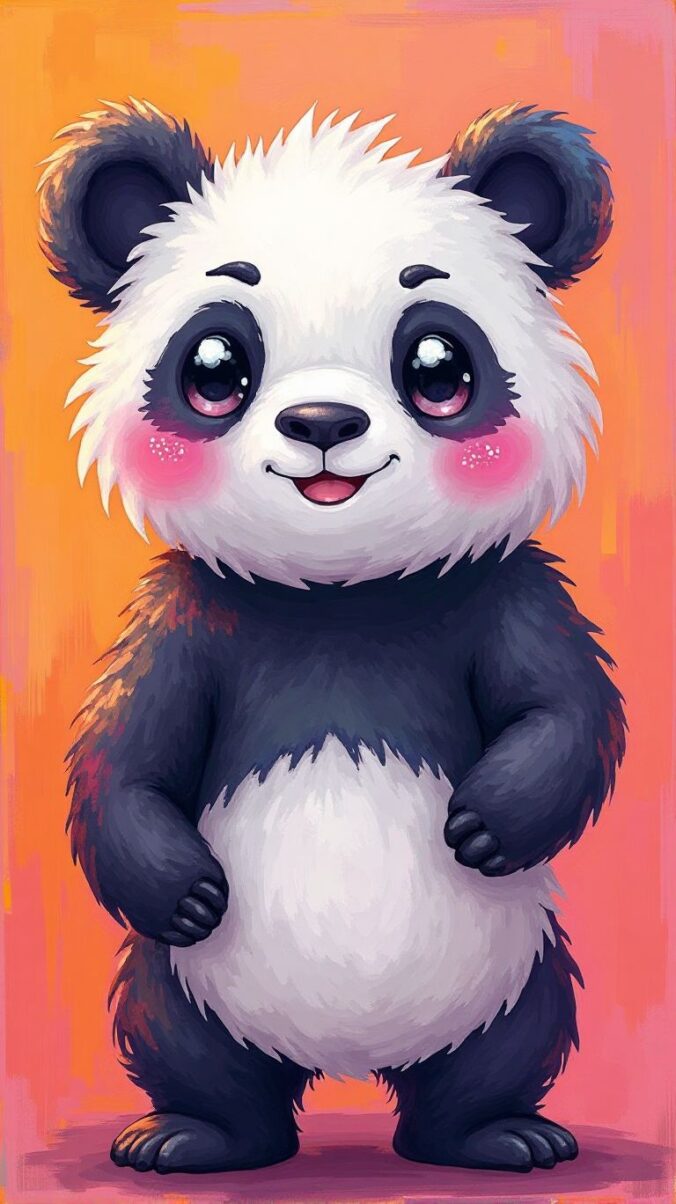
1. Cute Panda Portrait
Pandas are surprisingly easy to paint and perfect for beginners because they primarily use just black and white paint with minimal blending required. The simple color palette means you can focus on learning brush control and basic shapes without worrying about complex color mixing.
Why it’s beginner-friendly: Start by sketching a simple circle for the head and an oval for the body. Paint the entire panda white first, then add the signature black eye patches, ears, arms, and legs. The contrast between black and white creates instant visual impact, making even simple attempts look adorable. You can add bamboo stalks in the background using green and yellow-green shades for an extra touch of authenticity.
Pro tip: Use a small round brush for the eyes to create that characteristic cute expression that makes pandas so endearing.
2. Simple Flowers with Q-Tips
Flower painting is one of the most satisfying projects for beginners, and there’s a clever trick that makes it even easier—using Q-tips instead of brushes! This technique, popular on YouTube tutorials, creates beautiful one-stroke flower petals effortlessly.
Technique: Load a Q-tip with two colors (like pink and white) and stamp it onto your canvas in a circular pattern to create flower petals. The cotton tip naturally creates the soft, rounded petal shape. Paint simple stems and leaves with a flat brush, and you’ll have a charming floral piece in no time. This method works wonderfully for creating fields of tulips, cherry blossoms, or wildflower meadows.
Color suggestions: Try purple and white for lilacs, pink and magenta for cherry blossoms, or yellow and orange for sunflowers.
3. Whimsical Fox in the Forest
Foxes have become incredibly popular in beginner acrylic tutorials because their triangular face structure is easy to construct. The warm orange and white color scheme is visually appealing and straightforward to work with.
Getting started: Begin with a simple triangle for the face, add pointed ears on top, and paint the characteristic white chest and muzzle. The key to a successful fox painting is creating those bright, expressive eyes. Add a forest background with simple tree silhouettes to place your fox in its natural habitat. You can keep the background minimal with just dark green and brown vertical strokes to suggest trees.
Artistic touch: Add falling autumn leaves in oranges, reds, and yellows around your fox to create seasonal charm.
4. Cat Silhouette at Sunset
Cats make excellent subjects for beginners, especially when painted as silhouettes. This approach eliminates the need to paint fur details while still creating a recognizable and artistic image.
The process: First, paint a vibrant sunset sky using horizontal strokes, blending pink, orange, yellow, and purple. While the paint is still wet, you can blend the colors together for that dreamy sunset effect. Once dry, paint a simple black cat silhouette sitting on a windowsill or fence. The contrast between the colorful background and dark silhouette creates dramatic visual impact with minimal effort.
Variation idea: Paint a cat in a window surrounded by flowers, combining two beginner-friendly subjects in one composition.
5. Glowing Candle in Darkness
Painting a candle teaches you about light, shadow, and creating atmosphere—all essential skills for any painter. This project looks impressive but uses straightforward techniques.
Creating the glow: Start with a dark background using black or deep blue. Paint your candle in the center using cream or off-white. The magic happens when you add the flame using yellow, orange, and a touch of white at the center. To create the glow effect, add gradually lighter circles of yellow and orange around the flame, blending outward into the darkness. This subtle gradient creates that signature candlelight atmosphere.
Enhancement: Add a reflection of the candlelight on a surface below to make your painting more dynamic and realistic.
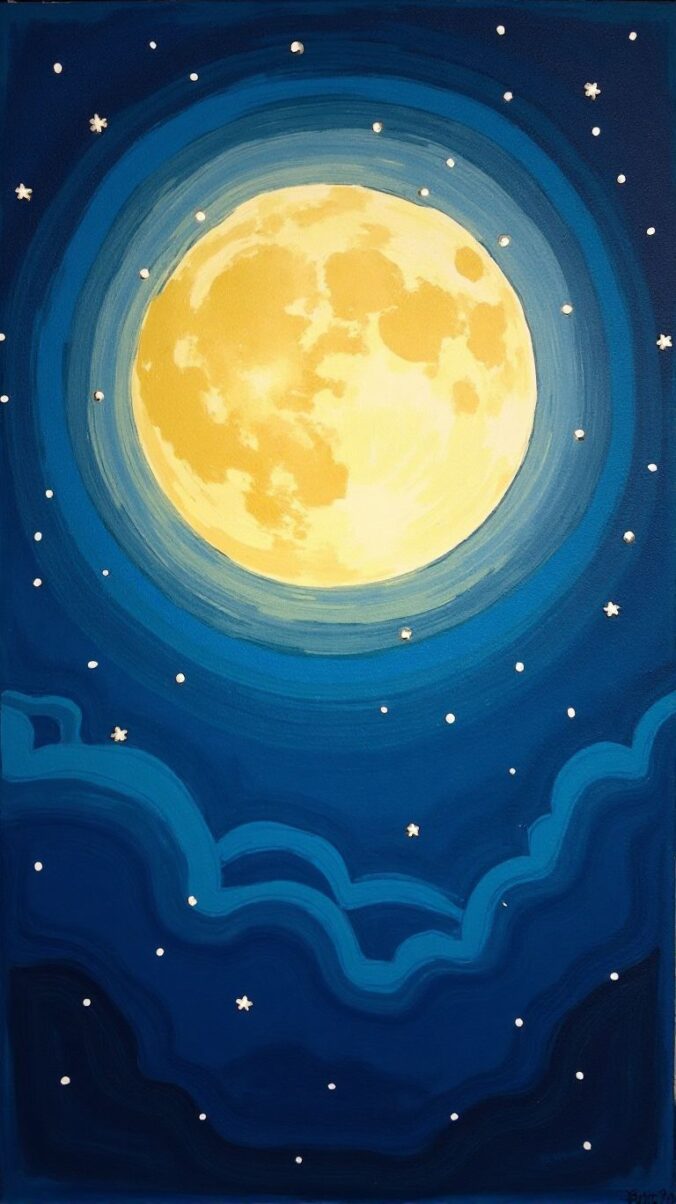
6. Moonlight Over Water
Moonlight paintings are beloved by beginners because they combine simple techniques with dramatic results. The limited color palette and straightforward composition make this an achievable yet stunning project.
Step-by-step: Paint your sky in deep blues and purples, getting darker toward the top. Add a bright white or pale yellow circle for the moon. The key technique is painting the moon’s reflection on water—use a palette knife or flat brush to create horizontal white strokes down the canvas, getting wider as they come toward the viewer. Add small ripples with lighter blue and white for realistic water texture.
According to Reddit users: This is one of the most rewarding beginner projects because it teaches blending, reflection, and atmospheric perspective all in one painting.
7. Sunset Sky with Simple Clouds
Sunsets are consistently rated as the easiest and most satisfying acrylic painting project for beginners on YouTube, with countless tutorials racking up millions of views. There’s a good reason—they’re nearly impossible to mess up and always look beautiful.
The technique: Apply horizontal strokes of color across your canvas, starting with yellow at the horizon, blending into orange, then pink, purple, and finally deep blue at the top. While the paint is still wet, use a dry brush or paper towel to dab in fluffy cloud shapes. The wet-on-wet technique creates natural-looking color blending that’s forgiving and fun.
Quick variation: Add a simple tree silhouette, mountain range, or birds flying across your sunset for added interest.
8. Starry Night Sky
Inspired by Van Gogh but simplified for beginners, painting a starry night teaches you about creating depth and atmosphere. This project is particularly popular on TikTok and Instagram for its instantly recognizable beauty.
Creating your stars: Paint your background in deep blues and purples, swirling the colors together. Once dry, use the end of a brush handle dipped in white or yellow paint to dot stars across the sky. For a magical touch, add small white crosses around the brightest stars to make them twinkle. Paint a simple rolling hill or tree silhouette along the bottom in black to ground your composition.
Pro tip: Add a touch of purple or pink to your star dots to create variety and visual interest.
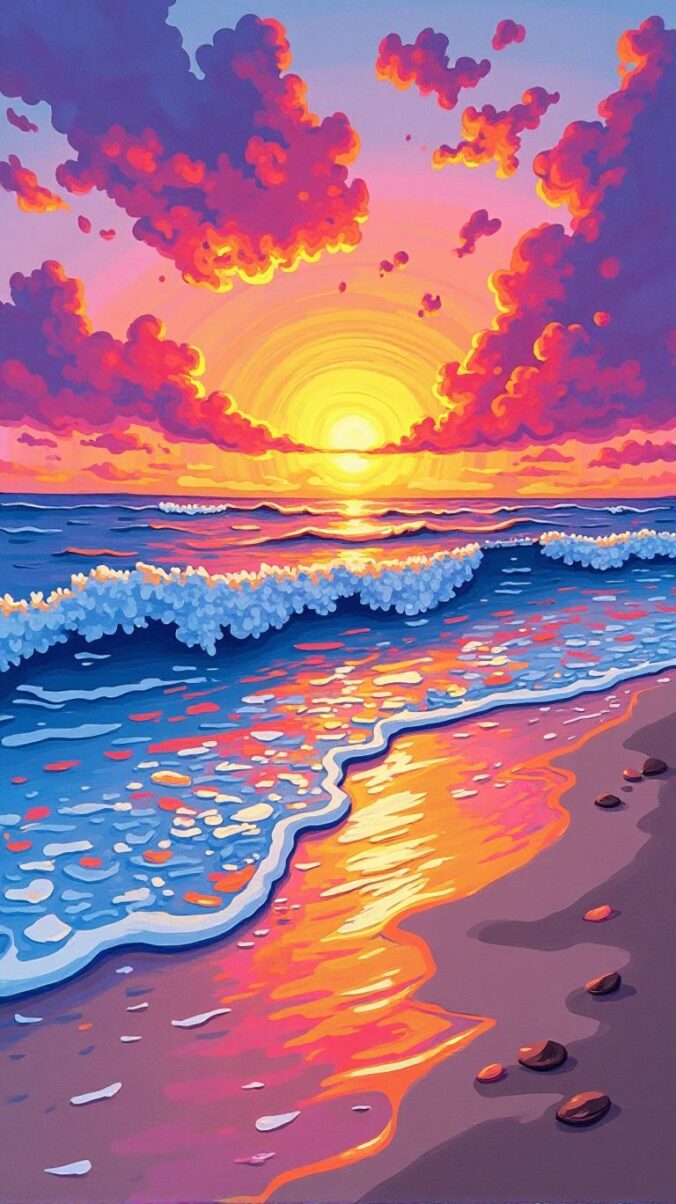
9. Ocean Beach Scene
Beach paintings combine several beginner-friendly techniques: horizontal color blending for the sky, simple wave patterns, and sandy shores. According to numerous YouTube tutorials, this is perfect for learning about horizon lines and atmospheric perspective.
Building your scene: Divide your canvas into thirds—sky, ocean, and beach. Paint the sky with soft blues and whites, the ocean in graduated blues (darker at the horizon, lighter near the shore), and the sand in warm beiges and yellows. Add simple white foam on the waves using a fan brush or palette knife. For extra charm, include a beach umbrella, palm tree, or seashells.
Reddit recommendation: Start with a simple beach scene to practice before attempting more complex seascapes with detailed waves.
10. Abstract Geometric Patterns
If representational painting feels intimidating, abstract geometric designs offer a perfect entry point. This style lets you experiment with color relationships, composition, and brush control without worrying about making things “look right.”
Getting creative: Use painter’s tape to create clean geometric shapes—triangles, circles, rectangles, and lines. Paint each section in different colors, creating patterns and color harmonies. Once dry, remove the tape to reveal crisp, professional-looking borders. This technique is immensely satisfying and teaches color theory while building confidence.
Style variations: Try color blocking with complementary colors, create an ombre geometric pattern, or design a modern minimalist composition.
Essential Tips for Acrylic Painting Beginners
Before you start your painting journey, keep these community-tested tips in mind:
Start simple: Don’t overwhelm yourself with complex subjects. The projects listed here are specifically chosen because they teach fundamental skills while remaining achievable.
Invest in quality basics: You don’t need expensive supplies, but get decent brushes (flat, round, and detail brushes), a few primary colors plus white and black, and proper acrylic paper or canvas.
Embrace imperfection: As the Reddit acrylic painting community often emphasizes, your first paintings won’t be perfect, and that’s completely normal. Each painting teaches you something new.
Follow along with tutorials: YouTube offers thousands of free step-by-step tutorials. Following along helps you understand techniques while creating something beautiful.
Practice color mixing: Spend time experimenting with mixing colors before starting your painting. Understanding how colors interact will make your painting process much smoother.
Don’t skimp on paint: Acrylics dry quickly, so apply enough paint to work with. Thin, watery paint often leads to frustration for beginners.
Conclusion
These ten acrylic painting ideas offer something for every beginner—from animal lovers to landscape enthusiasts to abstract art fans. Each project builds different skills: the panda teaches shape and contrast, flowers teach pattern and texture, sunsets teach blending and color harmony, and geometric abstracts teach composition and precision.
Remember, every accomplished artist started as a beginner. The key is to start painting, experiment without fear, and enjoy the creative process. Pick the project that excites you most, gather your supplies, and begin creating. Before you know it, you’ll have a collection of paintings and a growing skill set that will serve you throughout your artistic journey.
So grab those brushes, squeeze out some paint, and let your creativity flow. Your first masterpiece is just one painting session away!
A Teacher with 5 years of experience. Our Expertise, is reliable to meet your full Academic development needs . Worked on many crafts and construction projects offering services from design to development to deployment over the years. You will find many of my works in my business portfolio on request.