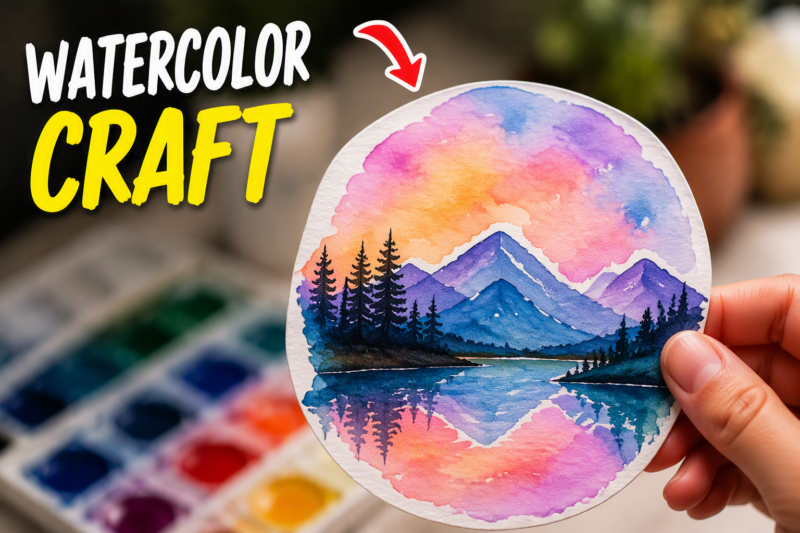


What makes a truly great watercolor craft stand out from every other hobby you have tried? Most people appreciate projects that blend clear, simple structure with the fluid, unpredictable nature of water-based pigment. Whether you are prepping for a sunny afternoon activity or planning a birthday party, having reliable watercolor craft ideas ready ensures a successful creative session. These projects keep the process beginner-friendly while allowing for genuine artistic growth. Using basic household items helps you start painting right away. Let’s look at some fun, effective ways to start your journey into color.
Quick Questions and Answers
Question: What are the easiest watercolor craft ideas for beginners? Answer: The easiest watercolor craft ideas rely on simple shapes and resist techniques that remove the need for complex drawing skills. Projects like cards, circles, flowers, butterflies, salt painting, and tape resist work are ideal. These activities help you practice water control, layering, and color blending without a high risk of failure or frustration.
Question: Can kids do watercolor craft ideas safely at home? Answer: Yes, many watercolor craft ideas are perfect for children and use basic items found in most kitchens. Popular projects include paper plate flowers, dot art, bubble painting, and wet-on-wet activities. While these tasks are safe, adult supervision is always helpful when using scissors, glue, hair dryers, or other small materials.
Question: How do you choose the best watercolor craft idea? Answer: Choosing the right project depends on your skill level, the supplies you have, and the final look you want to achieve. Practical criteria include whether the project is beginner-friendly and uses household materials. You should also consider if the activity focuses on a specific technique like resist, layering, or texture.
1. Tape Resist Geometric Art
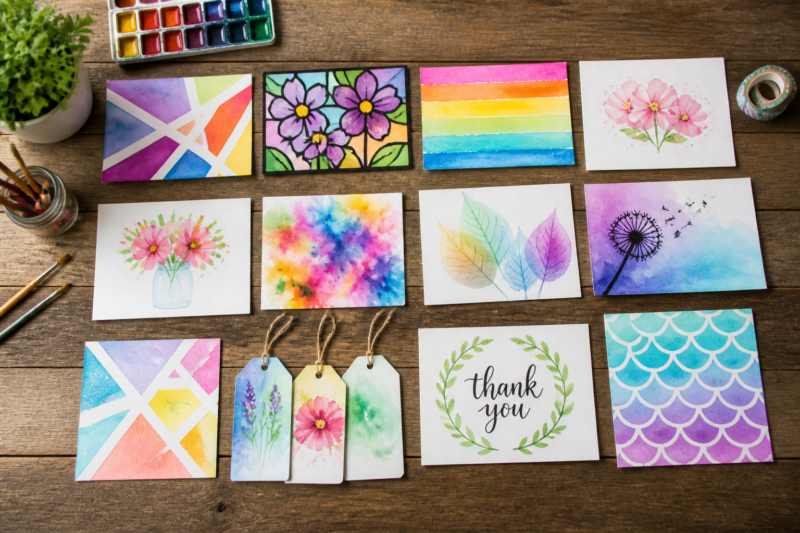
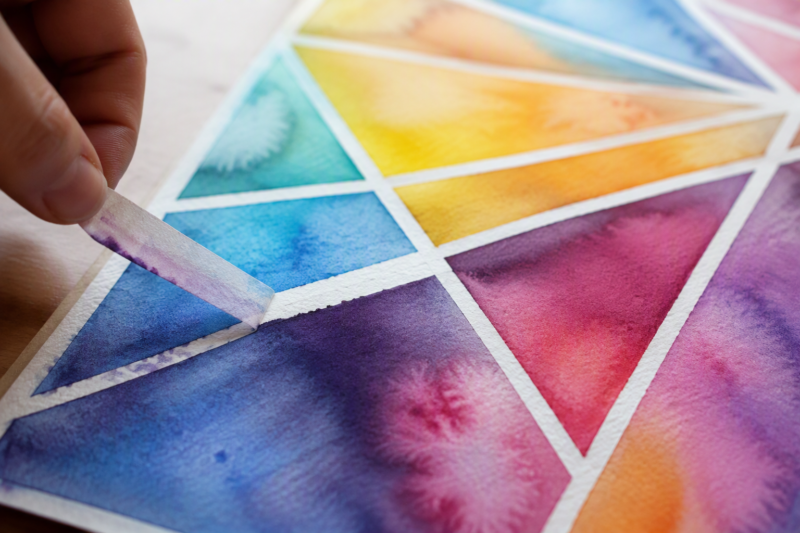
Painter’s tape or washi tape creates clean, sharp-edged segments on thick watercolor paper. This is perfect for beginners who want to practice brush control without the stress of drawing complex subjects. Once the tape is removed after the paint dries, you are left with a modern, professional-looking result. It feels incredibly satisfying to peel back the tape and see those crisp lines.
2. Black Glue Stained Glass
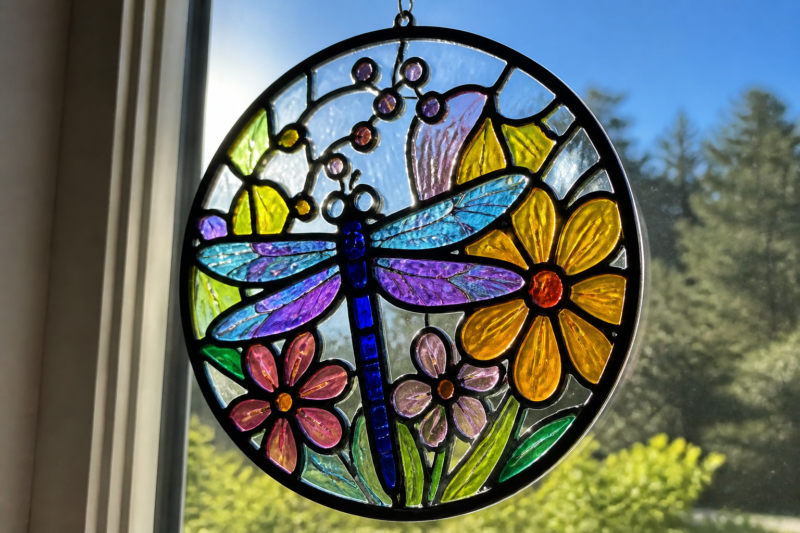
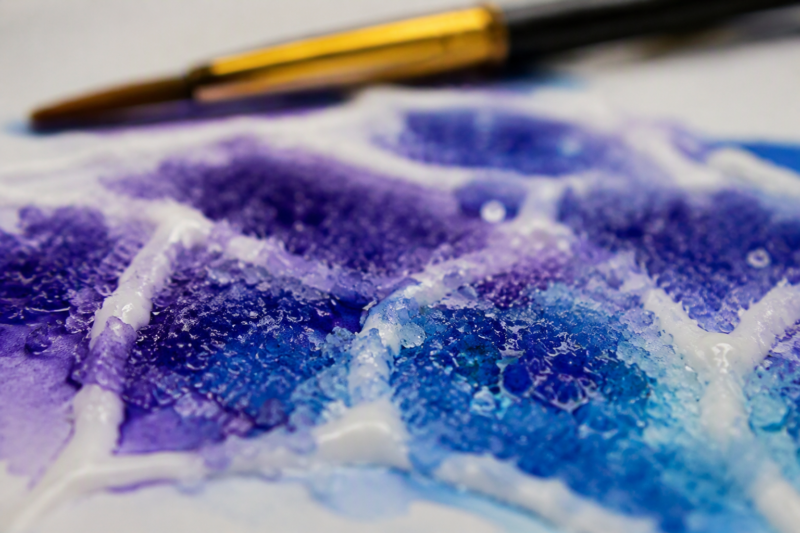
Mixing school glue with black acrylic paint creates a dark, raised structural outline on your paper. This mixture acts as a barrier that mimics the lead cames in a traditional stained glass window. Once the glue outline dries, you can fill the sections with liquid watercolor or standard pan paints. It creates vibrant, high-contrast wall art that looks much more complex than it actually is.
3. Raised Salt Texture Painting
This technique requires applying wet white school glue to your paper in a design before dusting it generously with table salt. The salt absorbs the watercolor pigment, creating a granulated, embossed texture as it dries. Research from the National Endowment for the Arts suggests that interactive art experiences are vital for building confidence in young creators. It is a fantastic way to teach kids how water movement affects pigment concentration on absorbent surfaces.
4. Coffee Filter Floral Blooms
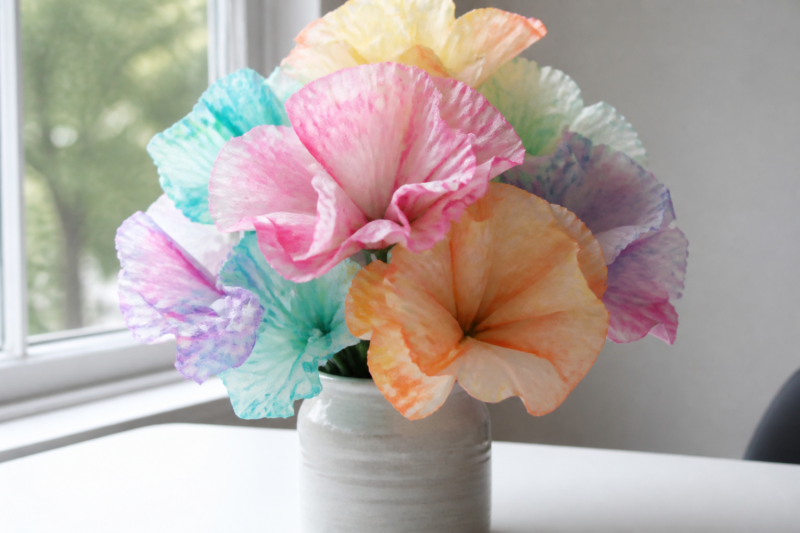
White coffee filters have high absorbency, which encourages soft, radial color bleeding. You can cut them into petal shapes and spritz them with water to make the colors migrate toward the edges. This creates realistic gradients that mimic natural flower textures. Bunching them together turns these flat circles into three-dimensional, lightweight paper flower bouquets for your home.
5. Symmetrical Butterfly Print Making
You paint thick, wet watercolor shapes on one side of a folded piece of paper or a paper plate for this project. Folding and pressing the sides together results in a perfectly mirrored image. This technique removes the need for detailed drawing and is excellent for younger crafters to experiment with symmetry. It turns a quick 10 Simple Handmade Crafts to Sell for Kids to Try Today session into a fun, discovery-filled afternoon.
6. Cling Film Texturing Technique
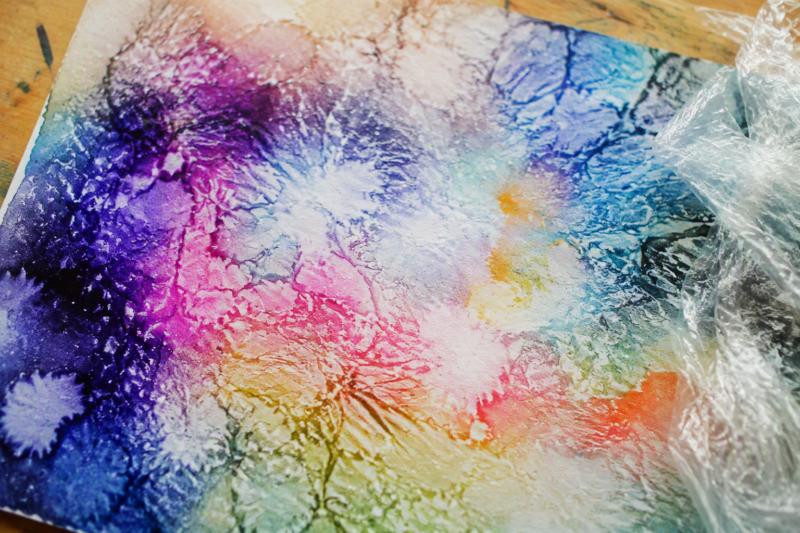
Lay a piece of crumpled plastic wrap over a freshly applied, wet watercolor wash to change its appearance. As the paint dries beneath the film, it pools into unique, organic veined patterns. Use this technique for creating backgrounds for cosmic, abstract, or landscape-style craft projects. The result is always a surprise, which makes it a favorite for artists who prefer loose, experimental styles.
7. Crayon Resist Patterning
Wax crayons or oil pastels draw designs that act as a waterproof barrier for your paint. When you brush a watercolor wash over the wax, the pigment beads up on the lines and adheres only to the surrounding paper. This is best for projects involving hidden messages or bold outlines around detailed motifs. It is a classic method that never fails to impress beginners.
8. Layered Circle Landscape Scenes
Using circular templates like mugs or jar lids helps you draw repetitive shapes as the main compositional element. You can practice layering multiple transparent washes to build depth and color intensity within each circle. This is a standard project for learning how to control color saturation and manage drying time between layers. It serves as a nice, structured approach to landscape painting for all skill levels.
9. Watercolor Lanterns
Lightweight, translucent paper painted with watercolor and wrapped around a cylinder or jar makes a stunning light fixture. When you place a tea light or LED inside, the watercolor textures become illuminated from behind. It works best for home decor crafts where light diffusion is the primary goal. These lanterns add a warm, personal touch to any room.
10. Wet-on-Wet Gradient Landscapes
Pre-wetting the paper with a clean brush and water is the secret to this fluid style. It allows colors to bleed into one another organically, creating soft transitions for skies and water. I recommend this for artists who want to avoid harsh brush strokes and practice fluid blending. It is the most effective way to learn how water, pigment, and paper interact.
11. Bubble Print Texture Art
Mixing dish soap with watercolor paint allows you to create a cup of colorful suds. You capture these bubbles on your paper by pressing the cup directly onto the surface. This leaves behind unique, delicate foam patterns that are impossible to paint by hand. It is a non-traditional way to create abstract textures without needing precise brush movements.
12. Secret Invisible Message Art
A white wax candle serves as your tool to write or draw an invisible message on watercolor paper. The message is revealed only when you paint over the surface with a dark, saturated watercolor wash. It is a popular, science-inspired activity that engages everyone through the element of surprise. Whether you are selling your art or just crafting for fun, looking at 12 Creative Handmade Crafts to Sell on a Budget can offer more inspiration for your next project.
| Technique | Best Skill Level | Primary Effect | Main Supply |
|---|---|---|---|
| Tape Resist | Beginner | Sharp, crisp lines | Painter’s tape |
| Salt Texture | Intermediate | Granulated, embossed | Table salt |
| Crayon Resist | Beginner | Waterproof outlines | Wax crayons |
| Bubble Print | Beginner | Geometric-free foam | Dish soap |
FAQs
Q: Do watercolor craft ideas need special supplies?
Not always. Several of the projects I covered use very basic supplies such as paper, brushes, water, salt, glue, tape, paper plates, coffee filters, and crayons or oil pastels. Some ideas benefit from extras like cling wrap, black glue, or a compass, but many can be done with everyday materials found in your kitchen or junk drawer. You do not need professional-grade pigments to enjoy these techniques at home.
Q: Why use resist techniques in watercolor crafts?
Resist techniques are popular because they create clear shapes and strong contrast while still letting watercolor provide color and texture. Methods like tape resist, crayon resist, oil pastel resist, black glue stained glass, and salt or cling wrap effects appear across many sources. These techniques are especially helpful for beginners because they make satisfying results easier to achieve without years of practice.
Q: Which watercolor projects are best for young children?
Classroom-friendly or kid-friendly ideas focus on projects that are visually strong, low-cost, and easy to repeat across a group. Paper plate flowers, stained-glass effects, tape resist art, dot art, and color-mixing circles are especially workable in group settings. These projects are helpful because they can be adapted for different ages and still produce distinct individual results that every child can feel proud of.
Q: How long do simple watercolor crafts usually take?
While there is no exact timing for every project, many are described as simple, easy, or suitable for quick sessions. The total time depends on drying, especially for wet-on-wet, cling wrap, or layered wash projects. Simple cards or shape studies may take a short session, while multi-step texture projects take longer. Always account for drying time before moving your finished artwork.
Q: What is the most popular watercolor craft style?
Resist and texture-based projects are among the most common styles, especially in kid and beginner roundups. Tape resist, salt painting, cling wrap effects, crayon resist, and stained-glass-style designs appear across multiple educational and craft websites. These styles are popular because they are easy to explain, easy to adapt, and visually striking for both kids and adults.
Q: How do watercolor crafts help beginners learn painting?
Watercolor crafts help beginners learn how water, pigment, and paper interact in real-time. The projects teach core skills such as wet-on-wet blending, layering washes, masking with tape, and using salt or plastic wrap for texture. Because the projects are concrete and repeatable, they build confidence while introducing foundational watercolor behaviors that are essential for any aspiring artist.
My Experience With 12 Creative Watercolor Craft Ideas for Beginners
I have spent many afternoons playing with these techniques, and I can tell you that the most common mistake is over-thinking the results. Watercolor loves to move. When I first tried the cling film technique, I hovered over it with a hair dryer, impatient for the pattern to set. That actually ruined the effect because it dried the paint too quickly. The best advice I have is to walk away and let the water do its job. It sounds simple, but it is the hardest lesson to learn. You really need to trust the medium. One expert tip is to always use cold-press paper with a weight of at least 140lb or 300gsm; anything thinner will warp the moment you introduce moisture, which turns your beautiful geometric design into a wavy, disappointing mess. I have ruined plenty of projects by using cheap printer paper, so please save yourself the headache. Painting should feel light and experimental, not like a chemistry exam. Have you ever tried using salt to create textures in your own painting, or do you have a favorite technique that always works for you?
Conclusion
Watercolor is a uniquely versatile medium that bridges the gap between structured craft and free-form expression. Whether you are using salt, tape, or simple resist techniques, the process remains one of the most accessible ways to experiment with color and texture at home.
References
- A Night Owl Blog. (n.d.). Wonderful Watercolor Crafts for Kids. A Night Owl Blog. https://www.anightowlblog.com/watercolor-crafts-for-kids/
- Arty Crafty Kids. (n.d.). Creative Watercolor Art Projects for Kids. Arty Crafty Kids. https://www.artycraftykids.com/art/creative-watercolor-art-projects-kids/
- Catholic Sprouts. (n.d.). 25 Creative Watercolor Projects. Catholic Sprouts. https://catholicsprouts.com/25-creative-watercolor-projects/
- Doodlewash. (n.d.). Watercolor Projects For Kids & Kids At Heart. Doodlewash. https://doodlewash.com/watercolor-projects-for-kids/
- Jenna Rainey. (n.d.). 9 Simple Watercolor Projects for Beginners. Jenna Rainey. https://jennarainey.com/simple-watercolor-projects-for-beginners/
- Lemon Thistle. (n.d.). 7 EASY WATERCOLOR PROJECTS. Lemon Thistle. https://www.lemonthistle.com/7-easy-watercolor-projects/
- National Endowment for the Arts. (n.d.). Arts and Human Development. NEA. https://www.arts.gov/
- Oil Painter Annie. (2021, February 2). 10 Watercolor Projects for all Ages and Stages. Oil Painter Annie. https://www.oilpainterannie.com/2021/02/02/10-watercolor-projects-for-all-ages-and-stages/
- YouTube. (n.d.). 12 Awesome Watercolor Art Activities for Kids of All Ages!. YouTube. https://www.youtube.com/watch?v=jF2duPwKnvQ

A Teacher with 5 years of experience. Our Expertise, is reliable to meet your full Academic development needs . Worked on many crafts and construction projects offering services from design to development to deployment over the years. You will find many of my works in my business portfolio on request.