If you love drawing with a pencil, trying new sketch ideas can be fun and a great way to improve your skills. Reddit artists share many cool ideas that you can try at home. Here are 16 pencil art drawing sketches that anyone can enjoy. Each idea is simple enough for beginners but can be detailed for more practice.
1. Simple Animal Sketches
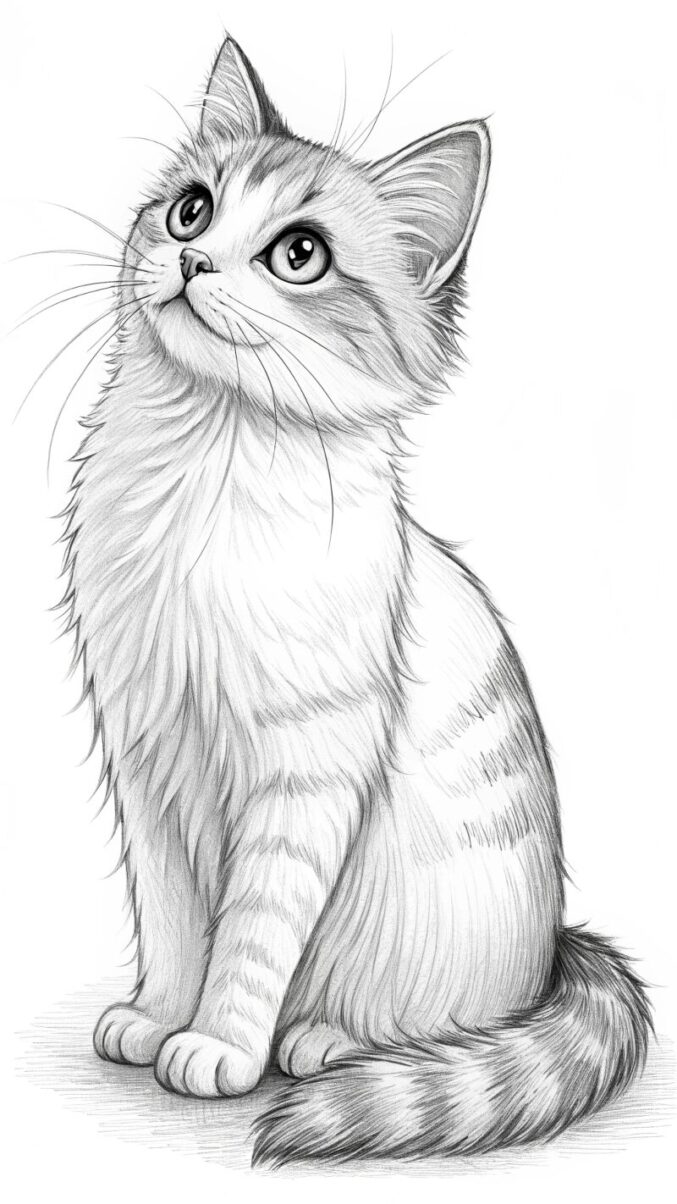
Drawing animals is always fun. Start with easy ones like cats, birds, or insects. Look at photos or watch videos to see their shapes and poses. Practice drawing different parts like eyes, paws, or wings. You can try sketching a fluffy cat or a cute bird in flight. Animals give you a chance to study nature and improve your observation skills. Keep your lines light and add shading to give your animal life.
2. Mandala Patterns
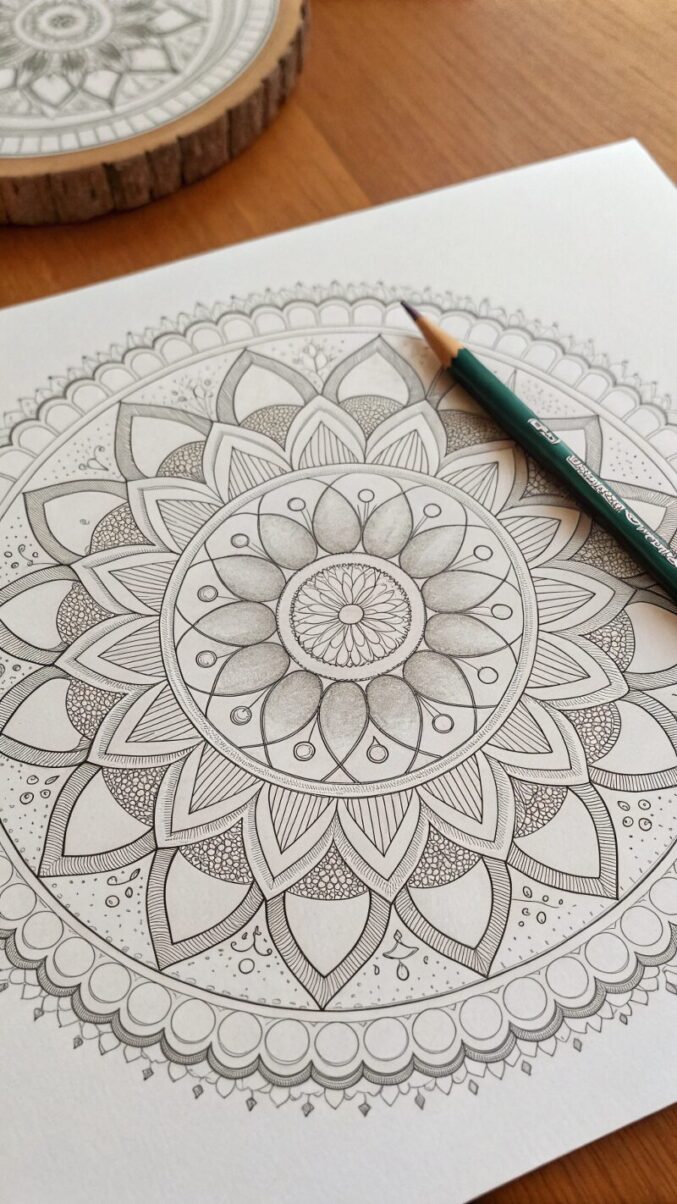
Mandalas are circular drawings filled with repeating shapes and patterns. Start in the center and work your way out with simple shapes like circles, triangles, and petals. Use your pencil to shade areas and create texture. Mandalas are relaxing to draw and help focus your mind. They are easy to customize with your favorite shapes or themes. You don’t have to be perfect—mandalas are about creativity.
3. Portraits in Profile
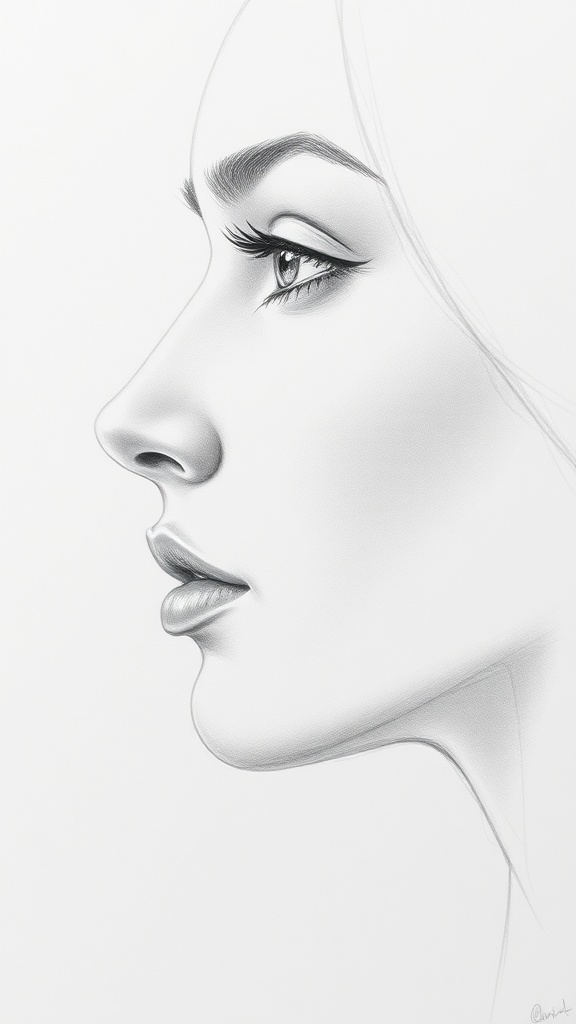
Drawing faces from the side (profile view) is a bit harder than front views but very rewarding. You can practice by looking at a real person or a photo. Try to capture the shape of the nose, lips, and chin. Don’t forget the ear and hairline. Use light pencil strokes first to get the shape right. Adding shadows around the eyes and neck will make your portrait more realistic.
4. Fantasy Creatures
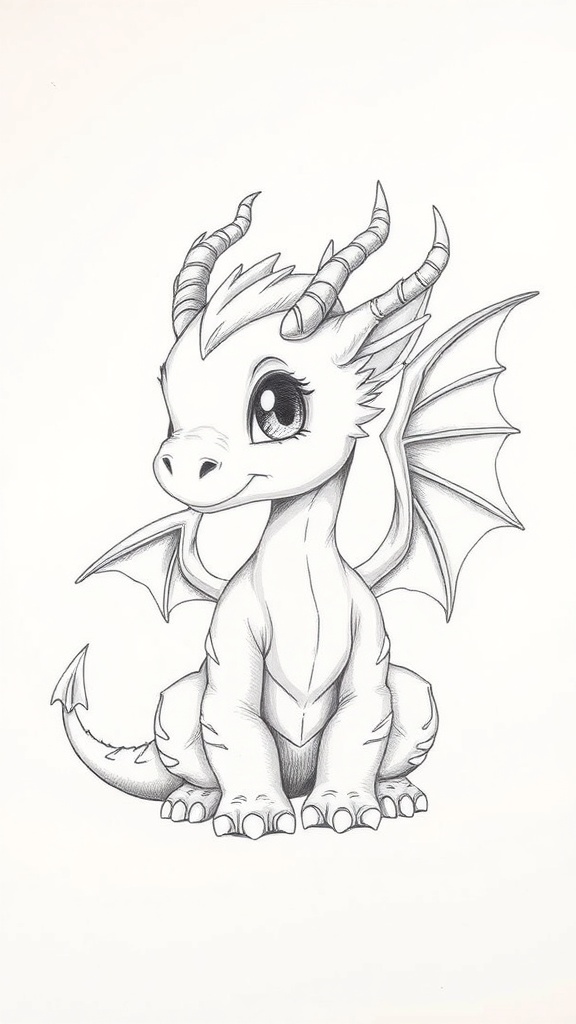
Let your imagination run wild by mixing animals and mythical beings. You can draw a unicorn with wings, a dragon with antlers, or a wolf with feathers. Combine parts from different animals to create something new. Use sharp pencil lines to outline your creature and then shade to add depth. Drawing fantasy creatures lets you tell a story with your art. It’s a great way to practice both creativity and technique.
5. Everyday Objects
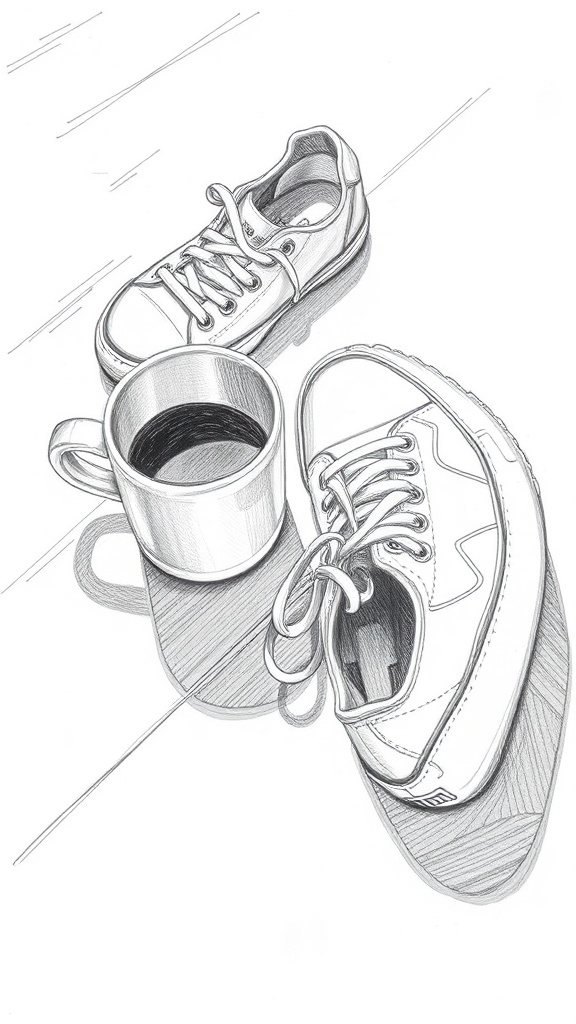
Look around your room and pick everyday things to sketch. It could be your favorite mug, a pair of shoes, or a chair. Try to draw them from different angles. Focus on shapes and shadows to make the objects look 3D. Practice drawing objects grouped together to create still life sketches. These kinds of drawings help you understand light and form.
6. Eyes Close Up
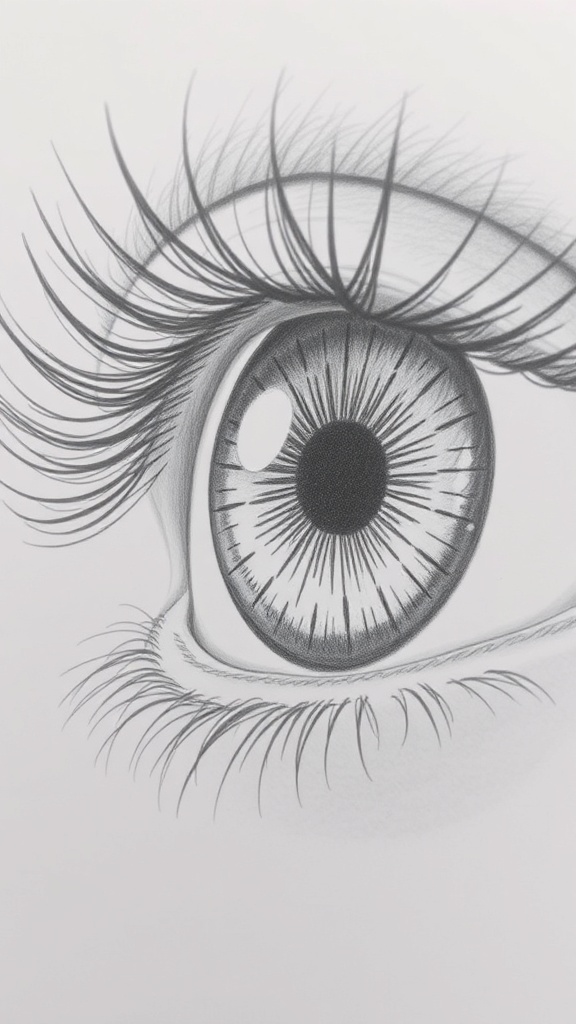
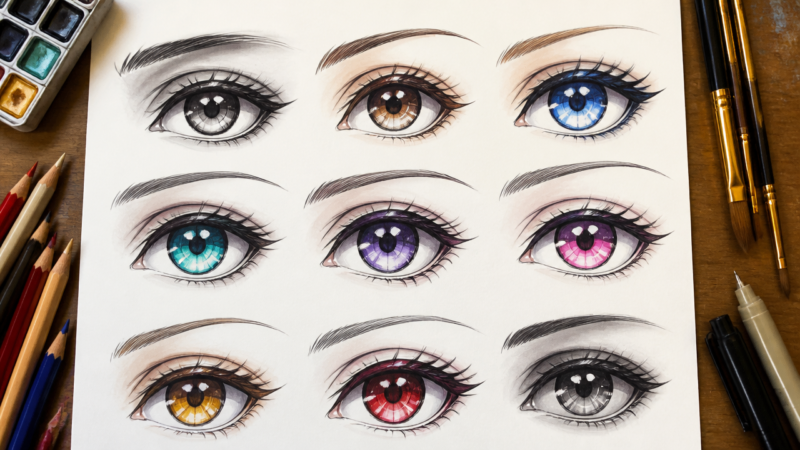
Eyes are very expressive and fun to draw. Try zooming in on one eye and sketching all the details, like the eyelashes, iris, and reflections in the pupil. Use your pencil to create soft shadows and smooth shading to make the eye look realistic. Drawing eyes helps with learning fine details and textures. You can even practice drawing eyes in different emotions.
7. Hair Studies
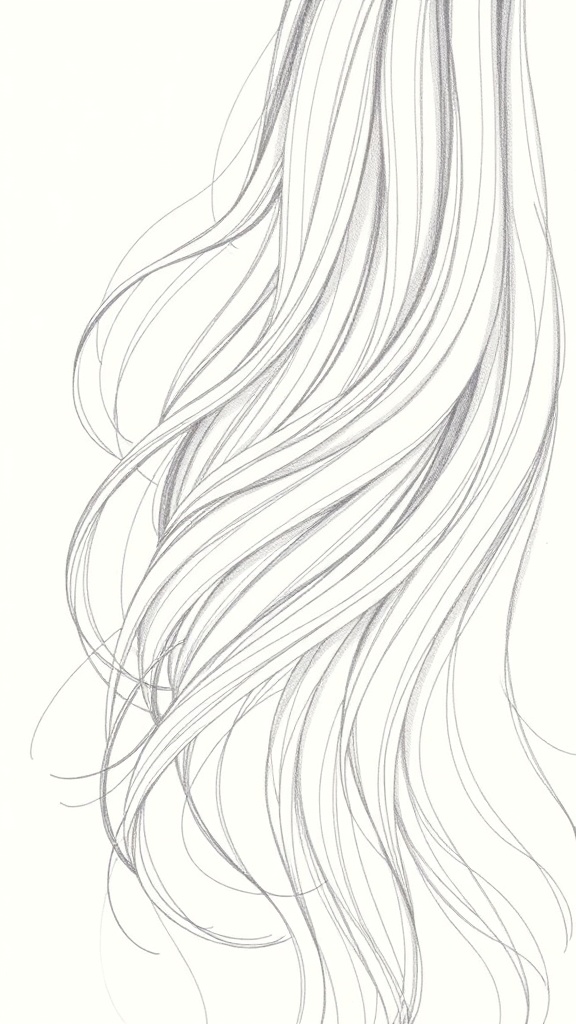
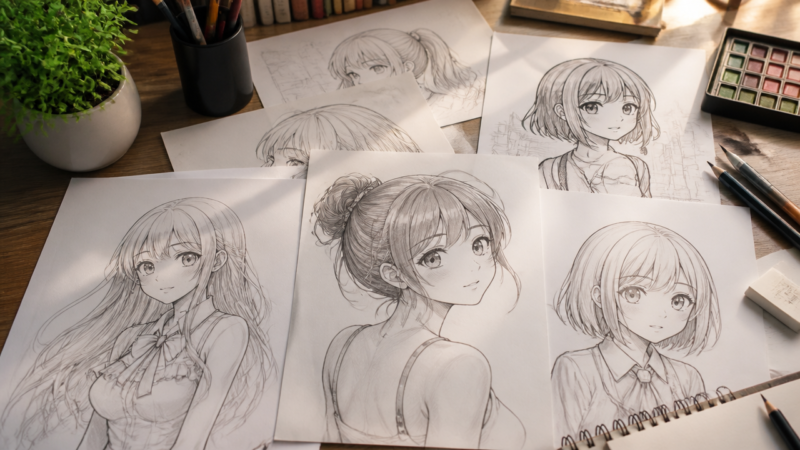
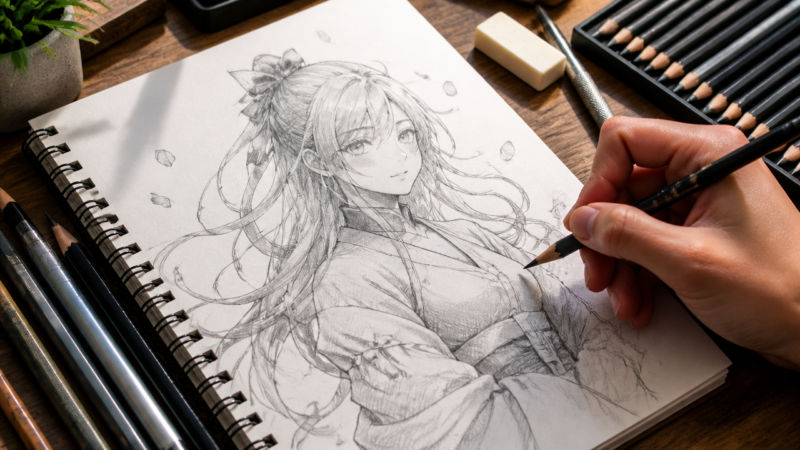
Hair is made of many lines that flow in waves and curls. Practice sketching hair by drawing strands in the direction they grow. Notice how hair can be thick or thin, straight or curly. Use your pencil to add shadows where the hair overlaps or gathers in clumps. Hair studies improve your ability to draw texture and movement in art. Try drawing a person from the back to focus just on their hair.
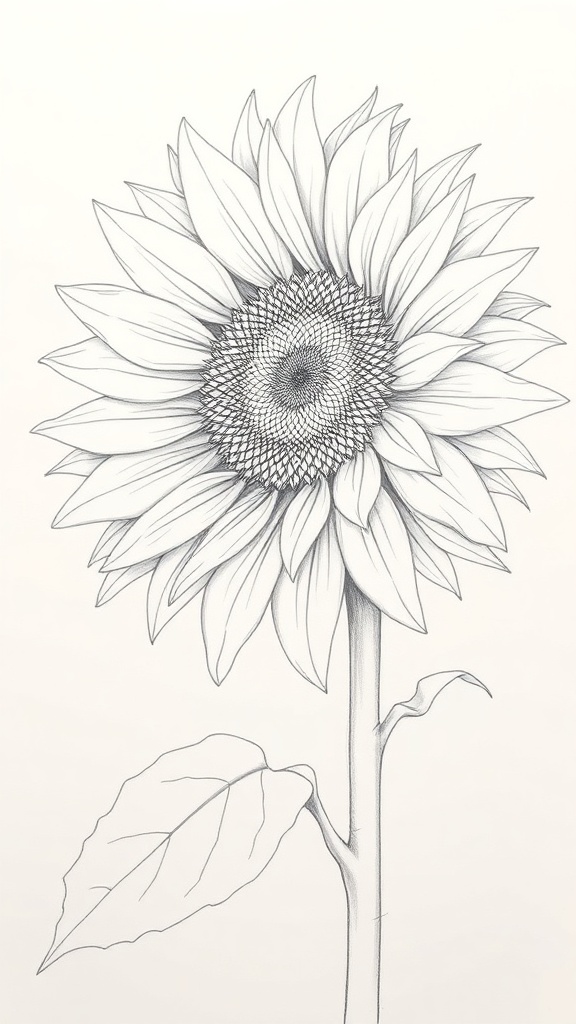
8. Flowers and Leaves
Sketched flowers and leaves can be delicate or bold. Choose simple flowers like daisies or sunflowers to start. Notice the shapes of petals and leaf veins. Draw each petal separately and shade the parts that overlap. Try drawing a flower bouquet or a single stem. Drawing plants helps you observe nature and practice organic shapes. You can add light or heavy pencil strokes depending on the look you want.
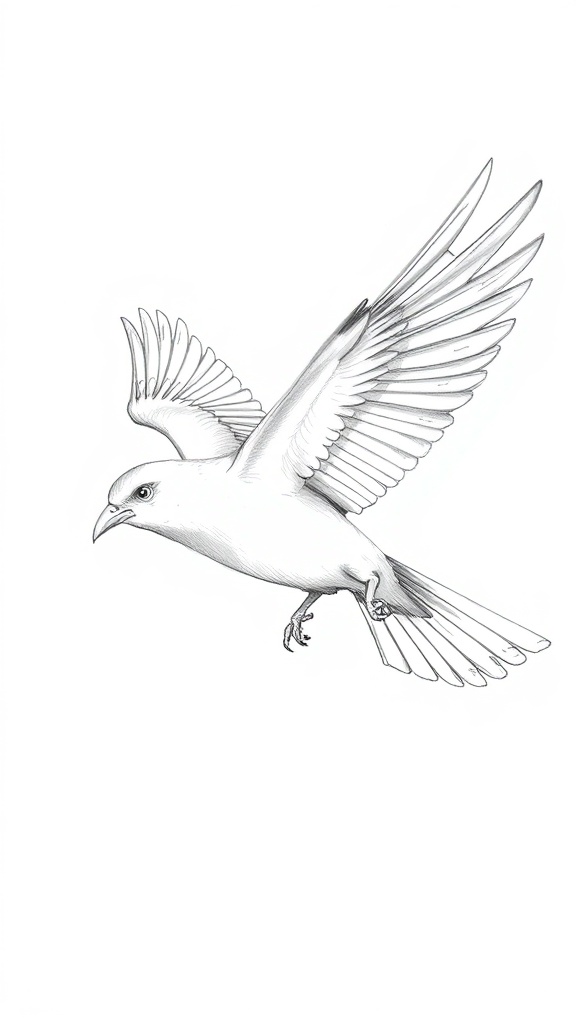
9. Birds in Flight
Capture the motion of birds flying by studying photos or videos. Draw the wings spread wide and the feathers detailed. Focus on the body shapes and the angle of the wings. Use quick pencil strokes to suggest movement. Drawing birds in action challenges you to think about balance and motion. These sketches look lively and exciting on your page.
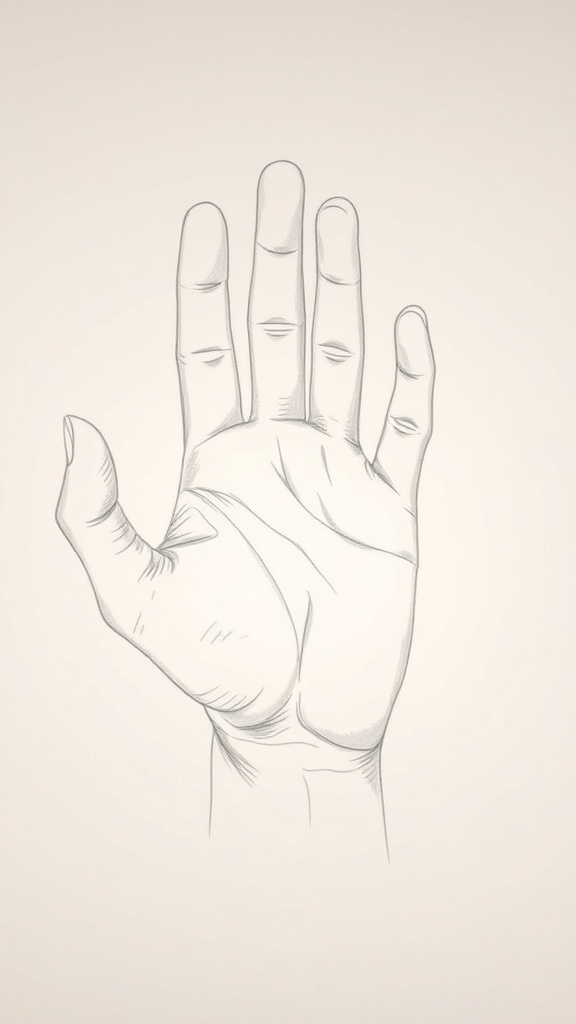
10. Hands and Fingers
Hands are challenging but very rewarding to draw. Start by sketching the basic shapes—rectangles or ovals for fingers and palms. Pay attention to how fingers curve and overlap. Use shading to show knuckles and nails. Practice drawing hands holding objects or in different positions like waving or making a fist. Hands tell stories in art, so they are great to practice for emotional drawings.
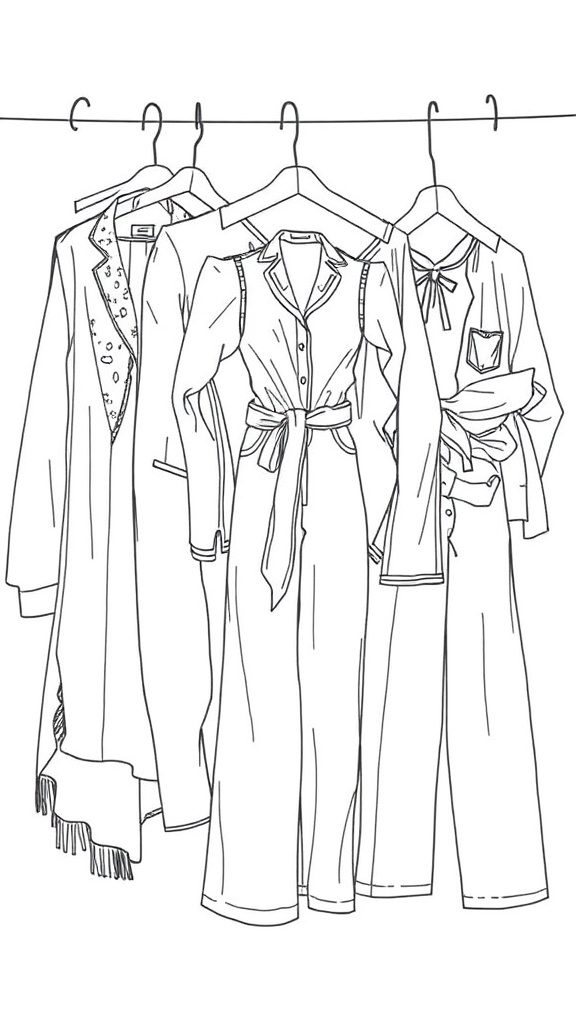
11. Clothing Folds
Clothing is full of interesting folds and wrinkles. Draw a piece of fabric lying on a chair or draped over an arm. Notice the shadows and highlights on the folds. Use your pencil lightly to outline the shapes and then darken the shadows. Drawing fabric helps you learn about light, texture, and movement. You can also use this skill when drawing portraits with clothing.
12. Faces with Emotions
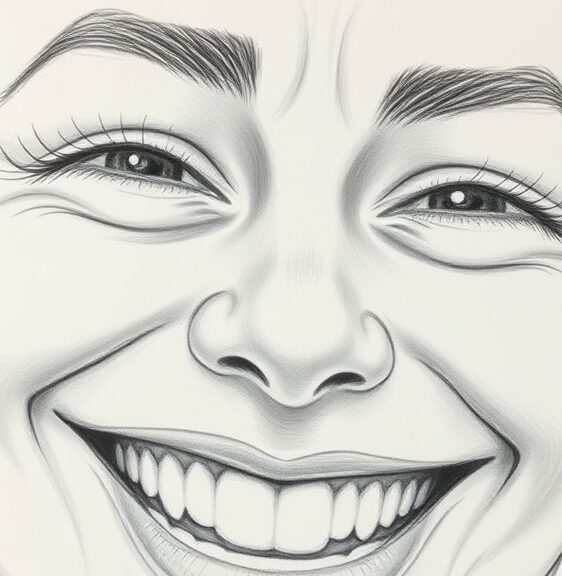
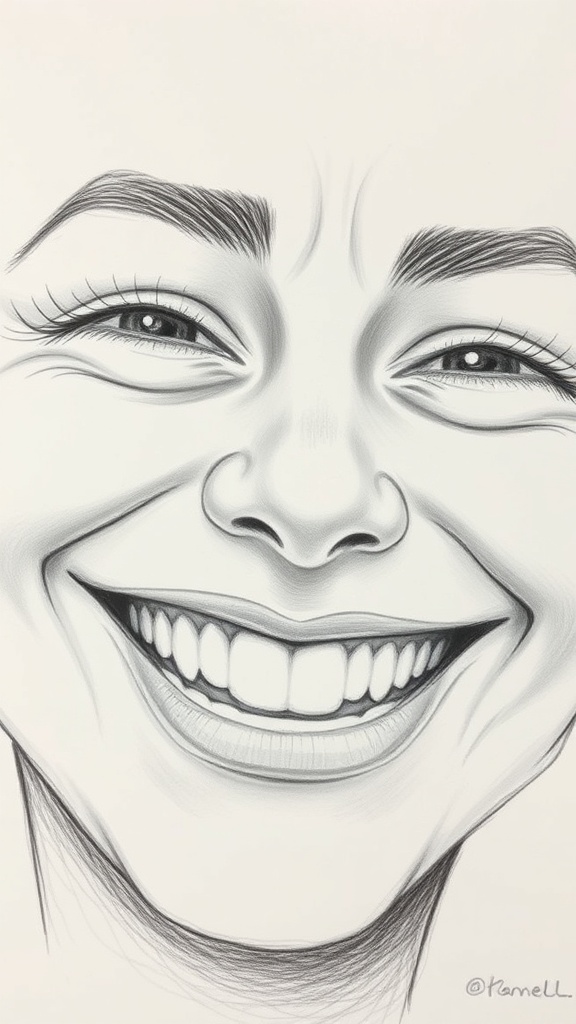
Practice drawing faces showing different emotions like happiness, sadness, anger, or surprise. Pay close attention to the eyebrows, eyes, and mouth. These parts change the most with feelings. Use simple lines and shapes to express emotions clearly. Drawing emotional faces helps you connect with your art and make your characters come alive.
13. Trees and Branches
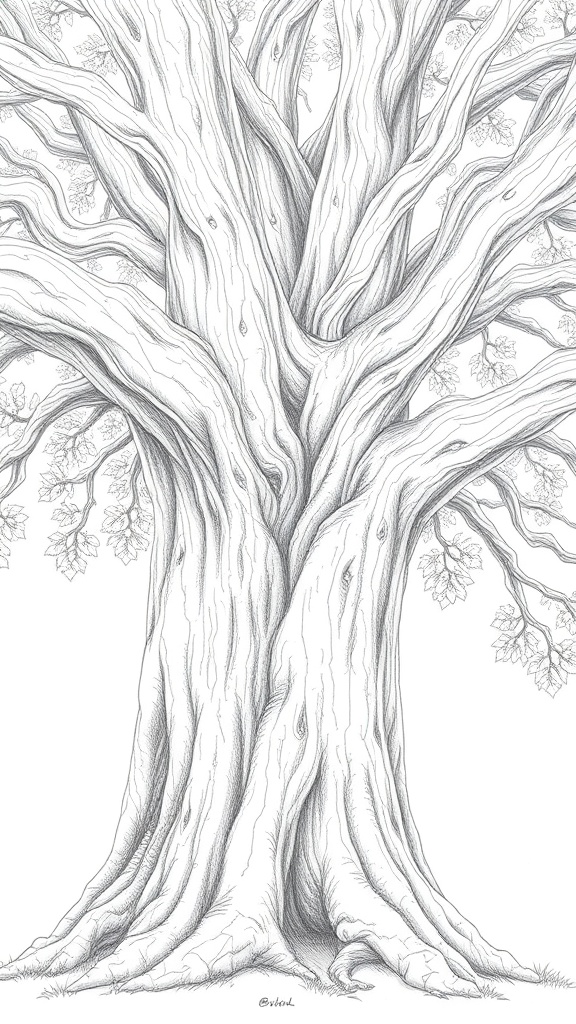
Trees are wonderful subjects for pencil sketches. Start with the trunk and thick branches, then add smaller branches. Notice the texture of the bark and the shape of leaves or needles. Use shading to show light hitting the tree. Try drawing trees in different seasons—bare branches in winter or full leaves in summer. Trees teach you about natural forms and textures.
14. Reflections in Water
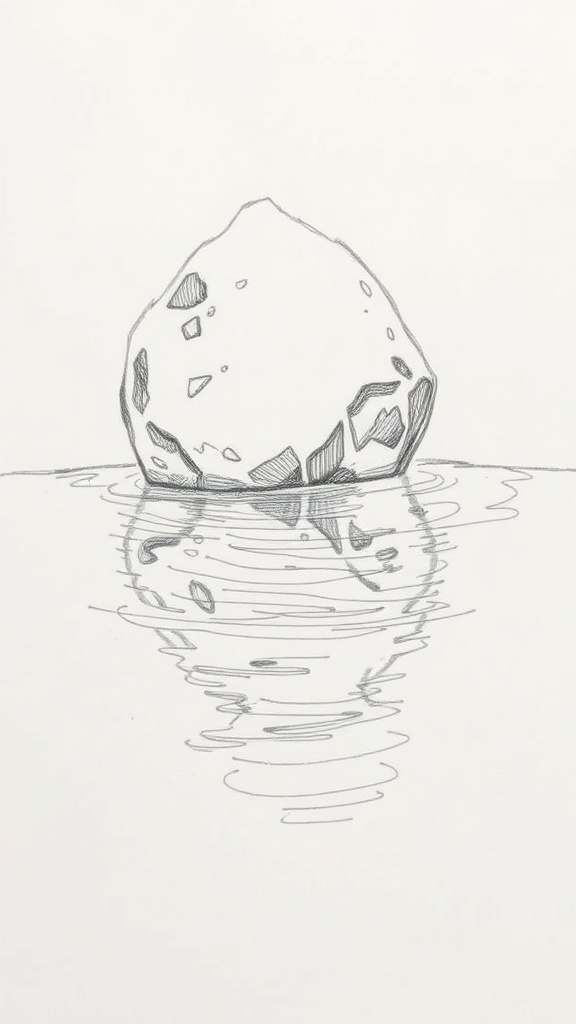
Sketching reflections in water can be tricky but interesting. Draw the object beside the water first, like a rock or a boat. Then lightly sketch its reflection in the water below, using wavy lines to show movement. Shade the water to give a sense of depth. Reflections add a new challenge to your sketches and help you study light and shapes.
15. Mechanical Objects
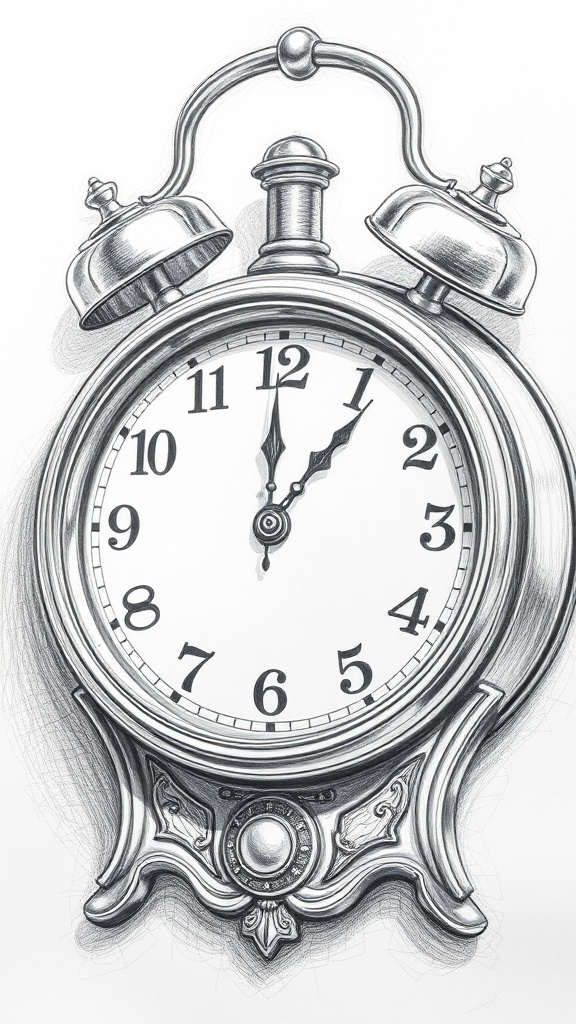
Try drawing things like clocks, bicycles, or old cameras. These objects have clear shapes and interesting details like gears and buttons. Use sharp lines and shapes to create the mechanical parts. Add shadows to show depth and shine on metal. Drawing mechanical objects helps you practice precision and attention to detail.
16. Your Favorite Character
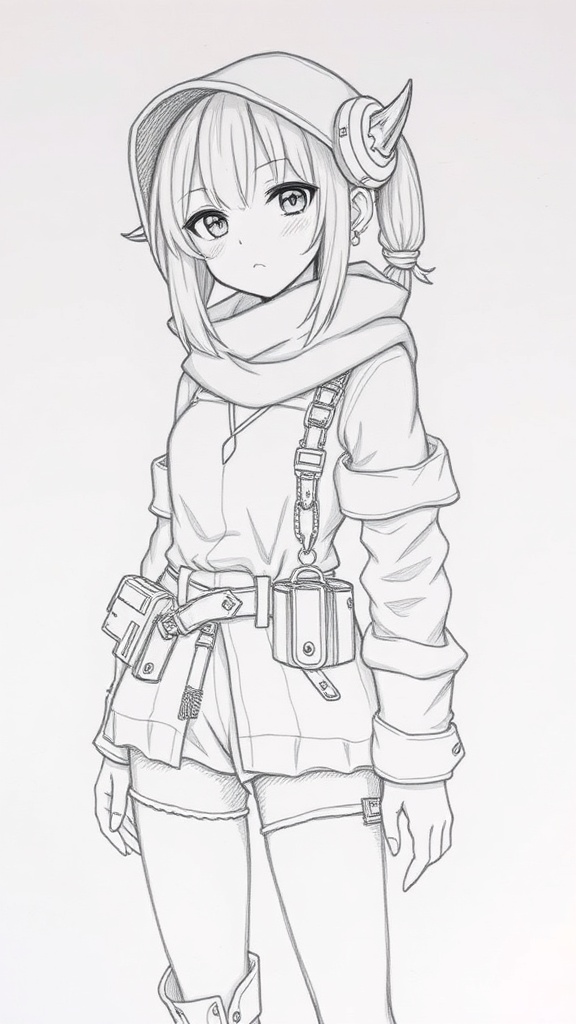
Draw your favorite character from a movie, game, or book. Find a reference image and sketch the basic shapes first. Then add details like their face, clothing, and accessories. Use shading to show light and shadow. Drawing characters is fun and lets you practice copying and creativity. You can even create your own version or new poses for them.
These 16 pencil drawing ideas are perfect for practicing your skills and exploring different subjects. Whether you want to draw animals, fantasy creatures, or everyday objects, there is always something new to try. Remember to use light pencil strokes at first and build up shading slowly. Most of all, have fun and keep practicing—every sketch makes you a better artist!
This article was inspired by discussions and ideas shared by artists on Reddit communities such as r/doodles and r/learnart, where many people share tips and encouragement for new sketchers.
A Teacher with 5 years of experience. Our Expertise, is reliable to meet your full Academic development needs . Worked on many crafts and construction projects offering services from design to development to deployment over the years. You will find many of my works in my business portfolio on request.