

What makes junk journal prompt ideas stand out from every other scrapbooking template, art therapy exercise, or memory keeping page you’ve tried? Most collections feel repetitive until you find one that sparks real action without demanding perfection. You deserve junk journal prompt ideas that fit your pace and materials, whether you are grabbing scraps for a quick coffee break activity or planning a themed spread for a birthday gift. Great junk journal prompt ideas turn ordinary trash into treasures. They bridge the gap between messy creativity and actual page completion. Whether you are tackling a rainy Sunday project or a busy holiday weekend, these options simplify your process. Keep reading to explore twelve distinct choices organized by mood and material so you can jump right into making.
Quick Questions and Answers
Question: What are the easiest junk journal prompt ideas for beginners? Answer: The easiest prompts rely on ordinary objects and daily moments, like receipts, coffee cups, morning photos, recent purchases, and small routines. These require little planning. You can complete them with common ephemera like tickets, packaging, or printed snapshots found in your house.
Question: How do you choose a junk journal theme? Answer: A strong theme uses repeatable visual cues, a clear color mood, and enough material to fill several pages. Craft-oriented sources suggest themes like tea, books, travel, Halloween, and vintage advertising because they provide recognizable imagery and easy-to-find scraps.
Question: Can junk journal prompts be emotional or reflective? Answer: Yes. Several 2026 prompt lists include reflective ideas such as comfort, rest, gratitude, grief acknowledgment, joy inventory, personal growth, and challenges overcome. These prompts work well when the goal is self-reflection rather than decoration.
1. Recent Purchases Record
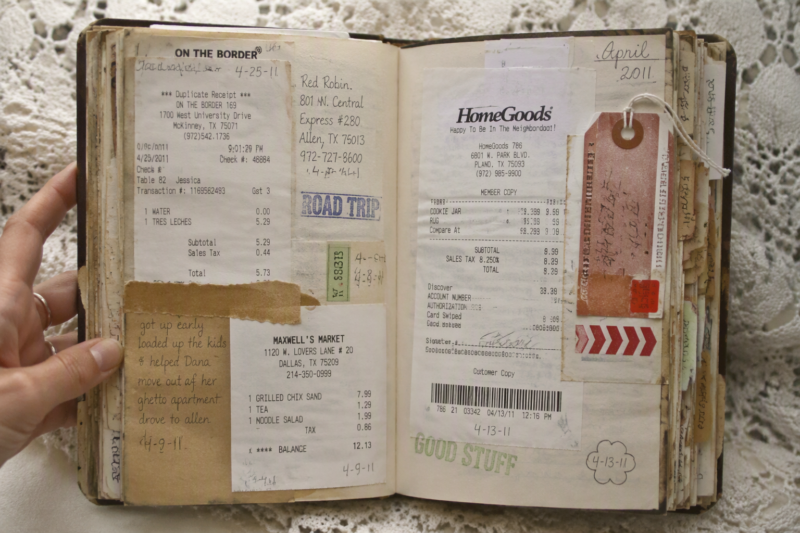
Attach physical receipts with specific dates and store locations to create a tangible shopping memory. This turn basic errands into permanent archival records. You get a concrete date stamp and a location trail that photographs cannot capture alone. Use the empty space around the receipt to add small ephemera like price tags, loyalty cards, or tiny product packaging fragments.
Selection Criteria: Look for receipts that cover interesting categories, like bulk snacks or local market finds. Avoid generic gas station slips unless they spark a specific story. This spread turns mundane spending into a colorful collage grid.
Best For: Data-driven record keepers who love spotting trends in their habits.
Archer and Olive specifically recommends adding receipts with the date and store location, noting that this practice transforms a simple shopping scrap into a meaningful memory record.
2. Morning Routine Collage
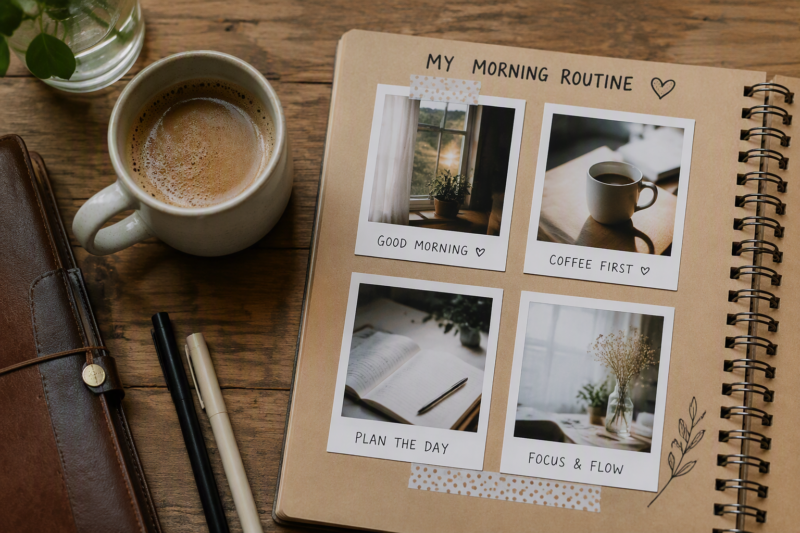
Use a six-photo layout to document early morning activities. Capture images of making coffee, checking email, or walking the dog. Print these snapshots small and arrange them in a circle or grid. Include a small writing section describing exactly what was in your tea or coffee cup. Note the mug pattern, the tea flavor, or the toast topping. Anchor the visual memories with sensory text details.
Selection Criteria: Choose days when your routine differs from the norm. Weekend mornings often yield richer visual fodder than rushed weekdays. Focus on lighting and shadows for atmospheric effect.
Best For: Lifestyle enthusiasts who want to preserve the quiet rituals of their day.
Jazzy Jay’s Designs offers highly concrete day-in-the-life examples like “Your morning in six photos” and “What’s in your coffee/tea cup today?” Those prompts prove practical for beginners. You only need a camera phone, a printer, and a few small scraps to start.
3. Honest Bad Day Documentation
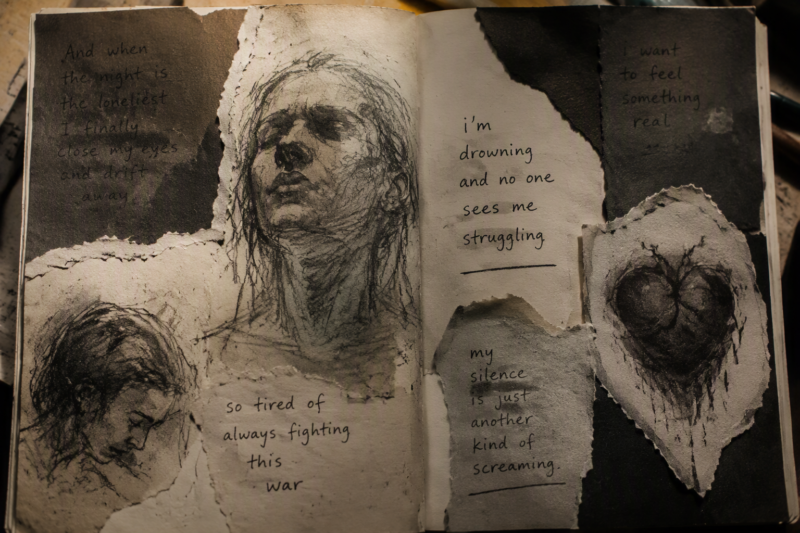
Focus on raw, uncurated writing that acknowledges struggles, grief, or frustration. Skip decorative perfection here. Instead, aim for catharsis. Use dark colors, messy ink splatters, or torn paper to mirror the emotional weight of the experience. Scribble over regrets with black paint. Let the page feel heavy and chaotic. This method externalizes stress and clears mental clutter.
Selection Criteria: Reserve this prompt for genuine low points. Do not use it when you simply need to vent minor annoyances. Treat the page as a dumping ground for heavy feelings. Seal it away when you are ready to move on.
Best For: Individuals seeking therapeutic outlets through art journal therapy ideas to reduce stress and process difficult emotions.
A Beautiful Space includes emotionally driven prompts like “A bad day, documented honestly” in their extensive 2026 list. They show how reflective junk journaling can serve as a powerful tool for processing hardship without aesthetic pressure.
4. Layered Process Experiment
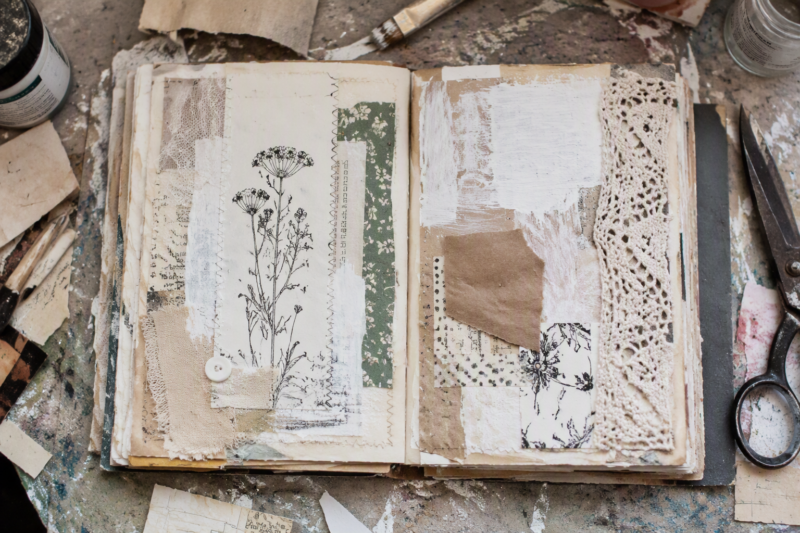
Apply the concept “Layer until it feels finished” to build depth using varying materials. Glue down background papers, then paint washes over them. Stamp shapes, then scribble with wax resist markers. Practice “painting over a mistake” directly on the page. Cover errors with bright collage paper or bold brushstrokes. Remove the fear of ruining the page by treating corrections as features. Embrace organic visual fixes.
Selection Criteria: Pick a subject that demands texture, like an old tree trunk or a weathered wall. Plan for four or five distinct layers to ensure rich complexity. Keep paints watery for smooth blends.
Best For: Perfectionists who freeze up when facing a blank white page. This approach builds momentum through action.
Watercolor craft ideas for beginners often emphasize building washes gradually, which aligns perfectly with layering junk journal pages to create depth and dimension.
5. Pen Swatch Index
Dedicate a full spread to testing ink flow, color accuracy, and nib size of every pen or marker in your collection. Draw neat horizontal lines for ballpoints. Sketch geometric shapes for broad tips. Create tiny dots for micro-fine liners. Arrange these swatches as a functional index. Color-code the rows by brand. This doubles as a vibrant, useful piece of art for quick reference later.
Selection Criteria: Group pens by performance. Separate fountain pens from felt tips. Test new purchases alongside favorites to judge consistency. Leave margins for jotting ink dry times.
Best For: Stationery collectors who hoard writing tools and crave organization.
Archer and Olive frames pen swatches as a useful index for marker and ink collectors. They suggest asking “Are you a pen/marker collector?” to gauge audience interest in this hybrid utility and art page.
6. Afternoon Tea Theme
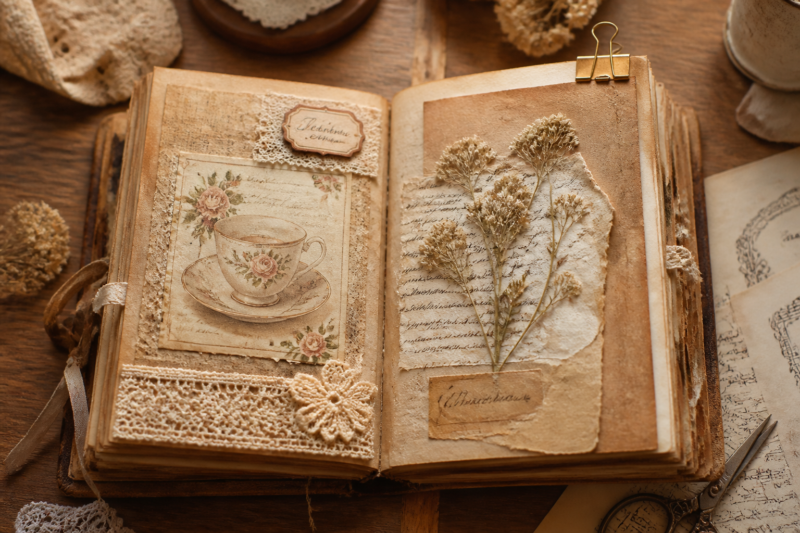
Build a cohesive layout around the concept of tea. Search for motifs like porcelain teacups, saucers, and vintage tea bag tags. Cut lace borders for delicate edges. Incorporate brown kraft paper to mimic rustic picnic blankets. Add dried flower petals or pressed leaves near the cup illustrations. Match fonts to script styles found on old recipe cards. Maintain a soft, muted color palette throughout.
Selection Criteria: Prioritize vintage ephemera that matches the Victorian or Edwardian era. Steer clear of modern plastic-looking printables. Authenticity drives the charm of this theme. Gather teacup plates, sugar packets, and spoon wrappers from thrift stores.
Best For: Vintage decor fans who love nostalgic aesthetics and floral arrangements.
Craft Space Ideas provides deep dives into theme anchoring. They describe afternoon tea spreads using china cups and saucers, offering visual cues that help journalers assemble cohesive layouts quickly and confidently.
7. Fill-in-the-Blank Reflection
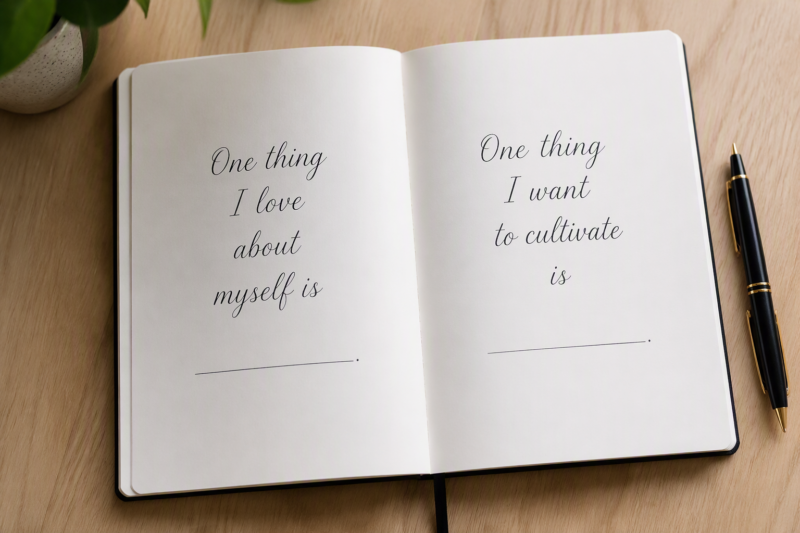
Use sentence starters like “I wonder…” or “Today I felt…” to bypass writer’s block during busy weeks. Leave generous whitespace around the prompt. Answer in shorthand or full sentences depending on your energy level. Expand these starters with short reflections about current favorite song lyrics or meaningful book quotes. Paste album covers or page clippings next to your writing. Balance structure with freedom.
Selection Criteria: Select prompts that resonate with your current life chapter. If you feel lost, ask “I wonder…” about future plans. If you feel happy, ask “Today I felt…” about small wins. Tailor the question to your emotional state.
Best For: Writers who find intimidating blank pages paralyzing. This format guarantees instant engagement.
House of Mahalo structures their weekly prompts around fill-in-the-blank formats. Their inclusion of “I wonder…” demonstrates how flexible answering styles suit diverse writing preferences.
8. Year-in-Review Highlights
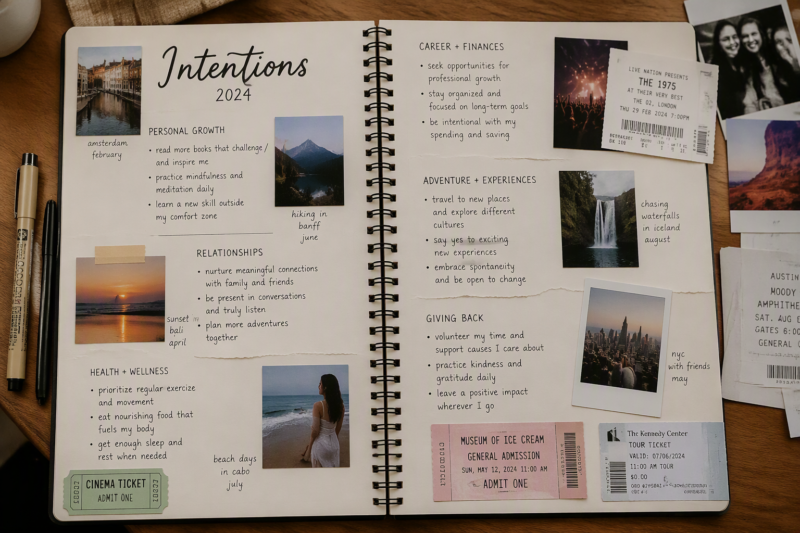
Create pages documenting personal growth over the past calendar year. Highlight “Moments I’m proud of” with clippings from news articles or certificates. Map out “Challenges I overcame” using flowcharts or timeline arrows. Dedicate the final spread to drafting “Intentions for the year ahead.” Set three realistic goals. This retrospective creates a valuable baseline for tracking progress in subsequent years.
Selection Criteria: Gather tangible proof of achievements. Photos, ticket stubs, and handwritten notes beat vague assertions. Keep the narrative honest. Celebrate failures as learning steps. Structure the year chronologically for clarity.
Best For: Annual planners who want to capture major life milestones in one spot.
A Beautiful Space recommends reflecting on “How I’ve grown in the last year” and “Highlights of the year.” They position these prompts as essential for capturing personal evolution across twelve months.
9. Texture Through Handwriting
Write stream-of-consciousness thoughts in varying pen weights. Let your handwriting act as the primary design texture. Overlap words to create solid blocks of meaning. Scrawl aggressively when angry. Trace loops gently when calm. Fill gaps between written lines with doodles or small stamps. Ensure the entire page feels unified rather than just a list of words. Erase nothing. Let the strokes dictate the composition.
Selection Criteria: Choose topics that evoke strong physical reactions. Fear produces jagged lines. Love inspires flowing scripts. Match the medium to the message. Use dip pens for dramatic stroke variation.
Best For: Calligraphy lovers who view text as a visual element equal to images.
A Beautiful Space highlights technique prompts like “Use handwriting as texture” to show that process matters as much as subject matter in junk journaling.
10. Trip Documentation Log
Create a travel log featuring tickets, maps, photos, and receipts. Paste boarding passes diagonally to simulate movement. Trace airport terminals or train routes on translucent paper overlays. Collect menus from restaurants visited. Note place names and prices. Jot snippets of conversations heard nearby. Blend decorative flair with accurate archival data. This page captures the smell and sound of the trip through visual storytelling.
Selection Criteria: Bring a mini notebook on journeys to capture immediate impressions. Wait until the trip ends to finalize the spread. High-quality scans of documents improve legibility. Label maps clearly for future navigation.
Best For: Global explorers who collect transit artifacts and souvenir brochures.
Archer and Olive lists “Trip Documentation” among their top spread ideas. They note that combining tickets, maps, and photos creates both decorative and archival value for travel memory pages.
11. Screen Time Reflection
Track your daily digital consumption to promote mindful creation. List hours spent scrolling apps versus hours spent crafting. Paste screenshots of screen time reports. Design a colorful bar graph to visualize balance. Challenge yourself to swap thirty minutes of phone use for twenty minutes of cutting paper. Acknowledge guilt-free tech days too. This prompt bridges the analog-digital divide without judging either habit.
Selection Criteria: Review data from the previous week only. Focus on patterns rather than specific apps. Notice when you reach for your phone unconsciously. Use colored pencils to shade positive habits.
Best For: Tech-savvy creatives struggling to disconnect and return to hands-on hobbies.
Jazzy Jay’s Designs includes “Screen time reflection” in their contemporary prompt list, offering a grounded approach to monitoring digital habits within a physical journal.
12. Stickers-Only Spread
Design an entire page using stickers exclusively. No glue sticks. No tape runners. Just peel and place. Explore sticker sheets from dollar stores or boutique vendors. Layer different themes like butterflies, quotes, and florals. Arrange clusters organically. Rotate stickers for dynamic angles. This method eliminates preparation time. You can start instantly while watching TV. It reduces decision fatigue significantly.
Selection Criteria: Mix scale by pairing large statement stickers with tiny gems. Coordinate color families. Avoid overcrowding; let white space breathe between elements. Stickers allow rapid iteration without commitment.
Best For: Tactile play seekers wanting stress relief through simple assembly tasks.
A Beautiful Space features a “Stickers-only spread” in their massive 2026 prompt catalog, proving that limiting materials can spark intense creative focus and joyful production.
Style Comparison Guide
| Style | Best For | Materials Needed | Skill Level |
|---|---|---|---|
| Documentation | Archival lovers | Receipts, tickets, photos | Beginner |
| Emotional | Therapy seekers | Dark paper, ink, tears | Any |
| Technique | Artists | Paint, layers, texture tools | Intermediate |
| Thematic | Decor fans | Vintage cutouts, lace, clip art | Any |
| Minimalist | Busy creators | Stickers, pens only | Beginner |
Common Mistakes
Beginners often fall into predictable traps when starting their first junk journal. Watch out for these frequent errors that stall progress.
- Hoarding perfect paper instead of using scraps. Junk journals thrive on randomness. Trash beats pristine cardstock every time.
- Trying to replicate Pinterest spreads exactly. Reproduction kills soul. Embrace crooked lines and mismatched fonts.
- Buying expensive supplies before testing the hobby. Thrift store bags and mail waste cost nothing.
- Chasing productivity over pleasure. Forcing daily entries breeds resentment. Miss a month? Jump back in later.
- Ignoring structural support. Light paper warps easily. Mount ephemera on heavier cardstock to prevent buckling.
- Leaving pages completely blank in the center. Visual emptiness feels incomplete. Fill cores with doodles, stamps, or dense text blocks.
My Experience With 12 Creative Junk Journal Prompts for Endless Inspiration
I once tried to force myself to complete a complex tea-themed spread while listening to a podcast. My scissors slipped, sliced my thumb, and ruined the lace border instantly. I stared at the bloodied finger and the shredded paper, then laughed until my sides hurt. That moment taught me two vital lessons. First, safety goggles save fingers, even over cheap cardboard. Second, mistakes define the character of the page.
I stopped aiming for gallery-ready perfection. I switched to rough documentation. I pasted receipts upside down. I wrote backwards. The journal became lighter, faster, and genuinely fun. Now I grab whatever sits on my desk and attack the page. No plan. No panic. Just play. What is the messiest accident you have turned into your favorite journal page?
FAQ
Q: Why do people use receipts in junk journals?
Receipts carry inherent value as small, date-linked ephemera. They preserve where you went and what you bought on a specific day. Adding the date and store location turns a simple shopping scrap into a detailed memory record. Collectors appreciate the tactile connection to daily commerce and consumer habits.
Q: Which junk journal prompts work best for travel pages?
Travel logs, trip documentation, and recent outing pages offer high adaptability. They accommodate tickets, maps, photos, receipts, menus, and notes about places visited. This mix ensures pages remain both decorative and archival. You capture visual vibes alongside concrete facts about your adventures abroad or locally.
Q: How many junk journal prompts should a beginner use?
Beginners do not need a massive list. Even ten to fourteen strong prompts can cover a broad range of page types effectively. The optimal mix includes everyday documentation, a few emotional prompts, a dedicated theme page, and one or two technique-based exercises. This variety keeps the journal fresh without overwhelming you.
Q: What makes a junk journal prompt good?
Quality prompts balance specificity with flexibility. They provide enough direction to start quickly but leave room for personal interpretation. The strongest examples combine a clear subject, like a cup of tea or a recent trip, with ample space for collage, writing, and collected scraps to flourish naturally.
Q: Are there junk journal prompts for art when you have no inspiration?
Process prompts rescue you during dry spells. Try layering materials until the page feels finished, painting over a mistake, using handwriting as texture, or designing a controlled chaos page. These low-pressure actions help you begin without needing a detailed plan or a polished aesthetic result upfront.
Q: What junk journal ideas are good for memory keeping?
Memory-keeping excels with prompts anchored to concrete evidence. Use receipts, menus, packaging, photographs, concert reviews, and book critiques. Those physical items root a page firmly in a real event. They provide both visual impact and written reminders that trigger vivid recall years down the line.
Q: Should junk journal pages be pretty or personal?
Pages can be either, or both simultaneously. Contemporary prompt sources reveal that junk journaling spans decorative themes like tea, butterflies, and vintage advertising alongside deeply personal pages about worries, healing, and growth. Your journal serves your needs, so flip freely between aesthetics and introspection.
Conclusion
Junk journaling thrives on the intersection of preservation and play. Whether you paste a crumpled receipt or layer watercolor over a confession, the goal remains lowering the barrier to expression. These twelve distinct approaches cater to every mood, supply stash, and creative impulse. Grab your scraps. Trust your instincts. Your journal awaits its next chapter.
References
- Archer and Olive. (n.d.). 10+ Ideas For Your Junk Journal. Archer and Olive. https://www.archerandolive.com/blogs/news/10-junk-journal-spread-ideas
- A Beautiful Space. (2026). 100 Junk Journal Prompts for 2026. A Beautiful Space. https://abeautifulspace.co.uk/100-junk-journal-prompts-for-2026/
- A Beautiful Space. (2026). The Ultimate Junk Journaling Guide: A Year of Prompts & Ideas 2026. A Beautiful Space. https://abeautifulspace.co.uk/the-ultimate-junk-journaling-guide-a-year-of-prompts-ideas/
- Jazzy Jay’s Designs. (2026). 30 Junk Journal Prompts for 2026: Conquer the Blank Page. Jazzy Jay’s Designs. https://www.jazzyjaysdesignsco.com/post/junk-journal-prompts-ideas
- House of Mahalo. (n.d.). 52 Junk Journal Prompts To Help You Write In Your Junk Journal. House of Mahalo. https://houseofmahalo.com/junk-journal-prompts/
- Craft Space Ideas. (n.d.). The Ultimate List Of Junk Journal Theme Ideas: With Prompts. Craft Space Ideas. https://craftspaceideas.com/the-ultimate-list-of-junk-journal-theme-ideas-with-prompts/
- Reddit Community. (n.d.). Anyone have any ideas for junk journal prompts or care to …. Reddit. https://www.reddit.com/r/JunkJournals/comments/1imcbdb/anyone_have_any_ideas_for_junk_journal_prompts_or/

A Teacher with 5 years of experience. Our Expertise, is reliable to meet your full Academic development needs . Worked on many crafts and construction projects offering services from design to development to deployment over the years. You will find many of my works in my business portfolio on request.