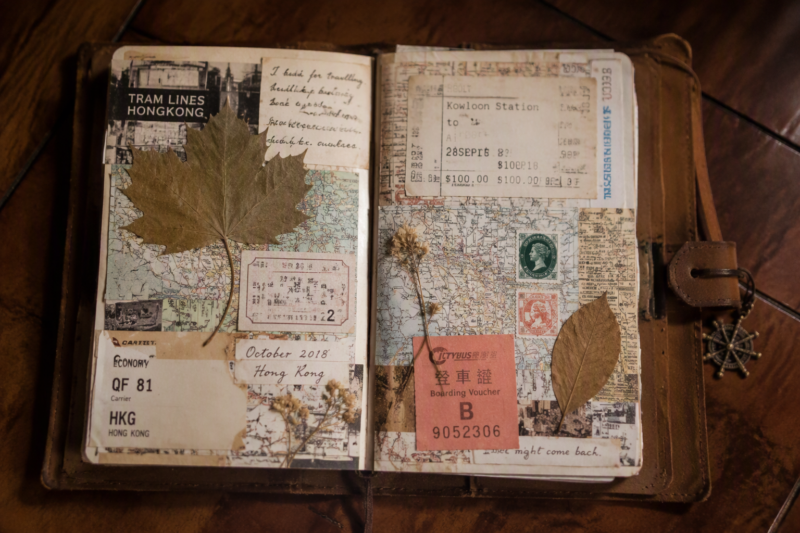
Whether you are planning a summer road trip or a quiet autumn creative session, filling your junk journal becomes an effortless way to capture daily life without rigid rules. This flexible format lets you track receipts, glue down photos, and map out yearly goals in a single personal archive. Ready to turn ordinary scraps into a lasting record? Dive into these practical ways to fill your pages.
Quick Questions and Answers
Question: What are good things to put in a junk journal?
Answer: Great junk journal material typically includes receipts, tickets, labels, tags, flyers, photographs, and handwritten notes from everyday moments. Recent 2026 guides also suggest adding goal lists, letters to your future self, mood boards, and dense collages. The strongest additions are small, personal, and simple to adhere directly to blank paper.
Question: How do you start a junk journal for beginners?
Answer: New creators begin by defining a clear purpose, such as a travel log, birthday keepsake, or annual reflection book. Then gather common household paper scraps. Experts recommend grabbing a standard glue stick and saving items like receipts, business cards, and clothing tags. Your first spread should stay loose, like a quick junk dump or short intention page.
Question: Can you use receipts in a junk journal?
Answer: Absolutely. Receipts rank among the most popular materials for this craft. Current prompt lists feature dedicated receipt pages, and seasoned builders consistently cite them as top favorites. They cost nothing to collect, hold personal history, and layer beautifully into flat spreads or structured layouts.
Key Takeaways
Collect mundane paper scraps early so you always have materials ready.
Pick a clear theme or loose structure before gluing anything down.
Use simple adhesives and avoid overcomplicating your first few spreads.
1. Daily Junk Calendar
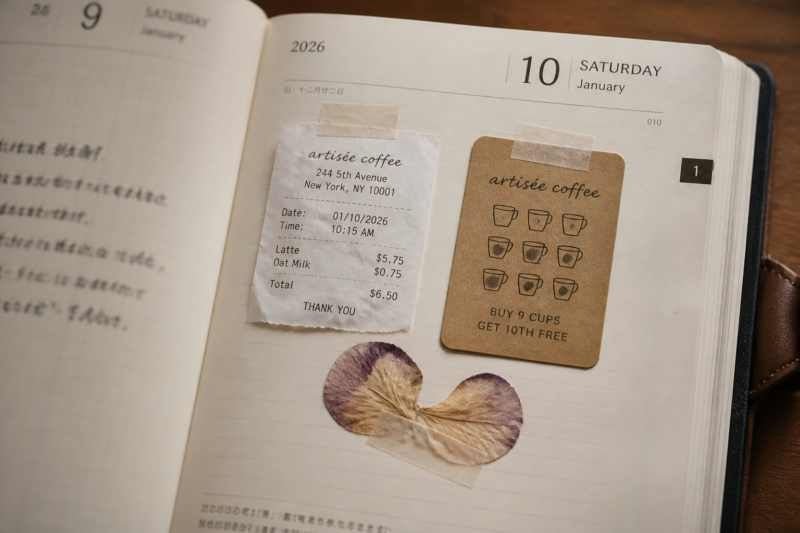
A daily junk calendar transforms your book into a slow-moving timeline. You add exactly one piece of ephemera each morning or evening. This tiny habit builds a visual diary without demanding hours of creative energy. The page works best when you commit to consistency rather than perfection. Most creators attach a single ticket stub, a coffee sticker, or a folded grocery receipt per entry. Over months, the spread naturally maps your routines, changes, and occasional trips. If you struggle with motivation, set a low bar: just one item counts. This approach suits busy professionals and students who want a visible record but lack time for elaborate spreads. According to the American Psychological Association, maintaining a steady creative habit reduces cognitive load and supports better emotional processing throughout the year. You will likely notice how quickly a simple calendar fills, turning random dates into a tangible history.
2. Accordion Paper Bag Journals
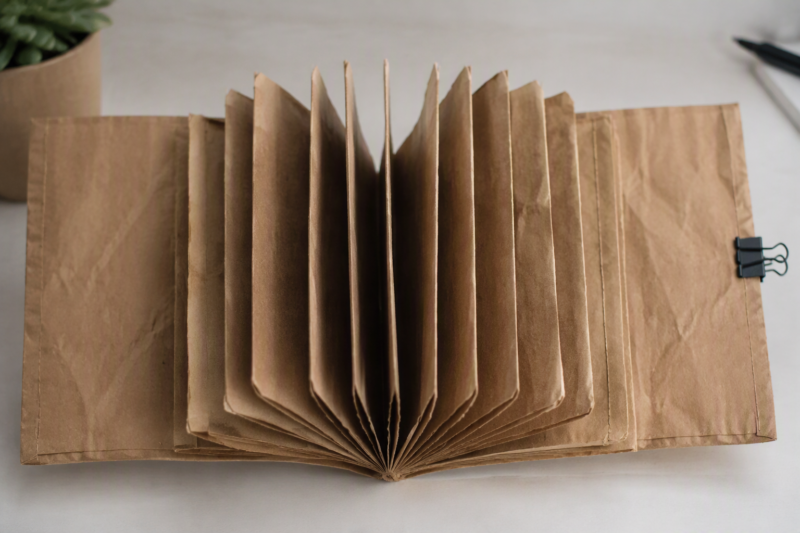
Traditional notebooks limit your layout space. An accordion journal solves that problem by letting you fold large sheets into expandable pages. You can build one using flattened brown paper bags, discarded wallpaper remnants, or thick recycled cardboard. The folding technique creates multiple layers that open simultaneously, giving you wide canvas area for heavy collages. Classpop highlights this construction method as a highly economical alternative to store-bought binders. You only need sturdy scissors, a bone folder, and strong tape or heavy-duty glue to assemble the spine. This format excels for people who prefer horizontal spreading, photo grids, or long timelines. Keep in mind that thicker paper requires careful folding to prevent crease cracks. Store the finished book flat when possible, and rotate the folds occasionally to distribute stress evenly across the binding.
3. Morning-in-Six-Photos Collage
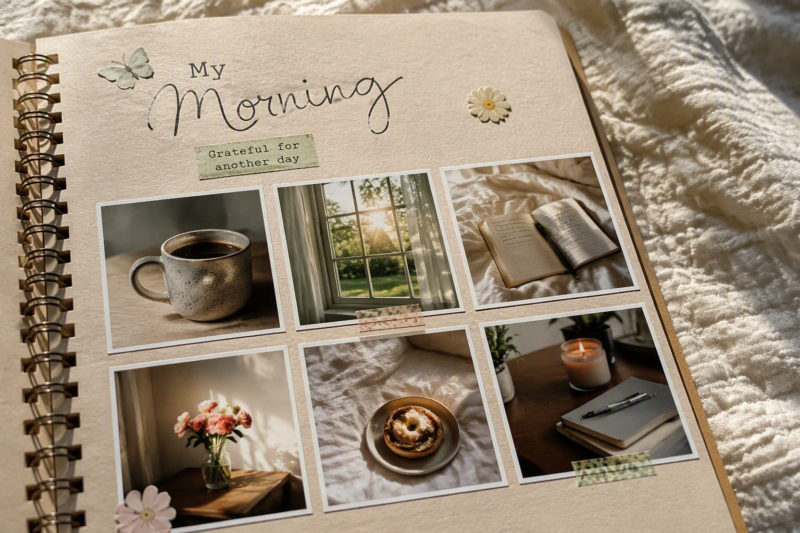
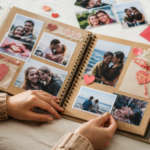
Daily documentation often feels overwhelming when left entirely open-ended. This specific prompt narrows your focus by requiring exactly six images. You slice or print six snapshots from your breakfast routine, commute, or opening hours. Arrange them deliberately across the spread, leaving intentional negative space between each frame. Jazzy Jay’s Designs promotes this layout as a reliable anchor for quick daily recording. The structure forces you to choose quality over quantity, which sharpens your eye for composition. Place a brief date stamp in the corner and add one or two handwritten captions if memory fades. Beginners love this method because the grid does half the heavy lifting. You simply clip, paste, and step back. The result looks polished while still honoring the messy reality of actual mornings. Add a strip of washi tape or a torn magazine border to frame the entire arrangement without cluttering the photos themselves.
4. Interactive Shaped Frames
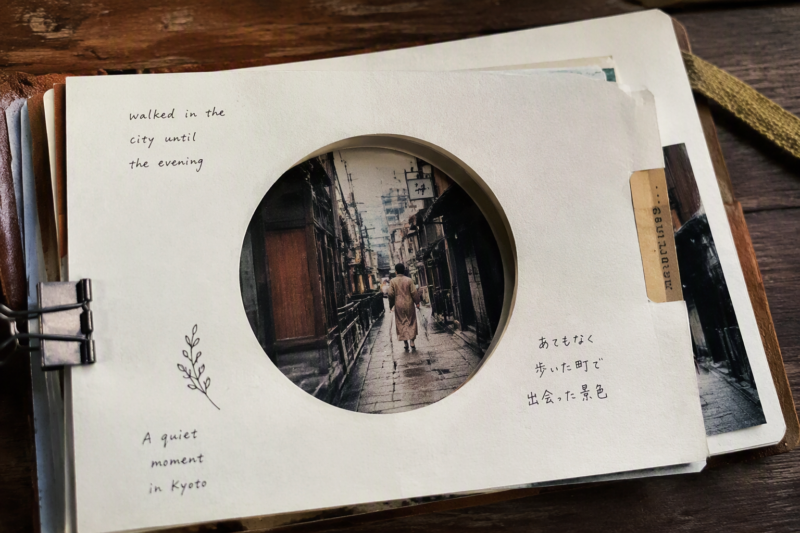
Flat photographs sit nicely on paper until you want them to pop. Archer & Olive suggests cutting a deliberate shape out of the blank page directly behind your image. When you lift the front sheet, the hidden frame underneath reveals itself. This simple trick turns a static page into an interactive discovery. You can carve circles, clouds, or jagged geometric cuts depending on your aesthetic preference. The technique pairs especially well with vintage postcards or polaroid-style prints. Users who enjoy tactile elements report higher engagement with their spreads, since flipping pages becomes part of the storytelling. Apply a lightweight spray adhesive to secure the backing, then trace and punch your chosen shape carefully. Keep cuts centered enough to preserve surrounding decoration. This method bridges scrapbooking and experimental paper craft seamlessly.
5. Calming Creative Rituals
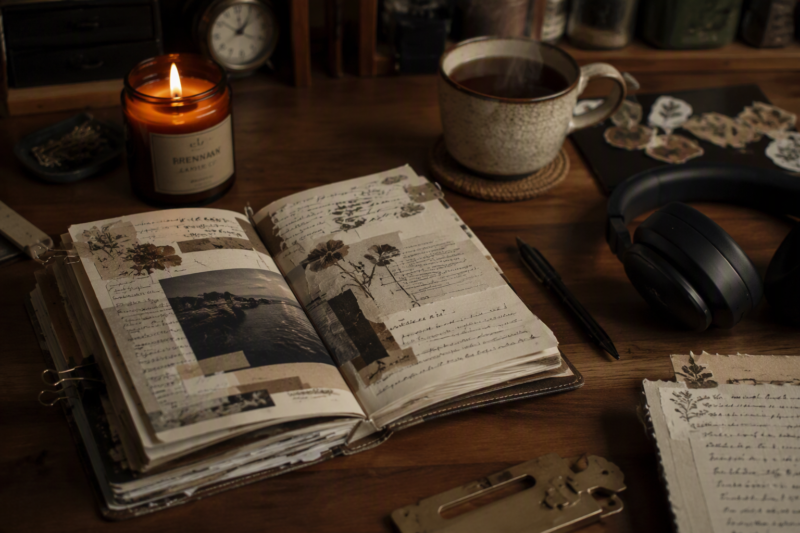
Journaling loses its charm when it feels like a checklist item. Set the atmosphere first. Brew a specific tea, light a scented candle, or queue a familiar playlist before opening your book. Style Meets Story notes that treating the process as a relaxing ritual dramatically lowers creative resistance. You will work slower, make fewer rushed decisions, and actually enjoy the assembly phase. Create a dedicated corner for your supplies so transition time shrinks. Some builders keep a small shelf stocked with scissors, adhesives, and fresh ephemera near their workspace. The sensory cues signal your brain that it is time to unwind. This practice matters most for people who wrestle with burnout or perfectionism. When you detach creation from pressure, spreads naturally improve because you stop fighting the blank page. Pair this habit with shorter working windows to sustain it through hectic weeks.
6. Time-Locked Lunch Break Pages
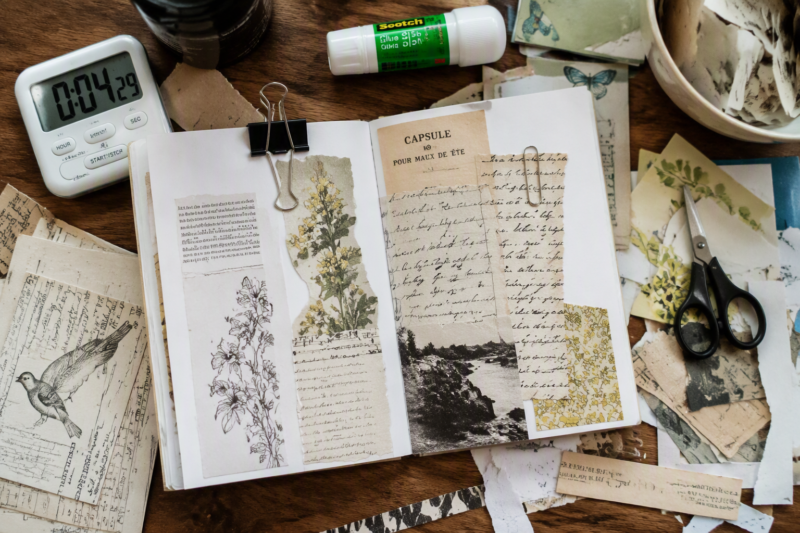
Long projects often stall because we wait for perfect conditions. Schedule a strict fifteen-to-twenty-minute window during your midday break instead. Set a timer, grab your essentials, and push through a complete spread before the alarm sounds. This prompt forces decisive editing and rapid layering. Jazzy Jay’s Designs built the lunch-break concept specifically to combat procrastination and blank-page anxiety. You learn to prioritize essential pieces over decorative extras. The time cap also trains your hand to work confidently without second-guessing placement. Professionals juggling remote meetings and parents navigating nap schedules benefit heavily from this compressed format. Track how many timed pages you finish weekly. Momentum usually follows once you realize completion beats polish every time. Adjust your material stash beforehand so hunting for supplies does not eat into the clock.
7. Collected Ephemera Junk Dumps
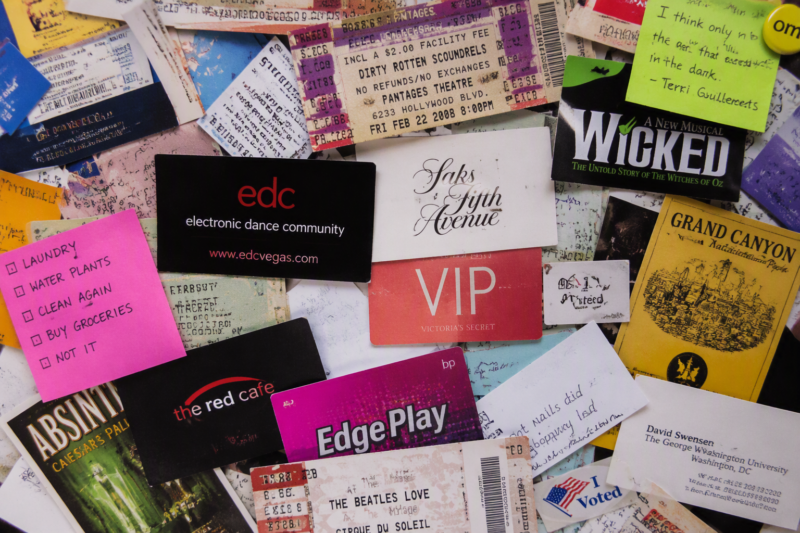
Perfectionism paralyzes beginners faster than missing supplies. A junk dump removes all pressure by asking you to glue whatever recently accumulated. Toss receipts, bus passes, warranty cards, and loose tissue paper directly onto the page. Overlap pieces randomly or group them by texture, then seal everything down. YouTube educator channels frequently recommend dumps as foundational starter exercises. The method teaches you how materials behave under adhesive and reveals unexpected color pairings. You will discover which papers bond cleanly and which curl too aggressively. Beginners appreciate dumps because they require zero planning. Experienced crafters still rotate dumps when inventory piles up. Keep a dedicated collection box nearby so gathering takes seconds. Once dried, flip to the facing page and add a single line about your recent week. The contrast between chaos and clarity usually sparks immediate inspiration. Visit 10 Practical Art Journal Therapy Ideas to Reduce Stress for additional techniques that pair beautifully with loose collage work.
8. Milestone Themed Journals
Generic books sometimes lack direction. Dedicate an entire volume to one specific event, season, or relationship milestone. Travel logs, anniversary records, wedding guest books, and graduation reflections thrive under this focused framework. Style Meets Story emphasizes tailored journals because themes automatically dictate which materials fit naturally. You stop wondering whether a stray candy wrapper belongs and instead ask if it matches the narrative. Pack a separate zip pouch for location-specific scraps like train tickets, hotel keys, and park brochures. Arrange entries chronologically to track progression clearly. Families often reuse this structure annually, comparing year-over-year growth without mixing decades. Themed editions also make thoughtful gifts since the dedication appears immediately upon opening. Label the cover boldly so future-you recognizes the purpose instantly. Archive completed volumes on a high shelf to preserve their structural integrity over decades.
9. Upcycled Closure Assemblies
Loose inserts flop open and scatter contents everywhere. Sew a functional closure directly onto your homemade cover using household threads and found fasteners. Grab a spare hair elastic, loop it through punched holes, and secure the ends with a painted button or wooden bead. Classpop details this assembly method as a cheap, sturdy solution for weighted pages. Elastic stretches comfortably around thick collage spreads without cracking the binding. Buttons add grip so covers stay shut during transit. You can dye elastics with food coloring or wrap them in leftover ribbon for subtle color pops. Test tension carefully before stitching; too tight and paper bends, too loose and pages slide out. This repair-first mindset extends the lifespan of fragile bindings significantly. Store closed journals upright to protect glued edges from warping. Switch closures seasonally if you prefer rotating aesthetics throughout the year.
Common Mistakes
Many beginners sabotage their progress through avoidable errors. Using liquid glue on thin paper causes severe buckling and tears. Switch to PVA dries clean and stays flexible. Forcing thick objects into narrow bindings breaks spines. Stick to flat paper items until you master heavier cardstock layering. Skipping test glues wastes precious pages. Always press samples against scrap paper first. Hoarding perfect materials paralyzes action. Start ugly and refine later. Expecting instant mastery burns motivation. Progress compounds quietly when you show up regularly. Keep adhesives away from direct sunlight to preserve tackiness. Replace worn glue sticks frequently instead of pushing dead product. Stop measuring success by Instagram aesthetics. Real value lives in consistent attendance and honest reflection.
FAQ
Q: Why do people make junk journal pages?
People build these spreads to archive fleeting moments, reflect on personal growth, and transform disposable paper into tactile art. Guides consistently describe the practice as a portable time capsule blending storytelling with hands-on organization. The hybrid nature of scrapbooking, planning, and memory keeping fits modern attention spans perfectly. Builders appreciate how ordinary mail or coffee wrappers gain emotional weight once preserved.
Q: What are the easiest junk journal page ideas?
Blank spreads feel intimidating until you pick low-friction formats. Junk dumps and sticker bomb layouts require zero drafting skills. Goal lists demand only printed checkboxes. Daily receipt collages assemble in minutes. Capture six morning snapshots when you want structure without complexity. These methods rely on materials you already own and eliminate perfectionist pressure entirely.
Q: How do you make a junk dump page?
Gather everything sitting on your desk or in your pocket lately. Lay receipts, packaging strips, and loose notes haphazardly across the surface. Press them flat using a glue stick or double-sided tape. Layer a recent life update or mood board directly on top once dry. The objective remains capturing current physical clutter in one concentrated visual snapshot.
Q: What is a daily junk calendar?
A daily junk calendar functions as a repetitive tracking system. You attach exactly one small scrap each day instead of building full spreads from scratch. Creators praise this method because it generates a continuous chronological record with minimal daily effort. The format scales effortlessly across months and years while remaining highly readable at a glance.
Q: Should a junk journal have a theme?
Themes remain optional but highly practical for decision-making. Assigning a purpose like vacation tracking, fitness logging, or holiday gifting automatically filters acceptable materials. Loose structures work fine when you prefer surprise discoveries. Focused narratives shine when you want cohesive aesthetics or plan to gift the finished volume to someone else. Choose based on your current patience level.
Q: What supplies do you need for junk journaling?
At minimum, grab a basic notebook or bound paper stack and a standard glue stick. Start collecting everyday paper fragments immediately. Look for business cards, pamphlets, clothing care labels, and transit tickets. Recycled wallpaper, kraft bags, and cardboard scraps strengthen homemade covers. Ribbons and hair ties replace expensive clasps. Skip expensive markers until you establish comfort.
Q: How long does a junk journal page take?
Duration varies wildly by complexity. Scheduled twelve-minute lunch breaks force rapid completion. Simple receipt layouts or sticker arrays finish quickly. Complex mixed-media spreads require longer sessions. Prompt designers intentionally build fifteen-to-twenty-minute windows for beginners who fear wasted time. Keep expectations realistic and let speed grow naturally.
My Experience With 13 Practical Things to Do in a Junk Journal for Any Budget
I used to treat junk journaling like a monthly performance piece. I waited for quiet Sundays, bought expensive stamps, and spent three hours agonizing over margin alignment. Everything cracked within a year because I forced perfection instead of building habits. Switching to timed prompts changed everything. I started capping myself at twenty minutes, grabbed whatever landed on my desk that morning, and accepted messy overlaps. The results surprised me. Consistency beat craftsmanship every single time. I learned to read paper behavior quickly, spotting which scraps curled and which bonded cleanly. I also discovered that closing covers with stretched elastics saved my spines from permanent damage. You will probably hit glue mishaps. That is exactly how you learn material limits. Which prompt has kept you showing up consistently so far?
Conclusion.
Junk journaling succeeds when you trade perfectionism for attendance. Regular contact with ordinary materials turns scattered paper into a living archive. Pick one method below, commit to a short session, and let accumulation happen naturally. Your future self will thank you for the preserved moments.
References
Archer & Olive. (2026). 10+ ideas for your junk journal. Archer & Olive. https://www.archerandolive.com/blogs/news/10-junk-journal-spread-ideas
Style Meets Story. (2026). Why a junk journal is the ultimate creative outlet in 2026. Style Meets Story. https://stylemeetsstory.com/junk-journal/
A Beautiful Space. (2026). 100 junk journal prompts for 2026. A Beautiful Space. https://abeautifulspace.co.uk/100-junk-journal-prompts-for-2026/
Jazzy Jay’s Designs Co. (2026). 30 junk journal prompts for 2026: conquer the blank page. Jazzy Jay’s Designs Co. https://www.jazzyjaysdesignsco.com/post/junk-journal-prompts-ideas
YouTube. (2026). How to start junk journaling in 2026 📕 what to collect, supplies + tips for beginners! [Video]. https://www.youtube.com/watch?v=zUe5X3BHKLY
A Teacher with 5 years of experience. Our Expertise, is reliable to meet your full Academic development needs . Worked on many crafts and construction projects offering services from design to development to deployment over the years. You will find many of my works in my business portfolio on request.