

Have you ever wanted to learn how to sew but didn’t know where to start? You’re not alone! Many beginners feel nervous about using a sewing machine for the first time. The good news is that there are tons of easy projects you can make, even if you’re just starting out. These projects will help you practice your skills and create useful things at the same time.
According to sewing experts , the best beginner projects use simple straight lines and basic shapes. This means you don’t need fancy skills to make something awesome. Let’s look at ten projects that are perfect for people who are new to sewing.
1. Tote Bags
Tote bags are one of the most popular first projects for beginners. Why? Because they’re mostly made of straight lines and rectangles. You don’t need to worry about zippers or buttons, and if you make a mistake, it’s easy to fix. Plus, you’ll actually use your tote bag! You can carry groceries, books, or take it to the beach.

We Recommend starting with a basic tote bag that has two handles and an open top. Once you get comfortable, you can add pockets or try different sizes. Best of all, you only need about one yard of fabric to make a nice-sized tote bag.
2. Pillowcases
Pillowcases are another fantastic beginner project. They’re essentially just fabric tubes that you sew on three sides. This project teaches you how to sew straight lines and how to finish edges properly. You can make regular pillowcases or try envelope-style pillowcases that have a flap to hold the pillow inside.
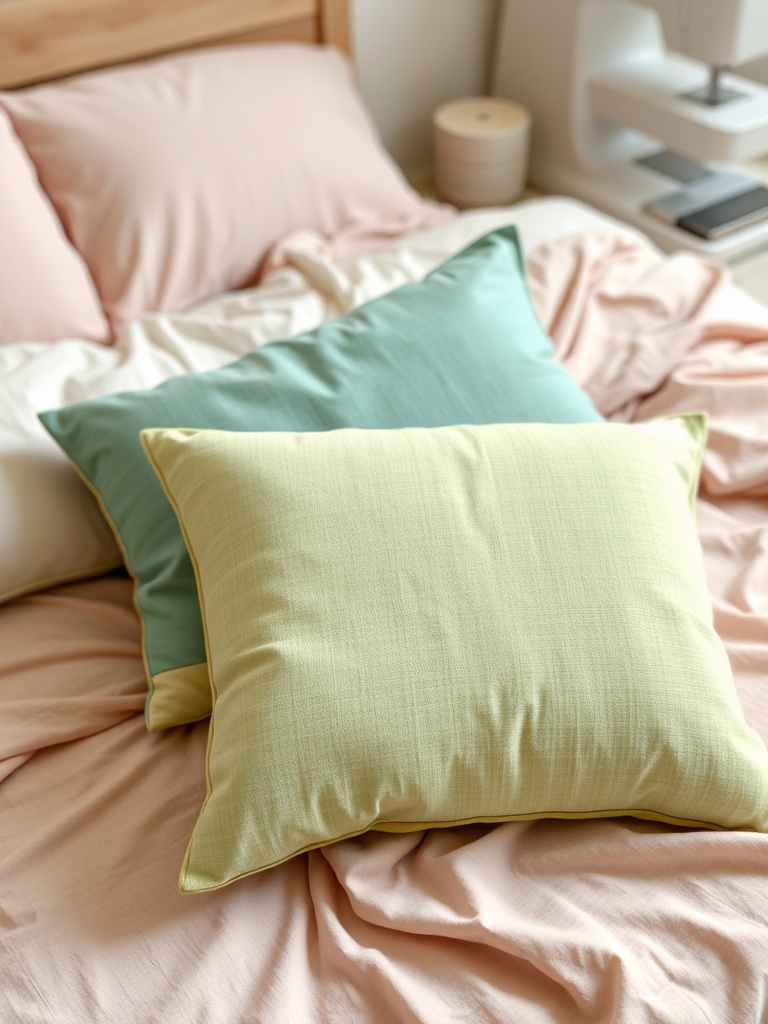
The great thing about pillowcases is that they make wonderful gifts. You can use fun patterns or seasonal fabrics to make them special. According to sewing communities, pillowcases are also forgiving—if your stitches aren’t perfect, no one will really notice once the pillow is inside.
3. Potholders
Potholders are small, quick projects that help you practice several skills at once. You’ll learn how to work with layers of fabric, how to quilt (sew through multiple layers), and how to add a hanging loop. The best part? You can make a potholder in about 10 to 15 minutes once you know what you’re doing.
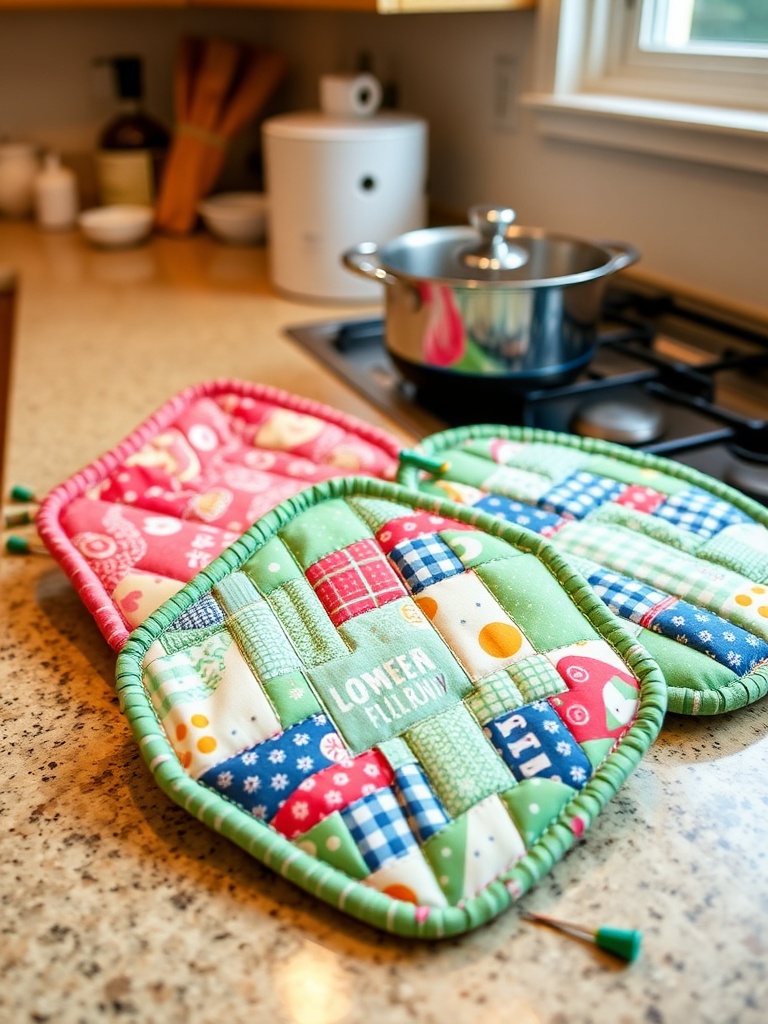
When making potholders, it’s important to use 100% cotton fabric because other materials can melt when they touch hot pots. You’ll also need special heat-resistant batting called Insul-Bright to go between your fabric layers. This keeps your hands safe from hot dishes. Potholders make great gifts and you can practice different stitching patterns on them.
4. Scrunchies
Remember scrunchies? They’re back in style, and they’re super easy to sew! A scrunchie is just a tube of fabric with elastic inside that you gather together. According to Reddit sewers, scrunchies are perfect for using up small pieces of leftover fabric.

You only need a strip of fabric about 3 inches wide and 20 inches long, plus some elastic. The project takes about 10 minutes from start to finish. You can make scrunchies in different colors to match your outfits, or give them as gifts to friends. Some people even make them as warm-up projects before starting bigger sewing tasks.
5. Fabric Coasters
Coasters are another quick project that’s perfect for practicing straight lines. You can make square or round coasters, and they use up small scraps of fabric. Many beginners make sets of four or six coasters as gifts.
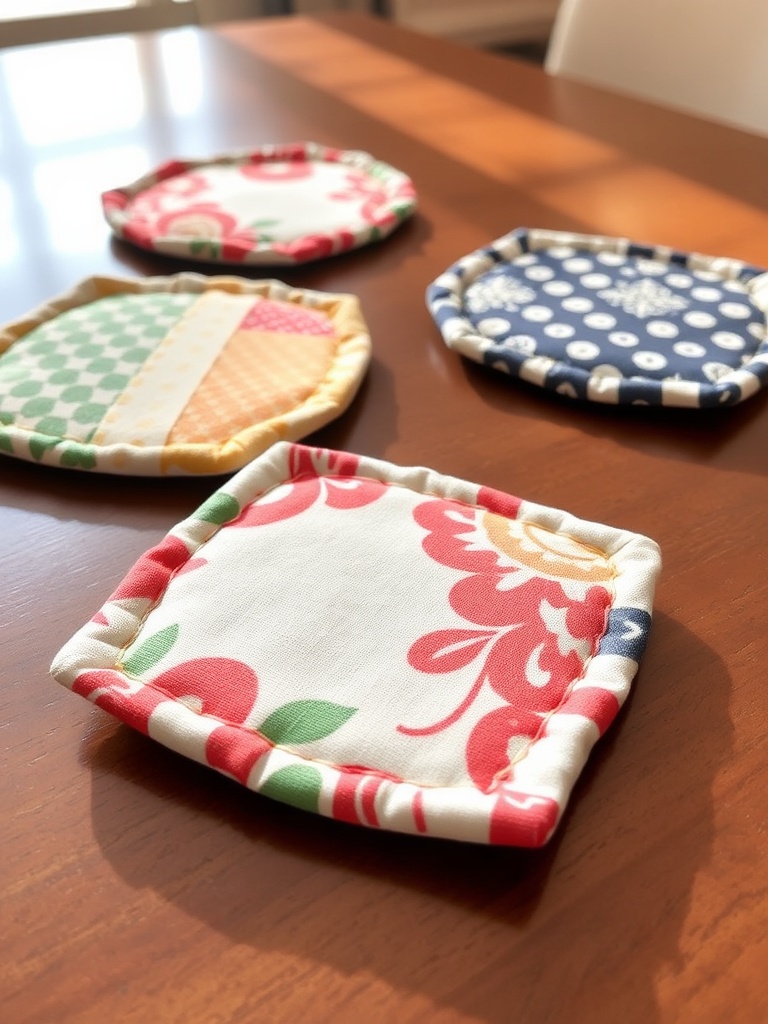
To make coasters, you’ll cut out fabric squares (about 5 inches by 5 inches), add some batting in the middle for thickness, and sew around the edges. You can get creative with quilting patterns in the middle. Some people like to add a waterproof layer on the bottom to protect tables from moisture.
6. Cloth Napkins
Cloth napkins might sound boring, but they’re actually really useful and easy to make. You’re basically just hemming the edges of fabric squares. This project is perfect for practicing neat, straight stitching. Plus, cloth napkins are better for the environment than paper napkins.
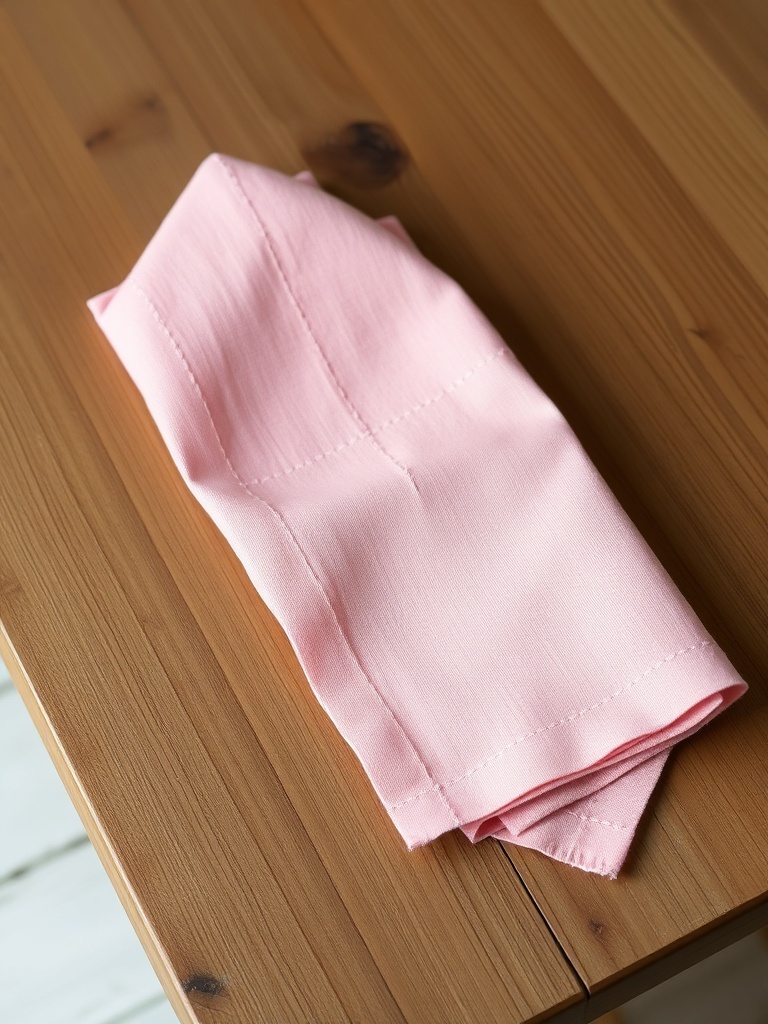
According to sewing experts, you should cut your fabric squares about 18 inches by 18 inches. Then you fold the edges over twice and stitch them down. You can make a whole set in one afternoon. Some sewers get fancy and add decorative stitches or use themed fabrics for holidays.
7. Simple Skirts
Once you’ve practiced on some smaller projects, a simple skirt is a great next step. The easiest type is a gathered skirt with an elastic waistband. You don’t need zippers or buttons, and it’s all straight sewing. Wrap skirts are even easier because you just tie them on.
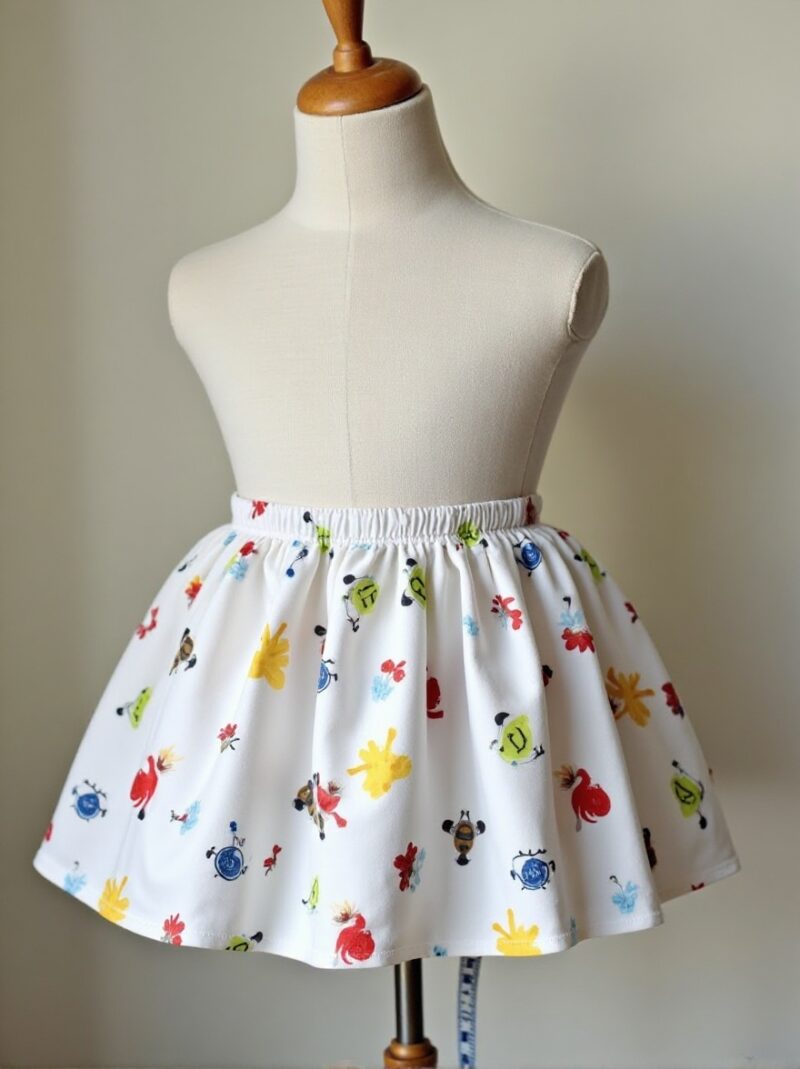
The basic idea is to sew a long rectangle of fabric into a tube, add elastic at the top for the waist, and hem the bottom. That’s it! You can wear your skirt right away and feel proud that you made your own clothing.
8. Pajama Pants
Pajama pants are considered a classic beginner garment. They use a simple pattern with loose-fitting pieces, so you don’t have to worry about perfect sizing. Most pajama pants patterns are just two pattern pieces that you sew together with an elastic waistband.

Pajama pants are great because they’re comfortable and forgiving. If the fit isn’t exactly perfect, it doesn’t matter because they’re just for lounging around the house. Plus, you can use fun fabrics with cartoon characters or cool patterns.
9. Zipper Pouches
Once you’re comfortable with basic sewing, try making a zipper pouch. This project introduces you to installing zippers, which seems scary but is actually not that hard. Zipper pouches are useful for storing makeup, pencils, or small items in your bag.
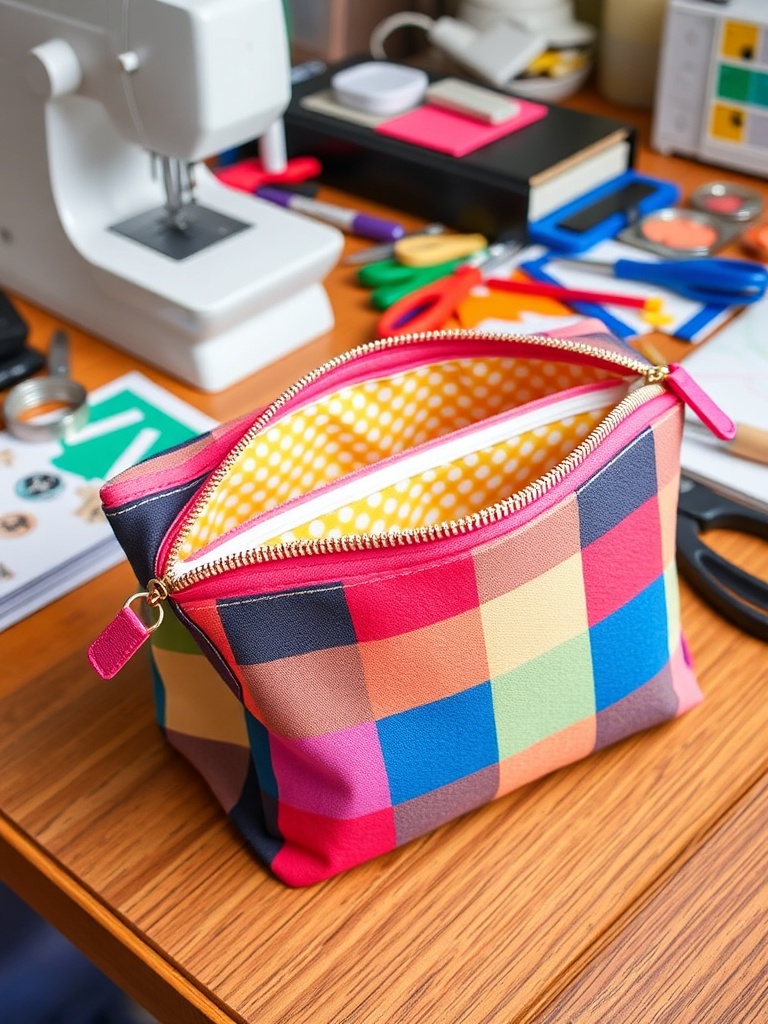
The basic pouch is just two pieces of fabric with a zipper sewn along the top edge. You can make them in different sizes for different purposes. Many beginners on Reddit say that once they learned to sew zippers on pouches, they felt confident to try more complicated projects.
10. Simple Aprons
Aprons are wonderful beginner projects because they combine several skills but don’t require perfect fitting. You can make a basic apron with just two pieces of fabric—a rectangle for the body and strips for the ties. Some aprons are even reversible, which means you can flip them over to show a different fabric.

According to sewing communities, aprons make excellent gifts. You can personalize them with pockets, decorative stitching, or special fabrics. They’re also practical—you can use them for cooking, gardening, or crafts. One Reddit user shared that their grandma taught them to sew by making aprons as Christmas gifts.
Tips for Success
Before you start any project, here are some important tips from experienced sewers:
Start with cotton fabric. Cotton is the easiest fabric to work with because it doesn’t stretch or slip around. Save the stretchy or slippery fabrics for when you have more experience.
Use straight lines first. Pick projects that mostly require sewing in straight lines. Curves and circles are harder, so save those for later.
Don’t worry about perfect stitches. Everyone makes mistakes when they’re learning. Don’t get discouraged if stuff doesn’t work out. The trick is to love the process.
Make things you’ll actually use. It’s more fun to sew when you’re making something useful. That’s why tote bags, potholders, and pillowcases are so popular—you’ll use them all the time.
Practice, practice, practice. The more you sew, the better you’ll get. Many beginners make multiple versions of the same project to improve their skills.
Getting Started
You don’t need a fancy sewing machine or expensive supplies to start. A basic sewing machine and some cotton fabric from a craft store are enough. Many beginners start by making simple projects like pot holders or tote bags, then work their way up to clothing items.
The sewing community is friendly and helpful. If you get stuck, you can find tutorials on YouTube or ask questions on Reddit’s sewing forums. There are thousands of sewers who remember being beginners and are happy to help.
Remember, every expert sewer was once a beginner who didn’t know how to thread a machine. The important thing is to start with easy projects, be patient with yourself, and enjoy the process of creating something with your own hands. Before you know it, you’ll be making amazing things and wondering why you ever felt nervous about sewing!

A Teacher with 5 years of experience. Our Expertise, is reliable to meet your full Academic development needs . Worked on many crafts and construction projects offering services from design to development to deployment over the years. You will find many of my works in my business portfolio on request.