
Starting Your Sewing Journey with Simple Projects
Learning to sew can feel scary at first. You might look at your sewing machine and wonder where to start. The good news is that you don’t need to be an expert to make useful and beautiful things. There are many beginner-friendly projects that will help you learn basic skills while creating items you can actually use or give as gifts.
The key to success as a new sewist is choosing projects that build your confidence. When you start with simple patterns and techniques, you learn the basics without getting frustrated. Each project teaches you something new, from threading your machine to sewing straight lines to adding elastic. Before you know it, you’ll have a collection of handmade items and the skills to tackle more challenging projects.
This guide will walk you through ten easy sewing projects that are perfect for beginners. Each one uses basic skills and doesn’t require complicated patterns or expensive materials. Many of these projects can be completed in less than an hour, making them perfect for weekend crafting or quick gifts.
1. Scrunchies: The Perfect First Project
Scrunchies are one of the easiest things you can sew, making them ideal for your very first project. These fabric hair ties were popular in the 1990s and have made a big comeback. The best part is that they only require a small piece of fabric and elastic, so you can use scraps from other projects.
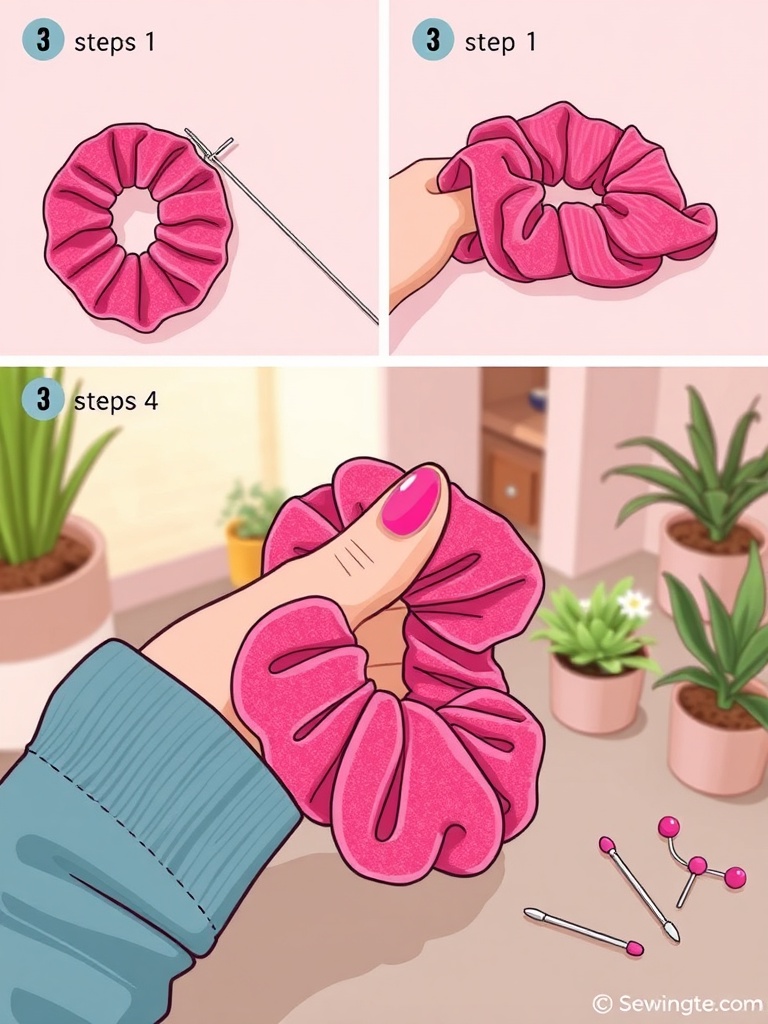
To make a scrunchie, you need a rectangle of fabric about 18 inches long and 4 inches wide, plus a piece of elastic about 8 inches long. You fold the fabric in half lengthwise with the pretty side facing in, then sew along the long edge. After turning the tube right side out, you thread the elastic through using a safety pin. Finally, you sew the ends of the elastic together and close up the fabric tube.
The whole project takes less than 15 minutes once you get the hang of it. You can make scrunchies in different colors and patterns to match different outfits. They also make great gifts because you can make several at once. This project teaches you how to sew straight seams, turn fabric right side out, and work with elastic—
2. Tote Bags: Practical and Fun
Tote bags are another excellent beginner project. They’re useful for carrying groceries, books, or anything else you need to transport. The basic tote bag is just two rectangles sewn together with handles attached. You don’t need zippers, buttons, or any complicated closures.
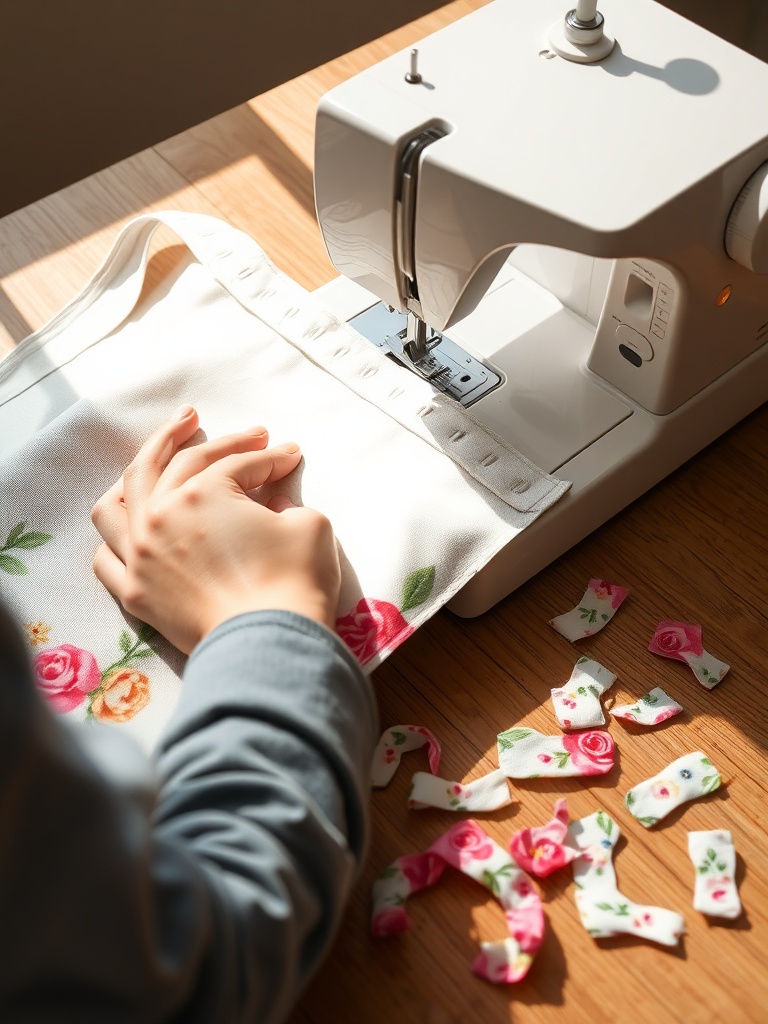
A simple tote bag teaches you how to sew straight seams and attach handles. You can make yours from sturdy fabric like canvas or denim, which is easier to work with than thin, slippery fabrics. The standard size is about 15 inches wide and 16 inches tall, but you can adjust these measurements based on what you want to carry.
Once you master the basic tote, you can add fun details like pockets inside or outside, different colored handles, or patchwork designs. Some sewers like to add interfacing to make their bags more sturdy, but this isn’t necessary for your first attempt. You can also make lined tote bags once you’re comfortable with the basic version.
Tote bags are practical items that people actually use, making them perfect gifts. You can personalize them with different fabrics that match the recipient’s personality. Making tote bags also helps you use up larger pieces of fabric from your stash.
3. Drawstring Bags: Quick and Easy
Drawstring bags are incredibly versatile and simple to make. You can use them to store toys, carry your lunch, organize craft supplies, or hold gift items. They work up quickly and use minimal fabric, making them perfect for practicing your skills.
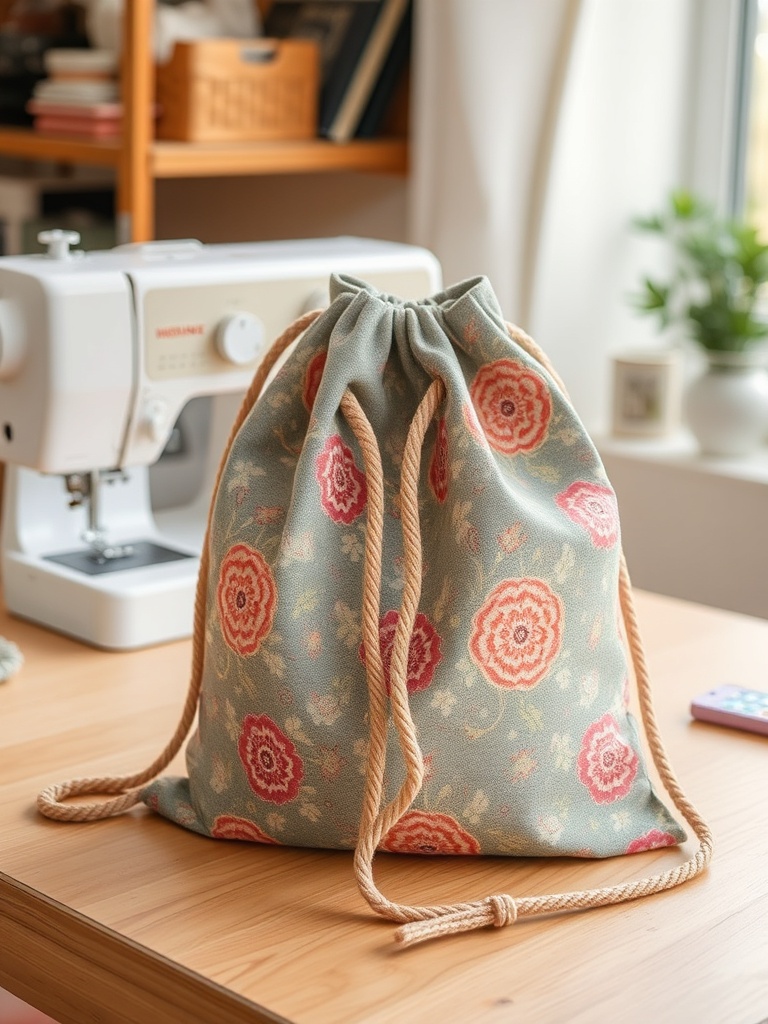
The basic drawstring bag is a rectangle folded in half. You sew up the sides, leaving a gap near the top for the drawstring channel. Then you fold over the top edge to create a tube for the cord or ribbon to pass through. After threading your drawstring, you have a finished bag.
These bags are great for using up fabric scraps or old clothes you want to repurpose. You can make them in any size, from tiny jewelry pouches to large laundry bags. The technique is the same regardless of size. Many beginners make several small drawstring bags at once to hold different items or give as party favors.
The project teaches important skills like creating channels for drawstrings and finishing edges neatly. Once you’re comfortable with the basic bag, you can add a flat bottom, line it with contrasting fabric, or make it from waterproof material for toiletries.
4. Pillowcases: Simple Home Decor
Pillowcases are one of the easiest home decor items you can sew. They’re basically just rectangles sewn into tubes with one end left open. Even though they’re simple, handmade pillowcases can completely change the look of a room and make thoughtful gifts.
A standard pillowcase uses about one yard of fabric. You fold the fabric with the right sides together and sew two seams—one long side and one short side. The remaining short side is hemmed to finish the edge. You can add French seams to make the inside look neat and prevent fraying.
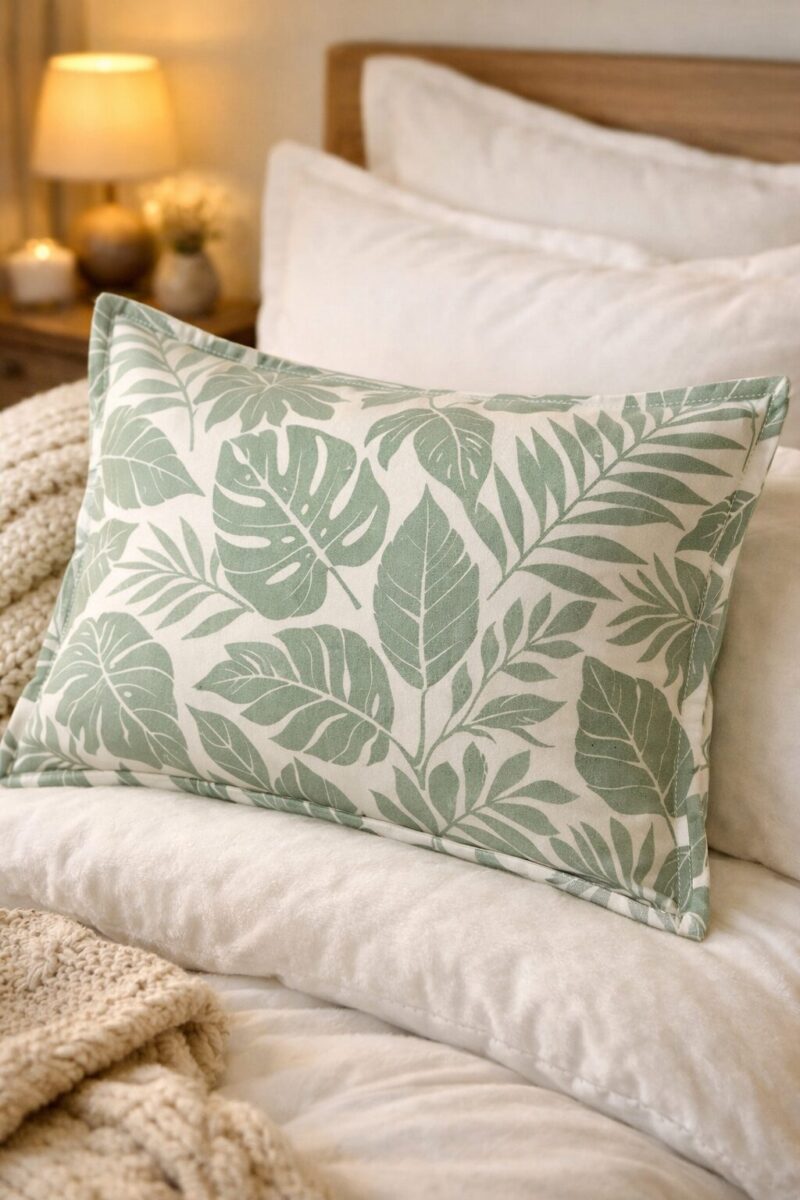
Making pillowcases helps you practice measuring, cutting straight lines, and sewing long seams. You also learn about seam allowances and how to create neat edges. Because pillowcases are fairly large, they’re good practice for handling bigger pieces of fabric.
You can make pillowcases for your own bed or create decorative throw pillow covers for your couch. Consider making them in seasonal patterns so you can change them throughout the year. Some sewers add ruffles, piping, or cuffs to basic pillowcases for extra detail, but these additions are optional.
5. Headbands: Stylish Accessories
Fabric headbands are quick to make and fun to wear. They use very little fabric—often just scraps from other projects. There are several styles you can try, including knotted headbands, twisted headbands, and simple elastic bands covered with fabric.
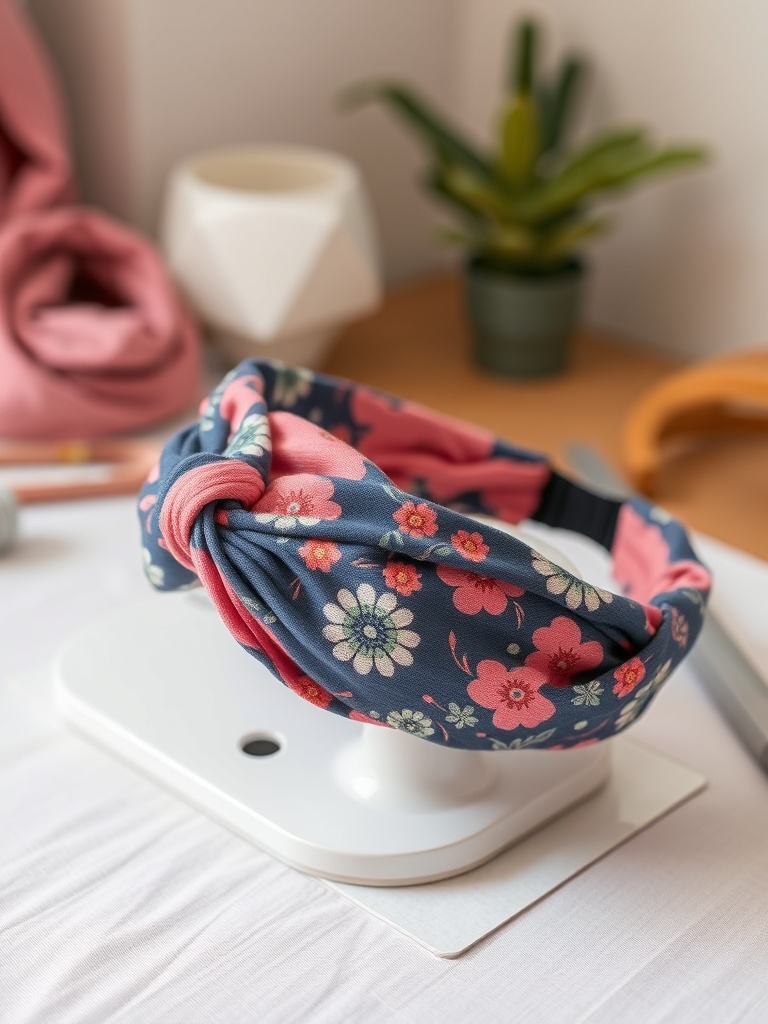
For a basic covered elastic headband, you need a strip of fabric about 20 inches long and 4 inches wide, plus a piece of elastic. You sew the fabric into a tube, turn it right side out, thread the elastic through, and sew the ends together. The entire project takes about 20 minutes.
Knotted headbands use a similar technique but include a twist or knot in the front for a trendy look. These are especially popular and can be made from jersey knit fabric for extra stretch and comfort. You can also make wire headbands by inserting a flexible wire along with the elastic, allowing you to shape the headband however you want.
Headbands make excellent gifts because they’re quick to make and everyone can use them. You can create them in different colors and patterns to match various outfits. This project teaches you how to work with small pieces of fabric and create neat finishes on accessories.
6. Zipper Pouches: Build Your Skills
Zipper pouches might seem intimidating at first, but they’re actually quite manageable for beginners. These small bags are perfect for holding makeup, pencils, craft supplies, or anything else that needs organizing. Learning to install a zipper is an important sewing skill that opens up many more project possibilities.
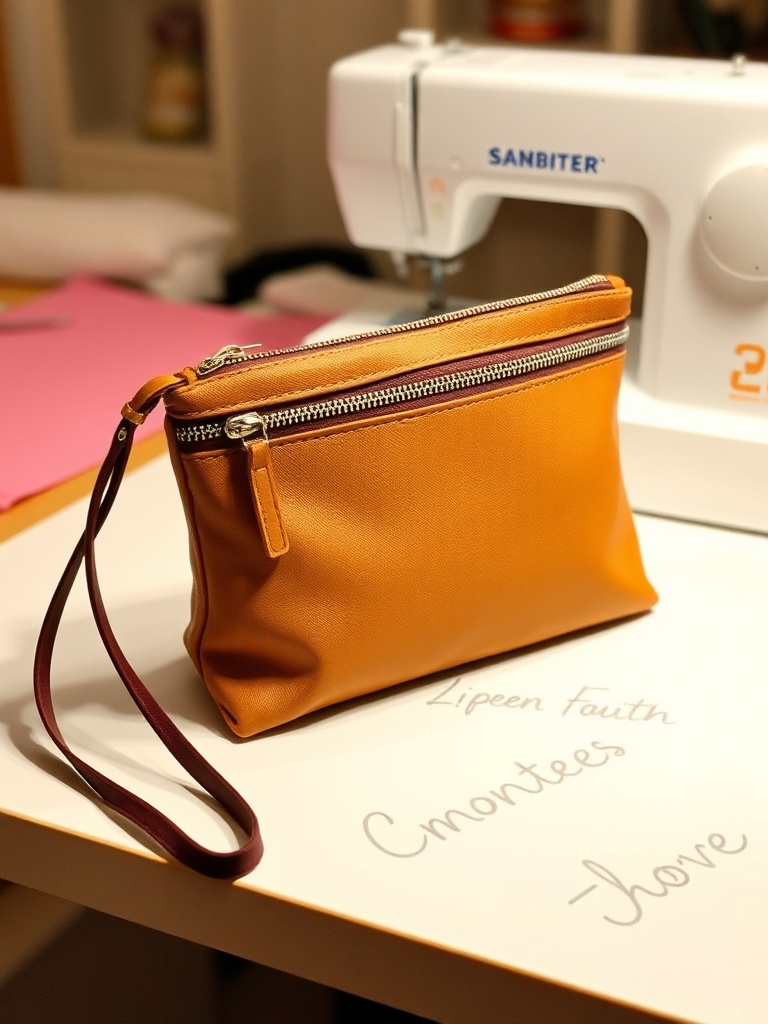
The easiest way to start is with a flat zipper pouch. You sew the zipper between two rectangles of fabric, then sew up the sides. Box pouches are slightly more complex—they have triangular corners that create a bag with depth. Both styles are useful and make great gifts.
When you’re learning to sew zippers, pick a simple project with a zipper that’s the exact same length as your fabric opening. This makes installation much easier. Use clips instead of pins near the zipper to avoid hitting metal with your sewing machine needle. Go slowly and make sure everything lines up before you sew.
Making zipper pouches teaches precision and attention to detail. You learn how to install hardware (the zipper) and create professional-looking finishes. Once you master the basic pouch, you can add linings, pockets, or tabs to hang the pouch from a hook.
7. Pot Holders and Oven Mitts: Practical Kitchen Items
Pot holders and oven mitts are practical projects that make wonderful gifts. They use small amounts of fabric and special heat-resistant batting that protects your hands from hot pots and pans. These projects teach you how to work with multiple layers of fabric.
A basic pot holder is two squares of fabric with insulated batting sandwiched in between. You sew around the edges, leaving a small opening to turn it right side out. After turning, you sew around the entire edge again to close the opening and secure all the layers. Adding a hanging loop makes it easy to store.

Oven mitts are slightly more complex because they involve curves and shaping, but many patterns designed for beginners provide clear instructions. The key is using the right batting—regular batting doesn’t protect against heat, so you need special insulated batting made for hot pads.
These kitchen items give you practice working with thicker materials and creating durable seams. You can make matching sets in coordinating fabrics or create unique combinations. Because they get used frequently and wear out over time, handmade pot holders and oven mitts are always appreciated.
8. Simple Skirts: Your First Clothing Project
When you’re ready to try making clothing, a simple elastic waist skirt is the perfect starting point. These skirts don’t require zippers, buttons, or fitting adjustments. The basic design is just a rectangle gathered onto elastic at the waist.
For a basic gathered skirt, you need fabric about twice as wide as your hip measurement and as long as you want the skirt plus a few inches for hems. You sew the short ends together to create a tube, then fold over the top edge to make a channel for elastic. After threading the elastic through and sewing the ends together, you hem the bottom edge.
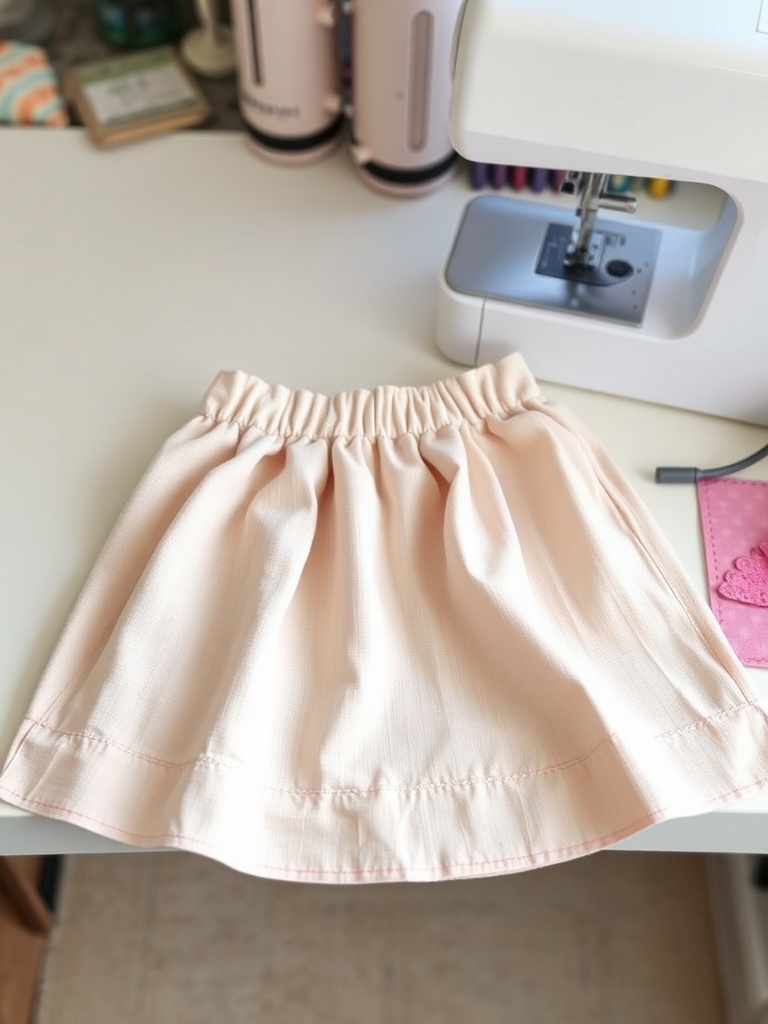
This project introduces you to garment construction while keeping things simple. You learn about taking measurements, gathering fabric, and creating wearable items. The skills you develop making a simple skirt transfer to other clothing projects.
Once you master the elastic waist skirt, you can try variations like circle skirts, which create a different silhouette, or add pockets for extra functionality. Making your own skirts lets you choose exactly the fabric, length, and style you want.
9. Pajama Shorts: Comfy and Simple
Pajama shorts are another great beginner clothing project. They’re more forgiving than fitted pants because they’re meant to be loose and comfortable. Most patterns use elastic waistbands, eliminating the need for zippers or buttons.
Basic pajama shorts typically require about one to two yards of lightweight fabric like cotton or flannel. The pattern pieces are simple—usually just two identical leg pieces. You sew the legs together, create the waistband casing for elastic, and hem the legs. The entire project can be completed in an afternoon.
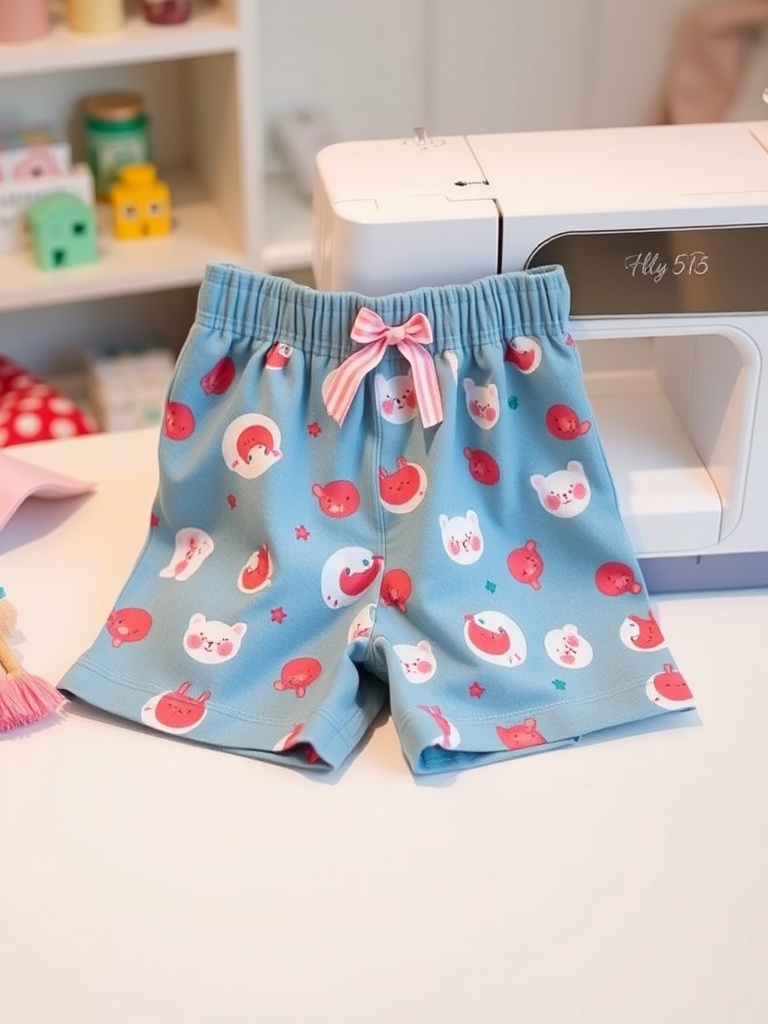
Making pajama shorts teaches you important techniques like sewing curves (the crotch seam) and creating garments that fit your body. Unlike buying pajamas from a store, you can customize the length, fit, and fabric exactly how you want them.
These make excellent gifts for family members because everyone needs comfortable clothes to sleep in. You can make matching sets with the simple elastic skirt mentioned earlier, or pair shorts with a simple t-shirt. Working with lightweight fabrics is different from working with quilting cotton, so this project helps expand your experience.
10. Bowl Covers: Eco-Friendly Kitchen Solutions
Reusable fabric bowl covers are simple to make and incredibly useful. They replace plastic wrap for covering bowls in your kitchen, making them an eco-friendly choice. These covers use elastic around the edge to grip bowls of different sizes.
To make a bowl cover, you trace around your bowl on fabric, adding about 2-4 inches all around. You can use a single layer or make reversible covers with two fabrics. The edge is folded over to create a channel for elastic, which you thread through using a safety pin. Some sewers add topstitching for a decorative finish.
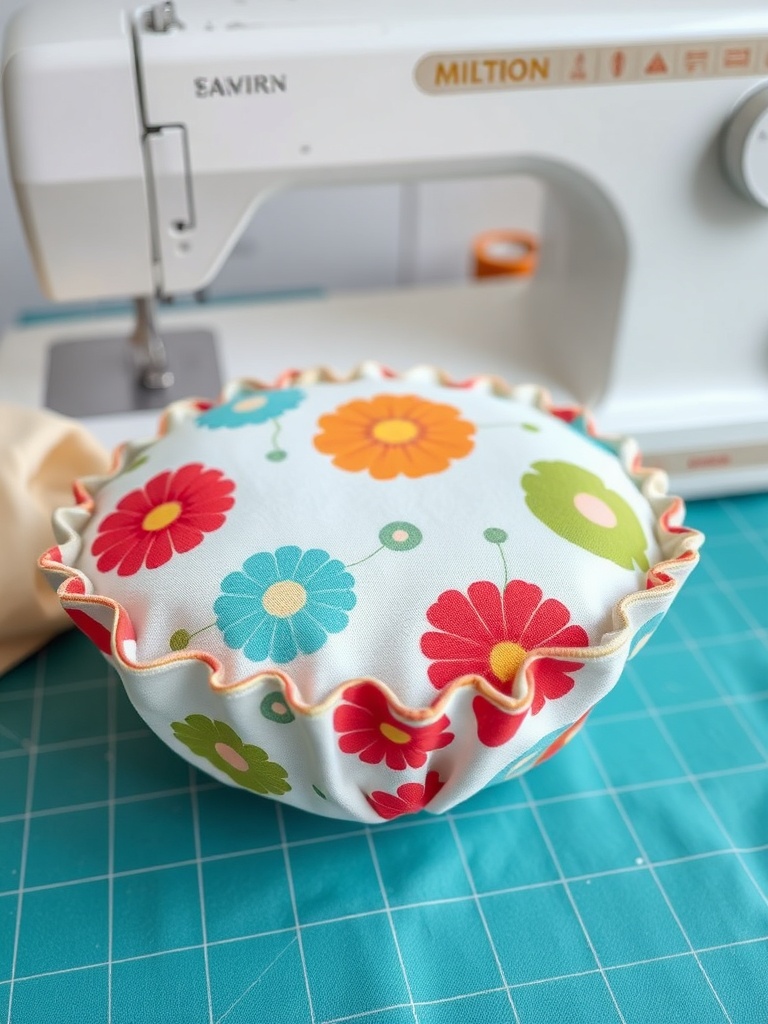
Bowl covers are perfect for using up fabric scraps since they don’t require large pieces. You can make them in sets of different sizes to fit various bowls in your kitchen. They’re washable, reusable, and make thoughtful gifts for anyone who cooks.
This project teaches you how to work with curves and create even gathers around circular shapes. You also practice creating elastic casings, a skill used in many other sewing projects. The covers are quick enough to make several at once, perfect for gift sets.
Essential Tools and Materials for Beginners
Before starting these projects, you’ll need some basic supplies. A sewing machine makes projects go faster, but many of these items can be hand-sewn if you prefer. You’ll need fabric scissors (used only for fabric, never paper), pins or clips, a measuring tape, and thread in neutral colors like white, black, and gray.
An iron is essential for sewing success. Pressing your seams makes everything look more professional and helps fabric lay flat. A self-healing cutting mat and rotary cutter make cutting fabric easier and more accurate, though you can use scissors instead when starting out.
Start with cotton quilting fabric for most projects. It’s easy to work with, comes in countless colors and patterns, and doesn’t cost much. Avoid slippery fabrics like satin or stretchy fabrics like knit until you have more experience. Keep a variety of needles on hand because different fabrics work better with different needle types.
Build your supply collection gradually. You don’t need everything at once. Start with the basics and add specialty items as you tackle projects that require them. Many beginner sewers raid their old clothes or buy fabric from thrift stores to practice on before investing in expensive materials.
Tips for Sewing Success
Take your time when you’re learning. Rushing leads to mistakes that become frustrating. Set up your workspace so you have good lighting and comfortable seating. Your back and neck will thank you after longer sewing sessions.
Always read through the entire pattern or tutorial before starting. This helps you understand what you’re making and what supplies you’ll need. Pre-wash your fabric before cutting to prevent shrinking after your project is finished. Press your fabric smooth before cutting for more accurate pieces.
Practice sewing straight lines on scrap fabric before starting your project. Many beginners struggle with keeping seams straight at first. Your machine might have guide markings on the throat plate that help you maintain consistent seam allowances. Don’t be afraid to use these tools.
Remember that everyone makes mistakes, even experienced sewers. When something doesn’t turn out perfectly, think of it as a learning experience. You’ll improve with each project you complete. Join online sewing communities where you can ask questions and share your progress with others who understand the learning process.
Moving Forward with Your Sewing Journey
Once you’ve completed several of these beginner projects, you’ll have developed important skills. You’ll understand how your sewing machine works, how to follow patterns, and how to solve common problems. These foundations prepare you for more complex projects.
Consider keeping your early projects even if they’re not perfect. Looking back at your first attempts shows how much you’ve improved and provides motivation to keep learning. Take photos of each finished item to document your progress.
As you gain confidence, challenge yourself with projects that add one new technique. Maybe try a zipper if you haven’t yet, or attempt a garment with simple darts. Gradual progression keeps things interesting without becoming overwhelming.
Remember that sewing is a journey, not a destination. There’s always something new to learn, whether it’s a different technique, working with a new fabric type, or trying a different style. The projects in this guide give you a strong foundation to build on as you continue developing your skills.

A Teacher with 5 years of experience. Our Expertise, is reliable to meet your full Academic development needs . Worked on many crafts and construction projects offering services from design to development to deployment over the years. You will find many of my works in my business portfolio on request.