Creating privacy in your outdoor space doesn’t mean sacrificing style. These twelve privacy fence ideas combine functionality with aesthetic appeal, helping you transform your backyard into a secluded retreat while adding value and beauty to your property.
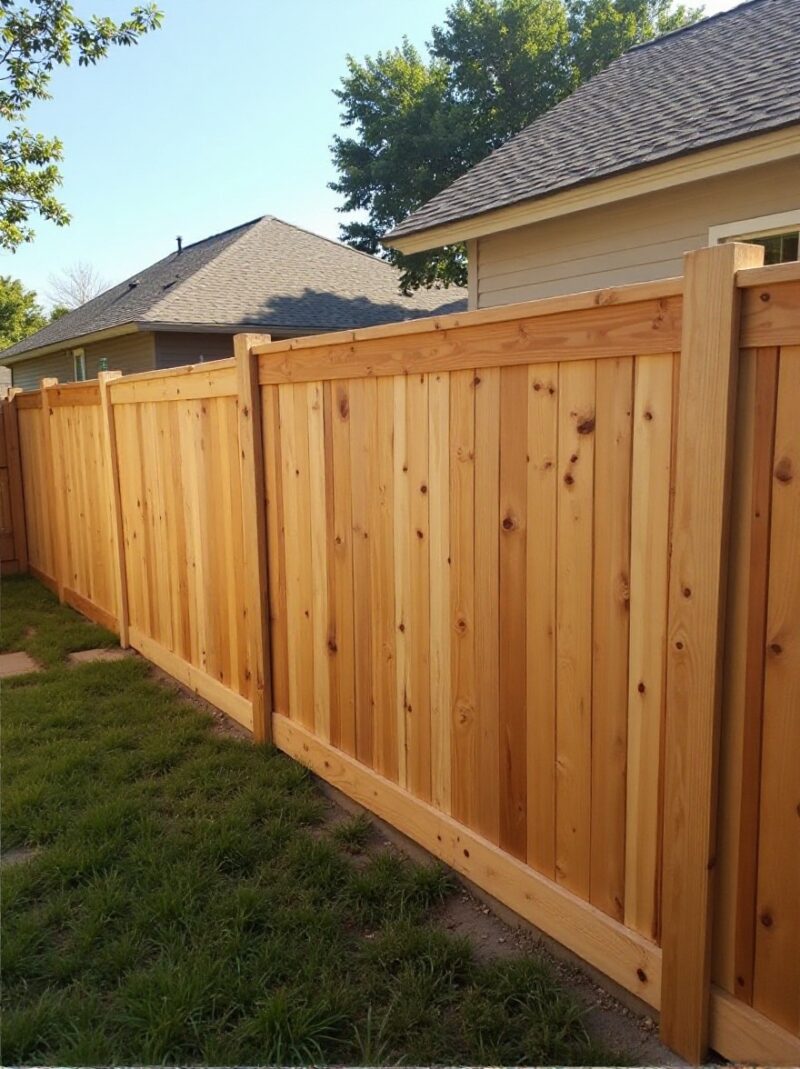
1. Classic Wood Privacy Fence
The traditional vertical board fence remains popular for good reason. This comprehensive tutorial showcases modern approaches to this timeless design.
Installation Process: Begin by marking your fence line and locating underground utilities—call 811 before digging. Set posts in concrete every 6-8 feet, ensuring they’re perfectly plumb. A good rule is to bury one-third of each post’s length for stability. Attach horizontal rails (typically 2x4s) between posts at the top, middle, and bottom. Then secure vertical fence boards to these rails using two screws at each rail connection. You can position boards tightly together for maximum privacy or space them slightly for airflow while maintaining screening.
The beauty of wood fencing lies in customization options. Choose from various heights—6 feet is standard for privacy, but check local ordinances. Select wood types based on budget and climate: pressure-treated pine offers affordability, cedar and redwood provide natural rot resistance, or choose tropical hardwoods for ultimate durability.
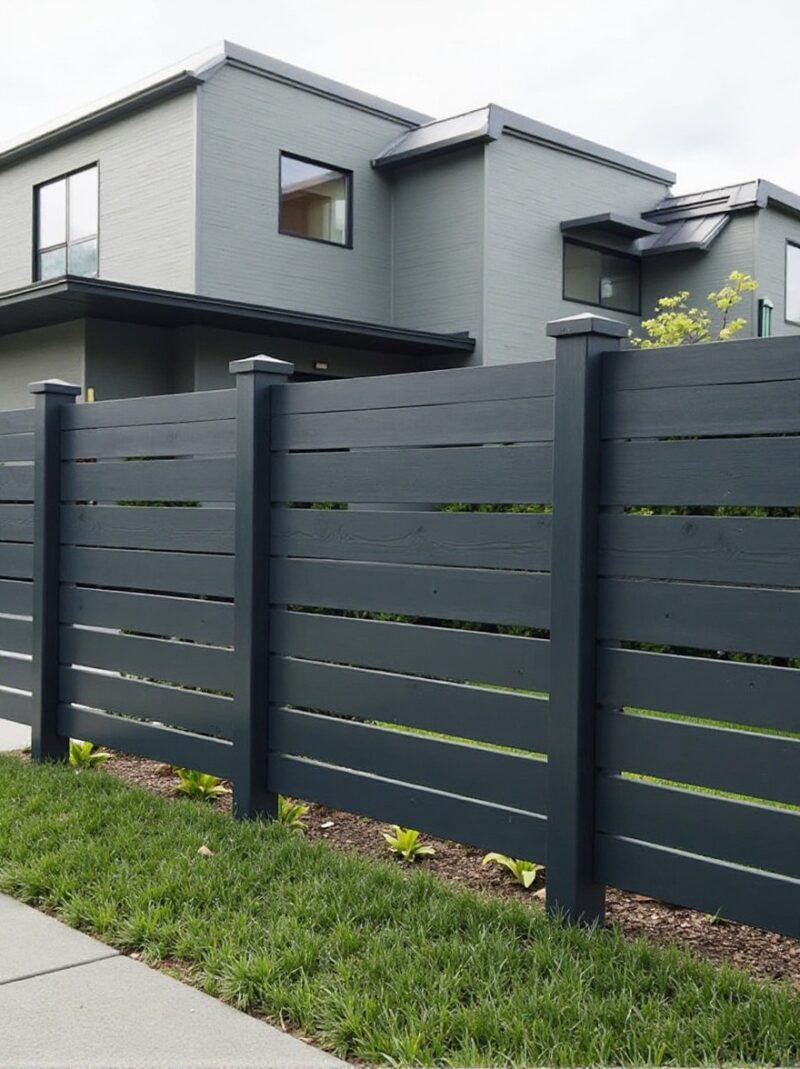
2. Horizontal Board Fence
Horizontal fencing creates a contemporary look that’s swept through modern landscape design. This easy-to-build example demonstrates why it’s become so popular.
Building Steps: Set your posts as with vertical fencing, but the visual effect is completely different. Attach boards horizontally to the posts, working from bottom to top. This style requires sturdy posts since boards span longer distances without mid-support. Many designers leave small gaps between horizontal boards—about 1/2 inch—creating visual interest while maintaining privacy. The horizontal lines make yards appear wider and create clean, modern aesthetics that complement contemporary homes beautifully.
Consider using different width boards for added interest: alternate 1×6 and 1×4 boards, or mix 1×6 with 1×8 for varied shadow lines. Paint or stain in dark colors like charcoal gray or black for dramatic impact, or keep natural wood tones for a organic feel.
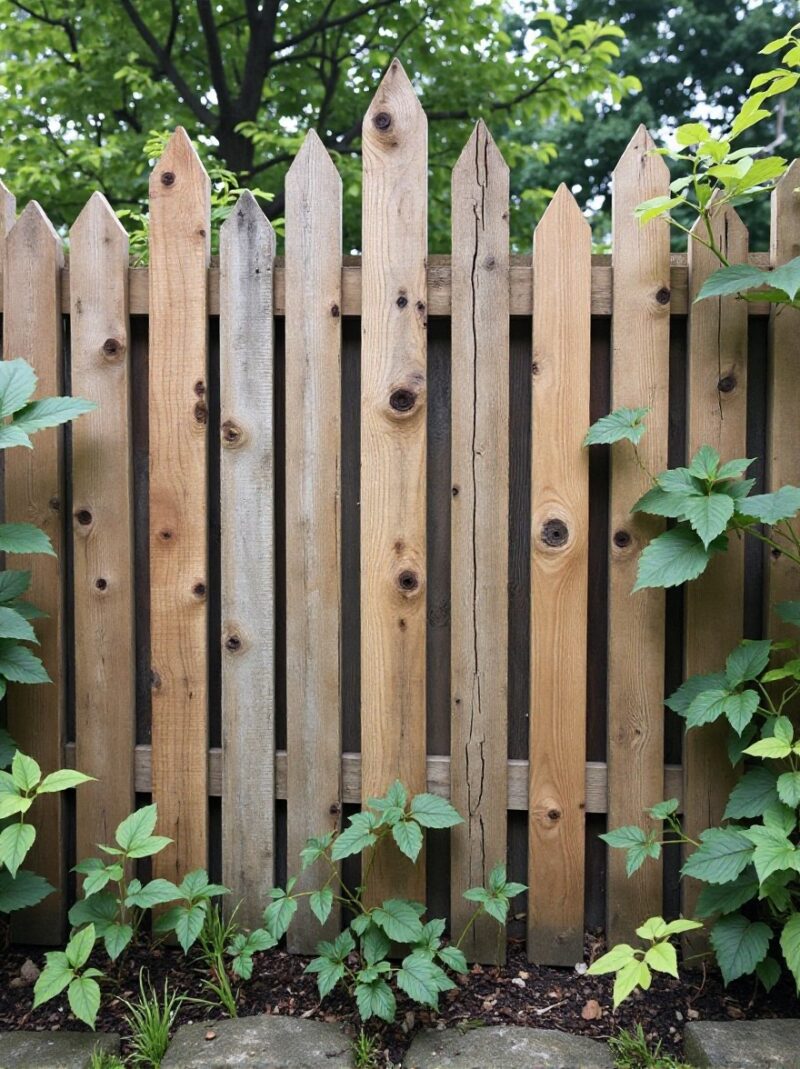
3. DIY Pallet Fence
Budget-conscious homeowners love pallet fence projects that create rustic charm from reclaimed materials.
Construction Method: Source free or inexpensive pallets from businesses, warehouses, or online marketplaces. Disassemble pallets carefully, pulling boards free and removing all nails. Inspect for stamps indicating heat treatment (HT)—these are safe for outdoor use. Avoid chemically treated pallets marked with MB (methyl bromide). Set posts as usual, then attach pallet boards vertically or horizontally. The varied widths and weathered appearance of pallet wood creates unique, rustic character. Since pallet boards are thinner than standard fencing, consider doubling them up or backing with wire mesh for added strength and privacy.
Finish with exterior stain or whitewash for a shabby-chic cottage look, or leave natural for authentic rustic appeal. This option works wonderfully for garden fences or casual backyard areas.
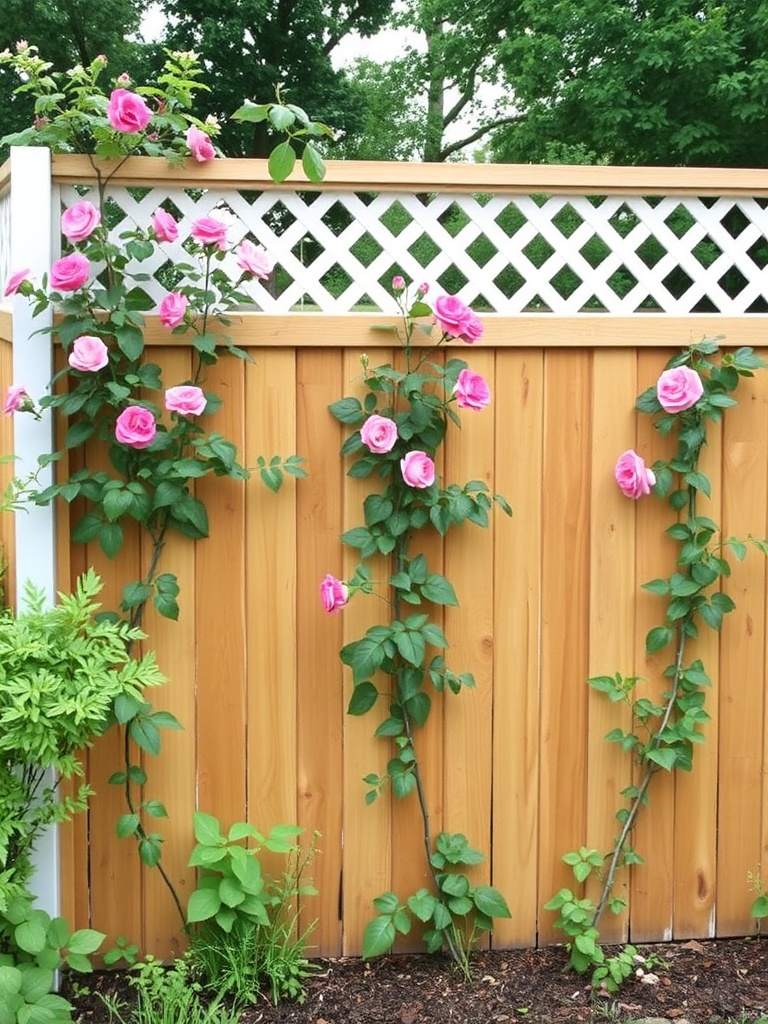
4. Lattice-Top Privacy Fence
Combine solid privacy with airy aesthetics using lattice-topped fence designs.
Installation Guide: Build a standard privacy fence to about 5 feet high, then add decorative lattice panels for the top 1-2 feet. This design provides full privacy where needed while allowing light and air circulation at the top. The lattice softens the fence’s appearance, making it feel less imposing while maintaining security and privacy. This style works especially well in front yards where completely solid fencing might feel too closed-off.
Choose from traditional diamond-pattern lattice or modern square-grid designs. Paint lattice and fence in complementary colors—classic white lattice over natural wood fencing creates cottage charm, while matching colors create contemporary cohesion. Plant climbing vines like roses, clematis, or jasmine at the base to eventually cover the lattice, creating a living wall.
5. Mixed Material Privacy Fence
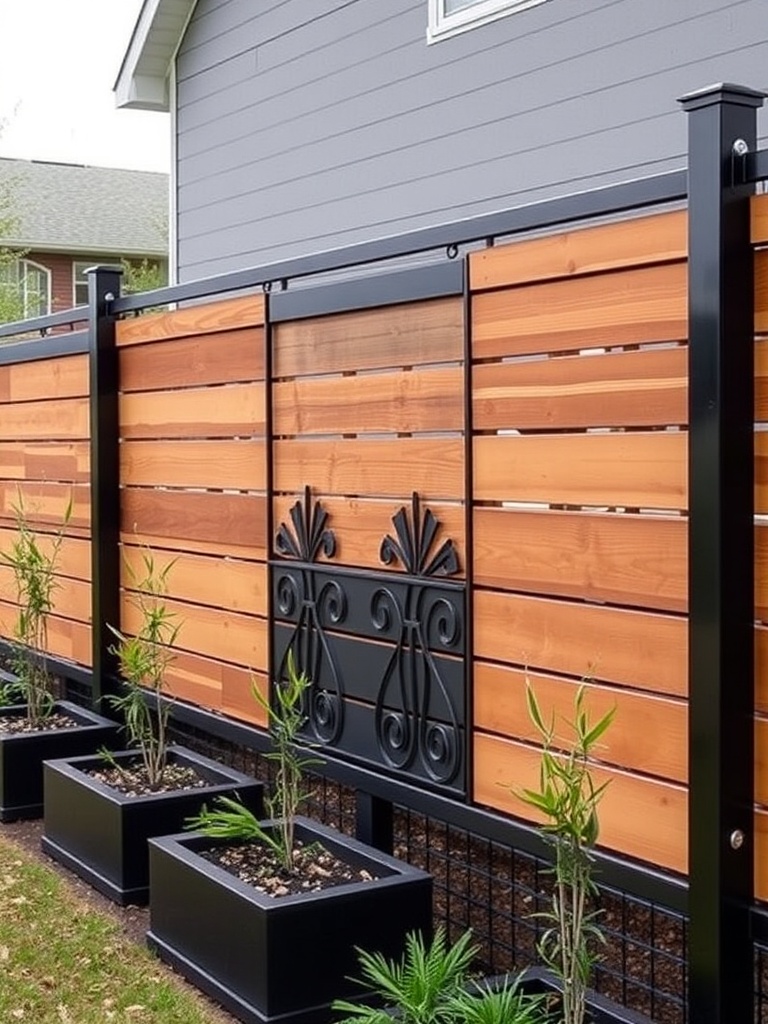
Combining materials creates visual interest while balancing costs. These innovative designs showcase how mixing wood, metal, and composite materials elevates standard fencing.
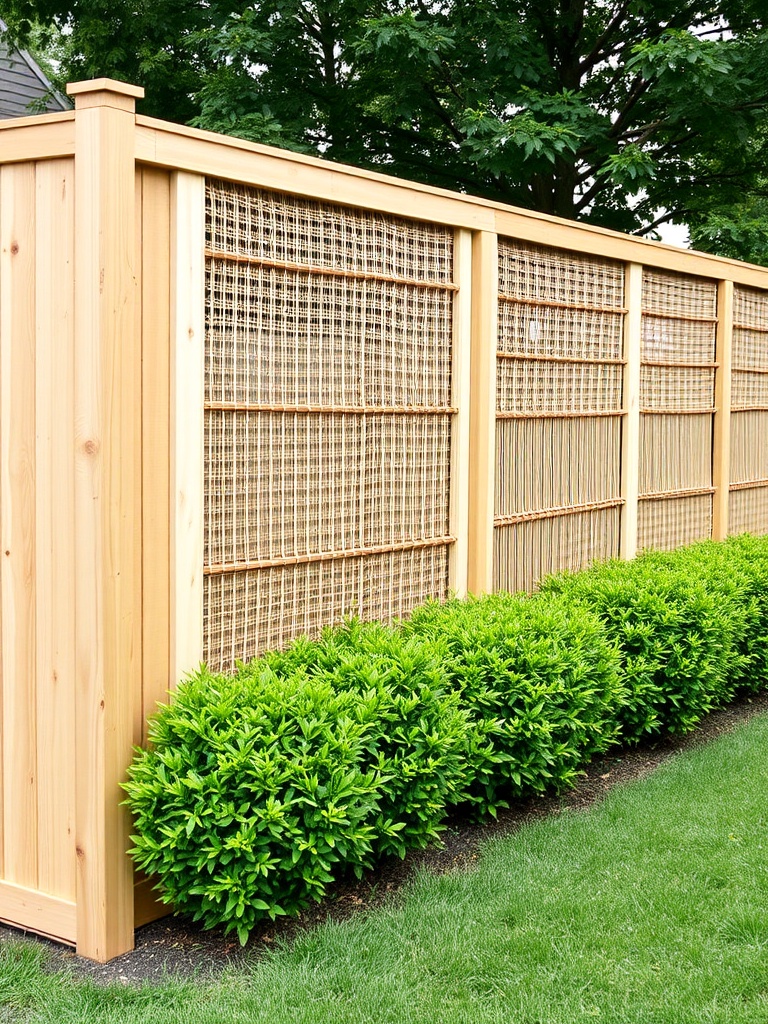
Design Approach: Use sturdy metal posts as the framework, then fill between with horizontal wood boards. Or alternate sections of board-on-board wood fencing with decorative metal panels. Another option combines composite or vinyl panels with cedar posts and caps for a low-maintenance fence with natural accents. Mixed materials let you allocate budget strategically—using premium materials as accents while keeping costs manageable with standard materials for the bulk of the fence.
These designs often incorporate integrated planters at the base or horizontal surfaces at different heights, adding functionality. Consider adding shelving brackets to hold potted plants or outdoor candle lanterns for evening ambiance.
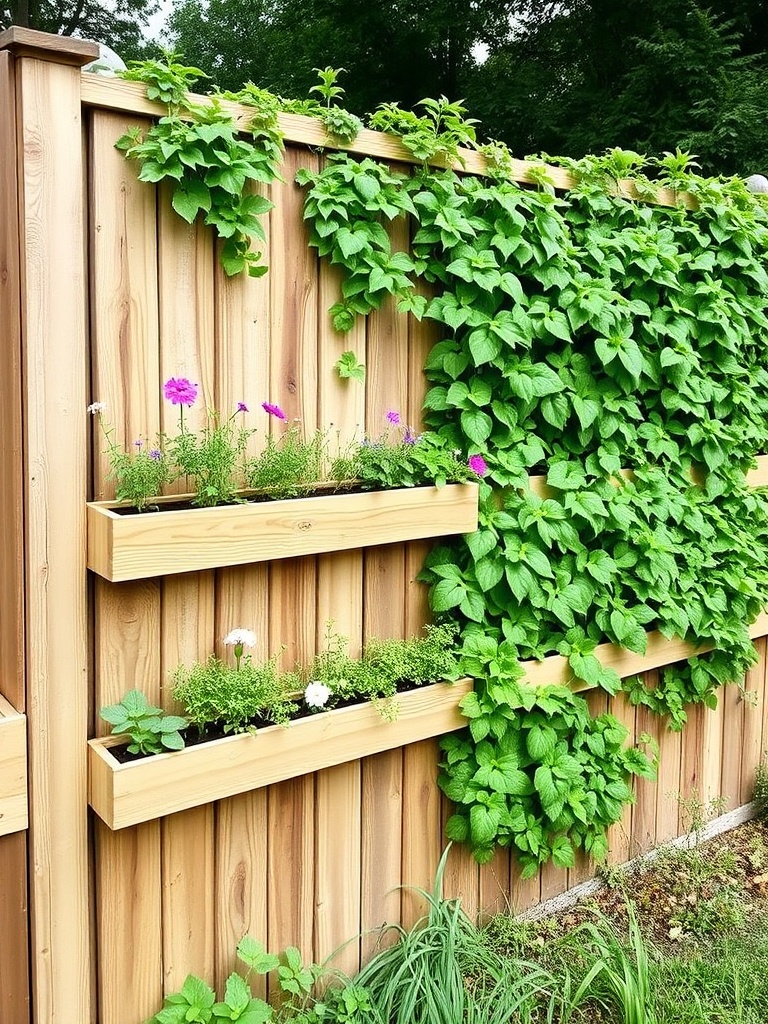
Creation Steps: Build or install a basic privacy fence, ensuring it can support the additional weight of planters. Attach planter boxes horizontally at intervals up the fence, or hang pocket planters designed for vertical gardening. Install a drip irrigation system behind planters for easy watering. Plant with herbs, strawberries, lettuce, or flowering annuals. Not only does this maximize growing space in small yards, but the living wall creates extra privacy as plants fill in.
For shaded fences, choose shade-tolerant plants like ferns, hostas, or impatiens. Sunny exposures can support herbs like basil, oregano, and thyme, or flowering plants like petunias and geraniums. The living element softens the fence’s appearance while providing fresh produce or flowers.
7. Modern Slat Fence with Lighting
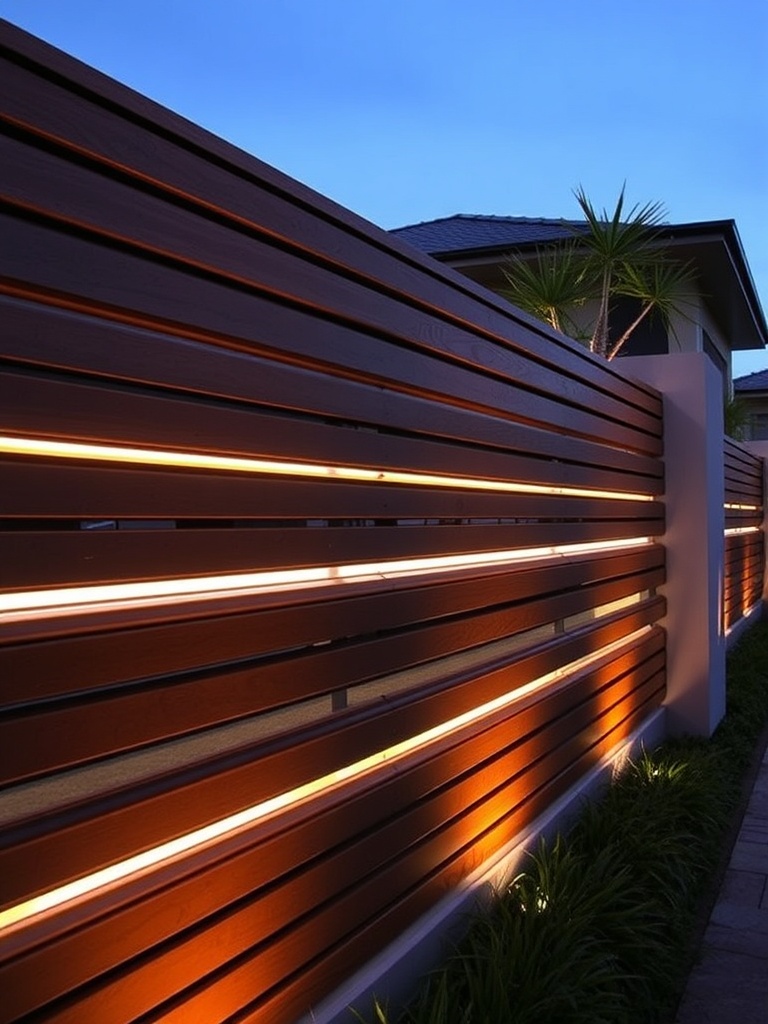
Incorporate integrated lighting for privacy that looks spectacular day and night.
Building Process: Construct a modern horizontal or vertical slat fence with consistent spacing. Between or behind the slats, run low-voltage LED strip lighting. The lights shine through the gaps, creating dramatic ambiance after dark. Alternatively, mount decorative outdoor lights along the top rail or integrate solar-powered lights into post caps. Modern motion-sensor lighting adds security benefits while creating welcoming illumination when you’re using outdoor spaces after sunset.
Choose warm white (2700-3000K) for cozy ambiance or cool white (4000K+) for contemporary aesthetics. Smart lighting systems let you control colors and timing from your phone, creating different moods for entertaining versus everyday use.
8. Privacy Screen Patio Fence
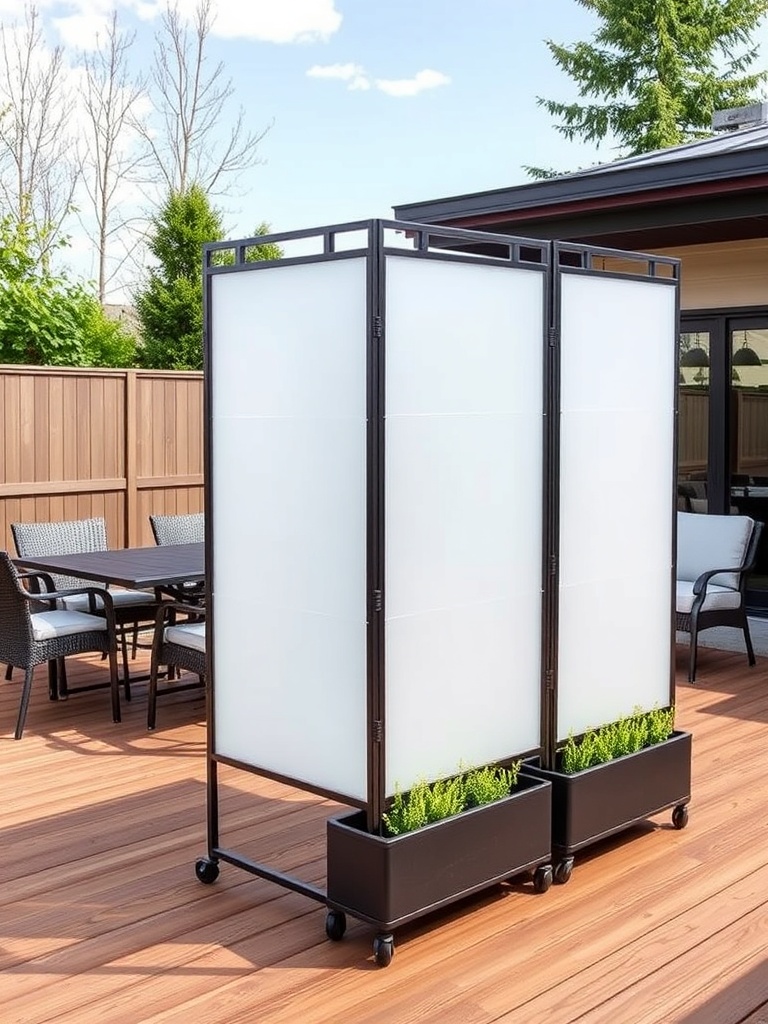
For patios and decks needing targeted privacy, portable privacy screens offer flexible solutions.
DIY Construction: Build freestanding privacy panels using posts and framework that don’t require digging or permanent installation—perfect for renters or those wanting flexibility. Create frames from 2×4 lumber, then fill with your choice of material: horizontal slats, lattice, outdoor fabric, corrugated metal panels, or frosted acrylic sheets. Add feet or bases that can be weighted with planters or pavers. These portable screens can be repositioned seasonally or moved when entertaining to open up space.
This solution works brilliantly for blocking specific sightlines—screening a neighbor’s window overlooking your patio or creating a backdrop for outdoor dining areas. The temporary nature means you can experiment with placement until finding the perfect configuration.
9. Board-on-Board Shadowbox Fence
Create privacy from both sides while adding dimension with shadowbox construction.
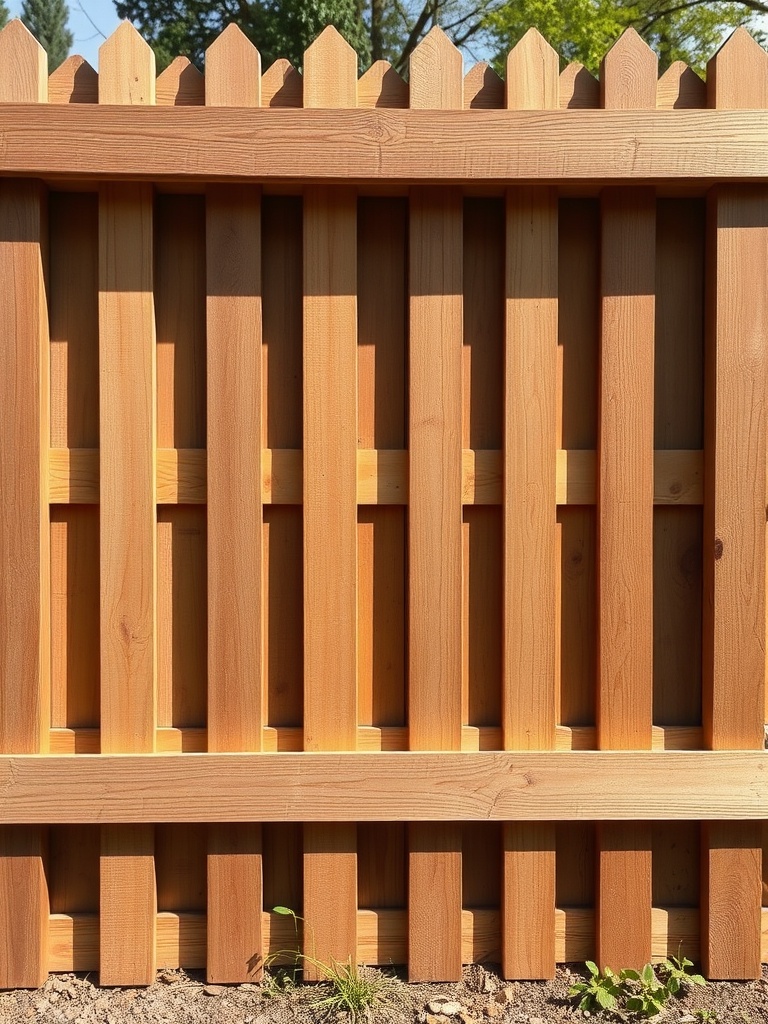
Building Technique: Set posts and rails as with standard fencing, but alternate boards on opposite sides of the rails, overlapping in the middle. Each side features offset boards that create a three-dimensional appearance with shadow lines. This design provides privacy from both sides—important for good neighbor relations—while allowing more air circulation than solid fencing. The alternating pattern creates visual interest that elevates simple fencing into architectural feature.
Space boards to overlap by 1-2 inches in the middle. This overlap prevents sight-lines through the fence while the gaps improve air flow, reducing wind loading and helping fences survive storms better than completely solid construction. The enhanced aesthetics make this style worth the additional labor and materials.
10. White Wooden Picket Privacy Fence
Bring classic charm to privacy fencing with painted white designs.
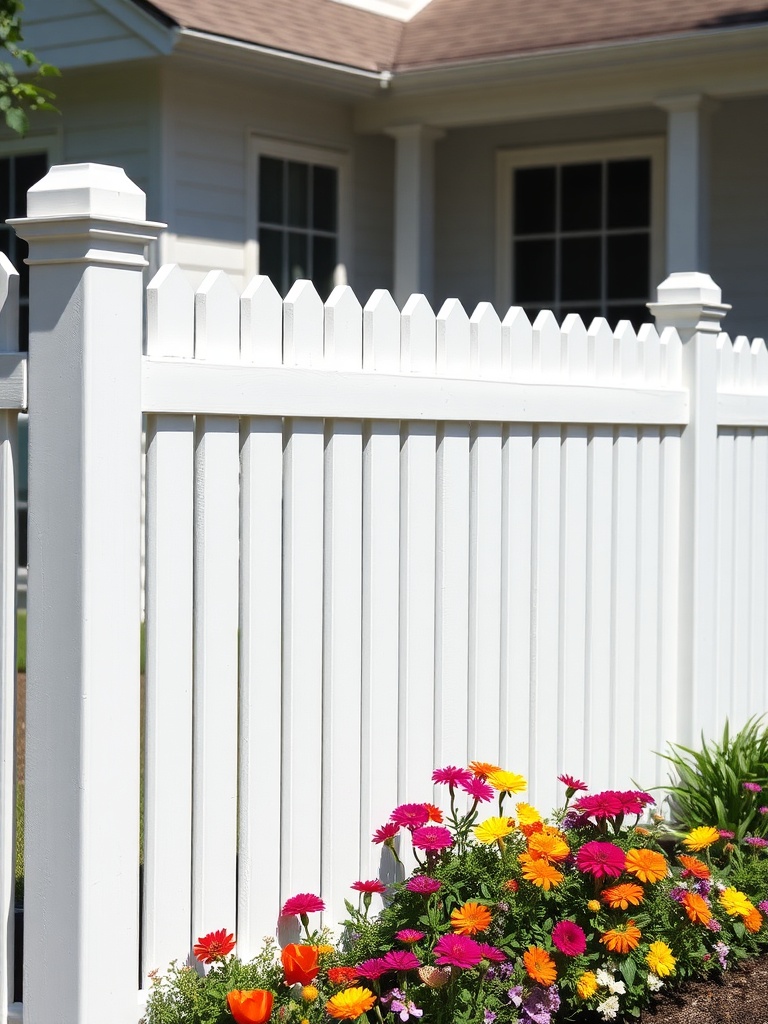
Installation Steps: Build a standard privacy fence using whichever board pattern you prefer—vertical, horizontal, or board-on-board. The transformation happens with paint. Apply quality exterior primer followed by two coats of exterior white paint. White fencing creates a fresh, clean look that brightens outdoor spaces and makes gardens pop. It works with any architectural style, from cottages to contemporaries, and never goes out of style.
White fencing requires more maintenance than natural wood or stained options—plan to wash and touch up paint every few years. However, many homeowners feel the crisp, polished appearance justifies the extra effort. For reduced maintenance, consider white vinyl or composite fencing that won’t need painting.
11. Living Willow Privacy Fence
Create an eco-friendly, living fence by planting willow branches that root and grow into a natural barrier.
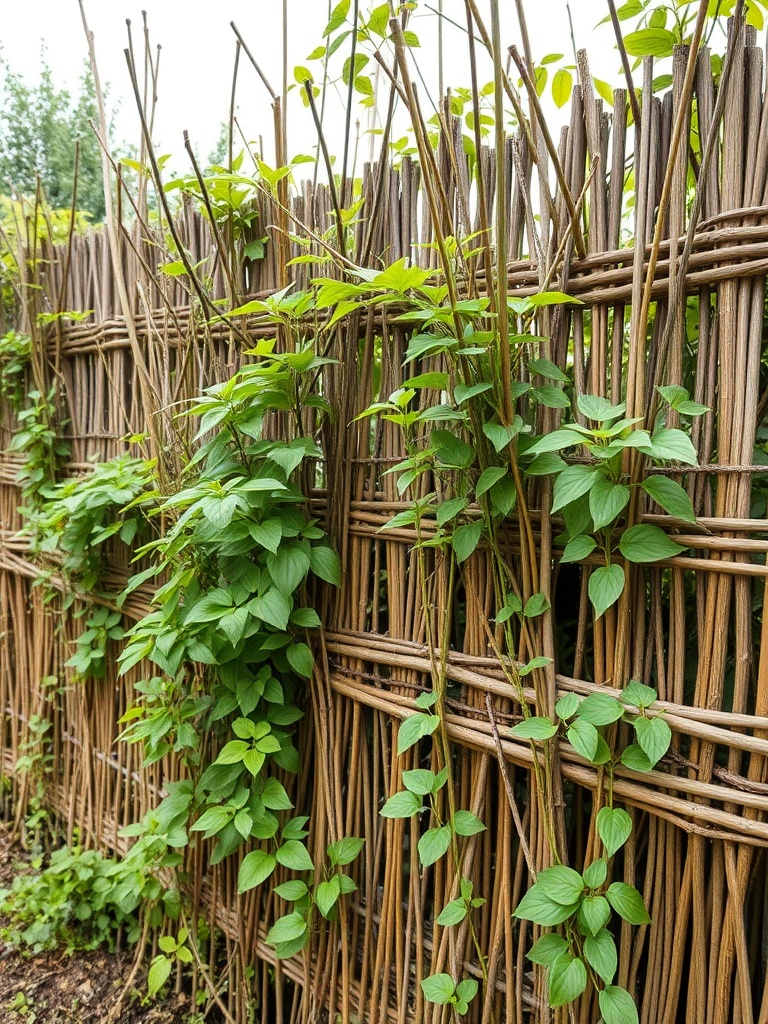
Planting Process: In early spring, before buds break, harvest or purchase fresh willow branches—they root incredibly easily. Drive sturdy posts into the ground every few feet to create structure. Weave willow branches horizontally between posts, or plant them vertically 6-12 inches apart directly in the ground. Water regularly the first season. Willow roots readily, and your branches will leaf out, creating a living fence. Weave new growth through existing structure as it grows. This ancient technique, called “living fencing” or “fedge” (fence/hedge combo), creates truly sustainable privacy that gets better with age.
Living willow fences require trimming several times per growing season but need no other maintenance. They provide habitat for beneficial insects and birds while filtering air and providing cooling through transpiration. The organic, ever-changing appearance appeals to eco-conscious homeowners seeking natural aesthetic.
12. Budget-Friendly Privacy Fence Ideas
Affordable privacy solutions prove you don’t need premium materials for effective screening.
Cost-Saving Strategies: Use standard pressure-treated pine instead of premium cedar—it’s significantly cheaper and lasts years with proper sealing. Source materials during off-season sales or from salvage yards. Consider doing partial privacy—fence only the areas truly needing screening rather than entire perimeter. Install fencing yourself rather than hiring contractors, potentially saving 50% or more of total costs. Start with shorter fencing heights—a 4-foot fence costs significantly less than 6-foot privacy fencing while still defining boundaries and providing some screening, especially when topped with plantings.
Mix strategies: use inexpensive chain-link fencing as structure, then weave bamboo panels or privacy slats through it. Plant fast-growing privacy hedges along the fence line—within a few years, living plants provide most privacy while the fence handles structure and immediate screening. Combine DIY installation with strategic material choices, and effective privacy fencing becomes accessible on almost any budget.
Final Considerations:
Before starting any fence project, check local building codes and homeowners association rules regarding fence height, placement, and style. Verify property lines—fencing on a neighbor’s property creates legal issues. Contact utility companies to mark underground lines. Consider your fence’s purpose: pure privacy might call for solid construction, while defining space could work with more open designs.
Think about maintenance requirements. Wood fences need periodic staining or painting, while vinyl and composite options offer lower maintenance at higher initial cost. Choose materials appropriate for your climate—tropical hardwoods for humid areas, rot-resistant cedar for wet climates, or any material in dry regions.
With these twelve privacy fence ideas, you have options ranging from simple weekend projects to substantial installations. Start with proper planning, choose materials wisely, and soon you’ll enjoy your backyard retreat, screened from prying eyes but open to endless possibilities for outdoor enjoyment.
A Teacher with 5 years of experience. Our Expertise, is reliable to meet your full Academic development needs . Worked on many crafts and construction projects offering services from design to development to deployment over the years. You will find many of my works in my business portfolio on request.