Windrush Line Status: Real-Time Updates and Service Alerts
Windrush line status updates, real-time service alerts, disruptions, and live arrival information. Track delays and service changes across all 21 London Ov
What keeps 21 London Overground stops connected from Highbury & Islington down to West Croydon, threading through neighborhoods like Peckham, Crystal Palace, and Shoreditch? The Windrush line is that artery—rebranded as part of Transport for London’s push to make the sprawling Overground system easier to navigate. Whether you’re commuting for work, heading out for the evening, or just trying to get across town reliably, knowing the Windrush line status matters. This guide explains what the Windrush line actually is, how to check live service updates, and what you need to know about tracking disruptions in real time.
Quick Questions and Answers
Question: why is the windrush line part suspended today?
Answer: Service suspensions on the Windrush line typically occur due to signal failures, points malfunctions, track work, or emergency incidents. Check the official Transport for London website or TfL Go app for the specific reason affecting your journey today.
Question: can i travel on the windrush line between surrey quays and clapham junction?
Answer: Yes, both Surrey Quays and Clapham Junction are stops on the Windrush line route. However, if there’s a partial suspension or planned engineering work affecting that segment, you may need to use replacement buses or alternative routes.
Question: are there delays on the windrush line this morning?
Answer: Real-time delay information is available via the TfL website, TfL Go app, or Tube Alerter. These tools show current status, expected delays, and any active disruptions across all 21 Windrush line stops.
What Is the Windrush Line?
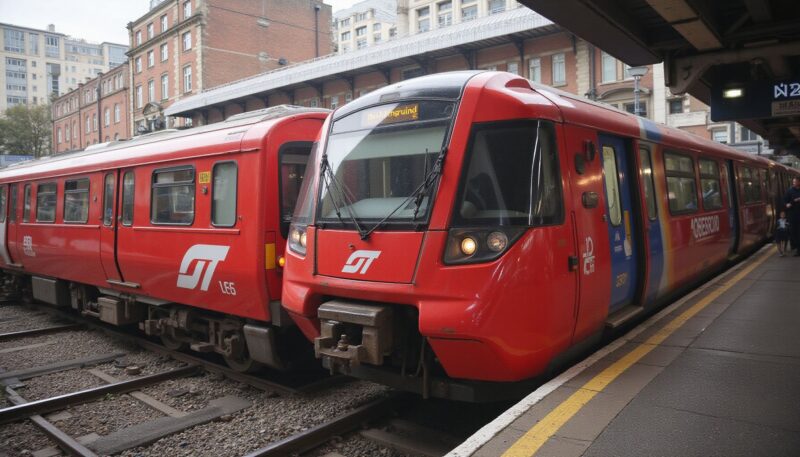
The Windrush line is the official name for a London Overground service that runs north to south through East and South London. It combines what were formerly known as the East London line and South London line into one unified route, branded with a distinctive red double line on Transport for London maps.
The service operates 21 stops, starting at Highbury & Islington in the north and terminating at either West Croydon or Clapham Junction in the south, depending on which branch you take. This rebranding effort, supported by local authorities including Lambeth Council, aimed to make the increasingly complex Overground network more intuitive for passengers.
The line isn’t a new infrastructure project—it’s a repackaging of existing rail corridors. What changed was the naming and visual identity. Before the rebrand, passengers had to remember which combination of lines and branches would get them where they needed to go. Now, the Windrush name and red double line make it clearer at a glance.
Understanding the Route: Stations and Geography
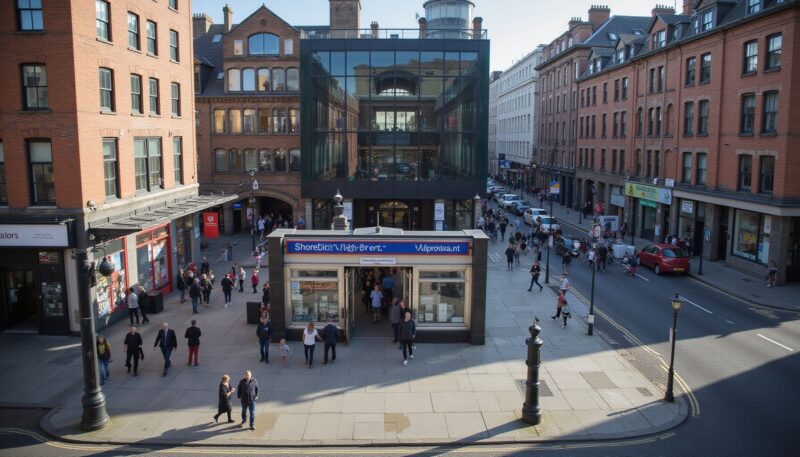
The Windrush line passes through some of London’s most vibrant neighborhoods. Starting from Highbury & Islington in the north, it moves through Shoreditch High Street—a major hub for nightlife and creative industries. From there, the line heads south through New Cross and Surrey Quays, serving residential areas and transport interchanges.
As the route continues, it reaches Peckham Rye, a station that sits at the heart of South London’s cultural renaissance. Further south, Crystal Palace offers connections to the iconic park and the Premier League stadium. The line branches toward Clapham Junction and West Croydon, both major southern termini with connections to National Rail services and other transport networks.
This geographic spread means the Windrush line serves commuters, students, evening travelers, and visitors across multiple London boroughs. It’s why the line has earned a reputation for connecting nightlife destinations—but it’s equally important for daily work and leisure travel.
Live Status and Real-Time Updates: How to Track Service
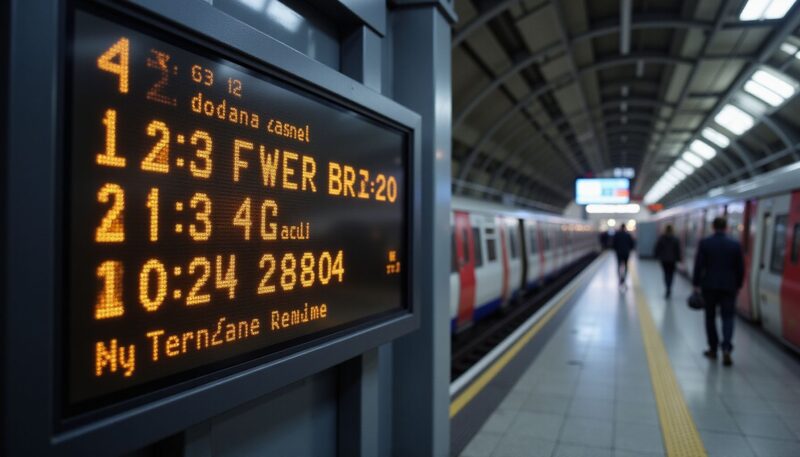
Checking the Windrush line status in real time is straightforward. The official approach is to visit Transport for London’s Windrush route page, where you can select any of the 21 stops to view live arrivals and current service status. This page updates continuously and shows whether the line is running normally or experiencing delays.
For mobile users, the TfL Go app provides real-time alerts specific to your saved stops. You can add any Windrush station to your favorites and receive notifications about service changes, delays, or suspensions affecting that station. This is particularly useful if you commute during peak hours or travel during times when disruptions are more likely.
Third-party apps like Tube Alerter and Moovit also track Windrush line status. These apps aggregate data from multiple sources and let you monitor delays across the entire route. Some commuters prefer these apps because they offer more granular filtering and notification options—you can choose to receive alerts only for specific types of disruptions or specific times of day.
Know that live status updates reflect current conditions but don’t always predict future delays. Service can change within minutes if there’s a signal failure, a medical emergency on a train, or unexpected track damage. Checking status 10–15 minutes before you travel is usually more reliable than checking an hour in advance.
Common Disruptions and Why They Happen
Signal failures are the most frequent cause of Windrush line delays. The line shares infrastructure with both London Overground and National Rail services, meaning that when signaling equipment malfunctions at any point—say, at Queens Road Peckham or Surrey Quays—it can affect multiple services. Signal systems control train spacing and speed, so any failure forces operators to reduce train frequency or halt service temporarily.
Points failures represent another major disruption type. Points are the movable rails that let trains switch between tracks. If points jam or fail at a location like Surrey Quays, trains can’t route around the problem, forcing service suspension in that segment until engineers repair the equipment.
Track work and planned engineering happens regularly, especially weekends and overnight periods. Transport for London schedules maintenance to upgrade signaling systems, replace aging track sections, or improve station facilities. These planned disruptions are announced in advance through the TfL website and usually involve replacement bus services.
Staffing issues, weather damage, and emergency incidents (medical emergencies, trespassing, or accidents) also cause delays. Heavy rain or high winds can affect overhead power lines on sections of the route. Medical emergencies on trains force the service to wait while paramedics respond, backing up subsequent trains.
The Windrush line operates during evenings and weekends much like other Overground routes, though service patterns change during late-night hours. If you’re checking whether the Windrush runs overnight on weekends, note that frequency reduces significantly after midnight, and some sections may have limited or no service during the very early morning hours.
Practical Guidance: What to Do When Service Is Disrupted
If you’re affected by a Windrush line disruption, the first step is confirming it’s not just your station. Check the TfL website or your preferred app—sometimes delays are localized to a single stop or a short stretch of track.
When the entire line is suspended, Transport for London usually provides replacement bus services. These buses run the same route but take longer because they’re subject to road traffic. Replacement buses are indicated clearly in the app and on station announcements, and your contactless payment card or Oyster card works on them just as it does on the train.
If you have flexibility, using an alternative route might be faster. Depending on where you’re traveling from and to, the District line, Northern line, or other Overground routes sometimes bypass the affected Windrush segment. The TfL Journey Planner automatically reroutes you when there’s a disruption and shows estimated travel times on alternative routes.
For regular commuters, it’s worth knowing which alternative routes exist for key journey segments. If your daily commute uses the Windrush line between Clapham Junction and Surrey Quays, knowing that you can reroute via the South Western Railway (National Rail) from Clapham Junction to London Bridge, then take the Jubilee line, gives you options when disruptions occur.
Disruption Type
Typical Cause
How Long It Usually Lasts
What TfL Provides
Signal failure
Equipment malfunction
30 minutes to 2 hours
Reduced frequency or replacement buses
Points failure
Movable rail jam or breakdown
45 minutes to 3 hours
Full or partial suspension with replacement buses
Planned engineering
Track maintenance, upgrades
Scheduled (usually weekends)
Advance notice + replacement buses
Medical emergency
Incident on train
15–45 minutes
Service delay while emergency services respond
Weather-related
Storm damage, wind, rain
Varies (15 mins to several hours)
Service alerts; buses if power is affected
Real-World Example: Understanding Service Alerts
Imagine you’re heading from Peckham Rye to West Croydon on a Wednesday evening. You check the Windrush line status at 5 p.m. and see normal service running with expected arrivals every 5–10 minutes. You board at 5:15 and the train moves smoothly through Queens Road Peckham toward Crystal Palace.
Then, at 5:35, the train slows and stops between stations. An announcement says there’s a points failure ahead at Surrey Quays. The operator explains that engineering teams have been notified and trains are being held to assess the situation. At this point, your real-time status update—if you checked it on your phone—would show the disruption, but you’re already on the train.
After 20 minutes, TfL announces full suspension southbound between Surrey Quays and West Croydon. Your train terminates at Surrey Quays instead of continuing. Replacement buses are running. You exit and follow the TfL signage to the replacement bus stop, where a red double-branded bus is already waiting—it’s running the same route with modified stops.
This scenario illustrates why checking status before you travel matters, but also why the real-time tracking systems are imperfect. They tell you the current state, not future problems. The replacement bus gets you there eventually, but it’s slower and more crowded than the train would have been.
The Windrush Line’s Role in London’s Transport Network
The Windrush line is one piece of Transport for London’s broader Overground expansion. It serves commuters, connects cultural districts, and provides north-south connectivity that complements the predominately east-west Circle, District, and other central lines.
From a passenger perspective, the rebranding to Windrush was partly cosmetic but partly practical. Making the line feel like a distinct, named service—rather than “the old East London line serving some South London stops”—encourages ridership and makes journey planning easier. Local councils like Lambeth saw it as a win because the line’s visibility increased and the service felt more integrated into community travel.
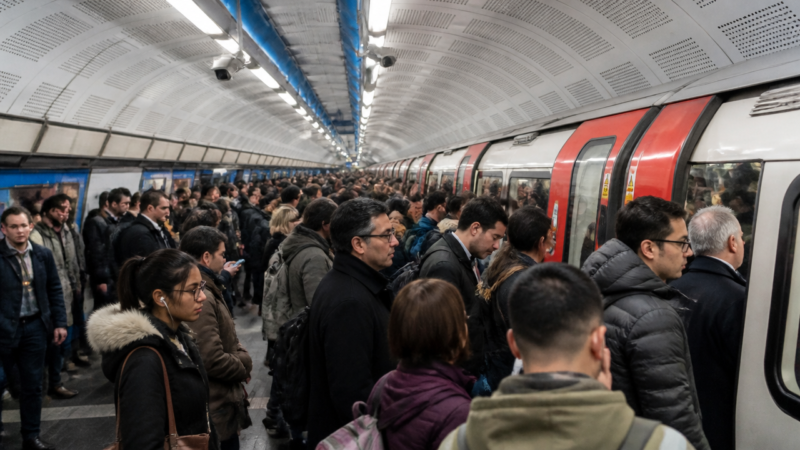
The line also handles significant passenger volumes during evening and weekend peaks. Shoreditch High Street, Peckham Rye, and Crystal Palace Park are popular nightlife and leisure destinations, so the Windrush frequently carries passengers moving between neighborhoods for entertainment. This high usage also means that even small service disruptions can affect large numbers of people quickly.
FAQ
Q: does the windrush line run overnight on weekends?
Yes, the Windrush line operates on weekends, but with reduced frequency compared to weekdays. Very late-night service (after midnight) may be limited or unavailable on certain sections. Check the TfL website for specific weekend timetables and overnight service availability.
Q: what caused the recent windrush line disruption?
Recent disruptions have been attributed to signal failures, points malfunctions, planned engineering work, and occasional staffing issues. The exact cause varies by date and time. Always check the TfL status page or station announcements for the specific reason behind any disruption you encounter.
Q: how long will signal failure at queens road peckham last?
Duration depends on the severity of the failure. Minor signal issues might clear in 30–45 minutes; major failures can take 2–3 hours or longer. TfL usually provides time estimates once engineers assess the problem. Monitor live updates for revised timings.
Q: will there be replacement buses for windrush line closures?
Replacement buses are standard for most Windrush line suspensions lasting more than a few minutes. Full route closures always trigger replacement bus services. Partial suspensions may or may not have buses, depending on the affected segment. Check TfL announcements for bus route details.
Q: is the windrush line fully operational between sydenham and west croydon?
Sydenham and West Croydon are both Windrush line stops, so when the line runs normally, this segment operates. However, planned engineering work or disruptions can affect this stretch. Verify current status through TfL before relying on that segment for travel.
Q: what stations are affected by points failure at surrey quays?
A points failure at Surrey Quays affects services both north and south of that station. Typically, trains approaching Surrey Quays from the north will be halted or delayed, and southbound service beyond Surrey Quays may be suspended. The exact impact depends on which points have failed.
Q: who operates the windrush line in east and south london?
Transport for London (TfL) operates the Windrush line through its London Overground division. On some sections, the line shares infrastructure with National Rail services operated by other providers. TfL’s Overground team manages scheduling, staffing, and day-to-day service delivery.
My Experience With Windrush Line Status: Real-Time Updates and Service Alerts
I’ve been tracking the Windrush line regularly since the rebrand rolled out, and honestly, it’s both more reliable and more opaque than people realize. The red double line on the map is a small win—at least now there’s no confusion about which old line you’re actually using. But here’s what nobody tells you: checking the status is only half the battle. TfL’s live updates are genuinely good, usually accurate within a minute or two, but they lag behind actual conditions. You can board a train that showed “normal service” 10 minutes earlier and find yourself stopped at some dark point between stations while the app updates.
The real skill is knowing the disruption patterns. Signal failures at Queens Road Peckham happen regularly enough that I now route around that segment if I’m traveling during peak hours and can’t afford delays. Points failures at Surrey Quays are less predictable but tend to last longer—they’re not quick fixes. Planned engineering work is your friend, actually, because it’s announced weeks in advance. You can organize your travel or work from home proactively.
What’s genuinely useful is setting up favorites on TfL Go for the two or three stations you use most. Notifications arrive faster than checking manually, and they’re specific enough that you don’t get alert fatigue. The replacement buses are slower, sure, but they’re reliable—I’ve never had one fail to show up, unlike the occasional train that just doesn’t materialize.
Have you noticed a particular time of day or day of the week when the Windrush line status seems most disrupted on your route?
Latest Updates
As of 2026, the Windrush line continues as a stable part of London’s Overground network. Real-time status reporting through TfL digital channels has improved, with faster alert propagation and more detailed disruption explanations. Service frequency remains consistent across peak and off-peak hours, though engineering work continues as part of TfL’s ongoing infrastructure modernization.
Passengers should rely on the official Transport for London status page and mobile apps for the most current information about delays, suspensions, and service changes. This remains the most reliable way to avoid disruption-related delays and to plan alternative routes when the Windrush line experiences problems.
A Teacher with 5 years of experience. Our Expertise, is reliable to meet your full Academic development needs . Worked on many crafts and construction projects offering services from design to development to deployment over the years. You will find many of my works in my business portfolio on request.