
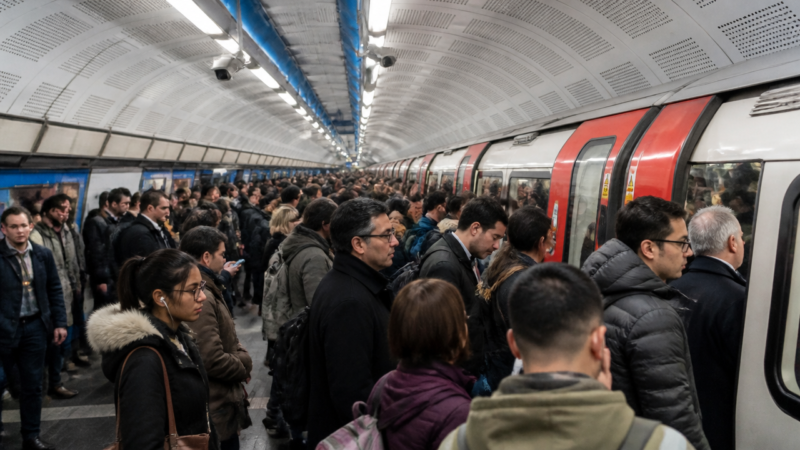

When your morning commute grinds to a halt because of Victoria line delays, does that mean the entire system has shut down, or are some parts still running? Understanding what causes disruptions on this crucial London Underground route—and how to work around them—can save you hours of frustration. Victoria line delays stem from track faults, signal failures, staffing constraints, and occasional emergency incidents, each requiring different workarounds. This guide covers the real reasons behind delays, what’s happening right now, and how to stay mobile when the line falters.
Quick Questions and Answers
Question: Why is the Victoria line delayed today? Delays often occur due to signal failures, such as the recent one at Green Park, or faulty trains at stations like Euston. Track issues near Brixton can also cause severe slowdowns across the entire route, forcing maintenance crews to address problems on the tracks.
Question: Are there delays on the Victoria line right now? Service status varies by day; as of the morning of July 18, 2026, the line is running with good service. However, recent reports indicate severe delays or partial suspensions between Brixton and Warren Street due to signal faults or faulty trains.
Question: Can I travel on the Victoria line during delays? You may travel if the line is only experiencing minor delays, but service is sometimes suspended between specific stations like Brixton and Highbury & Islington. TfL advises checking live status updates and allocating extra time for journeys during disruptions.
Victoria Line Delays: An Overview of Operating Challenges
The Victoria line ranks among London’s most heavily trafficked Underground routes, carrying tens of thousands of passengers daily between Brixton and Seven Sisters. When disruptions occur, the ripple effects spread instantly across a vast commuting network. Technical infrastructure failures represent the primary culprit behind most service interruptions.
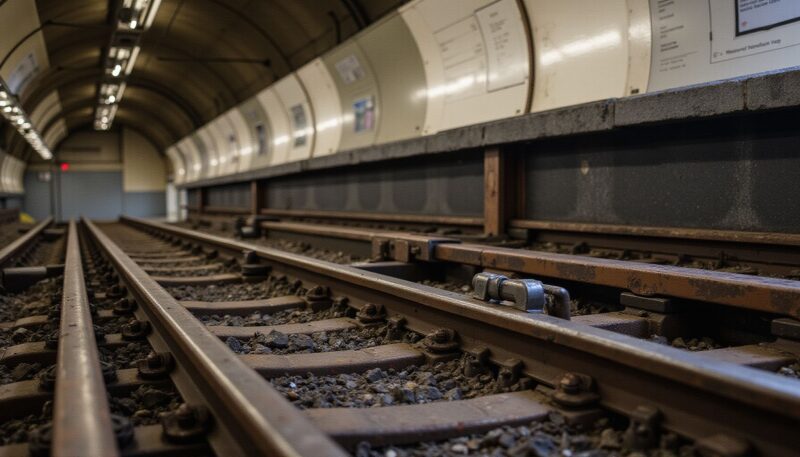
Track faults stand out as a recurring issue. A fault at Brixton, for example, can halt the entire line or force severe delays across multiple sections while maintenance crews inspect and repair rail beds and associated equipment. Points failures—mechanical switches that direct trains between tracks—create similar bottlenecks at critical junctions like Finsbury Park and Walthamstow Central. These aren’t minor nuisances; they cascade into hour-long passenger backlogs during peak commute windows.
According to London Now, Transport for London has blamed a mix of track faults, signal failures, and trespasser incidents as key disruptors. Signal failures, in particular, prevent trains from safely detecting track occupancy and maintaining safe braking distances—so when Green Park’s signal system malfunctions, there’s no safe way to move trains through that section until engineers restore normal operation.
The Technical Balancing Act: Signalling and Legacy Equipment
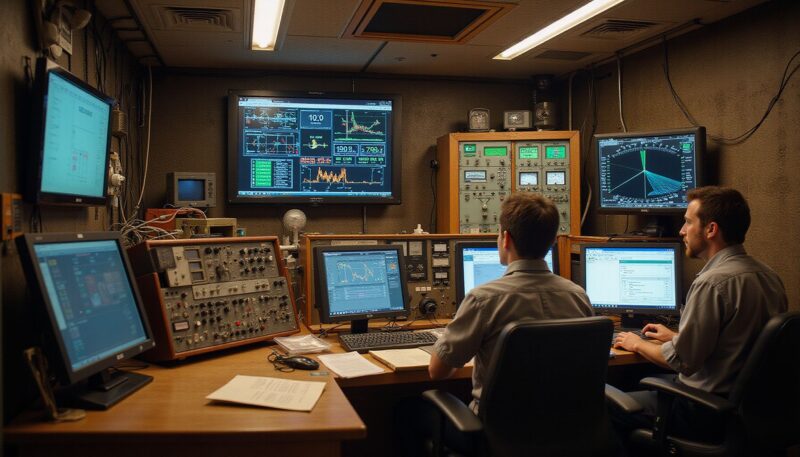
One of the most persistent challenges facing the Victoria line stems from its ongoing infrastructure modernization. The line is caught between two technical eras: older, proven legacy equipment that has served London for decades and newer signalling systems designed to increase capacity and reliability. Running both systems concurrently creates inherent friction.
According to the London Assembly, the recent delays are largely the result of the complexities involved with introducing a brand new signalling system while concurrently running and relying on old equipment. This transition isn’t instantaneous. Engineers must ensure backward compatibility, test failover protocols, and validate that the new system can gracefully handle edge cases the legacy setup managed routinely.
When incompatibilities arise between old and new systems, the results can be unpredictable. A firmware update to the new signalling infrastructure might conflict with a decades-old relay panel, causing signal aspects to display incorrectly or fail to update at all. Troubleshooting these hybrid system failures takes time—sometimes hours—because engineers must think across two fundamentally different technical architectures.
The upside is clear: once fully migrated to modern signalling, the Victoria line should experience fewer false alerts and faster fault detection. The downside is that we’re living through the messy transition period where reliability dips temporarily.
Operational Impacts and Staffing Realities
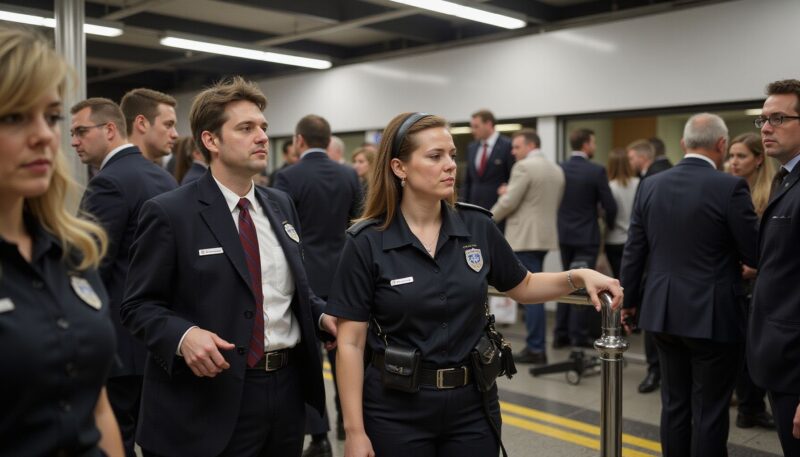
Beyond hardware and firmware, human availability shapes service delivery. Train Operators (T/Ops) run the trains, and when they’re unavailable due to illness, scheduled leave, or restrictions on overtime work, service frequencies drop. This might sound like a minor administrative detail, but it’s not.
Reddit users familiar with the Victoria line’s inner workings have pointed out that annual leave cycles, particularly as the year draws to a close, strain operational capacity. When leave year ends and staff must exhaust accrued days or lose them, a dozen T/Ops might take leave simultaneously. Restrict overtime and rest-day working—rules often put in place to protect staff from burnout—and the math becomes brutal: take five train rotations out of the evening peak, and you’ve instantly created severe delays for everyone behind those missing services.
During summer months or holiday seasons, this effect intensifies. Schools close, people book vacations, and Transport for London faces a squeeze between keeping staff rested and maintaining enough train capacity to handle demand. There’s no magic fix here. Either you run tired staff at risk of safety incidents, or you reduce service frequencies and live with delays.
Emergency Incidents and Network Disruptions
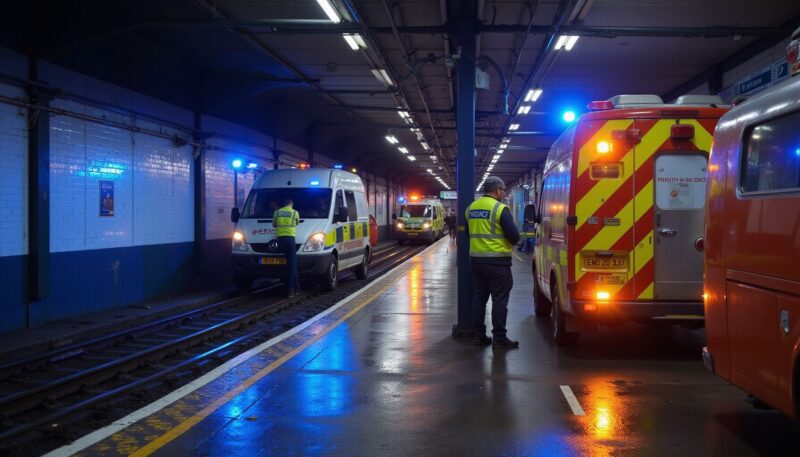
Beyond routine technical failures and staffing challenges, emergency incidents force immediate line-wide shutdowns. Casualties on the tracks—whether from medical events, suicide attempts, or accidents—necessitate immediate service suspension for investigation and emergency response protocols. These incidents are rare but devastating to service continuity.
MyLondon reported that London Underground services between Brixton and Victoria were suspended for multiple hours due to a casualty on the tracks at Vauxhall station in September. The rest of the Victoria line continued to face severe delays as emergency services attended to the situation. These shutdowns are non-negotiable; there is no safe way to run trains past an active incident scene.
Trespasser incidents create similar disruption. Someone on the tracks—whether accidentally or intentionally—triggers an emergency stop across the entire line. Operators must confirm the track is clear before resuming service. A single incident can cost the network 30 minutes to 2 hours of lost capacity, depending on how long investigation takes.
| Delay Cause | Typical Duration | Affected Section | Passenger Impact |
|---|---|---|---|
| Track fault | 1-3 hours | Entire line or partial | Severe delays or suspension |
| Signal failure | 30 mins–2 hours | Usually localized | Moderate to severe delays |
| Points failure | 45 mins–2 hours | Depends on location | Severe delays across line |
| Emergency incident | 2+ hours | Varies, often widespread | Severe delays or full suspension |
| Staffing shortage | 20-40 mins per cycle | Entire line | Minor to moderate delays |
Managing Disruptions: Ticket Acceptance and Alternative Routes
When the Victoria line enters “severe delay” status, Transport for London activates ticket acceptance protocols across alternative services. This doesn’t mean you’re stuck; it means your ticket becomes valid on competing modes of transport.
During major disruptions at points like Walthamstow Central, TfL will accept tickets on London buses, the Weaver Line, Suffragette Line, Great Northern, Thameslink, Greater Anglia, and South Western Railway services via any reasonable route. The key phrase is “any reasonable route”—TfL gives passengers latitude to navigate around the problem however makes sense geographically.
Checking tubestatus.net or Tube Alerter before you head out gives you real-time line status and tells you exactly which alternative routes TfL is honoring tickets on. Some disruptions suspend only a section of the line—say, no service between Seven Sisters and Walthamstow Central—while the rest of the line runs with severe delays. In that case, you might still ride the southern section (Brixton to Finsbury Park, for example) but need to switch to bus or rail to cover the northern gap.
The London Underground’s official travel planning tools integrate live disruption data, allowing you to input your origin and destination and receive updated journey suggestions that account for active line status. Using these tools beats guessing or assuming your normal route will work.
Staying Informed and Proactive
Real-time awareness is your best defense against Victoria line chaos. TfL updates its official status pages constantly, with notifications appearing within minutes of a disruption. Third-party services like Tube Alerter and tubestatus.net aggregate these updates and send push alerts to subscribers, so you can learn about delays before you even reach the station.
Setting up notifications is worth the five minutes of setup time. Many commuters enable alerts only for specific lines they use regularly, so you’ll know the instant the Victoria line moves into severe delay status. That two-minute heads-up can save you from being trapped in a crowded platform waiting for trains that won’t arrive for hours.
Plan your escape route mentally during normal commutes. Know which bus routes intersect the Victoria line at your nearest station. Understand where the nearest other Underground line sits relative to your commute corridor. When delays do hit and you’re standing in a packed tunnel, knowing your backup plan lets you act decisively instead of following the crowd of confused passengers.
My Experience With Victoria Line Delays: Current Status and Travel Updates
I’ve spent enough time on the Victoria line to know its rhythms. Most days it hums along reliably. Then, without warning, a signal fault at Green Park or a track problem near Brixton turns a 12-minute journey into a 90-minute odyssey. The maddening part isn’t the delay itself—it’s the uncertainty. You’re standing there watching three minutes tick into five, wondering if you should bail to the bus or hold tight for a service resumption that may or may not happen.
The smartest move I’ve learned is checking status before leaving home. TfL’s website takes 20 seconds to load, and knowing you’re walking into a disruption beats discovering it on a packed platform. When delays do hit, accepting that your normal route is toast and switching to the alternative network immediately saves emotional energy. The Victoria line will recover—it always does—but the passengers who start texting complaints at minute two are the most frustrated by hour two.
What’s your experience been? Does your commute rely heavily on the Victoria line, and have you found reliable workarounds during disruptions?
FAQ
Q: Does the Victoria line have frequent delays?
The line experiences occasional disruptions due to common issues like signal failures, faulty trains, and track problems. While it often runs with good service, specific incidents like the one at Green Park or Euston can cause significant hold-ups for commuters. The frequency of major delays has increased during the infrastructure modernization period.
Q: Are Victoria line delays caused by signal faults?
Yes, signal failures are a primary cause of delays, such as the recent failure at Green Park that suspended service between Brixton and Warren Street. These faults can halt trains and lead to severe delays on the rest of the line until engineers fix them. Signal systems prevent trains from operating safely, so any malfunction forces immediate service suspension.
Q: How long do Victoria line delays usually last?
Delay duration depends on the issue; some last until engineers fix faults at stations like Euston, while others persist until track problems near Brixton are resolved. Services may improve slightly but remain suspended or severe for extended periods during major incidents. Simple points failures might clear in 45 minutes, while track structural damage can stretch into multiple hours.
Q: Will Victoria line delays affect my morning commute?
Yes, morning commutes can be seriously disrupted if signal failures or faulty trains occur, as seen with suspensions between Brixton and Warren Street on weekday mornings. Passengers should verify travel plans and allow extra time if severe delays are reported. Checking status updates before leaving home dramatically reduces stress and allows backup planning.
Q: Is the Victoria line fully open during delays?
Not always; the line is sometimes part-suspended through central London, with no service between specific stations like Brixton and Highbury & Islington. While parts may reopen, severe delays often continue on the rest of the route during ongoing incidents. TfL typically announces exactly which sections remain closed to help passengers plan alternatives.
Q: What happens if the Victoria line is suspended?
If suspended, TfL honors tickets on alternative services like buses and other rail routes including Northern or Southeastern. Passengers face serious disruption with much of the line out of action until engineers resolve issues like signal failures or train faults. Ticket acceptance across competing networks is automatic—you don’t need to request reimbursement.
Q: When will the Victoria line return to normal?
Normal service returns once engineers fix faults, such as those at Euston or Green Park, or address track problems near Brixton. While services may improve slightly, full recovery can take time, and severe delays often persist until repairs are complete. Major infrastructure work like signalling upgrades means some disruption will continue through 2026 and beyond.
References
- London Now. (2024). London Underground Victoria line delays – Recap. https://www.london-now.co.uk/news/26205713.london-underground-victoria-line-delays—recap/
- Yahoo News UK. (2024). Thousands caught in rush-hour disruption as Victoria line hit by severe delays. https://uk.news.yahoo.com/thousands-caught-rush-hour-disruption-154120916.html
- London Assembly. (n.d.). Victoria Line Disruptions. https://www.london.gov.uk/who-we-are/what-london-assembly-does/questions-mayor/find-an-answer/victoria-line-disruptions
- Reddit. (2026). r/LondonUnderground: What’s been going on with the Victoria Line? https://www.reddit.com/r/LondonUnderground/comments/1rz2x0o/whats_been_going_on_with_the_victoria_line/
- Tube Status. (n.d.). Victoria Line – current status, departures & statistics. https://tubestatus.net/line/victoria
- Tube Alerter. (n.d.). Are there any delays on the Victoria line? Live status. https://tubenotifications.co.uk/line/victoria
- MyLondon. (2024). Victoria line suspended due to casualty on the tracks at Vauxhall station. https://www.mylondon.news/news/transport/london-underground-live-updates-amid-32554445.amp

A Teacher with 5 years of experience. Our Expertise, is reliable to meet your full Academic development needs . Worked on many crafts and construction projects offering services from design to development to deployment over the years. You will find many of my works in my business portfolio on request.