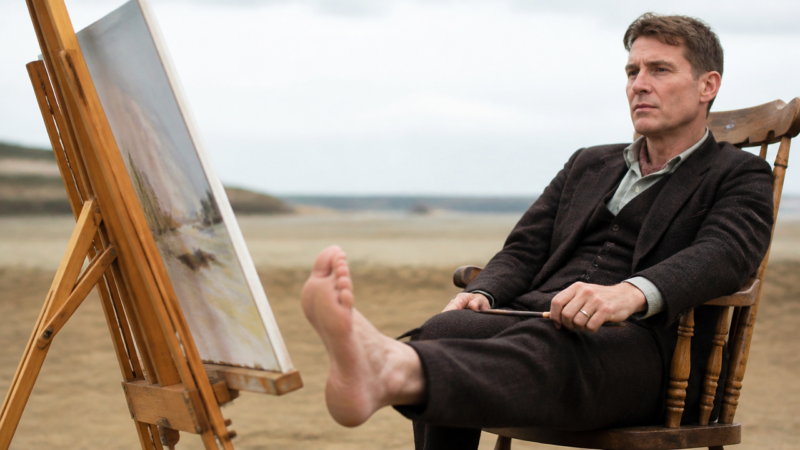
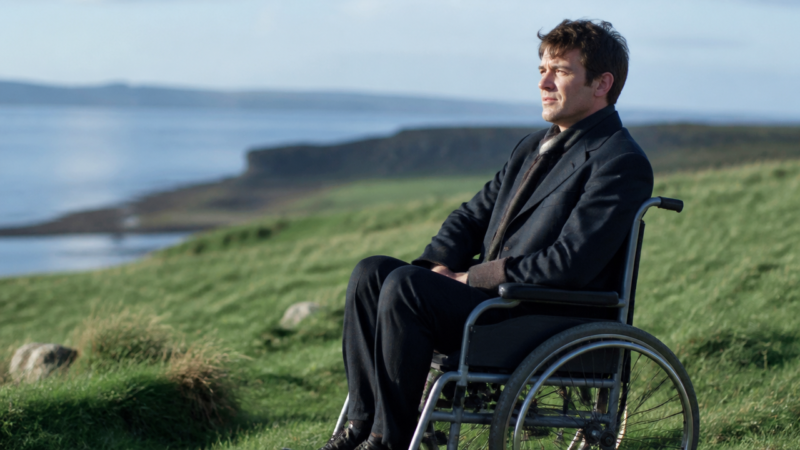

The 1989 film My Left Foot is a definitive biographical drama that translates the life of an extraordinary Irish artist to the screen. You might wonder if such a jarring and emotional narrative is based on a true story or if it relies on heavy creative liberties. The answer is based securely in history. My Left Foot remains a faithful adaptation of the documented life and memoir of Christy Brown. Whether you are curious about historical dramas or looking for inspiring real-life accounts, this story provides a grounded look at human resilience during the 20th century. Understanding how Christy Brown moved from a diagnosis of severe disability to becoming a celebrated literary voice brings his creative legacy into sharper focus.
Quick Questions and Answers
Question: Why is My Left Foot based on a true story? Answer: My Left Foot is based on the true life of Christy Brown, an Irish writer born with severe cerebral palsy who could control only his left foot[1][3]. He overcame major physical and social barriers to become a painter, poet, and author, writing his autobiography using only his foot[4][7]. The 1989 film is a biographical drama adapted directly from Brown’s 1954 memoir titled My Left Foot[1][2].
Question: Can you confirm My Left Foot is a real story? Answer: Yes, the film tells the true-life story of Christy Brown, who was born paralyzed with a severe form of cerebral palsy[4]. Doctors initially misdiagnosed him as mentally disabled, but his mother taught him to read and write, and he eventually used his left foot to paint and write his autobiography[3][4]. Daniel Day-Lewis starred as Brown in this acclaimed biographical comedy-drama[1][3].
Question: Do people know the real Christy Brown story? Answer: Christy Brown (1932–1981) was a real Irish writer and painter whose life inspired the famous 1989 film[6][7]. He was born with cerebral palsy into a poor working-class Dublin family and was one of thirteen children[8]. His memoir, published in 1954, chronicles his struggles and achievements, making his story well known in Ireland and beyond[1][2].
Key Takeaways
- The movie is a direct adaptation of Christy Brown’s 1954 autobiography.
- Christy Brown was a real person born with severe spastic cerebral palsy in 1932.
- His ability to use his left foot for communication and art transformed his life and career.
- The film functions as a bio-drama, mirroring the specific events described in his personal writings.
The Real Christy Brown

Christy Brown entered the world in 1932 in Dublin, Ireland, into a large, impoverished family. He faced immediate physical challenges due to severe spastic cerebral palsy, a condition that left him with control over only his left foot. For the first decade of his life, medical professionals assumed he was intellectually disabled because he could not speak or walk. His mother refused to accept this diagnosis, speaking to him as she would any other child and encouraging his cognitive development despite the limited mobility of his body. By learning to harness the fine motor skills of his left foot, he eventually developed the ability to write and paint, effectively shattering the constraints placed upon him by society and his own physiological condition. His story serves as a poignant reminder of the potential hidden behind misunderstood diagnoses.
Origins of the Memoir
Christy Brown authored his autobiography, titled My Left Foot, in 1954 at just 22 years old. This book serves as the primary source material for the film and offers a candid look at his formative years. The memoir documents his childhood struggles, his journey to find communication, and his transition into a recognized Irish literary figure. Because he used his left foot to hold chalk and later a pen, the act of writing was a physically demanding process that underscores the intensity of his efforts. Readers who engage with the memoir find a raw, unapologetic account of the barriers he faced in a working-class environment. It is this specific autobiographical record that provides the narrative spine for the film.
Cinematic Adaptation and Authentic Representation
The 1989 film is a biographical drama directed to mirror the events described in Brown’s memoir. Jim Sheridan, who directed the film, focused on portraying the realities of his life in Ireland rather than romanticizing his struggles unnecessarily. It depicts the daily, often grueling, realities of living with severe physical disabilities in the mid-20th century. By focusing on his grit and the essential support provided by his family, the film creates a portrait that feels authentic. The movie is categorized as a bio-drama, emphasizing its commitment to representing the factual narrative of his journey. Daniel Day-Lewis, who played Brown, famously remained in character throughout production to capture the physical reality of the condition. You can see how creative dedication to such a role mirrors the Fall Art: Definition, History, and Recurring Themes that often emerge when artists face physical or environmental limitations in their own work.
Themes and Impact
The narrative of this story emphasizes individual perseverance in the face of severely limited physical mobility. While some might assume a story about disability focuses entirely on limitation, this account highlights how Christy Brown successfully channeled his agency through art. His artistic achievements remain a central point of the film, showcasing how he used his one controlled extremity to create recognized, often beautiful, works of art. The persistence required to manipulate a brush or pen with one foot requires a level of patience that few possess. This theme of overcoming quiet, daily battles remains relevant for audiences who study how personal expression can exist despite the constraints of the body. You might find parallels here with other 12 Surprising Facts About Deenie Meaning You Need to Know and how individuals often navigate societal expectations when they do not fit the common mold.
Legacy and Historical Significance
The memoir remains a cornerstone of literature regarding the lived experience of cerebral palsy. It opened doors for public awareness about how intelligence and physical mobility are distinct, helping many understand that a lack of speech does not correlate with a lack of cognitive function. Subsequent historical archives, such as those provided by CerebralPalsy.org, use the film to educate wider audiences on the reality of the condition. By grounding the narrative in the life of a real person, the work ensures that the struggle for accessibility and recognition is not lost in a fictionalized or overly dramatic version of events. His legacy teaches that the tools one possesses, no matter how unconventional, can build a meaningful life.
Key Takeaways for Viewers
To get the most out of the story, recognize that the film is verified as a true account based specifically on Brown’s documented life history. Understanding the difference between cinematic dramatization and literal biography helps clarify that the core events portrayed are derived from factual experiences. While some creative decisions are necessary to pace a film, the emotional and narrative arc remains honest to the source material. Knowing this makes the viewing experience more impactful. You are not just watching a character struggle; you are witnessing the historical milestones of a man who managed to change how the world viewed disability.
My Experience With Was My Left Foot based on a true story?
I remember the first time I sat down to watch the film, fully expecting the typical Hollywood gloss that often coats real-life stories. I was wrong. Watching how the film depicts the slow, agonizing process of learning to write with a single foot changed my perspective on what “effort” actually looks like. It is not just about the final masterpiece or the published page; it is about the thousands of failed attempts that came before. There is a dry, almost brutal honesty in how the movie shows Brown’s frustration with both his body and the people around him who couldn’t see his intellect. Sometimes I compare this to my own attempts at learning a new craft; I get annoyed after ten minutes of practice, whereas he had to build an entire life out of millimeters of movement. It is a humbling watch. It also makes me wonder if we, in our modern convenience-driven world, have lost the ability to value the process over the result. Have you ever watched a film that completely shifted your understanding of a person’s life story?
FAQ
Q: Are doctors right about My Left Foot being real?
Doctors were wrong about Christy Brown being mentally disabled, but the film is indeed based on real event-based history. Brown was born with crippling cerebral palsy and mistakenly believed to be intellectually disabled for his first ten years of life. His fierce determination and his mother’s unwavering support enabled him to become a brilliant artist and author, ultimately proving his true capabilities to the world and his medical critics alike.
Q: How was My Left Foot adapted for the movie?
The movie was adapted by Jim Sheridan and Shane Connaughton from the 1954 memoir written by Christy Brown. It is a biographical drama directed by Sheridan in his directorial debut, starring Daniel Day-Lewis in an Oscar-winning performance. The film attempts to faithfully portray Brown’s life, including his daily struggles in a crowded Dublin home and his unique process of using his left foot to communicate and create.
Q: Will My Left Foot inspire people with disabilities?
Yes, Christy Brown’s story is widely considered inspiring because he overcame immense physical and social barriers to communicate, write, and create art. Despite being born with severe cerebral palsy and initially misdiagnosed, he learned to use only his left foot to become a prolific painter and published author. His autobiography and the resulting film continue to reach people facing similar health challenges today, asserting that human capacity often exceeds initial medical assumptions.
Q: When did Christy Brown write his autobiography?
Christy Brown wrote and published his autobiography, My Left Foot, in 1954 at the age of 22. The book chronicles his early life, his internal and external struggles, and his eventual milestones as an Irishman born with cerebral palsy who controlled only his left foot. He used chalk held between his toes to write and draw in his home long before becoming a known novelist and national poet.
Q: What disease caused My Left Foot to happen?
Christy Brown was born with severe spastic cerebral palsy, a condition that left him paralyzed in most of his body except for his left foot. This disease caused him to be mistakenly perceived as mentally disabled for the first decade of his life, an assumption that stifled his voice. Despite this, he harnessed his remaining mobility to paint, write, and eventually author a significant autobiographical account of his life.
Q: Which actor played Christy Brown in the film?
Daniel Day-Lewis starred as Christy Brown in the 1989 biographical film. He won the Academy Award for Best Actor for this performance, which required him to stay in character even off set, necessitating that he be fed and moved around by crew members to maintain the physical reality of the condition. The film also features Brenda Fricker as Brown’s mother and Ray McAnally and Fiona Shaw.
Q: Who directed the movie My Left Foot?
Jim Sheridan directed the film, marking his directorial debut in 1989. He also co-wrote the screenplay with Shane Connaughton, carefully adapting the narrative from Brown’s 1954 memoir. Sheridan is an Irish filmmaker recognized for his approach to character-driven stories, and this biographical drama remains one of his most celebrated and influential works of his career.
Latest Updates
As of 2026, the story of Christy Brown remains a standard reference point for biographical dramas that center on disability. While film technology has improved, the commitment to authentic representation seen in the original 1989 performance is still cited as a high-water mark. Recent discussions in film criticism continue to emphasize the importance of casting actors who respect the history of the individuals they portray, and this project is frequently held up as the example to follow.
References
- Wikipedia. (n.d.). My Left Foot. Wikipedia. https://en.wikipedia.org/wiki/My_Left_Foot
- IMDb. (n.d.). My Left Foot (1989). IMDb. https://www.imdb.com/title/tt0097937/
- Facebook. (n.d.). Why was My Left Foot movie credited as based on a novel instead of a memoir?. TCM Fan Site. https://www.facebook.com/groups/tcmfansite/posts/2015220528919550/
- CerebralPalsy.org. (n.d.). My Left Foot: The Story of Christy Brown. CerebralPalsy.org. https://www.cerebralpalsy.org/inspiration/movies/my-left-foot
- YouTube. (n.d.). The Making Of My Left Foot: The Story of Christy Brown (1989). YouTube. https://www.youtube.com/watch?v=HOGrIOU1hfg
- IMDb. (n.d.). My Left Foot (1989) – Plot. IMDb. https://www.imdb.com/title/tt0097937/plotsummary/
- Instagram. (n.d.). The movie was based on the true story of Christy Brown. Instagram. https://www.instagram.com/reel/DRMjn3bgkbf/
- Wikipedia. (n.d.). Christy Brown. Wikipedia. https://en.wikipedia.org/wiki/Christy_Brown

A Teacher with 5 years of experience. Our Expertise, is reliable to meet your full Academic development needs . Worked on many crafts and construction projects offering services from design to development to deployment over the years. You will find many of my works in my business portfolio on request.