

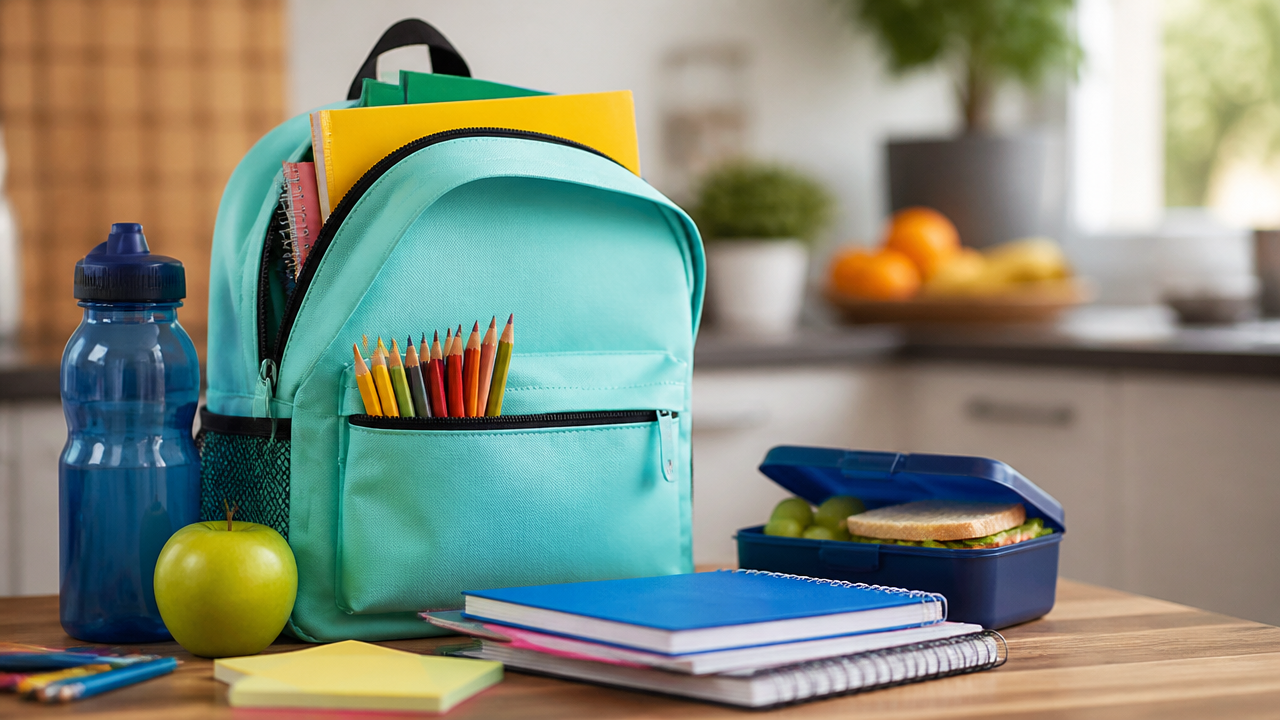
What makes a truly great back to school checklist stand out from every other system you have tried to manage the chaotic transition of late summer? Building a solid back to school checklist requires balancing administrative requirements with the practical needs of a busy household. Preparing for the academic year ahead, an effective back to school checklist helps you stay organized while you track vaccinations, school supplies, and daily routines. Establishing these habits early makes mornings feel less frantic when the first bell rings. Getting everything ready today is the best way to support your child as they head into a new grade.
Quick Questions and Answers
Question: What is included in a back to school checklist? Answer: A good back-to-school checklist usually includes medical appointments, required forms, school supplies, clothing, technology, and home routine planning. The sources also emphasize lunch arrangements, transportation, emergency contacts, and calendar updates. Depending on the school, you may also need vaccination records, permission slips, and login information for school portals.
Question: When should parents start a back to school checklist? Answer: The sources recommend starting before the back-to-school rush, especially for doctor visits, immunizations, and supply shopping. Some items, such as reviewing school policies, arranging care, and setting up schedules, are easier to handle weeks ahead of the first day. Early preparation reduces last-minute stress and missing required paperwork.
Question: Do you need medical forms for back to school? Answer: Many schools request medical paperwork such as vaccine records, physical information, or other health forms. One source specifically says to get copies of needed medical forms ready and have them on hand when requested. If your child has special health needs, a release of information may also help school staff coordinate care.
What You Need: Essential Tools for Preparation
| Item | Purpose | Notes |
|---|---|---|
| Medical Records | Compliance and emergency safety | Have physicals signed and ready |
| Tech Setup | Portal access and remote learning | Check chargers and login details |
| Supply Basics | Classroom participation | Match to the school-provided list |
| Organizing Supplies | Prevent loss of personal gear | Use waterproof labels or markers |
| Health Kit | Monitoring wellness at home | Keep a digital thermometer on hand |
Step 1: Execute Health and Medical Readiness
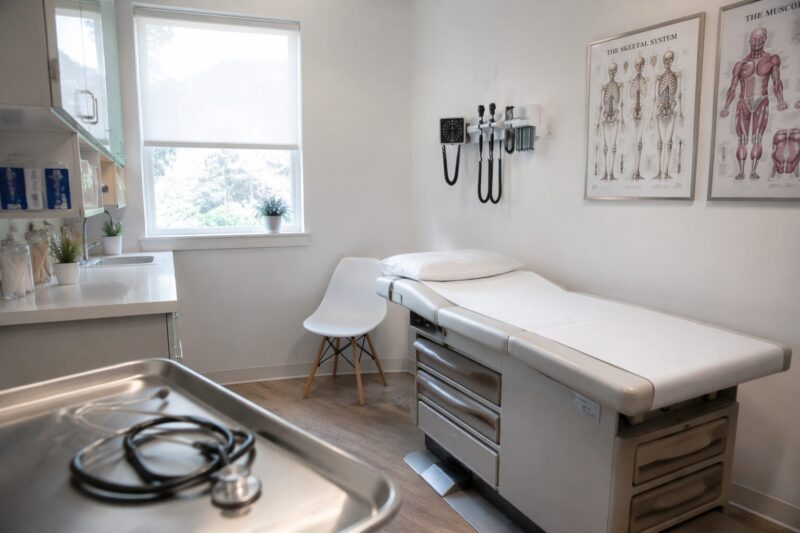
Start by scheduling your annual well-child and dental exams early in the summer. Booking these appointments weeks before classes begin helps you avoid the notoriously difficult late-August booking crunch. According to Texas Children’s Hospital, it is also the time to refill prescription medications and ensure the school nurse possesses an updated emergency contact list.
Review the district’s specific sick-day policy. Texas Children’s Hospital advises parents to keep children home for fevers exceeding 100.4°F or persistent symptoms like vomiting or diarrhea. Proactive health management ensures your student remains comfortable and classroom-ready from day one.
Step 2: Streamline Daily Logistics

Build a central command center in your kitchen or mudroom. Print out lunch menus and school schedules, then display them prominently on the refrigerator. Children’s Mercy suggests this visual approach to keep the whole family on the same page.
Load funds into digital lunch accounts now so no student finds themselves without a meal during the first week. Coordinate your transportation plan, whether that means verifying bus routes or confirming carpool drivers. Having these details locked in early prevents the common first-week scramble. Consider the 12 Expert Preschool Classroom Ideas That Save Time as a reference for organizing your home transition zones as well.
Step 3: Organize Supplies and Workspace

Review the official school-provided list before heading to the store. Avoid buying expensive generic substitutions for items like calculators, as many classes require specific models to function correctly in coursework.
Conduct a labeling party for all gear. Attaching permanent waterproof labels or using a heavy-duty marker on water bottles, lunch boxes, jackets, and folders significantly reduces the size of the school’s lost and found pile. Minted suggests that labeling nearly everything is a key step to preventing loss. Finally, establish a dedicated, distraction-free homework station. This area needs a flat surface, healthy lighting, and easy access to necessary tools to foster a professional study mindset. If you want to integrate some fun into this preparation, exploring 12 Practical Space Activities for Kids for Beginners might offer creative ways to keep them engaged as you tidy up the office area.
Mistakes to Avoid
Assuming that last year’s online portal password will work is a common trap. Test every single login before the night before school starts. Procrastinating on summer reading or math assignments also leads to unnecessary, high-stress, all-night cram sessions. Instead, spread these academic tasks over the final three weeks of summer.
Another frequent error is prioritizing style over function when buying a new backpack. Foremost notes that you should choose a backpack that offers true ergonomic support and correctly fits the dimensions of a laptop. Aesthetics do not matter if the bag causes strain or fails to protect expensive school devices.
Troubleshooting: What to Do When Plans Shift
Technology inevitably fails at the worst moments. Always keep offline backup copies of essential passwords and emergency phone numbers in a physical notebook. This ensures you can still communicate even if the local network or school portal is offline.
Emotional overwhelm is normal during the transition between grades. Initiate short, calm conversations about your child’s hopes or worries regarding the classroom. Letting them talk through potential concerns long before the first day helps normalize the experience. If you are struggling with a particularly anxious student, keep your own routine calm; kids usually mirror the energy of the adults in their lives. Studying these 12 Must-Know Senior Pic Inspo You Need to See might even give you a fun, low-pressure conversation starter with older students.
Frequently Asked Questions (FAQs)
Q: How can I prepare my child for the first day of school?
Prepare by reviewing the school schedule, discussing drop-off and pick-up plans, and practicing morning routines before school starts. The sources also recommend labeling supplies, memorizing important phone numbers, and talking through any worries your child may have. This helps the first day feel familiar rather than rushed.
Q: What school supplies are usually on a checklist?
Common supplies include pencils, pens, erasers, highlighters, folders, notebooks, a binder, a calculator, and a pencil pouch. Several checklists also mention lunch boxes, backpacks, glue sticks, rulers, tape, and hand sanitizer. The exact list should still be matched to the school’s supply list and grade level.
Q: Why is a back to school checklist helpful?
A checklist helps families avoid forgetting important tasks like medical appointments, lunch planning, transportation, and school forms. It also spreads work across several days or weeks instead of leaving everything for the night before school. That can reduce stress and prevent first-week problems.
Q: How do I organize homework and school routines at home?
Set up a homework station, place important papers in a designated spot, and keep a family calendar visible. The readiness checklist also recommends morning and bedtime routines so school days run more smoothly. These small systems make it easier for children to stay organized once the year begins.
Q: Can a back to school checklist include technology items?
Yes. The sources include fully charged devices, software or apps, passwords for school portals, and a technology check. For families using laptops or tablets for school, it is also smart to confirm chargers, connectivity, and any required school platforms before classes begin.
Q: Which documents are most important for school readiness?
Important documents commonly include vaccination records, emergency contact information, signed permission slips, schedules or timetables, and any required medical forms. Some checklists also mention lunch account information and school calendars. Keeping these documents together makes the first week much easier to manage.
Q: What mistakes do parents make on back to school lists?
Common mistakes include waiting too long to schedule appointments, buying supplies without checking the school’s list, and forgetting lunch or transportation details. Another frequent issue is not labeling items, which increases the chance they get lost or mixed up. Missing emergency contacts, portal passwords, or permission slips can also cause avoidable delays.
My Experience With How to Build a Back to School Checklist Fast
I have learned the hard way that back-to-school preparation is less about perfection and more about survival. One year, I forgot to update the emergency contact digital portal, and when my son scraped his knee on the second day, I didn’t get the notification for hours. It was a humbling reminder that parents are essentially project managers. My biggest piece of advice is to front-load the administrative burden. Treat the school portal like a work project and the supply list like a grocery run.
I find that the ‘Label Everything’ rule is the most underrated step in the entire process. If you have ever spent a Tuesday night wondering where that expensive water bottle went, you understand the necessity. I also suggest doing a ‘dry run’ of the morning routine two days before school starts. Watching a child attempt to find their shoes and pack their bag in real-time reveals exactly where your morning will derail. It is much easier to fix a broken process when you aren’t already running ten minutes late. What is the one task you always forget until the last possible minute?
Next Steps: Beyond the Checklist
Begin shifting your household sleep schedule back to school-year bedtimes 1 or 2 weeks before the first day. A sudden change on the Sunday night before school never works well.
Perform a full morning dry run once you check off the final item on your list. Start from the alarm clock and go through the entire process—including breakfast and the commute—to catch any hidden bottlenecks. This final practice run gives you the confidence that your systems are actually working as planned. Everything you prepare now buys you peace of mind for the busy weeks ahead.
References
- Children’s Mercy. (2024, July). Back-to-school checklist: Essential steps for a successful start. Children’s Mercy Kansas City. https://www.childrensmercy.org/parent-ish/2024/07/back-to-school-checklist/
- ExploreLearning. (n.d.). Easy Back-to-School Checklist. ExploreLearning. https://www.explorelearning.com/resources/insights/back-to-school-checklist
- Foremost. (n.d.). Back to School Shopping Checklist. Foremost Insurance Group. https://www.foremost.com/learning-center/back-to-school-shopping-checklist.asp
- Minted. (2026). Back to School Checklist 2026: Complete Guide & Supply List. Minted. https://www.minted.com/lp/back-to-school-checklist
- Texas Children’s Hospital. (n.d.). Last minute back-to-school checklist for all learning environments. Texas Children’s Hospital. https://www.texaschildrens.org/content/wellness/last-minute-back-school-checklist-all-learning-environments

A Teacher with 5 years of experience. Our Expertise, is reliable to meet your full Academic development needs . Worked on many crafts and construction projects offering services from design to development to deployment over the years. You will find many of my works in my business portfolio on request.