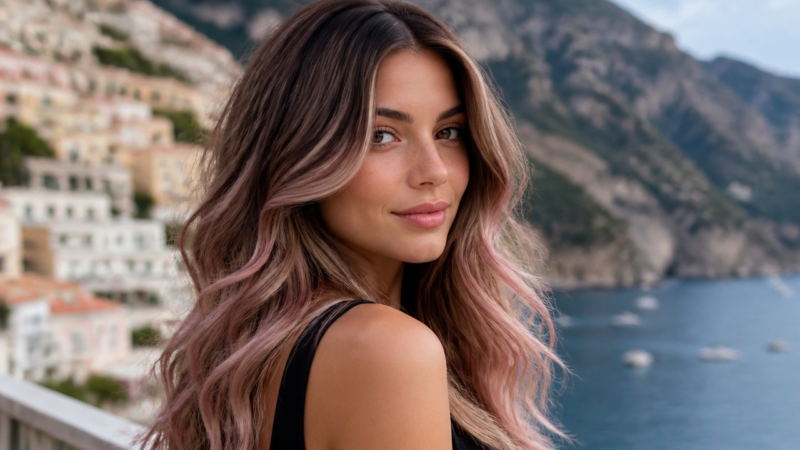

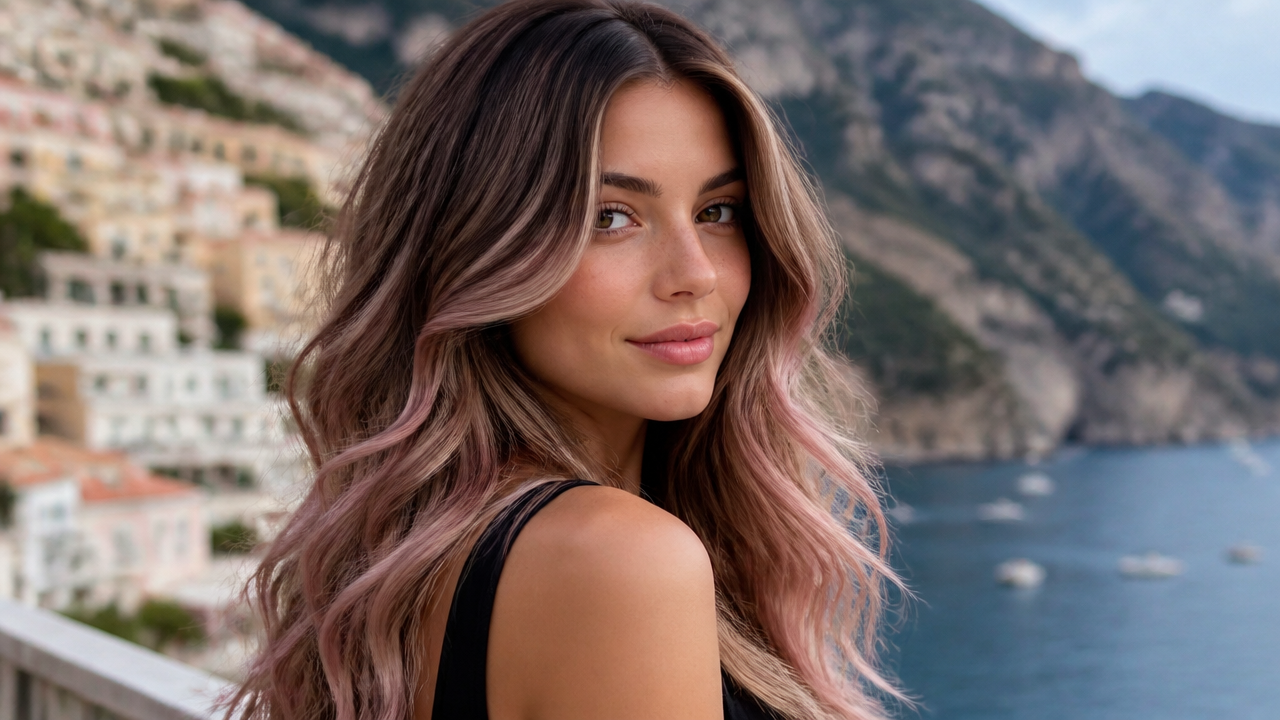
Tired of one-dimensional hair color? Neapolitan hair combines three coordinated shades inspired by classic ice cream—chocolate brown, vanilla blonde, and strawberry pink—into one eye-catching look that works whether you’re planning a bold summer transformation or a winter refresh. The trend lets you play with dimension and personality without committing to a single hue. Whether you’re a DIY enthusiast or just curious about the process, this guide walks you through everything you need to know to pull off Neapolitan hair at home successfully.
Quick Questions and Answers
Question: What hair colors make up Neapolitan hair? Neapolitan hair combines three coordinated colors inspired by Neapolitan ice cream: chocolate brown, vanilla blonde, and strawberry pink. These tones create a dimensional look with distinct stripes or blended sections depending on the style chosen.
Question: Why is Neapolitan hair called Neapolitan? The trend is named after classic Neapolitan ice cream, which features distinct layers of chocolate, vanilla, and strawberry. The hair color mimics these three distinct flavors layered together to create a cohesive, playful look.
Question: Can you do Neapolitan hair on dark hair? Yes, but you typically need to bleach sections to achieve the blonde and pink tones since they require lighter bases. A brown base with lifted blonde ribbons and pink underlayers is a wearable option that minimizes overall lifting.
What You Need
| Item | Purpose | Notes |
|---|---|---|
| Bleaching kit or powder lightener | Lifts dark hair to a light enough base for vibrant pink and cream colors | Essential if starting from dark hair; professional-grade works best |
| Semi-permanent dyes (brown, pink, cream/white) | Creates the three signature tones of the Neapolitan look | Brands like Strawberry Leopard are popular; check reviews for color hold |
| Toner (purple or ash-based) | Neutralizes brassiness from the cream or vanilla section | Prevents yellow or orange undertones after bleaching |
| Sectioning clips or hair clamps | Divides hair into three zones for precise color application | Plastic clips prevent damage better than metal |
| Applicator brush and bowl | Ensures even, controlled application of each dye | Use separate brushes for each color to avoid muddying shades |
| Plastic gloves | Protects skin from staining during the dyeing process | Double-glove if you have sensitive skin |
| Color-safe shampoo and conditioner | Preserves the three colors between washes | Sulfate-free formulas prevent premature fading |
| Deep conditioning treatment | Restores moisture after bleaching and dyeing | Critical for hair health; use weekly for first month |
Step 1: Assess Your Starting Hair and Prep for Lifting
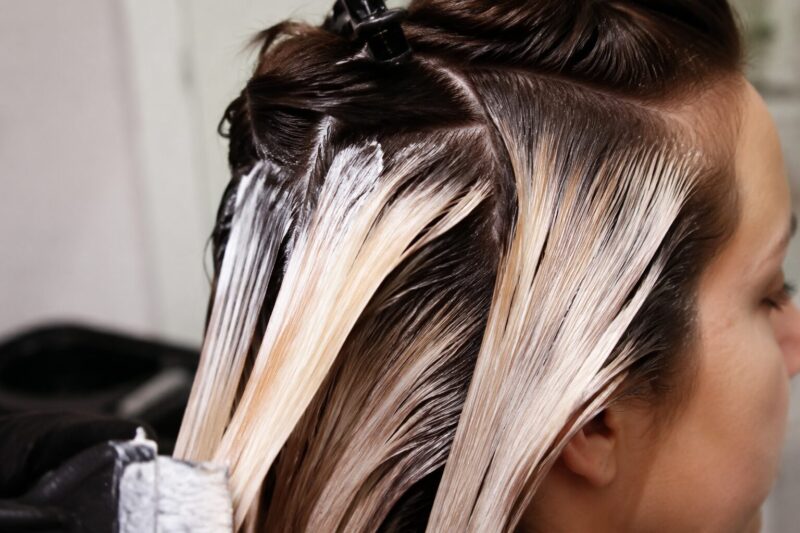
Before you touch a drop of bleach, understand where your hair is starting from. If your hair is naturally dark brown or black, you’ll need to lift it significantly to show the pink and cream colors properly. Light blonde hair requires minimal prep. Medium to dark brown hair needs one to two bleaching sessions spread across weeks to avoid damage.
Start by doing a strand test at least 48 hours before your full application. This tells you how your specific hair reacts to bleach and how long it takes to reach your target lightness. Pull a small section from underneath where it won’t show, mix your bleach according to package directions, and process for 10 to 20 minutes. Check the color, rinse, and assess the result. This single step saves you from costly corrections.
If your strand test shows uneven lifting or breakage, pause. Your hair may not be ready for the full Neapolitan treatment yet. Wait at least two weeks, deep condition heavily, and consider a professional consultation if you’re unsure.
Step 2: Bleach Your Hair Carefully in Stages
Bleaching dark hair is where most DIY Neapolitan attempts go wrong. Rushing this step leads to uneven color, breakage, or brassy tones that ruin the final look. Patience is non-negotiable.
Mix your bleach powder with developer (20 volume for most hair types; use 30 volume only if your hair is very resistant). Work section by section, starting at the roots where hair is most resistant to lift. Saturate each section from mid-length to ends, then go back to the roots for the last few minutes. Set a timer—don’t leave bleach on longer than the package recommends, typically 25 to 45 minutes depending on your hair texture and the brand.
When you rinse, use lukewarm water and a sulfate-free shampoo. The goal is to stop the bleach process without shocking your hair with cold water. After rinsing thoroughly, apply a intensive conditioning treatment and leave it on for at least 10 minutes.
Step 3: Tone Your Hair to Neutralize Brassiness
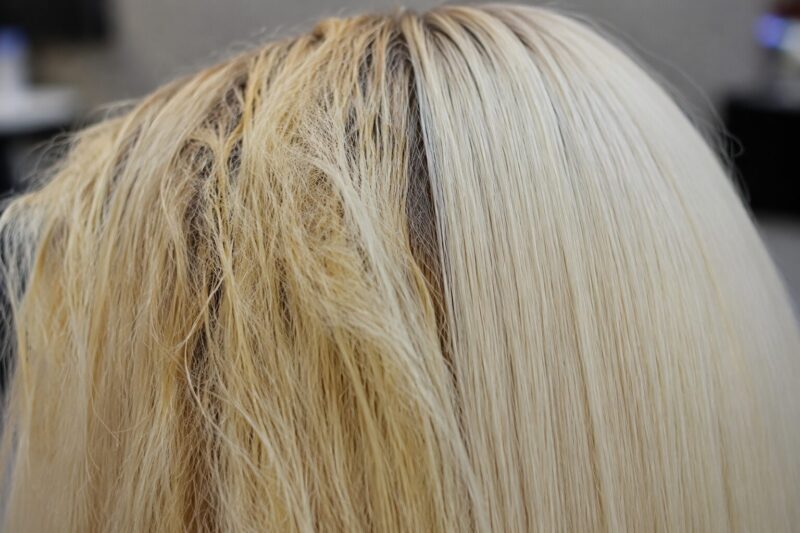
After bleaching, your hair will likely look yellow or brassy. The cream or vanilla section of your Neapolitan needs to be a cool, neutral blonde—not warm gold. This is where toner steps in.
Choose a purple or ash-based toner depending on how yellow your hair looks. Purple neutralizes yellow, while ash works better on orange tones. Mix the toner with developer (usually 10 or 20 volume), apply it to damp hair, and leave it on for 20 to 30 minutes. Check the color every 10 minutes if it’s your first time, since toner works quickly and over-processing creates an ashy, dull result.
Rinse the toner in cool water, condition deeply, and let your hair dry completely before moving to the next step. Your hair should now have a pale blonde, nearly white appearance with no yellow or orange showing through.
Step 4: Divide Your Hair Into Three Distinct Zones
Now comes the creative part—mapping out your Neapolitan zones. You have several layout options: horizontal stripes (roots to ends), vertical sections (alternating panels), or ribbon highlights (thin strands of color woven throughout). Choose the layout that excites you most.
Using sectioning clips, divide your hair into three clear zones. Most people do this: chocolate brown at the roots or bottom section, vanilla cream in the middle, and strawberry pink on the top or scattered throughout. Some people do a split-dye look with one side blonde and pink, the other chocolate brown.
Clip unused sections away firmly so they don’t overlap during application. Messy sectioning leads to color bleeding and muddy results. Take your time here—it’s the foundation for clean color placement.
Step 5: Apply the Chocolate Brown Base
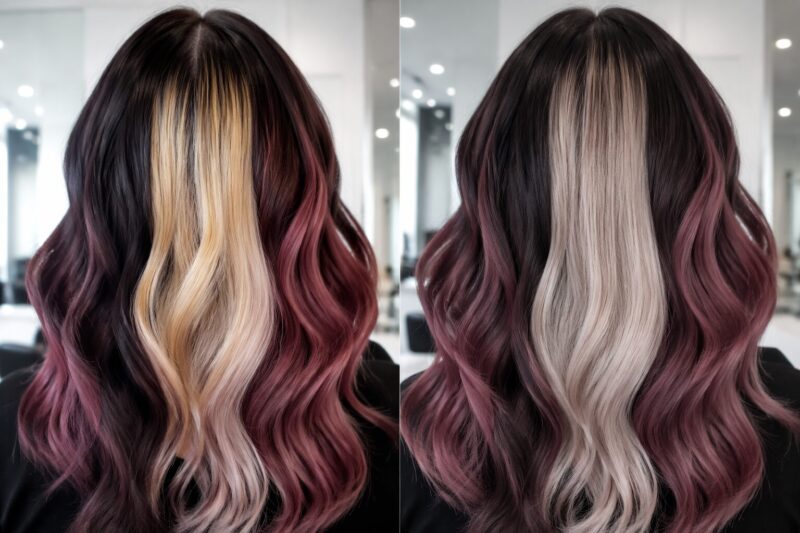
Start with the darkest color first. Chocolate brown covers a larger area and serves as the anchor for the entire look.
Mix your brown semi-permanent dye according to package directions. Using your applicator brush, work through the designated brown section thoroughly, making sure every strand is saturated. Pay special attention to the roots and any gray hairs that might resist color pickup. Work in thin subsections if needed to guarantee even coverage.
Set a timer according to the dye brand’s instructions—most semi-permanents need 20 to 40 minutes. During processing, avoid disturbing the color or moving the sectioning clips. Once time is up, rinse with cool water until the water runs clear, then condition.
Step 6: Apply the Vanilla Cream Tone
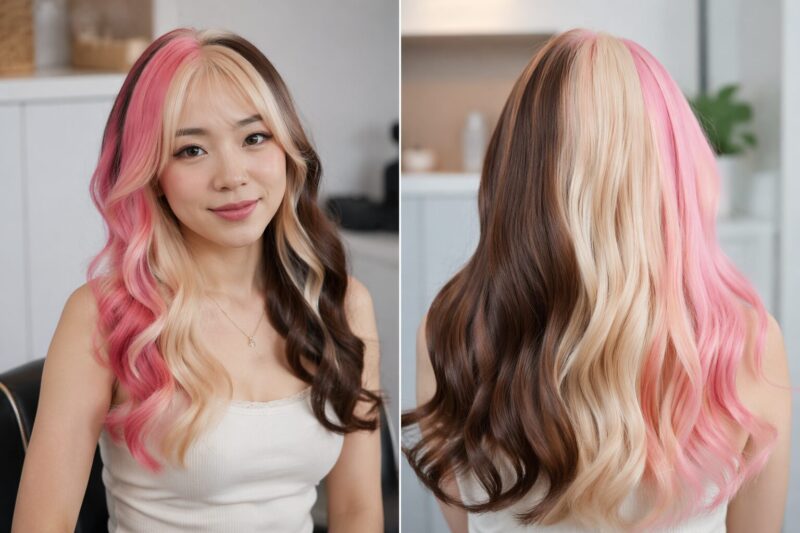
The middle section is your neutral zone. This cream or vanilla blonde must stay pristine to create contrast between the dark brown and vibrant pink.
Mix your cream or white semi-permanent dye. If you can’t find a cream shade, use a pale blonde with a silver or ash toner. Apply this carefully to the designated middle section, again ensuring full saturation. Be meticulous about your section boundaries—any brown pigment bleeding into this zone will muddy the vanilla tone.
Process for the time recommended by your dye brand. Rinse gently with cool water, then condition. Don’t over-rinse here, as semi-permanent dyes can fade faster with excessive water exposure.
Step 7: Apply the Strawberry Pink Top Note
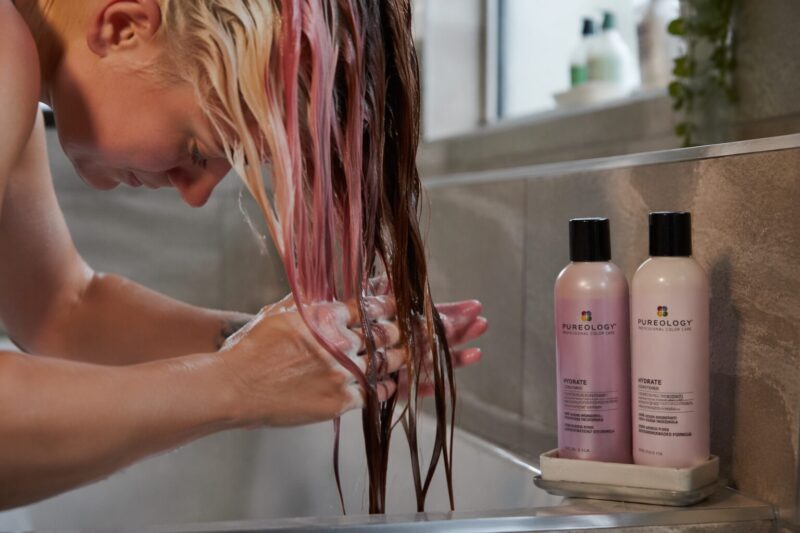
This is the statement color. Strawberry pink is what makes people stop and ask about your hair.
Mix your pink semi-permanent dye. Apply it to the designated top or accent sections with precision. If you want soft transitions between pink and the other colors, slightly overlap the edges with a blending brush. If you want sharp, clean lines, keep the pink strictly within its boundaries.
Let the pink process for the full recommended time—usually 30 to 45 minutes. Pink fades faster than brown or blonde, so don’t under-process it hoping to save the color. You want full saturation. Rinse with cool water until the rinse water is nearly clear, then deep condition.
Tips for Long-Lasting Neapolitan Hair
Washing technique matters enormously. Always use cool or lukewarm water, never hot—heat opens the hair cuticle and lets color escape. Wash your hair separately in sections if possible, rinsing the brown first, then the cream, then the pink, to prevent pigment transfer between colors.
Space out washes. Aim for no more than twice a week if you’re using semi-permanent dye. On non-wash days, use dry shampoo to extend the time between shampoos. Every extra wash you skip adds weeks to your color’s vibrancy.
Invest in color-safe, sulfate-free products. Sulfates strip color molecules from the hair shaft. This isn’t optional if you want your Neapolitan to last beyond two weeks. Your shampoo, conditioner, and any styling products should all be sulfate-free.
Deep condition weekly, especially during the first month after dyeing. Semi-permanent dye is more porous than natural hair, and moisture helps lock pigment into the cuticle. Use a heavy-duty mask or oil treatment, leave it on for 15 to 20 minutes, and rinse thoroughly.
Refresh your pink every 4 to 6 weeks. Pink fades fastest, so plan for touch-ups. Brown and cream tones hold longer, but periodic refreshes keep the look crisp and intentional.
Avoid chlorine, salt water, and excessive sun exposure. These all strip or fade semi-permanent color. Wear a swim cap if you’re going to the pool, rinse your hair after the beach, and consider a UV-protective spray if you spend lots of time outdoors.
Common Mistakes to Avoid
Over-processing with bleach is the biggest mistake. Too many sessions or leaving bleach on too long causes breakage, texture damage, and hair that refuses to hold color. If you’re unsure, stop and consult a professional. A $200 correction at a salon is cheaper than years of damaged hair.
Skipping the patch test sounds obvious, but people skip it constantly. Brands like Strawberry Leopard work beautifully for some hair types and not at all for others. Your hair’s porosity matters. Test first.
Rushing the rinsing process leads to color bleeding. Rinse each color thoroughly in cool water before moving to the next section. Lingering dye pigment in one zone contaminates the others.
Using the wrong developer with bleach is costly. 20 volume is standard; 30 volume lifts faster but damages hair more. Stick with what the bleach instructions recommend unless a professional tells you otherwise.
Ignoring brassiness in the cream section ruins the whole look. A slightly brassy vanilla tone makes the entire Neapolitan appear muddy and unfinished. Use toner generously and don’t skip this step even if you’re in a hurry.
Troubleshooting Common Hair Color Issues
If the cream section looks brassy or yellow after toning, apply another pass of purple-based toner. Leave it on for slightly less time than the first application to avoid over-toning into an ashy gray.
If the pink fades to a weird salmon or orange within a week, your hair likely has low porosity and didn’t absorb the dye fully. Use a clarifying treatment to open the cuticle, then reapply the pink dye while your hair is still damp. Damp hair absorbs color better than completely dry hair.
If the color is patchy or uneven, the issue is usually under-saturation during application. Reapply the semi-permanent dye to thin or pale areas only, leaving already-colored sections alone. Make sure your hair is completely dry before reapplying, and use a fresh brush for clean application.
If the dye isn’t holding at all across all three sections, your hair may have buildup from previous products. Use a clarifying shampoo before your next color appointment, then apply toner to the cream section and semi-permanent dyes to the brown and pink zones. Buildup prevents color molecules from binding to the hair.
If the brown or pink is turning green or blue instead of the intended color, you likely didn’t fill your hair with proper base color before applying the fashion color. This is advanced troubleshooting—if this happens, consult a professional colorist before attempting another DIY session.
FAQ
Q: Are there different styles of Neapolitan hair?
Popular styles include bold block sections with clear boundaries between brown, cream, and pink, and peekaboo pink with a brown base where the pink only shows when hair is moved or curled. Ribbon highlights woven throughout the hair create a subtler effect, while a split-dye look with one side blonde and pink and the other brown offers maximum editorial impact.
Q: How do you keep Neapolitan hair color vibrant?
Washing with cooler water helps prevent the color from fading faster, as hot water can strip the pink and blonde tones. Using semi-permanent color and ensuring proper hydration after bleaching is critical since dry hair absorbs color unevenly and fades quicker. Deep conditioning weekly locks pigment into the cuticle.
Q: What is soft Neapolitan hair color?
Soft Neapolitan uses pastel pink, cream blonde, and light caramel brown for a more subtle, wearable interpretation of the trend. The muted tones create elegance while still maintaining the tri-color effect without maximum intensity, making it suitable for professional or conservative settings.
Q: Does Neapolitan hair work for curly hair?
Yes, Neapolitan hair adapts beautifully to curly textures, especially with ribbon highlights or chunky panels that pop when hair is waved or curled. The multi-dimensional color scheme creates movement and visual rhythm that enhances curl definition and texture naturally.
Q: Will Neapolitan hair fade to a weird color?
If you skip filling the hair with orange or red before applying dark brown, the brown can look gray, green, or blue instead of rich chocolate. Proper tone filling ensures the dark color stays true and doesn’t mix weirdly with the pink or blonde sections.
Q: What is vivid Neapolitan hair color?
Vivid Neapolitan features hot pink, platinum blonde, and deep chocolate brown to create maximum contrast and drama. This bold version makes the strongest statement and showcases all three colors prominently for high-impact color lovers who want heads to turn.
Q: Can you change the pink to blue in Neapolitan hair?
Yes, one variation of the trend replaces the strawberry pink with blue instead, creating a different color palette while keeping the tricolor concept intact. This allows for creative twists—like chocolate, cream, and navy—while maintaining the consistent brown, blonde, and new color structure.
Latest Updates
Neapolitan hair continues to trend on social media platforms, with creators sharing DIY applications and salon results throughout 2024 and 2025. The trend has evolved to include soft pastel variations, vivid high-contrast versions, and creative color swaps like blue replacing pink. Semi-permanent dye technology has also improved, with newer formulas offering better color hold and less damage to bleached hair. Many people now layer multiple semi-permanent brands to extend vibrancy—applying a base layer of one brand, then a second layer of a different brand for richer pigmentation.
My Experience With How to Achieve Neapolitan Hair Color Like a Pro
I’ve done this at home twice, and I’ll be honest—the first attempt was messier than I expected. The brown applied unevenly because I didn’t section carefully enough, and the pink bled into the cream zone during rinsing. But that failure taught me the exact reason precision matters: once pigment mingles, you can’t separate it again. The second time, I took three hours just on sectioning and rinsing. That patience paid off. The colors stayed distinct, vibrant, and turned heads for a solid six weeks before the pink started fading (which is normal).
The biggest insight I’ve learned is that the cream section is the silent workhorse of this look. Get that vanilla or blonde perfectly neutral and cool-toned, and the entire Neapolitan pops. Neglect it—leave it even slightly brassy—and the whole thing looks muddled. I also discovered that pink is a commitment, not a permanent fixture. It fades faster than the brown or blonde, so mentally prepare for touch-ups every month if you want maximum vibrancy.
One unexpected win: my curly hair actually looked better with Neapolitan than with a single color. The three tones add so much dimension to texture that curls read richer and more intentional. Would you try Neapolitan, and if so, which zone would be your focus—the bold pink, the neutral cream, or the grounding brown?
Conclusion
Achieving Neapolitan hair at home is absolutely doable if you respect the process and avoid rushing. Bleaching carefully, sectioning precisely, and using quality semi-permanent dyes create results that rival salon work. The real maintenance challenge isn’t application—it’s keeping the colors separate and vibrant through smart washing and weekly deep conditioning. If you’re considering how to draw Deltarune characters or exploring other creative pursuits, know that Neapolitan hair pairs beautifully with bold, artistic expression and personality-forward styling.
Start small if you’re nervous. Do a strand test, bleach one section first, tone carefully, and only then commit to the full three-color transformation. Your hair will thank you, and the results will be worth every careful minute you invest. The Neapolitan trend isn’t going anywhere, and with the right tools and patience, you can absolutely nail this look.
References
- TikTok. (2024, n.d.). Neapolitan hair dye tutorial. https://www.tiktok.com/discover/neapolitan-hair-dye-tutorial?lang=en
- TikTok. (2024, n.d.). How to do Neapolitan hair at home. https://www.tiktok.com/discover/how-to-do-neapolitan-hair-at-home?lang=en
- TikTok. (2024, n.d.). Neapolitan hair color ideas and tutorials. https://www.tiktok.com/discover/neapolitan-hair-dye?lang=en
- Reddit. (2024, December 6). A tutorial for this? r/HairDye. https://www.reddit.com/r/HairDye/comments/1kpv060/a_tutorial_for_this/
- Instagram. (2024, n.d.). Neapolitan hair dye tutorial. https://www.instagram.com/popular/neapolitan-hair-dye-tutorial/

A Teacher with 5 years of experience. Our Expertise, is reliable to meet your full Academic development needs . Worked on many crafts and construction projects offering services from design to development to deployment over the years. You will find many of my works in my business portfolio on request.