Starting to paint can feel overwhelming – I remember standing in the art supply store, staring at hundreds of paint tubes and feeling completely paralyzed. What colors do I need? What should I paint first? Will I waste expensive supplies on terrible attempts? After years of painting and teaching beginners, I’ve discovered that the secret isn’t having the perfect supplies or advanced techniques – it’s starting with subjects that set you up for success.
These 16 painting ideas are specifically chosen because they’re forgiving, require minimal color mixing, and produce satisfying results even for complete beginners. I’ve watched countless first-time painters gain confidence with these subjects, and I guarantee you’ll surprise yourself with what you can create.
Sky Paintings: Your Gateway to Success
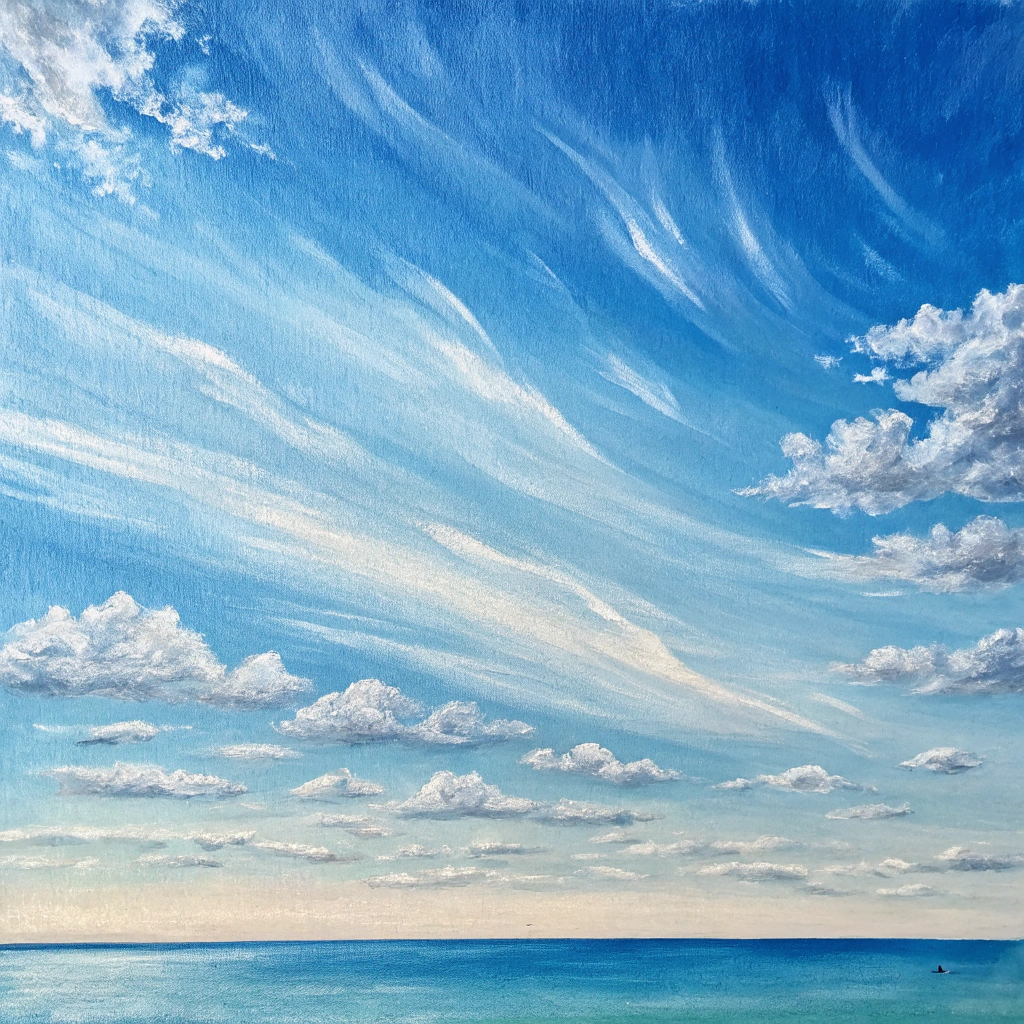
1. Simple Sky Gradients: Start with the most forgiving subject of all – a basic sky. Mix white with a tiny bit of blue for the top, gradually adding more white as you work downward. The beauty of clouds is that they’re never perfectly shaped, so any imperfections look natural. I always tell beginners: “Clouds don’t have rules, so you can’t mess them up!”
2. Sunset Silhouettes: Paint horizontal bands of color from yellow at the horizon through orange, pink, and finally deep purple at the top. While the paint is still wet, use pure black to paint simple tree or mountain silhouettes along the bottom. The dramatic contrast makes even the simplest shapes look sophisticated.
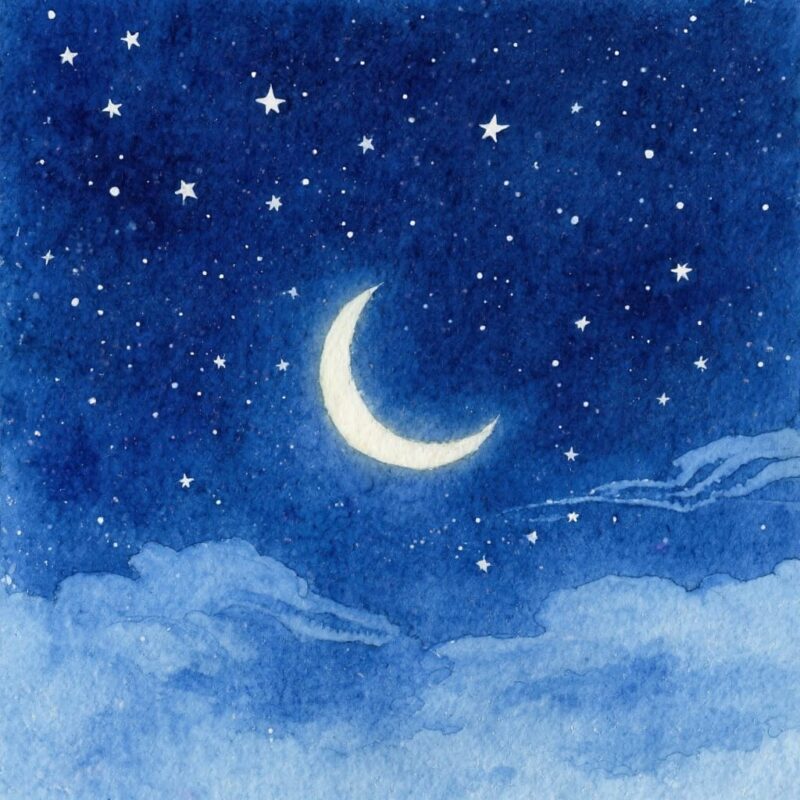
3. Starry Night Sky: Paint your canvas dark blue or black, then use the end of a small brush to dab white paint for stars. Add a simple crescent moon and maybe some wispy clouds. This project teaches you that sometimes the most effective paintings are also the simplest.
Water Scenes: Surprisingly Simple
4. Ocean Horizon: Paint the top two-thirds of your canvas in sky colors, the bottom third in blue-green for water. Add white horizontal strokes for waves and maybe a simple sailboat silhouette. The horizontal format makes this incredibly calming to paint and look at.
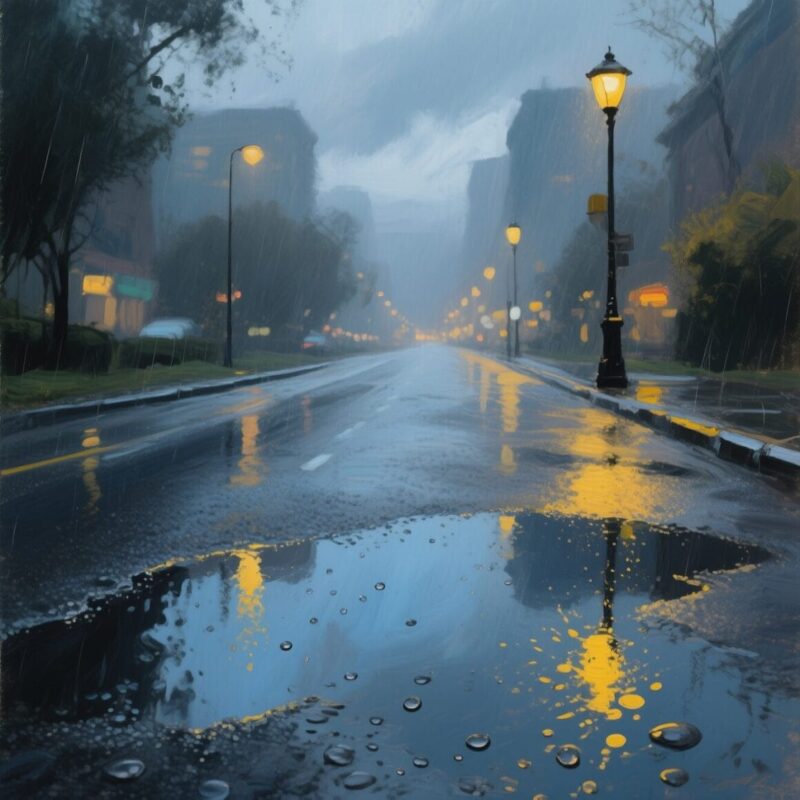
5. Rainy Day Puddles: I love teaching this one because it shows how mood can be created with color. Use gray blues throughout, then add darker reflections in your “puddles” and white streaks for rain. Simple but emotionally powerful.
Nature Made Simple
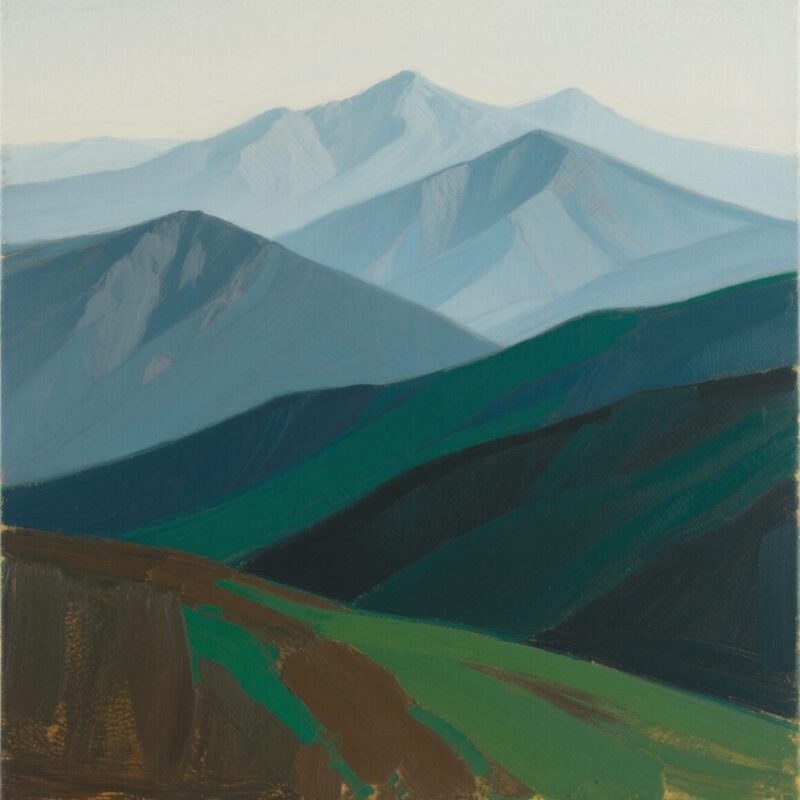
6. Basic Mountain Landscapes: Mountains are incredibly forgiving because they’re essentially just triangles! Start with light colors for distant mountains, darker colors for closer ones. This teaches the important concept of atmospheric perspective without requiring detailed drawing skills.
7. Tree Silhouettes: Paint a colorful sky first, then use black paint to create simple tree shapes. Don’t worry about individual leaves – just focus on the overall shape. The contrast between the detailed sky and simple silhouette is very striking.
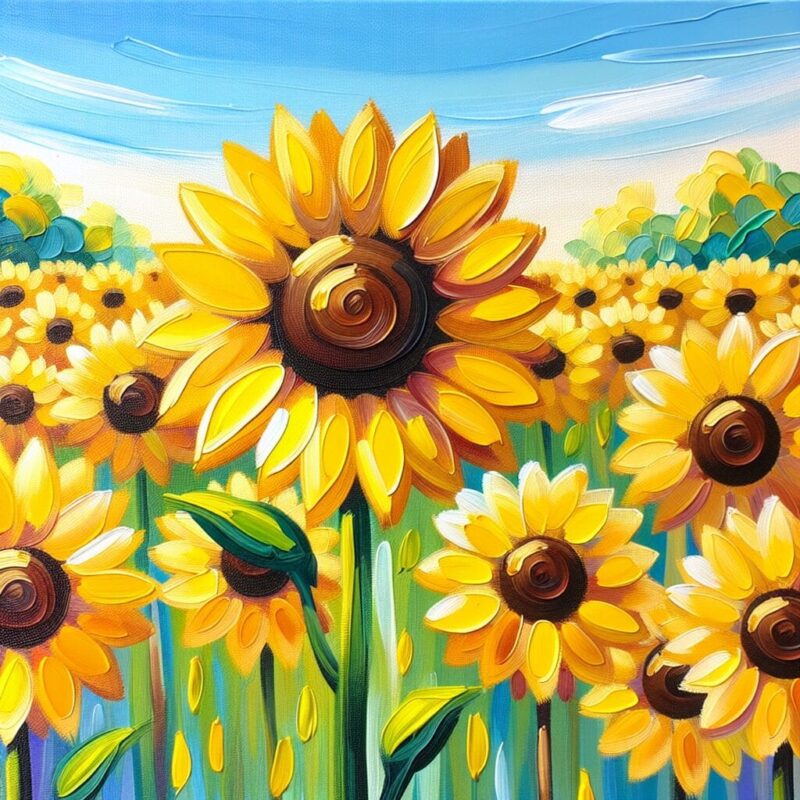
8. Sunflower Fields: Yellow circles with brown centers, green stems, blue sky – it doesn’t get much simpler! This project teaches basic color mixing and composition while creating something undeniably cheerful.
Animals That Build Confidence
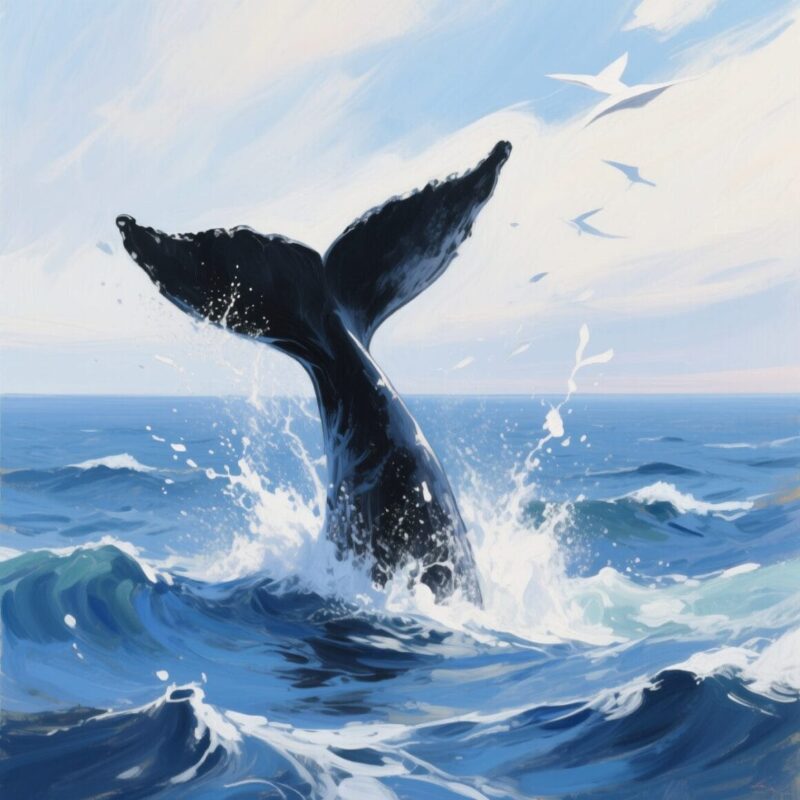
9. Whale Tails: Paint a simple ocean scene, then add a black whale tail breaking the surface. Maybe add some water spray in white. This subject is recognizable with just a few simple shapes, making beginners feel accomplished.
10. Colorful Fish: Oval bodies in bright colors, simple fins, dots for eyes. Paint them against a blue background and you’ve got an underwater scene. Kids especially love this one, and adults are surprised by how effective simple shapes can be.
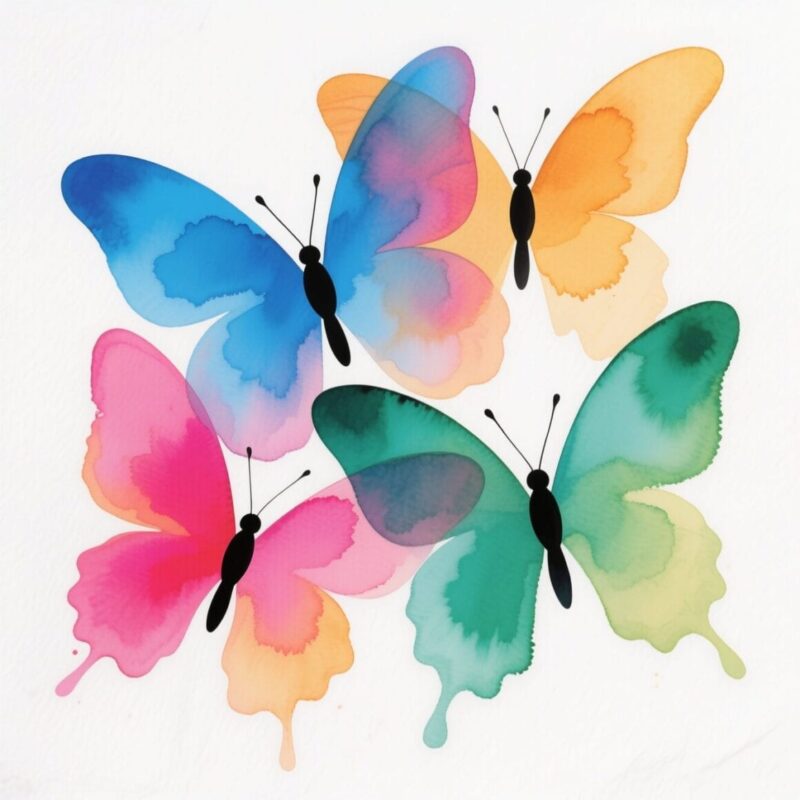
11. Butterfly Abstracts: Don’t worry about realistic butterflies – just paint colorful wing shapes and add simple bodies. Let the colors blend wet-into-wet for beautiful, unpredictable effects.
Objects and Still Life
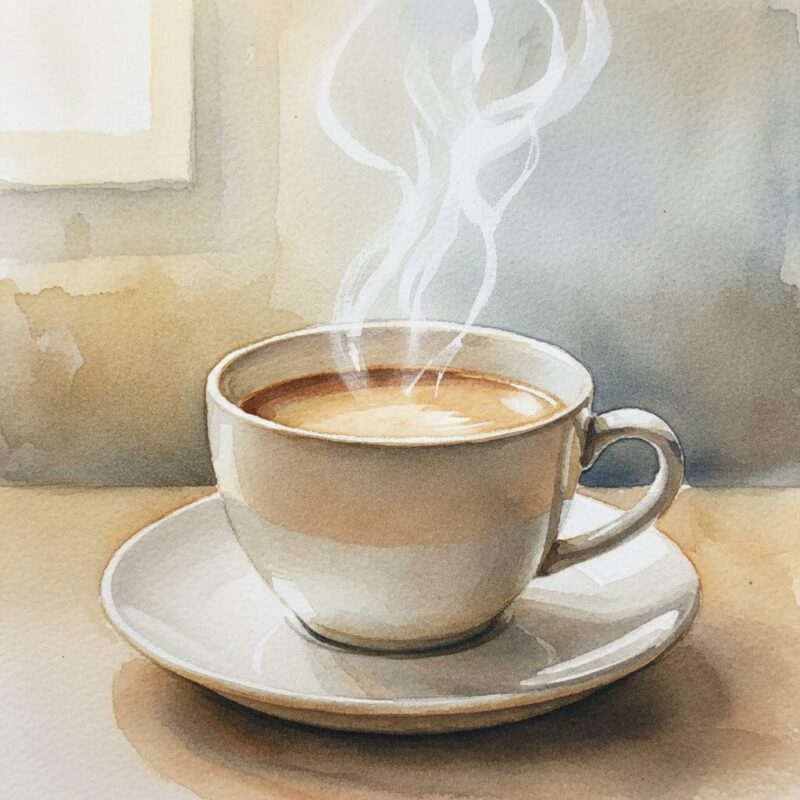
12. Coffee Cup Steam: Paint a simple cup shape, add steam swirls in white or light gray, maybe include a simple saucer. This teaches basic shading and highlights while depicting something familiar and comforting.
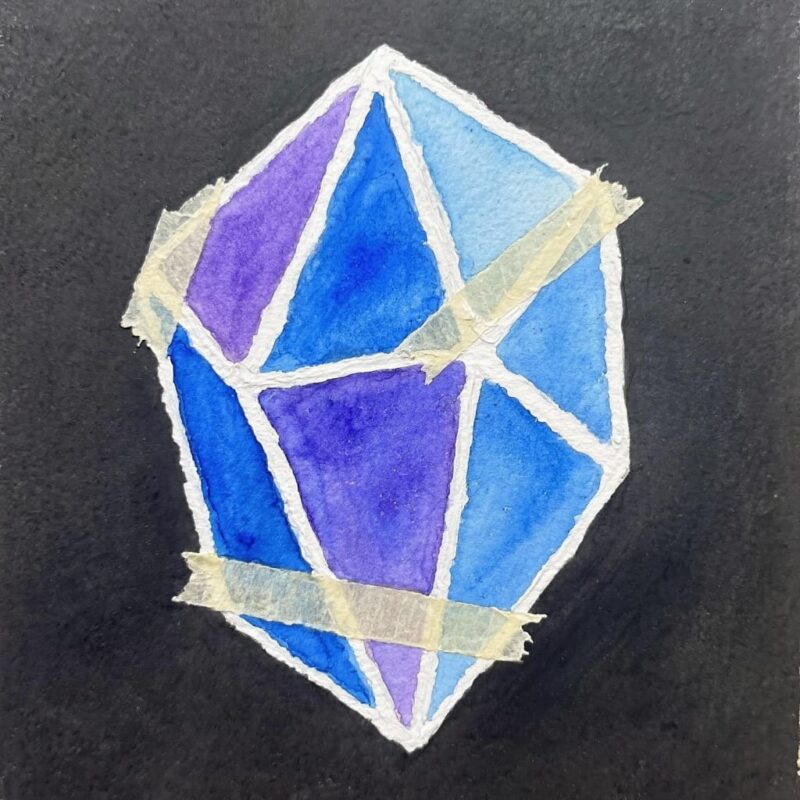
13. Geometric Crystals: Use masking tape to create angular crystal shapes, then paint each facet a different shade of the same color family. Remove the tape for crisp, professional-looking edges. This project makes beginners feel like pros!
14. Simple House Scenes: Basic geometric shapes – triangles for roofs, rectangles for walls, squares for windows. Add a simple landscape and sky. This combines multiple basic skills while creating something recognizable and satisfying.
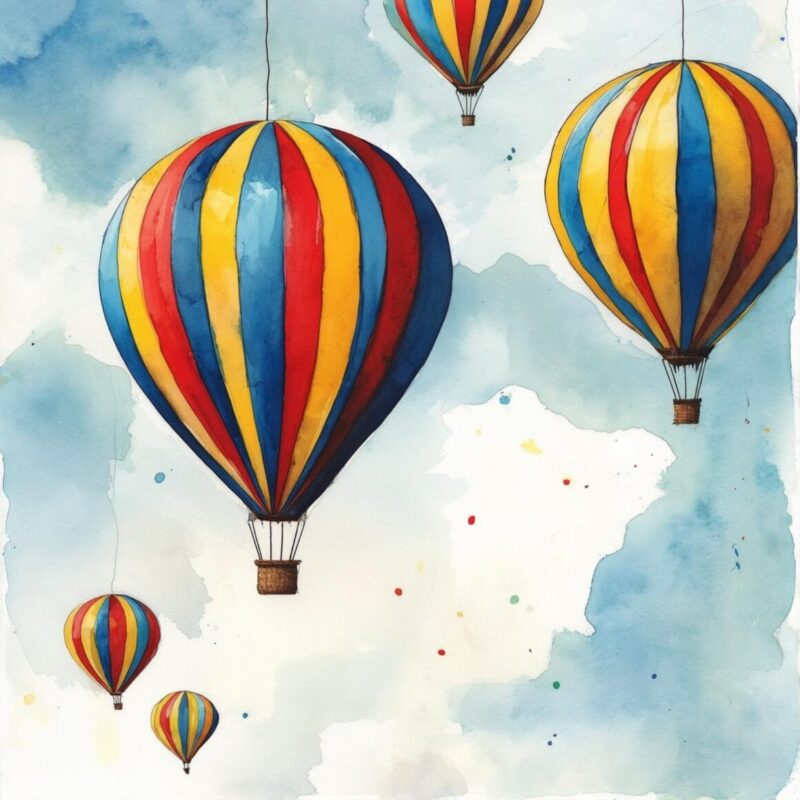
15. Hot Air Balloons: Circles and ovals in bright stripes, simple baskets underneath, painted against a cloudy sky. The repetitive stripe pattern is meditative to paint, and the result is always cheerful and impressive.
Setting Yourself Up for Success
Start with a limited palette: For beginners, I recommend just six colors: Titanium White, Ivory Black, Ultramarine Blue, Cadmium Red, Cadmium Yellow, and Burnt Umber. You can mix dozens of colors from these basics without overwhelming yourself.
Choose the right canvas size: Start with 8×10 or 9×12 canvases. They’re large enough to work comfortably but small enough to finish in one session, which is important for maintaining motivation.
Embrace imperfection: The goal isn’t photorealism – it’s learning to see color, practice brush control, and build confidence. Some of my favorite paintings are the “imperfect” ones with visible brushstrokes and unexpected color combinations.
Practical Beginner Tips
Paint backgrounds first: Always work from background to foreground. It’s much easier to paint a tree over a sky than to paint sky around detailed leaves.
Mix more paint than you think you need: Nothing’s more frustrating than running out of a mixed color halfway through a section. Mix generous amounts and save leftover paint on plastic wrap for touch-ups.
Clean brushes between colors: This seems obvious, but beginners often forget and end up with muddy colors. Keep two water containers – one for washing, one with clean water.
Take breaks: Step back every 15-20 minutes to see your painting with fresh eyes. You’ll often notice successful areas you hadn’t appreciated and problems that are easy to fix.
Building on Success
Once you’ve completed several of these projects, you’ll start noticing patterns in what you enjoy painting and what techniques come naturally to you. Maybe you love painting skies and want to explore more complex cloud formations. Perhaps you discover a talent for simple shapes and want to try more geometric compositions.
The key is to celebrate these early successes and use them as stepping stones. Each painting teaches you something new about how paint behaves, how colors interact, and how to control your brush. Don’t worry about developing a “style” – that comes naturally as you paint more.
Your Painting Journey Starts Now
Remember, every accomplished artist started exactly where you are now. The difference between someone who becomes a painter and someone who gives up isn’t talent – it’s persistence and the willingness to start with simple subjects that build confidence.
Pick one of these ideas that appeals to you, gather your supplies, and just begin. Don’t overthink it, don’t worry about the outcome, just enjoy the process of putting paint on canvas. I promise you’ll surprise yourself with what you can create, and more importantly, you’ll discover the pure joy of making art with your own hands.
A Teacher with 5 years of experience. Our Expertise, is reliable to meet your full Academic development needs . Worked on many crafts and construction projects offering services from design to development to deployment over the years. You will find many of my works in my business portfolio on request.