Improve your pony illustrations with these 12 proven pose references. Master anatomy, dynamic gaits, and stylistic techniques to elevate your character art
What makes a truly great pony pose stand out from every other reference you have tried? Whether you are sketching for a seasonal holiday card or building a character portfolio, the right posture communicates personality and energy instantly. Professional illustrators often rely on proven pony poses to maintain anatomical consistency while experimenting with new expressions. Pony art benefits from a blend of clear structure and fluid motion, ensuring your work remains both believable and engaging throughout the year. Mastering the basics of pony anatomy allows you to branch out into complex, artistic character designs with confidence. Let’s look at how you can sharpen your craft starting right now.
Quick Questions and Answers
Question: Why should artists use pony pose references for their art?
Answer: Pony pose references provide straight-from-the-show, inked examples that save artists time and improve accuracy. They help study anatomy and movement specific to pony characters, making drawings more dynamic and believable for fan art or original work.
Question: Can I find free pony pose references online for drawing?
Answer: Yes, free pony pose references are available on platforms like DeviantArt, where artists share study pieces and pose sheets. These resources are often created by fans for convenience and can be used to practice drawing ponies in various actions and expressions.
Question: Do pony pose references include characters from the show?
Answer: Many pony pose references feature characters straight from the show, inked and ready for study. Artists like Ihmislehma create these references to capture authentic poses and expressions, helping others replicate the show’s style accurately in their own artwork.
Anatomy-Based Poses for Beginners
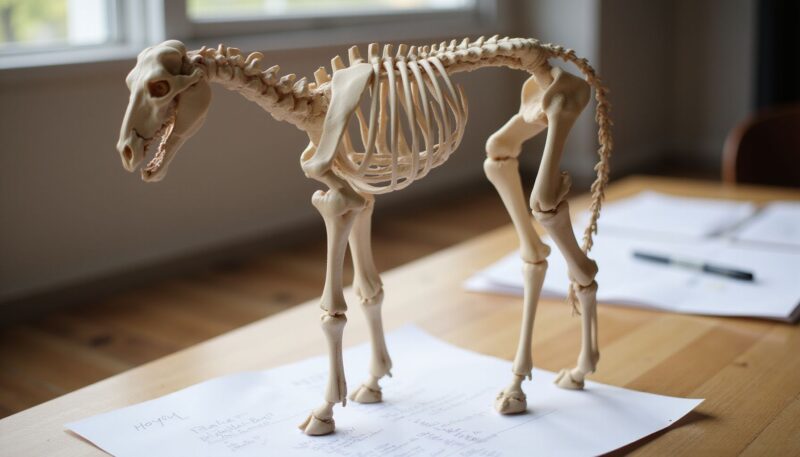
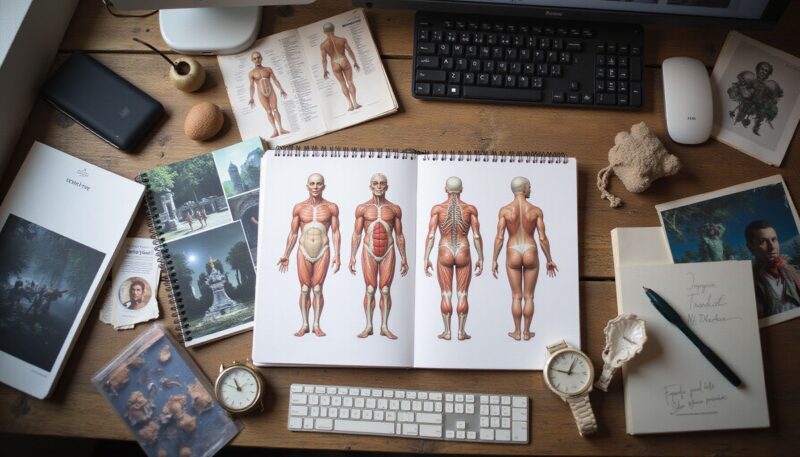
Building a solid foundation in pony anatomy requires you to abandon the idea of perfectly straight limbs. According to MLPDS Art, you should overlay a skeleton on show references to see that, in reality, pony legs are always slightly bent at the joints. This subtle curve prevents the drawing from appearing overly stiff and lifeless.
Pay close attention to the specific distance between the hip, knee, and hock. When you sketch these areas accurately, your proportions will look more natural and grounded. I suggest starting with simple, idle standing stances before you attempt to draw any complex action. Establishing these core shapes early on makes your future drawings of characters much easier to manage.
Dynamic Gait References
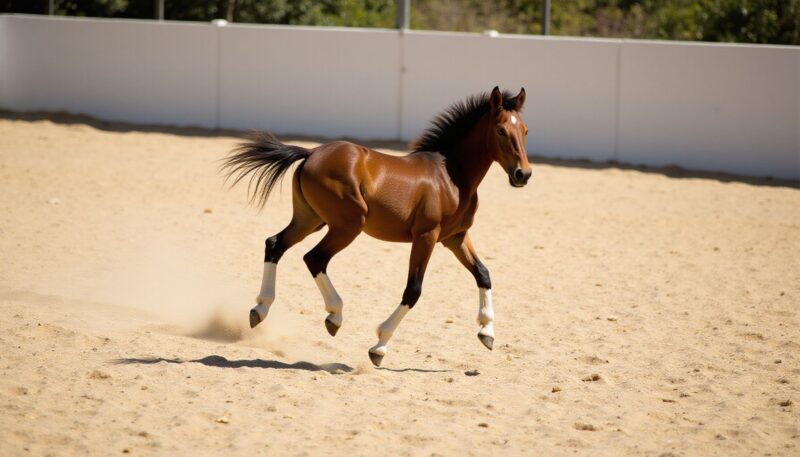
Capturing the energy of a running pony relies on understanding weight distribution at every phase of the stride. You should study the walk cycle carefully to see how the weight shifts between the front and back legs as the animal moves across the frame.
The trot is a distinct sequence where the pony diagonally lifts opposing legs, creating a rhythmic pattern. If you want to convey speed, look at gallop poses. These usually feature an exaggerated arching of the spine and a full extension of the limbs. Much like seeing golden flowers in fanart, understanding the focal point of a dynamic pose ensures your audience stays focused on the movement.
Stylistic MLP and Pegasus Poses
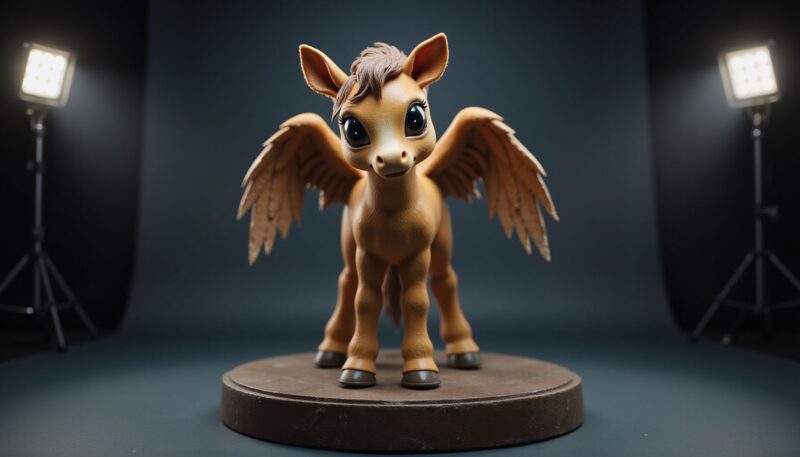
Pegasus anatomy involves specific wing mechanics that define their silhouette. Often, these poses require dramatic aerial flight arcs or half-folded display positions to look authentic. You can observe how these wings attach to the torso to gain better control over your flight-based sketches.
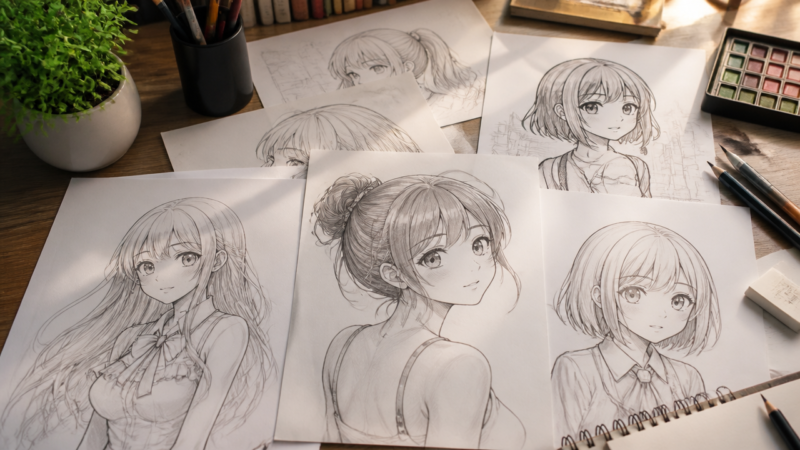
Character-specific emotions, such as looking annoyed or feeling excited, add depth to otherwise generic base poses. If you are aiming for that classic aesthetic, focus on round heads and large, expressive eyes. These proportions are a trademark of many popular anime-style character drawings, and they apply beautifully to the pony style.
Comparison of Reference Tools
Option
Feature
Best For
Notes
Static Sketches
Quick visual cues
Inspiration
Highly accessible on Pinterest
3D Models
Camera rotation
Precise angles
Perfect for foreshortening
Screen-Cap Overlays
Show accuracy
Anatomy study
Maintains original aesthetic
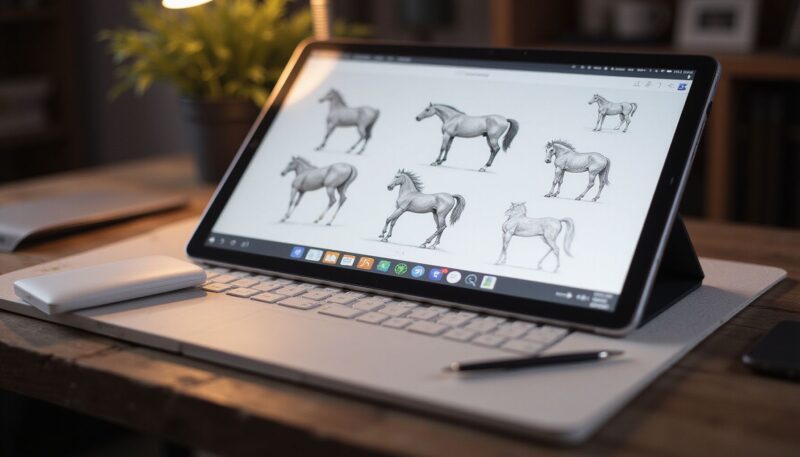
As PoseMy.Art highlights, using diverse tools allows you to tackle challenging angles that are otherwise hard to visualize. Interactive 3D models are particularly useful if you need to adjust lighting or camera perspective mid-project.
Ethical Usage and Crediting
You must always distinguish between a professional reference and a publicly shared base. If an artist explicitly labels their art as a base, they usually permit you to remix it, provided you give them credit in your final post.
Respecting these boundaries keeps the artist community healthy. If you are unsure whether a piece is intended for public use, use it strictly for your own personal anatomical study instead of posting an edit. Building your own library of poses through honest practice is far more rewarding than tracing existing work.
How to Select the Right Reference for Your Project
Start by identifying the narrative goal of your piece. Is the character participating in a high-speed race, or are they simply introducing themselves to the viewer? Action shots require more aggressive spine curvature, while idle poses rely on subtle weight shifts and natural ear positions.
Assess your current skill level before picking a reference. Beginners often struggle with foreshortening, so starting with side-profile standing poses is a smart move. Look for high-resolution images that clearly show how the muscles connect to the limbs. Clear images prevent you from guessing the structure of the leg joints.
Frequently Asked Questions
Q: Should I prioritize 3D models or hand-drawn sketches for practice?
3D models are the clear winners for technical accuracy, as they allow you to rotate the pose to see every side of the anatomy. Hand-drawn sketches often win for specific stylistic nuances, as they show you how a professional artist simplified the forms. Use 3D tools to learn the structure and sketches to learn the style.
Q: How do I make my pony art look more dynamic?
Focus on the curve of the spine and the full extension of limbs during gait cycles to create a sense of motion. Static poses look more alive when you introduce a subtle lean in the posture or a turn in the neck. Avoiding straight, vertical lines for the legs is the most vital step toward achieving a fluid, organic look.
Q: Where can I find pose references safely?
Pinterest is a goldmine for pony references, often hosting curated folders that categorize poses by gait or emotion. ArtStation and dedicated sites like PoseMy.Art provide high-quality, professional resources that are safe to use for your studies. Always ensure you are checking the user’s specific guidelines for usage before you incorporate them into a public project.
Final Recommendations for Your Pony Library
Creating a folder of references categorized by view is essential for a productive workflow. Ensure you have front-facing, back-facing, and full-side-profile gait references. These three views cover the most common angles you will encounter.
Establish a daily routine where you alternate between technical anatomy studies and a short, timed session of drawing from your imagination. This balance keeps your skills sharp while allowing for personal growth. Reviewing your old work alongside your latest attempts will clearly show the progress you make over time.
My Experience With 12 Proven Pony Poses to Reference for Your Art
I remember when I first started drawing ponies, I fought with the legs constantly. I used to draw them like pencils, completely straight, which made the characters look like they were made of stiff cardboard. The moment I finally looked at an actual screen capture and traced a quick skeleton over it, it clicked. Those joints are not just decoration; they are the engine of the drawing.
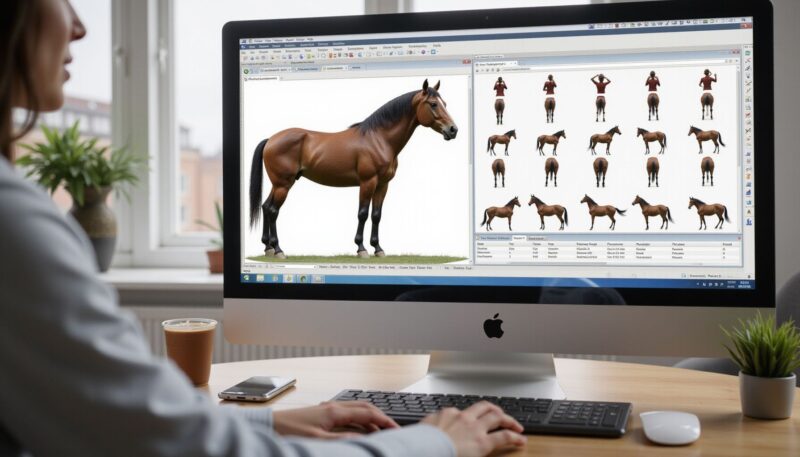
I have found that rotating between 3D software and traditional sketch galleries is the best way to keep my work fresh. If I feel stuck on a tricky gallop angle, I jump into a 3D model to see where the light hits the muscles. It’s a bit of a process, sure, but it beats staring at a blank page. The most expert insight I can offer is to stop trying to make every line perfect. Focus on the flow of the silhouette first, then refine the details. It saves so much time. Do you have a favorite pose that you always fall back on when you are sketching, or are you currently trying to master something new?
A Teacher with 5 years of experience. Our Expertise, is reliable to meet your full Academic development needs . Worked on many crafts and construction projects offering services from design to development to deployment over the years. You will find many of my works in my business portfolio on request.