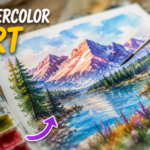
If you’re just starting your painting journey, I want you to know that you’ve made an amazing choice. There’s something incredibly therapeutic and rewarding about putting brush to canvas, and I’m here to guide you through some fantastic beginner-friendly projects that will build your confidence and skills.
Let me share 14 painting ideas that I’ve personally found perfect for newcomers to the world of painting. These projects are designed to be achievable while still being incredibly satisfying to create.
1. Simple Sunset Silhouettes
I always recommend starting with sunset paintings because they’re forgiving and absolutely stunning. Begin with a gradient background using warm colors – oranges, pinks, and purples blended from top to bottom. Once dry, paint simple black silhouettes in the foreground. Think bare trees, mountains, or city skylines. The beauty lies in the simplicity, and trust me, everyone will be impressed with your “masterpiece.”
2. Abstract Color Blocks
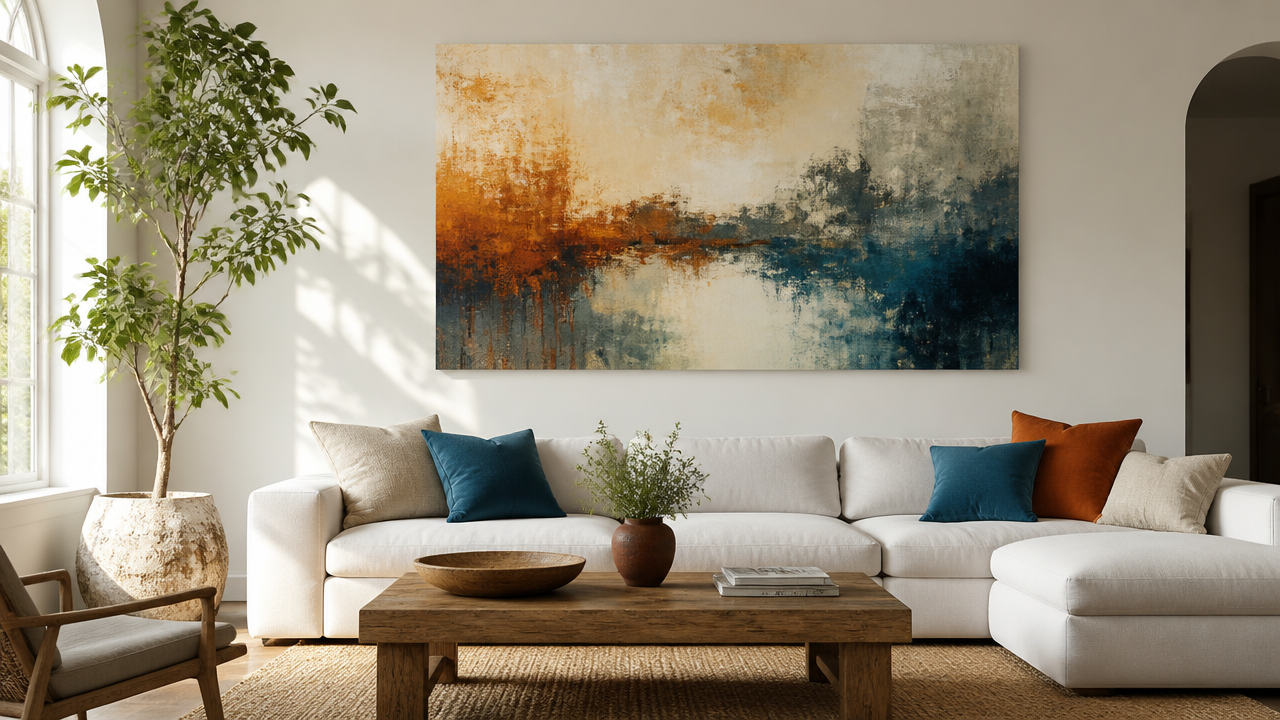
Don’t underestimate the power of abstract art! I love suggesting this to beginners because there’s no “wrong” way to do it. Choose 3-4 colors that speak to you and create geometric shapes or organic forms. Layer them, blend them, or keep them separate. This exercise teaches you about color relationships and brush control without the pressure of creating something representational.
3. Single Flower Studies
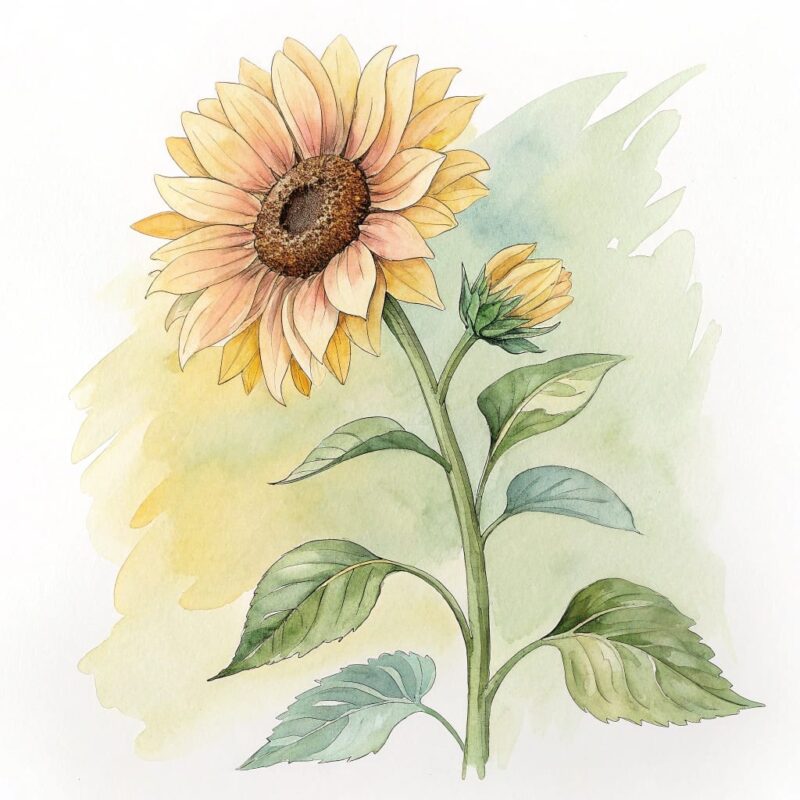
Pick one flower – a sunflower, daisy, or rose – and make it your focus. I find that concentrating on a single subject helps beginners really observe shapes, colors, and details. Start with basic shapes and gradually add layers of detail. Don’t worry about perfection; focus on capturing the essence of your chosen bloom.
4. Cloudy Sky Landscapes
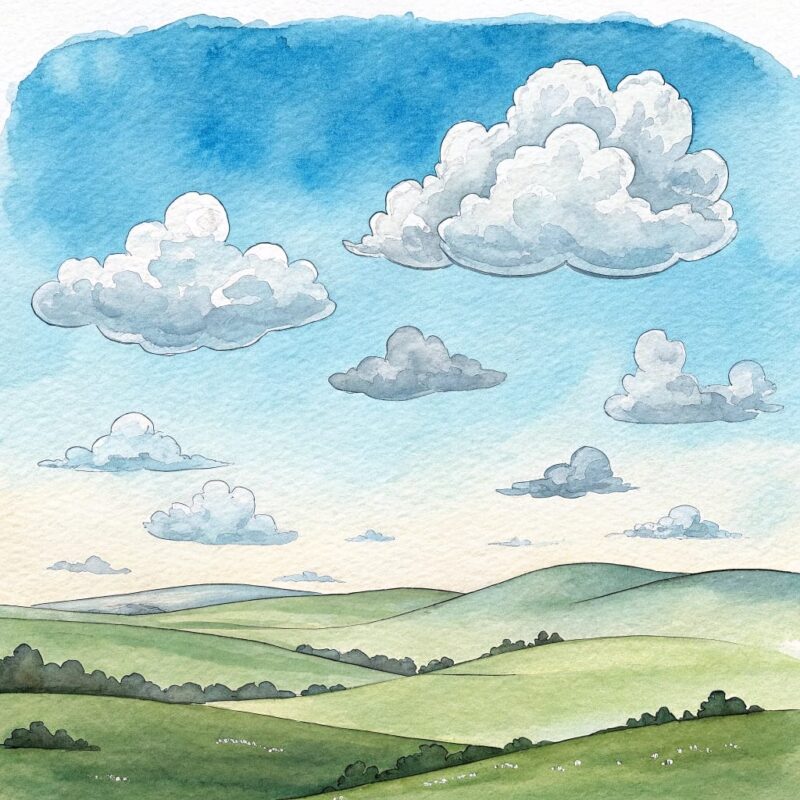
Clouds are incredibly forgiving subjects, which is why I recommend them often. Start with a simple blue background and use white and gray to create fluffy cloud formations. You can add a simple horizon line with green fields or rolling hills below. The key is to keep your clouds soft and varied in size.
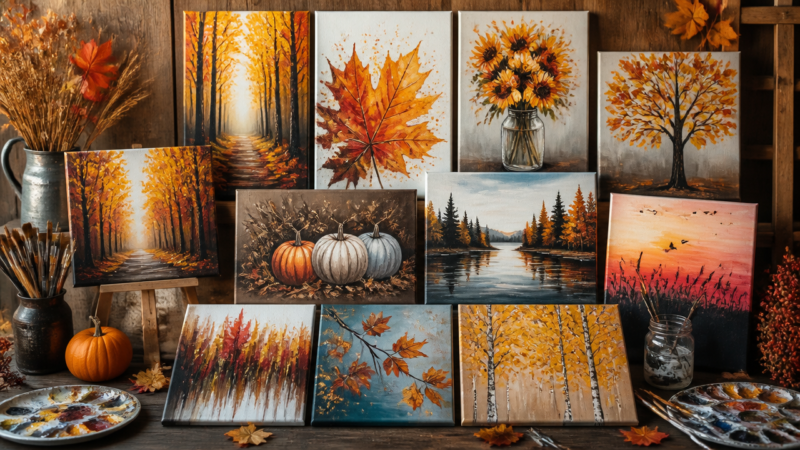
5. Tree Paintings in Different Seasons
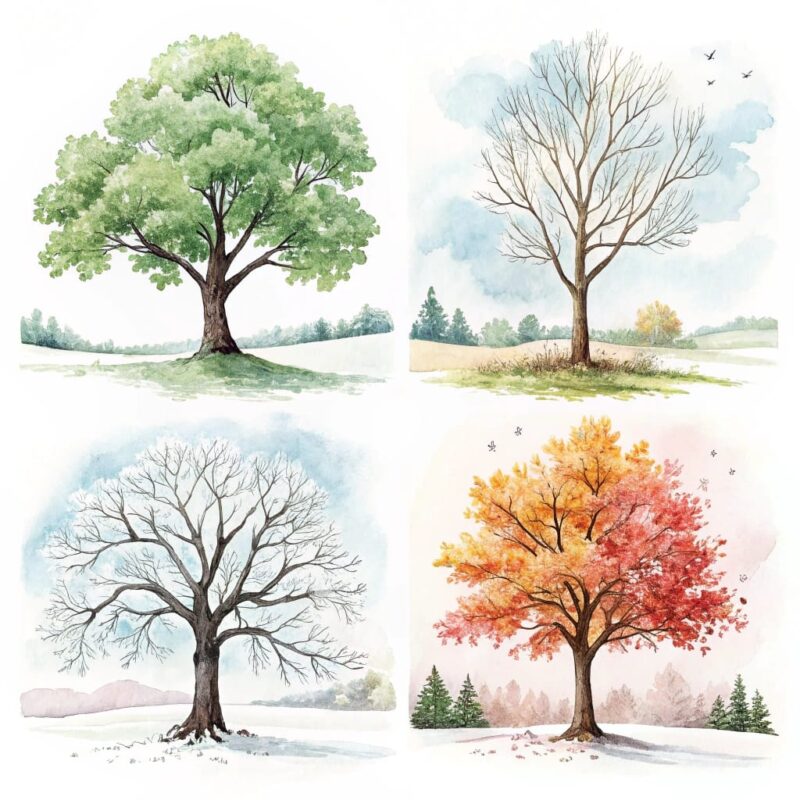
I suggest creating a series of the same tree in different seasons. This project teaches you about color theory and seasonal changes while maintaining a consistent composition. Spring brings fresh greens and blooms, summer offers deep, rich foliage, autumn provides warm oranges and reds, and winter showcases bare branches against snowy backgrounds.
6. Simple Still Life with Fruits
Arrange 2-3 pieces of fruit on a table and paint what you see. I recommend starting with simple shapes like apples, oranges, or pears. This classic exercise teaches you about light, shadow, and form. Pay attention to where the light hits your subjects and where shadows fall.
7. Ocean Waves and Beaches
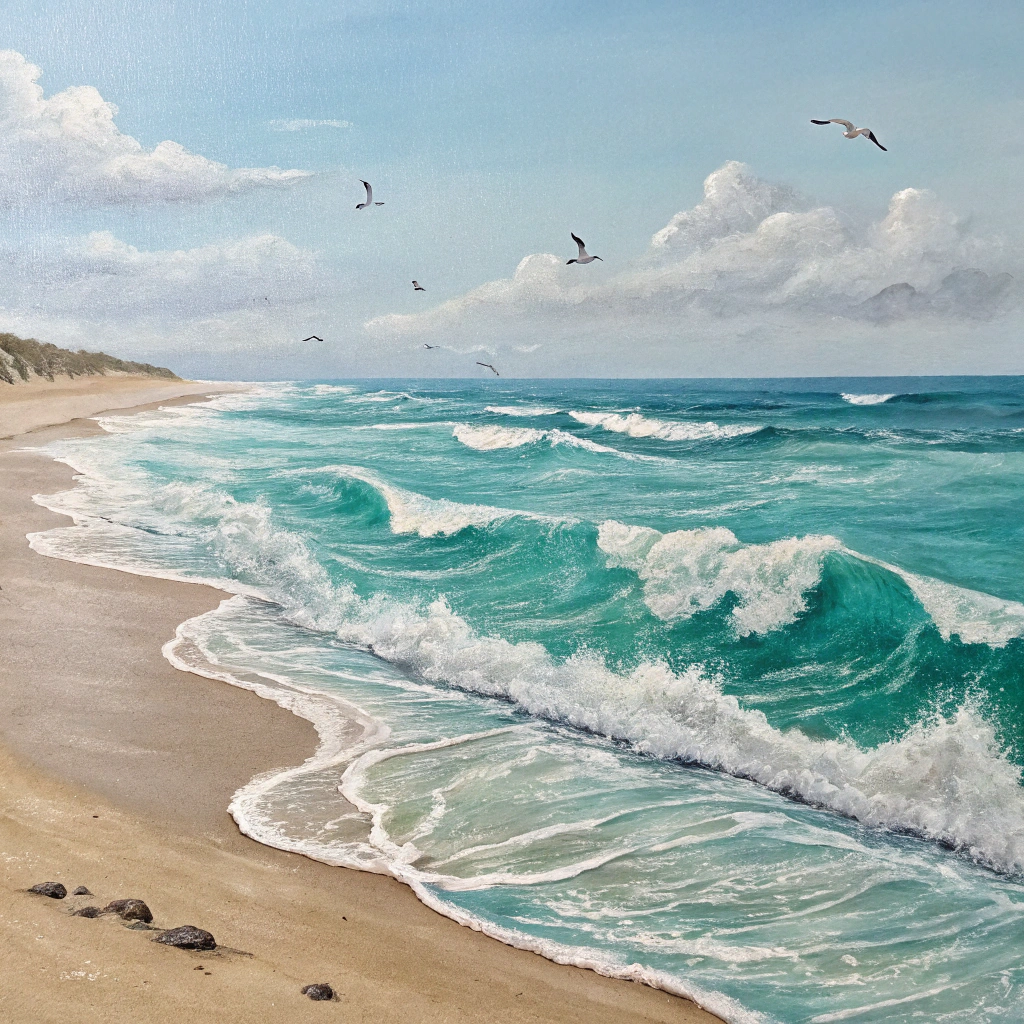
Water might seem intimidating, but I assure you it’s more approachable than you think. Start with horizontal bands of blue for the ocean, getting lighter as you approach the shore. Add simple wave shapes with white foam, and create a sandy beach with warm tans and yellows. A few seagulls in the distance complete the scene beautifully.
8. Mountain Ranges
Mountains are fantastic for beginners because they’re essentially triangular shapes layered behind each other. I suggest starting with distant mountains in light blues and purples, then adding closer ranges in deeper colors. This teaches you about atmospheric perspective – how things appear lighter and bluer as they recede into the distance.
9. Night Sky with Moon and Stars
There’s something magical about painting a night scene. Start with a dark blue or black background, then add a bright full moon using white or pale yellow. Dot the sky with tiny white stars, and perhaps add some simple landscape silhouettes below. This project is incredibly relaxing and always produces stunning results.
10. Colorful Butterflies
Butterflies offer endless creative possibilities while remaining simple in structure. I love how this project combines pattern work with color exploration. Start with basic wing shapes and let your imagination run wild with colors and patterns. No two butterflies need to be the same!
11. Simple Landscapes with Rolling Hills
Create peaceful countryside scenes with gentle, rolling hills. Use various shades of green for different hill layers, add a simple sky, and perhaps include a winding path or small farmhouse. This project teaches you about creating depth and distance in your paintings.
12. Textured Tree Bark Studies
Focus on a small section of tree bark and really study its texture and patterns. This intimate study teaches you observation skills and various brush techniques for creating texture. Use browns, grays, and even hints of green for moss or lichen.
MATERIALS YOU WILL NEED
Here are five basic materials you need to do a simple watercolor animal project—nothing fancy, just the essentials 🎨🐾
Watercolor Paints A basic watercolor set (pan or tube) is enough. Student-grade paints work perfectly for simple animals. Check Discounted prices on Aliexpress
Watercolor Paper Thick paper (preferably 200–300 gsm) so it doesn’t warp when wet. Regular drawing paper won’t hold water well.
Paintbrush One round brush (size 4–8) can handle outlines, details, and washes.
Palette For mixing colors. A plastic palette, ceramic plate, or even a clean lid works.
Throughout my teaching experience, I’ve learned that success in beginning painting comes from patience and practice. Don’t rush your work, and remember that every “mistake” is actually a learning opportunity. I always tell my students to embrace the imperfections – they often add character and charm to your work.
Start with basic acrylic paints, as they’re forgiving and easy to work with. You don’t need expensive supplies to create beautiful art. A few basic brushes, primary colors plus black and white, and some canvas boards or paper will get you started.
Most importantly, enjoy the process! I’ve watched countless beginners transform from hesitant first-time painters into confident artists, and it all starts with taking that first brushstroke. Each of these 14 projects will teach you something new while building your confidence and skills.
Remember, art is about expression, not perfection. So grab your brushes, choose a project that excites you, and start painting. I believe in you, and I can’t wait to see what you create!
A Teacher with 5 years of experience. Our Expertise, is reliable to meet your full Academic development needs . Worked on many crafts and construction projects offering services from design to development to deployment over the years. You will find many of my works in my business portfolio on request.