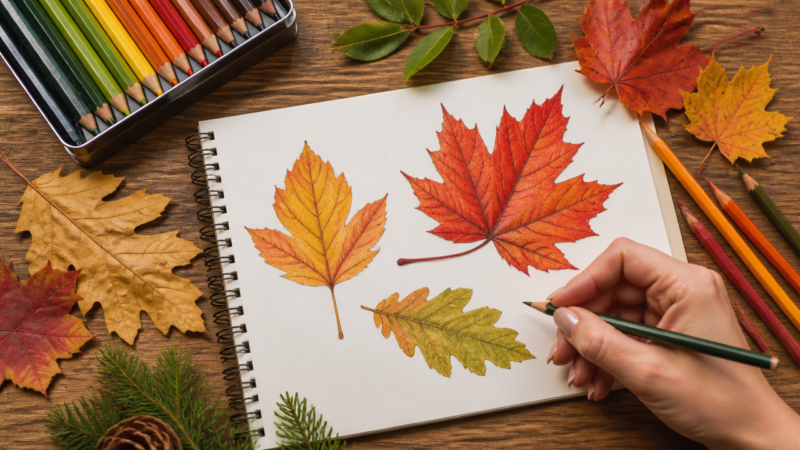
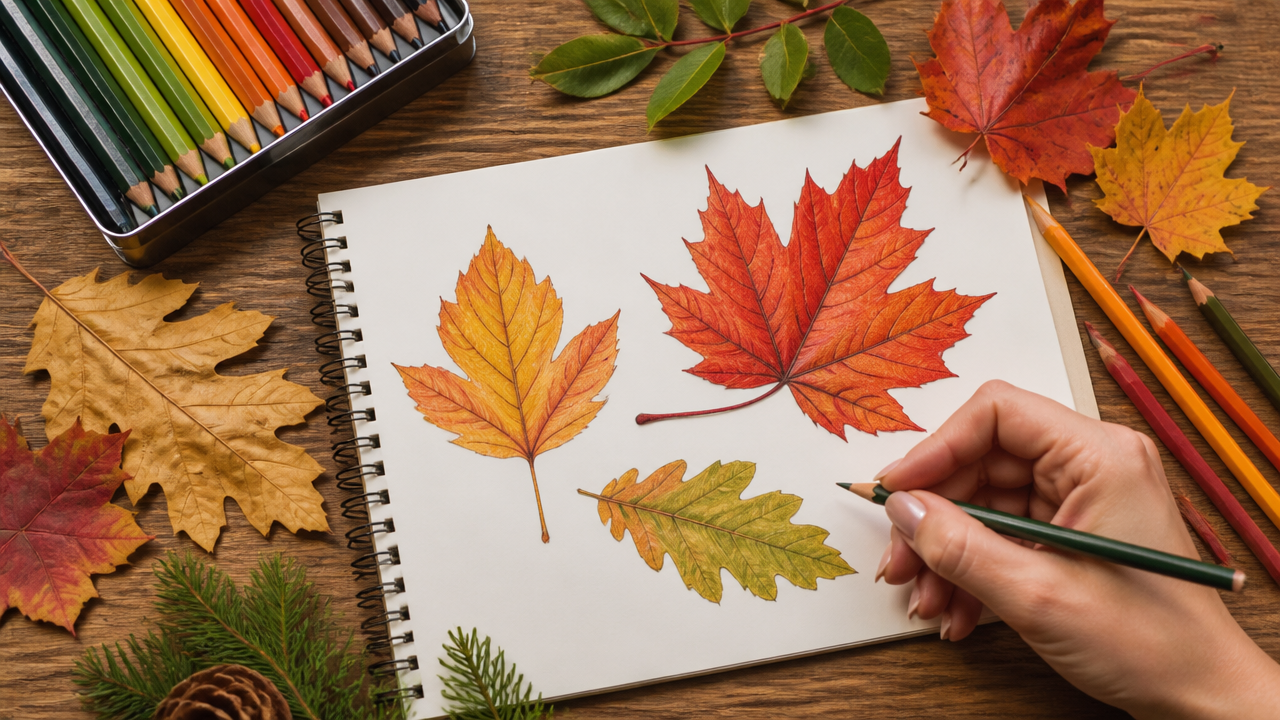
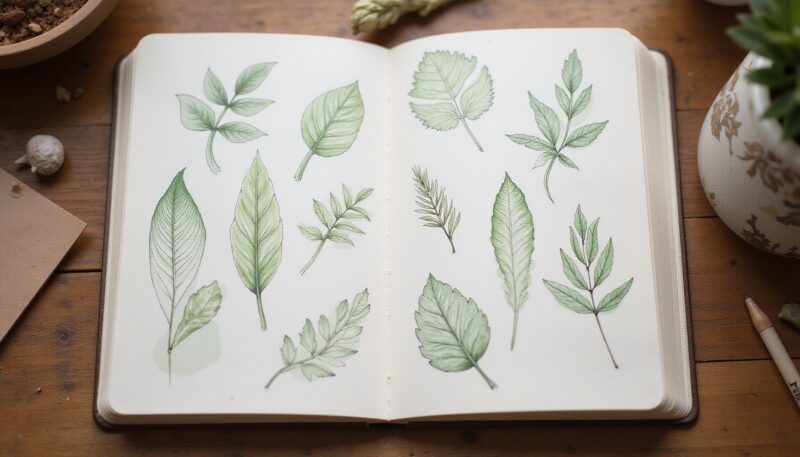
Discover 10 amazing leaves drawing ideas for fall art. Learn easy sketching techniques, pick the right tools, and master autumn colors for your seasonal pr
Want to turn those crisp green leaves into stunning autumn treasures? You can make beautiful fall sketches without complex supplies or endless practice sessions. These leaves drawing techniques work well for kids and adults alike. Start by choosing your favorite fall art style today. Many beginner artists struggle with vein patterns or color gradients. You simply need the right leaves drawing instructions to get started. Whether you are planning a holiday craft night or preparing for an outdoor art scavenger hunt, the right approach makes all the difference.
Quick Questions and Answers
Question: What are easy leaf drawing ideas for fall art projects?
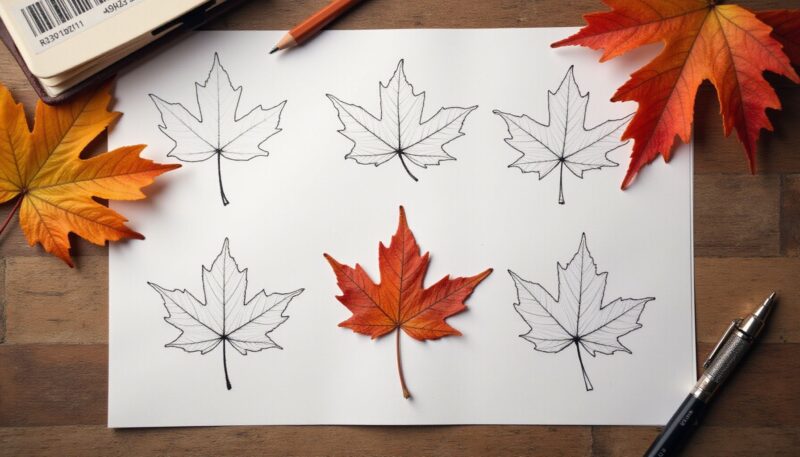
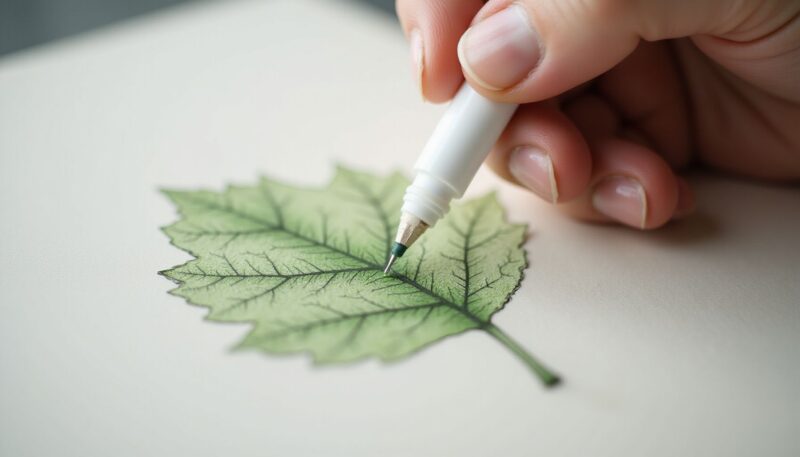
Answer: Easy leaf drawing ideas include sketching common shapes like maple, oak, and birch leaves by starting with a center stem line and adding curves for the edges. You can draw V-shapes for veins and trace with a marker before coloring. Beginners often practice individual leaves first, focusing on patterns that run from the stem to the edges.
Question: How do you draw a simple maple leaf step by step?
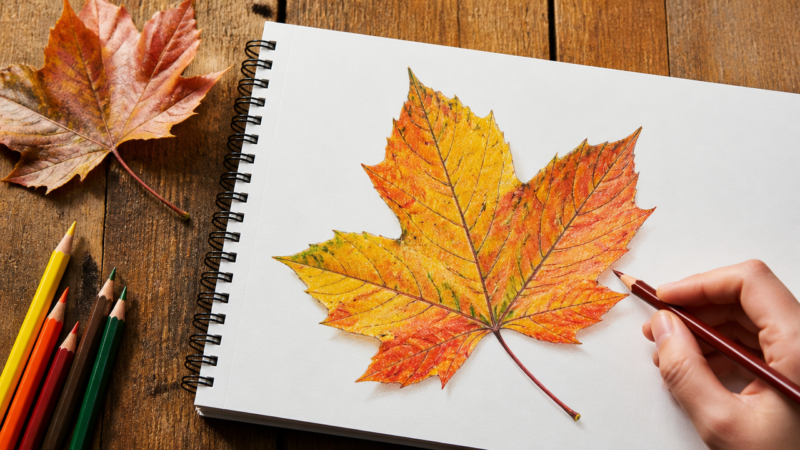
Answer: To draw a simple maple leaf, start with a line for the stem and draw the left side as a pointed shape, then mirror it on the right. Add lines inside for veins and trace the outline with a marker before coloring. This five-pointed shape with serrated edges is one of the most recognizable fall leaf types.
Question: Can kids draw fall leaf friends with funny faces?
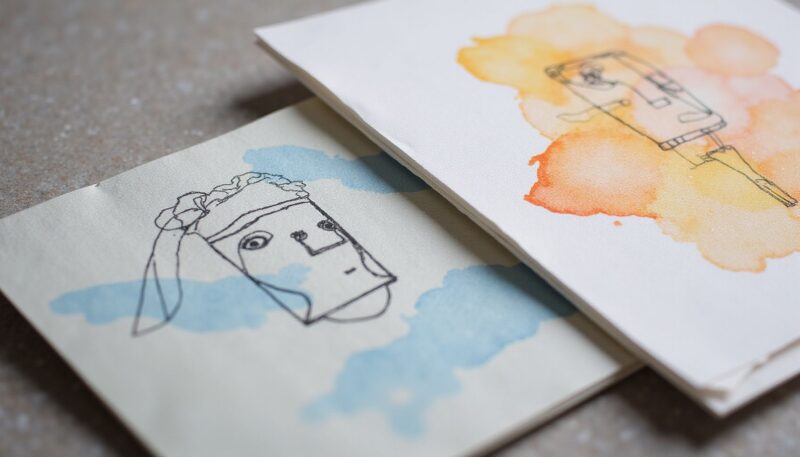
Answer: Yes, kids can draw fall leaf friends by creating a leaf shape with a stem and adding funny faces like smiles, eyes, cheeks, or tongues. Using crayons, you can draw upside-down V shapes for the leaf outline and add details like a circle for an eye or a smile in the middle. This creative project turns simple leaves into adorable characters.
Selection Criteria for Your Fall Art Projects
Choosing the right project depends on your skill level. You should look for options ranging from simple line art to complex botanical textures. Matching your paper choice with your medium matters significantly. Use professional watercolor paper if you plan to use wet media. If you are using just crayons, standard sketchbook paper works fine. You also need iconic variety to keep your portfolio diverse. Practicing distinct leaf shapes like maple, oak, and oval forms builds your visual vocabulary. Don’t pick just one type of leaf for the whole year.
The 5 Essential Stages of Leaf Illustration
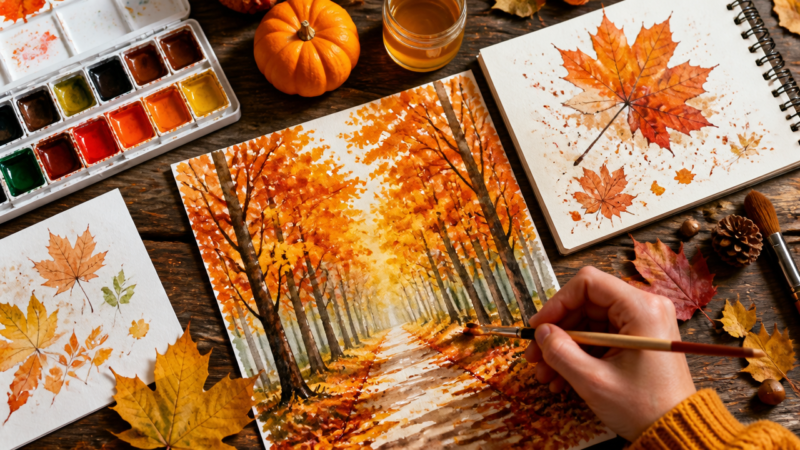
This workflow helps you build a complete illustration. The first phase involves observation. Study the natural silhouette and the perimeter of the leaf shape closely. Next comes the structural foundation. Establish the stem and primary vein lines to guide your drawing. The outlining stage uses specific techniques for organic shapes. Use the ‘bumpy outline’ method with soft, cloud-like waves for a cozy aesthetic. Draw Botanical LLC explains how fluid watercolor works well with these soft edges. Detailing requires gradually adding secondary veins and margin textures for realism. Finish with color application. Transition from loose watercolor washes to detailed colored pencil layering. This process ensures a professional finish.
Comparison of Popular Art Mediums for Leaf Drawings
Medium
Best For
Pros
Cons
Markers/Sharpies
Crisp outlines
Bleed-proof, clear lines
Dries quickly, hard to erase
Watercolors
Fluid colors
Soft transitions, ethereal look
Needs special paper, messy
Colored Pencils
Texture
Builds depth, easy to control
Takes time to layer
Crayons
Beginners
Vibrant color, high contrast
Hard to blend fine details
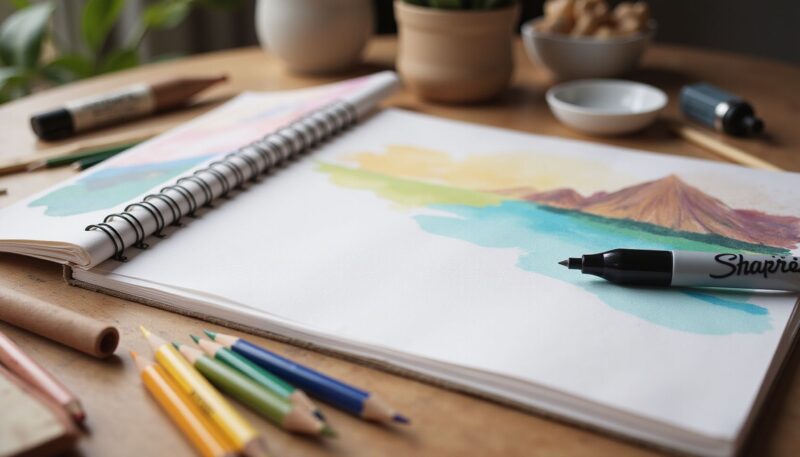
Markers and Sharpies work best for crisp outlines. They serve as a base for other media without smudging. Watercolors are ideal for fluid color transitions. They achieve an ethereal look that mimics natural light. Colored pencils build gradual, authentic color variations. You can use fine surface textures on them. Crayons match beginner-friendly projects. They are high-contrast and vibrant.
Best-for Use Cases
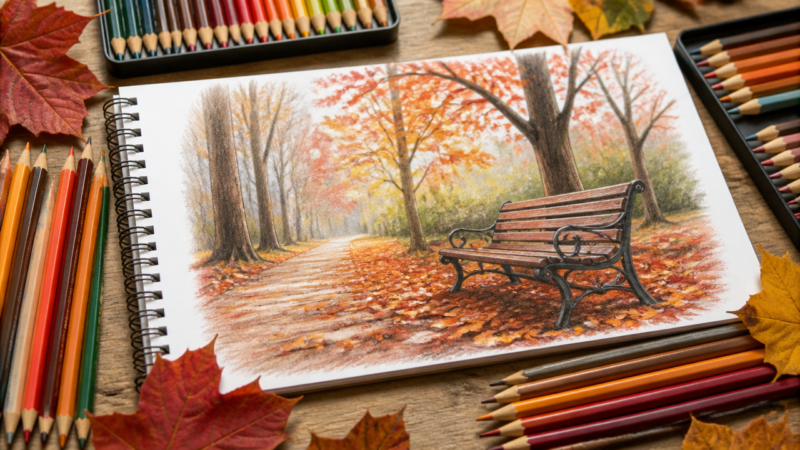
Different scenarios require different artistic choices. Start with storytelling. Draw a full ‘falling tree’ scene instead of an isolated leaf. This represents seasonal change better than a single object. It tells a story through imagery. Use the ‘three-version’ practice method for skill improvement. Create a line art version first. Add veins to the second version. Finish with shading and color on the third. Botanical authenticity demands focus on natural color gradients. Hyper-realistic vein patterns also help you achieve this. Art Projects For Kids suggests using watercolor for best effects.
Essential Tools and Preparation
You need specific supplies to succeed. Use dedicated heavy-weight watercolor paper. This prevents buckling when you use wet media. Keep a black permanent marker handy. Use this Sharpie to prevent ink bleeding during the painting process. Practice with a mix of maple, oak, and oval shapes. This keeps your portfolio diverse. Refer to detailed tutorials like How to Draw Deltarune Characters: A Step-by-Step Guide for Beginners if you want to learn step-by-step drawing logic applicable to leaves. Students often need good storage for their tools. Organizing supplies helps maintain the workflow. 13 Affordable Kids Pencil Cases Every Home Needs provides good storage options. 10 Amazing Coach Pencil Cases You Will Wish You Knew offers another quality choice for keeping tools safe. Iheartcraftythings notes experimenting with different mediums helps improve skills.
FAQs: Troubleshooting Your Autumn Sketches
How do I make my drawing look more realistic? Focus on the layering of color and the organic irregularity of the leaf margins. Mistakes happen. Can I fix mistakes easily? Use the 3-step practice method to isolate skills before committing to a final piece. Try not to rush the process. Is there a trick for professional-looking lines? Use the fluffy, wave-like stroke method to capture the natural ‘bumpy’ movement of a leaf. This avoids the robotic straight lines. Refer to research on drawing for guidance. As Jerwood Visual Arts explains, observe shape, establish structure, and layer color gradually.
Final Recommendations for Your Fall Portfolio
Beginner artists should focus on simple shapes. Use crayons to build confidence quickly. Advanced artists utilize the mixed-media approach. Combine charcoal or pencil with watercolor washes. This creates depth and dimension. Always include context for the storytelling choice. Add branches or ground to elevate the drawing. You elevate the work to a full autumn scene. This adds narrative weight to the piece.
My Experience With 10 Amazing Leaves Drawing Ideas for Fall Art
I started drawing leaves during a rainy October afternoon. The first attempt looked stiff and unnatural. My lines were too rigid. I learned that observation matters more than perfection. You must look at the actual object. I used a sharpie for outlines because it stays crisp. The watercolor washes often bleed through the paper. I had to switch to heavier cardstock. It saved the project from complete ruin. Drawing five leaves took me an entire weekend. The third one looked the best. I think I improved the vein detail that time. It felt like a small victory. Do you have a favorite leaf shape? I find the maple leaf the easiest to start with. Tell me what you found the hardest part. My patience paid off with a nice wall collage.
2026 Trends in Seasonal Art
New trends focus on sustainable materials. Artists use recycled paper for leaves drawing now. Digital tools also support traditional skills. Some people scan their real leaves for templates. This creates a hyper-realistic digital artwork. We will see more nature-inspired themes in 2026. Environmental awareness drives these creative decisions. People want art that feels connected to the earth. They value organic shapes over perfect ones. This shift benefits the natural aesthetic of fall. You should expect to see more texture-focused techniques in tutorials.
A Teacher with 5 years of experience. Our Expertise, is reliable to meet your full Academic development needs . Worked on many crafts and construction projects offering services from design to development to deployment over the years. You will find many of my works in my business portfolio on request.