Are you curious about what makes a Bengal cat a standout companion compared to every other breed you have considered for your household? This hybrid feline blends the striking appearance of a wild ancestor with the charm of a domestic pet. Whether you are preparing for a quiet autumn morning or hosting a lively summer gathering, the right pet adds character to your home. Bengals offer curiosity, intelligence, and an athletic spirit that keeps any owner on their toes. These cats transform the typical pet experience into something truly active and engaging.
Quick Questions and Answers
Question: why are bengal cats so expensive to buy?
Answer: Bengal cats are expensive because they are a hybrid breed created by crossing domestic cats with the Asian leopard cat, requiring specialized breeding. Responsible breeders invest heavily in genetic testing for health issues like PK deficiency and progressive retinal atrophy. The exotic appearance, high energy needs, and limited number of ethical breeders also contribute to their higher price compared to common domestic cats.
Question: can bengal cats be left alone for long periods?
Answer: Bengals are highly social and people-oriented cats that thrive in the company of others, making them unsuitable for long periods alone. They need constant attention, interactive play, and enrichment to prevent boredom and destructive behavior. If you are frequently away, consider getting a second companion pet or ensuring someone can provide regular care and engagement.
Question: do bengal cats get friendly with kids?
Answer: Bengals are confident, curious, and social cats that generally do well with families who can provide them attention and play. However, they are high-energy and athletic, which may be too intense for very young children. Families should ensure children understand how to interact respectfully with the cat’s active nature.
Key Takeaways
Bengals result from a cross between domestic felines and the Asian leopard cat, maintaining a balance between wild looks and a home-friendly nature.
They are the only domestic breed known for distinct rosette markings that mirror the appearance of leopards.
High energy and intelligence require owners to provide ample enrichment, including climbing structures and consistent interactive play sessions.
Selecting a reputable breeder who performs genetic health screenings is the most important step for a potential owner.
Origins of the Bengal Breed
The foundation of the Bengal breed involves crossing domestic felines like the Abyssinian, Egyptian Mau, or American Shorthair with the wild Asian leopard cat, known scientifically as Felis bengalensis. According to the Cat Fanciers’ Association, these felines trace their ancestry back to wild roots, though modern generations have been carefully refined for the domestic environment. The name of the breed is a direct reference to this scientific classification.
While researchers noted attempts at cross-breeding spanning over 120 years, the formal development of the breed began during the 1960s. Breeders aimed to produce a cat that retained the exotic, wild aesthetic of the Asian leopard cat while ensuring the animal possessed a stable, sweet personality. This selective breeding process removed the aggressive traits associated with wild ancestors, resulting in a cat that fits perfectly into a modern household.
Physical Characteristics and Coat Patterns
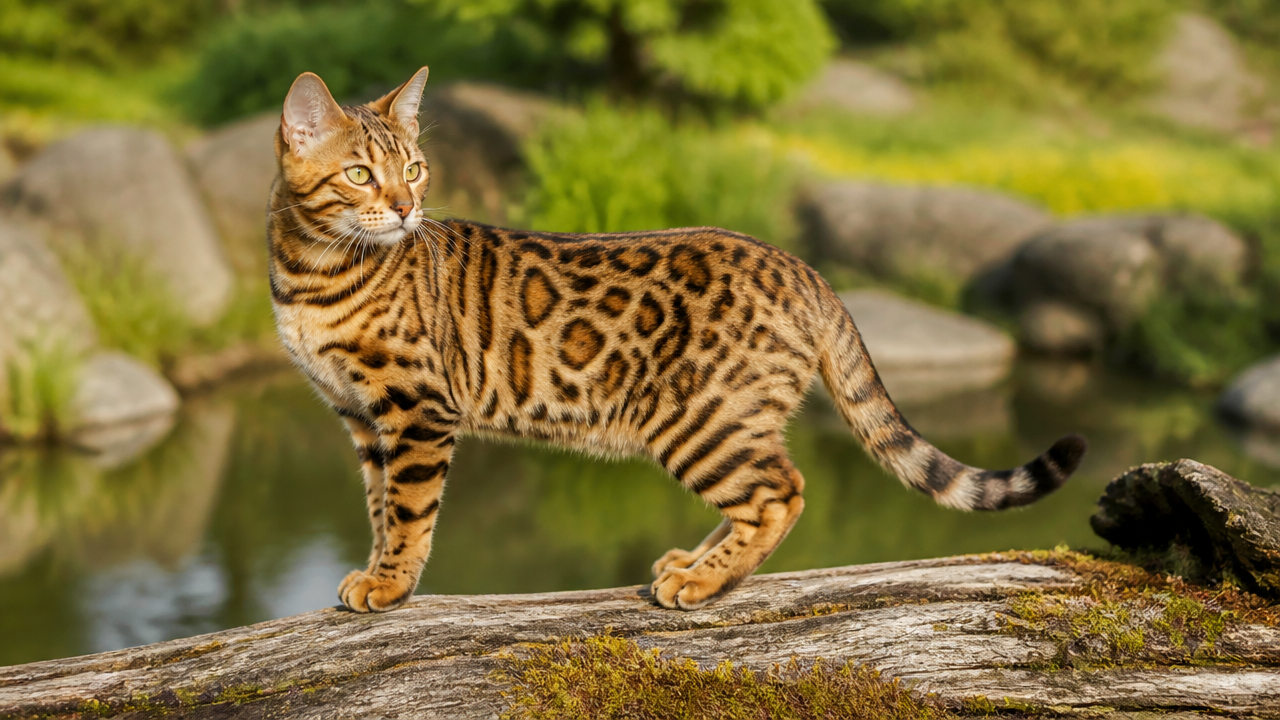
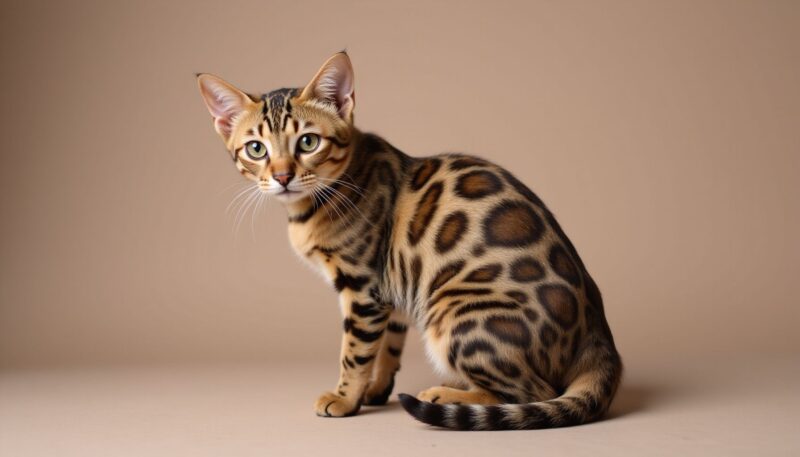
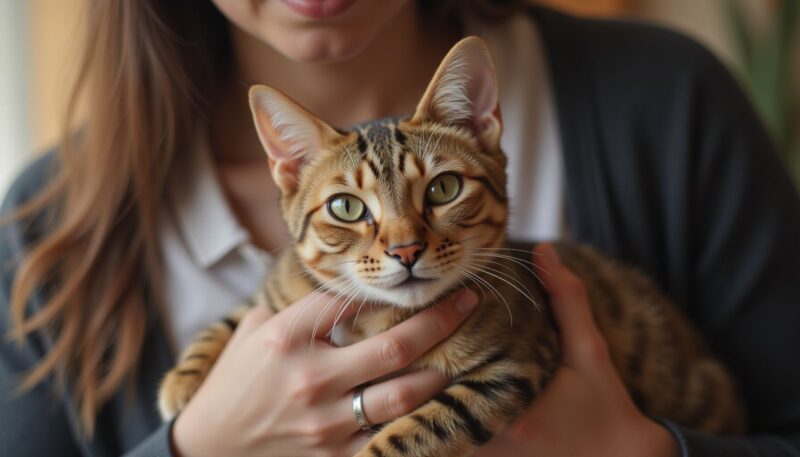
Bengals possess a unique visual profile, marked by a slender, muscular build that speaks to their athletic heritage. They stand as the only domestic cat breed capable of displaying rosette-style markings that mimic those found on wild creatures. Documentation from Daily Paws highlights that these rosettes represent a direct reflection of their Asian leopard ancestry.
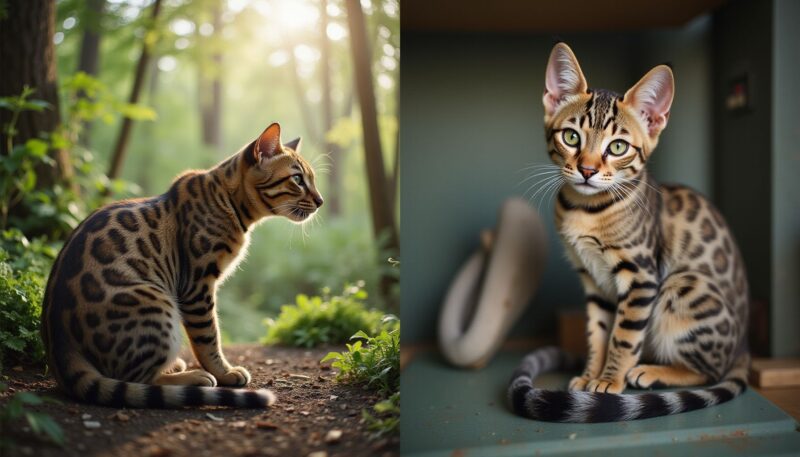
Beyond rosettes, the breed standard recognizes spotted and marbled coat patterns. Many individuals also exhibit a unique glitter effect in their fur, which provides a shimmering, metallic sheen when the light hits it. This combination of physical traits distinguishes them from common house cats, making them a popular choice for those who appreciate an exotic, wild-looking silhouette.
Temperament and Domestic Integration
Current breeding programs prioritize a temperament that is both predictable and affectionate. Despite their wild-looking aesthetic, once they reach later generations—often referred to as SBT or “Stud Book Tradition” cats—these felines function as typical loving house pets.
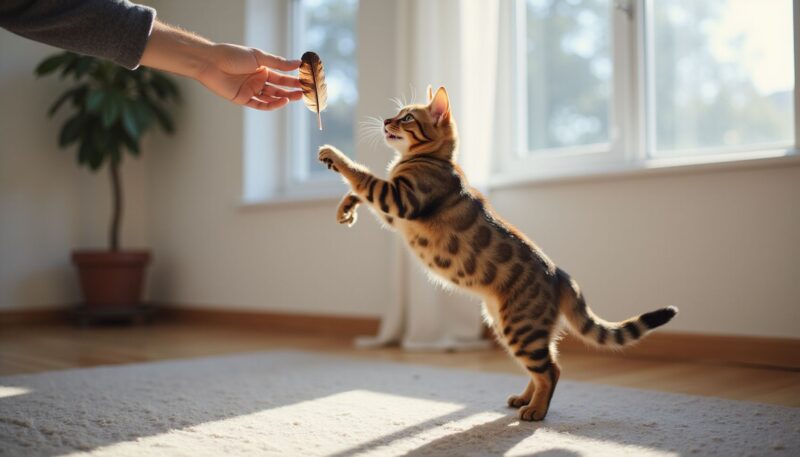
They are highly athletic, often jumping to heights that might surprise a casual observer. If you think their behavior mirrors a standard lap cat, you might be surprised by how much they seek out high-vantage points in your living room. The modern Bengal remains curious and frequently engages with household activities, sometimes even showing an unusual interest in water.
Important Considerations for Potential Owners
Success with a Bengal relies on understanding their high activity levels. They are not the type of cat that will sit quietly on a sofa for hours on end without stimulation. Owners should invest in tall cat trees, sturdy scratching posts, and interactive toys to challenge their intelligence. Research from The Spruce Pets emphasizes that meeting these needs is essential to prevent destructive behavior.
If you are considering adding one of these felines to your home, focus on identifying reputable breeders who emphasize temperament. A well-bred cat will be confident and social rather than timid or aggressive. You might find that a high-energy kitten requires more training, but their intelligence makes them easy to teach tricks like playing fetch. Much like how a film review helps you gauge if a movie suits your taste, vetting a breeder helps you determine if a particular kitten fits your lifestyle.
Feature
Bengal Cat
Domestic Shorthair
Siamese Cat
Markings
Rosettes or Marble
Solid or Tuxedo
Color point
Energy Level
Exceptionally High
Moderate
High
Build
Lean and Muscular
Variable
Slender
Vocalization
Moderate
Low to Moderate
Very High
FAQ
Q: Are Bengals truly wild or domestic?
They are domestic cats. While they carry the genes of the wild Asian leopard cat, modern breeders have spent decades selecting for the sweet, predictable personality required for a home environment. They are safely far removed from their wild ancestors in terms of temperament.
Q: What makes the coat unique?
The coat is known for “glitter” and distinct patterns. They are the only domestic breed that displays true rosettes—multi-colored spots that often feature a darker perimeter and a lighter center, which mimics the camouflage of a leopard in the wild.
Q: Are bengal cats hypoallergenic for allergy sufferers?
While no cat is truly hypoallergenic, Bengals are often considered better for allergy sufferers due to their low shedding and frequent self-grooming habits. Their coats produce less airborne allergen than many other breeds. However, scientific studies do not conclusively prove they are hypoallergenic, so individuals with severe allergies should test exposure before committing.
Q: How long do bengal cats live on average?
Healthy individuals typically live 12 to 16 years, though some findings suggest shorter lifespans due to environmental factors or health history. Proper nutrition, genetics, and routine veterinary care significantly influence how long your cat will stay by your side.
Q: What makes bengal cats different from other cats?
These felines are distinct due to their exotic leopard-like spots, marbling, and unique glitter effect that gives their fur a metallic sheen. They are highly active, athletic, and intelligent, often playing with water and performing complex tricks that many other breeds might ignore.
Q: Will bengal cats damage my furniture and home?
Bengals are rambunctious animals that love to run, jump, and climb, which can lead to furniture damage if not managed correctly. They need tall cat trees, vertical space, and consistent access to scratching posts to satisfy their athletic instincts. Without adequate mental and physical enrichment, they might nip or scratch items to burn off steam.
Q: Does bengal cats need special food diet?
They are big foodies. Because they are highly intelligent, they will often try to sample any human food they see. They require a quality, high-protein diet to support their active metabolism and muscular build, so sticking to premium cat food is the best strategy for long-term health.
Q: When should i start training my bengal kitten?
Start training as soon as you bring your kitten home. Because they are extremely intelligent, they can learn tricks, fetch, and even walk on a leash from a very young age. Use positive reinforcement and keep sessions brief to match their playful spirit.
Q: Which health problems are common in bengal cats?
Common health issues include pyruvate kinase deficiency (PK deficiency), progressive retinal atrophy (PRA) leading to vision loss, and hypertrophic cardiomyopathy. Responsible breeders perform genetic testing for these specific conditions to ensure kittens start life with a clean bill of health.
My Experience With Bengal Cat: Temperament, Care, and What to Expect
Living with a Bengal is like sharing your office with a talented, furry gymnast who also acts as a full-time supervisor. My experience has been a constant loop of high-octane play and surprisingly deep affection. You quickly learn that your furniture is merely an obstacle course to them. If you don’t provide a tall cat tree, they will decide the top of the refrigerator is the perfect place to survey their territory—usually while you are trying to make coffee.
One thing I found fascinating is their genuine love for water. While most cats treat a dripping faucet as a nuisance, my cat treats it like a personal fountain service. They are remarkably smart; they learn routines faster than any other cat I have owned. This makes training for things like leash walking or fetch very fun, but it also means they can “train” you to hand out treats at 4:00 AM if you aren’t careful. It’s a rewarding challenge that asks you to be just as active as they are. Is there anything more entertaining than a pet that is smarter than you? What has been your experience with high-energy cats?
Conclusion
The Bengal represents a successful harmony between the allure of exotic felids and the sociability of a domestic pet. They require intentional care and a commitment to active engagement, but the result is a feline that brings life and movement into every room. By choosing a responsible source and understanding their specific needs, you find a companion that is both beautiful and deeply bonded. Whether you enjoy watching their athletic feats or relaxing while they curl up with you, they offer a unique experience. Understanding their background, as discussed in the context of Was My Left Foot based on a true story?, reminds us that every breed has a history of development and purpose behind its current form.
A Teacher with 5 years of experience. Our Expertise, is reliable to meet your full Academic development needs . Worked on many crafts and construction projects offering services from design to development to deployment over the years. You will find many of my works in my business portfolio on request.