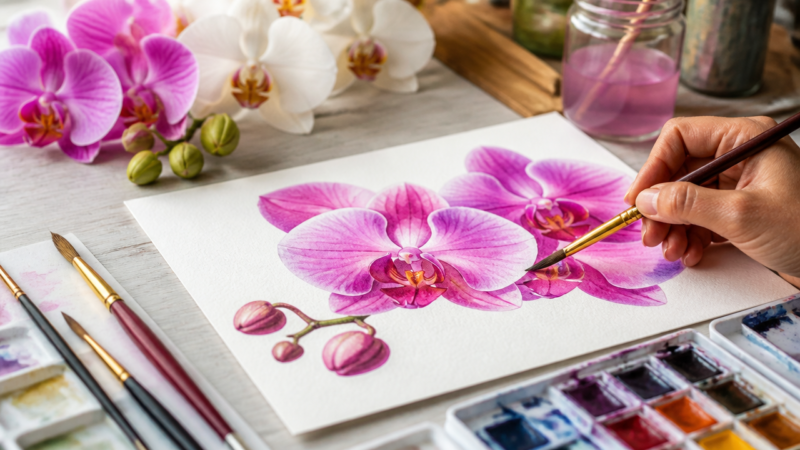

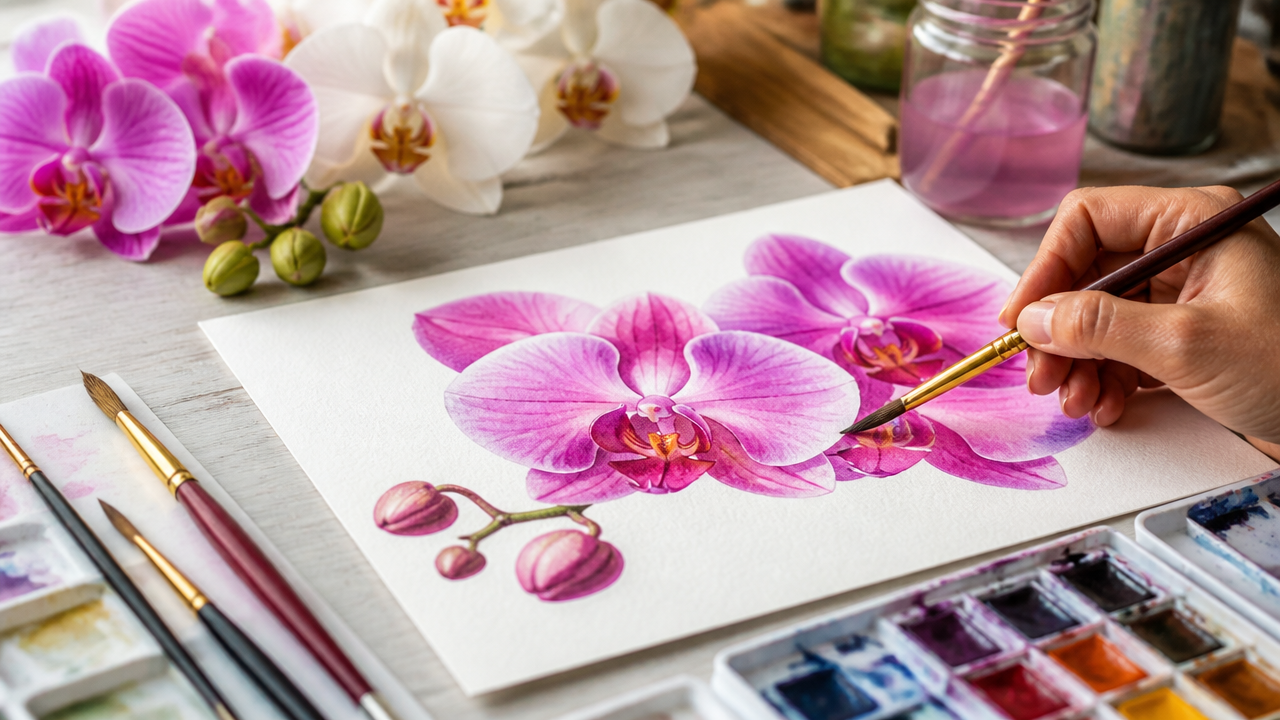
How can you master the delicate structure of painting orchids while keeping your early practice sessions manageable and rewarding? Whether you are brushing up for a spring display or preparing a floral gift idea, finding the right approach ensures your canvas reflects the natural grace of these flowers. Phalaenopsis orchids stand out as a perfect subject for new artists because their clear petal shapes allow for precise color layering. You can build confidence by starting with simple, beginner-friendly exercises. Let us look at how you can develop your skills through manageable, stress-free painting projects.
Quick Questions and Answers
Question: Why are orchids a good choice for beginner painters? Answer: Orchids are ideal for beginners because their simple petal shapes make them easy to outline and paint. Beginners can print an outline, trace it onto paper, and focus on learning basic watercolor or acrylic techniques without struggling with complex details. The flower’s structure allows for practicing color blending and layering effectively.
Question: Can you paint orchids without drawing skills? Answer: Yes, you can paint orchids without drawing skills by printing an outline and tracing it onto your paper using a light table or a window. Once the outline is transferred, you can tape the paper and focus on applying paint and colors. This method removes the need for freehand sketching, making it accessible for absolute beginners.
Question: Do beginners need special brushes to paint orchids? Answer: Beginners do not need expensive or special brushes; a standard set including a liner brush for stems and a flat or half-inch brush for petals works well. Using a brush that you reload with paint for each stroke helps achieve smooth, defined edges. Basic brushes like number 10 flats and liners are sufficient for creating realistic orchid shapes.
1. Choosing Your Medium: Watercolor vs. Acrylic
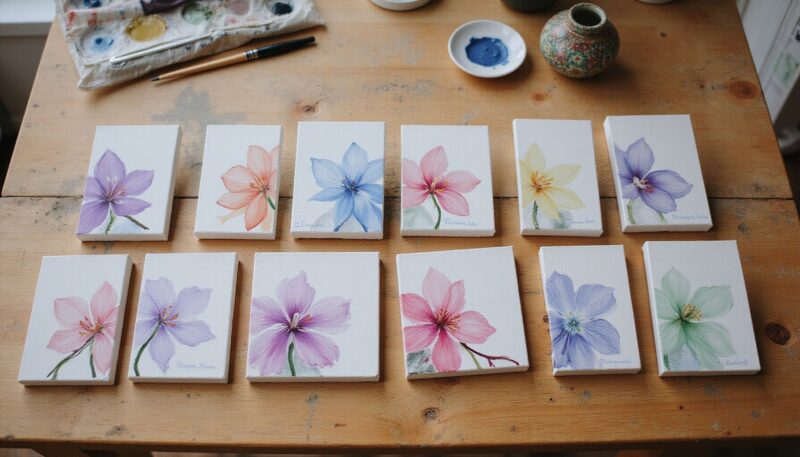
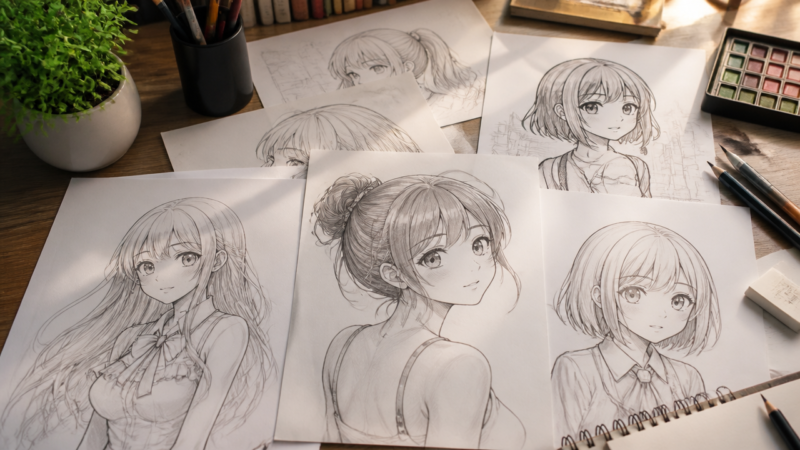
Deciding between mediums is the first step toward getting comfortable at the easel. Jennifer Branch notes that watercolor provides excellent transparency and fluid blending, which helps new artists learn how colors interact while keeping cleanup very simple. If you prefer high-contrast, bold results, acrylics might suit your style better. Mont Marte suggests that acrylics offer superior opacity and the ability to correct mistakes through layering, making them a forgiving choice for those still learning to manage their brushes. Choose watercolor for soft, whimsical floral silhouettes, or pick acrylics to master realistic still lifes with depth and texture. If figuring out composition feels overwhelming, checking out resources like this guide on how to draw characters can help you grasp basic forms before you move to petals.
2. Essential Techniques for Orchid Petals
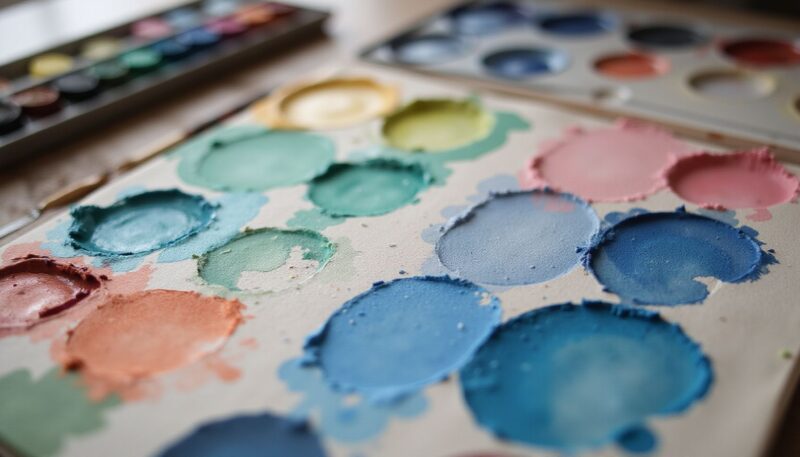
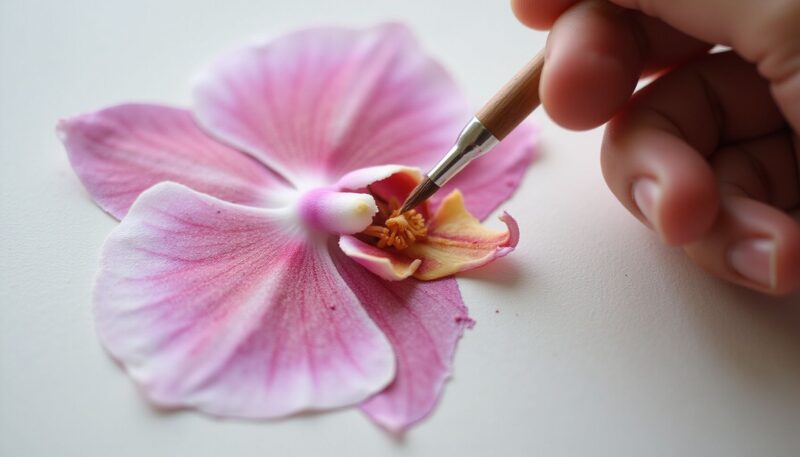
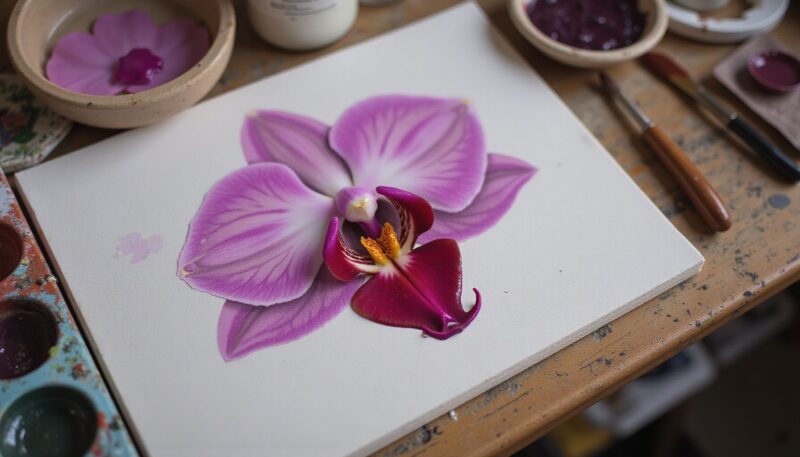
Mastering the petal structure is where the painting truly comes to life. The Holden Forests & Gardens team advises using a 3-layer technique: apply thin initial washes, build your mid-tones, and reserve your smallest brush for applying intense, pigment-heavy final details. Building the flower petal-by-petal is a smart tactic mentioned by Pink Puddle Studio; this prevents you from getting lost in the entire bloom at once. To create dimension, Louise Jackson encourages using blue shadows on white Phalaenopsis orchids, which adds depth without muddying the lighter colors of your petals. Practice this layering early to ensure your work has weight rather than looking flat on the page.
3. Creative Background & Composition Ideas
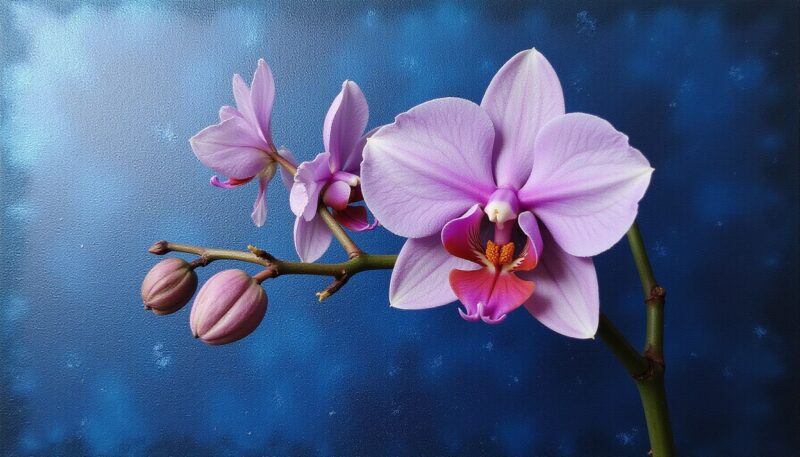
Backgrounds can transform a simple painting into a professional-looking scene. Mont Marte suggests making a “glowing” acrylic background by starting with a pearl sapphire base, glazing with phthalo blue, and lightly scumbling translucent lamp black smoke over the surface. This creates a shimmering field that makes white or pale petals pop instantly. For those who enjoy sketching, focus on greenhouse compositions where you capture multiple orchids in a cluster to study how they overlap. Jennifer Branch suggests this as a way to practice spatial placement. A focused still life featuring just one stem also works well for beginners who want to spend more time observing how light hits the petals and stems. Similar themes of nature study are explored in artistic floral studies that highlight how even simple blooms make great art pieces.
4. Comparison of Painting Approaches
Selecting the right path depends on your ultimate goals for your finished piece. This table summarizes the most common ways to begin.
| Method | Best For | Complexity | Key Feature |
|---|---|---|---|
| Digital Guide Sheets | Complete Beginners | Low | Step-by-step petal construction |
| Watercolor Sketching | Casual Artists | Medium | Captures loose, artistic movement |
| Realistic Acrylics | Advanced Beginners | High | Emulates oil-paint textures |
5. What You Need to Get Started
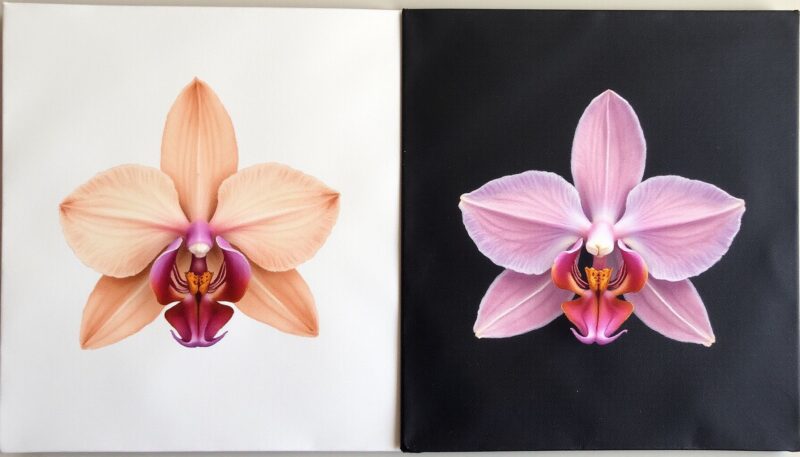
Keeping your toolkit lean prevents decision fatigue. I recommend a large flat wash brush for backgrounds and a small round or liner brush for those final, precise details. For paint selection, keep a high-quality Phthalo blue in your kit to cool down your shadows, especially when working with white flowers. If you are using watercolors, ensure you have heavyweight 300gsm paper, as thinner paper will buckle under consistent water application. For acrylic projects, primed canvas panels provide a smooth, consistent surface that takes color beautifully. You do not need dozens of tubes of paint; a few primary colors and white will get you through almost any composition.
6. Troubleshooting Common Orchid Painting Mistakes
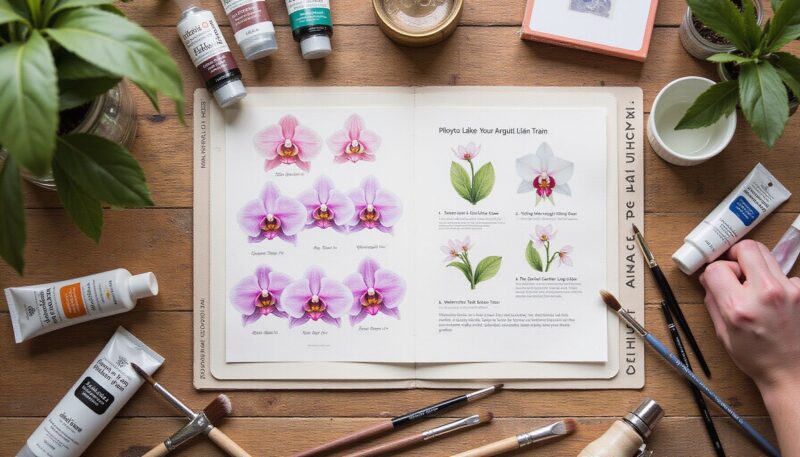
We all run into issues when starting something new. Holden FG warns that the biggest mistake is over-working the petals by adding too much water to the third layer, which turns your vibrant pigment into a muddy mess. Aim for controlled, deliberate strokes rather than frantic, repetitive ones. Another issue is stiffness; if your orchid looks too much like a rigid geometric drawing, use loose, flowing motions to mimic the organic, slightly wild look of the actual flower. Finally, if your white orchids look flat, revisit the shadows. As Louise Jackson explains, layering transparent blue or grey glazes over your white areas adds instant, believable dimension.
7. Frequently Asked Questions
Q: Can I paint orchids if I have never painted flowers before?
You absolutely can, especially by starting with digital guide sheets that break down the construction petal by petal. Pink Puddle Studio suggests that this removes the fear of the blank canvas by giving you a clear roadmap to follow. Once you master the shape of one petal, recurring this practice makes the whole flower easier to manage.
Q: Which orchid species is easiest to paint?
The Phalaenopsis is widely recommended for beginners. According to Louise Jackson, its clear, identifiable floral structure and predictable branching make it the gold standard for those starting their floral painting journey. The flat, broad petals provide a large surface area to practice your blending and shadow work without dealing with tiny, confusing features found in other species.
Q: How do I add detail to a dried painting?
If you need to add details to a finished watercolor, you can re-wet the area slightly with a clean, damp brush. For acrylics, use a dry-brush technique where you load your detail brush with very little paint and touch the surface lightly. This allows you to add highlights or sharp edges without reactivating the layers underneath.
8. Latest Updates
Current trends in 2026 suggest a shift toward “minimalist botanical” styles where artists prioritize color accuracy over hyper-realism. Many beginners now use digital tablets to map out color zones before touching their physical brushes to expensive watercolor paper. This hybrid approach helps ensure your composition is balanced before you commit to permanent pigment.
My Experience With 12 Easy Orchid Painting Ideas for Beginners to Avoid Errors
I remember my first attempt at an orchid; I thought “white” meant just slapping white paint on the paper. The result looked like a plastic toy. I quickly learned that shadows are where the actual color lives. Using light blues and soft purples to define the petals was my first real “aha” moment in painting. It is incredibly easy to get over-excited with the brush and end up with a muddy texture, especially when you are trying to rush the final details on the center of the bloom. My advice? Spend more time looking at the real flower than you think you need to. That quiet observation will save you a dozen mistakes at the easel. When you stop trying to “paint an orchid” and start just painting the shapes of light and shade you see, the flower appears on the canvas like magic. It feels good to finally quit worrying about perfection and just enjoy the process of blending those colors. Have you ever noticed how much light actually dances across a petal, even when it looks white?
FAQ
Q: Are watercolor orchids easier than acrylic orchids for beginners?
Watercolor orchids can be easier for beginners because the paint naturally spreads and blends, creating soft gradients without extra effort. The technique involves wetting the paper and adding colors like pink and yellow that bleed into each other. Acrylics require more control to prevent hard edges, but both mediums are beginner-friendly with practice.
Q: How do you start painting an orchid step by step?
Start by sketching a reference or tracing a printed outline onto your canvas or paper. Begin painting the stems and leaves using background colors like green and raw umber. Next, paint the petals using white or light colors, adding darker hints for shadows and yellow in the center for a glow effect. Finally, add details like pink edges or tiny hairs.
Q: What colors are best for painting beginner orchids?
The best colors for beginner orchids include titanium white for petals, primary yellow for the center glow, and shades of pink or alizarin crimson for petal edges. For leaves and stems, mix sap green with raw umber or add blue and red to create natural greens. These simple palette choices create vibrant, realistic flowers.
Q: When should you add shadows to orchid petals?
Add shadows to orchid petals by applying darker hints of pink along the outer edges or where one petal overlaps another. In watercolor, letting darker colors spread downward creates natural shadows. For acrylics, mixing a touch of crimson or darker tones into the white helps define depth and make the flower stand out.
Q: Which technique helps make orchid petals look realistic?
Making each petal slightly different in color and shape helps create a realistic look. Paint adjacent petals with contrasting lightness, such as a lighter petal next to a darker one. Adding touches of yellow to centers and pink to edges adds liveliness. Using varied strokes and avoiding uniformity makes the flower appear natural.
Q: Is it hard to paint realistic orchid roots?
Painting realistic orchid roots is not hard; simply add a little shadow to air roots to make them look solid and three-dimensional. Use brown, purple, or white mixed with blue to create the root texture. Adding subtle highlights and shadows gives them depth without requiring complex detailing.
Q: What is the easiest way to paint orchid buds?
The easiest way to paint orchid buds is to use a flat brush and press it down to create a bead shape. Add yellow to the tops of the buds and green to the bottoms while the paint is still wet to blend colors. This simple splodge technique creates the natural round shape of real buds without detailed drawing.
Conclusion
Painting orchids is a rewarding exercise that balances technical precision with organic flow. Whether you choose the fluidity of watercolor or the layering power of acrylics, start small and build your confidence petal by petal. Use the tips here to avoid common pitfalls, and remember that your best work comes from consistent, low-pressure practice. Your local greenhouse or even a high-quality photograph is your best tool for seeing the subtle shifts in light and color that make these flowers so captivating.
References
- Holden Forests & Gardens. (n.d.). Paint an orchid in watercolor. Holden FG. https://holdenfg.org/blog/paint-an-orchid-in-watercolor-3/
- Jennifer Branch. (n.d.). Orchids sketch watercolor painting tutorial. Jennifer Branch. https://jenniferbranch.com/PaintingWatercolor/Art-Tutorials/Orchid-Watercolor-Sketching-Tutorial.html
- Louise Jackson Painting Classes. (n.d.). White orchids – watercolor painting course. Louise Jackson. https://louisejacksonpaintingclasses.com/course/white-orchids-watercolor-painting-course/
- Mont Marte. (n.d.). Paint realistic orchids in acrylic. Mont Marte Global. https://www.montmarte.com/blogs/projects-how-to/paint-realistic-orchids-acrylic
- Pink Puddle Studio. (n.d.). Watercolor orchid flower digital painting guide sheet for beginners. Pink Puddle Studio. https://www.pinkpuddlestudio.com/shop/p/watercolororchiddigitalguidesheet

A Teacher with 5 years of experience. Our Expertise, is reliable to meet your full Academic development needs . Worked on many crafts and construction projects offering services from design to development to deployment over the years. You will find many of my works in my business portfolio on request.