
What defines a successful athletic apparel brand when it shifts from a niche yoga studio staple to a global wardrobe essential? Establishing a strong identity often requires more than just fabric innovation; it demands a clear connection to the lifestyle of the wearer. Lululemon has grown into a major name in fitness gear, blending technical performance with daily comfort. Whether you are shopping for a holiday workout set or a fresh pair of morning yoga leggings, understanding the brand helps you make better choices. Dive into the history and business approach that shaped this iconic company.
Quick Questions and Answers
Question: Why is lululemon so expensive compared to other brands? Answer: Lululemon uses high-quality, technical fabrics like Luon and Nulu that offer superior stretch, moisture-wicking, and durability. The brand invests heavily in proprietary fabric technology and rigorous quality testing, which drives up production costs. Additionally, their premium pricing reflects strong brand positioning and a focus on customer experience through in-store product experts.
Question: Can you get lululemon items at a lower price online? Answer: Yes, you can find discounted lululemon items in the “We Made Too Much” section on their official website, which features past-season colors and styles. Outlet stores also carry reduced-price merchandise. While third-party retailers rarely sell new lululemon at deep discounts, authorized resellers may offer clearance items occasionally.
Question: Do lululemon leggings shrink after washing them? Answer: Lululemon leggings are designed to resist shrinking if washed according to care instructions: cold water, gentle cycle, and no heat drying. However, high heat from drying or hot water washing can cause slight shrinkage or fabric damage. To maintain shape and fit, always lay them flat to dry or use a low-heat setting.
Key Takeaways
- Lululemon’s success hinges on blending technical apparel design with community-driven marketing that resonates with active individuals.
- Transitioning from a specialized yoga label into the broader athleisure category allowed the company to capture a much larger market share.
- Maintaining a direct-to-consumer business model ensures the company controls its brand image and product experience from start to finish.
- Resilience against early product quality challenges helped the company refine its manufacturing and earn long-term customer trust.
Lululemon: Origins and Founding Vision
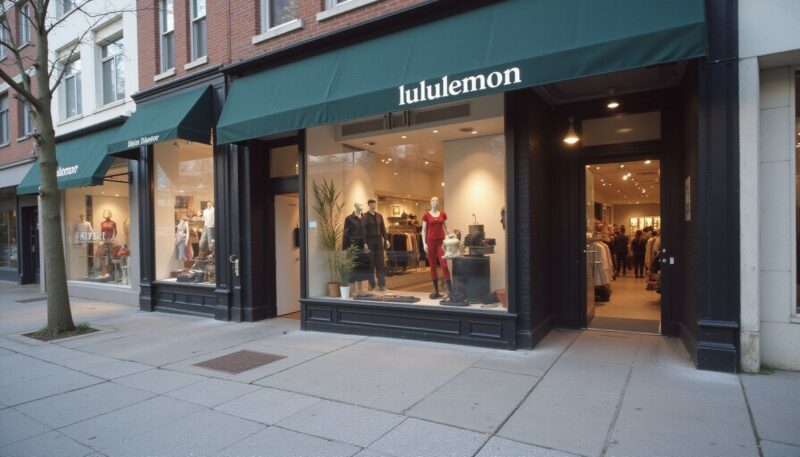
The brand story began in 1998 in Vancouver, British Columbia. Founder Chip Wilson created it with a specific vision: to build a high-quality company focused on technical yoga apparel. Before starting this label, Wilson managed other businesses, including Westbeach Sports and Homeless Skateboards. These experiences taught him how to target niche markets by understanding the specific needs of athletes.
He noticed a lack of apparel designed for the specific physical demands of yoga. By crafting gear that combined functionality with durability, the company filled an untapped market gap. It was not just about the clothes; it was about serving a community of people who prioritized fitness and movement. The design philosophy relied on technical performance and a fit that supported a wide range of motion.
The Rise of Athleisure and Lifestyle Branding
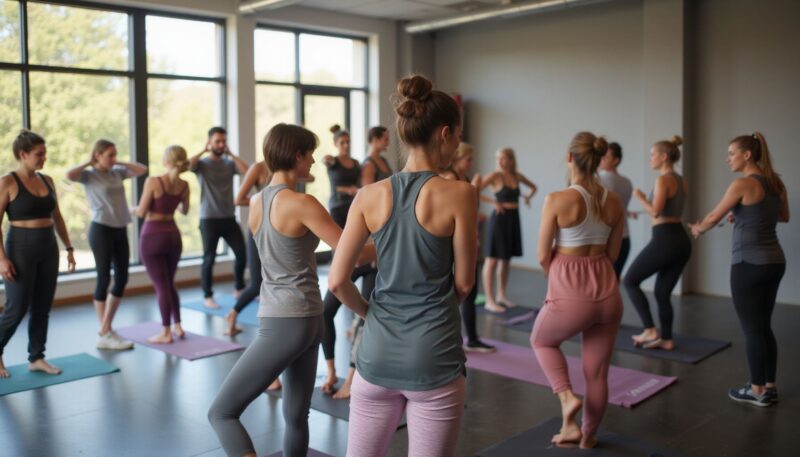
Vancouver provided the perfect backdrop for the birth of this concept. The late-1990s culture in the city favored wellness and a dedication to boutique fitness. This environment acted as a living laboratory for Wilson and his team. They used early retail spaces as hubs to gather direct feedback from local enthusiasts, which allowed for rapid product tweaks.
This community-based model turned the brand into a symbol of a broader mindset. It moved past the yoga studio, becoming common attire in coffee shops, travel hubs, and neighborhood parks. If you are interested in artistic interpretations of movement, 10 Couple Pose Ideas That Make Your Drawings Feel Effortless can show how static art captures the same active spirit the brand promotes. By positioning garments as lifestyle items rather than just workout gear, the company cemented its role in the modern athleisure market.
Core Business Model and Market Strategy
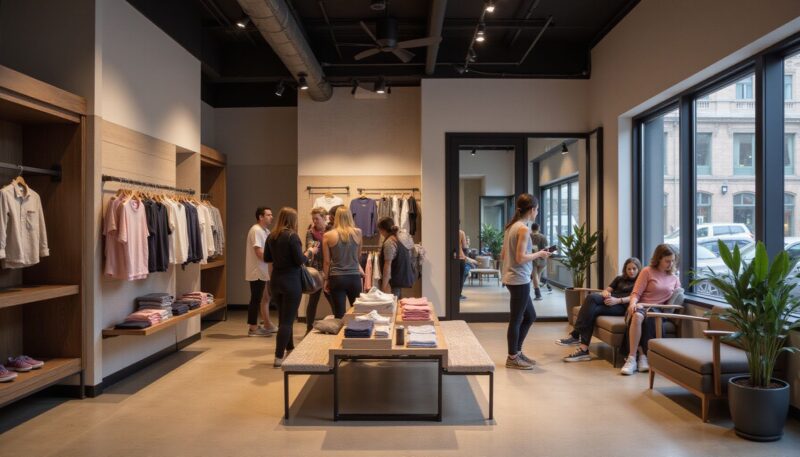
A direct-to-consumer or DTC approach remains the engine of the business. By avoiding mass wholesale distribution, the company maintains strict control over its pricing and brand narrative. This strategy limits the need for deep discounts, which keeps value perception high among loyal customers.
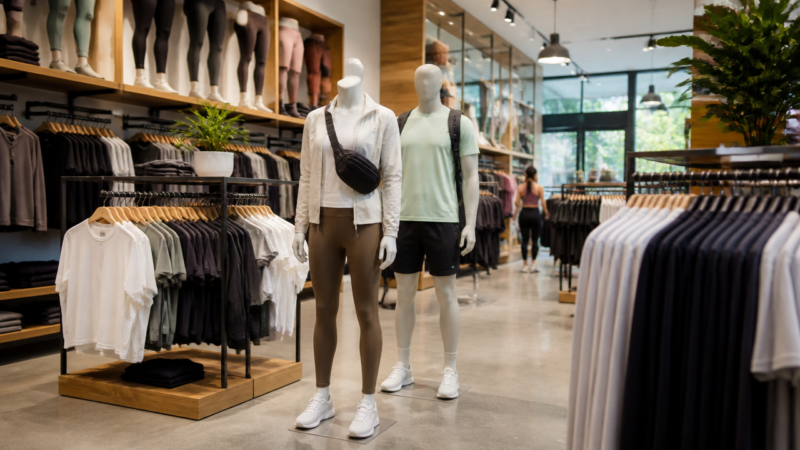
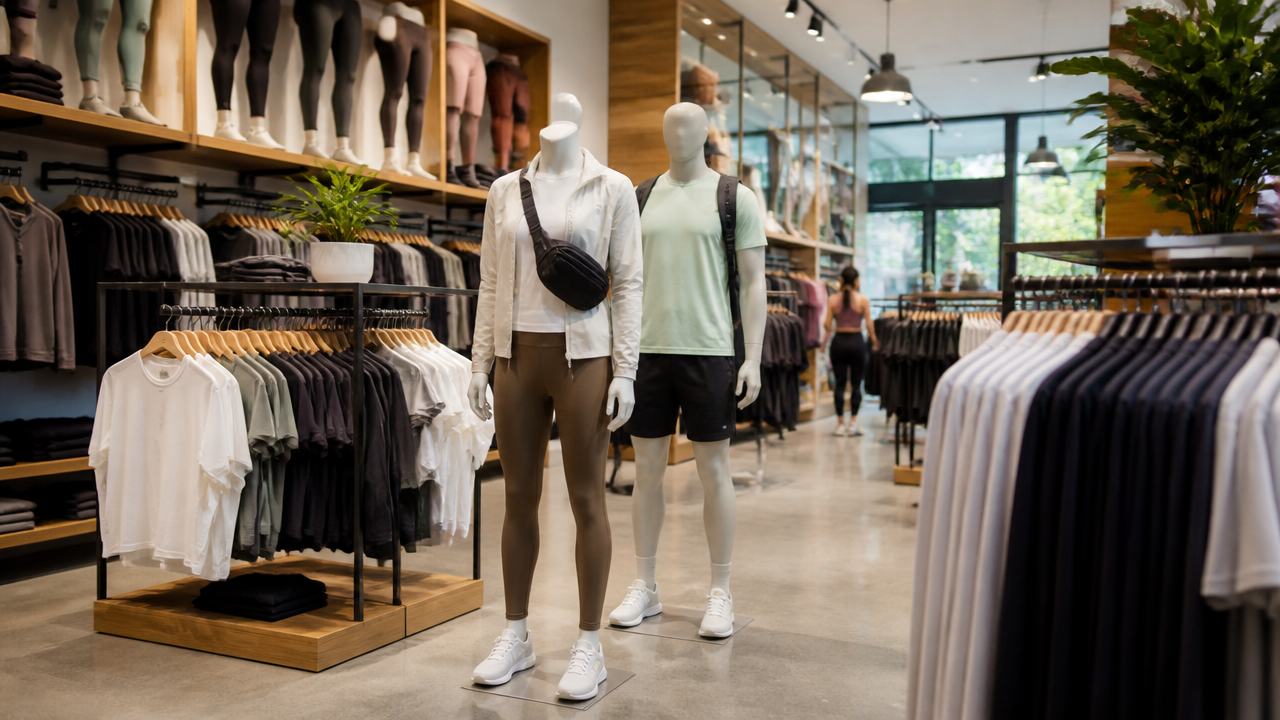
Store locations are rarely just points of sale. They often host free exercise classes or community events, establishing the brand as a partner in your health goals. This strategy relies on the Retail and Consumer Goods sector trends which emphasize human connection. Employees on the floor act as product experts who assist with fit and fabric selection, fostering a personal connection with shoppers. This high-touch retail style encourages customers to return, building a stable base of repeat buyers who associate the brand with a healthy, active life.
Key Milestones and Corporate History
The brand history tracks a steady climb from a local project to a global entity. The first dedicated retail store opened in 2000, signaling a move toward physical presence in the community. By 2007, the company reached a major milestone with a formal public listing.
Success is rarely a straight line, though. In 2013, the company faced a significant product quality crisis when high-end leggings suffered from transparency issues. This event forced a complete review of their supply chain and quality assurance processes. Much like learning How to Draw Michael Jackson: Master His Iconic Face Step by Step, refining a process takes time, patience, and attention to every detail before you reach a perfect result. The brand used this period to restructure how garments were tested, which ultimately reinforced their commitment to durability.
Frequently Asked Questions
Q: What was the brand’s original purpose?
The company launched primarily to make yoga practice easier and more comfortable through material science. Chip Wilson aimed to fill a gap for high-quality, technical garments that could handle the rigorous demands of yoga workouts. By focusing on specific fabrics and ergonomic cuts, the label shifted the market toward performance-driven leisure clothing for women.
Q: How does Lululemon maintain its industry position?
Industry dominance stems from a firm commitment to the direct-to-consumer retail model. By avoiding third-party department stores, the company keeps its pricing consistent and protects its premium reputation. This direct relationship with shoppers allows them to gather immediate feedback on new designs. The brand invests heavily in its product experts, who create an experience-driven retail environment that fosters long-term customer loyalty and repeat business.
Q: Is the company older than its competitors?
Lululemon is surprisingly young compared to many global athletic wear giants. Founded in 1998, it lacks the multi-generational history held by many legacy sports brands. This relative youth allowed the company to move faster and adapt to changing fashion trends, like the growth of athleisure. Its trajectory shows how modern retail strategies can build global recognition in just a few decades.
Q: Are lululemon pants suitable for everyday wear beyond workouts?
Many lululemon styles, such as the Align and Define jackets, are designed for both athletic and casual use due to their soft, flexible fabrics and stylish cuts. Customers frequently wear them for commuting, lounging, or traveling because they offer comfort without sacrificing a polished look. The brand markets several lines explicitly as “athleisure.”
Q: How do I know which lululemon size fits me best?
Lululemon provides detailed size charts on their website that include measurements for bust, waist, and hips for each size. It’s recommended to compare your direct measurements rather than relying on your usual size in other brands. If unsure, consult a product expert via phone or chat for personalized sizing advice based on fit preferences.
Q: Will lululemon replace leggings with pilling or fabric issues?
Lululemon offers a quality promise that may cover leggings with significant pilling, seam issues, or fabric breakdown within a reasonable timeframe, especially if the item was used as intended. You can submit a claim through their website or visit a store for evaluation. However, routine wear-and-tear over many years typically isn’t covered.
Q: What is the difference between Align and Luxtreme lululemon fabrics?
Align fabric is ultra-soft, Nulu-based, and designed for low-impact activities like yoga with a bare-body feel. Luxtreme is a sweat-wicking, four-way stretch fabric that feels smoother and more compressive, making it ideal for high-intensity workouts. Align is prone to pilling with friction, while Luxtreme is more durable against abrasion.
Q: Where can I find lululemon outlet stores near me?
You can locate lululemon outlet stores using the store locator on their official website by entering your city or zip code. These outlets, often called “lab” or “outlet” locations, carry discounted past-season items. Many are in shopping malls or outlet centers, and they operate independently from full-price retail stores.
Q: Is lululemon made in the USA or overseas?
Lululemon does not manufacture its products in the USA; most items are produced in overseas facilities across countries like Vietnam, China, Cambodia, and Indonesia. The company partners with third-party manufacturers that meet its quality and sustainability standards. Design, product development, and branding are primarily managed from their headquarters in Vancouver, Canada.
Q: Which lululemon leggings are best for running and high-intensity training?
For running and high-intensity training, the Wunder Train and Fast & Free styles are top choices due to their sweat-wicking Luxtreme or Nulux fabrics and secure, compressive fit. These leggings feature minimal seam placement to reduce chafing and include pockets for phones. They are designed to stay in place during dynamic movement.
My Experience With Lululemon: What You Need to Know Before You Buy
I remember walking into my first Lululemon store years ago, mostly because I was dragged there by a friend. I expected just another activewear shop, but the atmosphere felt different. The staff wasn’t trying to offload stock; they were genuinely trying to match the fabric performance to my specific, clumsy exercise habits.
If you view the process as if you were learning How to Draw Deltarune Characters: A Step-by-Step Guide for Beginners, you’ll realize it is all about the layers. You cannot just pick a pair of leggings at random and hope for the best. Align leggings are fantastic for that “no-pants” feeling on the couch but start to degrade if you thrash them through intense treadmill runs. On the flip side, their Luxtreme-based products feel like armor by comparison, which is great until you realize they lack that buttery softness you crave for a long flight. My biggest advice? Be honest with yourself about what you are actually doing in the clothes. Are you sweating buckets, or just running errands? Have you found a favorite style that bridges the gap?
References
- Lululemon’s Impact on Athleisure & Lifestyle Branding. (n.d.). Selling Lifestyle: Lululemon’s Impact as the Pioneer for Athleisure. Marcom. https://marcom.com/selling-lifestyle-lululemons-impact-as-the-pioneer-for-athleisure/
- McKinsey & Company. (n.d.). Retail and Consumer Goods. McKinsey. https://www.mckinsey.com/industries/retail/our-insights
- PortersFiveForce.com. (n.d.). What is Brief History of Lululemon Athletica Company?. PortersFiveForce. https://portersfiveforce.com/blogs/brief-history/lululemon
- Shop Bottega del Sarto. (n.d.). Lululemon Brand Timeline: How It Quietly Reshaped Athleisure. Bottega del Sarto. https://www.shop.bottegadelsarto.com/feed/lululemon-brand-history-timeline-550505
- Business Model Analyst. (n.d.). Lululemon Business Model – How Lululemon Makes Money?. Business Model Analyst. https://businessmodelanalyst.com/lululemon-business-model/
- Quartr. (n.d.). Lululemon: The Work of Chip Wilson. Quartr. https://quartr.com/insights/company-research/lululemon-the-work-of-chip-wilson
- DCFmodeling.com. (n.d.). Lululemon Athletica Inc. (LULU): history, ownership, mission, how it works & makes money. DCFmodeling. https://dcfmodeling.com/blogs/history/lulu-history-mission-ownership
- Pestel-analysis.com. (n.d.). What is Brief History of Lululemon Athletica Company?. Pestel-analysis. https://pestel-analysis.com/blogs/brief-history/lululemon
- Gentle Packing. (n.d.). Lululemon’s Business Model Explained: What You Can Learn. Gentle Packing. https://www.gentlepk.com/lululemon-business-model-explained/

A Teacher with 5 years of experience. Our Expertise, is reliable to meet your full Academic development needs . Worked on many crafts and construction projects offering services from design to development to deployment over the years. You will find many of my works in my business portfolio on request.