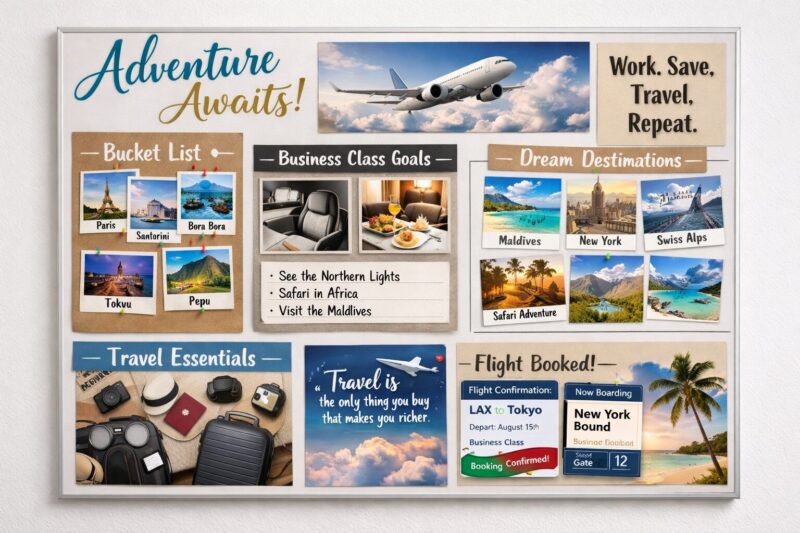

If you’ve been side-eyeing travel agent life—because you love planning trips, you’re the “send me the itinerary” friend, and you’re secretly obsessed with comparing flight times—let me tell you: it’s a real career path, and it’s way more structured than people assume.
I’m going to walk you through how I’d do it if I were starting from zero today: what to learn first, what to avoid, how agents actually get paid, and the little “insider” habits that make the difference between a hobby and a steady business. Along the way, I’ll point you to a few helpful YouTube resources so you can see how working agents talk about the job in real life.
Step 1: Get clear on what “travel agent” means now (not in 1999)
Before anything else, I’d reset the mental picture.
A modern travel agent (often called a travel advisor) is part trip designer, part problem-solver, part educator. You’re not just booking flights—you’re helping people make better decisions, avoid expensive mistakes, and feel taken care of when plans change.
One of the biggest reality-checks I recommend is watching a “things I wish I knew” style video because it quickly shows you what’s exciting and what’s not glamorous (client expectations, nonstop emails, supplier rules, etc.).
Step 2: Choose your lane (because “I book everything” is a trap)
If I could give one tip that saves months of frustration, it’s this: pick a niche early—even if it’s a temporary one.
Not because you can’t sell other travel, but because marketing gets 10x easier when people know exactly what you’re for. Examples:
- Cruises
- Disney or theme parks
- Honeymoons
- Luxury trips
- Group trips / destination weddings
- “Busy professional” weekend getaways
Some creators focus on special paths (like Disney-focused advising), and it’s helpful to see how they position it.
Step 3: Decide how you’ll start: host agency vs. building your own from scratch
This is where many beginners get overwhelmed, so I’d simplify it like this:
Option A: Join a host agency (common for beginners)
A host agency is basically an umbrella that provides systems, supplier relationships, credentials pathways, training, sometimes insurance options, and community. You operate as an independent contractor under their setup.
If you’re new, this can be the fastest way to start learning and booking. You’ll see a lot of discussion around host agencies in “become a travel agent from home” content.
Option B: Start your own travel agency business
This is more of a business-build route (and may involve more paperwork, vendor relationships, and operational setup). It can be great, but it’s usually not the easiest “week one” move unless you already have industry experience.
A basic overview of starting an agency business step-by-step can help you understand what’s involved.
Step 4: Learn the money side early (so you don’t burn out)
I’m going to say this plainly: many new agents quit because they didn’t understand the pay timeline and the work-to-reward ratio.
Travel advisors can earn through:
- Commissions (paid by suppliers—often after travel happens)
- Service / planning fees (charged to clients for your time and expertise)
- Combination of both
If you want a quick explanation of how travel agents get paid from someone sharing it plainly, this is a solid starting point.
And if you’re considering fees (which many advisors do, especially to protect their time), watch a breakdown specifically on charging fees. It helps you think like a business owner instead of a free quote machine.
My personal “rule” if I were starting out: I would not wait a year to think about fees. I’d decide what kind of traveler I want to serve and build a simple fee structure that matches it.
Step 5: Get basic credentials straight (without getting lost in alphabet soup)
You’ll hear terms like CLIA and IATA/IATAN a lot. You don’t need to panic-learn everything in one night—but you do want to understand what they are, because they can affect credibility and perks.
A clear “CLIA & IATAN made simple” style explanation is a good place to start.
And if you’re specifically trying to understand differences (because everyone online argues about it), a CLIA vs IATA comparison video helps.
Step 6: Build your “new agent starter system” (simple beats fancy)
If I were starting today, I’d set up a lightweight system before I even post on social media.
Here’s what I’d build:
- A single place to capture leads (even a simple form)
- A basic client intake questionnaire (so you don’t play 20 Questions forever)
- A quotes & follow-up tracker (because money is in follow-up)
- Email templates for: welcome, quote delivery, deposit instructions, final documents
- A clean workflow for documents: confirmations, insurance reminders, deadlines
This is one of those things experienced agents repeat constantly: success comes from habits and repeatable processes, not last-minute scrambling.
Step 7: Getting clients (without feeling salesy)
Let’s talk about the part everyone worries about: “How do I get clients if I’m new?”
If I were brand-new, I’d do it in layers:
Layer 1: Warm network (fastest start)
I’d quietly tell friends/family what I book and who I’m best for. Not a big “launch post” yet—more like direct conversations:
- “If you ever do an all-inclusive, I can help.”
- “If you’re cruising this year, send me your dates.”
Layer 2: Proof-building content (before you have reviews)
I’d post:
- Sample itineraries
- Packing lists
- “3 hotels I’d pick at X budget”
- Short educational reels: passports, insurance, cruise tips, etc.
Layer 3: Partnerships
Think wedding planners, local photographers, yoga studios, PTA groups, alumni associations—any place where group travel or milestone trips happen.
For practical client-getting ideas specifically targeted to beginners, this is a good video to study. And if confidence is the real blocker (very common), there’s content focused purely on pushing past the fear of outreach.
Step 8: My favorite “tips & tricks” that make you look pro fast
These are the small things I’d do that immediately raise your perceived value:
- Stop offering unlimited revisions. Give clients “two refinement rounds” or similar. Your time is the product.
- Always confirm priorities first. Budget, pace, “must-do” items, hotel vibe—before you quote anything.
- Use a consultation call for complex trips. People who won’t do a 15-minute call are often the ones who will drain you by text for 3 weeks.
- Sell outcomes, not components. “Stress-free honeymoon with zero decision fatigue” lands better than “I can book flights and hotels.”
- Send deadlines like a professional. Deposit due date, final payment date, passport validity reminders—make it easy for clients to succeed.
- Protect yourself with written terms. Especially around cancellations, refunds, and non-refundable deposits.
If you want a quick “new agent mistakes” reality check, this one is worth watching so you don’t learn the hard way.
And if you want broader first-year pitfalls from an experienced voice, this is a strong overview.
Step 9: What I’d do in the first 30 days (a simple starter plan)
If I had one month to “get momentum,” here’s what I’d do:
Week 1:
Pick niche + write a one-sentence offer (who you help + what you help with). Watch at least one realistic “becoming a travel agent” overview video to understand the job.
Week 2:
Set up intake form + email templates + tracking sheet. Decide if you’re charging planning fees (even small ones).
Week 3:
Reach out to 20 warm contacts privately. Post 5 helpful pieces of content (not “book with me,” but genuinely useful).
Week 4:
Do 3 consult calls. Create 1 sample itinerary you’re proud of. Ask every satisfied person for a short testimonial (even if it’s “great planning help!”).
Final thought: it’s not about loving travel—it’s about loving service
I’ll end with this, because it’s the honest truth: loving travel helps, but what really makes someone successful is loving helping people make decisions and being calm when plans go sideways.
If that sounds like you, this path can be incredibly rewarding—and yes, you can absolutely start small and grow.

A Teacher with 5 years of experience. Our Expertise, is reliable to meet your full Academic development needs . Worked on many crafts and construction projects offering services from design to development to deployment over the years. You will find many of my works in my business portfolio on request.