
Handmade keychains turn a basic tool into something personal. You can make them in under an hour with polymer clay, resin, beads, fabric, or simple cord. They make great gifts, small-business products, or just a fun way to keep your own keys easy to find. Current trends favor custom names, cute shapes, eco materials, and little charms that clip to bags as well as key rings.
Quick answer: Popular handmade keychain ideas include polymer clay shapes, resin with dried flowers, beaded word tags, macrame tassels, stamped leather, and simple initial discs. Most need only basic tools and finish in 30 to 60 minutes.
These projects stay practical. A good keychain should be strong enough for daily use yet light enough not to weigh down your pocket or bag. Below are eleven ideas that balance looks and durability. You can sell them, gift them, or keep a few for yourself.
Basic tools cover most of the projects. You will need a sharp craft knife or scissors, jump rings, key rings, pliers for opening and closing rings, and a clean work surface. Polymer clay projects also need an oven and baking sheet. Resin projects need mixing cups, stir sticks, and a well-ventilated space. Leather and fabric projects benefit from a hole punch and strong adhesive or stitching. Start with one material you already have and expand from there.
Durability matters more for keychains than for some other jewelry. Keys get dropped, tossed into bags, and pulled from pockets many times a day. Choose materials that can take that wear. Fully baked polymer clay with a clear seal, quality leather, and tightly woven paracord all perform well. Resin pieces should be thick enough to resist cracking. Always test the jump ring closure by giving it a firm tug before you call the project finished.
| Idea | Main Material | Time | Durability |
|---|---|---|---|
| Polymer Clay Shape | Clay | 45 min | High |
| Resin Charm | Resin | 60 min | Medium-High |
| Beaded Word | Beads + Cord | 25 min | High |
| Macrame Tassel | Cord | 40 min | High |
| Stamped Leather | Leather | 30 min | High |
1. Polymer Clay Shape Keychain
Roll polymer clay into simple shapes such as hearts, stars, animals, or abstract discs. Bake according to the package directions, then drill a small hole or insert an eye pin before baking. Attach a jump ring and key ring.
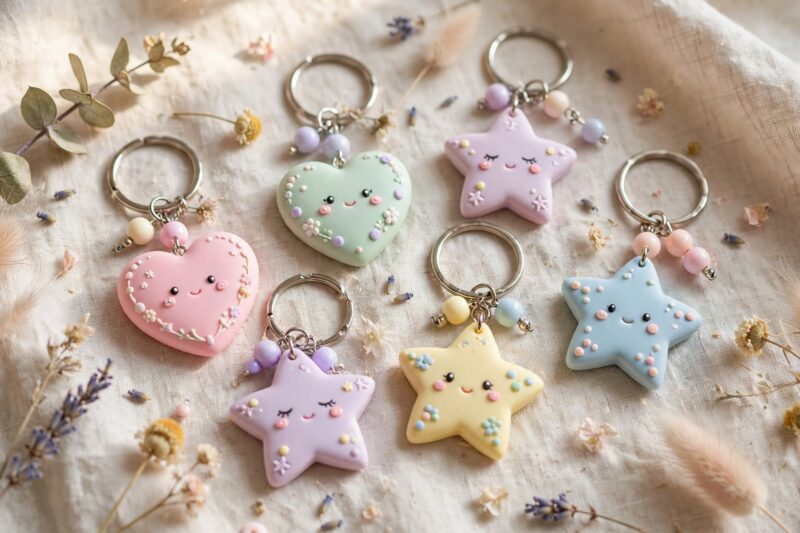
Polymer clay keychains hold up well to daily use when fully baked and sealed. You can paint details after baking or mix colors for a marbled look. Recent guides note that clay keychains often last two years or more with proper sealing.
2. Resin Dried Flower Charm
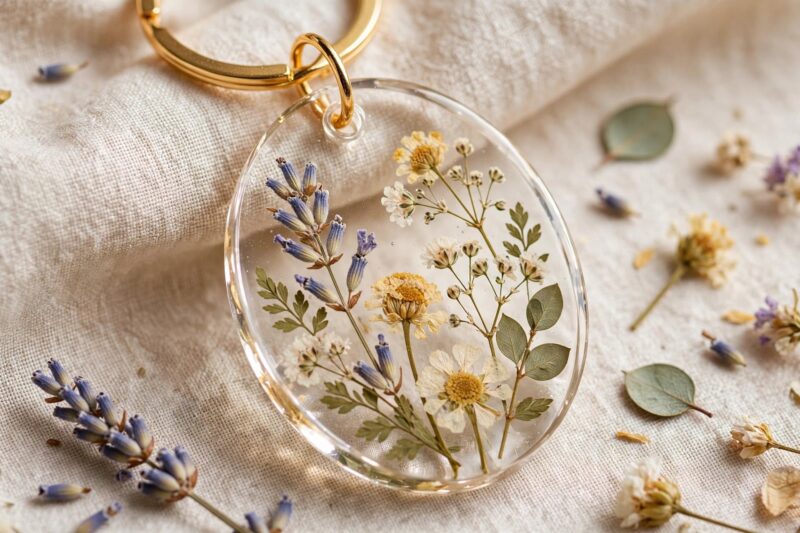
Pour clear resin into a small silicone mold. Add dried flowers, leaves, or glitter before the resin sets. Once cured, demold and attach a jump ring. The finished piece looks delicate yet feels solid.
Resin keychains are popular for botanical themes. Work in a well-ventilated area and follow the mixing ratios carefully. These make pretty gifts and photograph well for online shops.
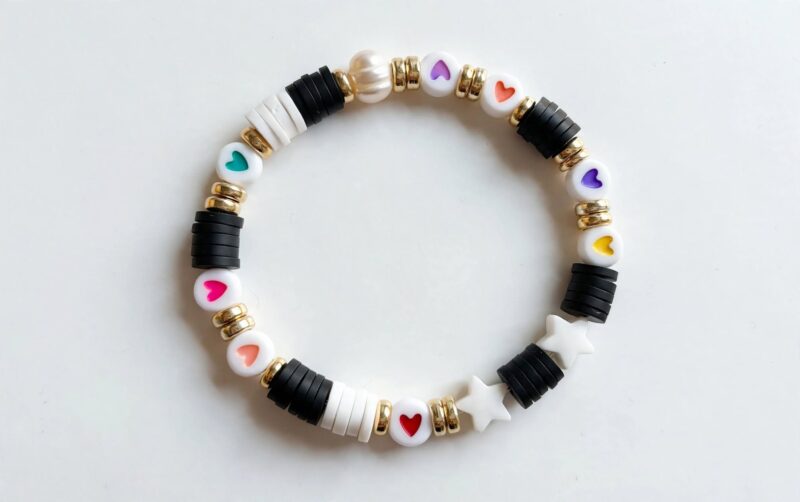
3. Beaded Word Keychain
String letter beads to spell a short word or name. Frame the letters with solid color beads or clay discs. Thread everything onto strong cord or wire, then attach both ends to a key ring.
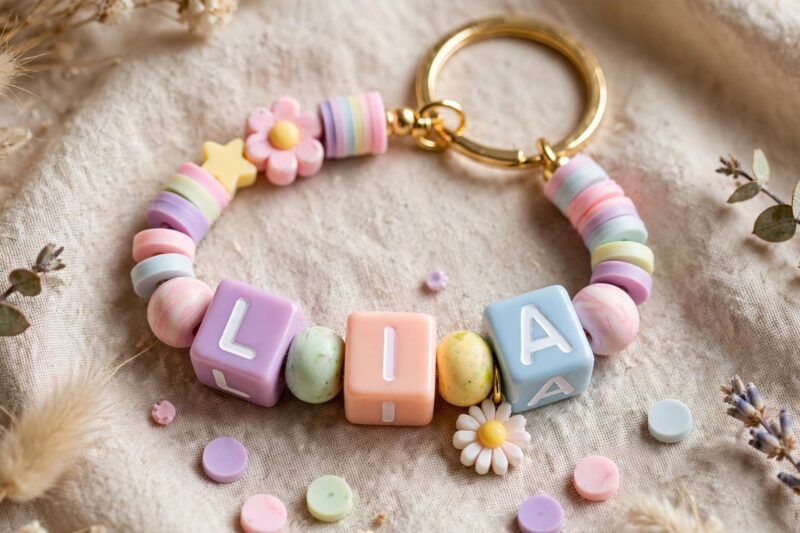
Word keychains are quick and personal. Popular short words include names, HOPE, JOY, or simple initials. They work as bag charms as well as key holders.
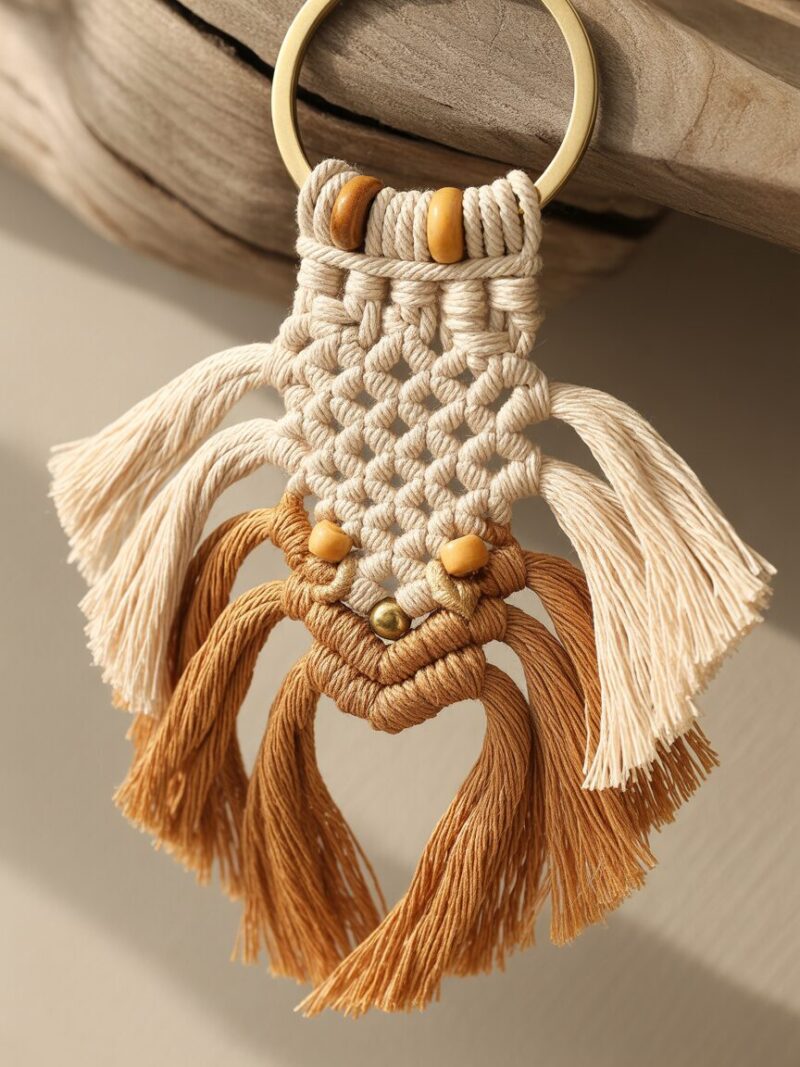
4. Macrame Tassel Keychain
Use cotton or hemp cord to tie simple square knots or a basic tassel. Add a few wooden or clay beads for color. Attach the finished piece to a sturdy metal key ring.
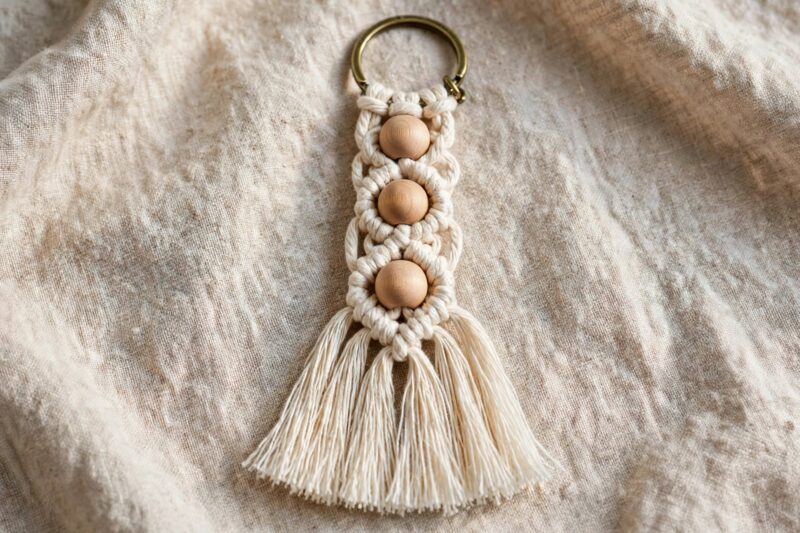
Macrame keychains feel soft and look handmade. They are light and strong. Many current tutorials start beginners with a simple diamond or tassel pattern that takes less than an hour.
5. Stamped Leather Tag
Cut a small rectangle or circle from vegetable-tanned leather. Stamp initials or a short word with metal stamps. Punch a hole, add a jump ring, and attach to a key ring. Optionally dye or edge paint the leather.
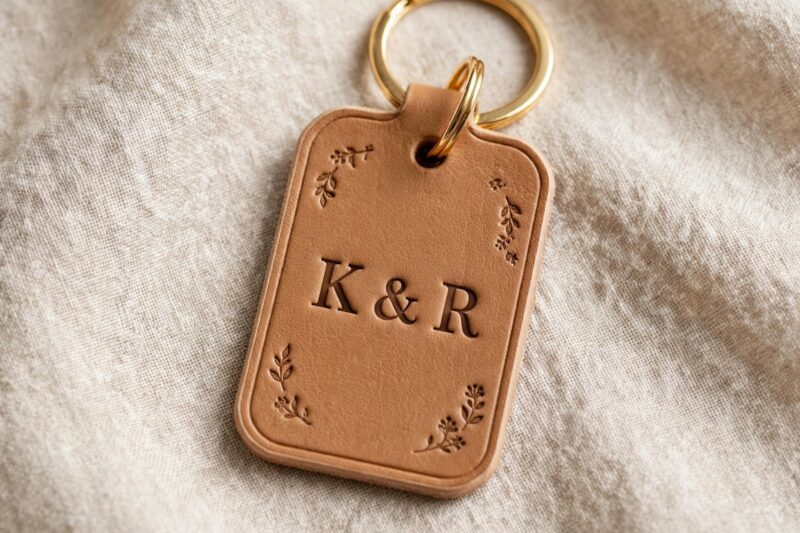
Leather keychains develop a nice patina over time. They feel sturdy and look classic. This style suits people who prefer natural materials over plastic or resin.
6. Air-Dry Clay Initial Disc
Roll air-dry clay into a flat disc. Stamp or carve an initial while the clay is soft. Let it dry fully, then sand lightly and seal. Add a jump ring through a pre-made hole.
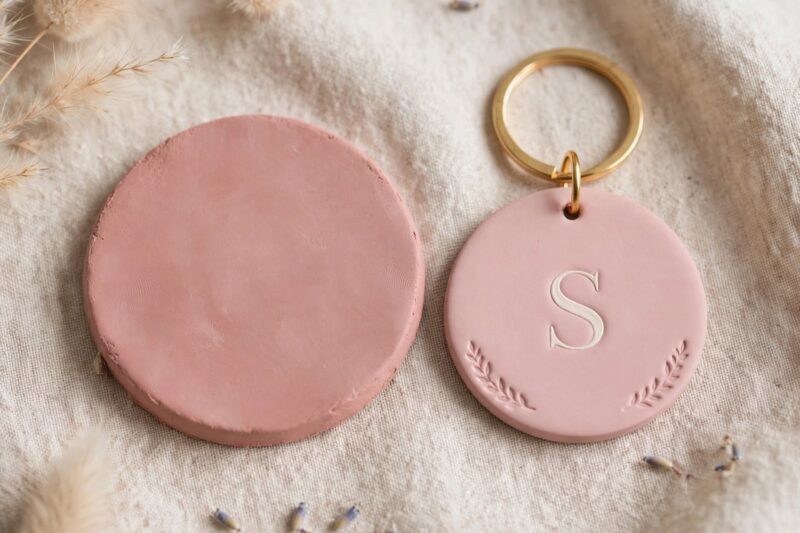
Air-dry clay needs no oven, which makes it convenient. Seal well so the piece resists moisture. Soft pastel colors and simple stamps create a clean, modern look.
7. Fabric Scrap Key Fob
Cut a strip of fabric, fold it, and sew or glue the edges. Attach a metal key fob hardware piece at one end. You can add interfacing for extra strength.
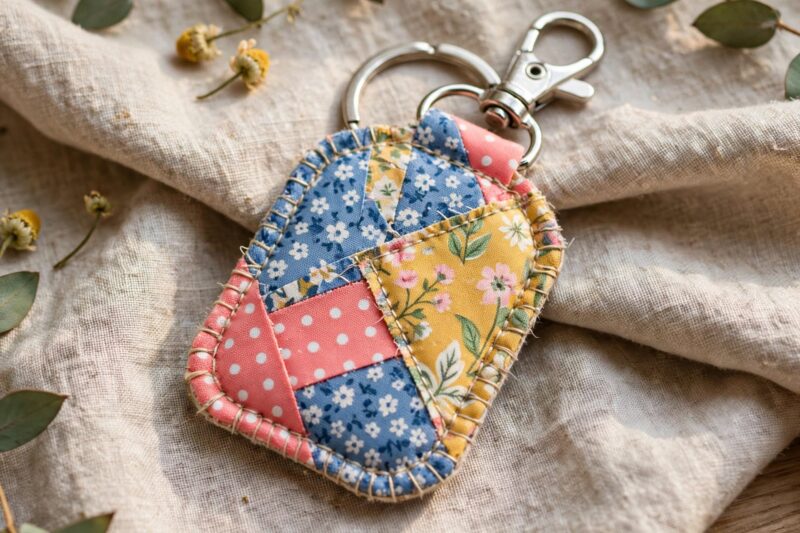
Fabric keychains use leftover material and can match bags or clothing. They are soft and quiet in a pocket. Choose sturdy cotton or canvas for longer wear.
8. Paracord Survival Style
Braid or weave paracord into a short length using a cobra or simple braid pattern. Finish with a metal clasp or key ring. Some makers leave a small loop that can be pulled apart in an emergency.
Paracord keychains are tough and practical. They suit outdoor use and make good gifts for people who like functional gear. Colors can be bright or muted.
9. Mixed Media Charm Cluster
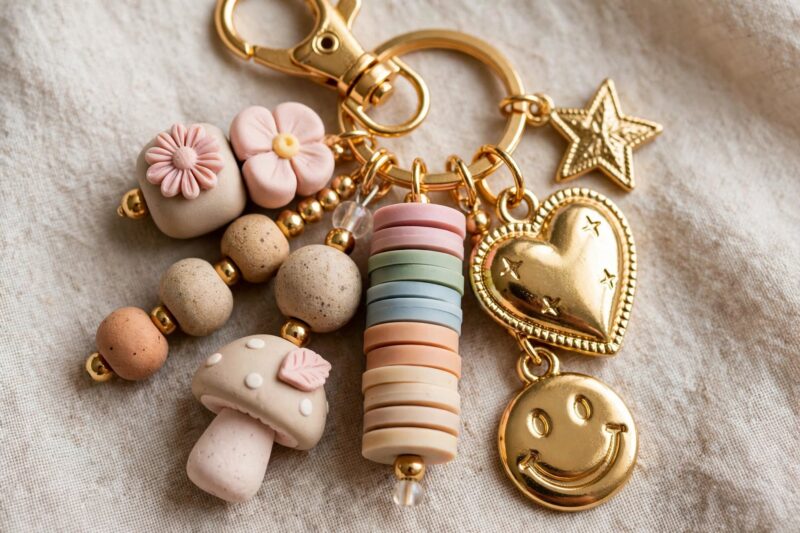
Combine a small clay shape, a bead, and a metal charm on one key ring. Use jump rings to link the pieces so they move freely. Keep the total weight light.
Cluster keychains feel collected and personal. They let you use leftover materials from other projects. Balance the sizes so nothing feels too heavy or cluttered.
10. Wooden Slice with Burned Design
Use a small pre-cut wood slice or disc. Burn a simple design or initials with a wood-burning tool. Seal the wood and attach a jump ring through a drilled hole.
Wood keychains have a natural, warm look. They are lightweight and durable when sealed against moisture. Simple geometric or initial designs work best on small surfaces.
11. Recycled Material Tag
Cut shapes from old circuit boards, typewriter keys, or sturdy plastic packaging. Sand edges smooth, drill a hole, and add a jump ring. Seal if needed to prevent sharp edges or oxidation.
Eco-minded makers like these projects. They turn waste into useful objects. Choose pieces that are already flat and strong enough for daily handling.
FAQ
What is the strongest material for a daily-use keychain?
Fully baked and sealed polymer clay, quality leather, and well-made paracord all hold up well. Resin works if the piece is not too thin and is protected from heavy impact.
How do I attach a key ring securely?
Use a jump ring that opens and closes with pliers. Make sure the ends meet tightly. For extra security, you can add a small drop of jewelry glue on the joint after closing.
Can I sell handmade keychains?
Yes. Many people sell them at craft markets and online. Focus on consistent quality, clear photos, and simple packaging. Personalization options such as names or initials often increase sales.
How long does polymer clay need to bake?
Follow the brand instructions. Most polymer clays bake at a moderate temperature for 15 to 30 minutes depending on thickness. Use an oven thermometer for accuracy.
Are resin keychains safe for kids?
Once fully cured, resin is hard and non-toxic. Supervise children during the making process because uncured resin and molds need careful handling.
Conclusion
Handmade keychains let you create useful objects that also show personality. Start with a simple polymer clay shape or beaded word if you want quick results. Move on to resin or macrame when you feel ready for a longer project. Always test the strength of your jump rings and knots before giving a keychain heavy daily use. Keep a small box of leftover beads, clay scraps, and cord so you can make the next one without a special shopping trip. These eleven ideas cover the styles people reach for most. Choose one that matches the materials you already have, make a few, and enjoy the process of turning ordinary keys into something special.
If you plan to sell your work, take clear photos in natural light and show the keychain both alone and attached to a set of keys. Consistent sizing and clean finishes help your pieces look professional. Personalization options such as initials or short names often encourage buyers to choose your work over mass-produced alternatives. Even if you only make keychains for friends and family, the same care with materials and finishing will make the gifts feel thoughtful and lasting.
Store finished keychains in a dry place away from direct sunlight if they include resin or dyed materials. Check jump rings from time to time and tighten or replace any that loosen with heavy use. With a little attention, a well-made handmade keychain can stay on your keys for years and still look good.
References
- Mod Podge Rocks. “DIY Keychains: 35+ Cute Ideas to Make, Gift, or Sell.” 2026. https://modpodgerocksblog.com/diy-keychains/
- Clayelle. “17+ Cute Air Dry Clay Keychain Ideas You Can Make Today.” 2026. https://clayelle.com/blog/air-dry-clay-keychain-ideas/
- DIY Alibaba. “DIY Key Chains: 5 Proven Methods for Beginners.” 2025. https://diy.alibaba.com/diy-projects/diy-key-chains
- WonderfulDIY. “35 DIY Clay Keychain Ideas That’ll Make Your Bag, Keys, and Backpack Pop.” 2026. https://wonderfuldiy.com/diy-clay-keychain-ideas/
- Engineer Fix. “Handmade DIY Keychain Ideas and How to Make Them.” 2025. https://engineerfix.com/handmade-diy-keychain-ideas-and-how-to-make-them/
- Accio. “Latest Keyholders Trend 2025: Smart Tech & Collectible Designs.” 2026. https://www.accio.com/business/latest-keyholders-trend

A Teacher with 5 years of experience. Our Expertise, is reliable to meet your full Academic development needs . Worked on many crafts and construction projects offering services from design to development to deployment over the years. You will find many of my works in my business portfolio on request.